Small Shower Storage Ideas Without Permanent Fixtures

Many renters and homeowners alike face the dilemma of keeping shampoo, conditioner, razors and towels tidy in a shower that doesn’t allow drilling or permanent shelving. The challenge is to add function without compromising the walls, tile, or lease agreement. Below are seven practical approaches that use tension, suction, magnetism and clever placement to create storage that can be removed as easily as it was installed. Each idea includes a look at why it works, how you can set it up, and what to watch for so the solution feels intentional rather than improvised.
1. Tension‑Rod Shelving That Slides Into Place
This image is by AI for inspiration only.
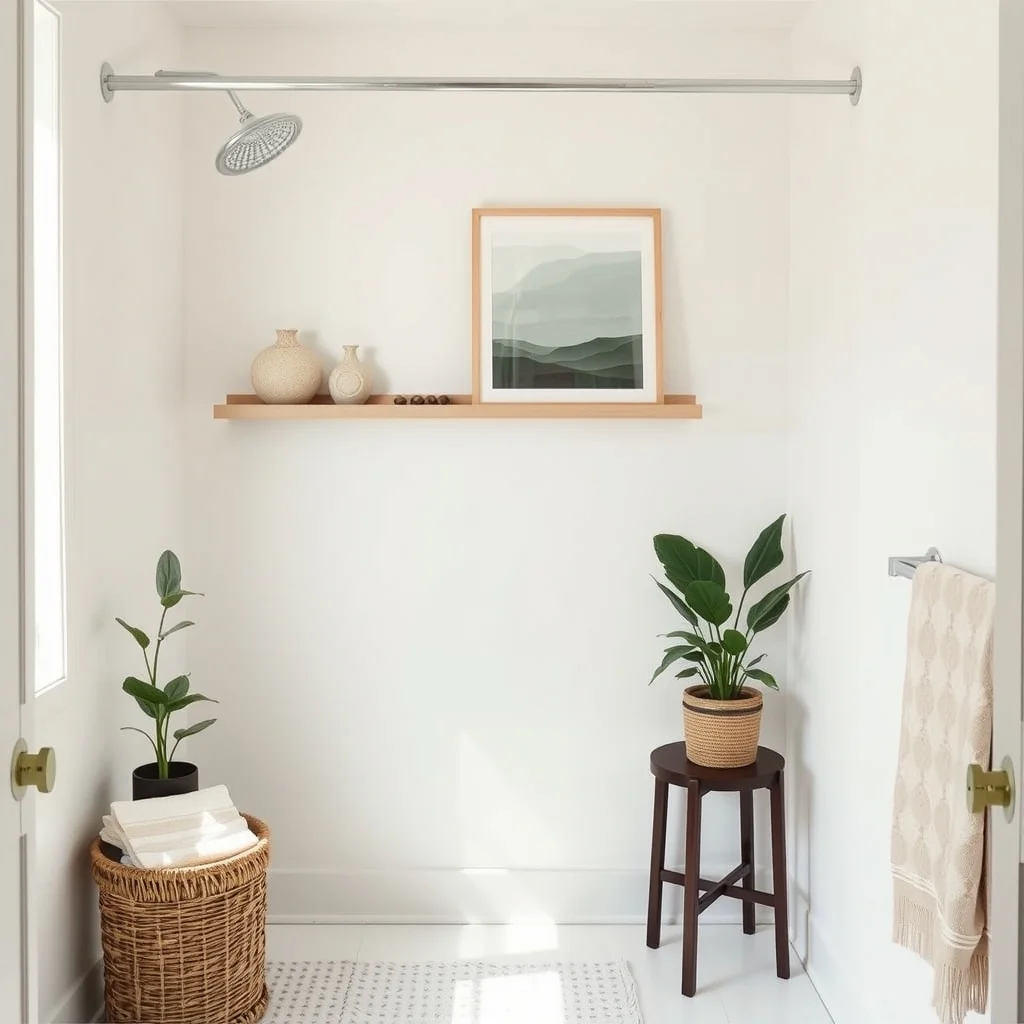
A simple steel tension rod can become a narrow shelf when you pair it with a sturdy wooden board or a waterproof tray. The rod spans the width of the shower, pressing against the opposite walls, while the board rests on the rod’s curve, creating a level surface for bottles and small containers. Because the rod relies on pressure rather than screws, it stays put even when the shower is steamy, and removal leaves no marks. Choose a board finished in teak or a high‑gloss acrylic to resist moisture, and cut it slightly shorter than the rod’s span to avoid contact with the tiles. The main limitation is the depth of the board; a shallow ledge works well for essentials but won’t accommodate bulkier items like large body washes. If you need a bit more width, a double‑rod system can be stacked, though it may reduce headroom for taller users.
2. Over‑the‑Door Caddies for Immediate Access
This image is by AI for inspiration only.
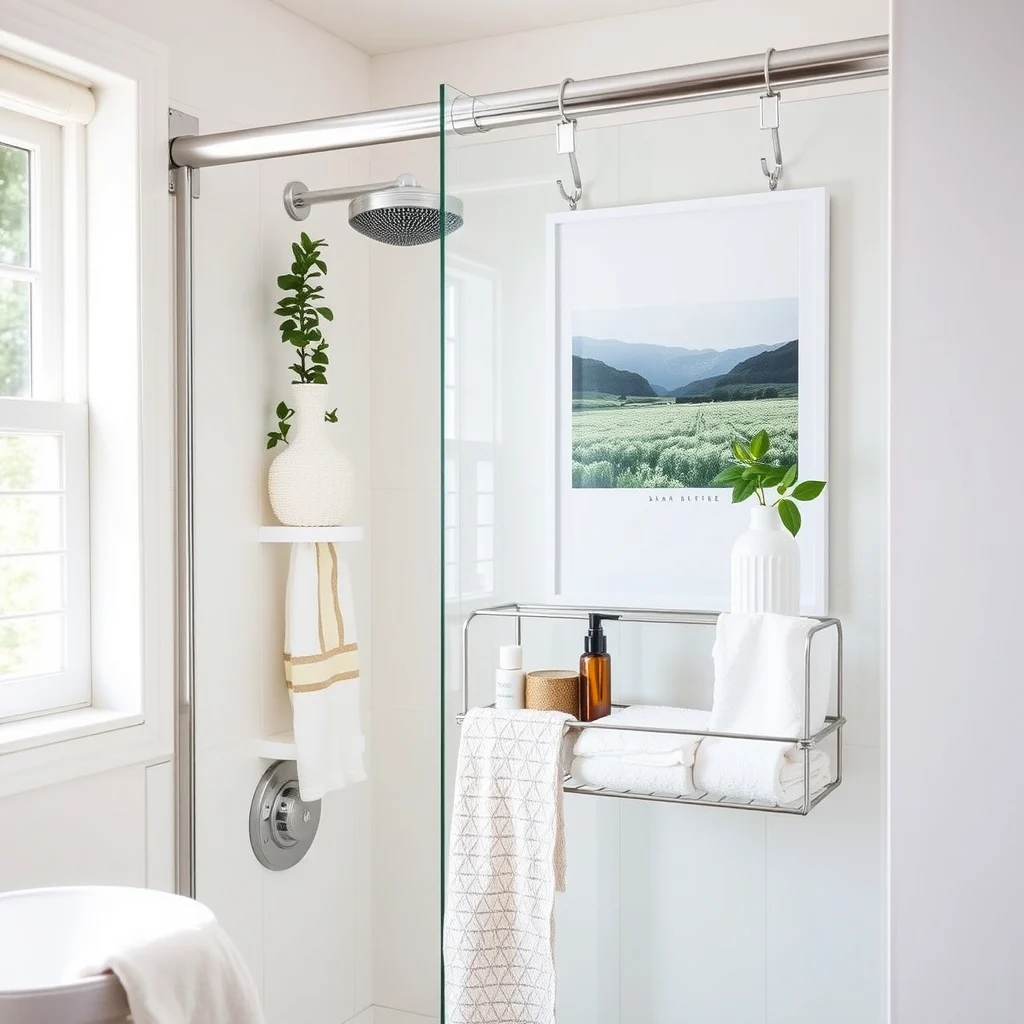
Shower doors often have a top rail that can support a hanging caddy designed for towels or toiletries. These caddies feature hooks that slide over the rail without any drilling, and their compartments are typically made from rust‑proof aluminum or coated steel. By positioning the caddy just below the door, you keep daily items within arm’s reach while freeing up shelf space. The open design encourages air flow, helping products dry between uses and reducing the risk of mildew. One thing to consider is the weight limit; a heavily loaded caddy can strain the door’s hardware, so reserve it for lighter bottles and keep larger containers on a separate surface. When you move out, the caddy can be lifted off in seconds, leaving the door untouched.
3. Suction‑Cup Baskets That Stick to Tile
This image is by AI for inspiration only.
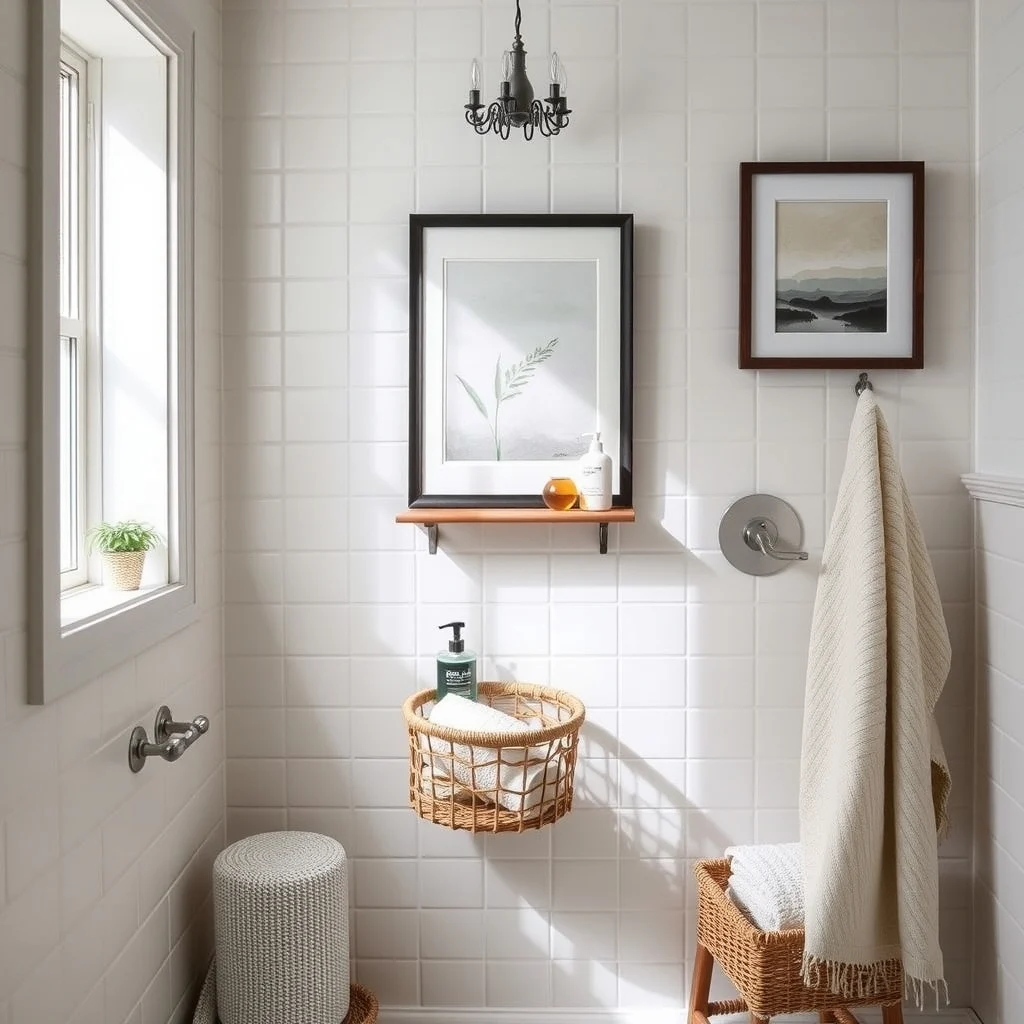
Clear or matte suction cups attached to a small woven basket offer a discreet way to store washcloths, loofahs and travel‑size shampoos. The suction creates a seal on smooth, non‑porous tile, and the basket’s open weave lets water drain away, preventing mold buildup. Installation is as simple as wetting the cup, pressing it firmly against the wall, and hanging the basket from the built‑in hook. This method works best on vertical surfaces that are free of grout lines; uneven grout can break the seal, so you may need to shift the basket a few inches until you find a solid spot. Suction strength can diminish over time, especially in very hot showers, so it’s wise to check the grip weekly and re‑press if needed. The trade‑off is limited load capacity—heavy bottles can cause the cup to pop off.
4. Magnetic Strips for Metal Grooming Tools
This image is by AI for inspiration only.
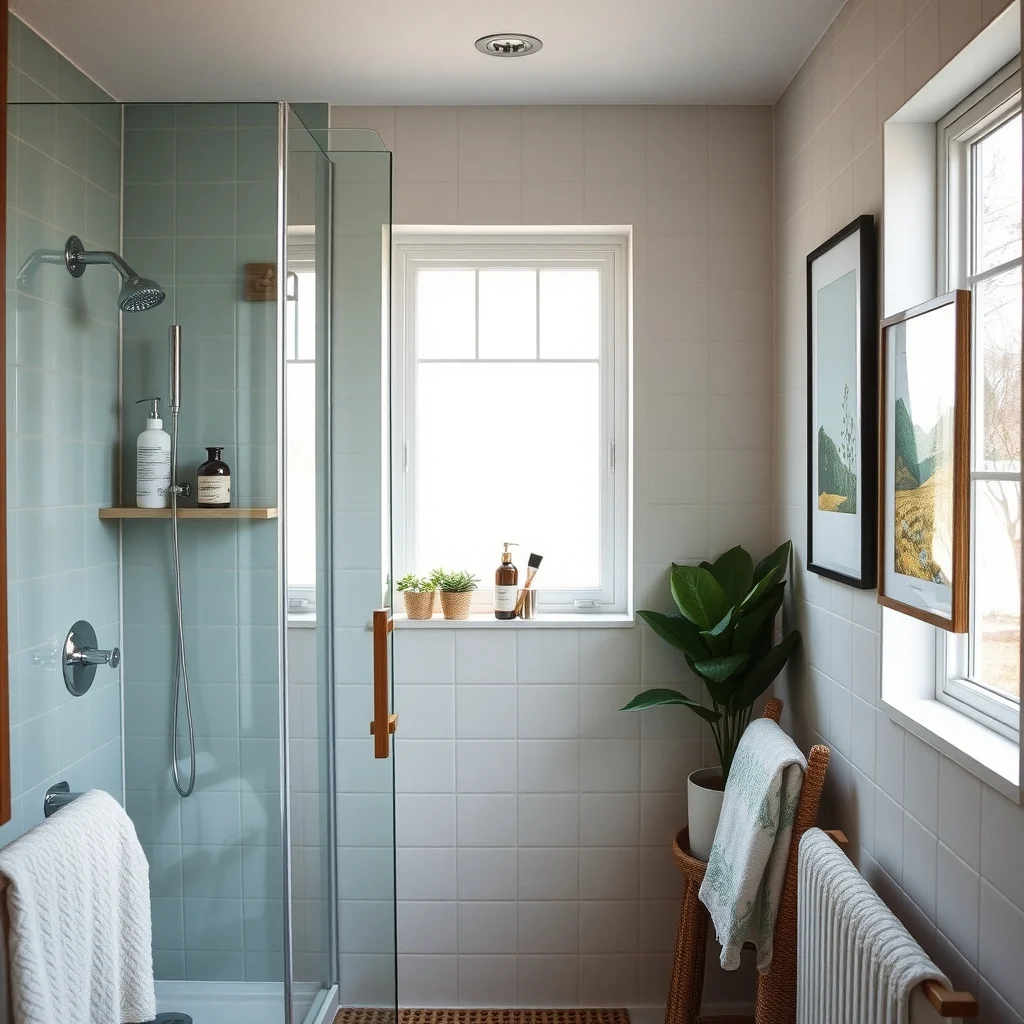
If you keep metal razors, tweezers or small scissors in the bathroom, a thin magnetic strip mounted with adhesive can hold them securely without any drilling. The strip adheres to the glass or tile, and the magnets attract the metal handles, keeping them upright and visible. Because the strip is only a few millimeters thick, it doesn’t interfere with the shower’s flow of steam or water. Choose a strip with a rust‑resistant coating to avoid discoloration in humid conditions. This solution is ideal for items you use daily and want to keep out of the tub, but it won’t work for plastic bottles or anything without a magnetic component. If the adhesive feels too permanent, opt for a removable mounting pad that releases cleanly when you pull it away.
5. Corner Shelf That Leverages an Existing Niche
This image is by AI for inspiration only.
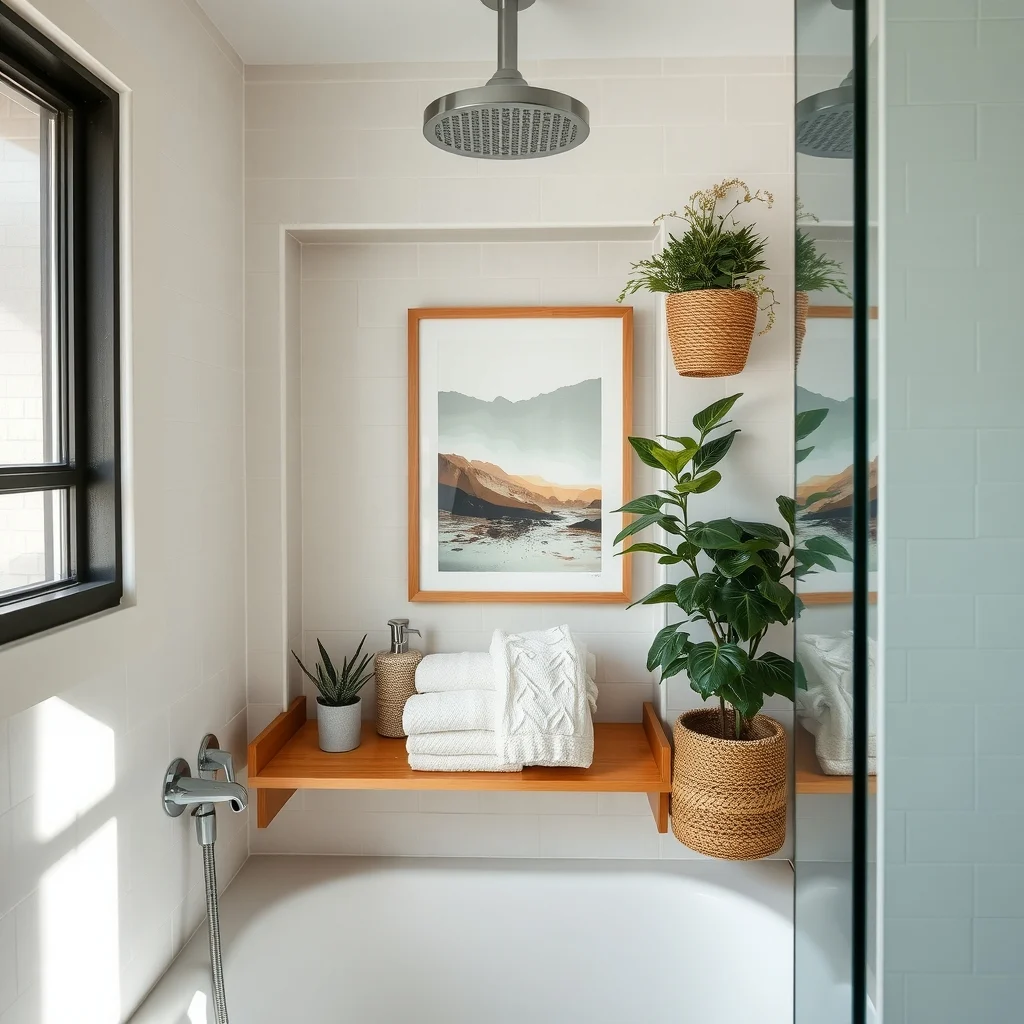
Many showers have a recessed corner where the wall meets the back tile. A free‑standing corner shelf can sit inside this niche, using the surrounding walls for support. A lightweight acrylic or bamboo unit with a shallow base fits snugly, providing a platform for larger bottles that would otherwise spill onto the floor. The shelf’s legs can be capped with silicone to prevent scratching the tile, and the material’s water‑resistant qualities keep it stable for years. The main consideration is the dimensions of the niche; measure the width and depth before purchasing to ensure a proper fit. In showers without a recessed corner, a similar freestanding unit can be placed against two walls, though you’ll need to watch the clearance to avoid bumping into the showerhead.
6. Hanging Mesh Bins From the Shower Curtain Rod
This image is by AI for inspiration only.
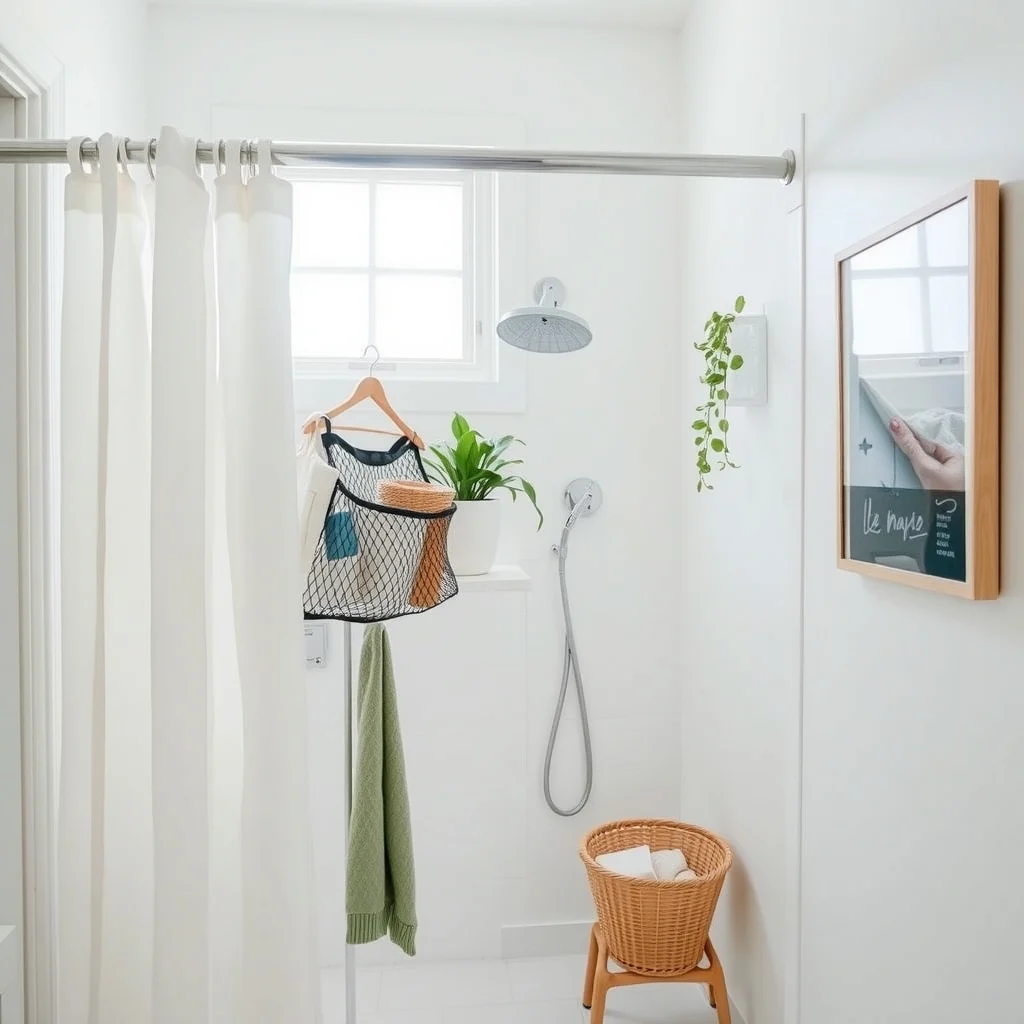
A sturdy shower curtain rod can double as a hanging point for lightweight mesh bins that hold towels, washcloths or travel kits. The bins feature reinforced loops that slide over the rod, and the breathable mesh allows water to escape, reducing mildew risk. Because the rod already supports the curtain, adding a bin adds little extra weight, making this a low‑impact solution. Choose bins in neutral tones like slate gray or soft ivory to blend with most décor palettes, and ensure the loops are wide enough to accommodate the rod’s diameter. The downside is that the bins hang at the height of the curtain, so they may be out of reach for shorter users; adjusting the curtain’s length can mitigate this issue. When the shower is not in use, the bins can be lifted off and stored elsewhere.
7. Portable Rolling Cart for Towels and Toiletries
This image is by AI for inspiration only.
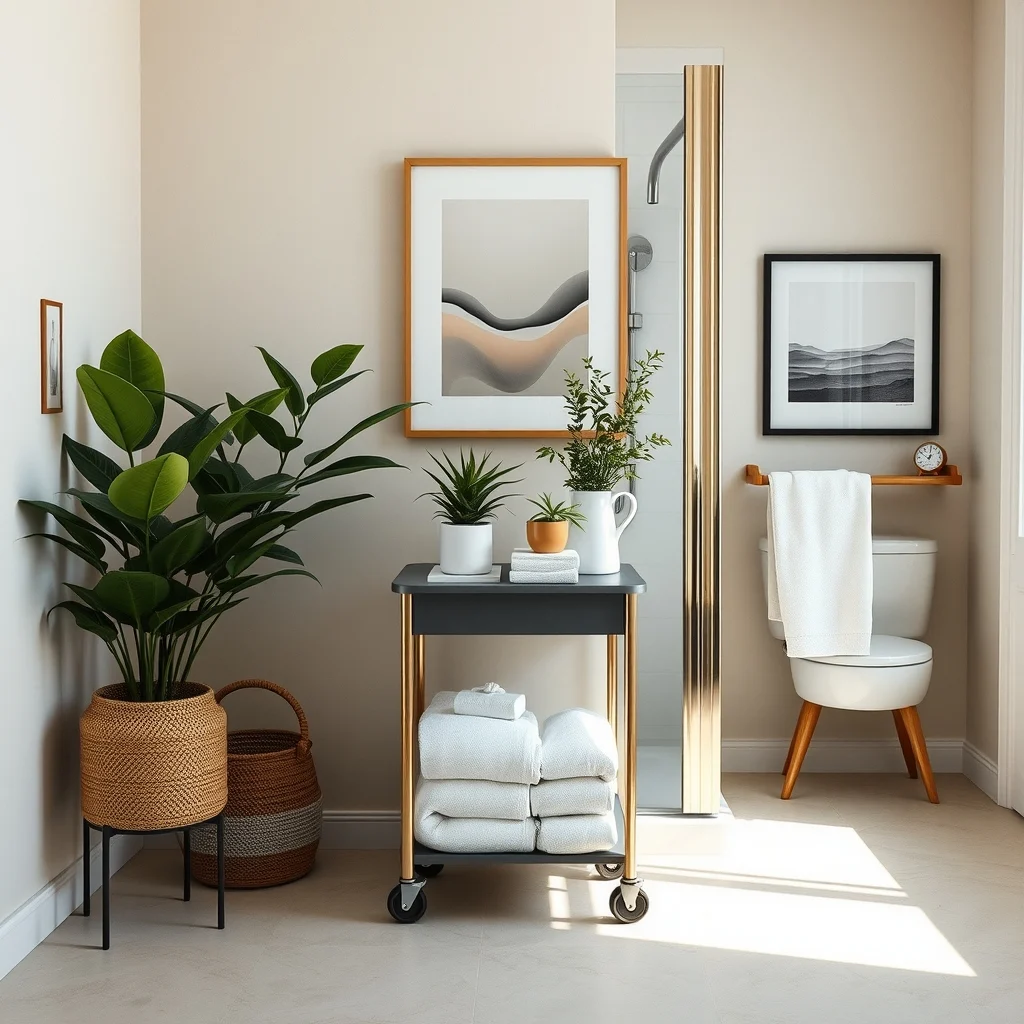
A compact rolling cart with a waterproof top surface offers mobile storage that can be tucked into a bathroom corner or rolled out when needed. The cart’s wheels lock in place, preventing it from moving during a shower, while the open shelves keep items organized and easy to see. Materials such as powder‑coated steel or reclaimed wood with a sealed finish hold up well against humidity, and the cart can be relocated to a different bathroom or even a bedroom if you travel. The primary limitation is the floor space required; a narrow, three‑tier model fits best in smaller showers, whereas larger carts may dominate the area. If you have a rug or textured tile, place a silicone mat under the wheels to avoid scratching.
FAQ

This image is by AI for inspiration only.
Can suction‑cup baskets hold heavy shampoo bottles?
They are best suited for lightweight items; heavy bottles can cause the suction to fail.
What type of adhesive works for magnetic strips on glass?
A removable mounting pad designed for bathroom surfaces provides a secure hold without damaging the glass.
How often should I check the tension‑rod shelf for stability?
Inspect it after each shower season, especially if the temperature changes cause tile expansion, and tighten the rod if it feels loose.
Is it safe to place a rolling cart in a wet shower area?
The cart should stay on a dry portion of the floor; lock the wheels and use a silicone mat if the floor is slippery.
Do mesh bins need any special cleaning?
Rinse them after each use and let them air dry; occasional washing with mild soap prevents buildup.
Final Thoughts

This image is by AI for inspiration only.
Adding storage to a shower without permanent fixtures is entirely possible when you think about pressure, adhesion and the geometry of the space. Each of the ideas above offers a way to keep daily essentials organized while respecting the limits of a rental agreement or a delicate tile surface. By selecting the method that aligns with your shower’s layout, the weight of your products and your personal routine, you can create a functional, clutter‑free environment that feels intentional and stays put until you decide to move it.