
How to Create a Minimal Bathroom Cleaning Caddy

Most of us keep a handful of sprays, a scrub brush, and a roll of cloth tucked away in a cabinet or under the sink. The result is a cluttered shelf, a leaky bottle that rolls off the ledge, and a visual reminder that the space is anything but serene. A well‑designed cleaning caddy can gather those essentials into a single, unobtrusive object that sits neatly on the vanity or hangs from a towel bar. Below you’ll find seven ideas that walk you through material choices, organization tricks, and styling cues, so the caddy becomes a quiet helper rather than a source of visual noise.
1. Choose a container that complements your bathroom aesthetic
This image is by AI for inspiration only.
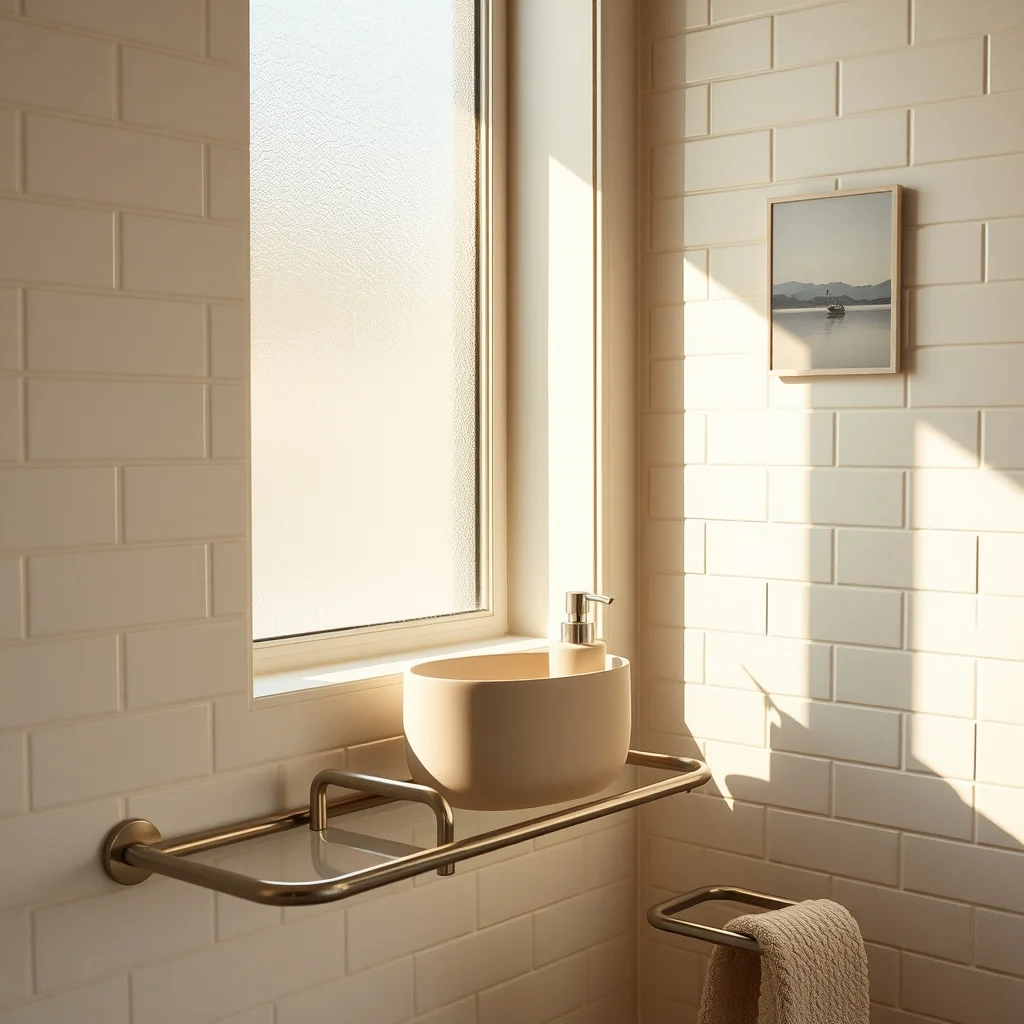
When the caddy looks intentional, it blends into the room instead of standing out. A matte ceramic tub with a soft greige glaze can echo the wall tiles, while a brushed‑nickel metal basket mirrors the finish of a faucet. If the bathroom leans toward natural textures, a woven seagrass box adds a tactile contrast without competing for attention. Selecting a container whose color, material, or shape mirrors existing elements creates a sense of cohesion, making the cleaning tools feel like part of the design rather than an afterthought. Keep in mind that glossy finishes may highlight fingerprints, so a subtle texture often works best for high‑traffic areas.
2. Size the caddy to the space you have available
This image is by AI for inspiration only.
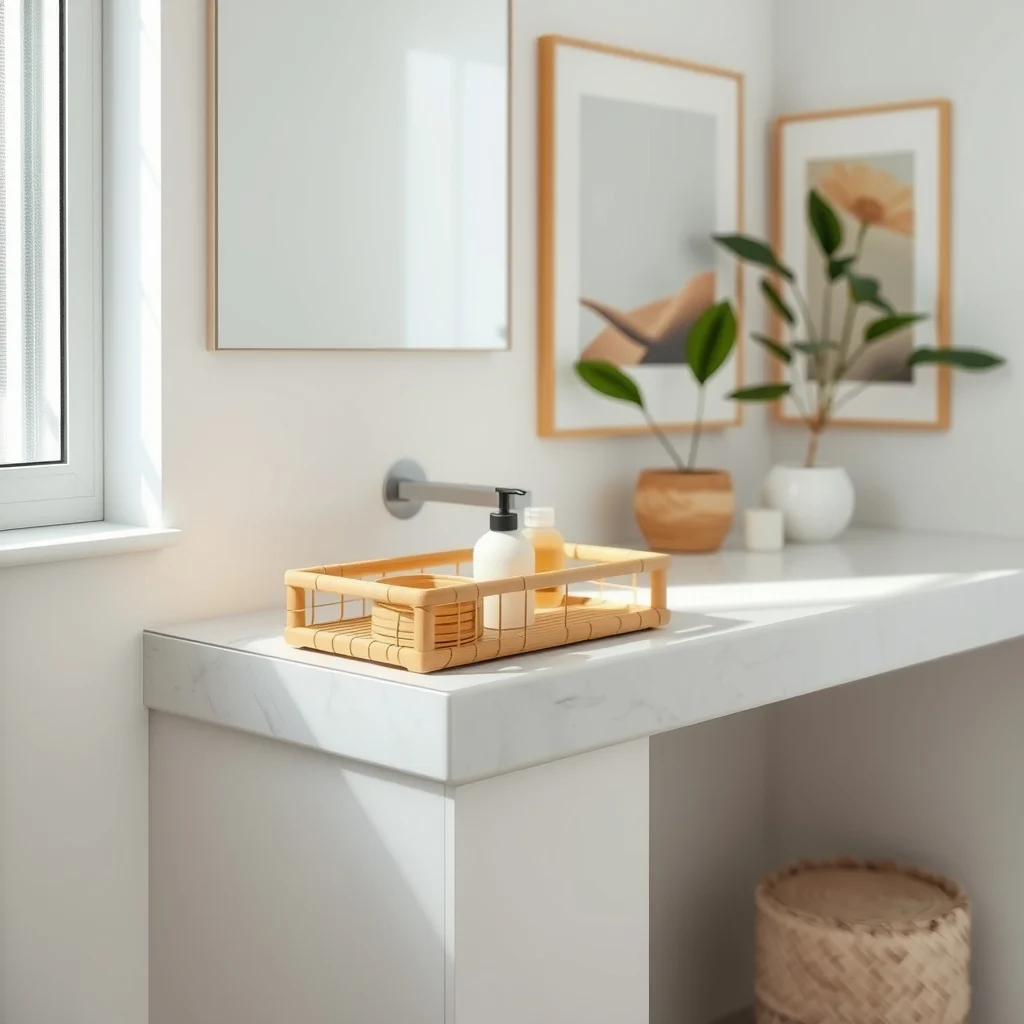
A common mistake is to buy a caddy that overwhelms a narrow vanity or a cramped powder room. Measure the width of the countertop or the length of the towel rail before you decide. A shallow, rectangular tray that fits within a six‑inch width can slide neatly between a soap dispenser and a plant without forcing a rearrangement of the existing layout. In larger bathrooms, a taller, narrow column can stand upright against the wall, using vertical space that would otherwise sit idle. By matching the caddy’s dimensions to the room’s proportions, you preserve the clean lines that minimal décor relies on.
3. Separate liquids from solids with internal compartments
This image is by AI for inspiration only.
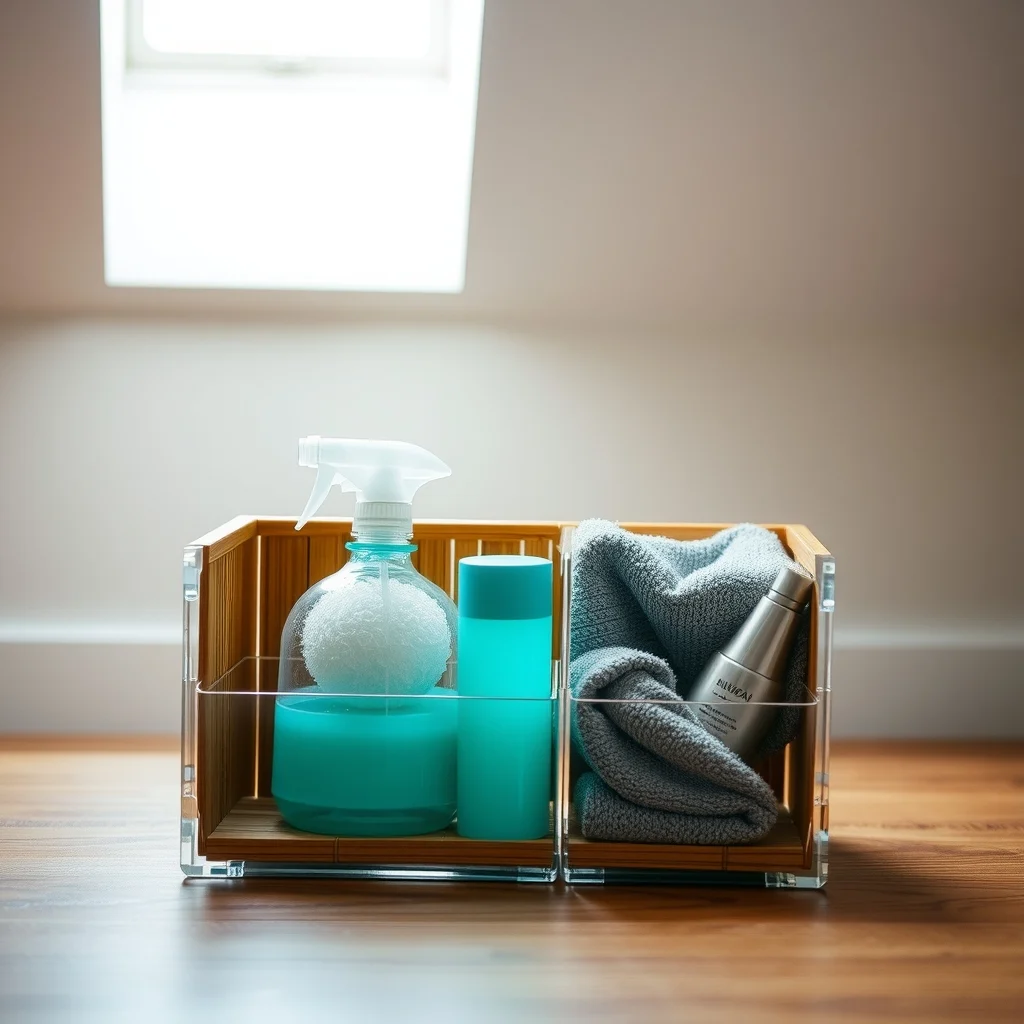
Mixing a spray bottle with a loofah or a sponge can lead to spills that ruin the container’s interior. Dividers made from thin acrylic or bamboo slats create distinct zones for liquids, scrubbers, and microfiber cloths. The visual separation also helps you see when a product is running low, prompting a refill before the bottle empties. If you prefer a single‑piece design, look for a caddy with a recessed well that holds a bottle upright while the surrounding area accommodates brushes. This arrangement reduces the chance of a bottle tipping over and keeps the countertop looking orderly.
4. Incorporate a built‑in drying rack for cloths
This image is by AI for inspiration only.
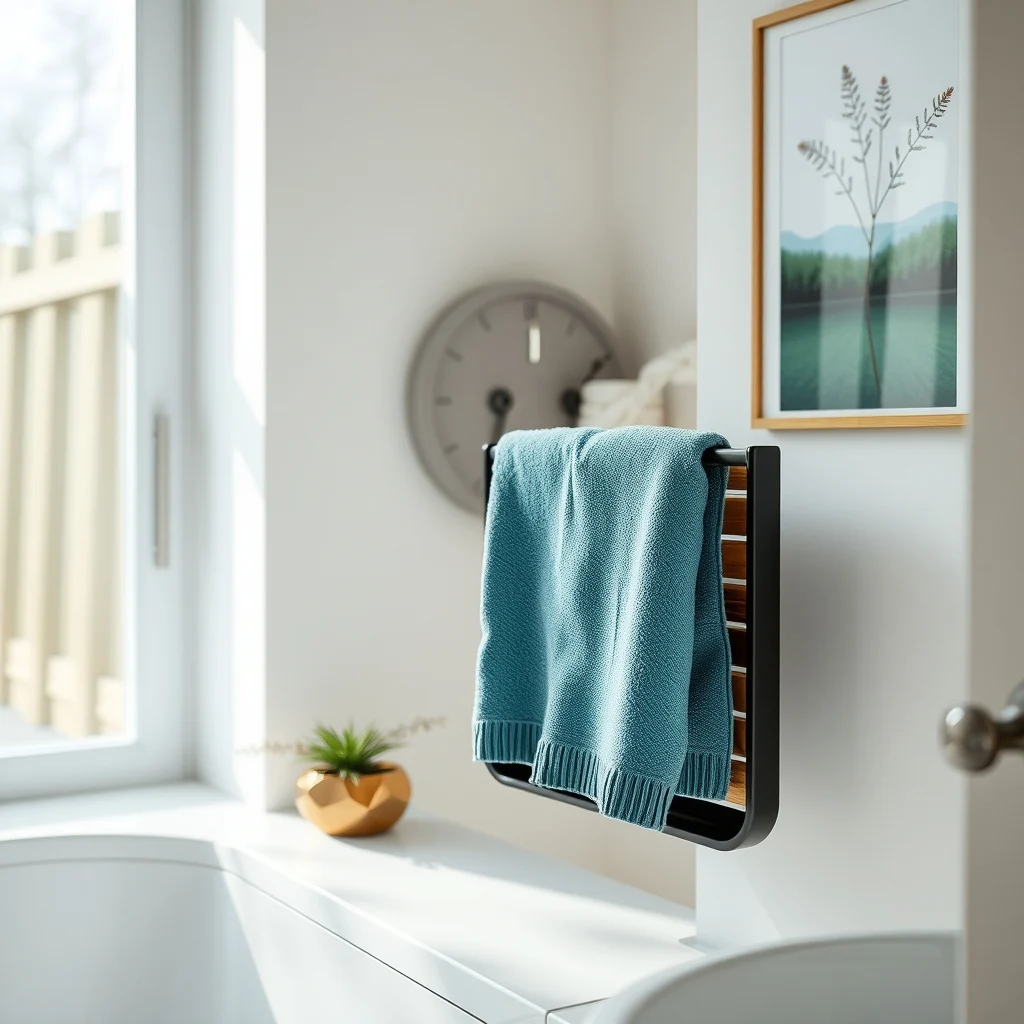
Wet towels and cleaning rags often get left on the edge of the vanity, leaving damp spots that can attract mildew. A small, slatted rack that folds out from the side of the caddy offers a place for cloths to air without taking up extra floor space. The slats should be spaced wide enough to allow airflow, which speeds up drying and prevents musty odors. When the rack is not in use, it can be tucked back in, preserving the sleek silhouette of the caddy. This simple addition turns a storage piece into a functional drying station.
5. Add a discreet hook for a handheld brush or wand
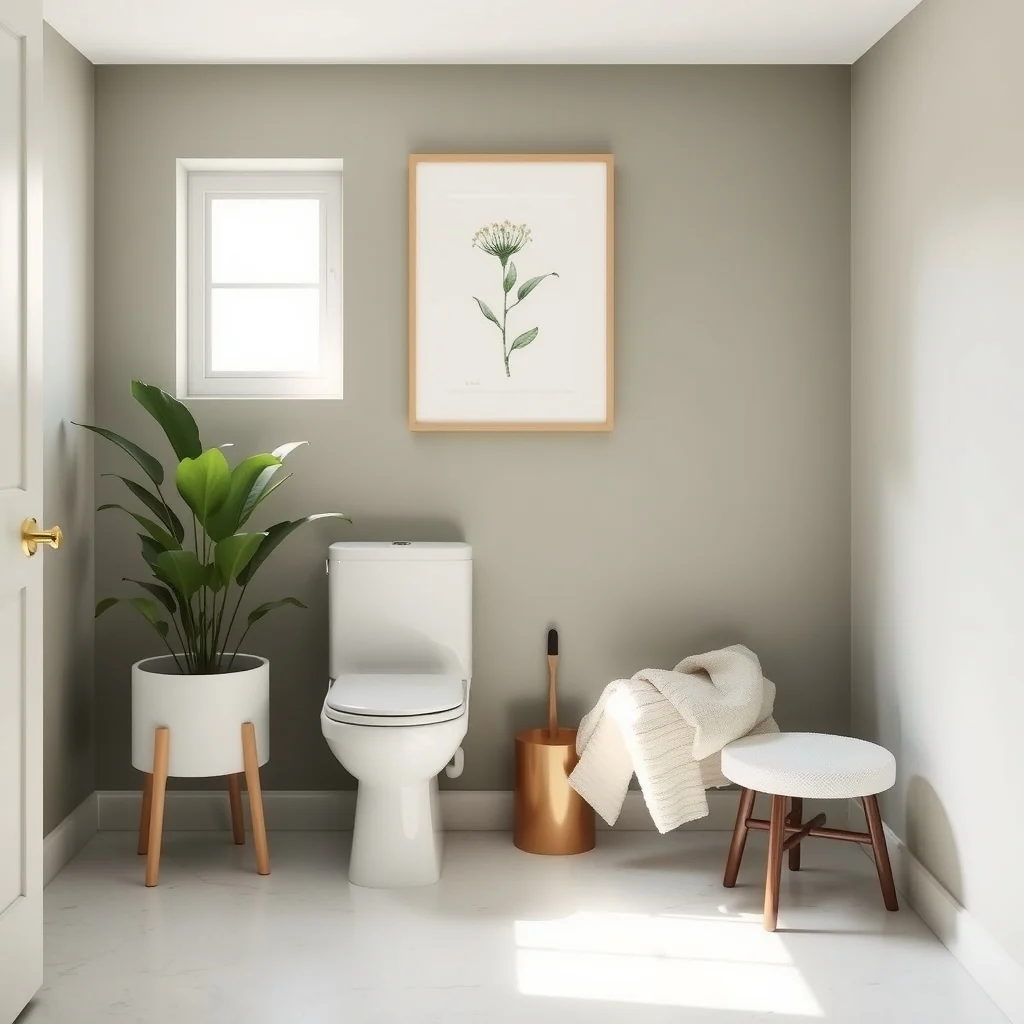
This image is by AI for inspiration only.
Many cleaning routines rely on a long‑handled brush that can become a tripping hazard if left on the floor. A small, curved metal hook attached to the inside wall of the caddy provides a natural perch. Because the hook is hidden behind the other items, it doesn’t interfere with the visual simplicity of the design. Choose a hook with a smooth finish to avoid snagging the brush’s bristles, and ensure it’s positioned low enough that the brush doesn’t swing into the other compartments when you reach for it.
6. Use a removable liner for easy cleaning
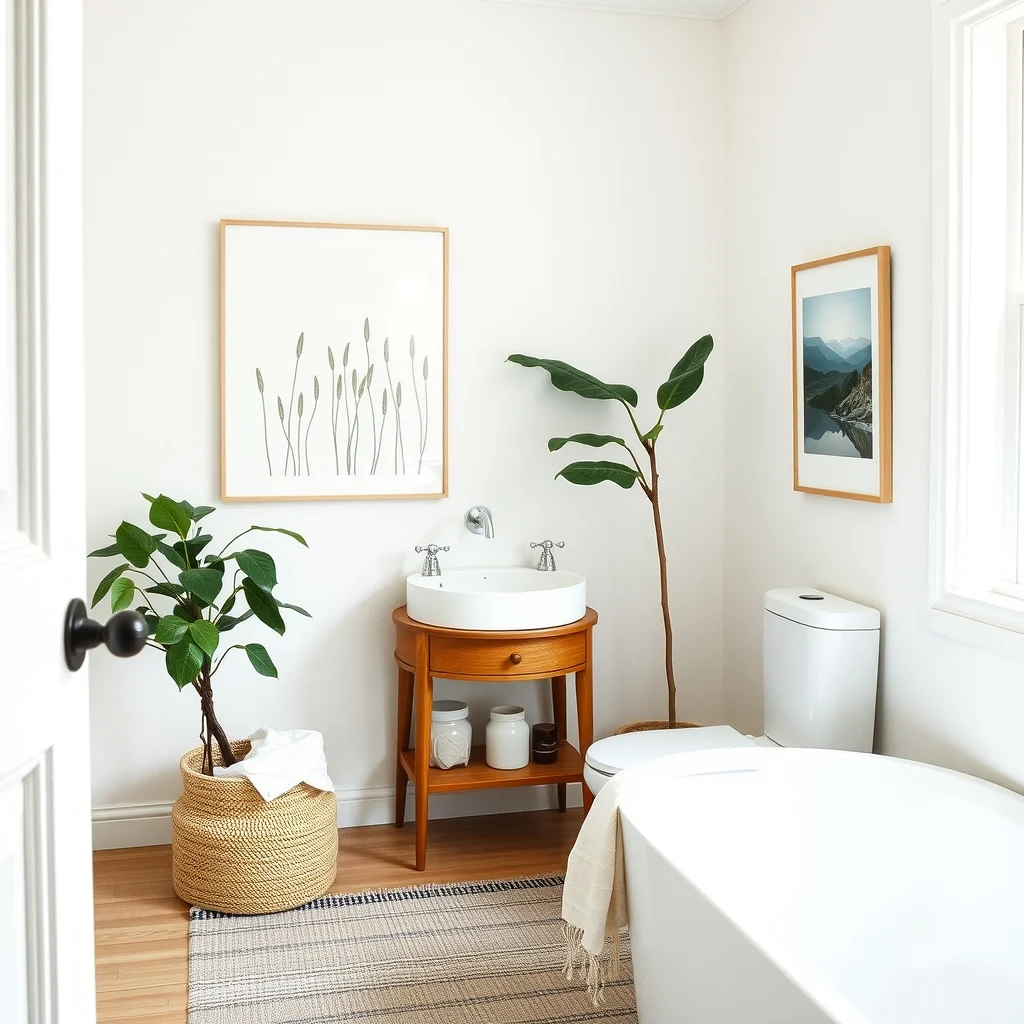
This image is by AI for inspiration only.
Even the most carefully organized caddy will collect drips and dust over time. Lining the interior with a washable, silicone mat or a thin canvas drop cloth makes maintenance a quick swipe rather than a deep scrub. The liner should be cut to fit snugly, preventing it from bunching up and creating a new source of clutter. When the mat is removed, you can toss it in the washing machine, keeping the caddy itself free from residue and extending its lifespan.
7. Choose a neutral finish that ages gracefully

This image is by AI for inspiration only.
Minimal décor thrives on restraint, and a finish that can tolerate the occasional splash or sun‑fade helps maintain that restraint. A powder‑coated steel caddy in a muted charcoal will hide minor scuffs, while a concrete‑look resin can develop a subtle patina that adds character without shouting for attention. If you favor organic materials, untreated bamboo will darken slightly with humidity, blending more seamlessly with the bathroom’s natural palette. Selecting a finish that tolerates the environment reduces the need for frequent touch‑ups, keeping the space looking calm for longer.
FAQ
This image is by AI for inspiration only.
What size cleaning caddy works best for a small bathroom?
A shallow tray that fits within a six‑inch width is ideal for tight spaces. It can sit on the vanity without crowding other items and still hold essential supplies.
Can I use a glass container for a minimal bathroom caddy?
Glass works if it has a matte or frosted finish to hide fingerprints. However, it is more prone to breakage and may reflect light in a way that distracts from a calm aesthetic.
How often should I replace the liner in my cleaning caddy?
Wash the liner whenever it shows visible residue or after a few weeks of regular use. Regular laundering prevents buildup and keeps the caddy looking fresh.
Is it okay to store harsh chemicals in a decorative caddy?
Yes, as long as the container is sturdy, has a secure lid, and the chemicals are kept upright. Avoid placing corrosive products near metal finishes that could be damaged over time.
What’s the best way to keep spray bottles from leaking?
Store them in a compartment that holds them upright and use a silicone mat underneath. This catches any drips and protects the countertop from moisture.
Final Thoughts
This image is by AI for inspiration only.
Creating a minimal bathroom cleaning caddy is less about buying a single product and more about shaping a small, purposeful object that respects the room’s visual language. By selecting a container that mirrors existing finishes, tailoring its dimensions to the available space, and adding thoughtful features such as compartments, a drying rack, and a hidden hook, you turn a practical necessity into a quiet design element. The result is a bathroom that feels organized, calm, and ready for the daily rituals of cleaning without sacrificing the aesthetic you’ve worked to achieve.