How to Organize First‑aid and Personal Care Supplies at Home

When a scraped knee or an unexpected allergic reaction shows up, the last thing you want to do is hunt through a cluttered drawer for a bandage or a bottle of antihistamine. A thoughtful arrangement of these essentials not only shortens the response time, it also integrates smoothly with the rooms you already love. Below you’ll find a step‑by‑step look at how to create a functional, attractive storage solution that fits into any style, from a mid‑century living room to a farmhouse kitchen.
1. Choose a Dedicated, Visible Spot That Complements Your Décor
This image is by AI for inspiration only.
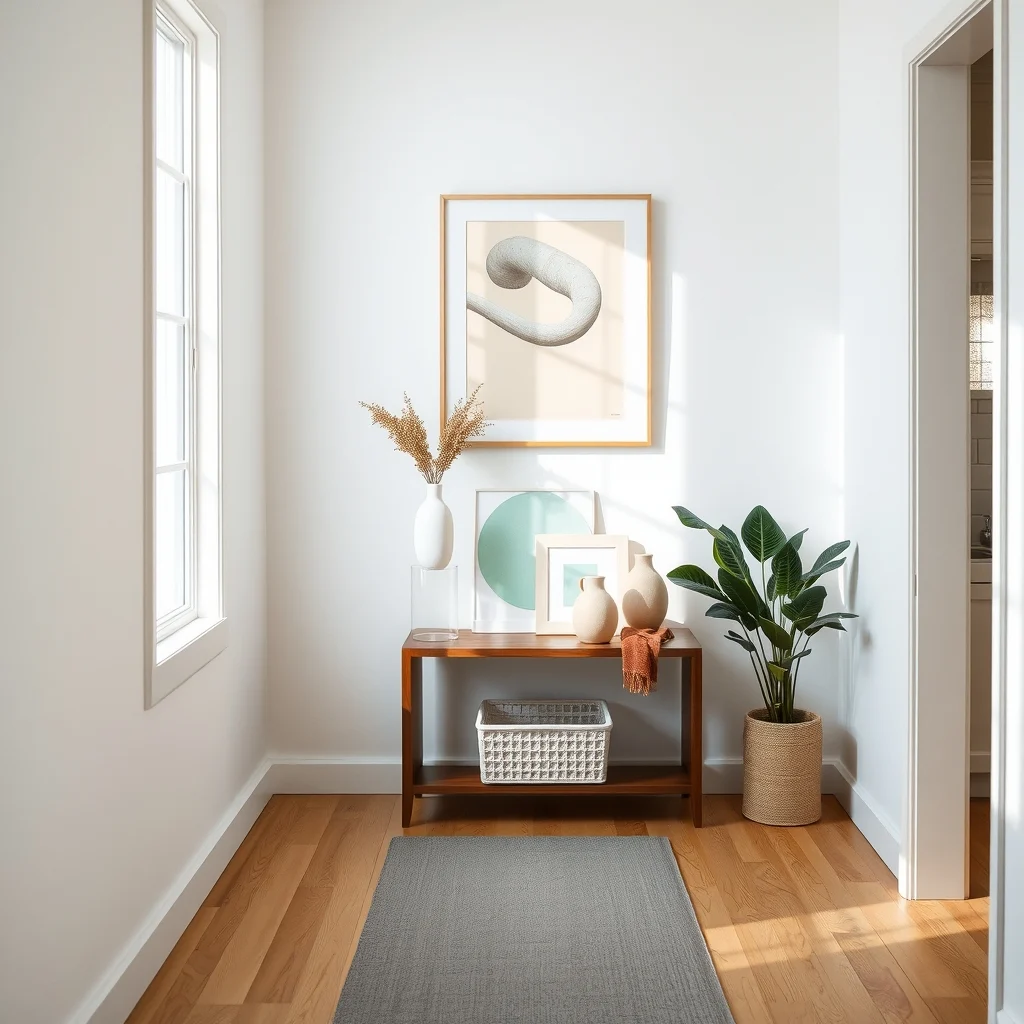
Start by selecting a location that is both easy to reach and naturally part of the room’s flow. In a hallway with a narrow console, the space beneath the table can become a discreet nook, while a bathroom vanity offers a built‑in surface that already receives daily traffic. Positioning the supplies where you already pause—by the sink, beside the front door, or near a family’s favorite reading chair—means you won’t have to think twice about where they belong. A spot that aligns with existing furniture also avoids the visual clash that can happen when a bright red first‑aid box sits on a muted marble countertop. By treating the area as a small design element, you keep the supplies handy without sacrificing the room’s aesthetic.
2. Use Clear, Stackable Containers That Blend with Your Style
This image is by AI for inspiration only.
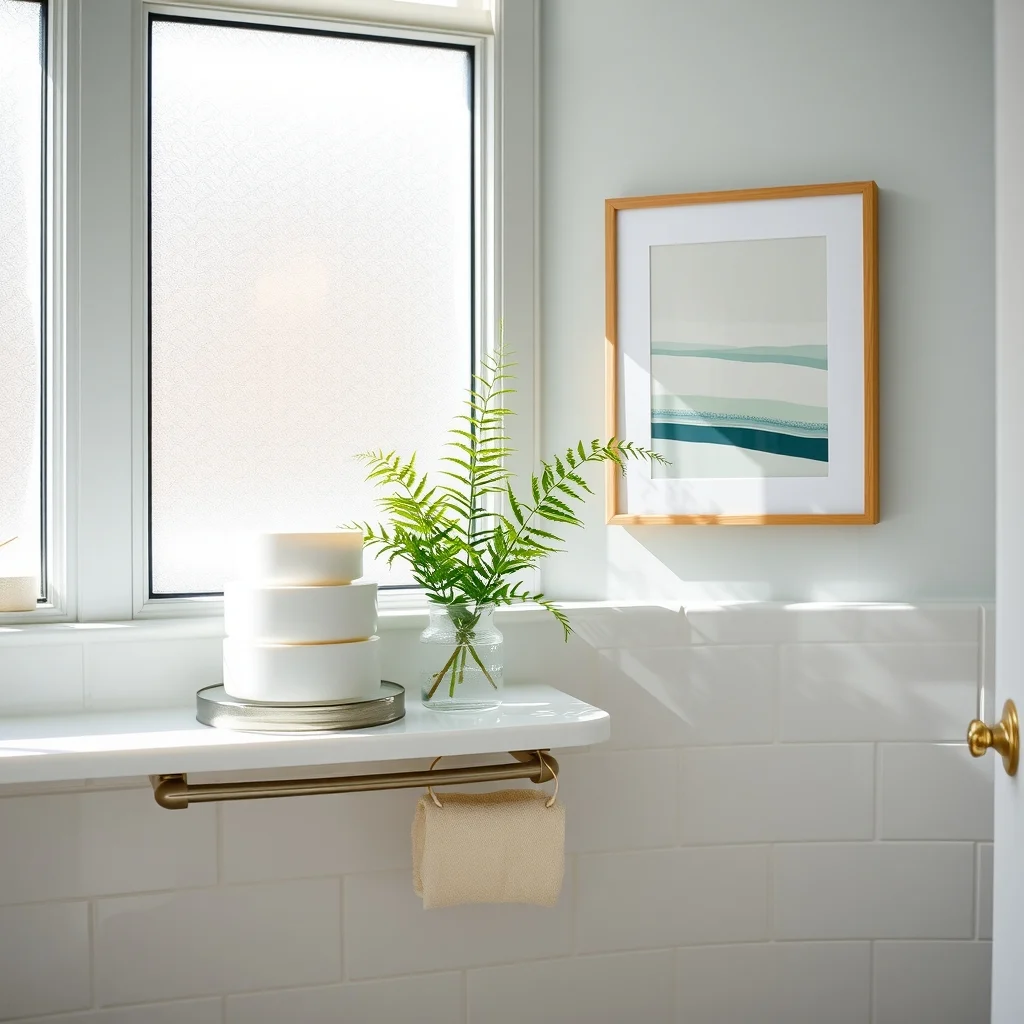
Glass or acrylic bins with simple silhouettes work well because they let you see the contents at a glance while maintaining a sleek profile. A set of frosted containers in a soft ivory hue can echo the tones of a linen shower curtain, whereas a matte black box might echo brushed brass fixtures in a modern bathroom. Stacking these containers on a shelf creates a tidy column that occupies less floor space, and the uniform height makes the arrangement feel intentional. If you prefer a warmer look, choose containers with a light wood veneer that matches a nearby sideboard. The key is to pick materials that echo what’s already in the room, so the first‑aid station feels like a natural extension rather than an afterthought.
3. Incorporate a Small, Sturdy Shelf or Cabinet Near High‑Traffic Areas
This image is by AI for inspiration only.
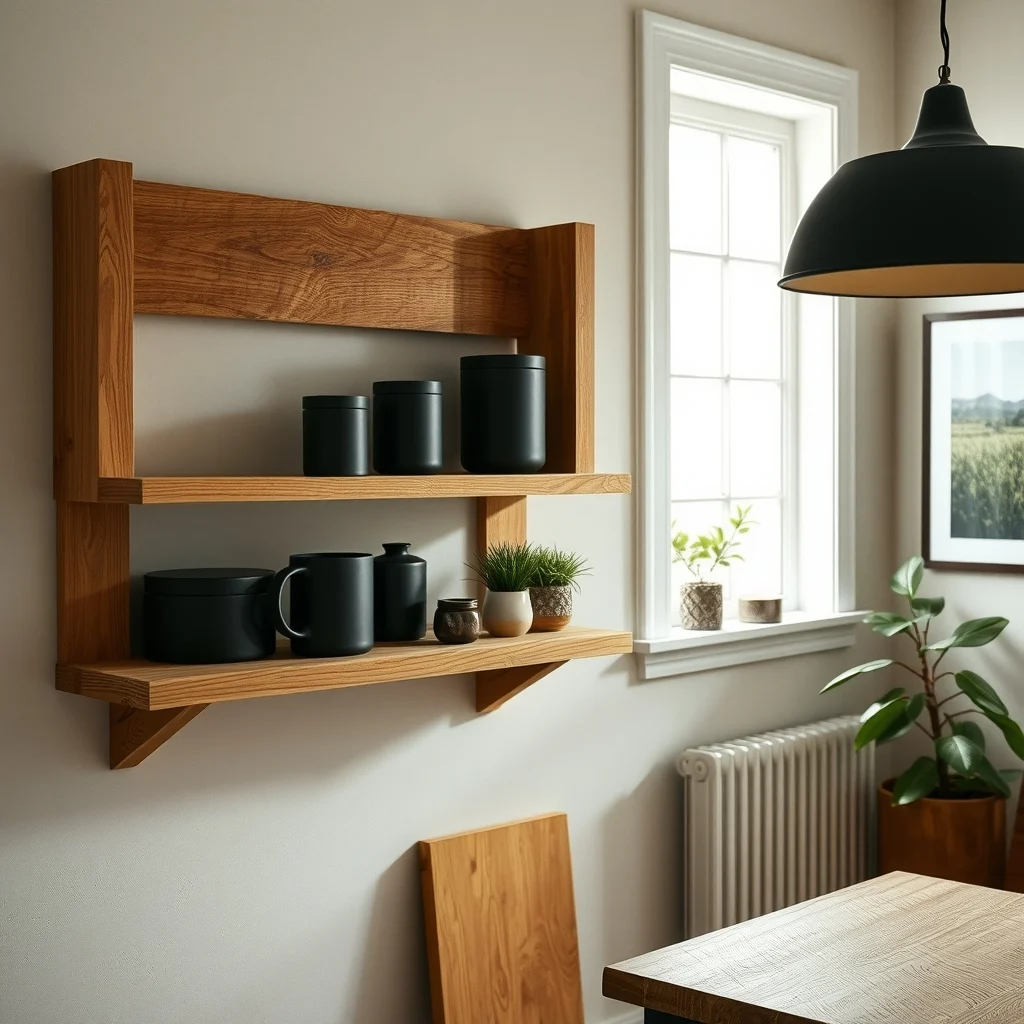
A narrow wall‑mounted shelf made of reclaimed oak can add a touch of texture while providing a solid base for your containers. In a kitchen, a slim pantry door with a shallow interior compartment can hide a compact first‑aid kit behind a decorative label that matches the cabinet hardware. For homes with limited wall space, a rolling cart on casters offers mobility; you can slide it from the mudroom to the garage as the season changes. Choose a piece with a finish that resists moisture—such as a powder‑coated metal frame—if it will live in a bathroom or laundry room. The right piece not only secures the items but also contributes a subtle design statement.
4. Label with Simple, Aesthetic Tags That Match Existing Hardware

This image is by AI for inspiration only.
Instead of harsh, printed stickers, consider metal or wood tags that are hand‑stamped with the name of each container. A brushed‑copper tag on a white acrylic bin mirrors the finish of a nearby faucet, creating a visual link that feels cohesive. If the room already features soft pastel accents, a pastel‑colored label on a clear jar blends in without drawing too much attention. Labels should be legible from a short distance, allowing you to locate a specific item quickly. By using materials that echo the room’s hardware, the labeling becomes a decorative detail rather than a utilitarian afterthought.
5. Group Items by Frequency of Use and Emergency Level
This image is by AI for inspiration only.
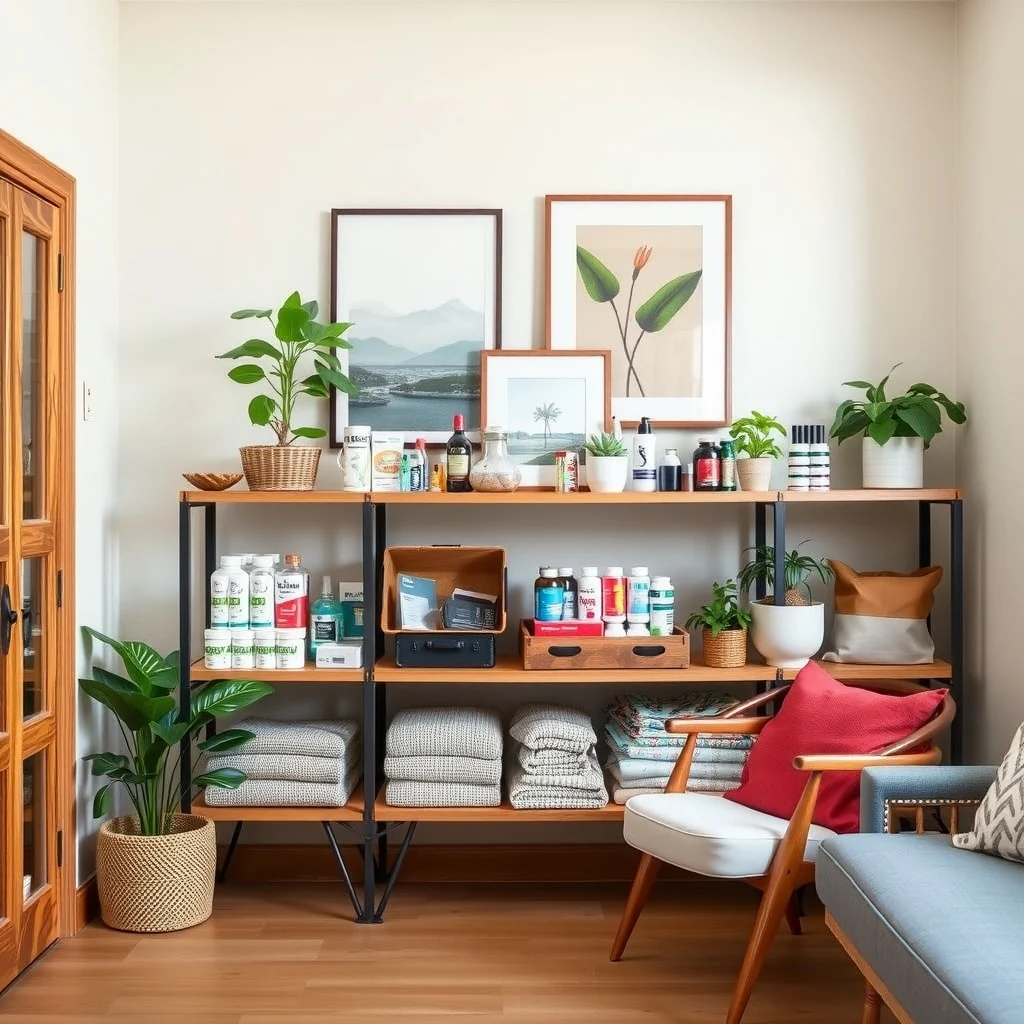
Arrange the most commonly needed supplies—such as adhesive bandages, antiseptic wipes, and pain relievers—on the top tier of the shelf where they are instantly reachable. Items that are needed less often, like a splint or a burn dressing, can sit on a lower shelf or in a secondary drawer. This vertical hierarchy mirrors the way you move through a room, from eye‑level to lower levels, and reduces the need to shuffle containers when you’re in a hurry. If you have a child’s first‑aid kit, keep it on a lower shelf that’s within a parent’s reach but out of a toddler’s grasp, balancing accessibility with safety.
6. Protect Supplies from Light, Moisture, and Temperature Fluctuations
This image is by AI for inspiration only.
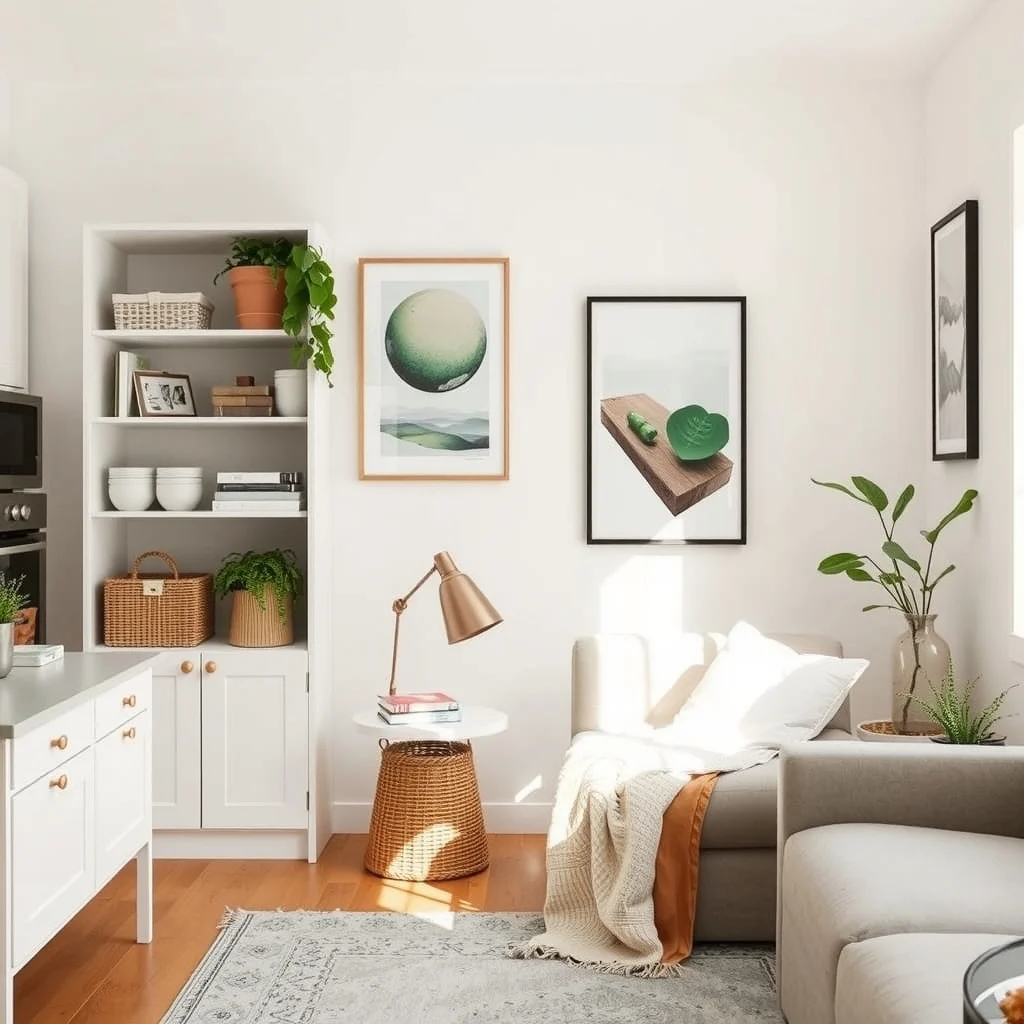
Many medications and ointments lose potency when exposed to direct sunlight or damp air. Placing the containers inside a cabinet with a glass door that filters UV rays, or using a matte‑finished box that blocks glare, helps preserve the contents. In a bathroom, a small vented drawer lined with a moisture‑absorbing pad can keep bandages dry without creating a musty smell. For homes that experience seasonal temperature swings, a cabinet located away from exterior walls offers a more stable environment. Thoughtful placement ensures that the items remain effective when you need them most.
7. Keep an Updated Inventory and Rotate Stock Regularly
This image is by AI for inspiration only.
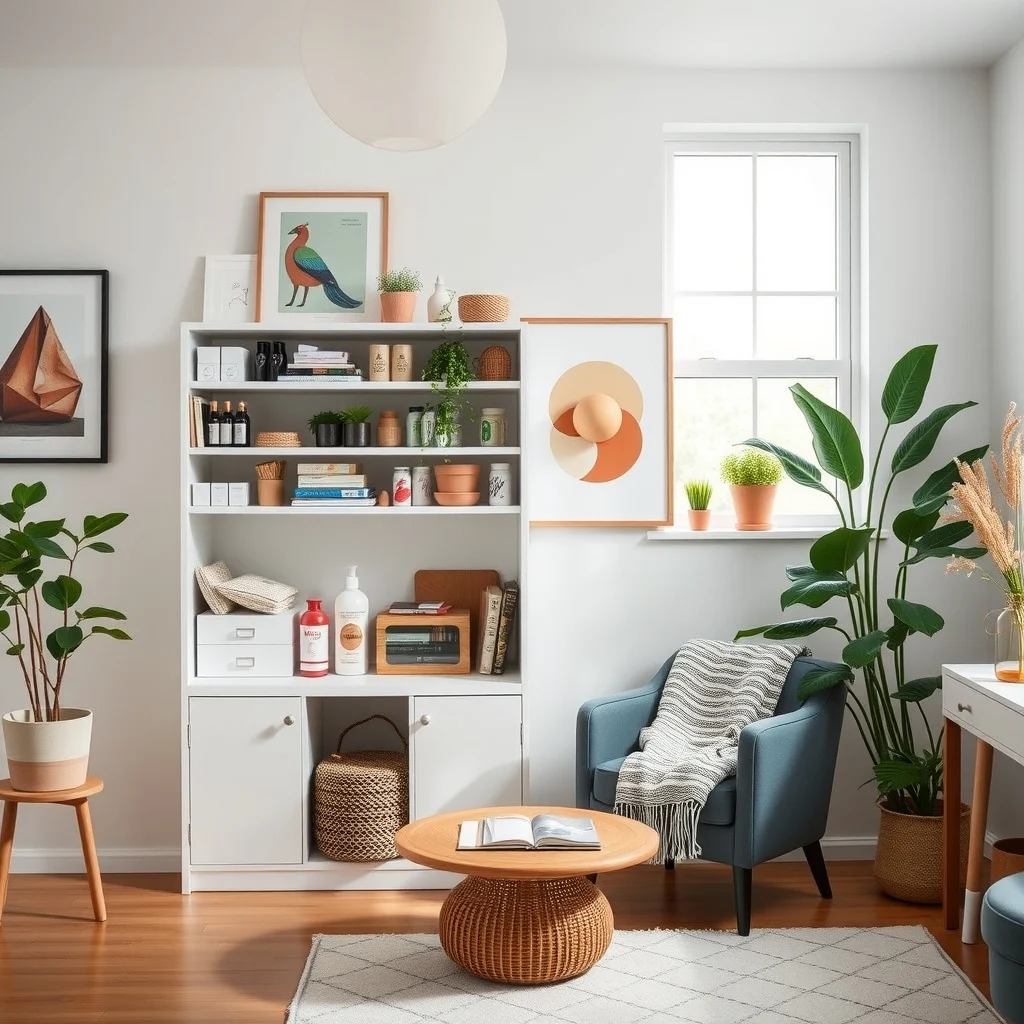
Every few months, pull the containers out and glance through their contents. As you replace used items, note expiration dates on a small notebook that lives on the same shelf. This habit prevents forgotten supplies from sitting past their prime and gives you a clear picture of what needs restocking. If you prefer a digital approach, a simple spreadsheet on your phone can remind you when a product is within a month of expiring. Regular rotation also offers an opportunity to reassess the layout—perhaps a new product fits better on a different shelf, or a seasonal item can be moved to a less prominent spot.
FAQ

This image is by AI for inspiration only.
Where should I store first‑aid supplies in a small apartment?
Place them in a narrow wall‑mounted shelf near the entryway or inside a bathroom vanity. Both locations are high‑traffic and keep the kit out of the way while remaining easily reachable.
Can I use a decorative basket for my first‑aid kit?
A woven basket works if it is lined with a waterproof liner and the basket’s weave is not too tight, which could hide small items. The liner prevents moisture from seeping in, and the basket adds a soft texture that matches a living‑room aesthetic.
How often should I check expiration dates on my supplies?
Inspect the contents at least twice a year, preferably when you change seasonal clothing. This timing aligns with other household chores and ensures nothing is overlooked.
Is it safe to keep medications in the bathroom?
Only if the bathroom has good ventilation and the cabinet is away from the shower or bathtub. Moisture can degrade pills, so a sealed, moisture‑resistant container is essential.
Final Thoughts

This image is by AI for inspiration only.
Organizing first‑aid and personal care supplies is less about hiding them and more about weaving them into the fabric of your home. By selecting a visible spot, choosing containers that echo your décor, and maintaining a simple inventory routine, you create a system that feels both functional and stylish. The result is a space where safety and design coexist, letting you focus on the moments that truly matter.