How to Make a Renter‑friendly Bathroom Drop Zone

Living in a rental often means working within the limits of a landlord’s rules while still craving a space that feels organized and welcoming. The bathroom, with its daily traffic of towels, toiletries, and personal items, is a prime candidate for a simple yet purposeful drop zone. Below are seven ideas that rely on portable, adhesive, or non‑permanent solutions, allowing you to shape a functional corner without risking your security deposit.
1. Choose a freestanding storage unit that leans on the floor
This image is by AI for inspiration only.
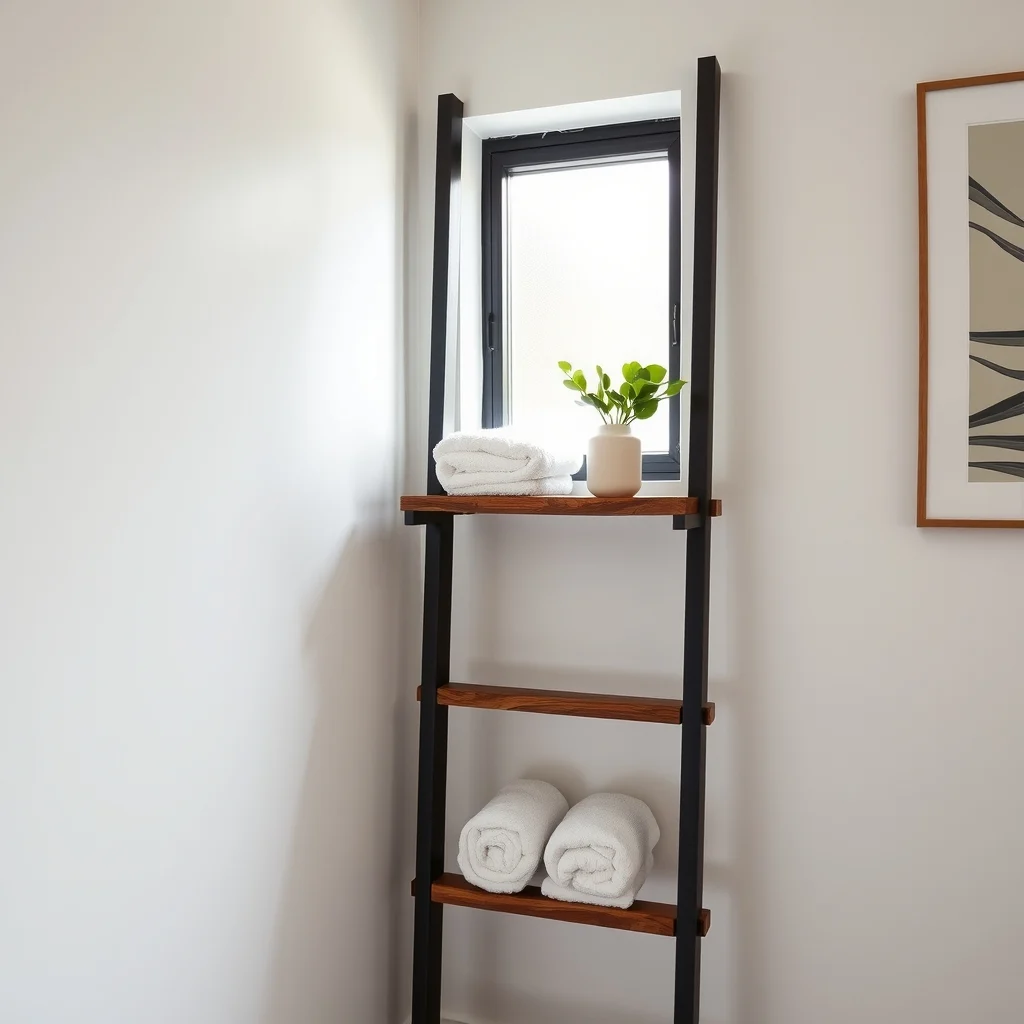
A narrow, ladder‑style shelf made from powder‑coated steel or reclaimed wood can stand in the corner of the bathroom without attaching to walls. Its open rungs provide a place for rolled towels, a small plant, or a decorative jar of cotton balls. Because the unit rests entirely on the floor, you can move it when you move out, and the lack of permanent hardware keeps the landlord happy. When selecting a piece, consider a finish that complements existing tiles—matte black for a modern look or warm oak for a softer feel. The open design encourages airflow, reducing mildew on damp towels, though you may need to wipe the lower shelves occasionally to keep dust from accumulating.
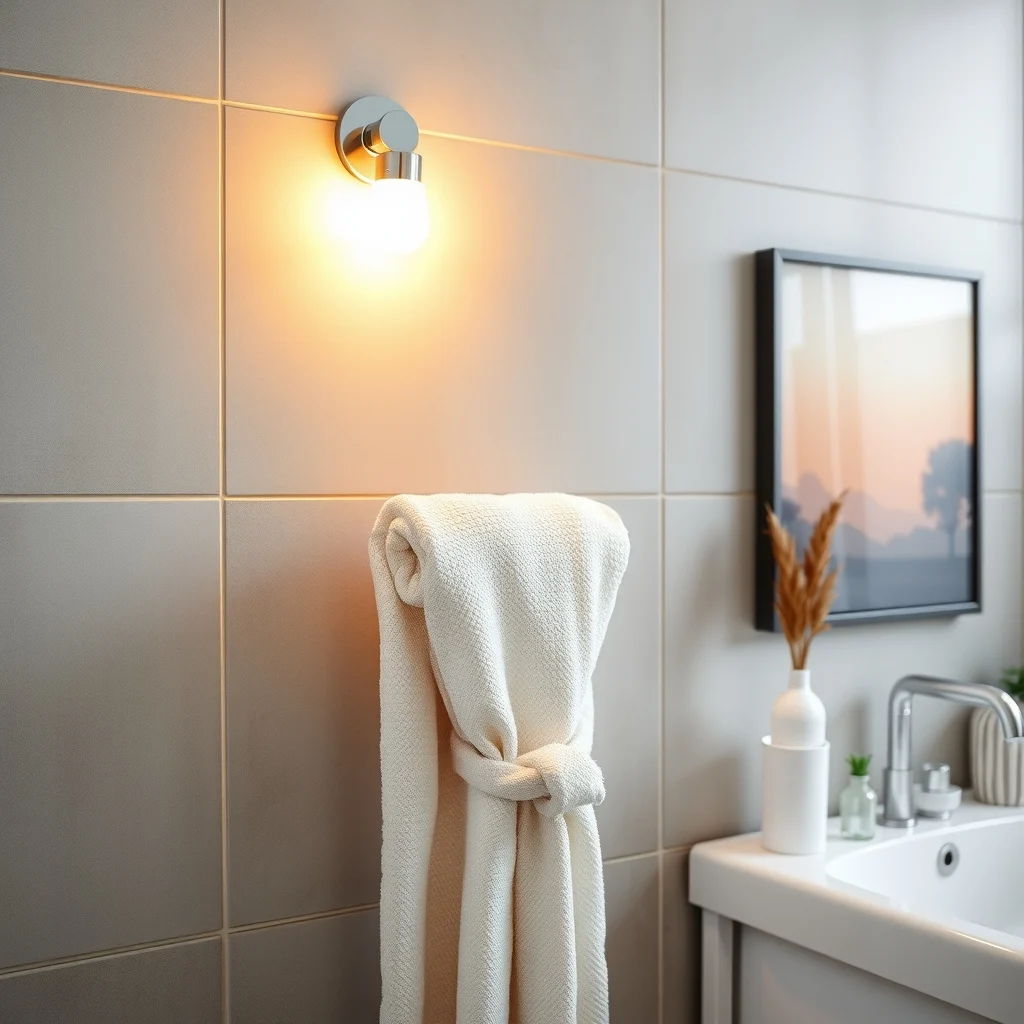
2. Use tension‑rod accessories for hanging towels and robes
This image is by AI for inspiration only.
Tension rods are a renter’s ally because they expand to fit between two walls and stay in place without screws. A polished chrome rod positioned at waist height can hold a set of plush hand towels, while a second rod placed higher can accommodate a light robe or a small basket. The tension mechanism distributes pressure evenly, so there’s little risk of damaging drywall. Opt for a rod with a brushed finish that matches other bathroom fixtures; this creates visual continuity without the need for additional hardware. Remember to test the rod’s grip before loading it with heavier items, and avoid over‑loading to prevent the rod from slipping.
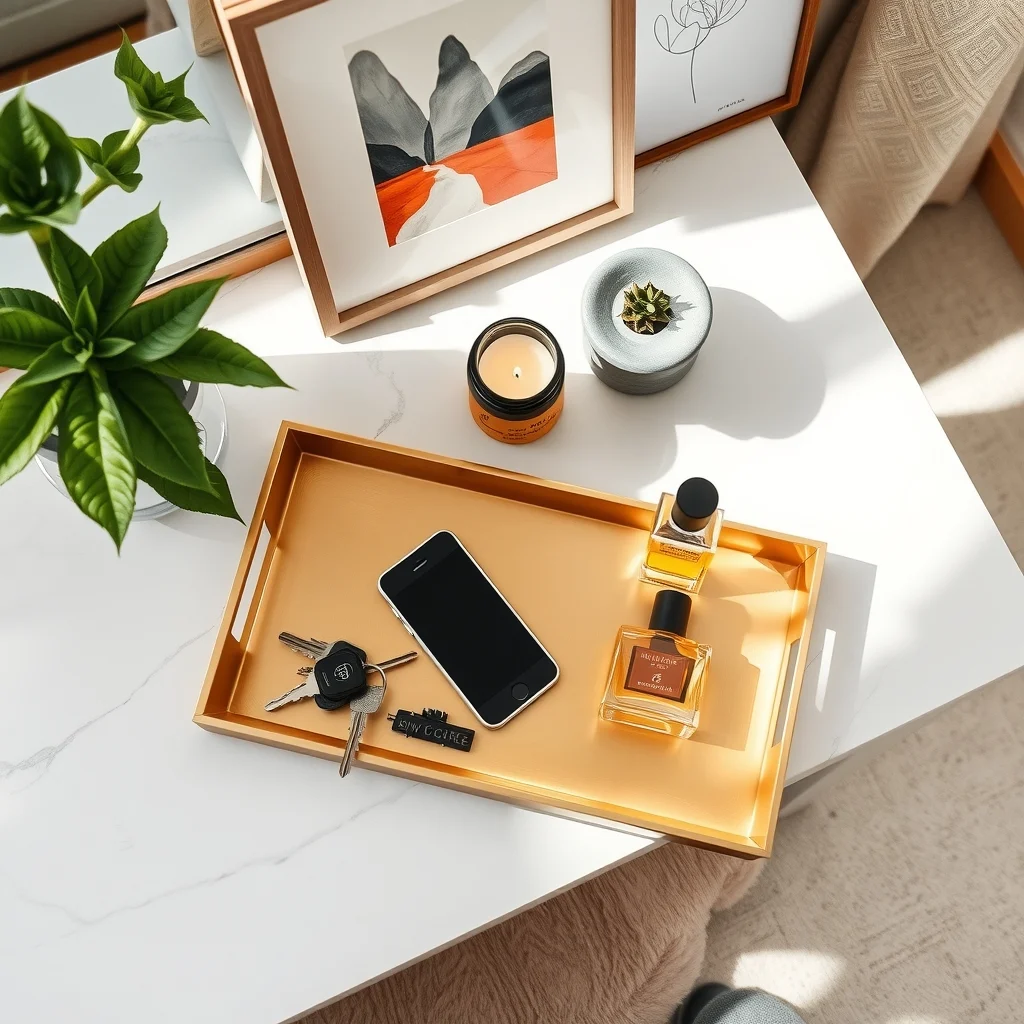
3. Incorporate a decorative tray on the vanity top
This image is by AI for inspiration only.
A tray in a material such as brushed brass or matte ceramic provides a defined area for everyday essentials—keys, a phone, a scented candle, or a small perfume bottle. Placing the tray near the sink creates a natural “landing spot” for items you pick up as you leave the bathroom. The tray’s flat surface also protects the vanity from water rings and can be easily lifted for cleaning. Choose a size that leaves enough countertop space for your toothbrush holder and soap dispenser; a tray that is too large can crowd the area, while one that is too small defeats the purpose of a dedicated drop zone.
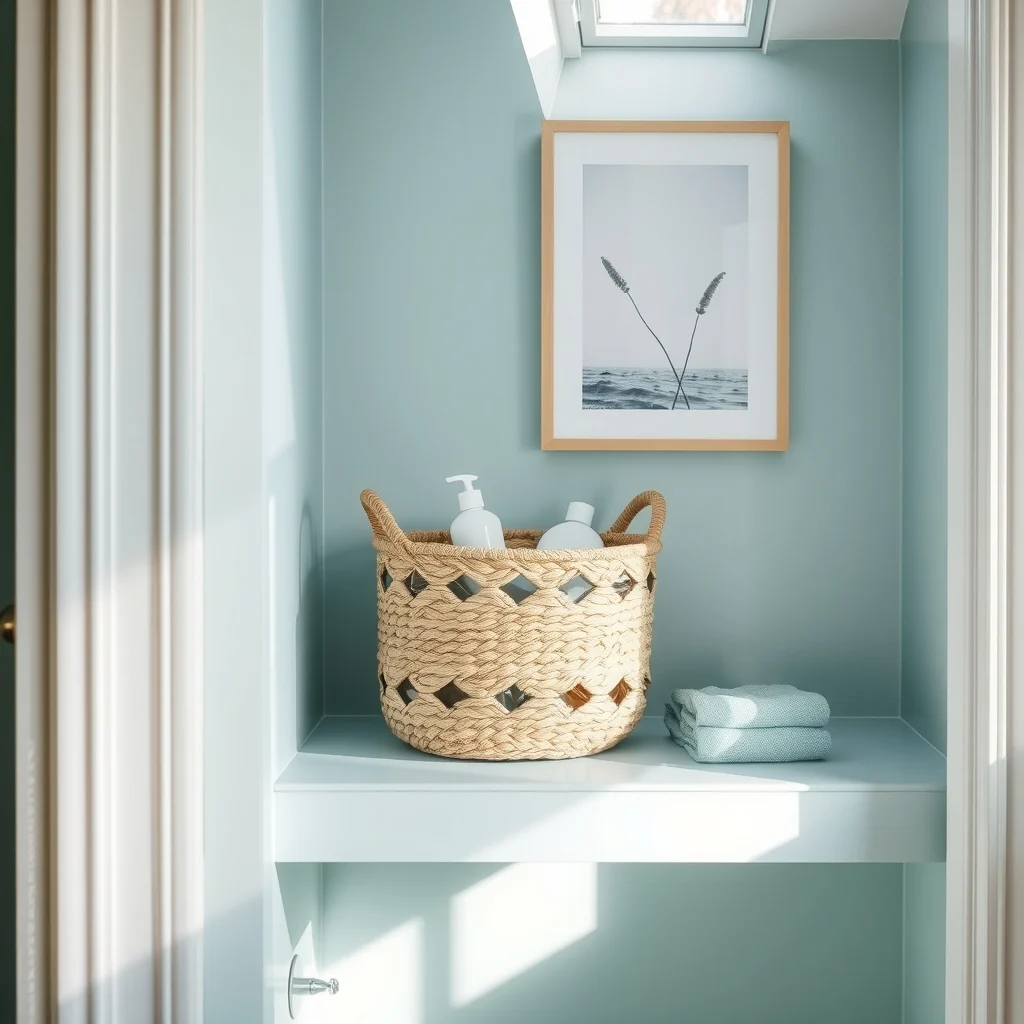
4. Add a waterproof basket for everyday essentials
This image is by AI for inspiration only.
Woven seagrass or synthetic rattan baskets with a waterproof liner are perfect for storing items that might encounter moisture, such as a spare toothbrush, travel-size shampoo, or a small towel. The basket’s open weave allows steam to pass through, preventing mold buildup, while the liner protects the weave from water damage. Position the basket on the floor next to the shower or on a low shelf so that it’s within easy reach but not in the direct line of water spray. If you prefer a pop of color, select a basket in a muted sage or soft terracotta; the hue can echo tile accents without overwhelming the space.
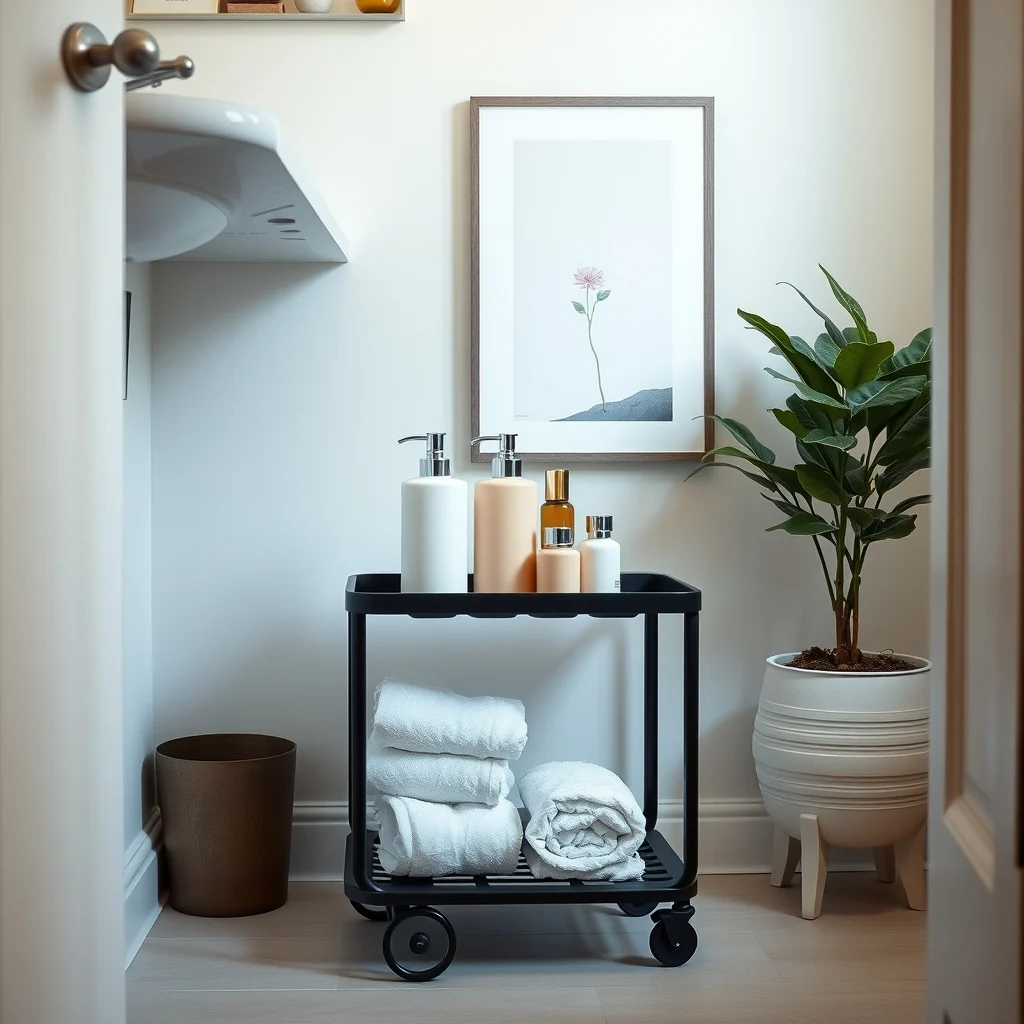
5. Place a slim rolling cart for quick access to toiletries
This image is by AI for inspiration only.
A narrow, three‑tier rolling cart made from powder‑coated metal can slide beneath the vanity or against a wall, offering multiple levels for shampoos, conditioners, and shaving supplies. Because the cart rests on wheels, you can reposition it when cleaning or rearranging the bathroom. The cart’s metal frame is sturdy enough to hold heavier bottles, while the open shelves keep items visible and discourage clutter. When choosing a cart, look for a model with a soft‑close wheel lock; this prevents the cart from moving unintentionally when you reach for a product. The trade‑off is that the cart takes up floor space, so ensure the bathroom’s footprint can accommodate it without impeding the door swing.
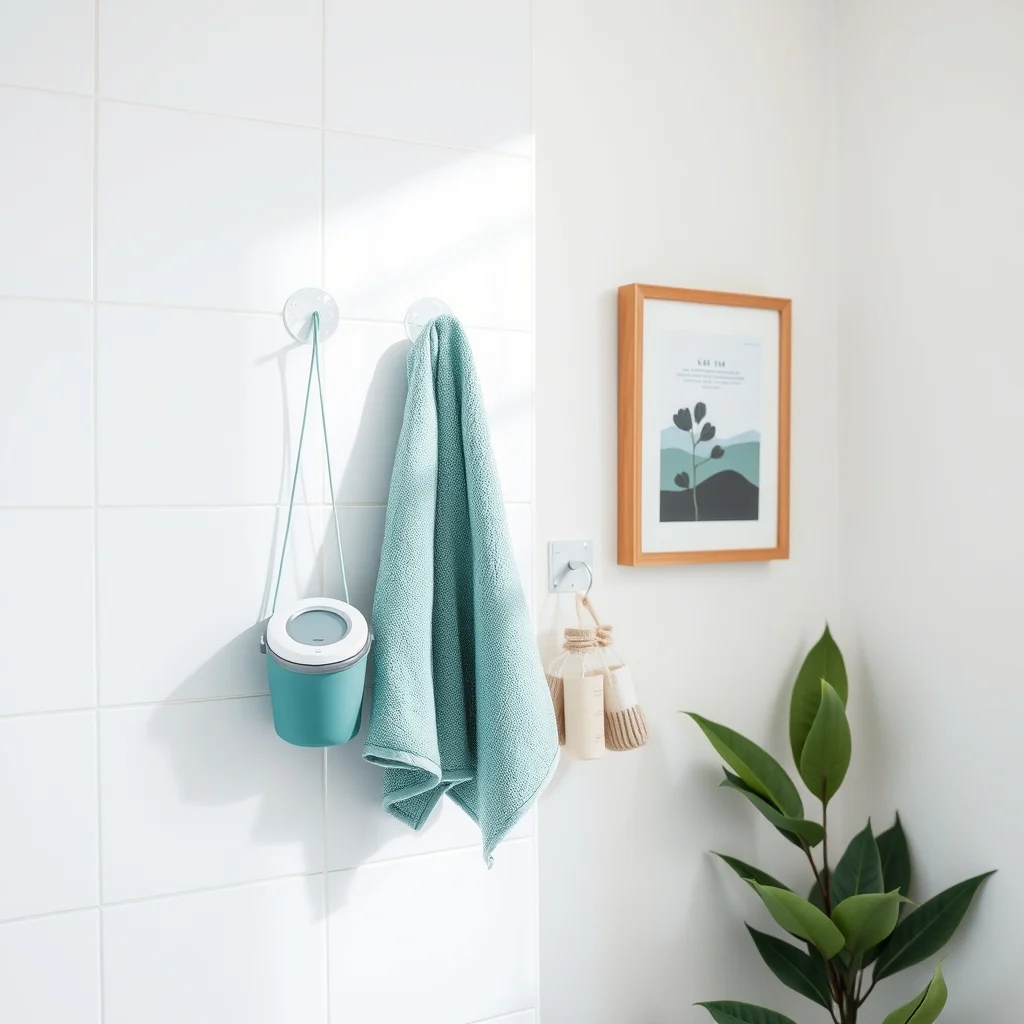
6. Install adhesive hooks or removable strips for light items
This image is by AI for inspiration only.
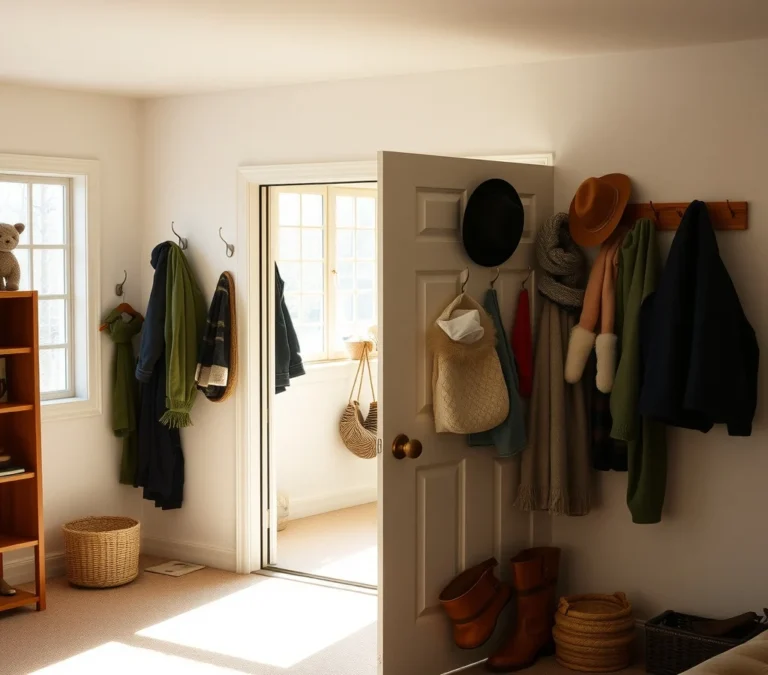
Adhesive hooks designed for bathroom use can hold a single towel, a hair dryer, or a small toiletry bag without drilling. Brands that use a water‑resistant adhesive work well in humid environments and can be removed cleanly when you move out. Position a pair of hooks at eye level on the back of the bathroom door or on the side wall near the sink. A brushed nickel finish ties in with faucet hardware, while a matte black hook adds a subtle contrast. Keep in mind that adhesive hooks have weight limits; exceeding those limits can cause the hook to detach and potentially damage the surface.
7. Layer a soft rug and a matching mat to define the zone

This image is by AI for inspiration only.
A low‑pile, quick‑drying rug placed in front of the vanity or beside the bathtub creates a tactile boundary for the drop zone. Pair the rug with a coordinating bath mat that absorbs water from wet feet, preventing slips and protecting tile. Choose a rug in a neutral shade such as dove gray or warm greige; this allows the rug to blend with most color schemes while still offering a visual cue that this area is meant for quick stops. The rug’s material should be resistant to mildew—polypropylene or microfiber works well. While a rug adds comfort, it also requires regular washing to avoid buildup of soap residue.
FAQ

This image is by AI for inspiration only.
Can I use a freestanding shelf in a small bathroom?
Yes, a narrow ladder shelf fits well in tight spaces because it occupies only a few inches of floor width. It offers vertical storage without crowding the room, though you should measure the clearance to ensure the shelf does not block the door swing.
How much weight can tension rods safely hold?
Tension rods typically support between five and ten pounds, depending on the material and length. Use them for lightweight items such as hand towels or a small basket, and avoid hanging heavy towels that could cause the rod to slip.
Are adhesive hooks safe for bathroom walls?
Adhesive hooks designed for high‑humidity areas can be applied to painted drywall, tile, or glass without damage when removed correctly. Follow the manufacturer’s instructions for surface preparation and removal to keep the wall intact.
What is the best material for a waterproof basket?
Look for baskets made of synthetic rattan or seagrass with an internal waterproof liner. These materials resist moisture and are easy to wipe clean, making them ideal for storing items that may get damp.
Do rolling carts roll smoothly on bathroom tiles?
Most bathroom‑grade rolling carts have rubber‑capped wheels that glide over tile without scratching. If you have uneven grout lines, test the cart’s movement before fully committing to ensure it doesn’t catch.
Final Thoughts
This image is by AI for inspiration only.
Creating a drop zone in a rental bathroom is less about permanent fixtures and more about thoughtful placement of portable pieces that blend function with style. By selecting freestanding shelves, tension rods, decorative trays, waterproof baskets, rolling carts, adhesive hooks, and coordinated textiles, you can carve out a tidy corner that welcomes you each morning and leaves no trace when it’s time to move. The key is to balance durability with flexibility, ensuring every item serves a purpose while respecting the limits of your lease.