Studio Apartment Storage Ideas That Separate Work and Rest
Living in a studio means every square foot counts, especially when you need a place to focus on a laptop and a quiet spot to unwind. The challenge is not just fitting furniture together, but creating visual and functional boundaries that let the room shift from office mode to bedroom mode without feeling cramped. Below are seven detailed strategies that use smart storage, thoughtful layout, and subtle design cues to keep work and rest distinct while preserving the airy feel of a small space.
1. Low‑Profile Platform Bed with Built‑In Drawers
This image is by AI for inspiration only.
© 2026 AI Illustrator — Inspiration Only
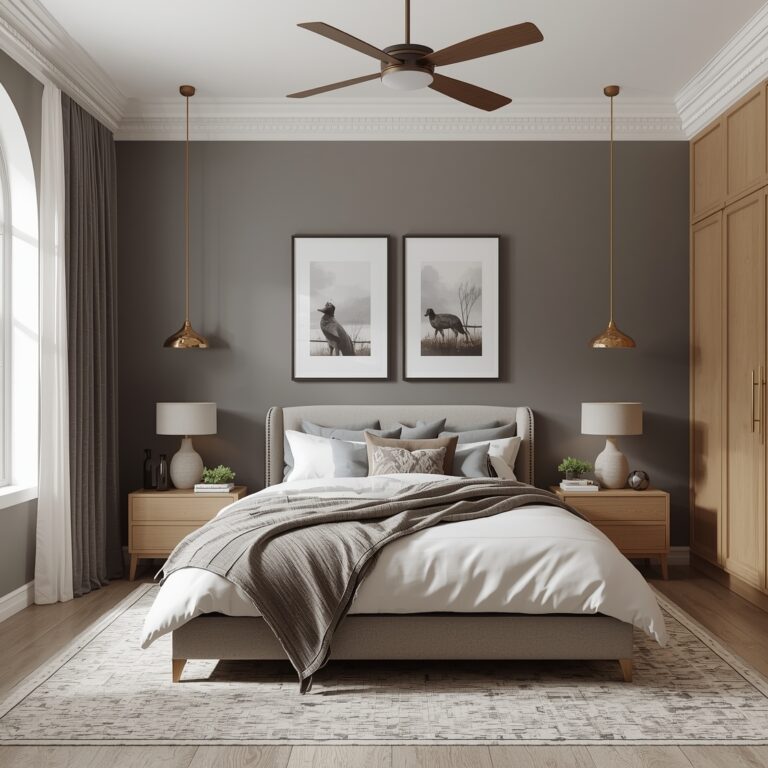
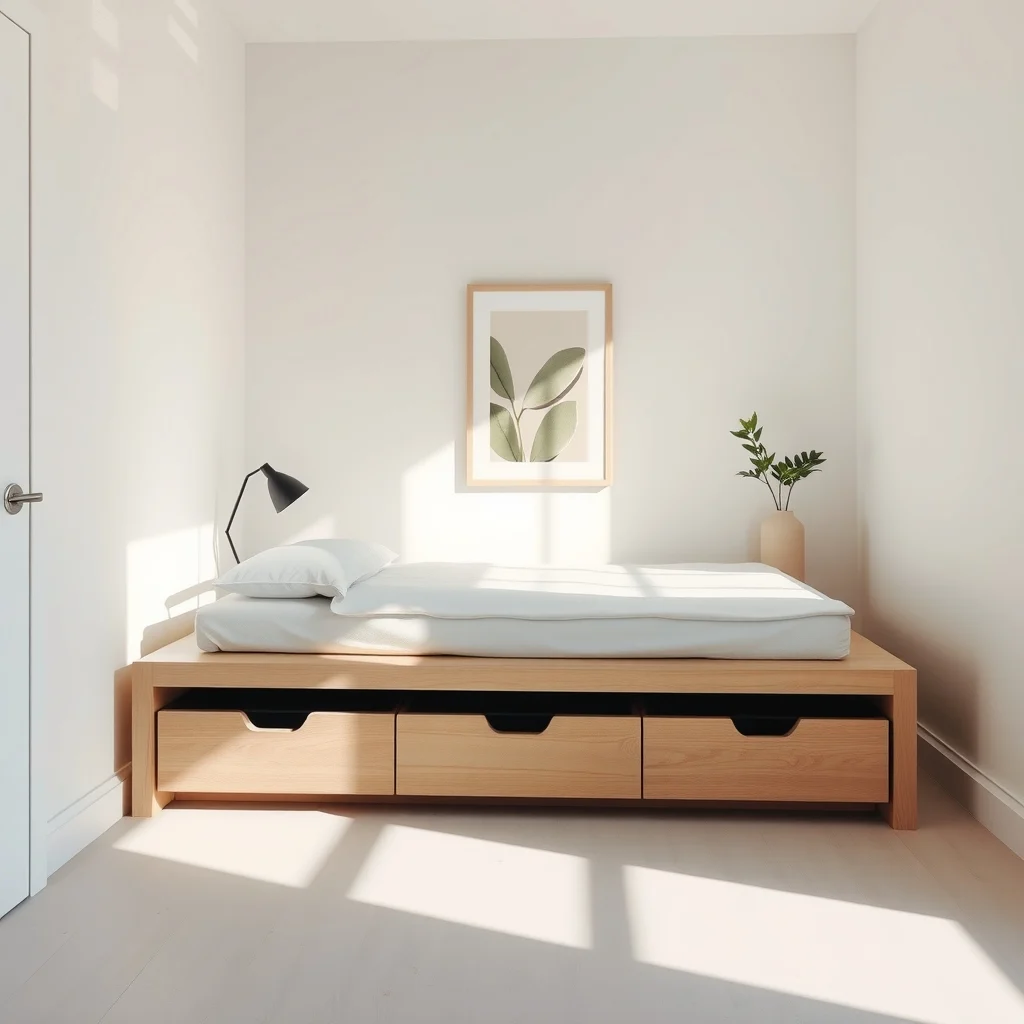
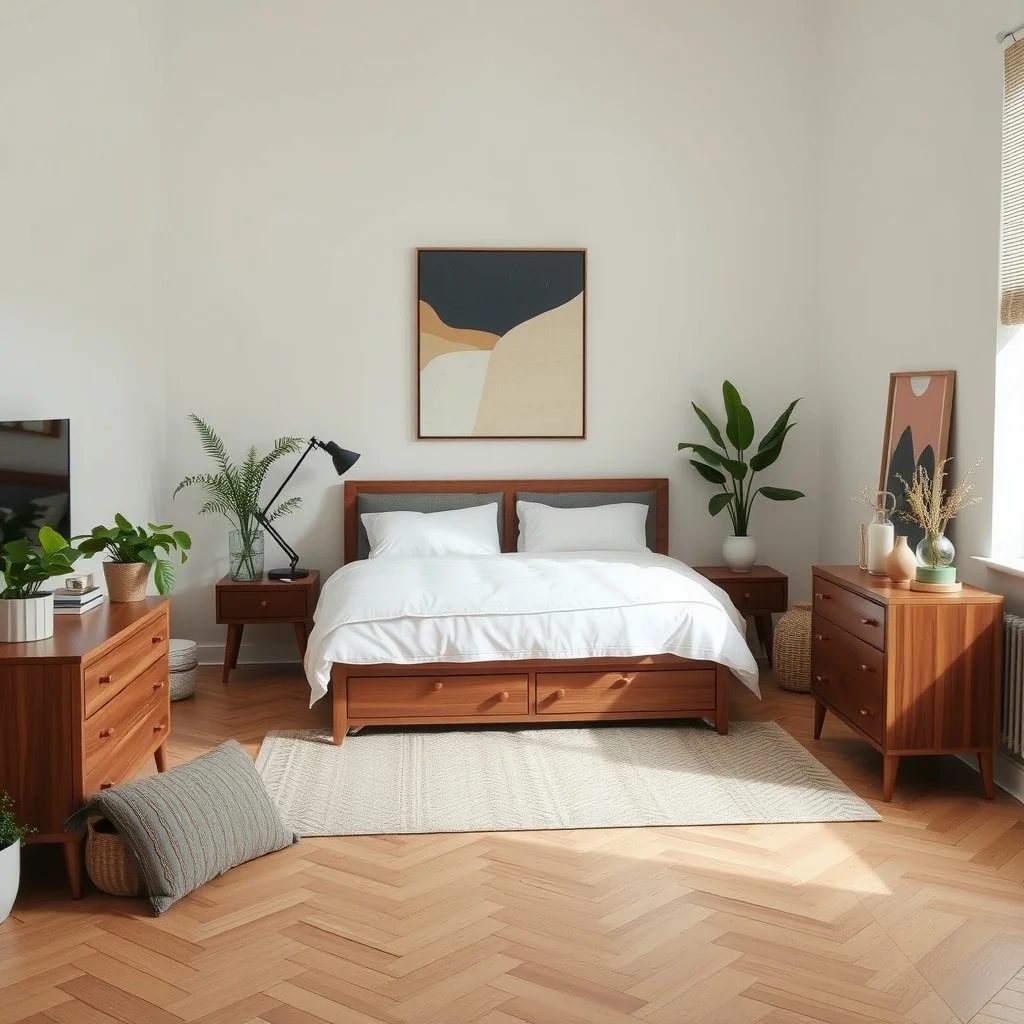
A platform bed that sits close to the floor instantly reduces the visual mass of a traditional frame, allowing the ceiling to appear higher. When the platform incorporates shallow drawers beneath the mattress, you gain hidden storage for linens, seasonal clothing, or even a few work‑related items such as notebooks and chargers. The drawers typically glide on metal runners, which are sturdier than plastic and can handle the occasional heavy bundle of blankets. Choosing a neutral finish—soft greige linen upholstery or a muted navy slipcover—keeps the sleeping area calm and distinct from the brighter tones you might use in the work zone. One trade‑off is the reduced clearance under the bed, so items stored there should be relatively flat; bulky boxes may need an alternative solution.
2. Folding Wall Desk that Tucks Away When Not in Use
This image is by AI for inspiration only.
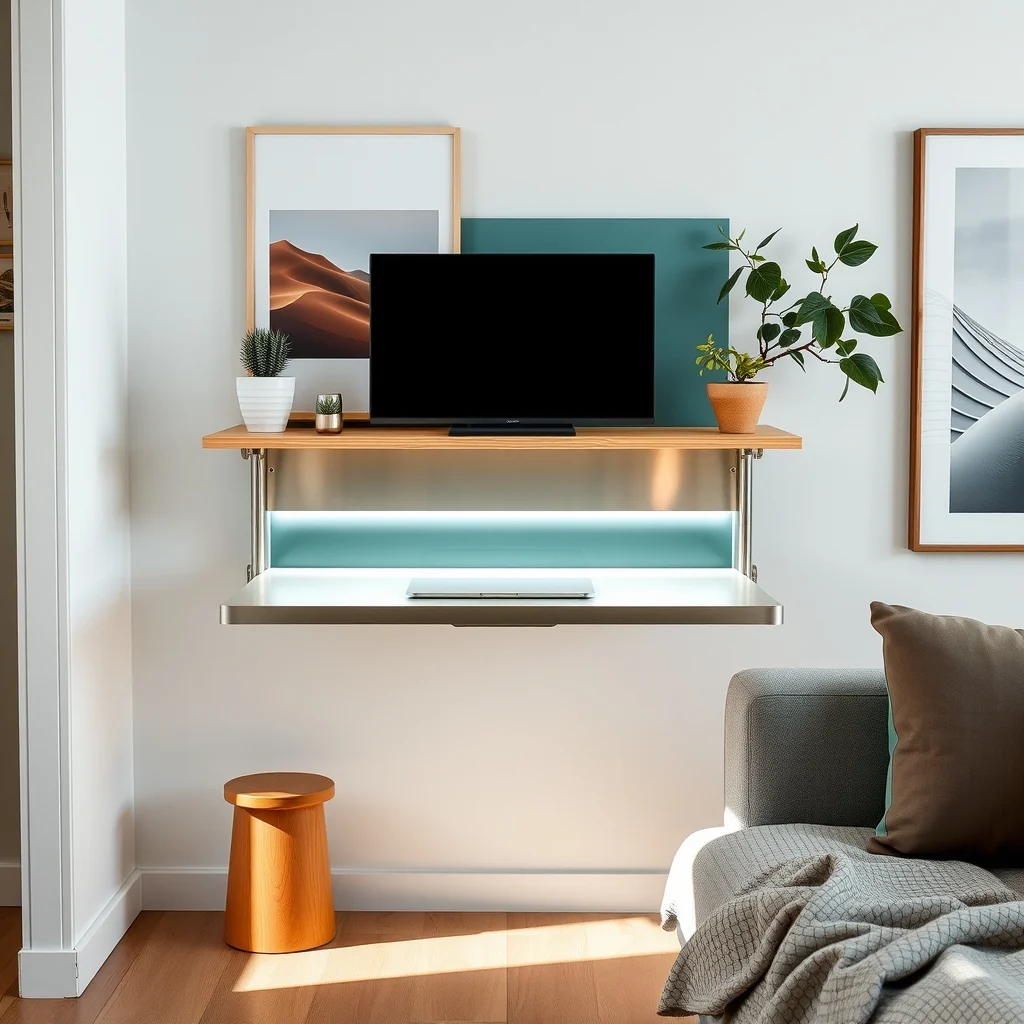
A wall‑mounted desk that folds down like a desk‑type table provides a full‑size work surface without sacrificing floor space. When folded up, the desk blends with the surrounding wall, often covered by a decorative panel or a piece of art that signals a shift to relaxation mode. Opt for a desk with a solid wood top and metal brackets; the wood adds warmth, while the brackets keep the mechanism reliable over years of opening and closing. Adding a slim, integrated power strip on the underside of the tabletop means you can plug in a laptop and lamp without exposing cords. The main limitation is that you’ll need a sturdy wall to support the weight, so confirming the studs are correctly anchored is essential before installation.
3. Vertical Storage Zone with Open Shelving and Decorative Baskets
This image is by AI for inspiration only.
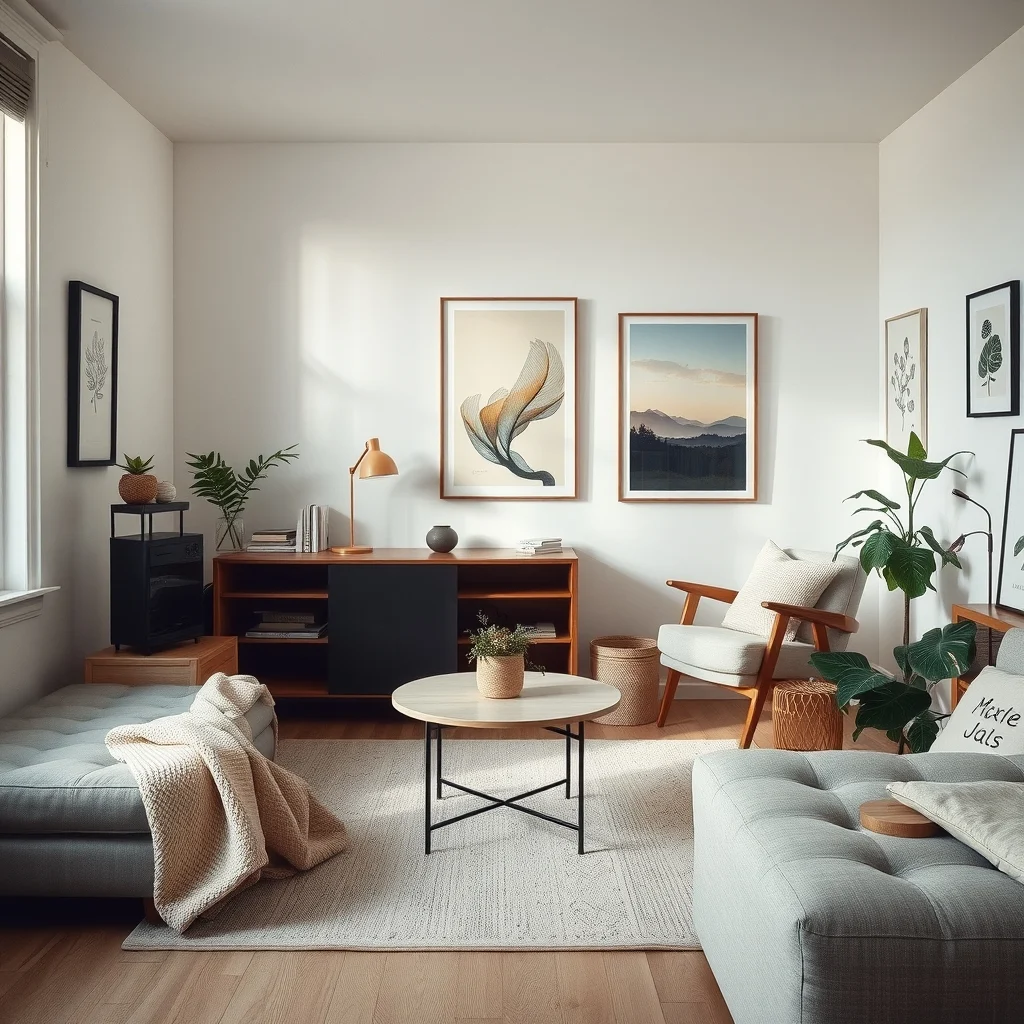
Going up rather than out makes the most of a studio’s limited floor area. Installing a series of open shelves from floor to near‑ceiling creates a gallery‑like wall that can hold books, plant pots, and decorative objects. Pair the shelves with woven baskets in natural fibers such as seagrass or rattan; the baskets conceal clutter like office supplies, while the open shelves keep frequently used items within easy reach. Light‑colored baskets soften the visual impact of the shelving, and the texture adds a tactile layer that invites touch. Because the shelves are open, dust can settle more quickly, so a weekly wipe‑down with a microfiber cloth keeps them looking fresh. If you prefer a cleaner line, consider glass‑front cabinets on the lower shelves, though they add weight and require careful handling.
4. Sliding Room Divider that Doubles as a Wardrobe
This image is by AI for inspiration only.
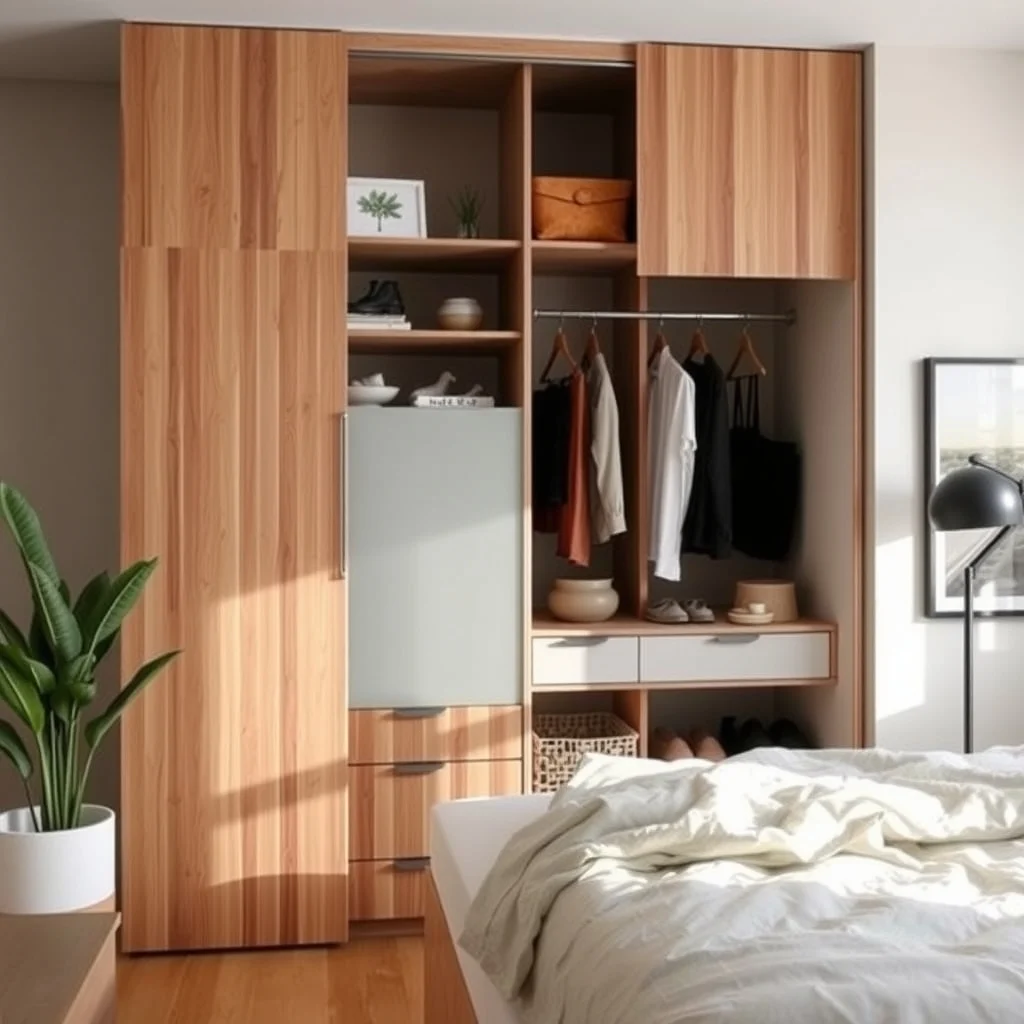
A sliding panel made from reclaimed wood or frosted glass can act as a soft barrier between the sleeping area and the work corner. When positioned to the side, the panel reveals a built‑in wardrobe with hanging rods and shallow cubbies for shoes or accessories. The sliding mechanism allows the divider to be fully opened for a more spacious feel or closed for privacy during a video call. Selecting a finish that mirrors the flooring—such as a light oak veneer—creates continuity, while the glass option reflects light, making the room feel larger. The primary drawback is the need for a track system installed on the ceiling or floor, which may require professional help to ensure smooth operation.
5. Ceiling‑Mounted Retractable Desk or Work Perch
This image is by AI for inspiration only.
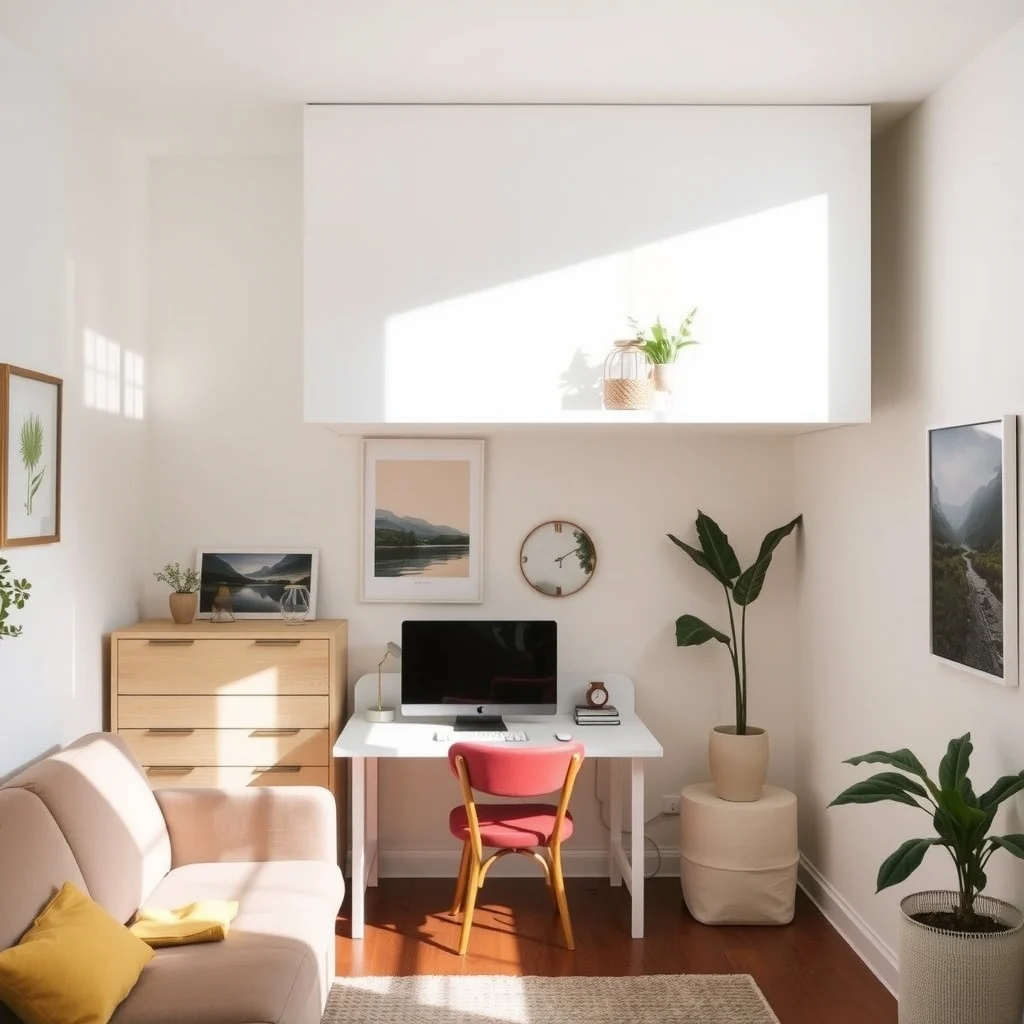
For studios with higher ceilings, a retractable desk that pulls down from the ceiling offers a novel way to keep the floor clear. The desk typically folds into a compact box that can be painted to match the ceiling color, rendering it invisible when not in use. When lowered, a sturdy wooden or metal top provides a stable platform for a laptop and a small lamp. Adding a simple cable management clip underneath the desk keeps cords tucked away, preserving the clean look of the room. This solution works best in apartments with sturdy joists, as the weight of the desk and any equipment must be securely anchored. The main compromise is that the desk’s height is fixed, so it may not suit users who prefer a lower working surface.
6. Rolling Kitchen Cart as a Mobile Office Station
This image is by AI for inspiration only.
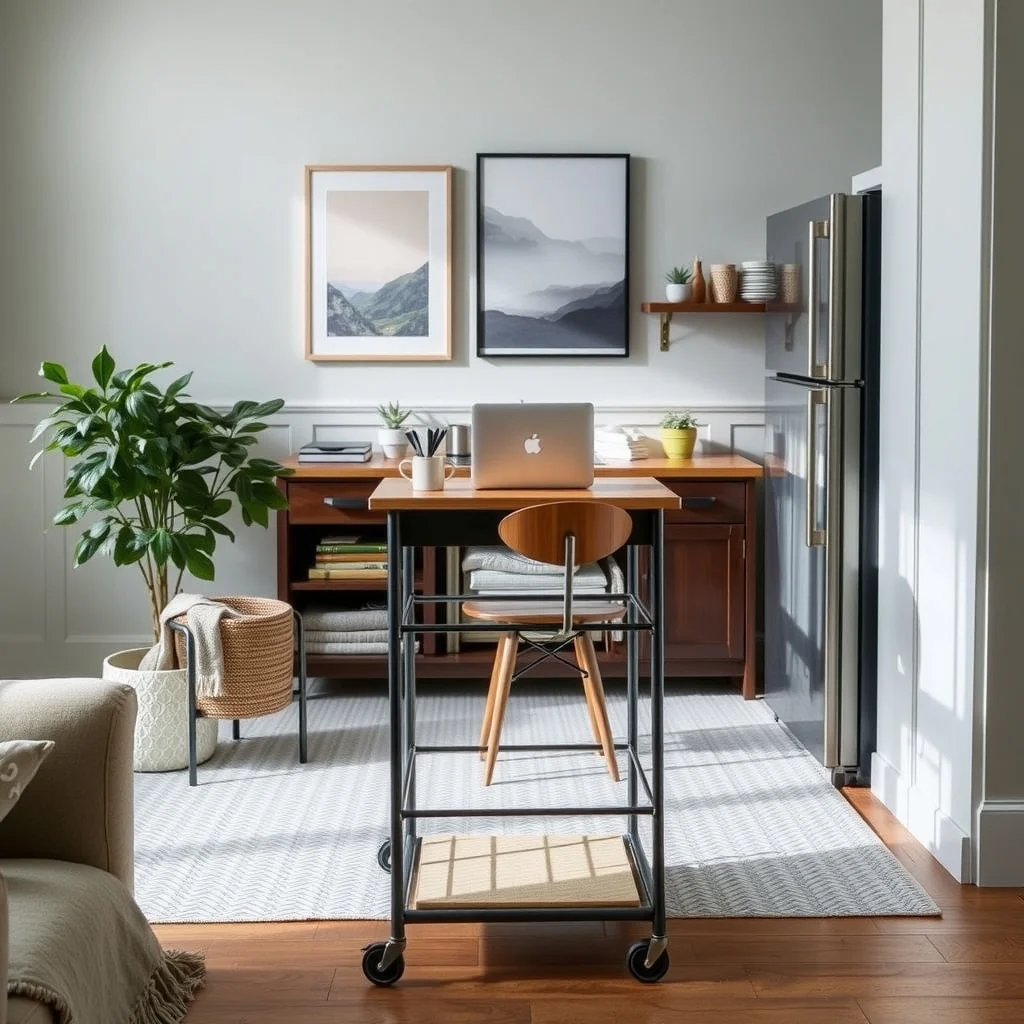
A narrow kitchen cart on casters can serve double duty as a pantry extension and a portable workstation. When you need to focus, simply pull the cart into the work zone, place a laptop on its top shelf, and use the lower shelf for a printer or a stack of files. The cart’s wheels allow you to tuck it against a wall or slide it back into the kitchen when cooking. Selecting a cart with a metal frame and a laminate top gives durability without adding excessive weight. A small drawer on the cart can hold pens, notepads, and other office essentials, while a built‑in hook on the side catches a headset or bag. The downside is that the cart occupies a narrow aisle, so you’ll need to keep the surrounding space clear to avoid tripping hazards.
7. Decorative Chest or Ottoman that Hides Cables and Accessories
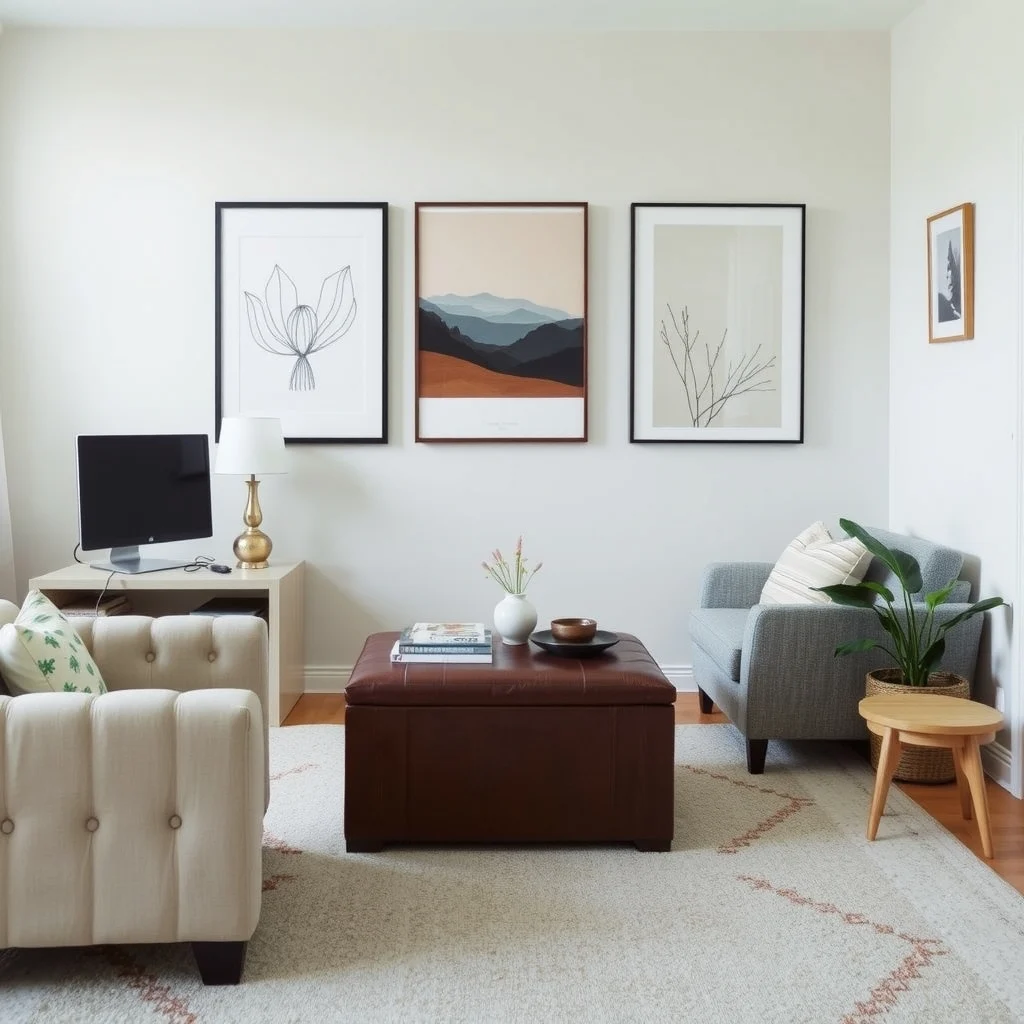
This image is by AI for inspiration only.
Choosing a sturdy chest or upholstered ottoman as a centerpiece offers both seating and concealed storage. Inside the compartment, you can run power strips and store surge protectors, keeping cords out of sight and reducing the visual clutter that often makes a studio feel chaotic. An ottoman upholstered in a soft, low‑pile fabric—such as a muted teal linen—adds a pop of colour without overwhelming the palette. When used as a footrest during work breaks, it reinforces the idea that the area can transition from a desk to a lounge. The main limitation is the size of the internal cavity; larger equipment like a desktop monitor may not fit, so this solution pairs best with a laptop‑centric setup.
FAQ
This image is by AI for inspiration only.
How can I keep my studio looking tidy when I need both a workspace and a bedroom?
Use furniture that offers hidden storage, such as a platform bed with drawers or a decorative chest for cables. By tucking away items when they’re not in use, the room maintains a clean silhouette and reduces visual noise.
Is it safe to install a ceiling‑mounted desk in a rental apartment?
Installation should follow the building’s guidelines and use appropriate anchors. If you’re unsure, consult a professional to avoid damaging the ceiling or violating lease terms.
What type of lighting works best for separating work and rest areas?
Layered lighting—an overhead fixture for general illumination, a focused desk lamp for tasks, and a softer floor lamp near the bed—creates distinct zones without needing separate rooms.
Can I use a room divider without sacrificing natural light?
Choosing a divider with glass panels or a light wood finish allows light to pass through while still defining a boundary, keeping the studio bright and open.
How do I manage cable clutter in a small space?
Run cords through a cable sleeve or place a power strip inside a closed chest or ottoman. This keeps wires organized and out of sight, preserving the room’s sleek appearance.
Final Thoughts
This image is by AI for inspiration only.
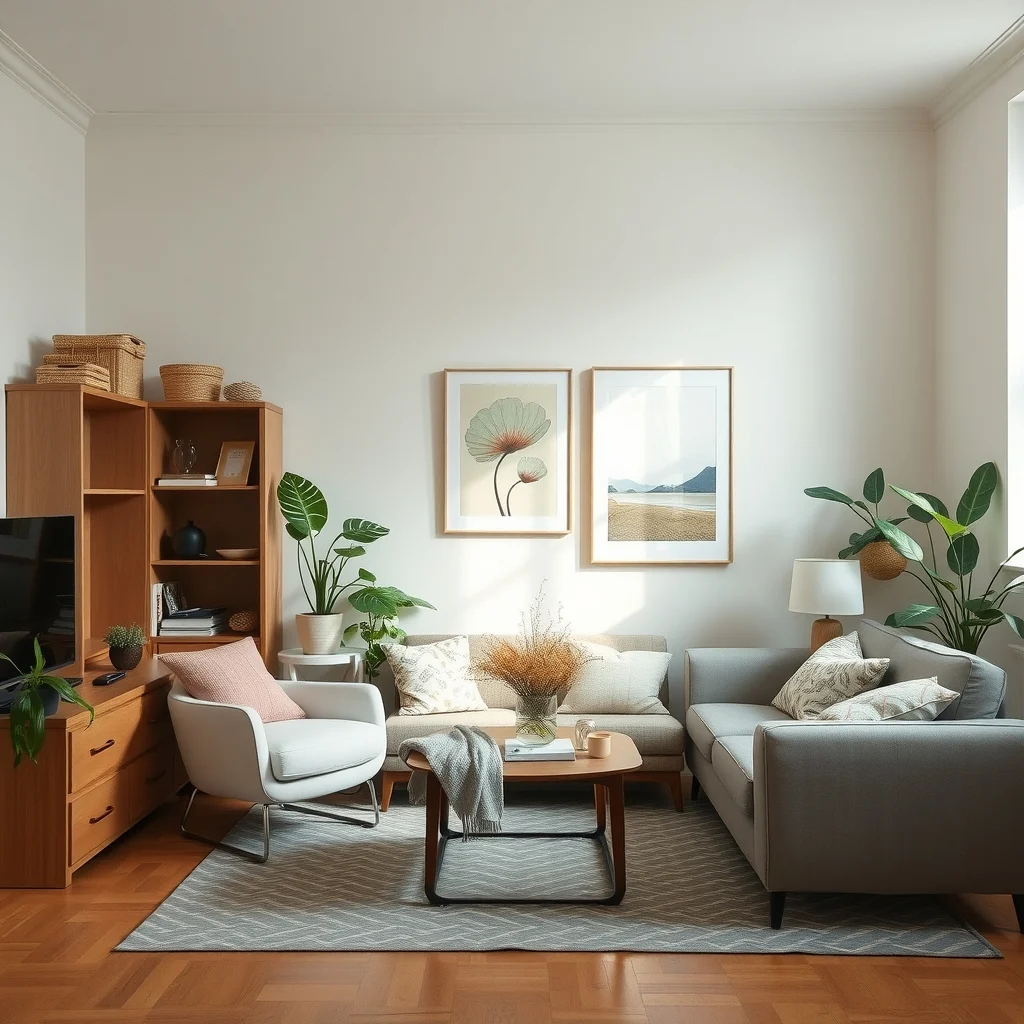
Balancing productivity and relaxation in a studio is less about adding more furniture and more about choosing pieces that serve two purposes while reinforcing visual separation. By integrating storage that folds, slides, or hides, you create clear cues for when the space is a workstation and when it is a sanctuary. The ideas above can be mixed and matched to suit your budget, ceiling height, and personal style, ensuring that your studio feels both functional and inviting, day after day.