How to Organize Hair Tools in a Small Bathroom

When the bathroom feels more like a storage closet than a place to refresh, the daily routine can become a juggling act. A compact bathroom rarely offers a dedicated vanity drawer for every brush, dryer, or straightener, so the tools we rely on often end up scattered on the countertop or tangled behind the door. This article walks you through seven practical ways to tame the clutter while keeping the space feeling light and functional. You’ll discover how a few thoughtful adjustments—ranging from magnetic strips to repurposed furniture—can turn a cramped washroom into an organized, pleasant corner of your home.
1. Install a Magnetic Strip Behind the Mirror
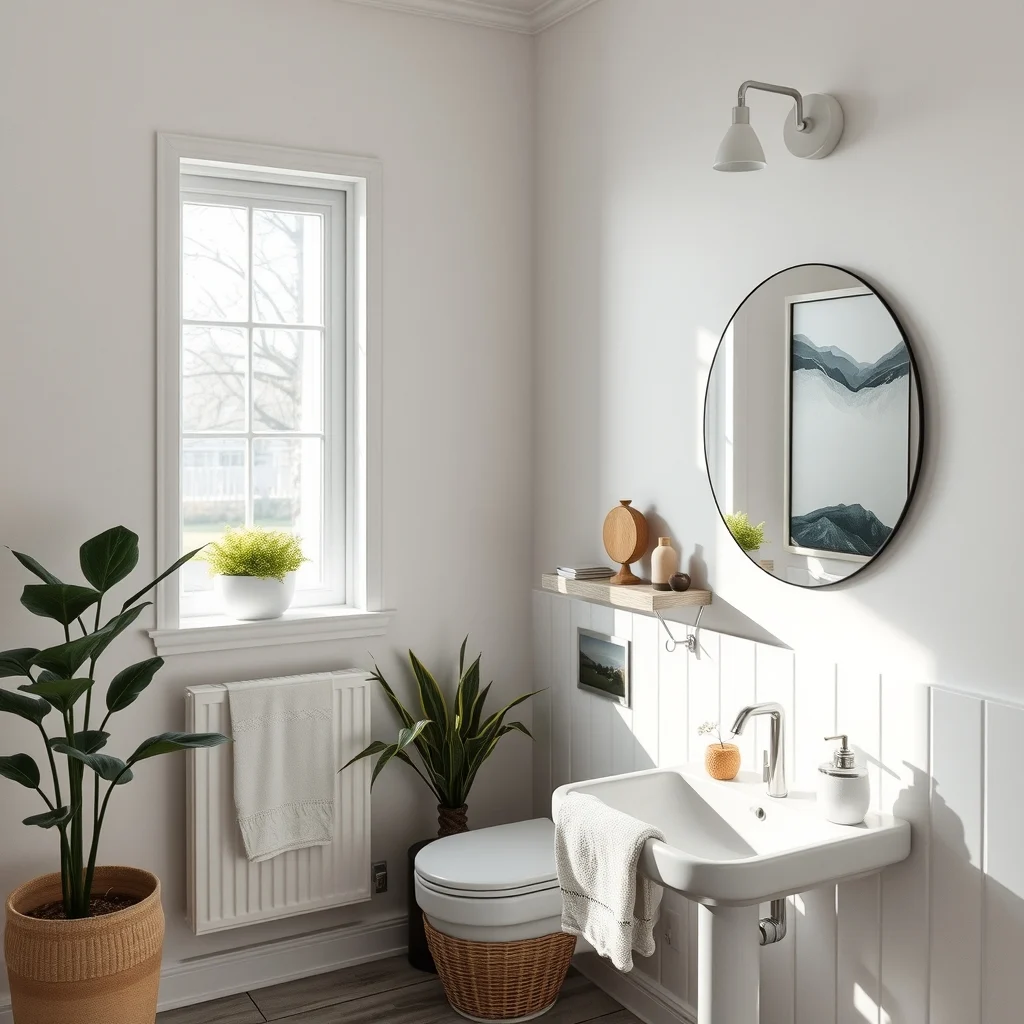
This image is by AI for inspiration only.
A magnetic strip is a subtle yet powerful addition that lives just out of sight. By mounting a slim, brushed‑nickel bar directly behind the bathroom mirror, you create a hidden rail for metal tools such as curling irons, flat irons, and even a compact hair dryer with a metal casing. The strip holds the devices securely, preventing them from sliding onto the counter when the mirror is fogged. Because the strip is flush with the wall, it doesn’t interfere with the limited floor space, and the reflective surface helps the metal tools blend into the décor. If you prefer a softer look, choose a powder‑coated black strip that matches a dark‑tinted vanity. The only limitation is that non‑metallic items, like plastic combs, will need a different home.
2. Use a Tiered Acrylic Organizer on the Sink Counter
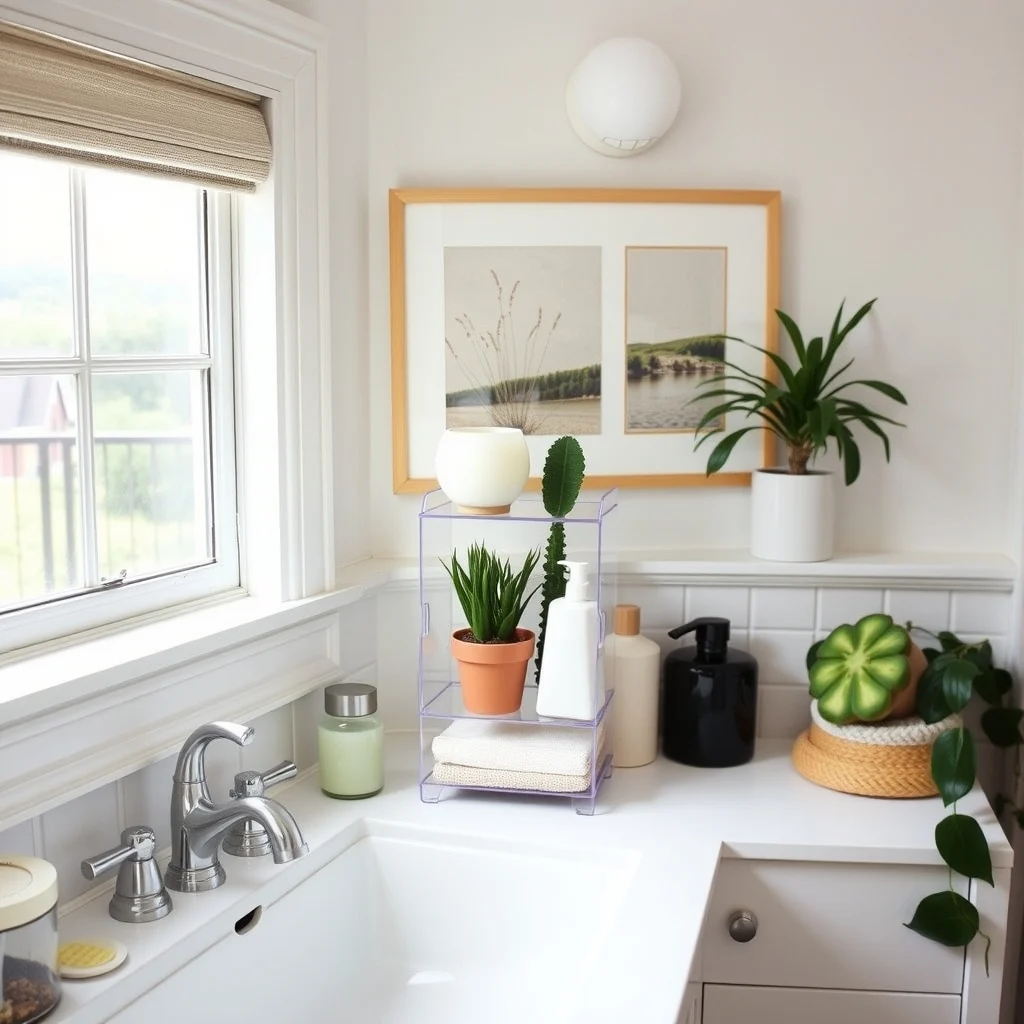
This image is by AI for inspiration only.
When countertop space is at a premium, vertical storage becomes essential. A clear acrylic tiered organizer, roughly six inches wide, can sit on the edge of the sink without blocking the faucet. The transparent material allows you to see every brush, styling mousse, and small bottle at a glance, reducing the time spent searching for the right tool. The tiers keep heavier items—like a travel‑size hair dryer—on the bottom, while lighter accessories such as hair ties and pins perch on the upper levels. Acrylic resists moisture better than wood, so occasional splashes won’t cause warping. The trade‑off is that the organizer can show water spots, so a quick wipe with a microfiber cloth keeps it looking clean.
3. Repurpose a Small Wall‑Mounted Cabinet as a Tool Closet
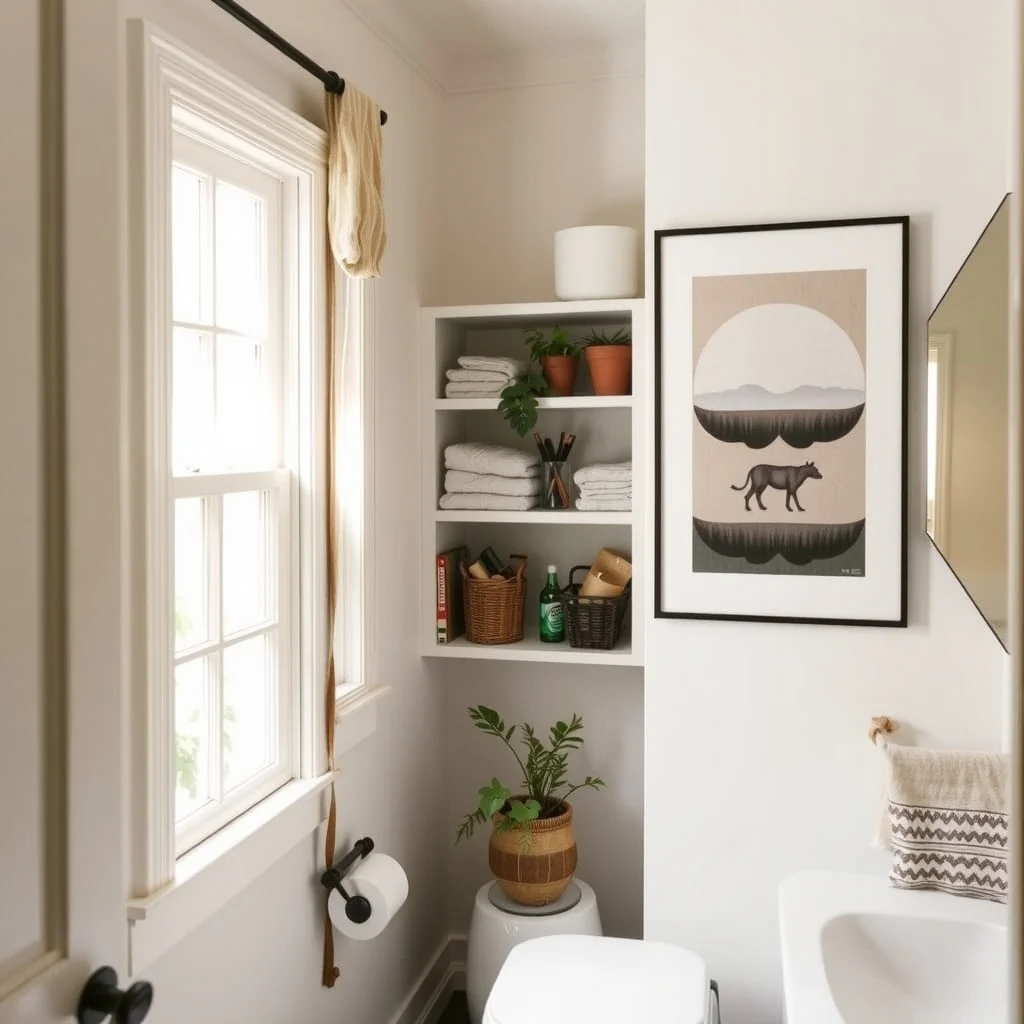
This image is by AI for inspiration only.
A narrow wall‑mounted cabinet, often used for medicine or toiletries, can double as a dedicated hair‑tool closet. Choose a unit with a single door and a couple of shallow shelves; the interior depth of four to five inches is perfect for a straightener, a compact diffuser, and a set of brushes. By painting the cabinet in a soft dove‑gray that matches the bathroom tiles, the piece integrates seamlessly with the existing palette. The cabinet’s height—typically around three feet—allows it to sit above the toilet tank without obstructing the flow of the room. One downside is that the door must be opened fully to retrieve items, so it works best when you keep the most frequently used tools on the top shelf for easy reach.
4. Hang a Small Baskets Row from a Tension Rod
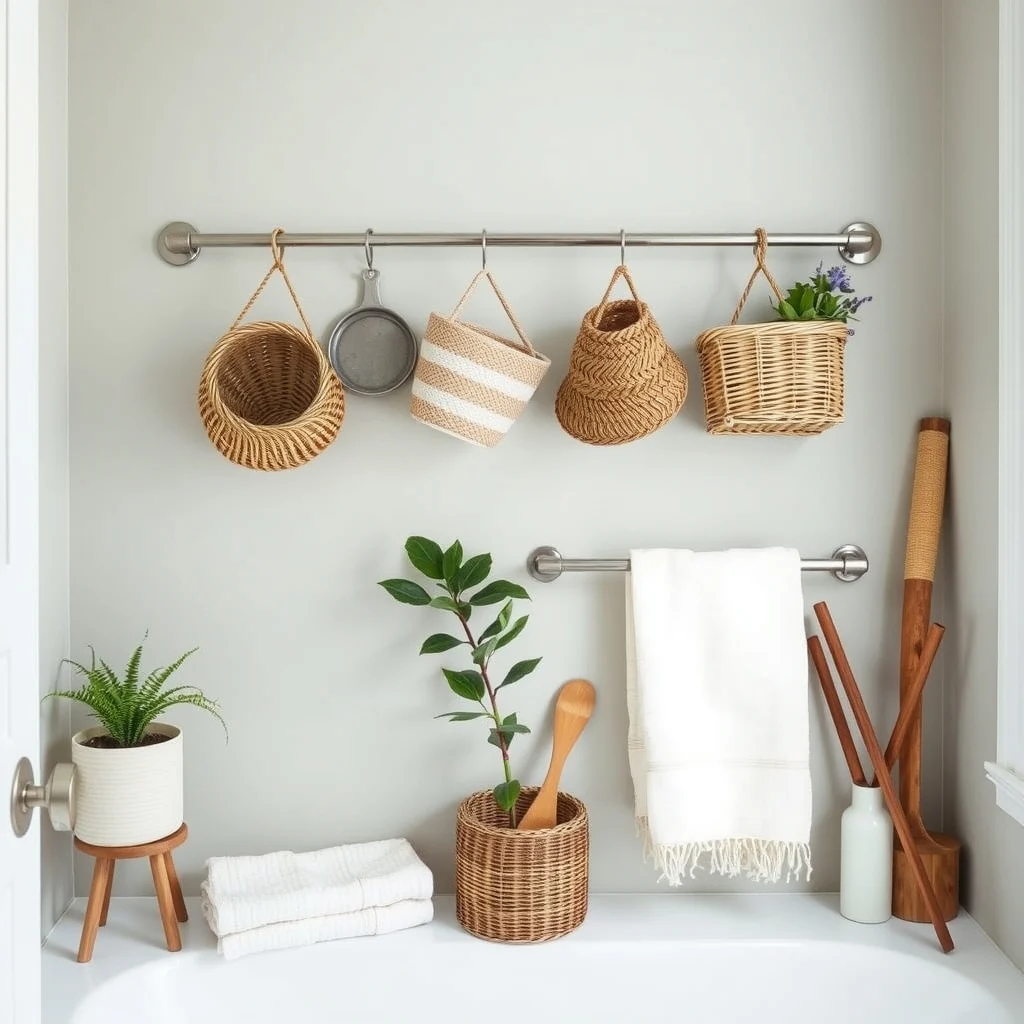
This image is by AI for inspiration only.
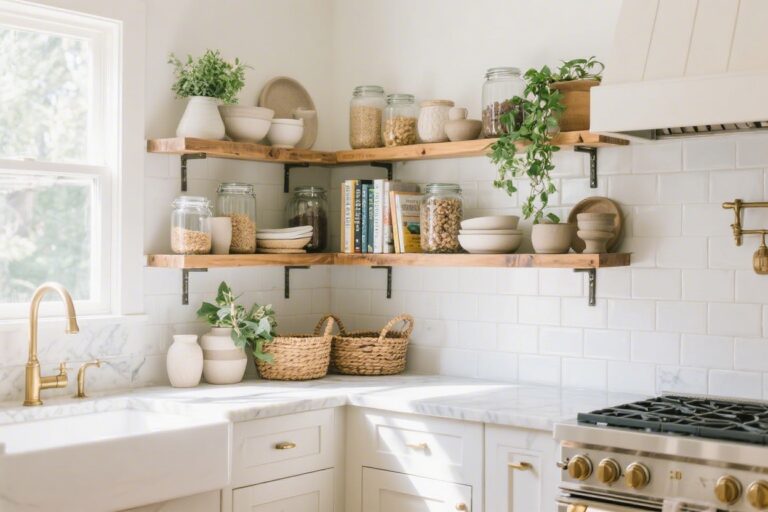
If you enjoy the tactile feel of woven storage, a row of petite baskets suspended from a tension rod offers both charm and practicality. Install a stainless‑steel tension rod between the two walls above the vanity, then attach two or three hand‑woven baskets with simple hooks. The baskets can hold rolled towels, hair‑spray cans, or a set of wooden combs, keeping them off the countertop while adding texture that softens the room’s hard surfaces. Natural jute or seagrass blends well with a light‑colored marble countertop, and the baskets can be lifted out for cleaning. The approach does require a clear wall space at the chosen height, and very heavy items could strain the rod if not properly secured.
5. Convert an Empty Drawer into a Customizable Tool Box
This image is by AI for inspiration only.
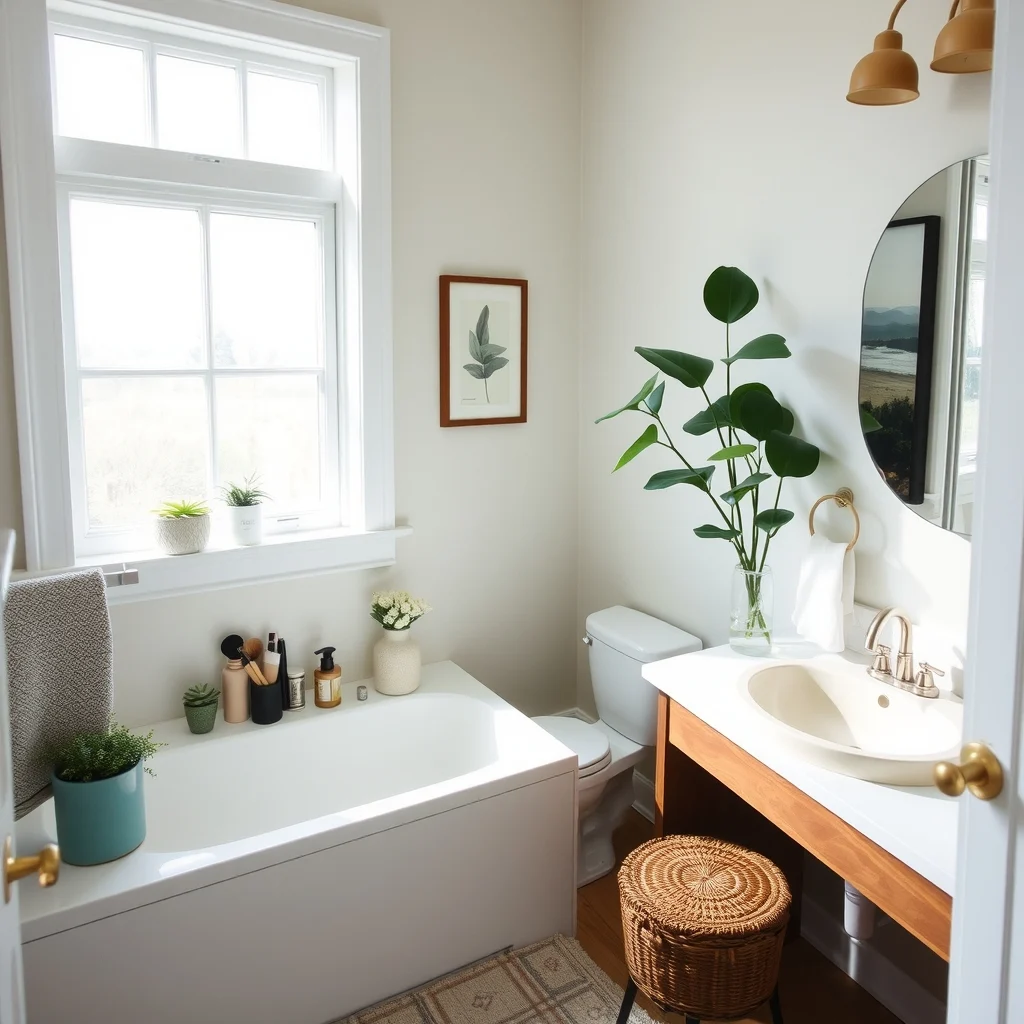
Even a shallow vanity drawer can become a well‑organized tool box with the right inserts. Cut a thin sheet of acrylic or acrylic‑coated MDF to fit the drawer’s dimensions, then add a few raised sections using small wooden blocks glued in place. These sections create compartments for a round brush, a small barrel‑shaped diffuser, and a set of styling clips. Because the inserts are removable, you can rearrange them whenever your collection changes. The acrylic surface resists humidity, which is essential in a bathroom environment. The only caution is to avoid over‑filling the drawer, as excess weight may cause the slides to stick over time.
6. Attach a Small Pegboard Panel to the Inside of the Cabinet Door
This image is by AI for inspiration only.
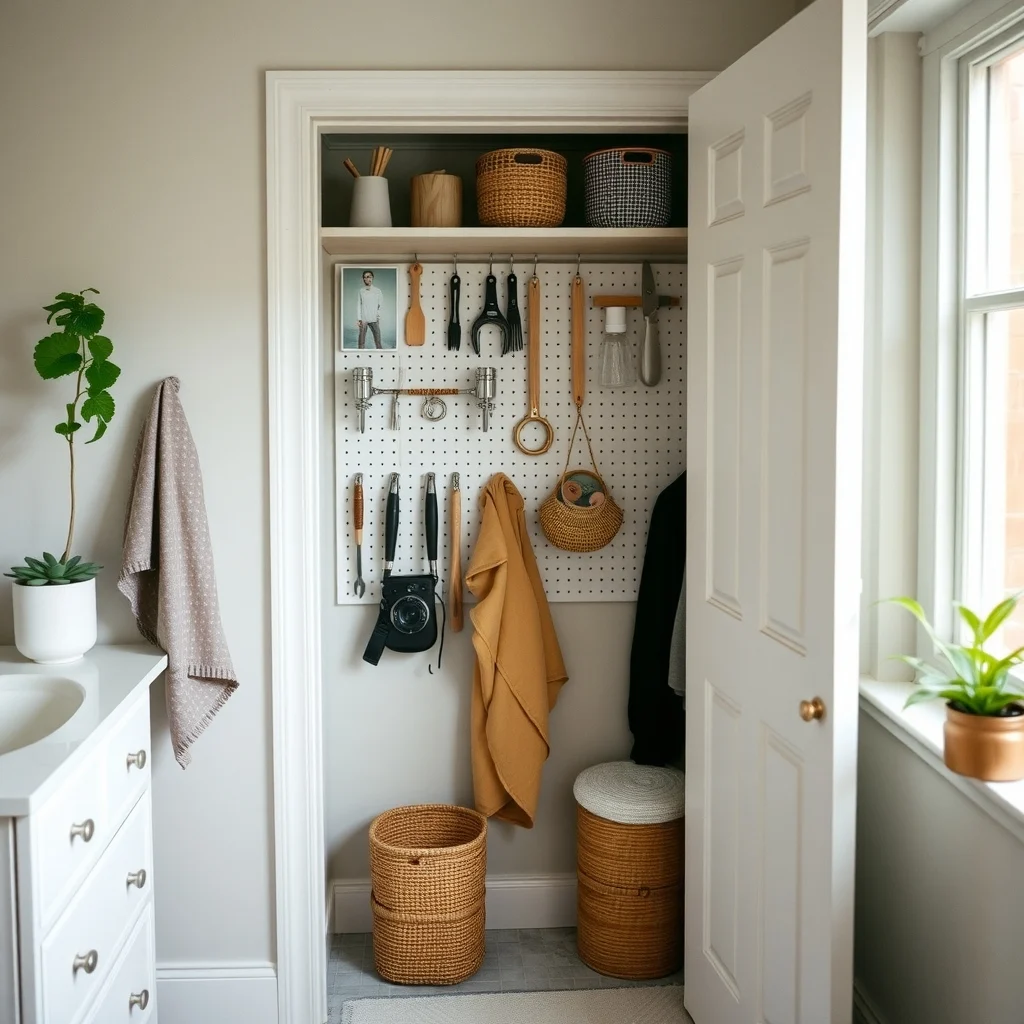
A pegboard panel, often used in workshops, can be trimmed to the exact size of a cabinet door and installed with adhesive backing. Once in place, you can hang small hooks or small baskets directly on the board. This setup is ideal for hanging lightweight items such as a travel‑size brush, a small bottle of hair oil, or a pair of scissors. The pegboard’s neutral gray tone complements most bathroom color schemes, and the visual contrast makes each tool easy to locate. Because the pegboard is mounted on the interior of the door, the items stay out of sight when the cabinet is closed, preserving a tidy look. The limitation is that heavier tools should not be placed here, as the adhesive may weaken with constant moisture exposure.
7. Choose a Slim, Open‑Back Shelf Above the Toilet Tank
This image is by AI for inspiration only.
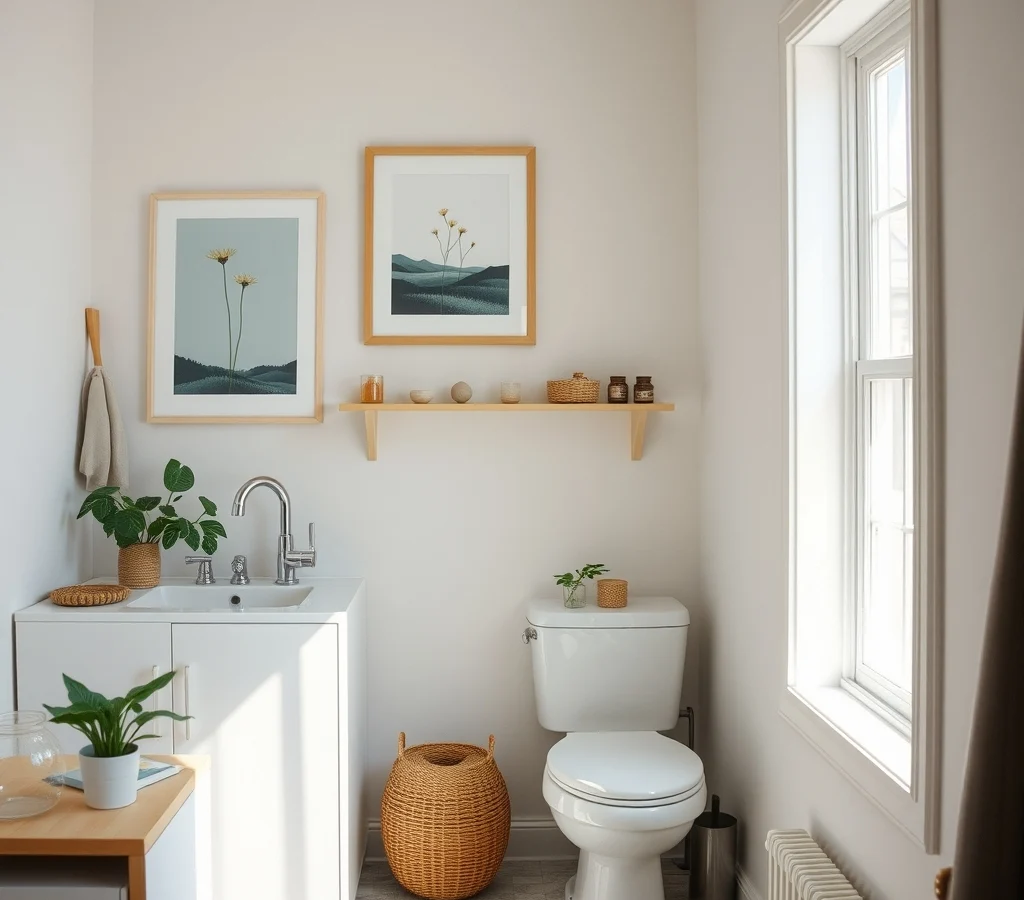
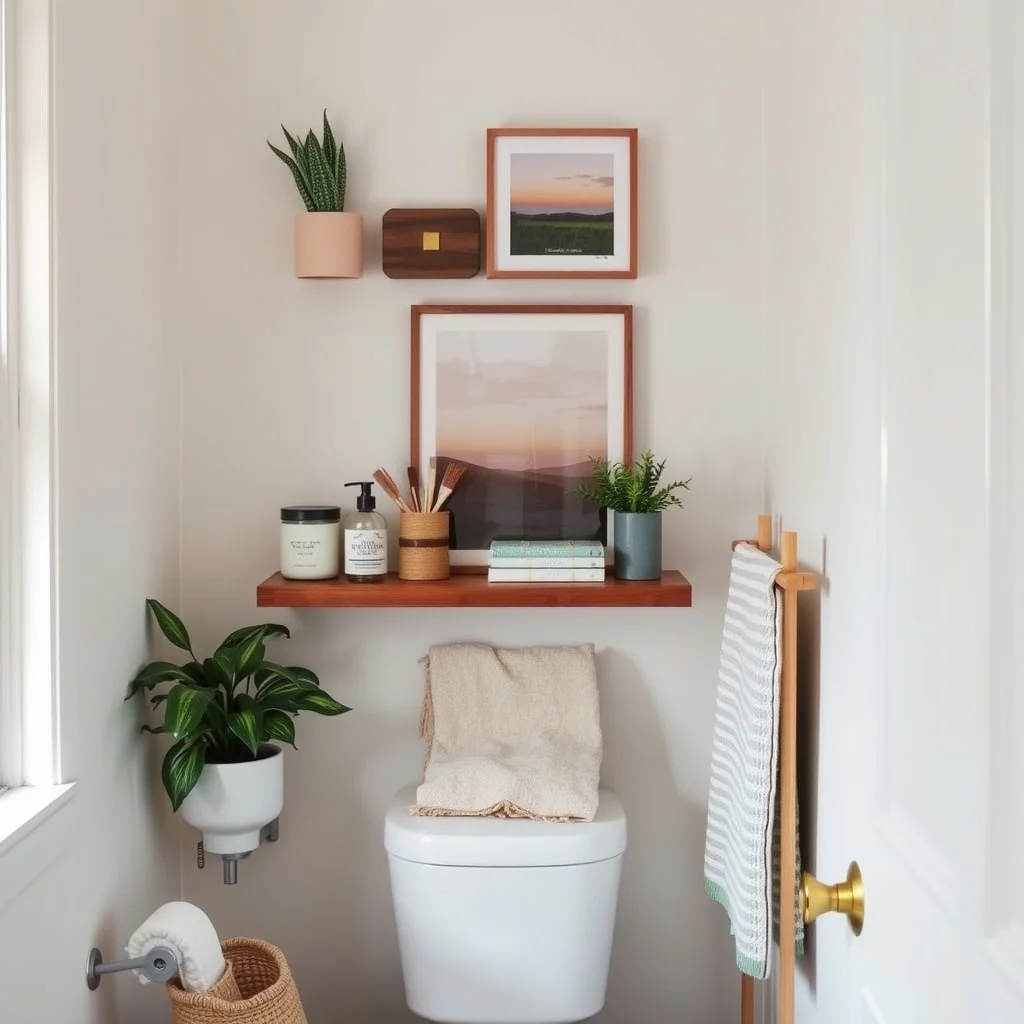
Many small bathrooms feature a modest space above the toilet tank that often goes unused. Installing a slim, open‑back shelf—preferably in a moisture‑resistant material like powder‑coated steel or sealed pine—creates a discreet landing spot for a daily‑use hair dryer, a compact straightening brush, and a decorative jar of cotton balls. The open back allows steam to escape, reducing the risk of water damage, while the shelf’s narrow profile (about four inches deep) ensures it doesn’t dominate the visual field. A warm walnut finish can echo the tones of a wooden vanity, tying the elements together. The only drawback is that the shelf is exposed, so you’ll want to keep the items neatly arranged to maintain a clean appearance.
How can I keep my hair tools from getting rusted in a humid bathroom?
Store metal tools in dry spots such as a magnetic strip or a sealed acrylic organizer to limit exposure to moisture. Wiping down each item after use and allowing them to air‑dry before placing them back helps prevent rust buildup.
Is it safe to use electrical hair tools near a bathroom mirror?
Yes, as long as the tools are plugged into a GFCI‑protected outlet and the cords stay away from direct water sources. Keeping cords coiled behind a magnetic strip reduces the chance of accidental contact with splashing water.
What kind of material works best for bathroom storage that won’t warp?
Materials such as powder‑coated metal, sealed pine, and acrylic resist humidity better than untreated wood. These options maintain their shape and finish even with occasional steam exposure.
Can I use a regular closet organizer in the bathroom?
A regular closet organizer can work if it’s made from moisture‑resistant components and placed away from direct water sources. Look for units with metal frames or sealed plastic shelves to avoid warping.
Final Thoughts
This image is by AI for inspiration only.
Organizing hair tools in a small bathroom is less about adding more furniture and more about using the walls, vertical space, and clever inserts that already exist. By applying a magnetic strip, a clear tiered organizer, or a repurposed wall cabinet, you create dedicated homes for each item without sacrificing style. Remember to match the storage finishes to the room’s existing palette, choose moisture‑resistant materials, and keep frequently used tools within easy reach. With these seven approaches, the bathroom can remain both functional and visually calm, allowing you to start each day with a clear countertop and a well‑arranged set of styling tools.