
How to Keep Bathroom Storage Hygienic in a Humid Room

When the steam from a hot shower lingers, it can turn even the most thoughtfully arranged bathroom shelves into a breeding ground for mildew and musty odors. The challenge isn’t just about finding space for towels, toiletries, and décor; it’s about preserving that space so the items stay clean and the room feels fresh. Below are seven practical approaches that let you enjoy organized storage without inviting dampness, all while keeping the bathroom’s style intact.
1. Choose moisture‑resistant materials for containers
This image is by AI for inspiration only.
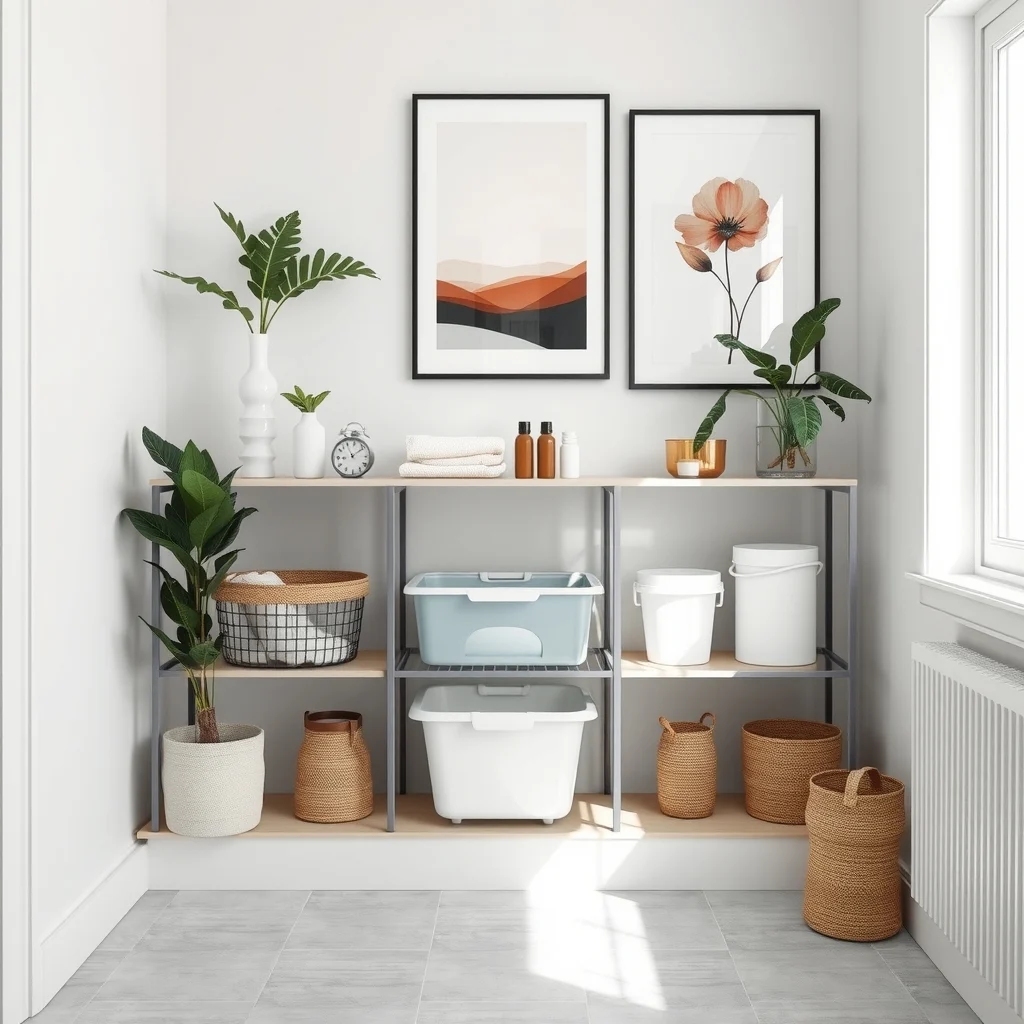
Plastic bins, acrylic trays, and powder‑coated metal baskets tolerate humidity far better than woven wicker or untreated wood. A clear acrylic drawer, for instance, lets you see its contents without opening the front, reducing the need to pull and push items that can trap moisture inside. When you select a container, look for a finish that repels water droplets; brushed nickel or powder‑coated steel won’t rust, and high‑density polyethylene won’t warp. The visual effect can be sleek—think a matte white plastic box paired with charcoal‑gray tiles—while the functional benefit is a surface that dries quickly after a splash.
Choosing the right material also influences the room’s palette. A set of pale‑blue acrylic organizers can echo a light‑washed wall, creating a cohesive look that feels intentional rather than improvised. If you prefer a warmer tone, a teak‑stained metal basket offers the look of wood without the susceptibility to swelling.
2. Optimize ventilation around storage
This image is by AI for inspiration only.
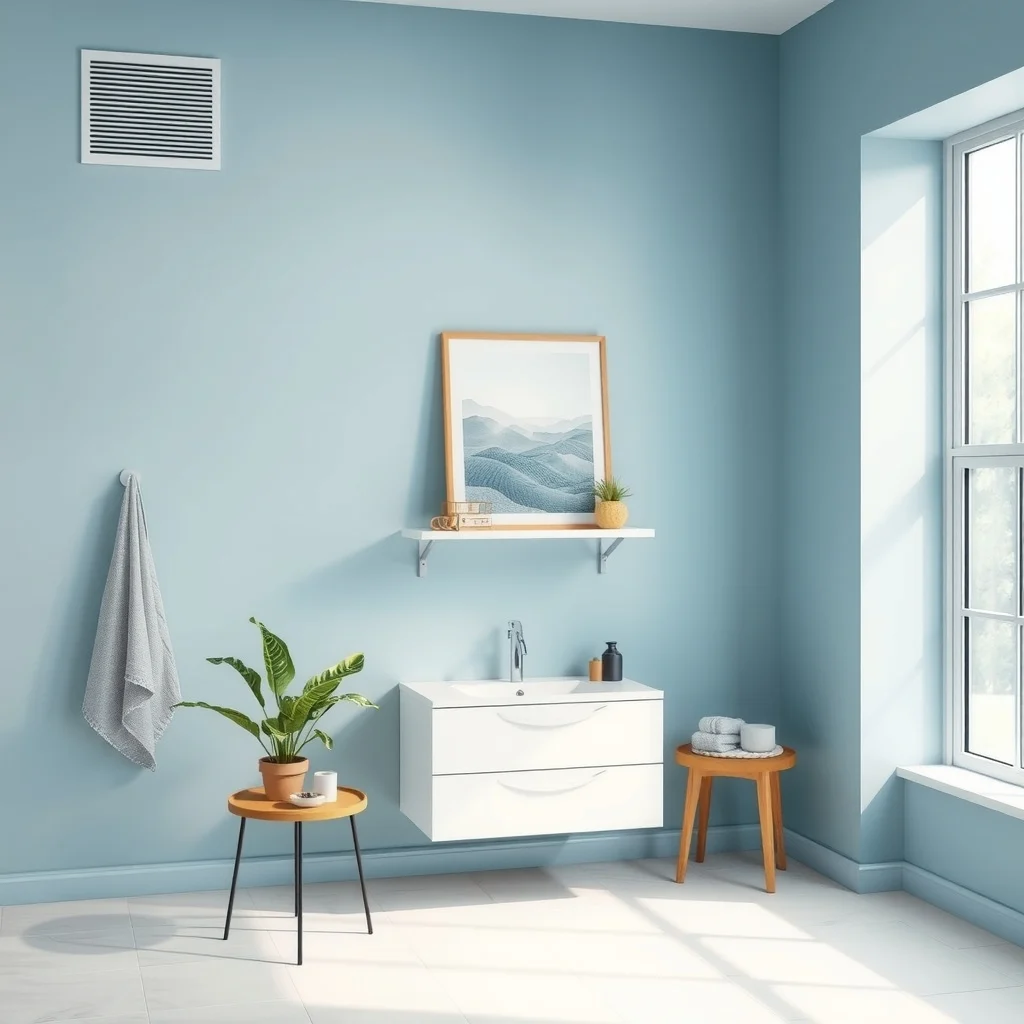
Even the best‑sealed containers benefit from a steady flow of air. Positioning a shelving unit near a vent, exhaust fan, or a window ensures that any lingering humidity has a path to escape. If the bathroom lacks a dedicated fan, a low‑profile ceiling vent can be installed above the vanity; the gentle upward draft keeps the area above shelves drier than the floor.
Beyond mechanical ventilation, the arrangement of items matters. Stacking heavy towels directly against a wall can block airflow, creating a pocket where moisture settles. By leaving a small gap—about an inch—between the back of a storage cabinet and the wall, you allow air to circulate, reducing the chance of mold forming on the cabinet’s rear panel. The gap is subtle enough to stay out of sight while providing a practical benefit.
3. Use transparent or open‑face organizers

This image is by AI for inspiration only.
Closed doors trap warmth and moisture, turning a cabinet into a mini sauna. Open‑face shelves or glass-front cabinets let steam disperse, while also letting you curate a visual story with neatly arranged bottles, jars, and decorative elements. A glass shelf set against a soft‑gray tile wall can showcase neatly labeled glass jars, turning storage into a design feature.
When you opt for openness, consider the visual weight of the items you display. Dark‑tinted shampoo bottles against a light backdrop create contrast without overwhelming the space, while a row of pastel‑colored lotion dispensers adds a gentle pop of hue. The key is to balance aesthetics with the practical need for air movement, ensuring that the open design doesn’t become a magnet for dust.
4. Incorporate removable liners and trays

This image is by AI for inspiration only.
Placing a thin silicone mat or a washable fabric liner at the bottom of a drawer creates a barrier that can be lifted, shaken out, and laundered. Silicone resists water and can be wiped clean with a mild cleanser, while a cotton liner absorbs any stray droplets and dries faster than the surrounding wood.
These removable layers also protect the underlying surface from staining, which is especially useful for dark‑stained wooden cabinets that show water rings easily. When you need to clean a drawer, simply pull the liner out, rinse it under warm water, and replace it—no need to dismantle the entire storage unit. This small step adds a routine that keeps the interior of cabinets fresh without extra effort.
5. Schedule regular cleaning and drying cycles
This image is by AI for inspiration only.
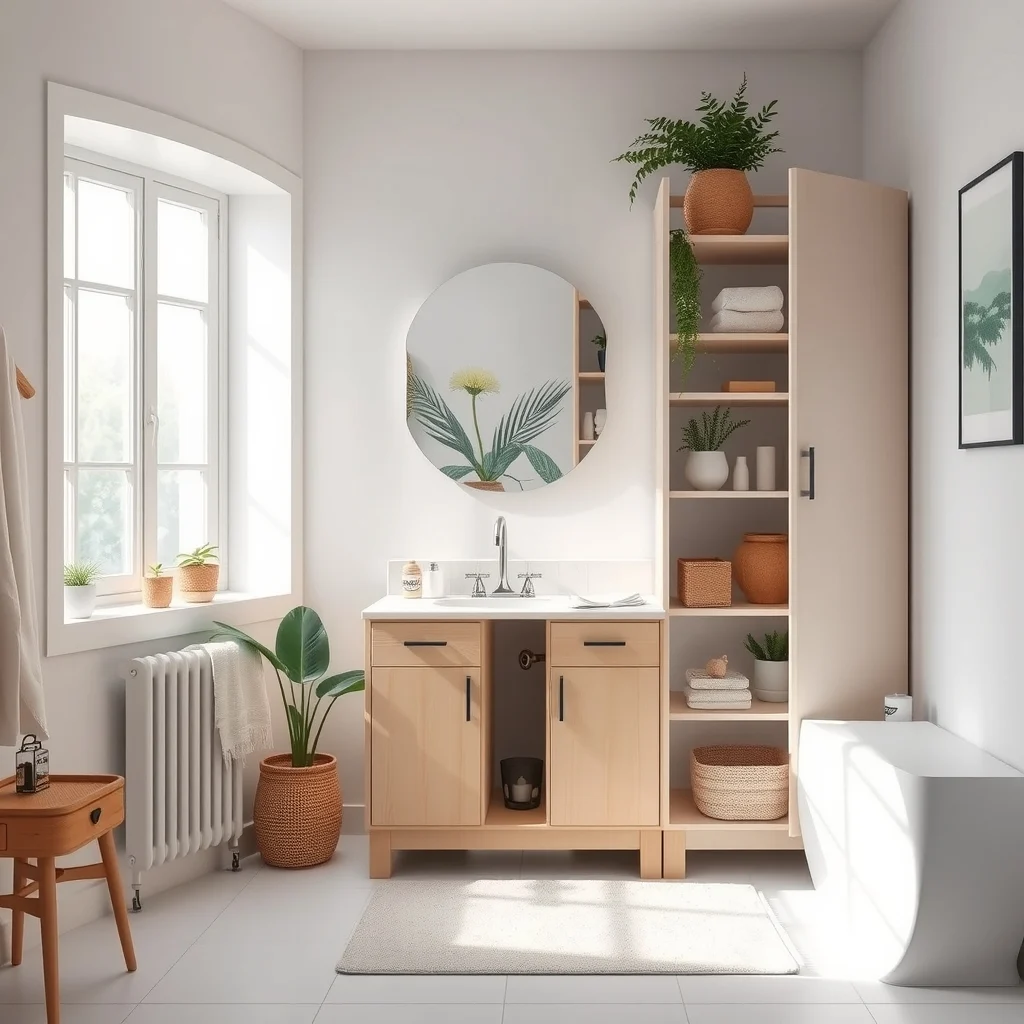
Even with the best materials, periodic maintenance prevents buildup. After each shower, a quick swipe with a microfiber cloth across shelves and cabinet doors removes excess moisture before it seeps into seams. Once a week, a deeper cleaning—spraying a solution of equal parts water and white vinegar, letting it sit for a few minutes, then wiping dry—disrupts any developing mildew.
For larger items such as towel racks or freestanding baskets, a brief exposure to a handheld hair dryer on a cool setting can accelerate drying after a spill. The routine feels light enough to fit into a typical weekend cleaning schedule, yet it makes a noticeable difference in how the bathroom smells and looks over time.
6. Position storage away from direct water exposure
This image is by AI for inspiration only.
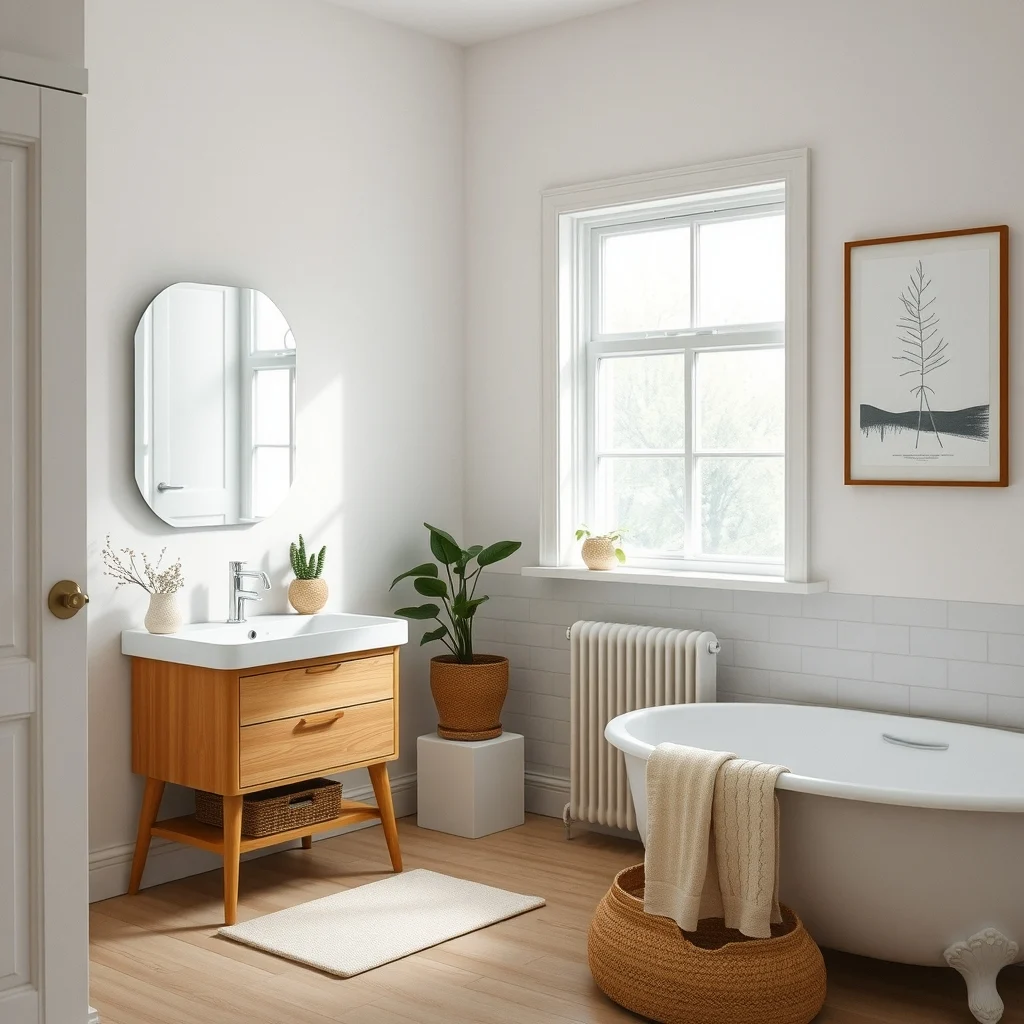
Placing a cabinet directly under a faucet or next to a bathtub edge invites splashes that linger on the surface. By setting a vanity drawer a few inches back from the sink rim, you create a buffer zone where stray droplets evaporate before reaching the storage unit. The same principle applies to wall‑mounted shelves; mounting them at least six inches above the showerhead’s spray radius keeps them dry even during a vigorous rinse.
When space constraints force you to place storage close to a wet zone, consider a raised platform—such as a short wooden riser painted to match the wall. The elevation lifts the storage off the floor, allowing air to circulate underneath, which discourages mold from forming on the lower panel. The riser can double as a decorative element, perhaps finished in a soft, matte ivory that blends with the surrounding tiles.
7. Add subtle dehumidifying accessories
This image is by AI for inspiration only.
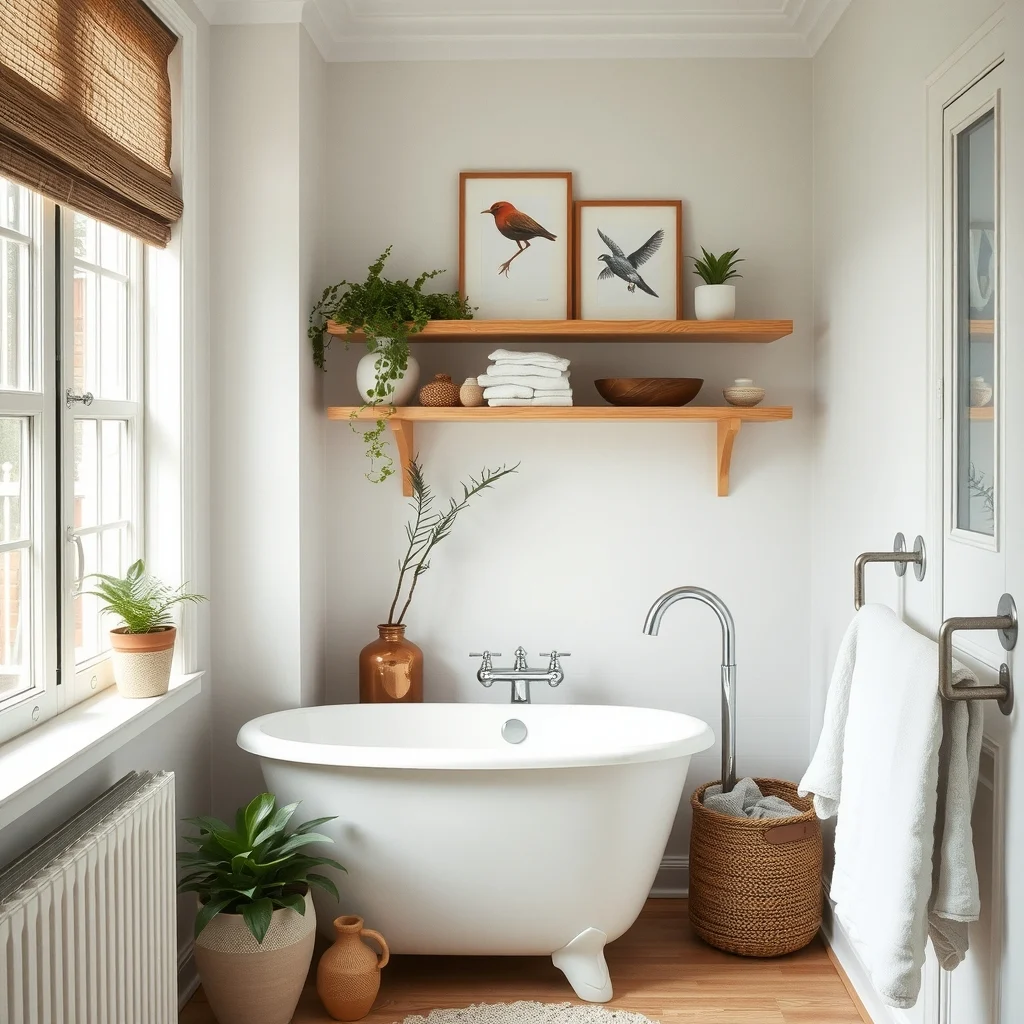
Compact silica‑gel packets, charcoal bags, or small electric dehumidifiers can be tucked into cabinets or placed on shelves to absorb excess moisture. Silica packets are discreet—often tucked into the back of a drawer—yet they continuously pull humidity from the air. Charcoal bags not only reduce moisture but also neutralize odors, keeping the bathroom smelling clean.
For larger bathrooms, a low‑profile electric dehumidifier that fits under a vanity can run on a timer, pulling moisture from the room during off‑peak hours. Choose a model with a quiet fan and a simple on/off switch, so it blends into the design without becoming a visual distraction. The subtle presence of these accessories maintains a balanced humidity level, extending the life of both storage pieces and the items they hold.
FAQ
This image is by AI for inspiration only.
How often should I clean bathroom cabinets?
Cleaning the exterior of cabinets weekly and the interior monthly keeps moisture and grime at bay. A quick wipe with a damp cloth after each shower removes surface droplets, while a deeper wipe with a diluted vinegar solution once a month prevents mildew from establishing.
Can I use fabric baskets in a humid bathroom?
Fabric baskets are best avoided unless they are made of quick‑drying, water‑resistant materials like nylon or treated canvas. Traditional cotton or woven rattan will absorb moisture, leading to odor and potential mold growth.
What type of dehumidifier works best for small bathrooms?
A compact, plug‑in unit with a capacity of 5–10 pints per day is sufficient for most small bathrooms. Look for a model with an automatic shut‑off and a quiet fan to maintain a peaceful environment while reducing humidity.
Is it safe to use scented sprays near storage?
Scented sprays are safe if used sparingly and kept away from open flames or electrical outlets. Over‑application can leave residue on surfaces, so a light mist followed by a brief ventilation period is the most effective approach.
Do glass shelves collect more dust than wood?
Glass shelves tend to show dust more readily, but they are also easier to wipe clean. A microfiber cloth dampened with water removes dust without streaks, making maintenance straightforward.
Final Thoughts
This image is by AI for inspiration only.
Keeping bathroom storage hygienic in a humid room is less about a single miracle product and more about a series of thoughtful choices—materials that repel water, layouts that encourage airflow, and habits that address moisture before it settles. By selecting moisture‑resistant containers, positioning shelves wisely, and adding subtle dehumidifying touches, you create a storage system that remains functional and attractive over time. The result is a bathroom that feels orderly, smells fresh, and supports the everyday routines that make the space essential to daily life.