Smart Small Living Room Furniture Layout With More Storage
Living in a compact apartment often feels like a balancing act between comfort and clutter. The living room, as the social hub, needs seating, lighting, and a place for everyday items without turning the space into a maze. This article walks you through seven practical ways to arrange furniture so the room feels open, while hidden storage keeps the inevitable extras out of sight. You’ll discover how shape, material, and placement work together, and which compromises to expect when space is at a premium.
1. Choose a Low‑Profile Sofa with Built‑In Compartments
This image is by AI for inspiration only.
© 2026 AI Illustrator — Inspiration Only
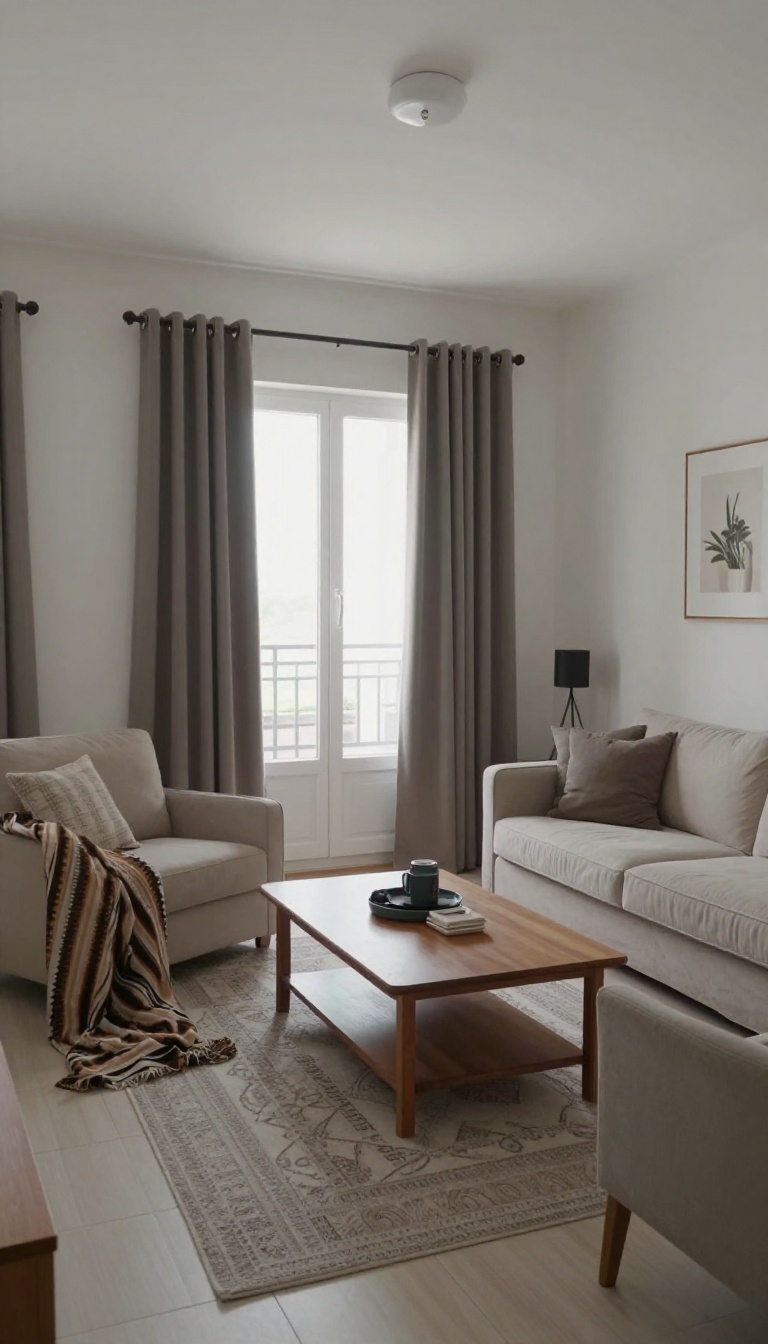
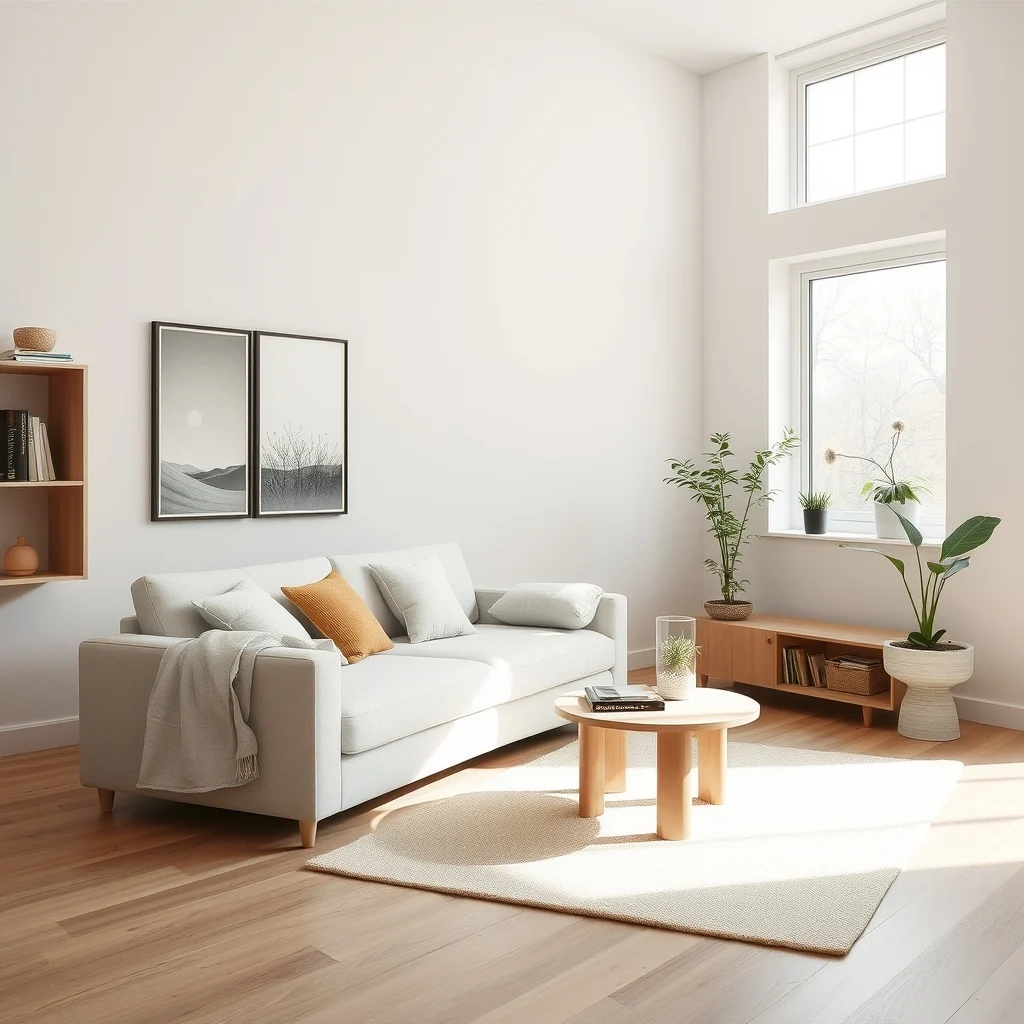
A sofa that sits close to the floor creates an illusion of height, especially when the ceiling is modest. Opt for a piece with a shallow back and a seat height of about 16‑18 inches; this encourages the eye to travel upward to windows or artwork. When the sofa includes drawers beneath the cushions or a hidden shelf behind the armrests, you gain a discreet place for blankets, magazines, or board games. The storage is accessible without standing on a stool, which preserves the room’s casual flow. Keep the upholstery in a durable, easy‑to‑clean fabric such as a tightly woven linen in a muted greige; this resists stains while blending with most color palettes. Remember that a low sofa may sacrifice deep cushioning, so add a few plush throw pillows for extra comfort.
2. Anchor the Layout with a Multi‑Functional Coffee Table
This image is by AI for inspiration only.
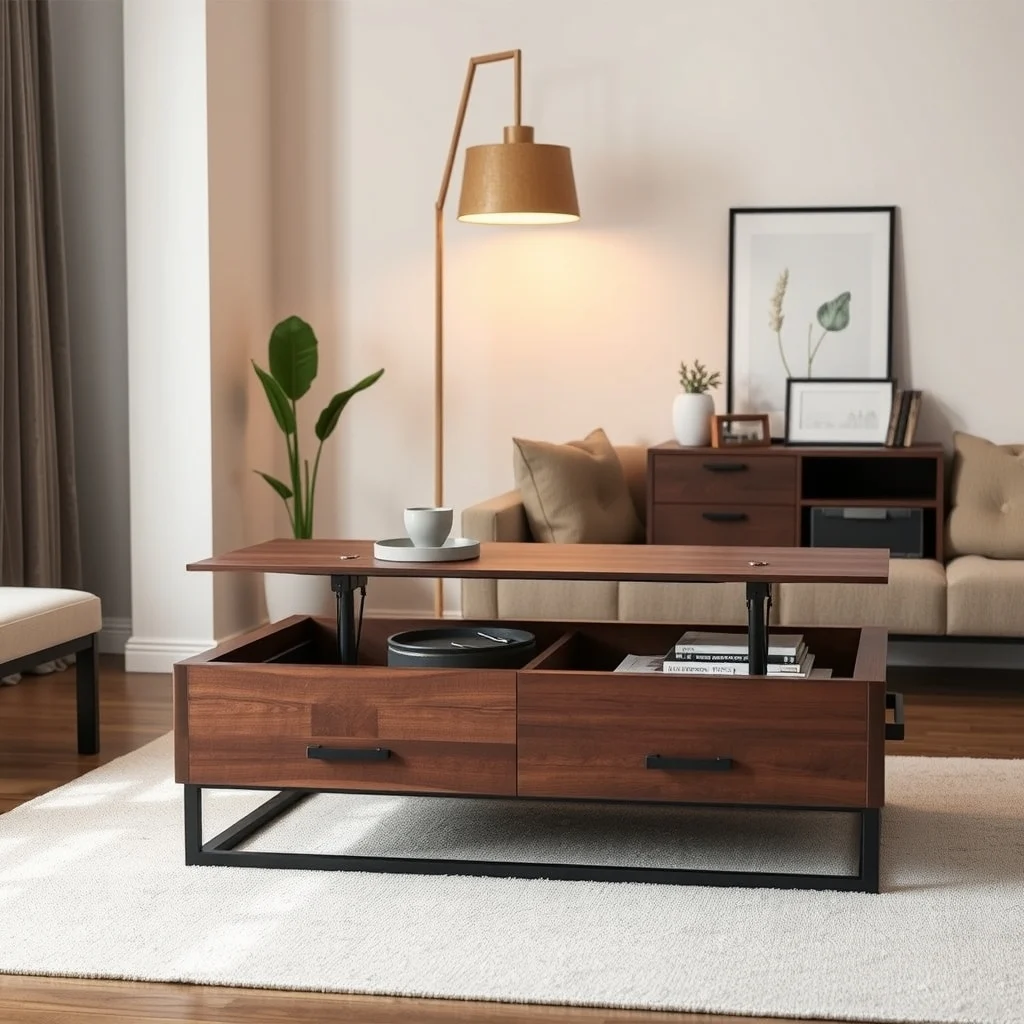
In a small living room, the coffee table often becomes the centerpiece of activity. Selecting a table that doubles as storage—whether it has a lift‑top, hidden drawers, or a removable tray—means you can tuck away remote controls, coasters, or a small stack of books. A rectangular shape that aligns with the sofa’s length maintains visual order, while rounded corners soften traffic flow and reduce the chance of bumps in high‑traffic zones. Materials like reclaimed oak with a light oil finish add warmth and age gracefully, requiring only occasional wiping with a dry cloth. If you favor a more contemporary look, a metal frame with a glass top offers a sense of openness, though glass demands more careful cleaning. The trade‑off is that larger storage compartments can increase the table’s weight, making it harder to move for occasional re‑arrangements.
3. Position a Slim Media Console Against the Long Wall
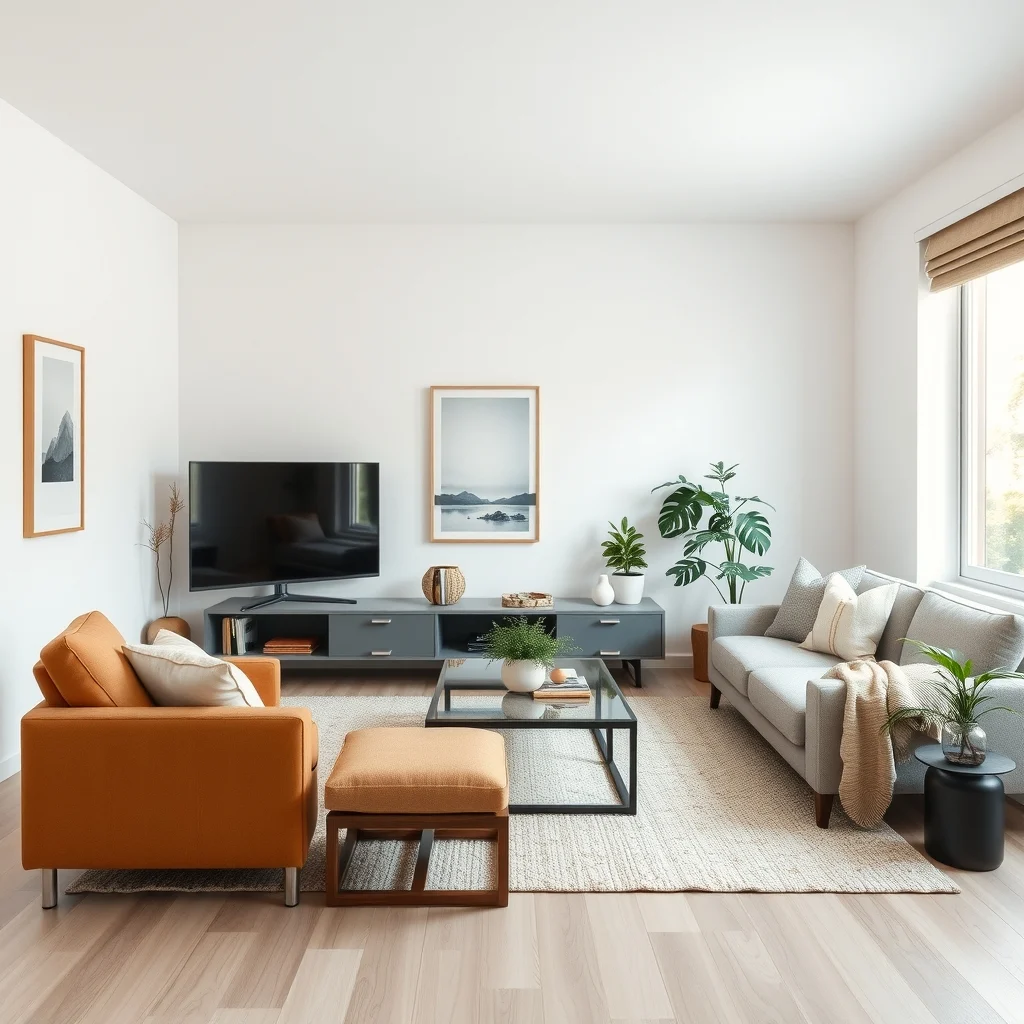
This image is by AI for inspiration only.
When the television is a focal point, a media console that stretches horizontally across the longest wall maximizes floor space. Choose a unit that is no deeper than 12 inches; this leaves room for foot traffic while still providing shelves for gaming consoles, cables, and decorative objects. Open shelving at eye level keeps frequently used items visible, whereas closed cabinets on the upper section conceal bulkier items like board games or extra blankets. A finish in matte walnut complements both light and dark color schemes, and the low profile prevents the console from overwhelming the room. Be aware that a very shallow console may limit the size of electronics you can store, so verify dimensions before purchasing.
4. Add a Pair of Wall‑Mounted Floating Shelves
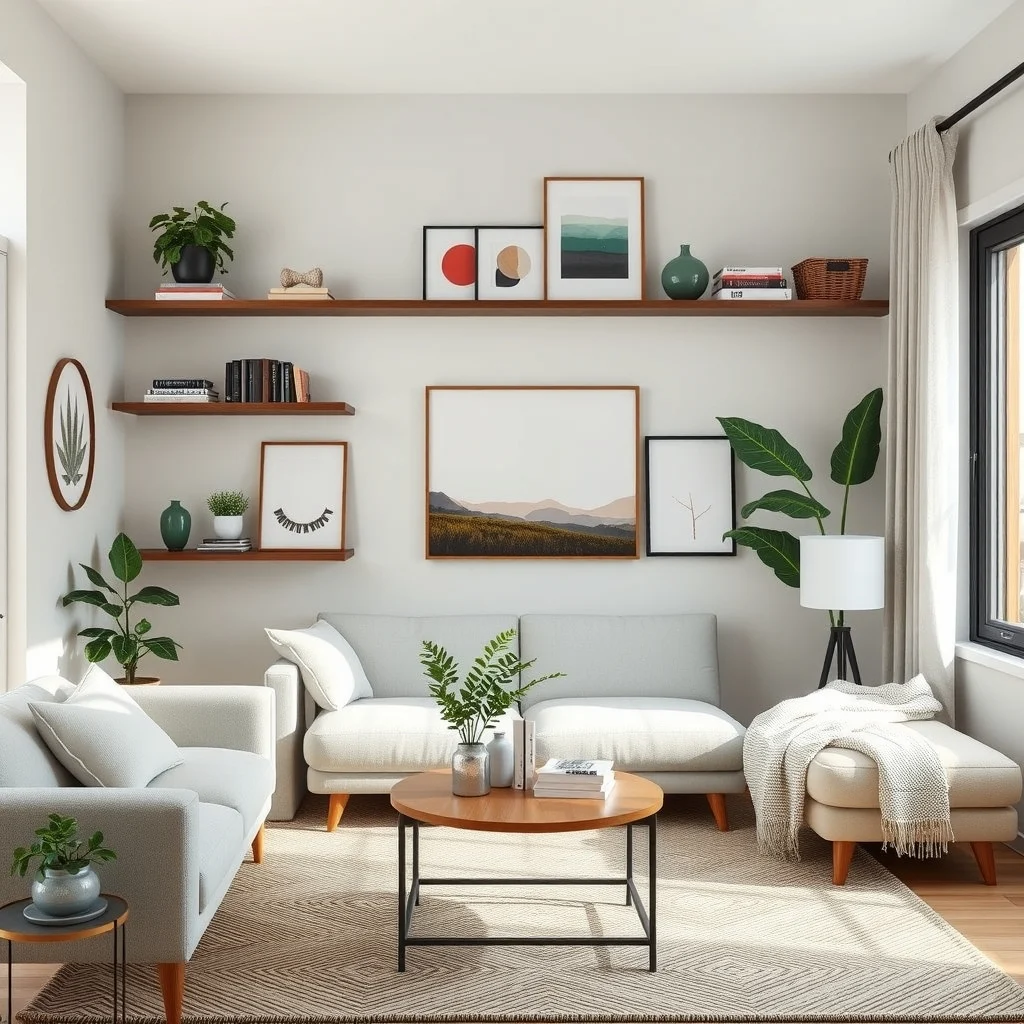
This image is by AI for inspiration only.
Vertical space is often underutilized in compact rooms. Installing floating shelves at about shoulder height creates storage without sacrificing floor area. Use the shelves to display a curated selection of books, a small potted fern, and a few decorative ceramics; this adds personality while keeping surfaces clear. Selecting a shelf depth of 8‑10 inches ensures that items stay within easy reach without protruding into the seating zone. A brushed brass bracket can serve as a subtle accent against a white-painted wall, and the metal resists humidity better than painted wood. The downside is that heavy objects require sturdy anchors, so be sure to locate studs or use appropriate wall plugs.
5. Incorporate a Corner Storage Ottoman
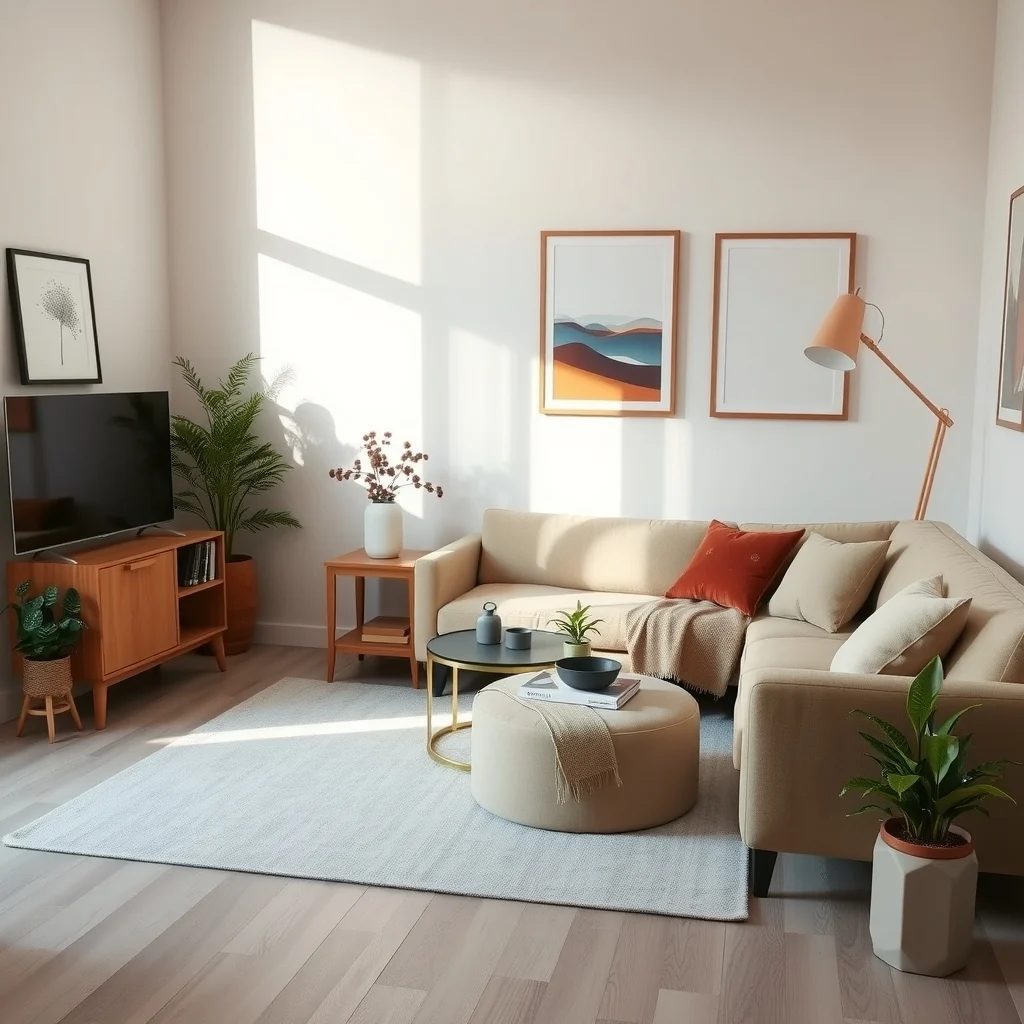
This image is by AI for inspiration only.
Corners often become dead zones, but a storage ottoman fitted to the angle can turn that space into a functional nook. The ottoman’s rounded shape fits snugly into the corner, and its lid opens to reveal a cavity suitable for extra throws, seasonal décor, or a small stack of games. Upholster the ottoman in a soft, low‑pile fabric such as boucle in a deep teal; this adds a splash of color without overwhelming the room’s palette. Because the ottoman serves as both a footrest and a seat, it enhances comfort for guests while hiding clutter. One limitation is that the ottoman’s height may restrict the size of items you can store; larger pieces may need to be kept elsewhere.
6. Use a Light‑Colored Area Rug to Define Zones
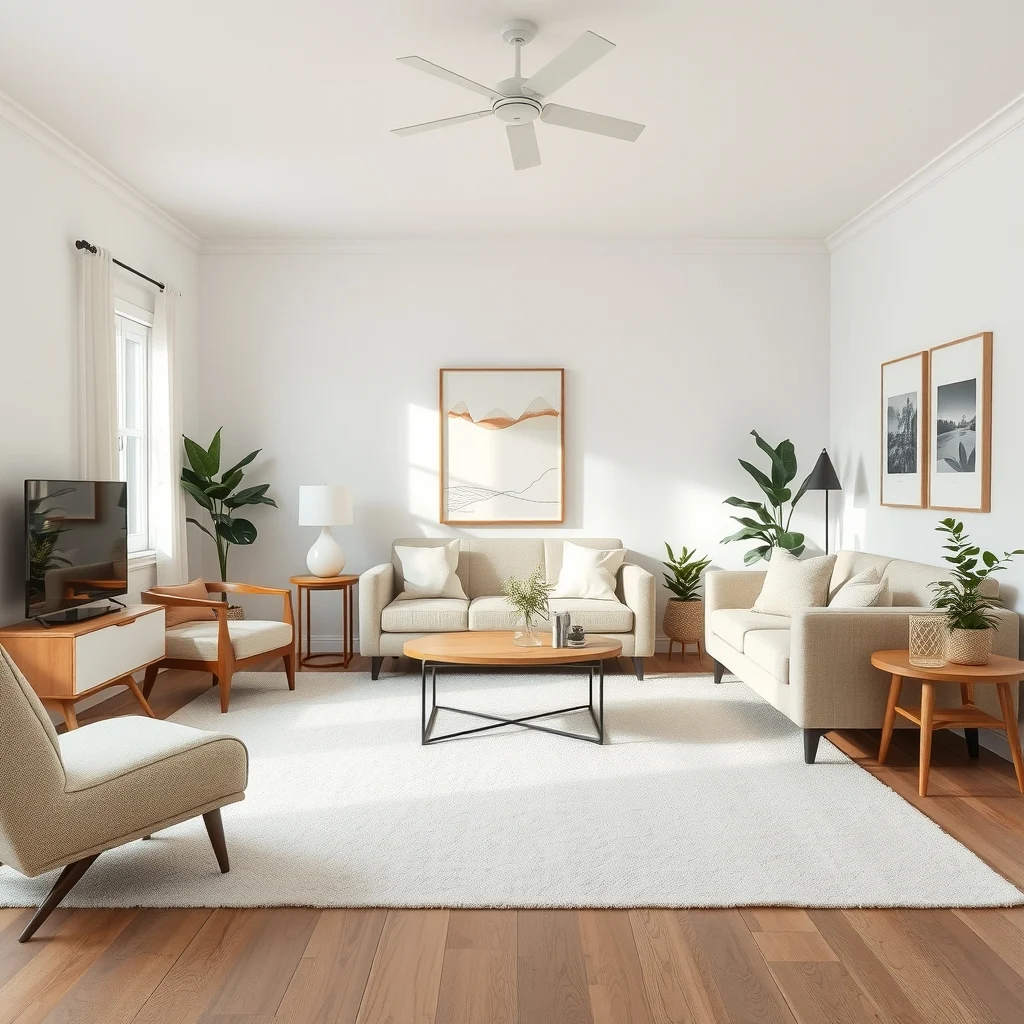
This image is by AI for inspiration only.
An area rug can delineate the seating area from a nearby work or reading corner, especially when the floor plan is open‑plan. Choose a rug in a light, neutral shade—such as a soft ivory with a subtle geometric pattern—to reflect natural light and make the room feel larger. The rug’s dimensions should be large enough for the front legs of the sofa and chairs to rest on it, creating a cohesive visual anchor. A low‑pile cotton blend is comfortable underfoot and easy to vacuum, making maintenance straightforward. If you prefer a bolder statement, a rug with a muted terracotta border can add depth while still keeping the overall feel airy. Keep in mind that a darker rug can absorb light, which may make the space feel smaller if the room lacks ample windows.
7. Install a Tall, Slim Bookcase with Integrated Baskets
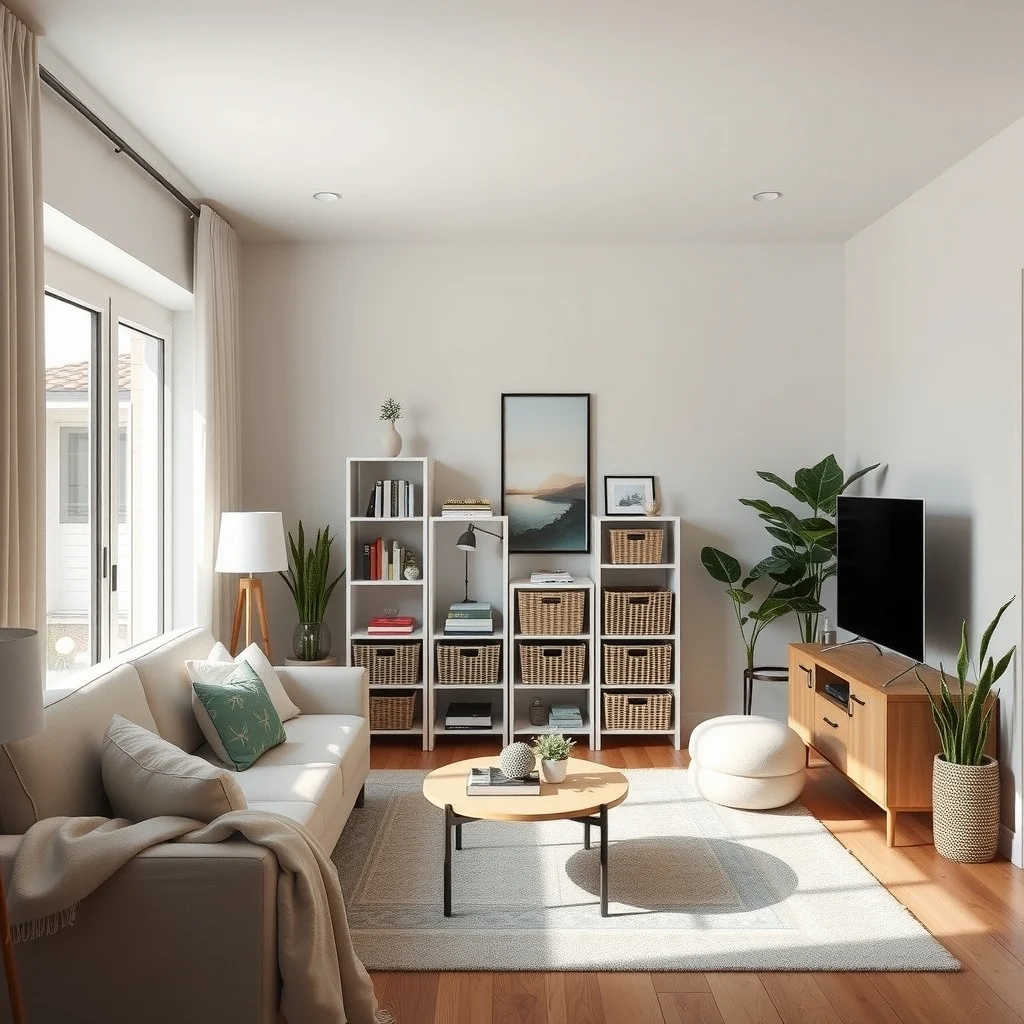
This image is by AI for inspiration only.
When you need to store a growing collection of books, board games, or craft supplies, a tall bookcase that reaches near the ceiling maximizes vertical storage without encroaching on the limited floor area. Opt for a narrow width of 14‑16 inches, and look for models that incorporate woven baskets on the lower shelves; the baskets hide miscellaneous items while adding texture. A finish in matte white can brighten the room, while the baskets, perhaps in natural rattan, introduce an organic contrast. Because the piece is tall, it can also serve as a subtle room divider if placed between the sofa and a small desk. The primary consideration is that a tall unit may be difficult to move, so ensure you have a clear path before placing it.
FAQ
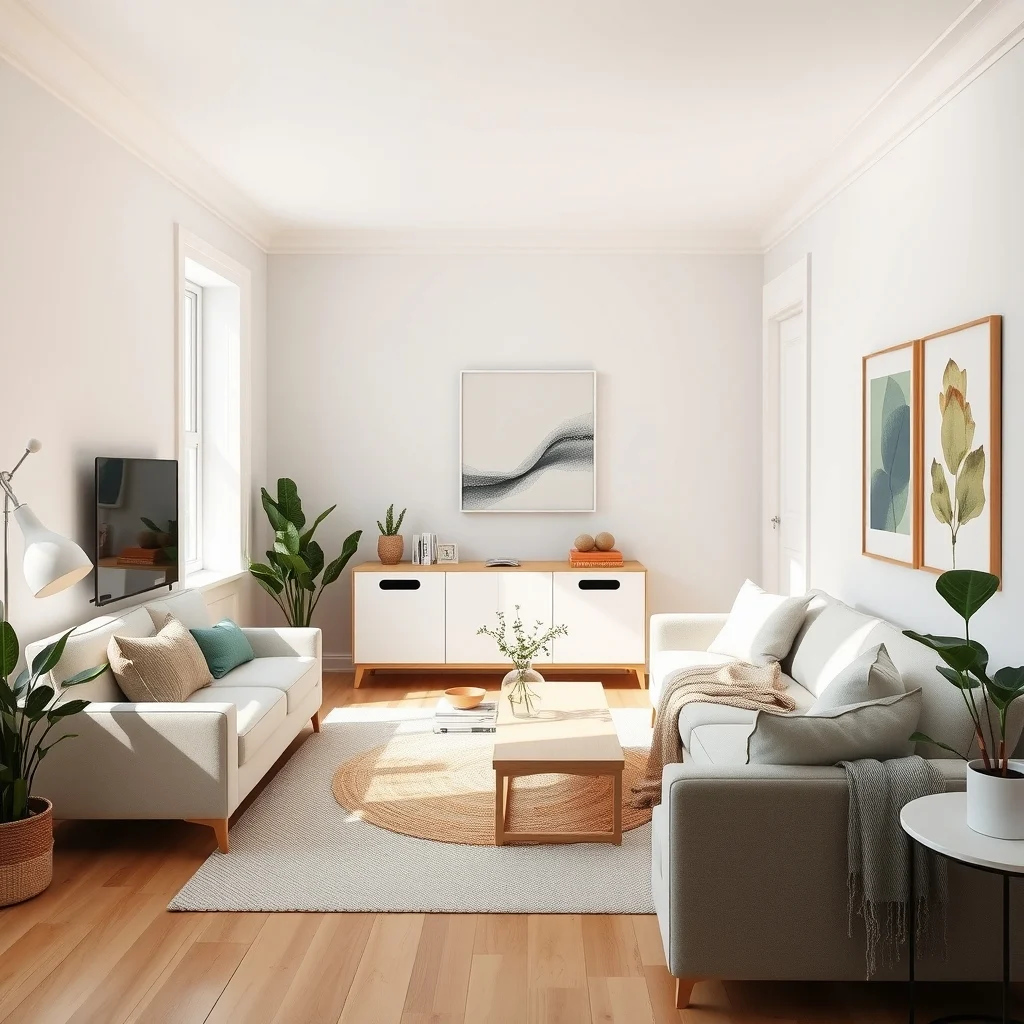
This image is by AI for inspiration only.
How can I keep the room feeling airy while adding storage?
Choose furniture with low profiles and light finishes, and place storage pieces against walls to preserve open floor space. Transparent or reflective surfaces, such as glass tabletops, also help maintain a sense of openness.
What is the best material for storage that resists wear?
Hard‑wearing woods like oak or walnut finished with a protective oil or matte lacquer hold up well to daily use. Metal frames with powder‑coat finishes are another durable option, especially for high‑traffic pieces.
Can I use decorative baskets for storage without looking cluttered?
Yes, when baskets are placed on a single shelf or within a built‑in unit, they create visual order. Stick to one or two basket sizes and coordinate their color with the room’s palette to avoid visual chaos.
Is it okay to mix modern and traditional pieces in a small room?
Mixing styles works when the pieces share a common color or material, which ties them together. A modern sofa paired with a traditional wooden console can feel intentional if the finishes complement each other.
Final Thoughts
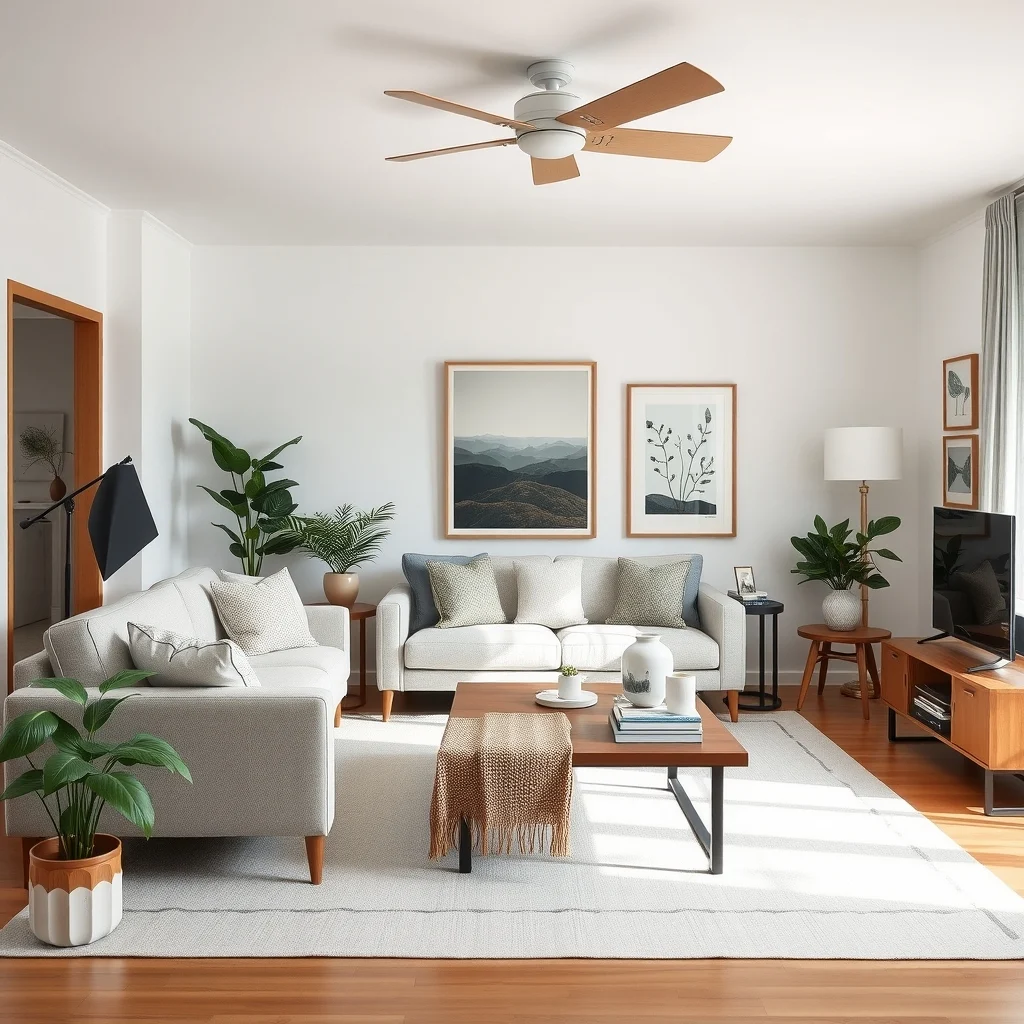
This image is by AI for inspiration only.
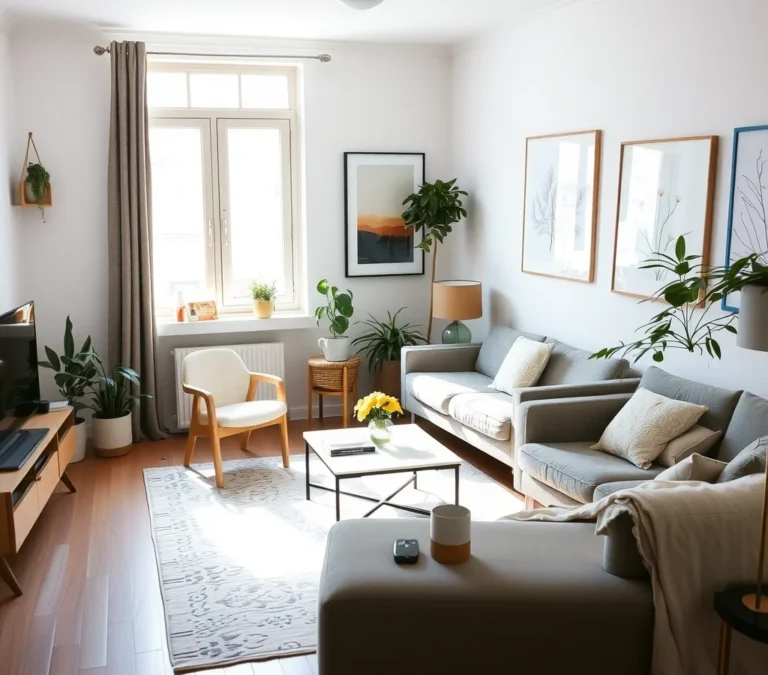
Designing a small living room that feels both welcoming and organized is a matter of strategic choices. By selecting low‑profile seating, leveraging vertical storage, and using multi‑functional pieces, you can keep the floor clear and the aesthetic cohesive. Each suggestion carries its own set of compromises—whether it’s the weight of a tall bookcase or the limited depth of a shallow console—so weigh those against your daily habits. With thoughtful placement and a focus on hidden storage, your living room can become a comfortable gathering place that still respects the constraints of limited square footage.