Small Bathroom Storage Ideas for Renters With No Cabinets

Living in a rental often means working within the limits set by a landlord—no built‑in cabinets, no permission to drill holes, and a need to keep the space tidy enough to get your security deposit back. Yet a cramped bathroom can quickly become a source of frustration when toiletries, towels, and cleaning supplies have nowhere to settle. The good news is that clever, non‑permanent solutions can transform even the tiniest bathroom into a functional, visually calm retreat. Below are seven ideas that rely on freestanding pieces, adhesive accessories, and thoughtful organization, all of which can be removed when it’s time to move on.
1. Tiered Wire Baskets on the Floor
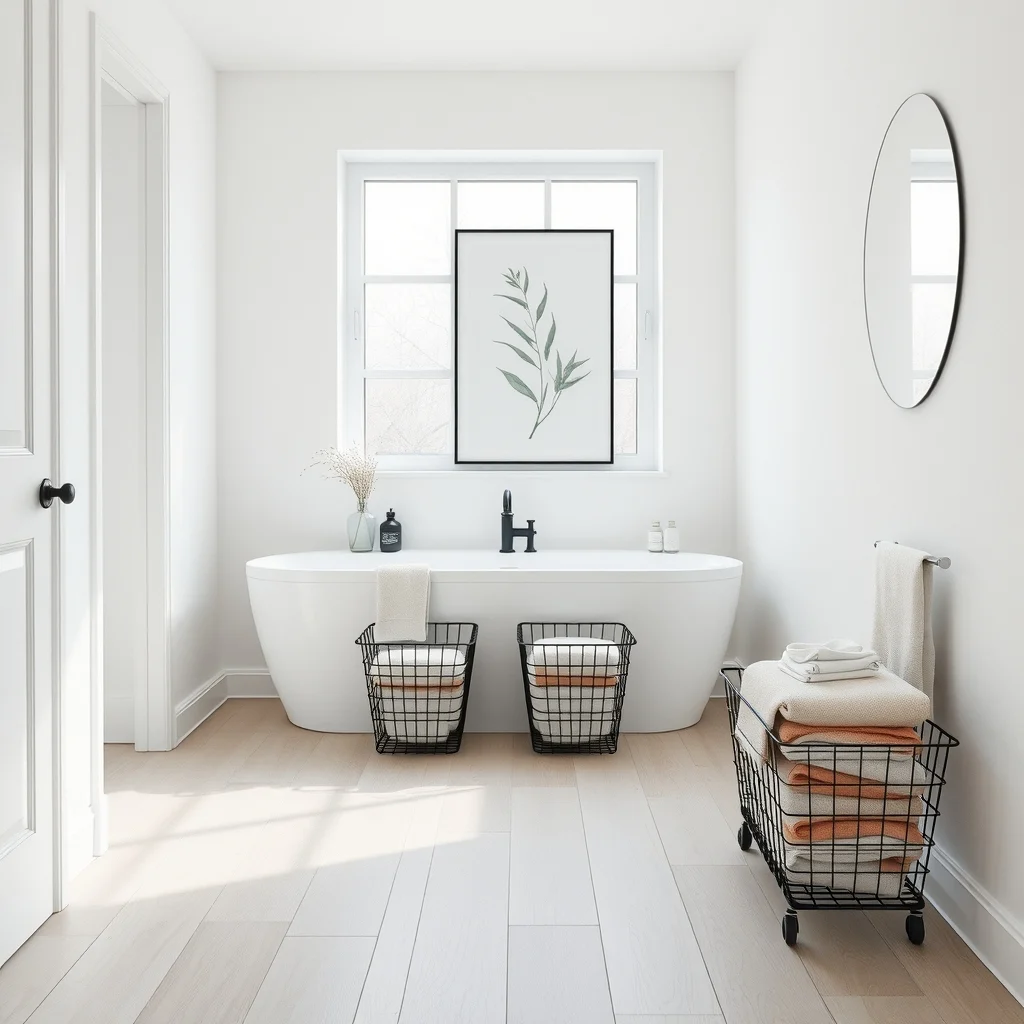
This image is by AI for inspiration only.
Instead of stacking boxes haphazardly, arrange a set of narrow wire baskets in a staggered formation along the baseboard. The open mesh keeps moisture from lingering, while the vertical progression lets you separate items by category—shampoo in the lowest basket, conditioner above, and spare toiletries at the top. Because the baskets sit directly on the floor, they do not require any wall attachment, and the metal frame can be painted with a matte chalk paint to match a soft greige tile. The visual rhythm of the tiers adds a subtle design element, and the baskets can be easily lifted and carried out when you move. The only limitation is that they occupy a modest amount of floor space, so they work best in bathrooms where a clear strip along the wall remains free.
2. Over‑the‑Door Hanging Organizer
This image is by AI for inspiration only.
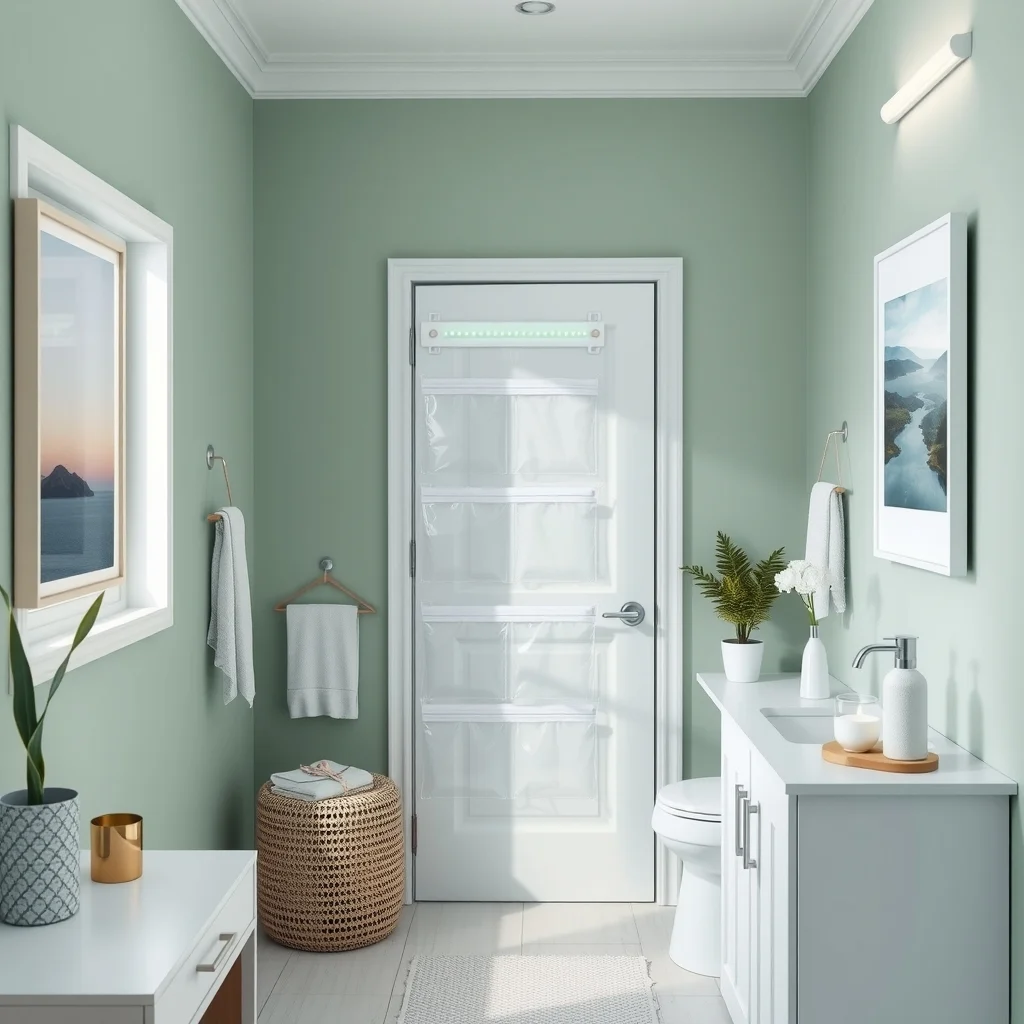
A fabric or clear‑plastic organizer that hooks over the bathroom door provides dozens of pockets without any drilling. Choose a model with a mix of small zippered cells for razor blades and larger compartments for rolled towels. The door’s vertical surface is often underutilized, and the organizer turns it into a discreet storage zone that stays out of the way when the door is opened. Because the hook rests on the door’s top edge, it does not interfere with the lock or hinges, and the material can be wiped clean with a damp cloth. The trade‑off is that the organizer adds a slight visual bulk to the door, so opting for a neutral tone that blends with the door’s finish helps maintain a cohesive look.
3. Freestanding Ladder Shelf
This image is by AI for inspiration only.
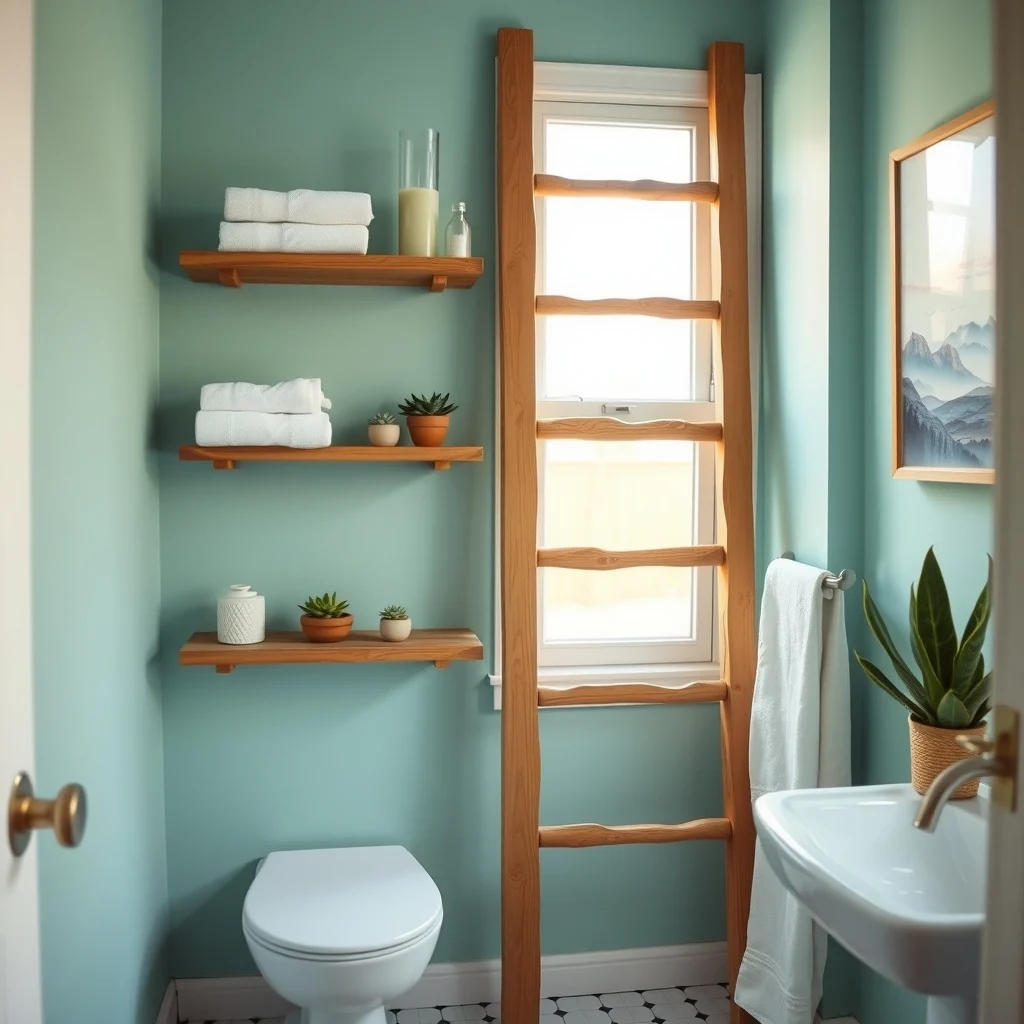
A slim, wooden ladder shelf leans against the wall and offers multiple shallow shelves for folded towels, decorative jars, and a small plant. The ladder’s angled rungs create a sense of movement, and the natural oak finish can be left raw for a rustic vibe or stained to complement a modern porcelain sink. Since the piece rests on the floor, it can be repositioned whenever you need to reconfigure the layout, and it does not require any wall anchors. The open‑back design prevents moisture from collecting, which is essential in a humid bathroom environment. The main consideration is ensuring the ladder’s footprint does not block the shower entrance or the toilet’s swing path.
4. Adhesive Magnetic Strips for Metal Items
This image is by AI for inspiration only.
Strong, removable adhesive strips can be placed on the side of the vanity or on a mirror frame to hold metal objects such as tweezers, nail clippers, and a small set of scissors. The magnets keep these tools visible and within reach while protecting the countertop from clutter. Because the adhesive is designed to peel away cleanly, you avoid damage to paint or tile. Selecting a brushed‑nickel finish for the strip adds a subtle metallic accent that echoes bathroom hardware. This solution works best when the items you store are primarily metal; plastic or wooden objects will not adhere, so you may need a complementary basket for those.
5. Tension‑Rod Curtain Divider
This image is by AI for inspiration only.
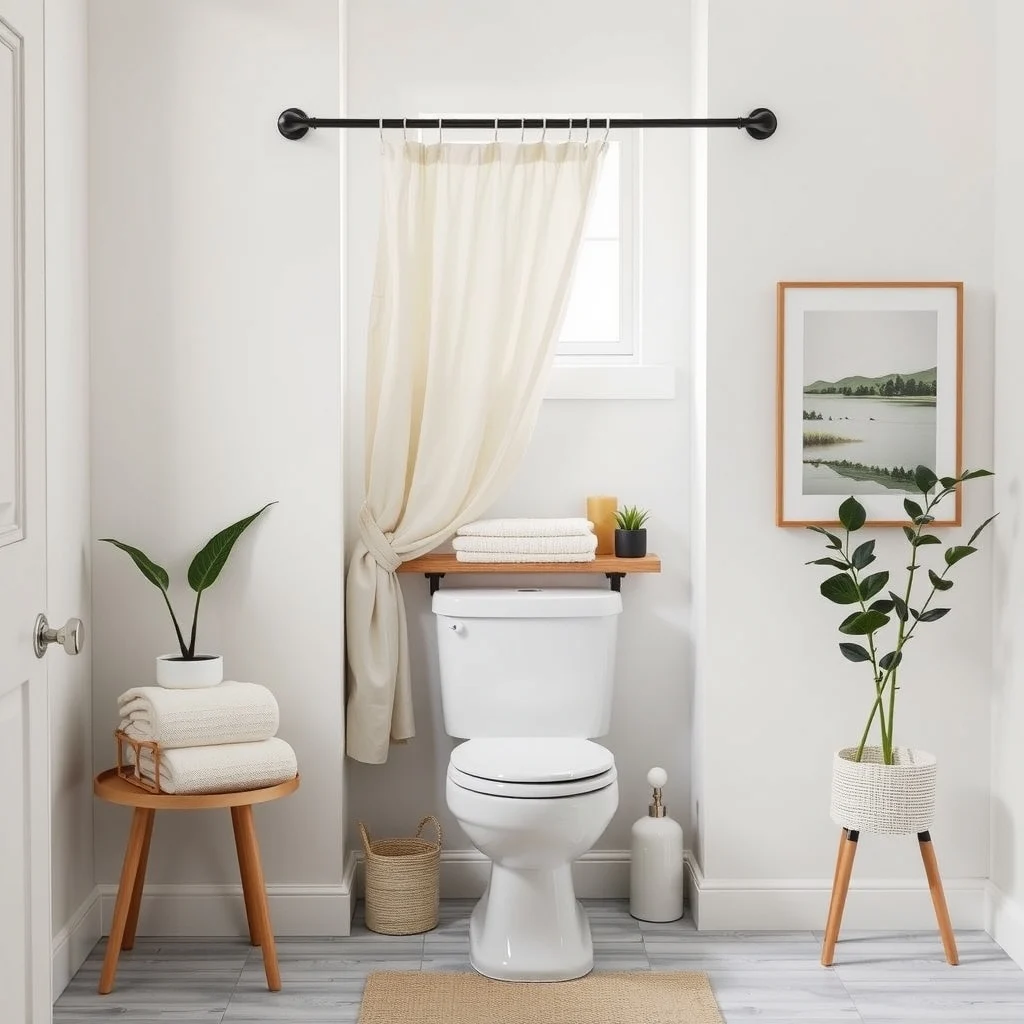
A tension rod installed between two walls can support a lightweight fabric curtain that hangs just above the toilet area, creating a hidden pocket for rolled towels or a small laundry basket. The rod expands without screws, making it safe for renters, and the curtain can be chosen in a soft linen blend that drapes gently, adding texture without overwhelming the space. When the curtain is pulled aside, the interior pocket becomes an accessible storage nook that does not interfere with daily movement. The drawback is that the curtain must be kept away from direct steam to prevent mildew, so opting for a breathable, mildew‑resistant fabric is advisable.
6. Corner Shelf with Suction Cups
This image is by AI for inspiration only.
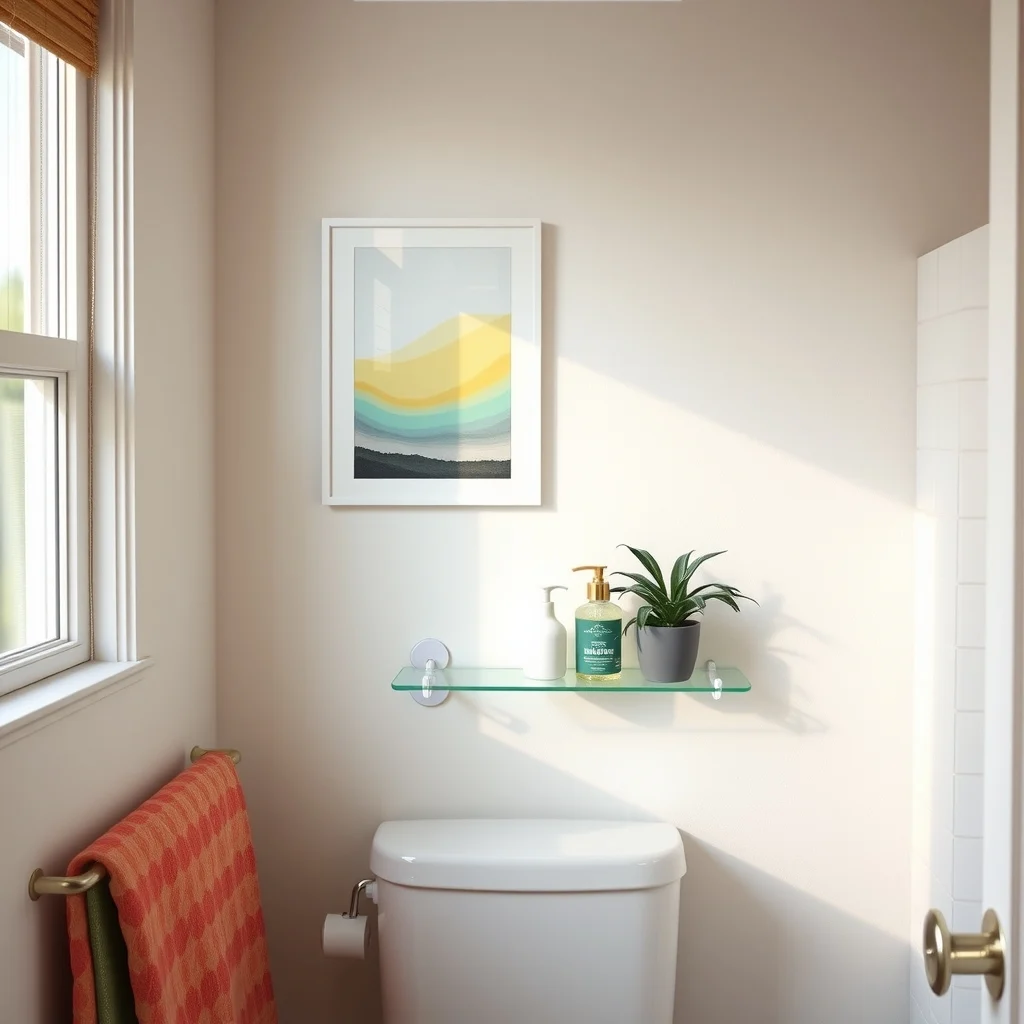
Utilizing a corner that is often ignored, a small glass or acrylic shelf attached with strong suction cups can hold a decorative soap dispenser, a tiny potted succulent, or a stack of travel‑size shampoos. The suction cups grip the tile surface securely yet release without leaving residue, making the shelf truly temporary. The clear material maintains visual lightness, allowing the corner to feel open rather than crowded. Because the shelf is shallow, it is best suited for lightweight items; heavier bottles could cause the cups to lose adhesion over time. Positioning the shelf near a window lets natural light highlight the objects placed upon it.
7. Stackable Plastic Bins with Lids
This image is by AI for inspiration only.
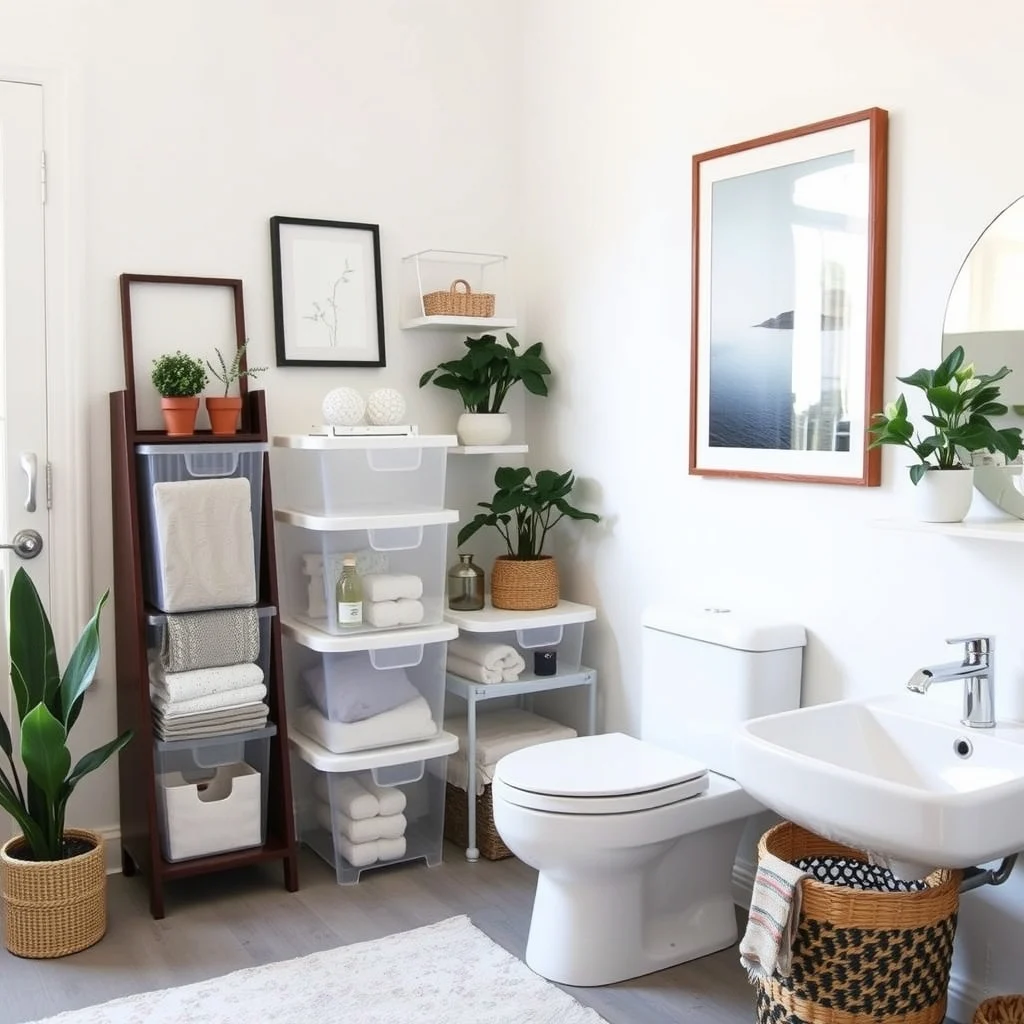
Clear, stackable bins that snap together create a modular system that can be arranged vertically on a shelf or on the floor. The transparent walls let you see the contents at a glance, reducing the need to rummage for a specific bottle. Lids keep moisture‑sensitive products safe from humidity, and the bins can be labeled with simple chalkboard stickers for a coordinated look. Because the bins are made of sturdy polypropylene, they survive the occasional splash and are easy to wipe down. The only limitation is that the bins add a bit of visual bulk, so choosing a slim profile and limiting the stack to two or three levels helps preserve a spacious feel.
FAQ
This image is by AI for inspiration only.
Can I use adhesive hooks on tile without damaging the surface?
Yes, adhesive hooks designed for bathroom tile can be removed cleanly when you leave, but you should follow the manufacturer’s instructions and test a small area first.
What is the best material for a bathroom basket to resist mold?
Wire or metal baskets with a powder‑coated finish allow air to circulate, reducing the chance of mold growth compared to solid fabric containers.
How do I keep a freestanding ladder shelf from sliding on a wet floor?
Place non‑slip rubber pads under the ladder’s feet; they provide grip without damaging the floor and keep the piece stable even after a shower.
Are suction‑cup shelves safe for heavier items?
They are intended for lightweight objects; using them for heavy bottles can cause the cups to lose suction and potentially damage the tile.
Is it okay to hang towels on a door organizer?
Yes, as long as the organizer’s hooks are rated for the weight of a wet towel; otherwise, the fabric may stretch or the hooks could detach.
Final Thoughts
This image is by AI for inspiration only.
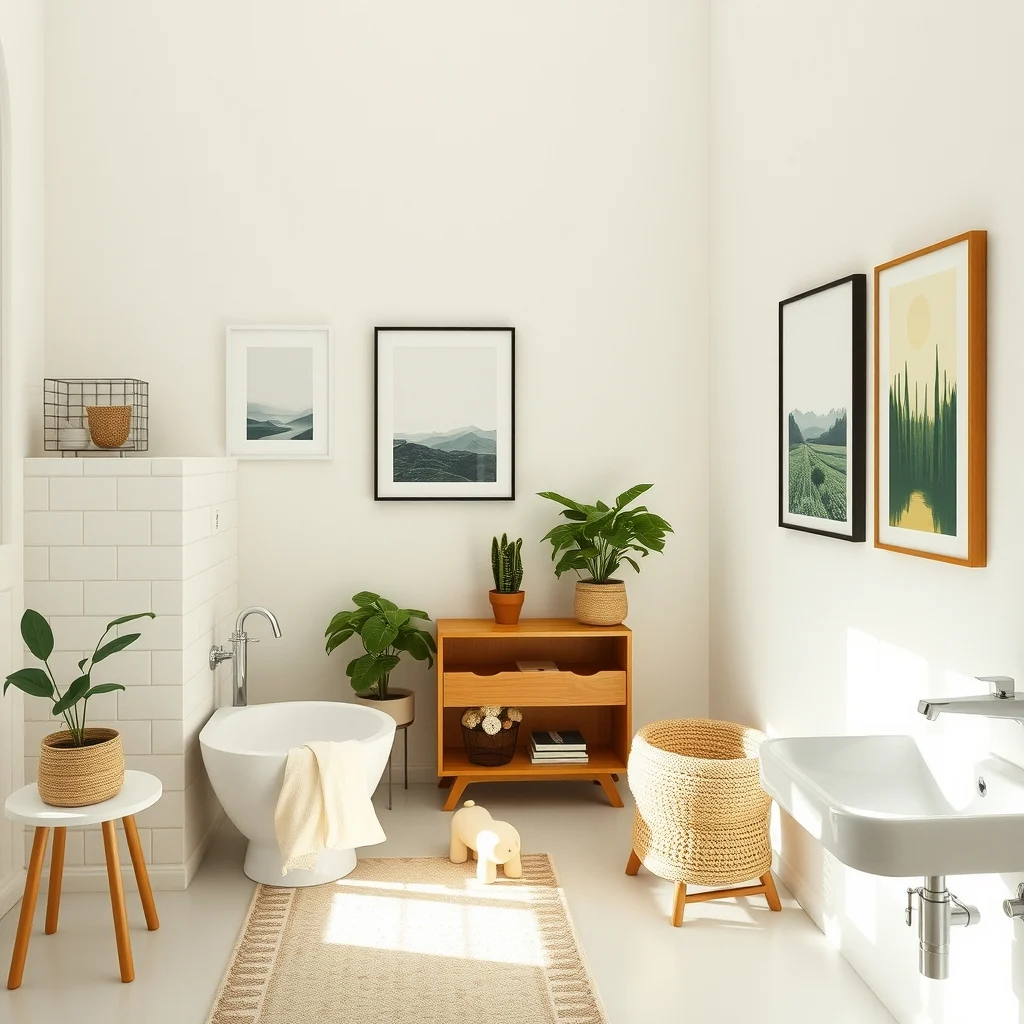
Renters often feel constrained by the lack of built‑in storage, but the ideas above demonstrate that a combination of portable furniture, clever adhesives, and vertical organization can make a small bathroom feel both spacious and orderly. By choosing pieces that can be moved or removed without leaving a trace, you protect your deposit while still enjoying a personalized, well‑organized space. The key is to assess the room’s unused surfaces, match storage solutions to the weight and moisture level of the items you keep, and keep an eye on visual balance so the bathroom remains a calm, functional retreat.