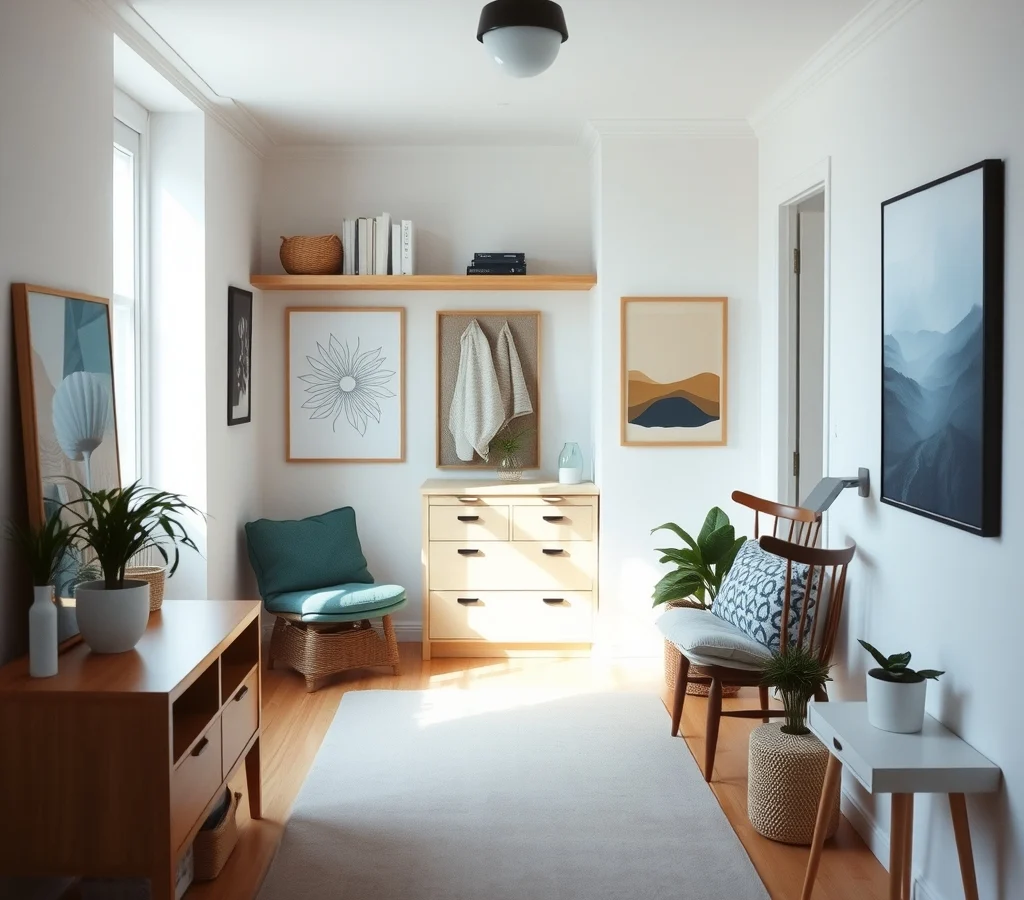
Small Apartment Entryway Organization With No Closet

When a city studio or micro‑apartment lacks a dedicated closet, the entryway often becomes a catch‑all for shoes, coats, bags, and the occasional stray key. The challenge is to create a welcoming threshold that feels intentional rather than chaotic, without sacrificing precious floor space. Below are seven approaches that transform a bare hallway into a functional, styled zone, each solution balancing storage, aesthetics, and the realities of tight dimensions.
1. Choose a slim console table that doubles as storage
This image is by AI for inspiration only.
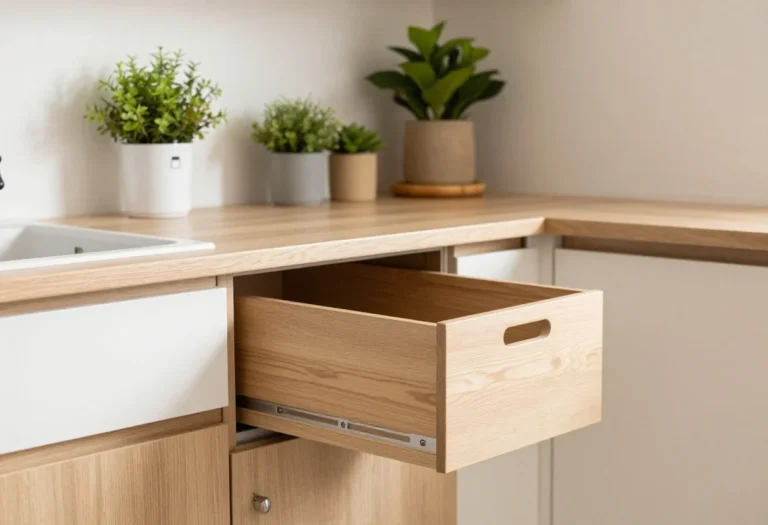
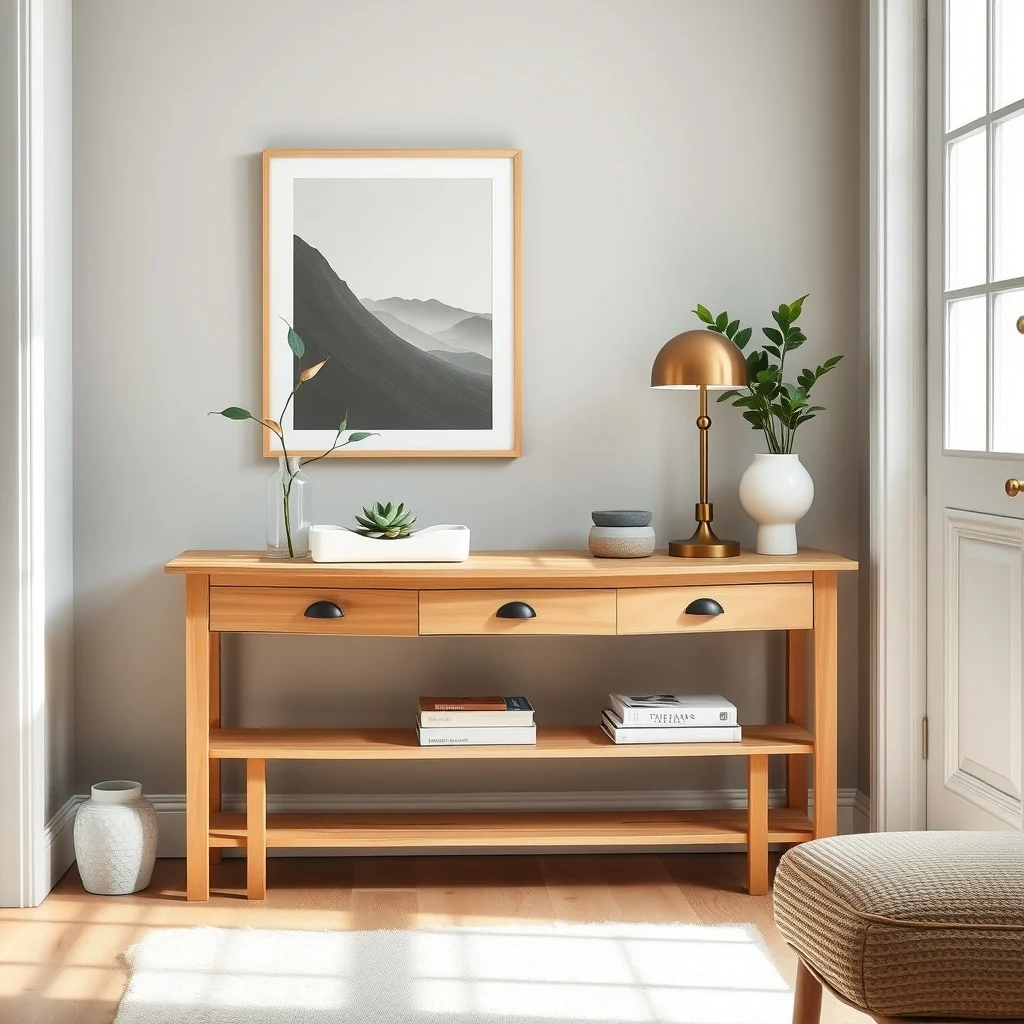
A narrow console table—typically 30 to 36 inches long and no more than 12 inches deep—offers a surface for mail and décor while concealing clutter beneath. Opt for a piece in light‑finished oak or brushed metal; the material reflects ambient light and prevents the entryway from feeling heavy. A lower drawer or a single shelf can hide everyday items such as gloves, a spare set of house keys, or a small umbrella. Because the table sits close to the wall, it does not impede foot traffic, yet it provides a defined spot that encourages you to place items deliberately rather than dropping them on the floor.
The trade‑off is that a console occupies floor space that could otherwise be used for a narrow runner rug. Measure the width of your doorway and leave at least six inches of clearance on each side to maintain a smooth flow. Pair the table with a decorative tray for loose change, which adds visual order without adding bulk.
2. Install wall‑mounted hooks and floating shelves
This image is by AI for inspiration only.
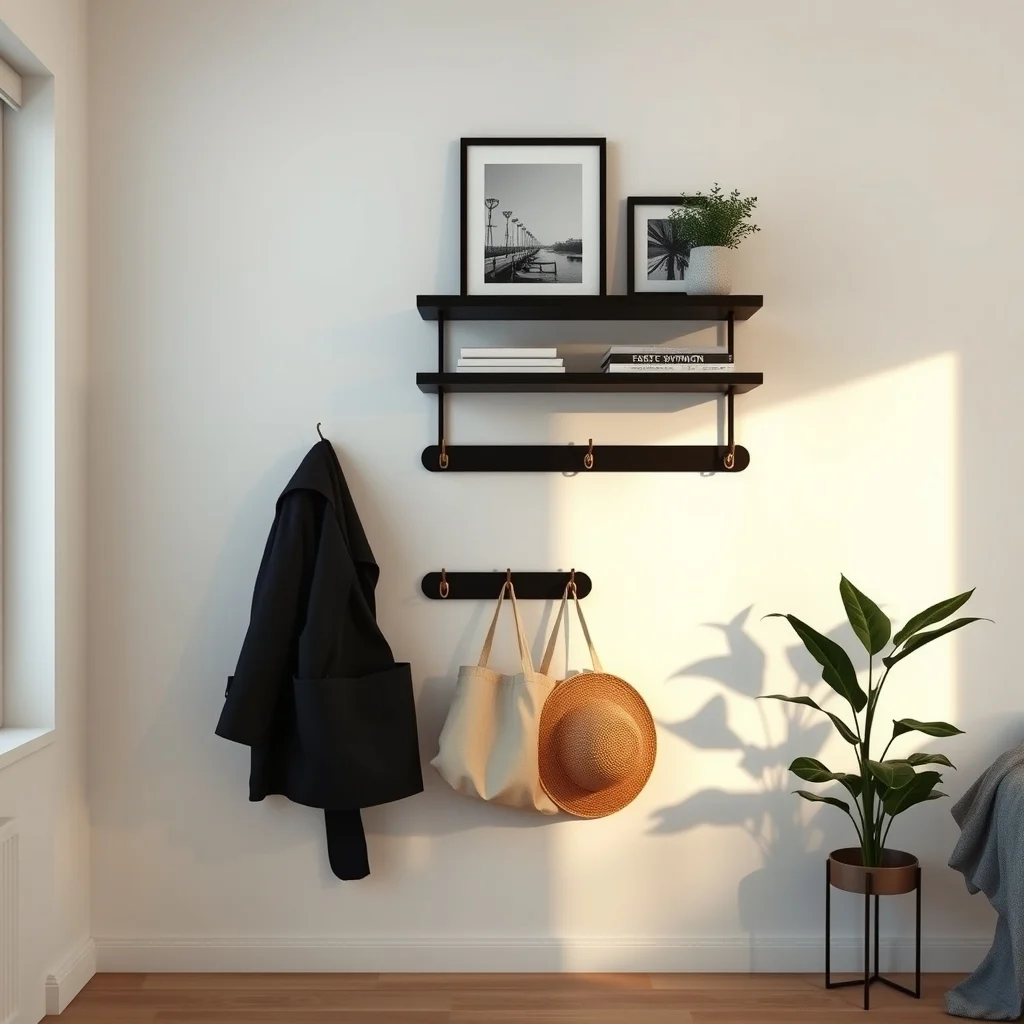
Vertical storage is the most efficient answer to a closet‑less entry. A row of sturdy hooks—preferably brass or matte black finishes—creates immediate hanging spots for coats, bags, and hats. Position the hooks at a height that accommodates the longest outerwear without dragging, usually around 60 inches from the floor. Directly beneath or beside the hooks, a floating shelf can hold a stack of seasonal scarves or a small basket for gloves.
The appeal of this arrangement lies in its minimal footprint; the wall bears the load, leaving the floor entirely open. However, the weight capacity of floating shelves depends on the wall material and anchoring hardware. Use drywall anchors for lighter items, but install studs or toggle bolts for anything heavier than a few pounds. This ensures safety while preserving the sleek look.
3. Add woven baskets or fabric bins for hidden storage
This image is by AI for inspiration only.
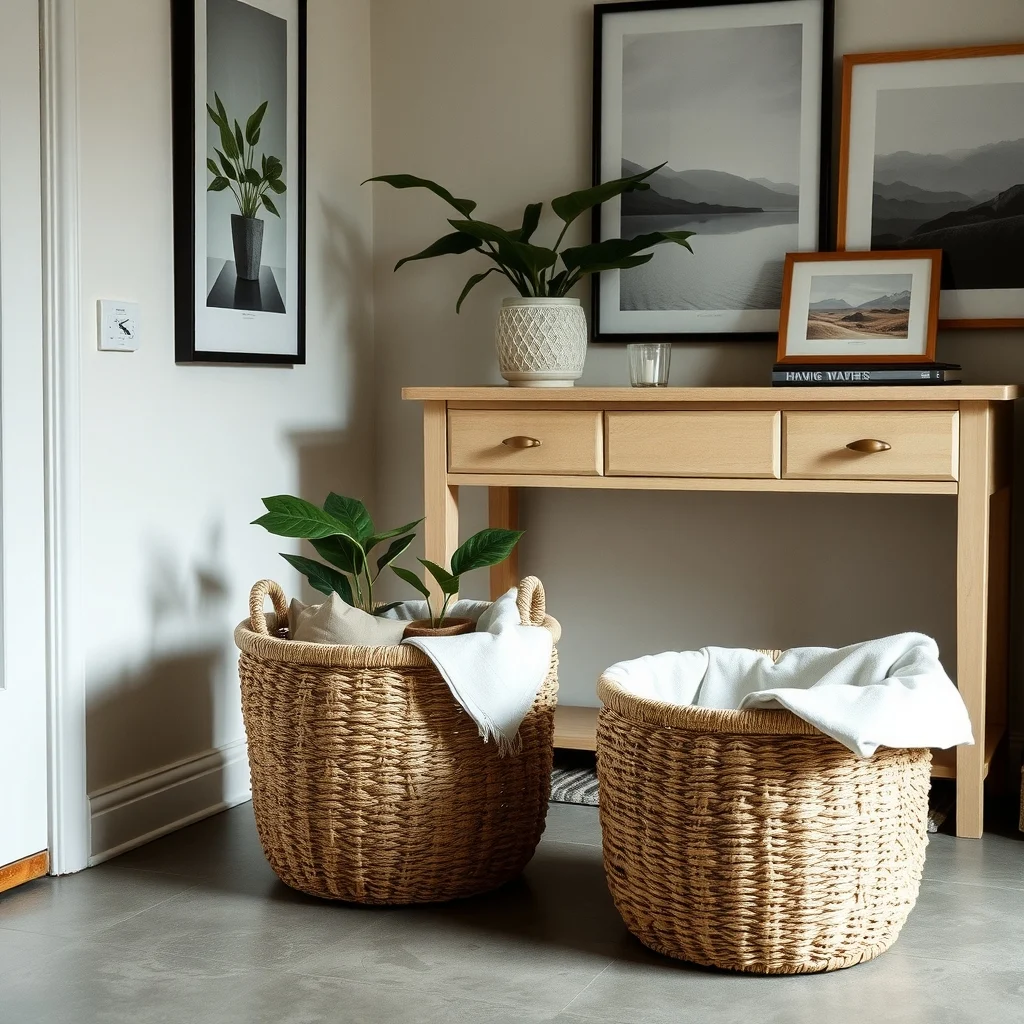
Soft containers such as rattan baskets, seagrass bins, or sturdy linen‑lined boxes introduce texture and a sense of warmth. Place a pair of medium‑sized baskets on the floor beside the console or under a low shelf to collect shoes, reusable grocery bags, or a rolled‑up blanket. The natural fibers complement urban interiors while providing a visual break from hard surfaces.
Because fabric bins are lightweight, they can be easily moved for cleaning, but they also tend to collect dust if left open. Choose baskets with a removable liner for quick vacuuming, and consider a neutral shade—like dove gray or warm sand—that blends with wall paint yet hides occasional scuffs. The downside is that open baskets reveal their contents, so they work best when the items stored are aesthetically pleasing or regularly tidied.
4. Use a mirror with built‑in storage behind it
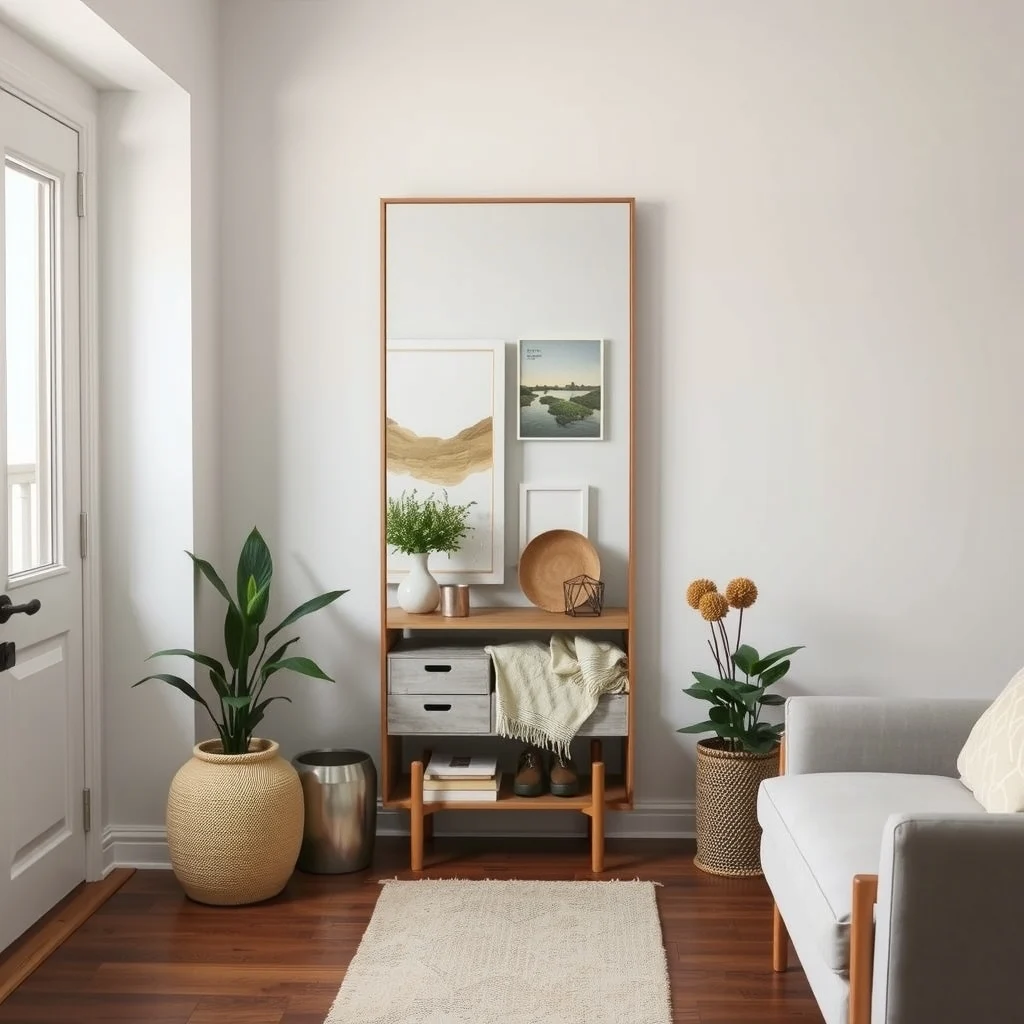
This image is by AI for inspiration only.
A full‑length mirror placed on the entry wall instantly enlarges the perception of space, reflecting both natural light and decorative elements. When the mirror incorporates a shallow cabinet or recessed shelf, it serves a dual purpose: a quick visual check before heading out and a concealed spot for everyday essentials. Mirrors with brushed aluminum frames or simple black borders add a contemporary edge without overwhelming the narrow width.
Installation requires secure mounting, especially if the mirror is heavy; always use appropriate wall anchors or enlist a professional. While the reflective surface brightens the area, it can also highlight any clutter nearby, so keep the surrounding zone tidy. The added cost of a mirrored storage unit may be higher than a standard wall mirror, but the functional payoff often justifies the investment in a space lacking other storage options.
5. Incorporate a narrow shoe rack or over‑the‑door organizer
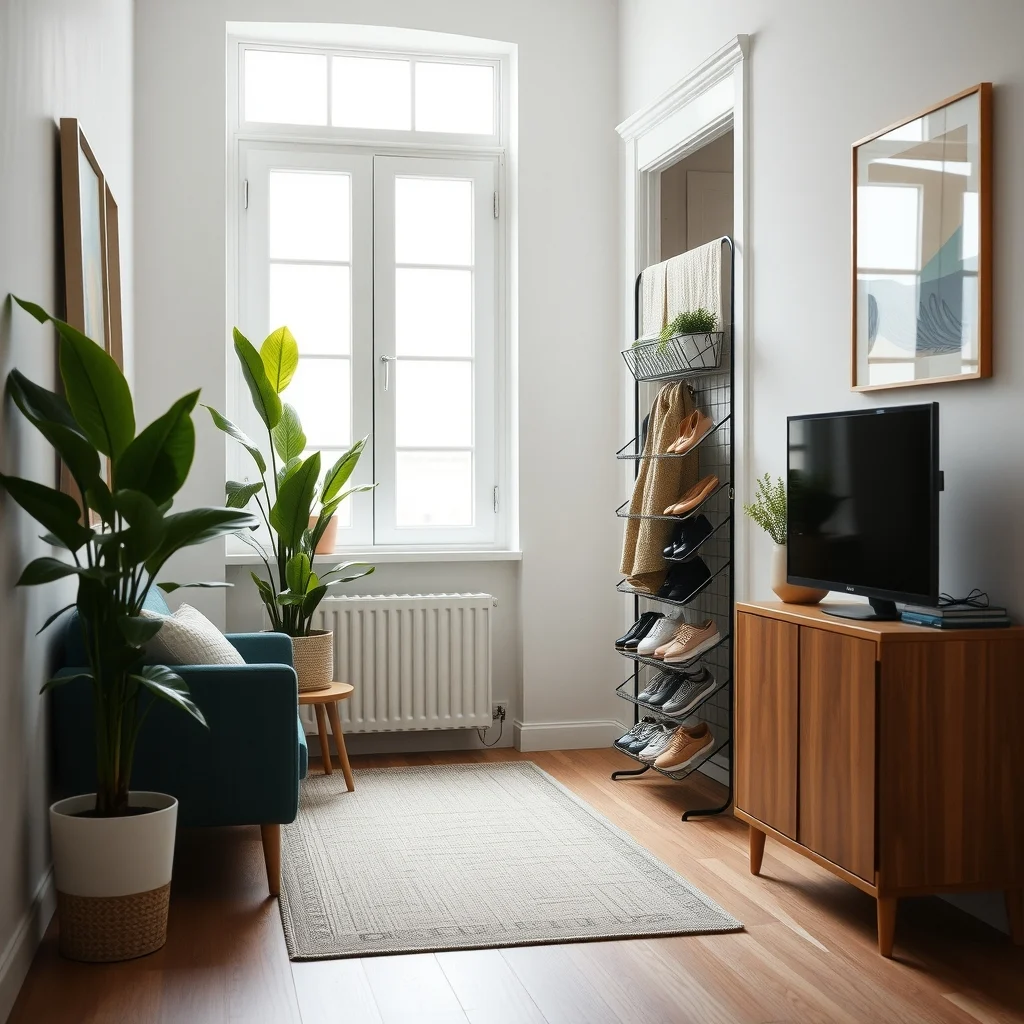
This image is by AI for inspiration only.
Shoes are the most common entryway culprits, and a vertical shoe rack that is no wider than 10 inches can fit snugly against the wall or the back of a door. Materials such as powder‑coated steel or bamboo provide durability and a clean line that does not dominate the room. Arrange the rack so that the tallest shoes—boots or high heels—occupy the bottom tier, keeping the top tier accessible for everyday flats.
If wall space is at a premium, an over‑the‑door organizer with clear pockets offers an alternative. The clear sections allow you to see each pair at a glance, reducing the time spent hunting for the right pair. Be aware that over‑the‑door solutions add weight to the door, so ensure the hinges can support the load without sagging. Also, they may interfere with door swing if the entryway is already tight.
6. Select a mobile coat rack with an integrated tray
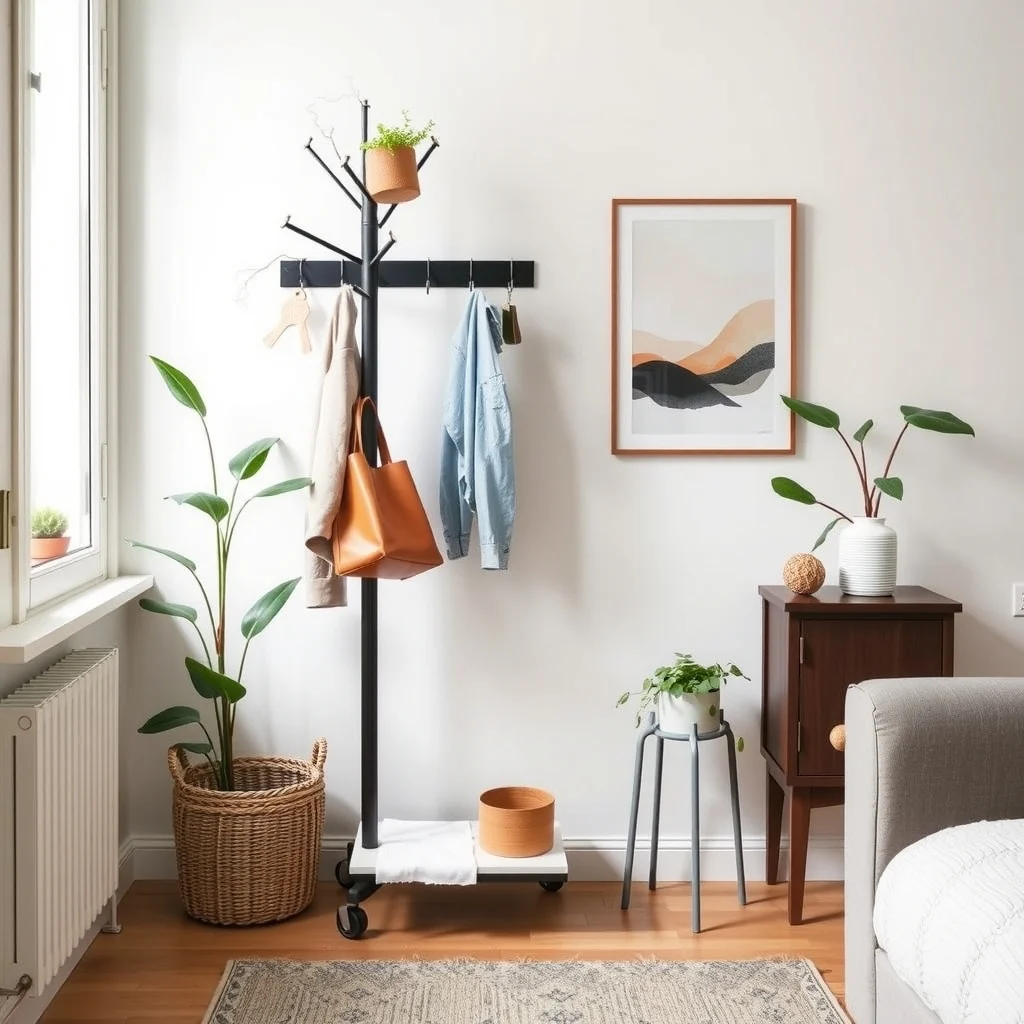
This image is by AI for inspiration only.
A freestanding coat rack on wheels combines flexibility with storage. Look for a model that includes a lower tray for mail, a small basket for gloves, or a decorative bowl for loose change. The vertical pole, often finished in polished chrome or matte black, can accommodate multiple hanging hooks, allowing coats, scarves, and even a lightweight tote to be displayed neatly.
The mobility of the rack means you can reposition it when entertaining guests or rearranging furniture. However, the base must be stable; a rack with a wide, weighted foot prevents wobbling, especially on polished wood or tile floors. In very narrow hallways, the rack may still obstruct the path, so measure the clearance carefully before committing.
7. Blend subtle lighting with a touch of greenery
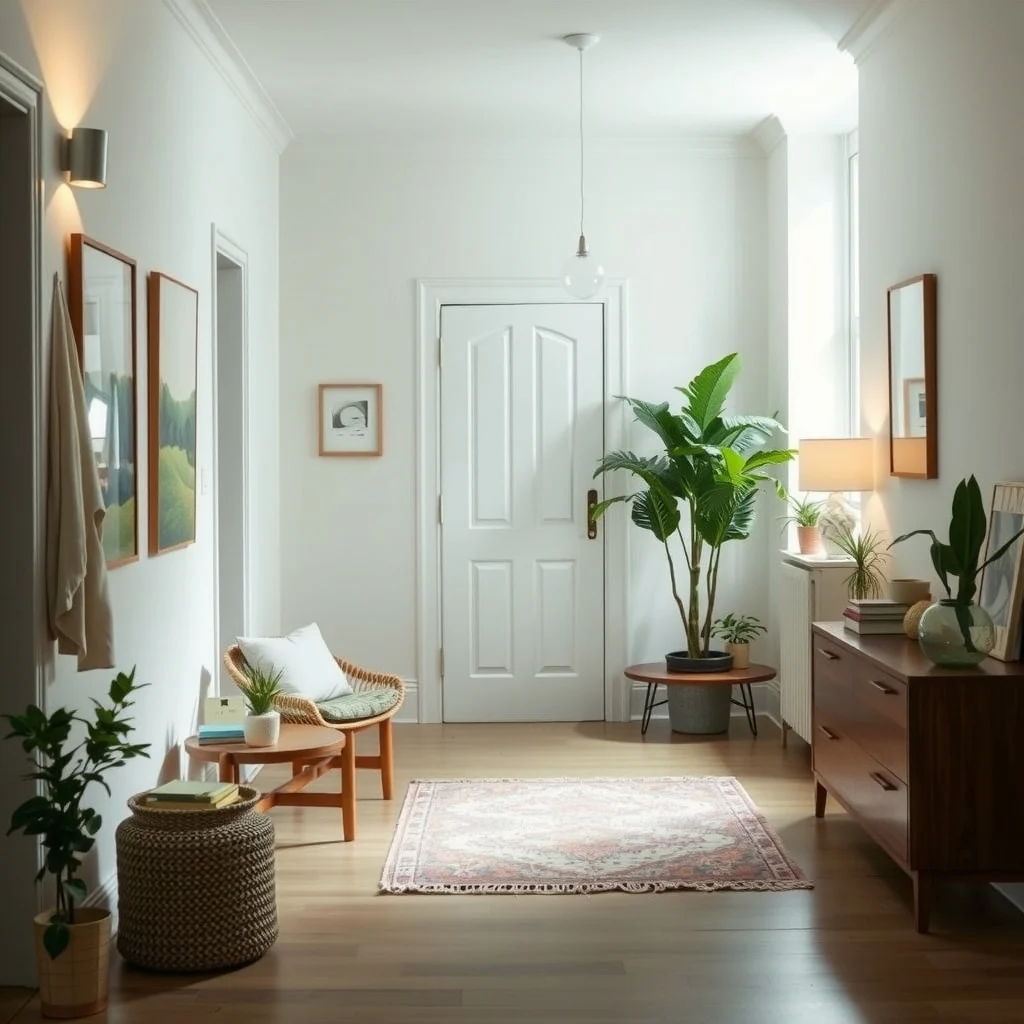
This image is by AI for inspiration only.
Good lighting softens the transition from street to home and highlights the organization you’ve created. A small wall‑mounted sconce or a pendant lamp with a dimmable bulb adds ambience without taking up floor area. Choose a fixture with a warm LED temperature—around 2700 K—to complement the natural tones of wood or woven storage pieces.
Pair the light source with a compact, low‑maintenance plant such as a snake plant or a pothos in a simple ceramic pot. The greenery introduces a breath of life, improves indoor air quality, and creates a focal point that draws the eye upward, reinforcing the perception of height. Keep the plant on the console or a floating shelf, and remember to rotate it occasionally for even light exposure. The only consideration is that certain plants may outgrow the limited space, so select varieties that stay modest in size.
FAQ
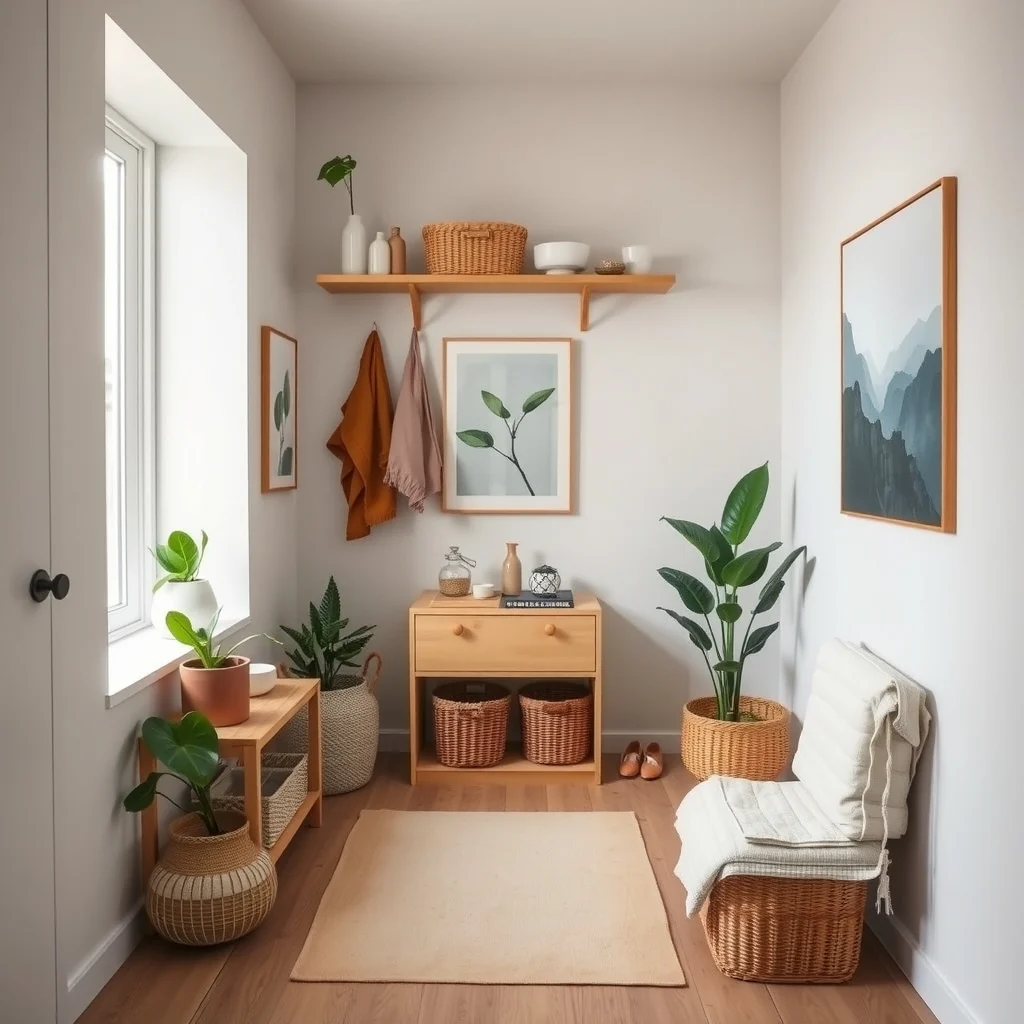
This image is by AI for inspiration only.
How can I keep the entryway tidy without a closet?
Use a combination of vertical storage, such as hooks and floating shelves, and discreet containers like baskets to hide everyday items. By assigning each object a specific place, you prevent clutter from accumulating on the floor.
What is the best material for entryway storage in a small space?
Lightweight yet sturdy materials—such as bamboo, brushed metal, or powder‑coated steel—work well because they add structure without feeling bulky. These finishes also resist scratches and are easy to clean, which is essential in a high‑traffic area.
Can I use a freestanding coat rack in a narrow hallway?
A freestanding coat rack is suitable if its base is narrow and weighted enough to stay stable. Measure the hallway width and ensure at least six inches of clearance on either side so the rack does not block traffic.
How do I choose a console table that doesn’t overwhelm the space?
Select a table that is no deeper than 12 inches and keep its length proportionate to the wall—typically 30 to 36 inches works well. Light finishes and simple legs help the piece blend into the background rather than dominate the entryway.
Is a mirror a good idea for a small entryway?
Yes, a mirror expands visual space and reflects light, making a narrow entry feel larger. Opt for a mirror with a shallow storage compartment to add functionality without sacrificing the illusion of openness.
Final Thoughts
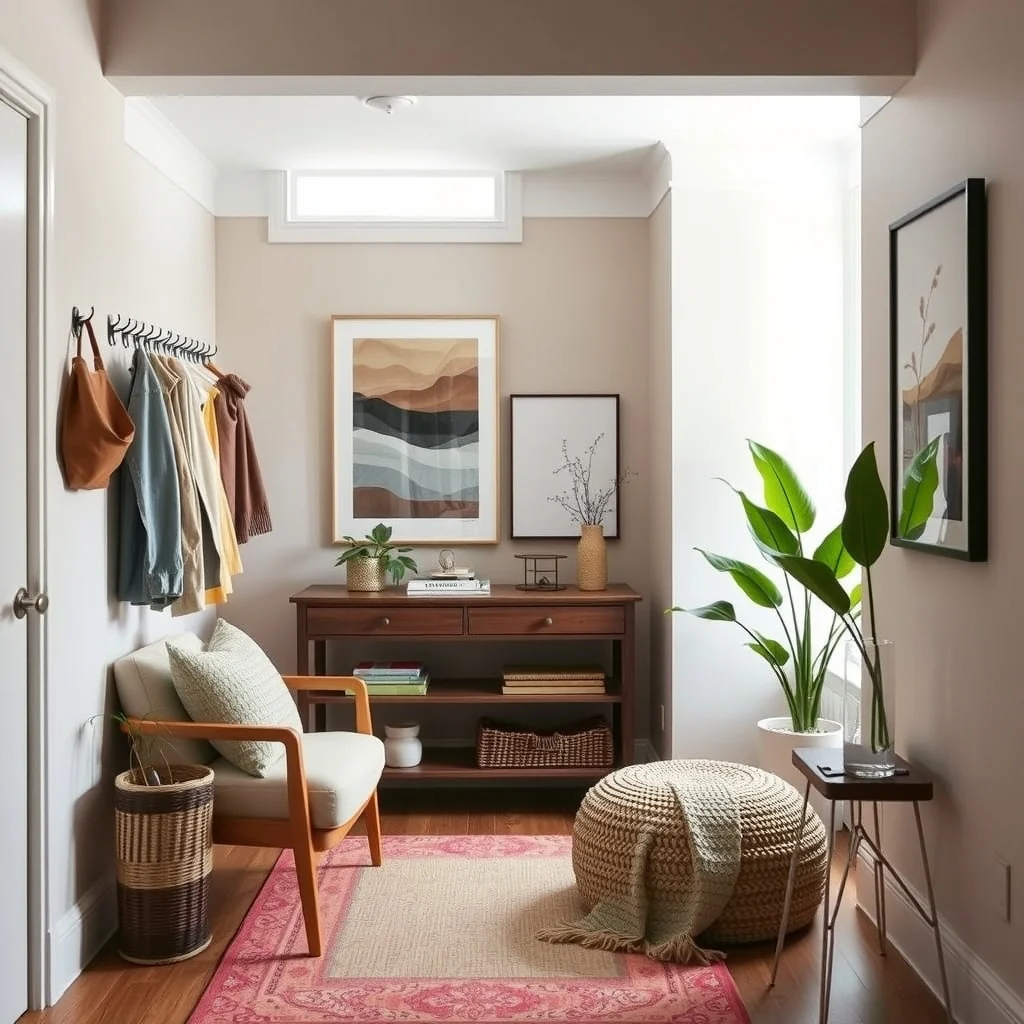
This image is by AI for inspiration only.
Organizing a small entryway without a closet is less about adding more furniture and more about choosing pieces that serve multiple purposes while respecting the limited footprint. By layering vertical hooks, a narrow console, discreet baskets, and thoughtful lighting, you create a welcoming threshold that feels intentional and uncluttered. Each recommendation carries a small compromise—whether it’s the need for careful placement or a modest increase in cost—but the overall result is a functional, stylish entry that greets you and your guests with calm order every time you step inside.