How to Organize Board Games in a Small Apartment
Living in a compact space often means every square foot has to earn its place. For many of us, board games are a source of weekly gatherings, family nights, and quiet solo strategy sessions, yet the boxes can quickly dominate a closet or a coffee‑table shelf. The good news is that with a few thoughtful choices you can keep your collection tidy, protect the pieces, and still showcase the hobby as part of your home’s personality. Below are seven ideas that turn storage challenges into design opportunities, followed by answers to common questions and a closing reflection on making the most of limited space.
1. Take inventory and map out zones
This image is by AI for inspiration only.
© 2026 AI Illustrator — Inspiration Only
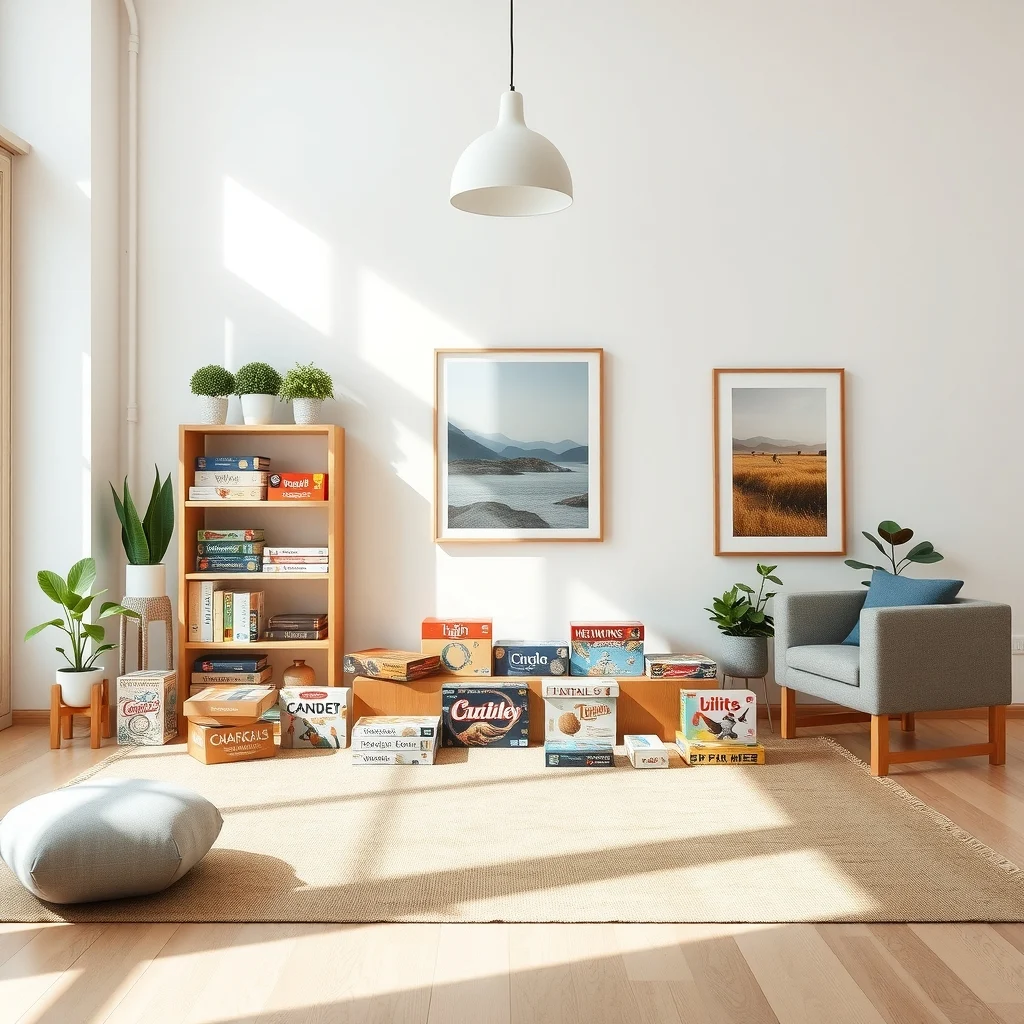
Before you move a single box, lay out all of your games on the floor and sort them into groups: frequently played titles, seasonal or expansion packs, and those you keep for occasional nostalgia. This simple exercise reveals which games deserve quick access and which can be tucked away. Once the categories are clear, decide where each zone will live in your apartment. A shelf near the living‑room sofa works well for the go‑to games, while a higher cabinet in a hallway can house the less‑used items. By assigning a purpose to each storage spot, you avoid the habit of piling boxes on any free surface and create a mental map that guides you when you’re looking for a specific title.
The visual result is a room that feels intentional rather than cluttered. You’ll notice the difference the moment you walk past a neatly aligned row of boxes instead of a chaotic heap. If a particular area feels cramped, consider shifting a small piece of furniture—perhaps a narrow console or a slim side table—to free up wall space for a dedicated rack.
2. Embrace vertical storage with open shelving
This image is by AI for inspiration only.
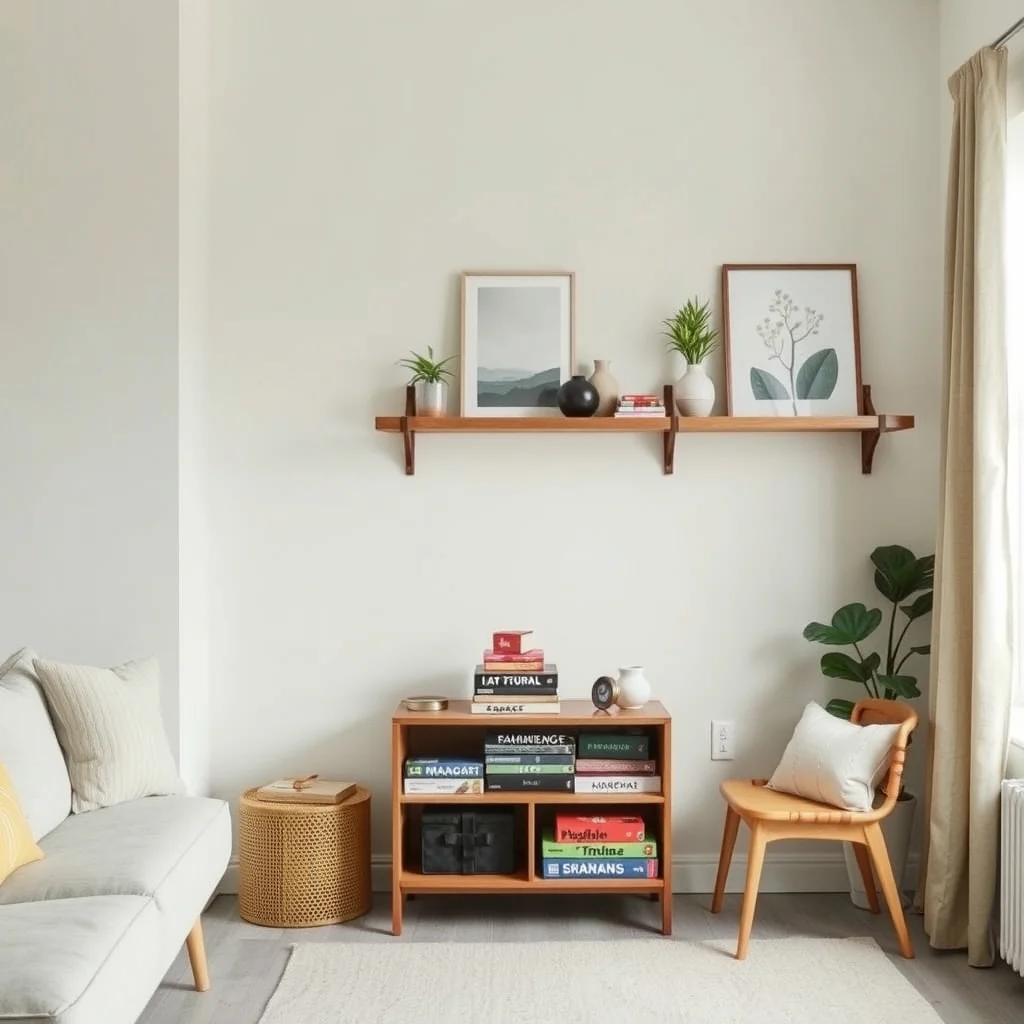
Floor space is at a premium, but walls often remain underutilized. Installing a pair of sturdy, open shelves at eye level turns an empty stretch of plaster into a functional display. Choose shelves made from reclaimed oak or painted MDF that complement your existing colour palette; a warm greige finish can blend with neutral walls while adding a subtle texture. Arrange the games so the spines face outward, creating a library‑like look that invites guests to browse.
Open shelving also offers practical benefits. You can see each box at a glance, reducing the time spent hunting for a specific game. The slight gaps between shelves promote airflow, which helps prevent moisture buildup that could warp cardboard. If you have children, anchoring the units to the wall ensures safety while still keeping the collection within easy reach.
3. Convert a coffee table into a discreet drawer
This image is by AI for inspiration only.
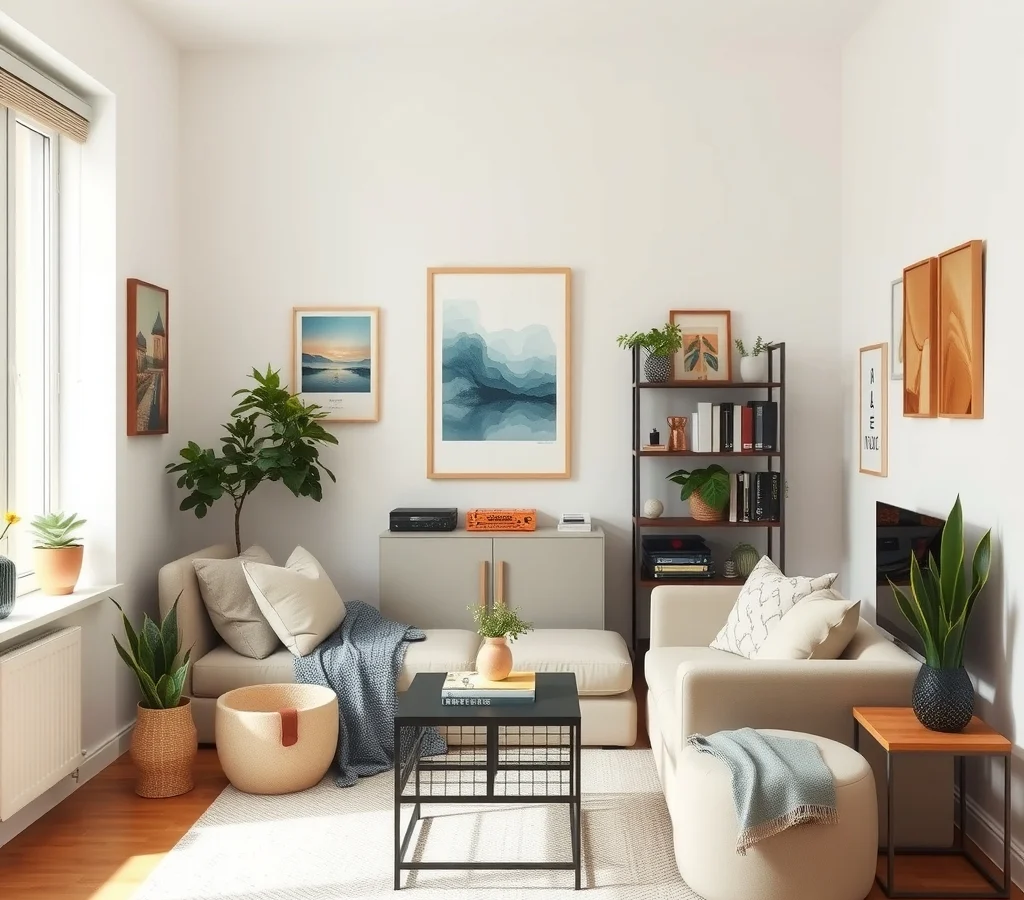
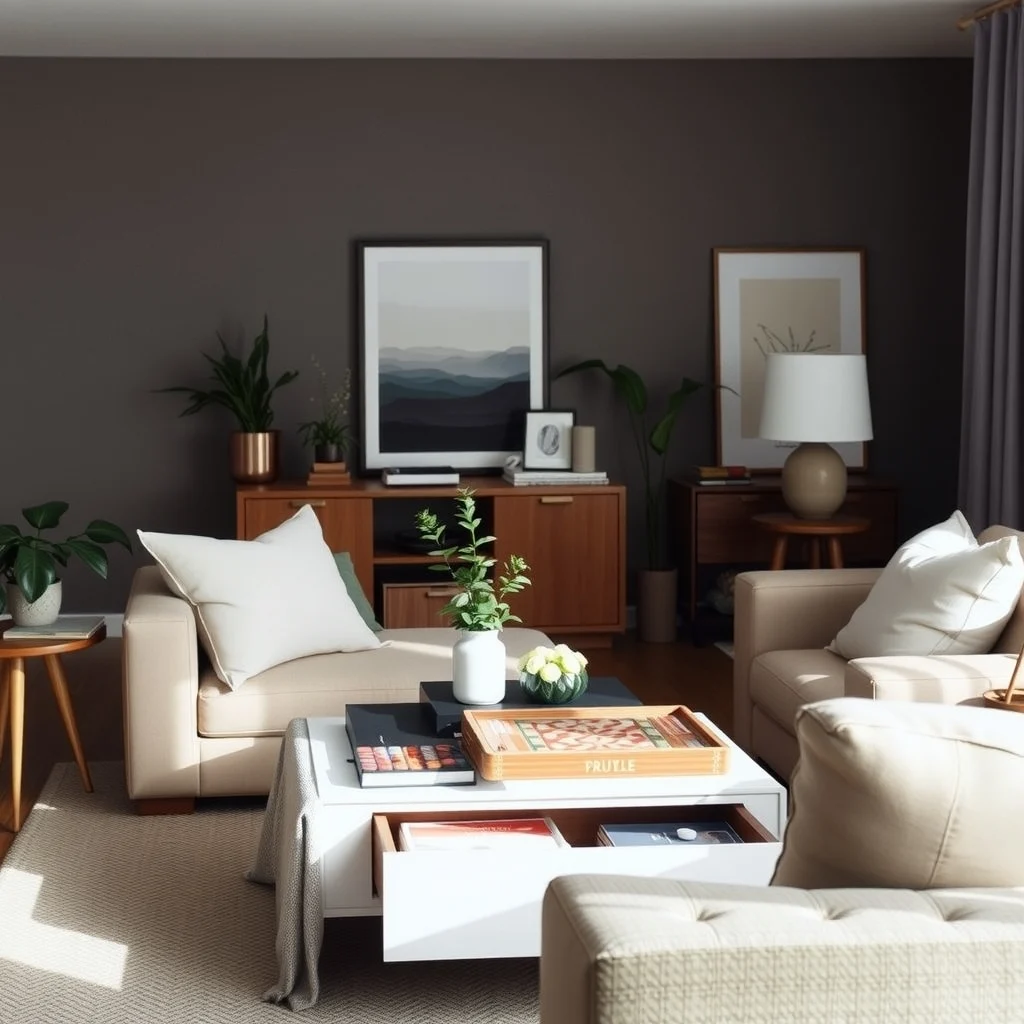
A coffee table with a hidden compartment serves two purposes: it provides a central gathering spot and doubles as a low‑profile storage unit. Opt for a table with a lift‑top mechanism or a removable panel that reveals a shallow drawer sized for standard game boxes. A tabletop in a matte black metal frame paired with a light‑finished wood top can anchor the room’s aesthetic without overwhelming the space.
When you pull the drawer out, the games sit flat, protecting delicate components from being crushed under other items. The surface remains clear for drinks, snacks, or a board set up during play. The concealed nature of the storage keeps the room looking tidy, while the convenience of having the games within arm’s reach encourages spontaneous game nights.
4. Choose multi‑purpose furniture that hides storage
This image is by AI for inspiration only.
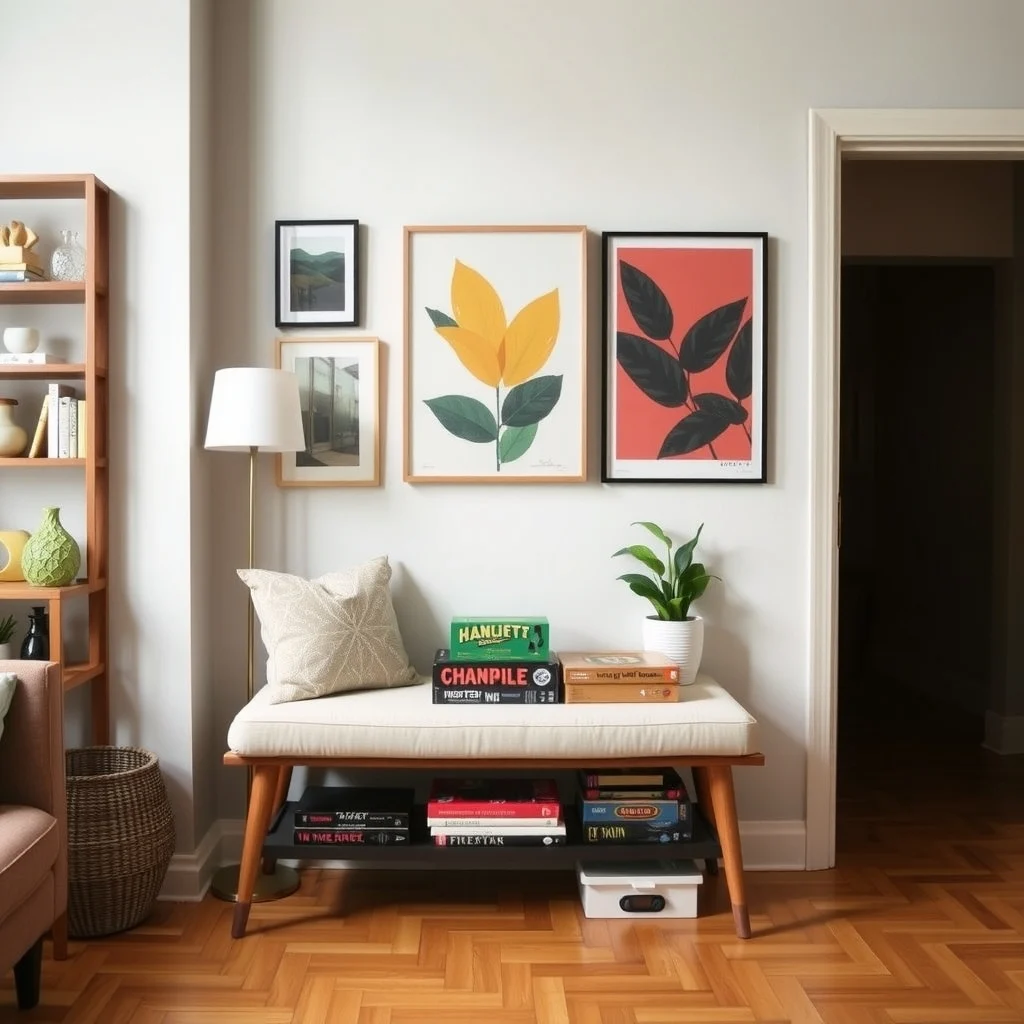
In a small apartment, each piece of furniture should earn double duty. A bench with a hinged lid placed against a wall or at the foot of a sofa offers seating for guests and a concealed compartment for board‑game boxes. Selecting a bench upholstered in a durable, low‑pile fabric such as linen in soft terracotta adds a touch of warmth while resisting wear from frequent use.
The interior of the bench can be fitted with dividers made from thin plywood, allowing you to keep games upright and separated. This prevents the boxes from shifting when the bench is moved. When the bench is not in use, the storage remains invisible, preserving a clean line in the room’s layout.
5. Build a portable game cart on wheels
This image is by AI for inspiration only.
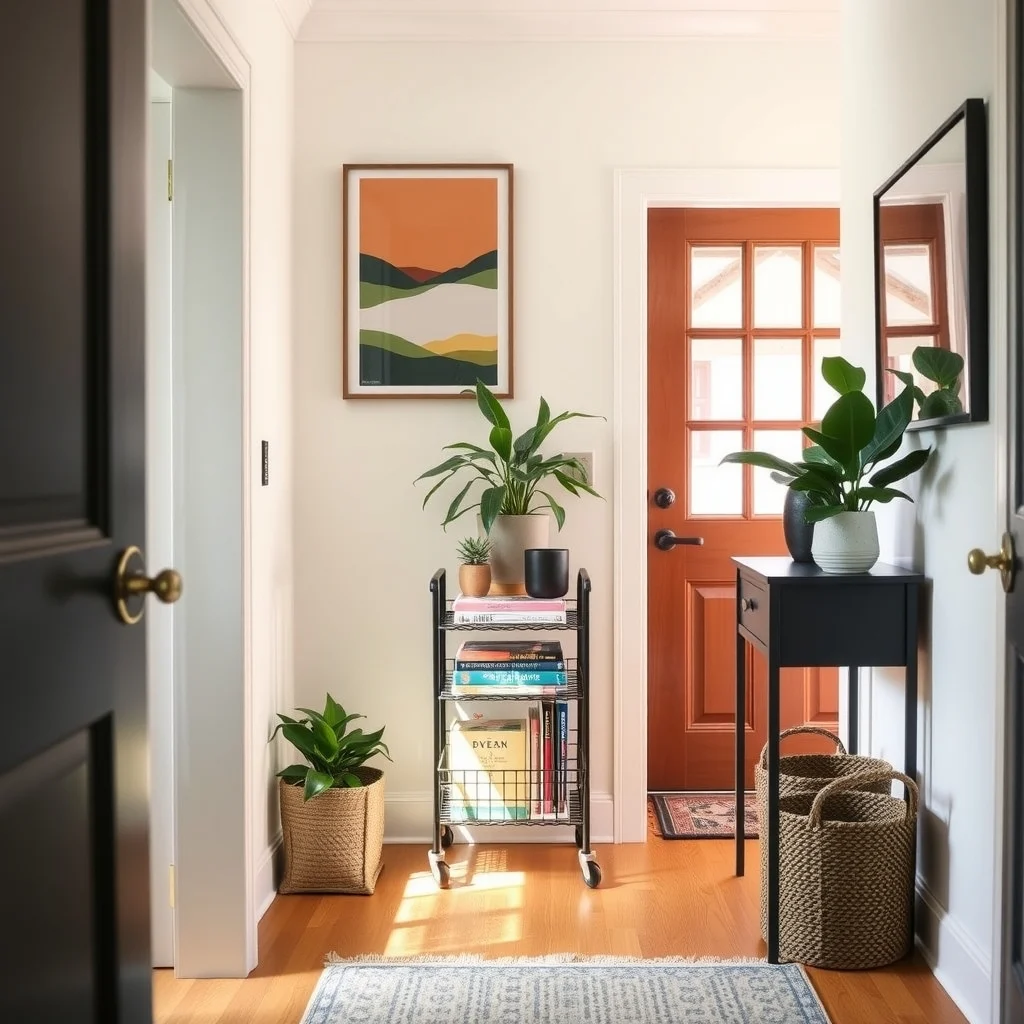
A rolling cart provides flexibility that fixed shelving cannot. A narrow three‑tier metal cart painted in a muted charcoal can slide along the hallway or nest under a sideboard when not needed. The top tier can hold current favorites, the middle tier can store expansions, and the bottom tier can accommodate larger board components such as game boards and tokens.
The mobility of the cart means you can bring the games into the kitchen for a quick snack break, or push it into a bedroom for a private session. The wheels should lock securely to avoid accidental movement during play. A cart also doubles as a decorative element; the clean lines and subtle colour can echo the industrial vibe of other furnishings, making it feel like a deliberate part of the décor rather than an afterthought.
6. Use decorative boxes that blend with the interior
This image is by AI for inspiration only.
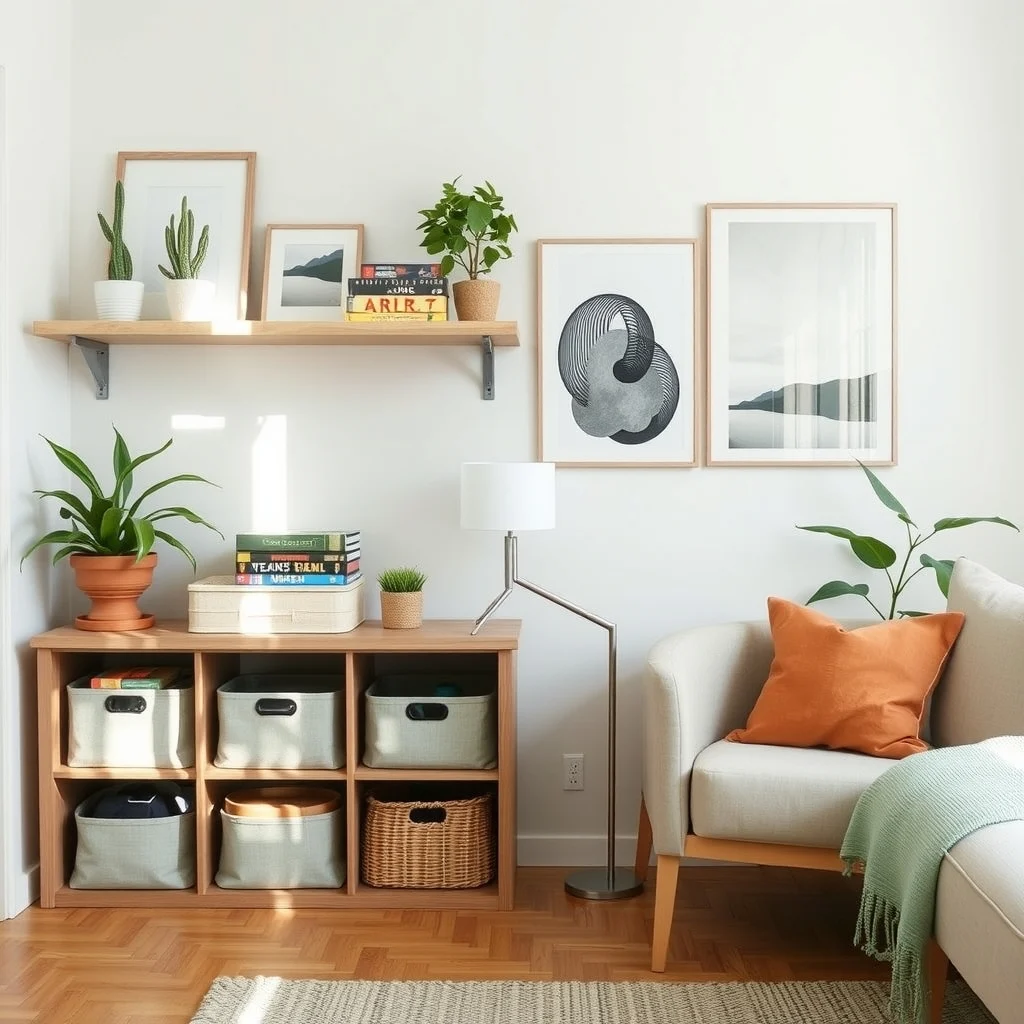
When open shelving isn’t an option, consider storing games in a set of uniform boxes that match your décor. Fabric bins in a neutral shade such as dove gray or woven baskets in natural rattan can hide the boxes while adding texture to the room. The key is to select containers that are slightly larger than the games, allowing the lids to close without crushing the contents.
These containers can be stacked on a low console, placed on a bookshelf, or tucked beneath a media console. Because the bins are part of the visual design, they don’t feel like a compromise. They also protect the games from dust and light exposure, extending the life of the artwork on the boxes.
7. Enhance the area with lighting and a welcoming display
This image is by AI for inspiration only.
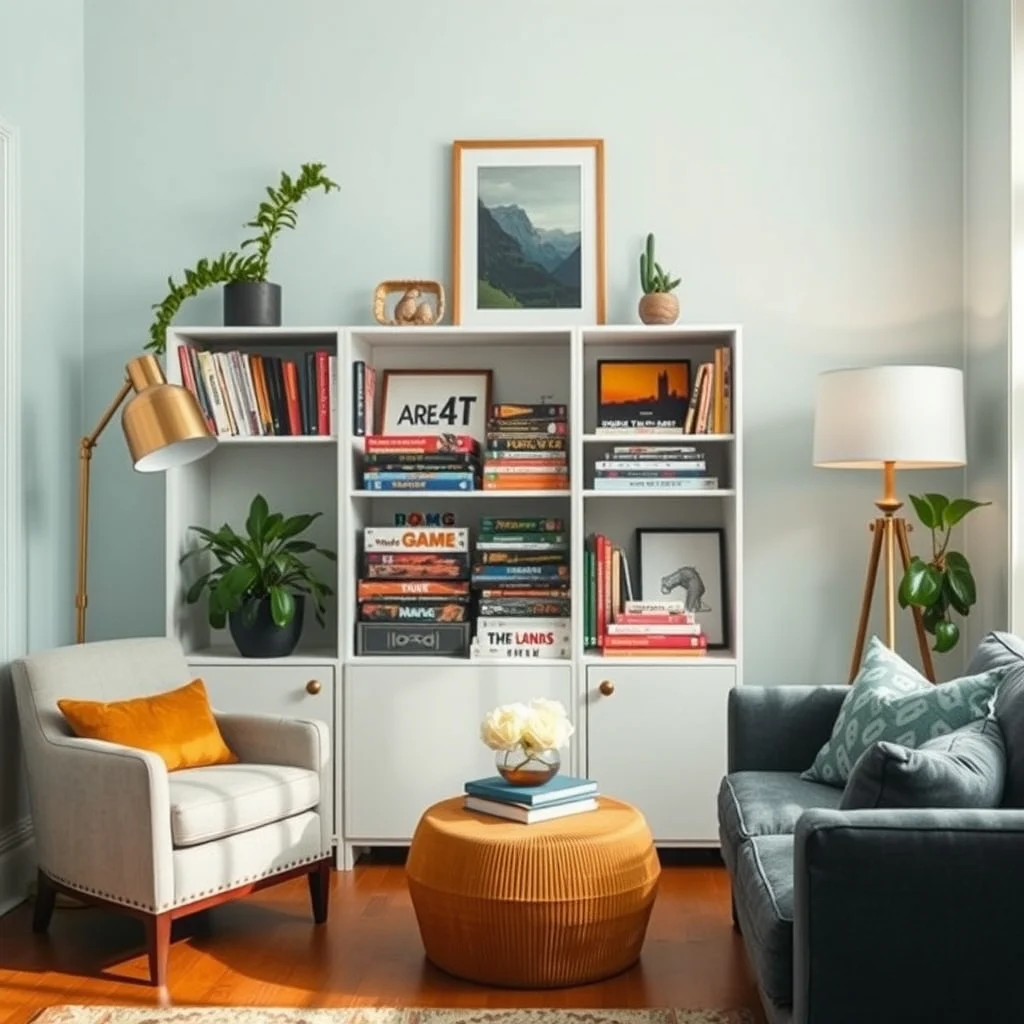
Good lighting does more than illuminate a space; it highlights the personality of your collection. A pair of slim floor lamps with brushed brass accents placed on either side of a shelving unit can cast a warm glow across the spines, making the colours pop without overwhelming the room. If you prefer a softer effect, a wall‑mounted LED strip behind the shelves adds a subtle backlight that draws the eye without creating harsh shadows.
In addition to illumination, a small rotating stand on a side table can showcase a featured game each month. Rotating the selection keeps the display fresh and gives each title a moment in the spotlight. The combination of thoughtful lighting and a rotating showcase turns a storage solution into an inviting focal point that encourages conversation and play.
Frequently Asked Questions
This image is by AI for inspiration only.
How can I store board games if I have no wall space?
You can use a portable game cart or a bench with hidden storage to keep the collection off the floor while remaining accessible.
What’s the best way to protect game pieces from dust?
Store the games in sealed fabric bins or airtight plastic containers; this keeps dust out and preserves the artwork on the boxes.
Can I keep my board‑game collection on a bookshelf without it looking cluttered?
Arrange the boxes with the spines facing outward and group them by colour or size; this creates a tidy visual line that resembles a book collection.
Is it safe to stack heavy board games on top of each other?
Stacking a few boxes is fine if the stack is stable, but avoid creating tall piles that could tip over; using dividers or a low shelf reduces the risk.
How do I make a small game area feel inviting for guests?
Combine comfortable seating, soft lighting, and a rotating display of a featured game; these elements signal that the space is ready for play.
Final Thoughts
This image is by AI for inspiration only.
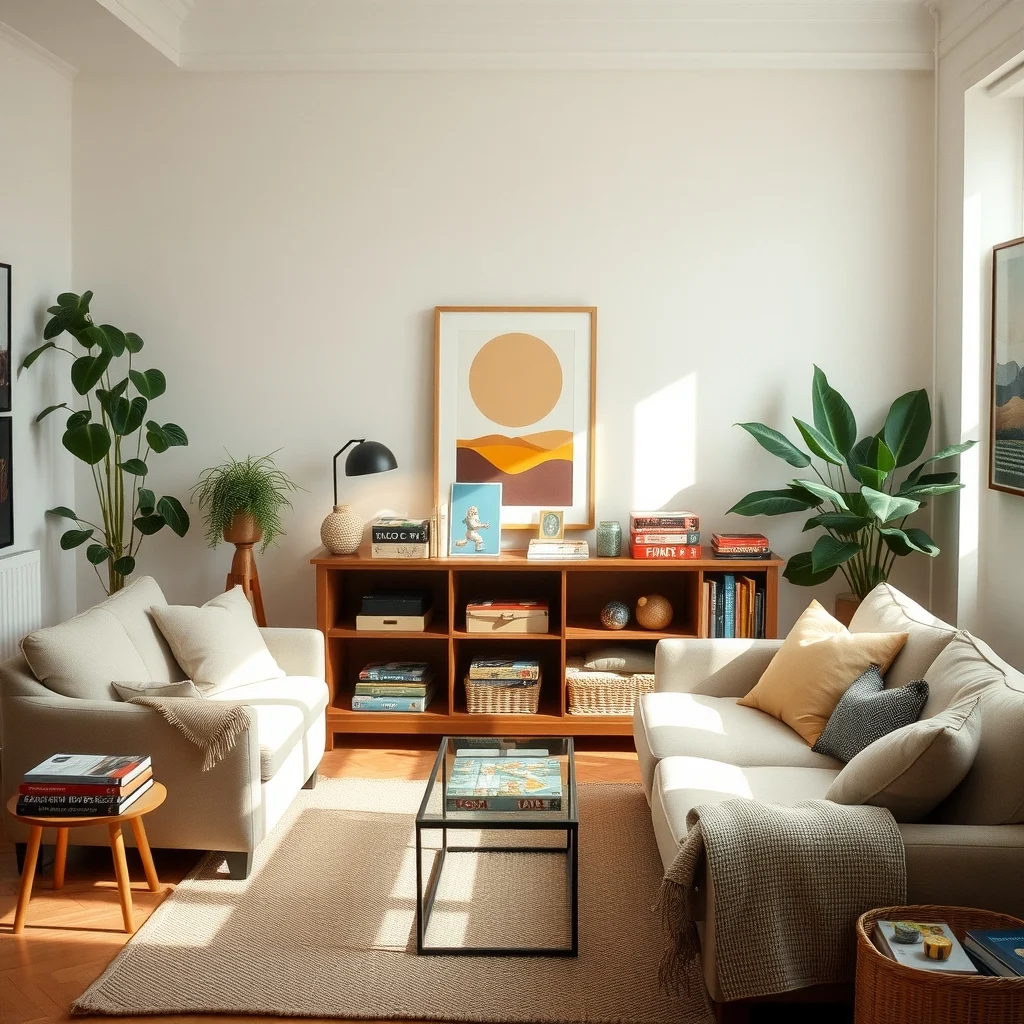
Organizing board games in a small apartment is less about sacrificing style and more about integrating function into the existing design. By assessing your collection, using vertical space, selecting furniture with hidden compartments, and adding thoughtful lighting, you create a system that respects both the games and the living area. The result is a home that feels organized, welcoming, and ready for the next round of fun without compromising on aesthetic appeal.