Small Bedroom Clothing Storage Ideas Without Buying a Dresser
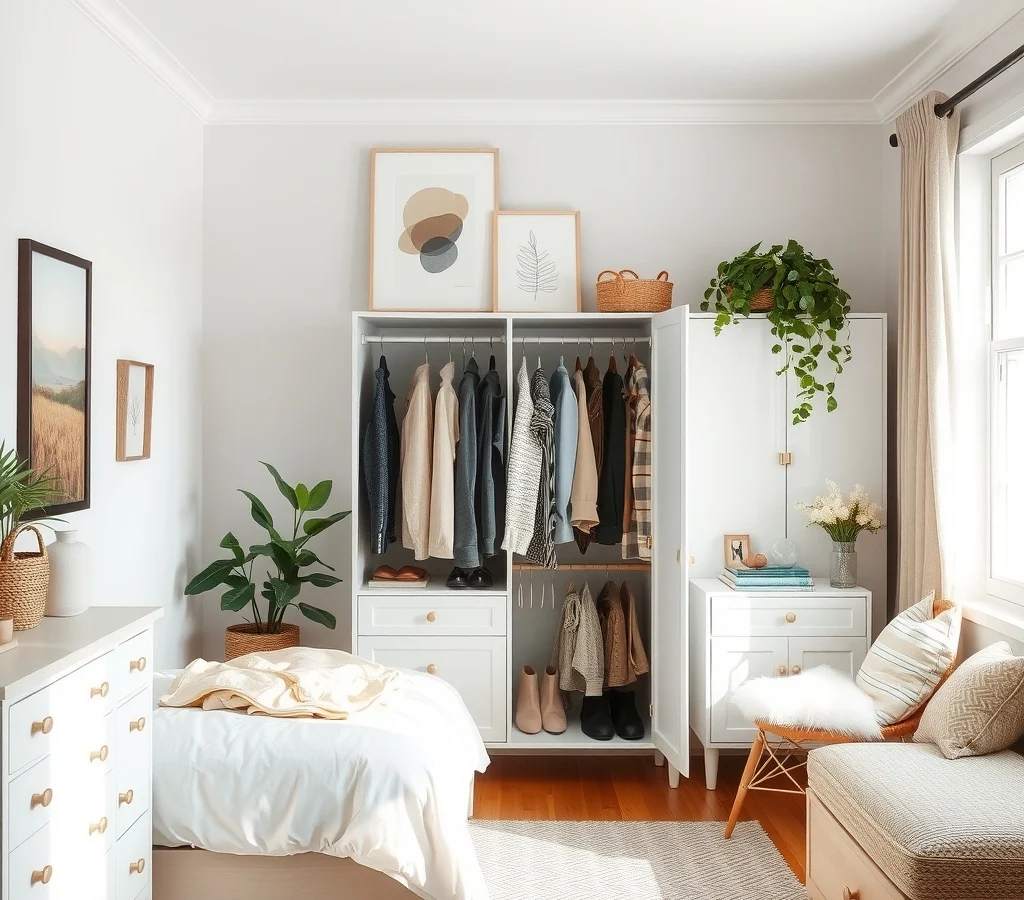
When a bedroom feels cramped, the first thing most people notice is the lack of space for clothes. A bulky dresser can dominate a modest floor plan, leaving little room for a nightstand, a chair, or even a clear path to the door. Fortunately, there are many ways to store garments that keep the room feeling airy while still providing the organization you need. Below are seven ideas that rely on walls, ceilings, and clever use of existing furniture, so you can reclaim floor space without splurging on a new dresser.
1. Install a Floor‑to‑Ceiling Closet System
This image is by AI for inspiration only.
© 2026 AI Illustrator — Inspiration Only
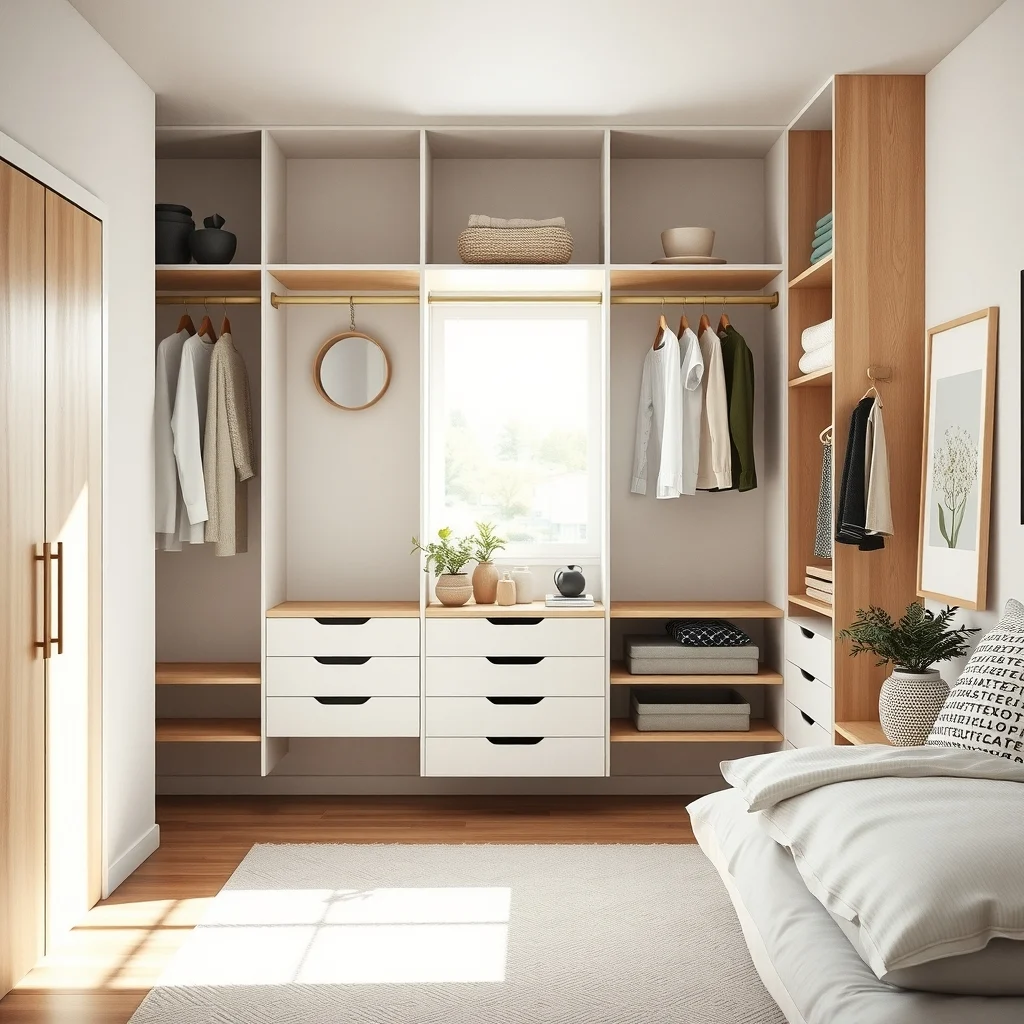
Building a custom closet that stretches from the floor to the ceiling makes use of vertical space that often goes unnoticed. By incorporating a mix of hanging rods, adjustable shelves, and pull‑out drawers, you create zones for everything from coats to folded sweaters. The high shelf can store items you reach for less often, such as seasonal pieces, while the lower rods stay within easy reach for daily wear. Choosing a light‑finished wood or a matte white paint helps the system blend into the room rather than dominate it. The main trade‑off is the initial installation effort; you’ll need to locate studs and possibly use a wall anchor kit, but the result is a sleek, built‑in solution that frees up the entire floor area.
Love Your Home.
Enjoy a Little More Order.
Not sure how to decorate your space or organize your home? Discover practical digital guides, planners and ideas designed to make everyday living easier.
Your first purchase at Livana Studio
2. Use a Set of Floating Shelves with Baskets
This image is by AI for inspiration only.
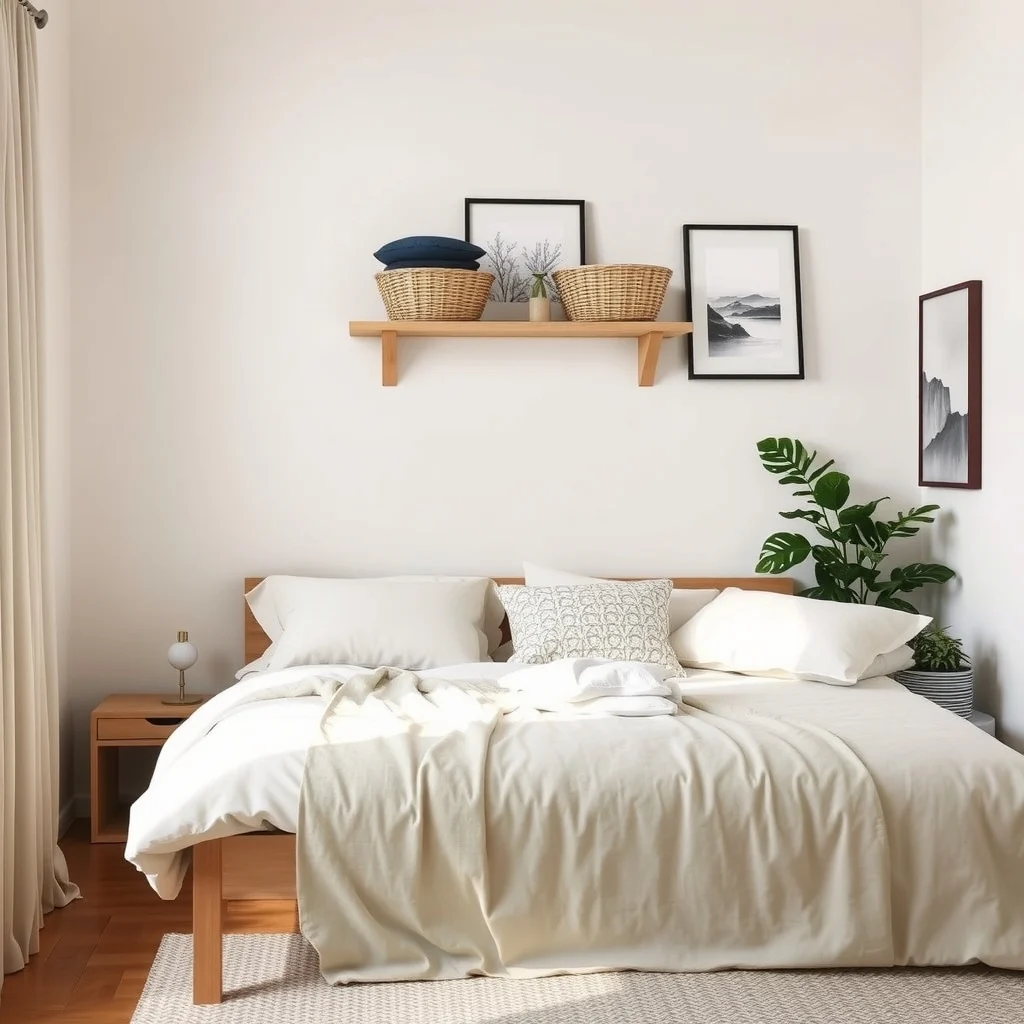
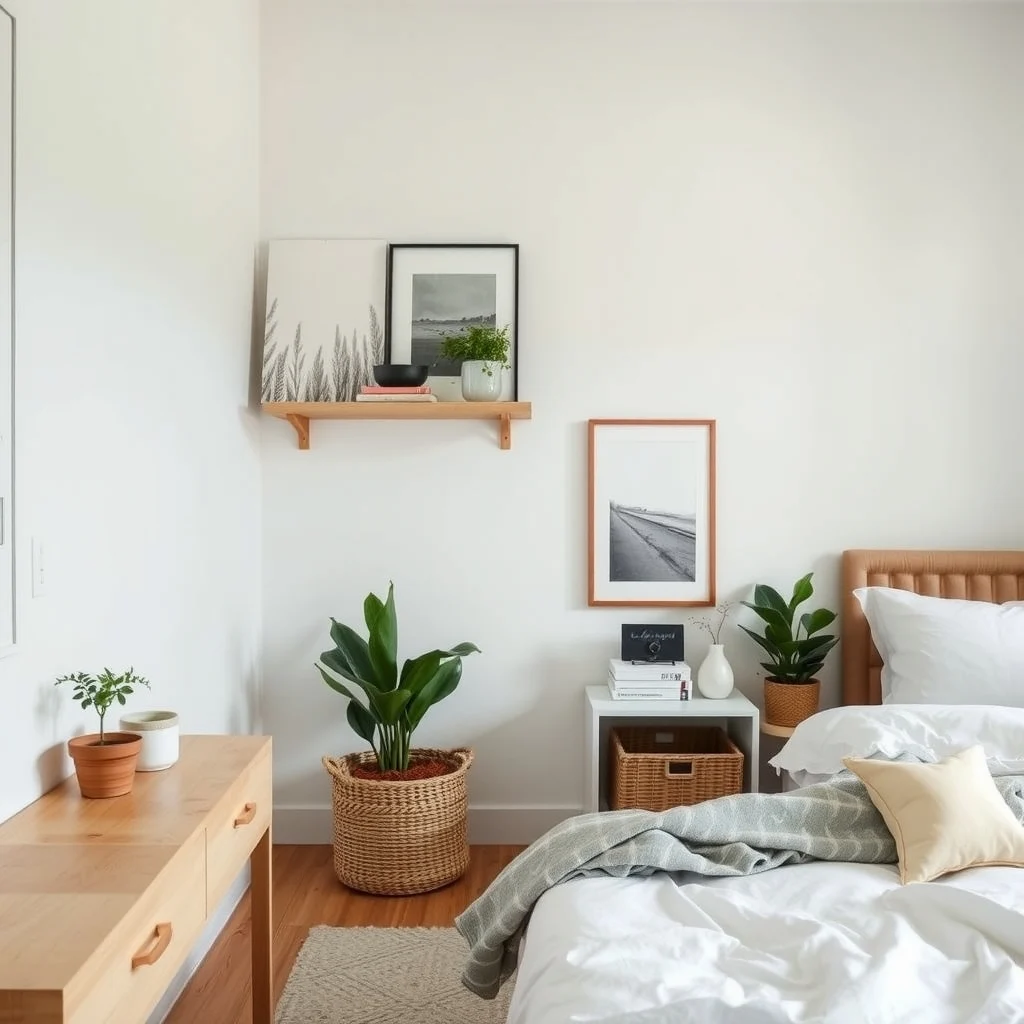
Floating shelves mounted at eye level provide a tidy platform for decorative baskets that conceal folded clothing. By selecting baskets made of natural wicker or canvas, you add texture without overwhelming the space. The open shelves keep the room feeling light, and the baskets can be pulled out for quick access or rearranged as your wardrobe evolves. This approach works especially well in rooms with a window wall, as the shelves can be staggered to follow the natural flow of light. A potential downside is that heavier items, like denim jackets, may sag the baskets over time, so it’s wise to reserve the lower shelves for lighter fabrics.
3. Repurpose an Open Wardrobe from a Vintage Armoire
This image is by AI for inspiration only.
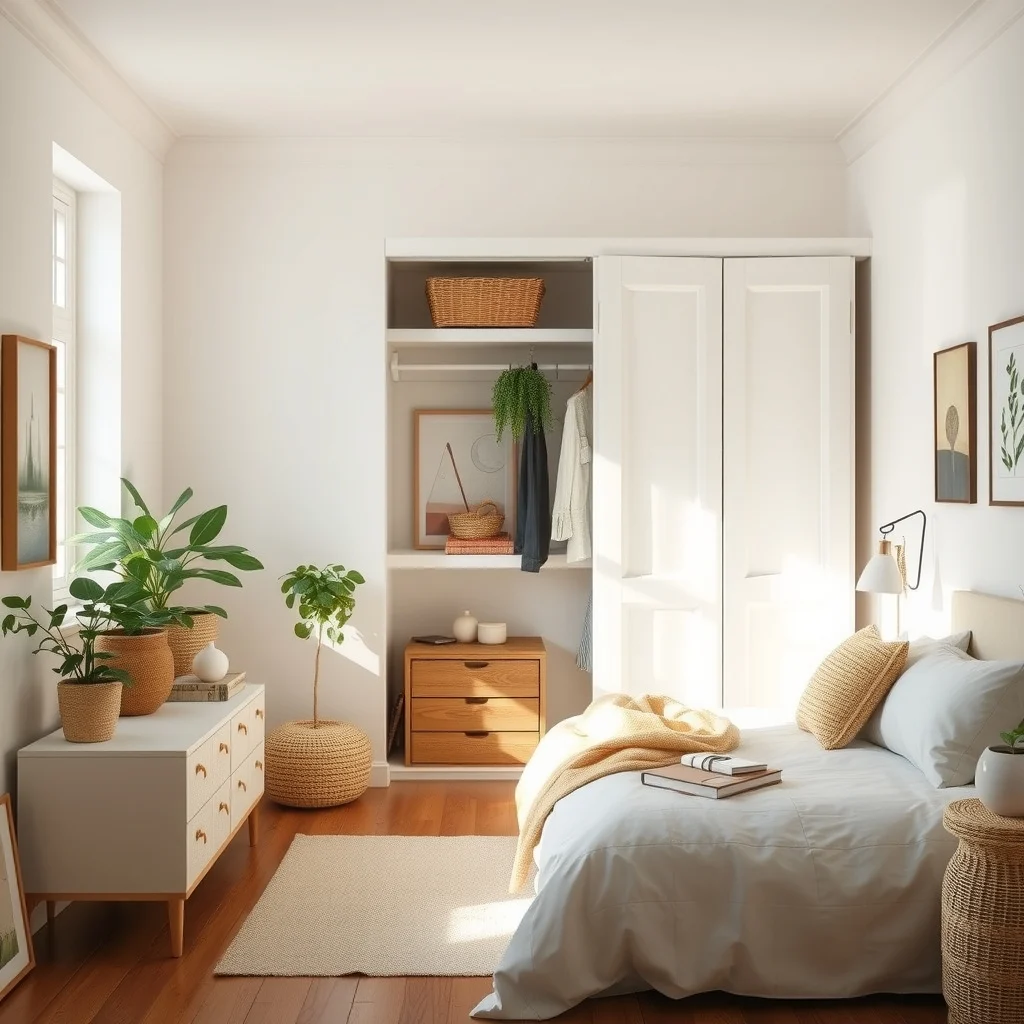
Instead of discarding a vintage armoire that no longer fits your style, remove its doors and replace them with a simple curtain or a set of sliding panels. The resulting open wardrobe offers a curated display for shirts, skirts, and accessories while retaining the charm of the original piece. The exposed wood frame can be sanded and finished in a soft gray or muted teal to coordinate with contemporary décor. Because the doors are gone, the space feels less confined, and you can add a narrow rolling ladder for higher shelves if needed. Keep in mind that an open design may invite dust, so regular light cleaning becomes part of the routine.
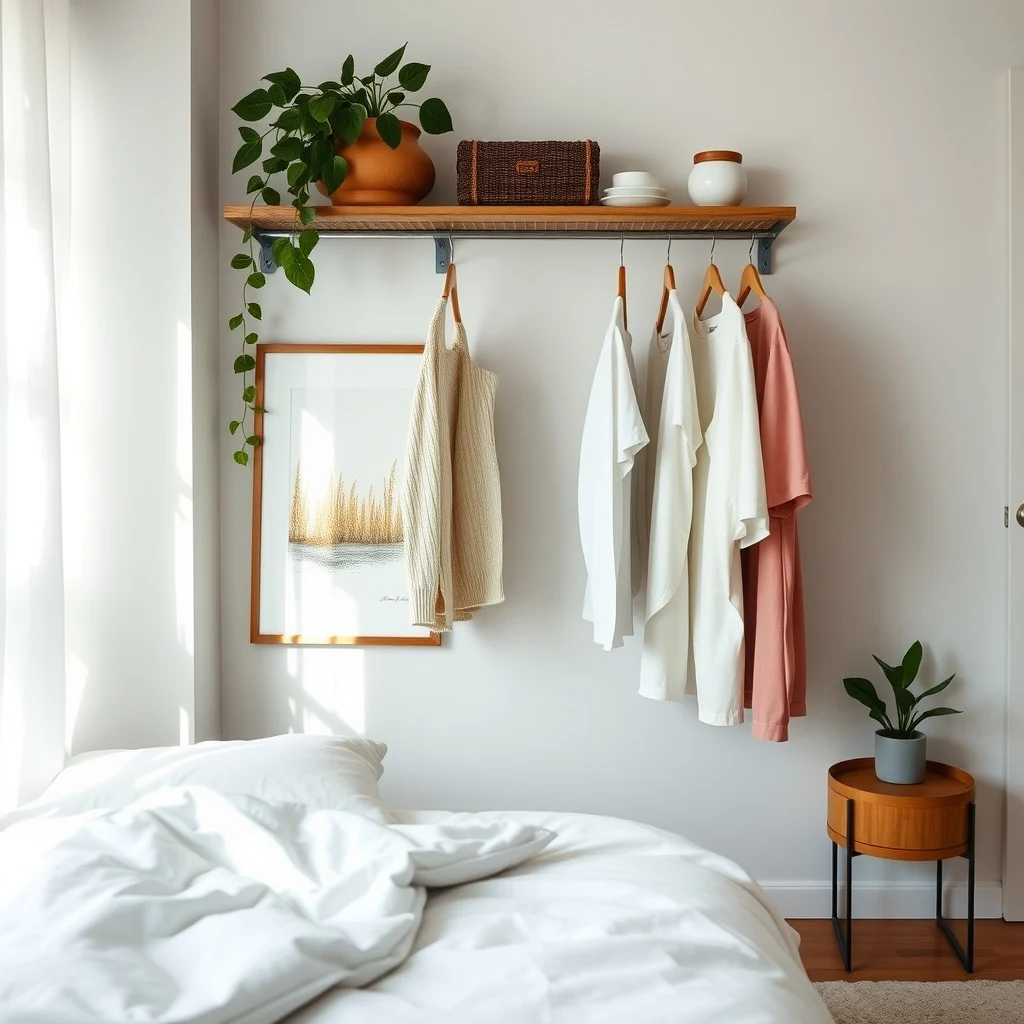
4. Hang a Wall‑Mounted Clothing Rack
This image is by AI for inspiration only.
A sleek metal rack that attaches directly to a wall creates a minimalist hanging area without taking up floor space. Position the rack near a full‑length mirror so you can try on outfits without stepping away from the rack. The industrial look of brushed steel or matte black adds a subtle statement, while the open design encourages you to keep only the pieces you love. Adding a few decorative hooks at the bottom gives a place for scarves or belts. The main limitation is the weight capacity; heavy coats should be stored elsewhere, and you’ll need to locate studs or use sturdy anchors to ensure safety.
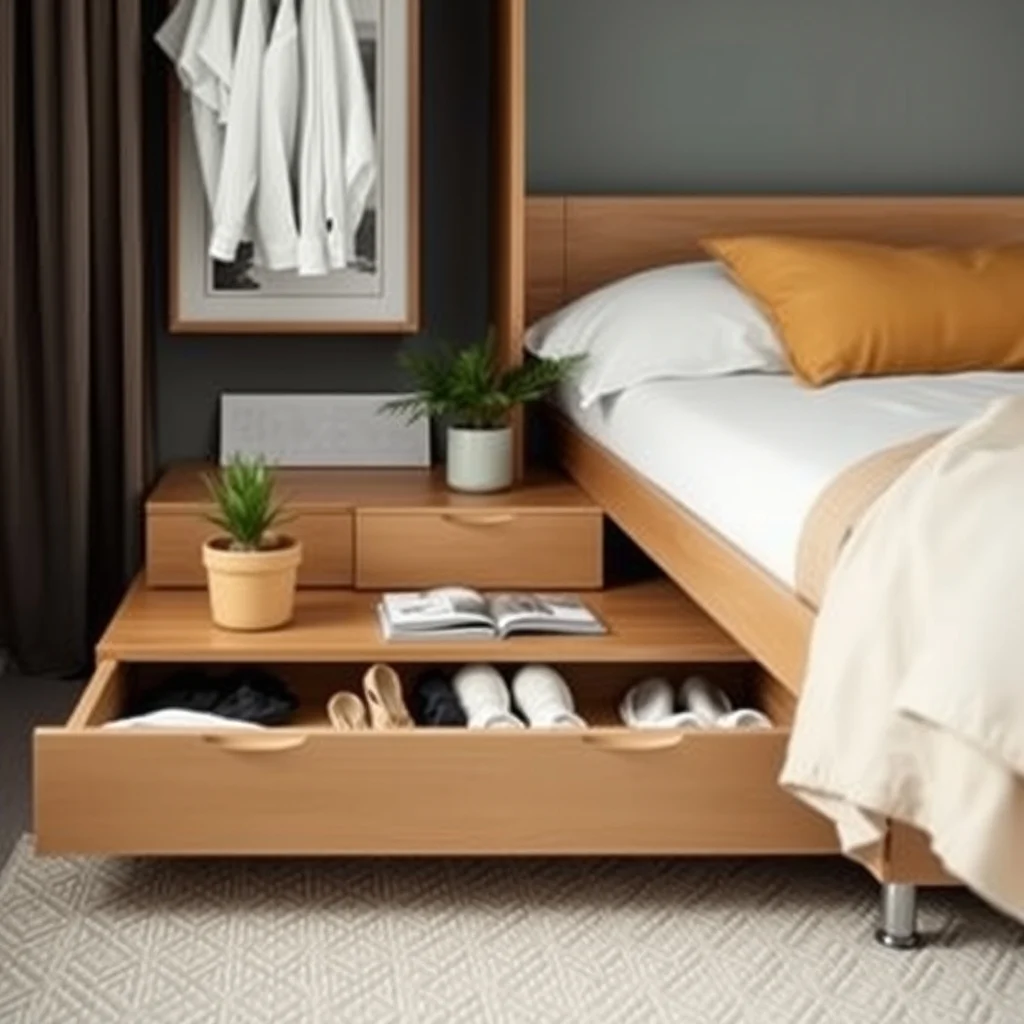
5. Create a Pull‑Out Closet Organizer Under the Bed
This image is by AI for inspiration only.
Utilizing the space beneath a low platform bed can be as simple as installing a set of low‑profile drawers on rollers. Each drawer slides out smoothly, revealing compartments for underwear, socks, and t‑shirts. By choosing drawers with a soft‑close mechanism and a finish that matches the bed frame, the organizer blends into the room’s aesthetic. Because the unit stays hidden when not in use, the bedroom retains a clean silhouette. The downside is that the height of the drawers is limited by the clearance under the bed, so bulkier items may still need an alternative storage solution.
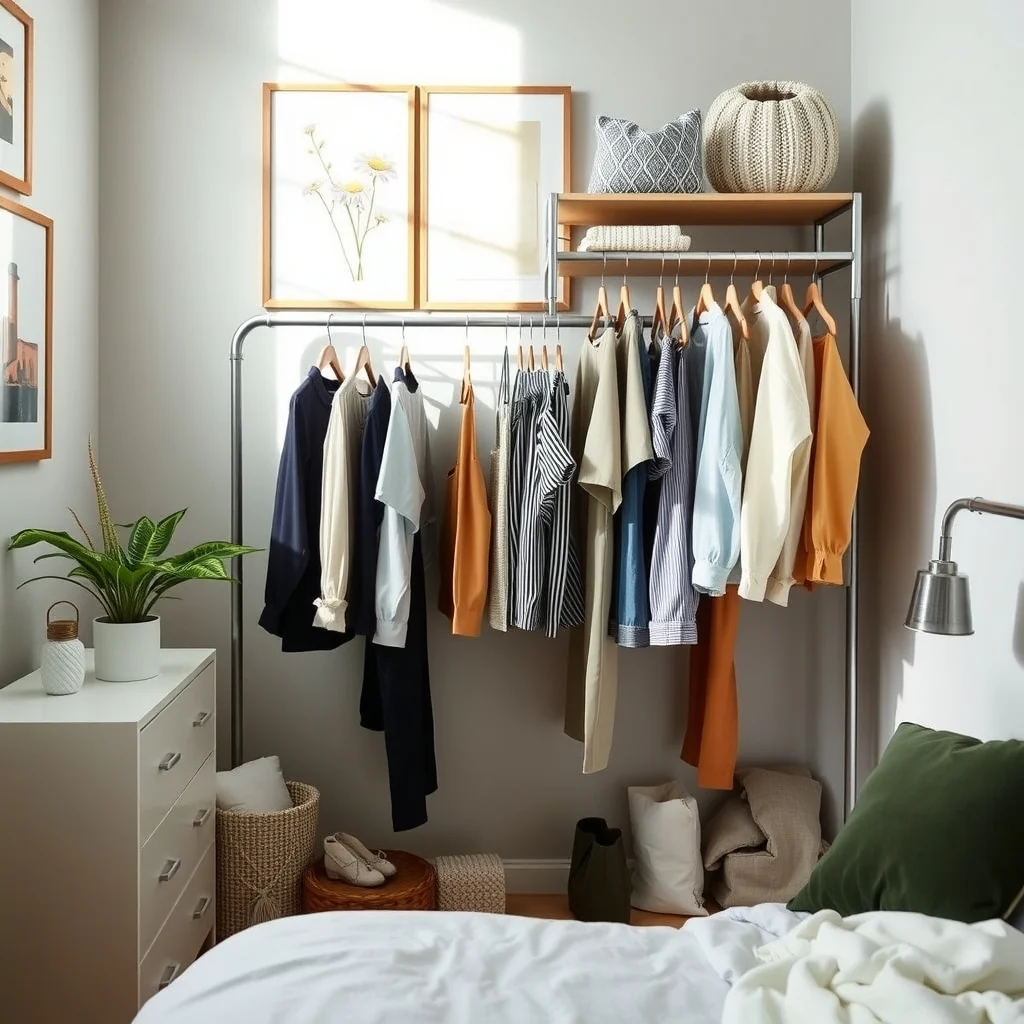
6. Employ a Multi‑Tiered Hanging Rod System
This image is by AI for inspiration only.
When floor space is at a premium, a tiered rod system that doubles the hanging capacity within the same footprint can be a game‑changing addition. The lower rod holds pants and longer garments, while the upper rod accommodates shirts and jackets. Installing the system on a wall opposite the bed makes use of an otherwise empty surface. Selecting rods with a matte brass finish adds a warm accent that complements both modern and traditional palettes. Be aware that the vertical distance between rods must be measured carefully; too little space can cause garments to wrinkle, so a 12‑inch gap is a reliable starting point.
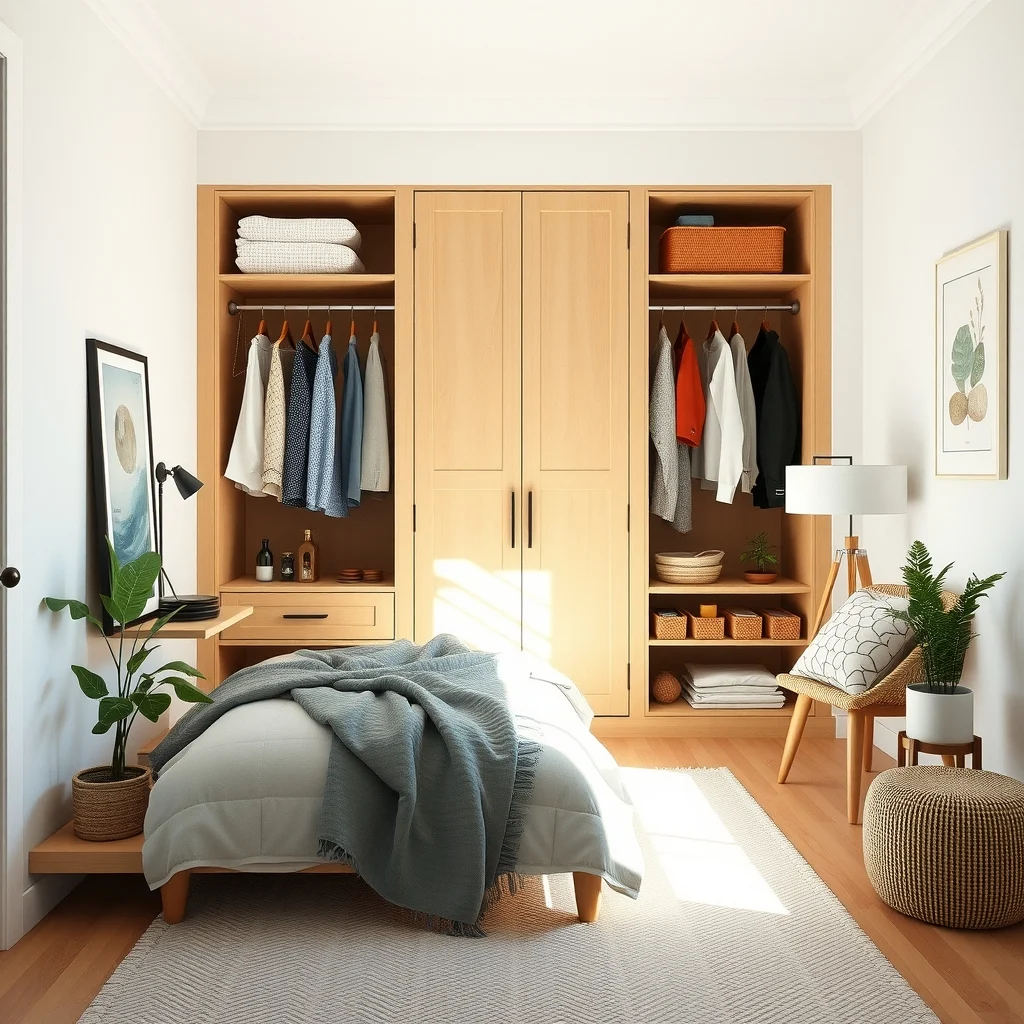
7. Turn a Corner Nook into a Built‑In Wardrobe Alcove
This image is by AI for inspiration only.
Every bedroom has a corner that often goes unused. By installing a shallow, floor‑to‑ceiling cabinet that follows the angle of the wall, you create a discreet alcove for clothing. The interior can be fitted with a combination of hanging bars, pull‑out trays, and a small shoe rack. Finishing the exterior in a soft, neutral hue ensures the alcove integrates seamlessly with the rest of the room. This solution adds storage without protruding into the main area, but it does require precise measurements and possibly a professional carpenter to achieve a seamless look.
FAQ
This image is by AI for inspiration only.
How can I keep folded clothes tidy without a dresser?
Use attractive baskets or woven bins placed on floating shelves or under a bed platform. The containers conceal the items while still allowing you to see colors and textures at a glance, making selection easier.
Is it safe to attach heavy shelves to drywall?
Heavy shelves should be anchored into wall studs or supported with toggle bolts designed for drywall. This prevents the shelves from pulling away from the wall and ensures they can hold the weight of clothing and baskets.
What fabrics work best for basket storage?
Natural fibers such as wicker, rattan, and canvas are ideal because they breathe, are lightweight, and add a tactile element to the room. They also blend well with both modern and rustic décor schemes.
Can I combine several of these ideas in one small room?
Yes, layering solutions—like a floating shelf with baskets alongside a wall‑mounted rack—creates multiple storage zones without crowding the space. Just be mindful of keeping pathways clear and maintaining a cohesive visual style.
Final Thoughts
This image is by AI for inspiration only.
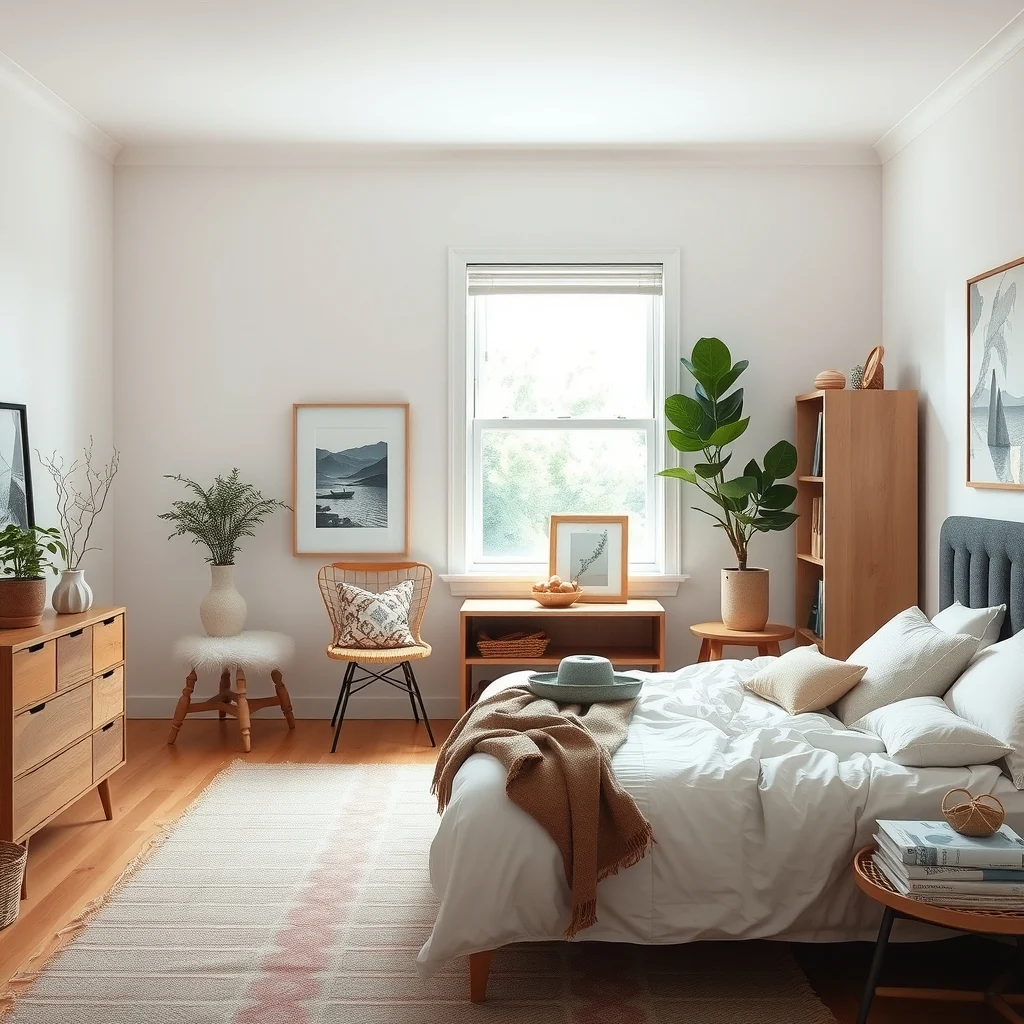
Finding storage for clothes in a small bedroom doesn’t have to mean sacrificing style or floor space. By turning walls, corners, and the area under the bed into functional storage zones, you can keep your wardrobe organized while preserving the room’s openness. Each of the ideas above offers a different balance of aesthetics, effort, and capacity, so you can choose the combination that best fits your lifestyle and the dimensions of your space. With a little planning and a few thoughtful installations, a dresser‑free bedroom can feel both orderly and inviting.