Bedroom Organization Ideas for Apartments With Limited Storage

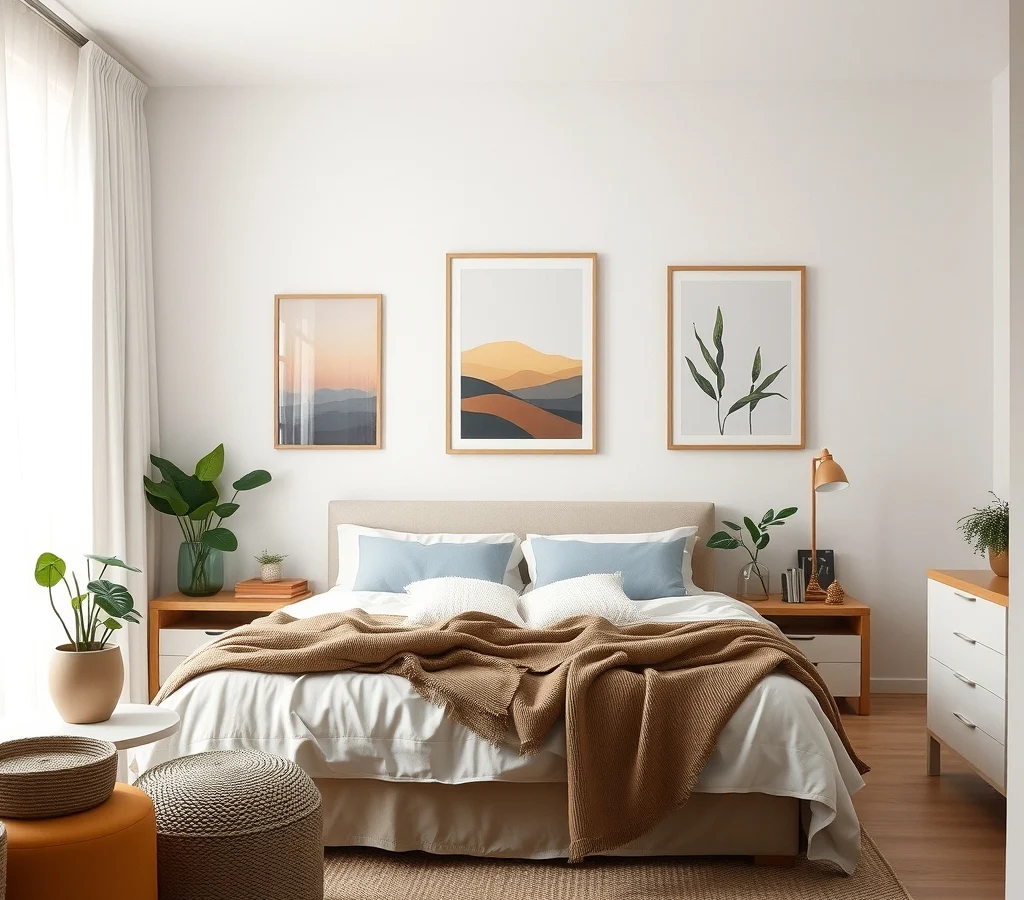
Living in a compact apartment often means the bedroom doubles as a place to sleep, work, and store everyday items. The challenge is to keep the space feeling calm without sacrificing functionality. Below are seven ideas that turn even the smallest bedroom into a tidy, inviting retreat. Each suggestion considers the way light, materials, and layout interact, so you can adapt the concepts to fit your own floor plan and style.
1. Maximize Vertical Space with Built‑In Shelving
This image is by AI for inspiration only.
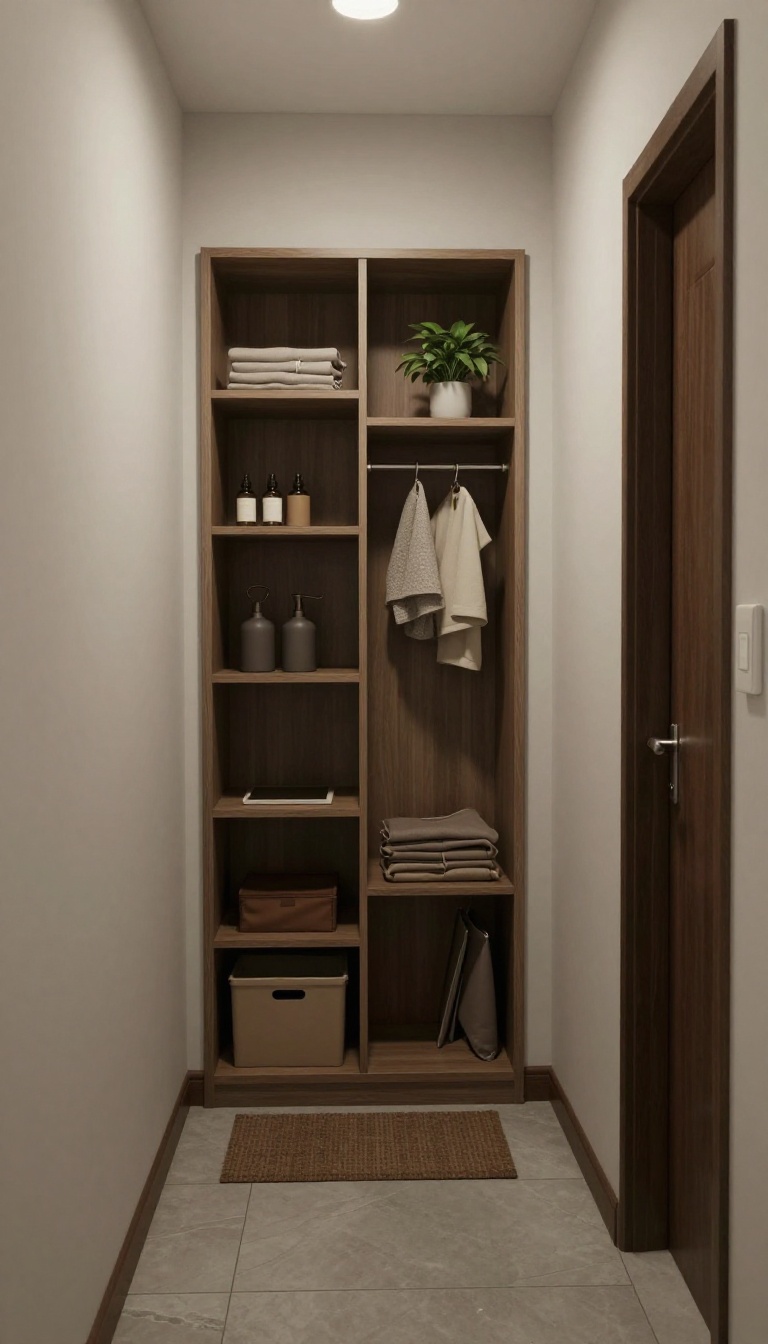
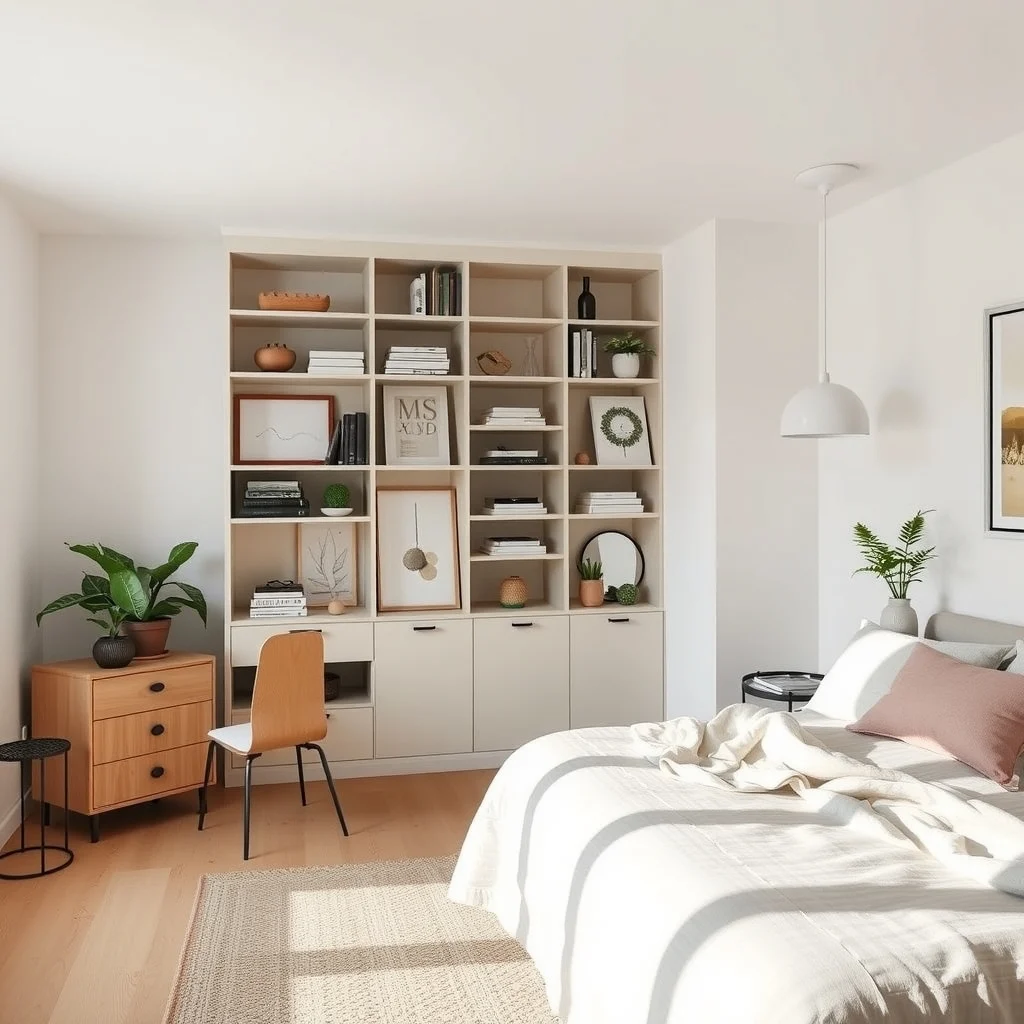
When floor area is at a premium, the walls become the most valuable real estate. Installing floor‑to‑ceiling shelving on one side of the room creates a seamless backdrop that can hold books, decorative boxes, and folded textiles. Because the shelves rise above eye level, they draw the gaze upward, giving the impression of greater height. To keep the look cohesive, choose a material that echoes another element in the room—such as a walnut finish that matches a bedside table or a matte white paint that mirrors the ceiling. The open shelves also make it easy to rearrange items as seasons change, but be mindful of weight limits; heavy storage should stay on the lower shelves to avoid strain on the brackets.
2. Choose a Bed Frame with Integrated Drawers
This image is by AI for inspiration only.
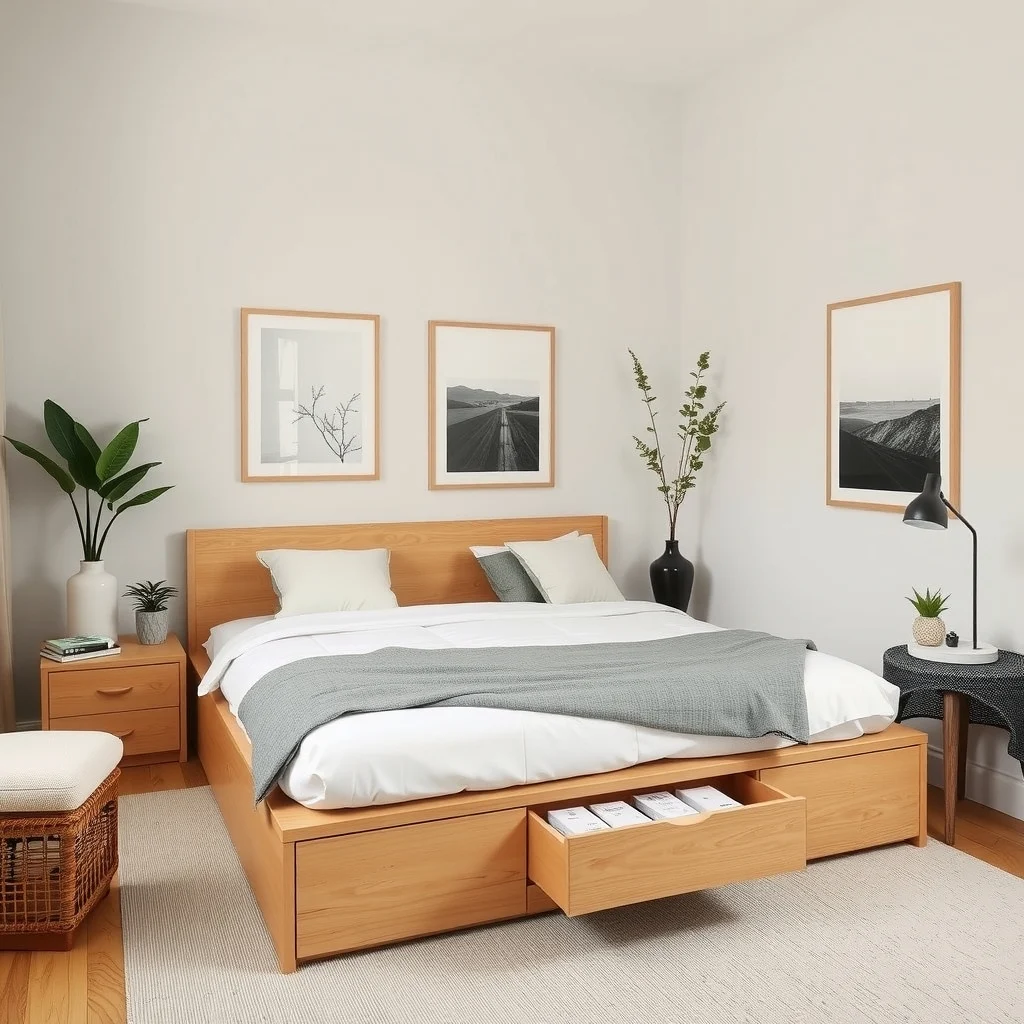
A traditional platform bed can dominate a small room, but a frame that incorporates shallow drawers transforms the sleeping surface into hidden storage. The drawers sit flush with the mattress, preserving the sleek silhouette while offering a place for linens, pajamas, or even a small stack of books. Opt for a frame with smooth‑closing glides to prevent noise at night, and consider a light fabric upholstery if you prefer a softer aesthetic. The trade‑off is that the drawers reduce the clearance for under‑bed boxes, so you’ll need to rely on the built‑in space for most of your storage needs.
3. Use a Multi‑Functional Nightstand that Doubles as a Small Desk
This image is by AI for inspiration only.
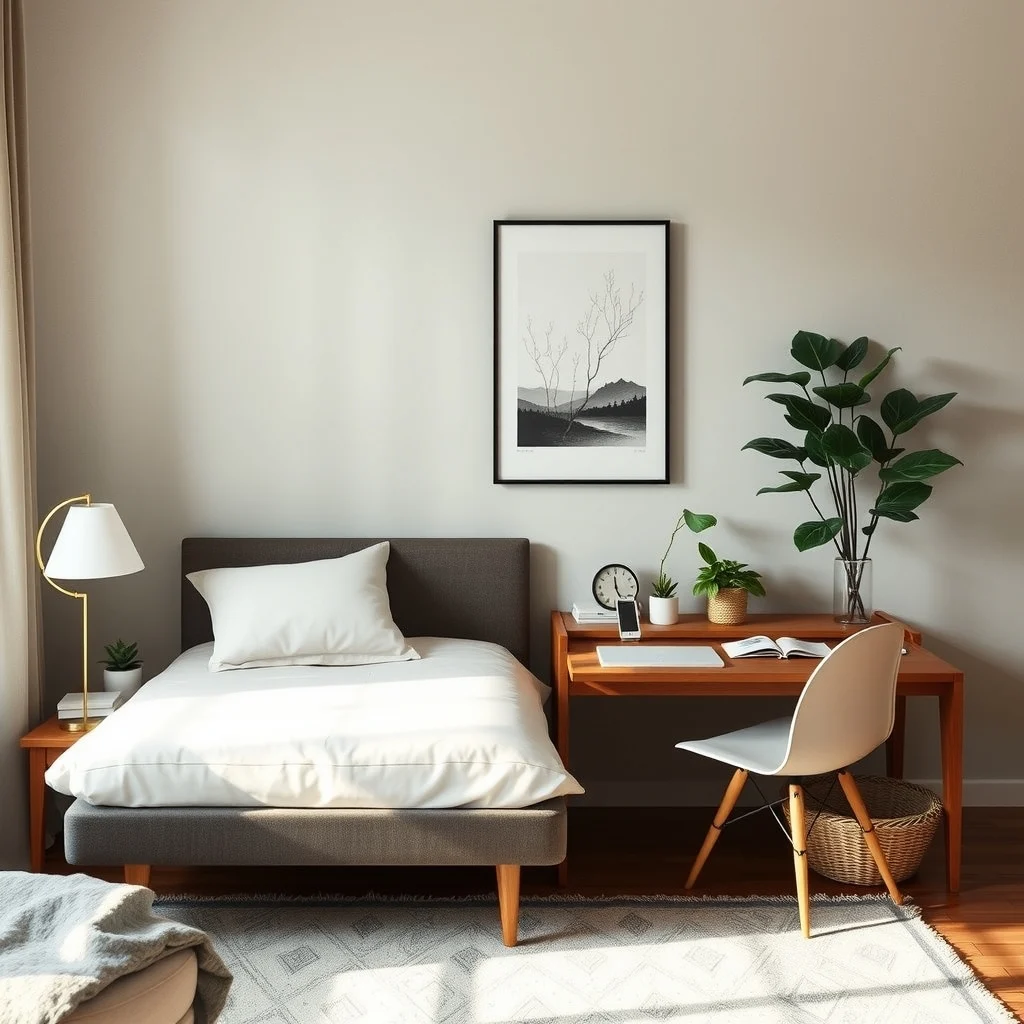
In many apartments the nightstand serves as the only surface for a lamp, alarm clock, and a place to set a glass of water. Selecting a piece that folds out into a narrow writing surface adds a functional workspace without sacrificing floor space. A narrow, ladder‑style desk can be tucked against the wall when not in use, and the top can still hold a lamp and a few personal items. Look for a design with a modest drawer or a couple of open shelves; these will hold stationery, chargers, or a small stack of magazines. The main limitation is the width of the desk—if you need a larger work area, you may need a separate table elsewhere in the apartment.
4. Hang Open Baskets and Fabric Bins on the Wall
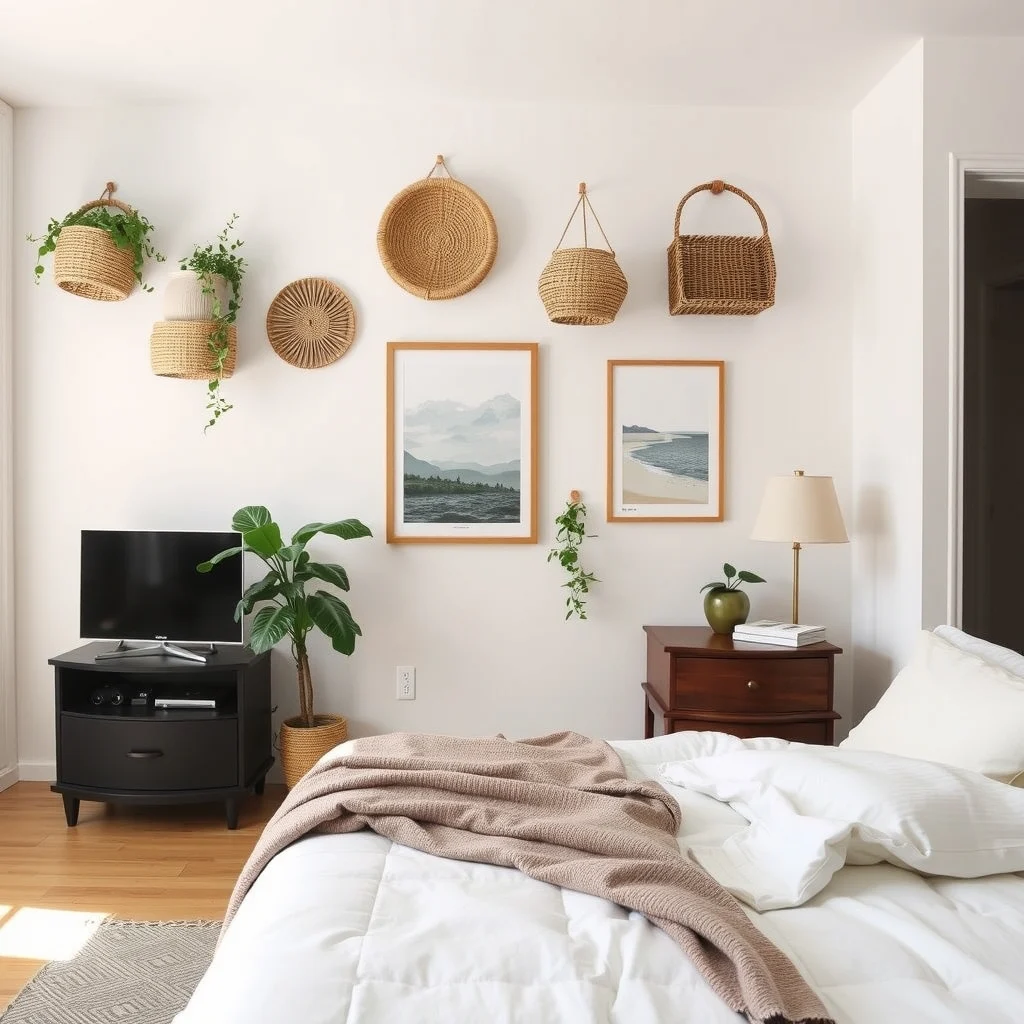
This image is by AI for inspiration only.
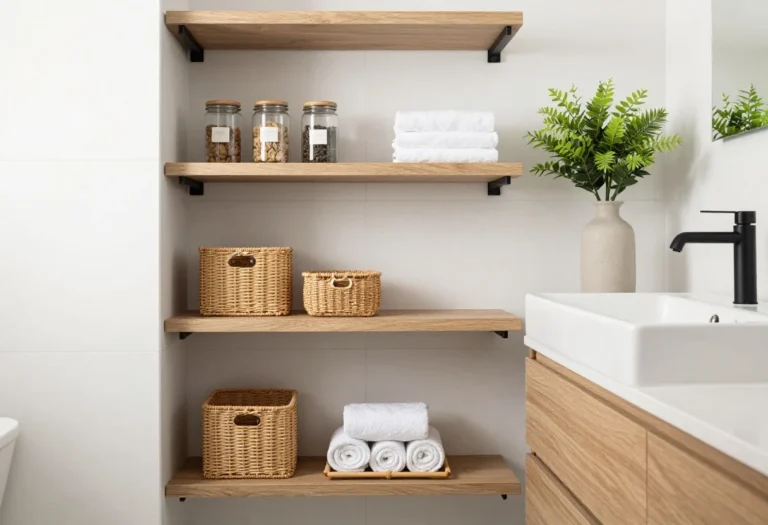
Soft, woven baskets or fabric bins create visual interest while keeping clutter off the floor. By mounting them at varying heights, you can store items you need regularly—like a daily‑use scarf, a pair of shoes, or a handful of accessories—within easy reach. The open nature of the containers makes it simple to see what’s inside, reducing the temptation to overfill. Pair the baskets with a neutral wall color to let the texture stand out, or choose a muted hue that blends with existing décor. One downside is that fabric bins can collect dust more quickly than hard‑shelved options, so a quick vacuum or shake‑out each week keeps them fresh.
5. Create a Closet System Using Tension Rods and Hanging Organizers
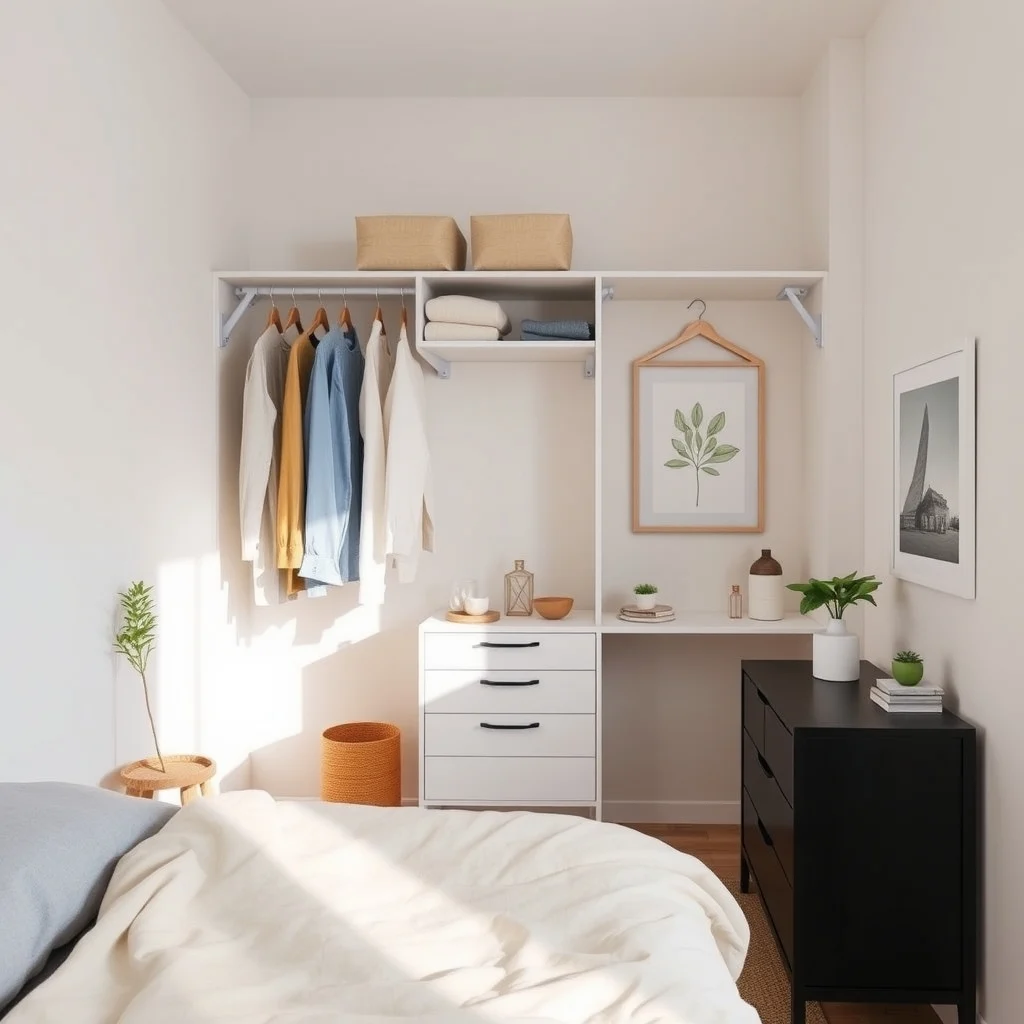
This image is by AI for inspiration only.
Many apartment closets lack built‑in shelves, but a DIY system of tension rods and hanging organizers can reinvent the space. A pair of rods placed at different heights allows you to hang shirts on one and longer garments on the other, while a series of clear, zippered organizers drape from a rod to hold shoes, folded sweaters, or seasonal accessories. The clear pockets make it easy to spot items, and the modular nature means you can add or remove sections as your wardrobe evolves. The only caution is to ensure the rods are securely anchored; a flimsy installation can cause the whole system to collapse under the weight of heavier coats.
6. Incorporate a Fold‑Down Murphy or Wall‑Mounted Bed for Guest Flexibility

This image is by AI for inspiration only.
If you occasionally host friends, a wall‑mounted bed that folds down at night and tucks away during the day frees up floor space for a yoga mat, a reading nook, or simply more breathing room. Modern mechanisms allow the bed to lower smoothly, and a simple latch keeps it securely in the upright position. Choose a frame finished in the same tone as the surrounding wall to keep the look integrated, and add a slim headboard that can double as a small shelf for a lamp or a few decorative objects. The main consideration is the ceiling height; the bed must have enough clearance to fold down without hitting the ceiling, and installation typically requires a professional to ensure safety.
7. Deploy Under‑Bed Storage Solutions Tailored to Your Mattress Height
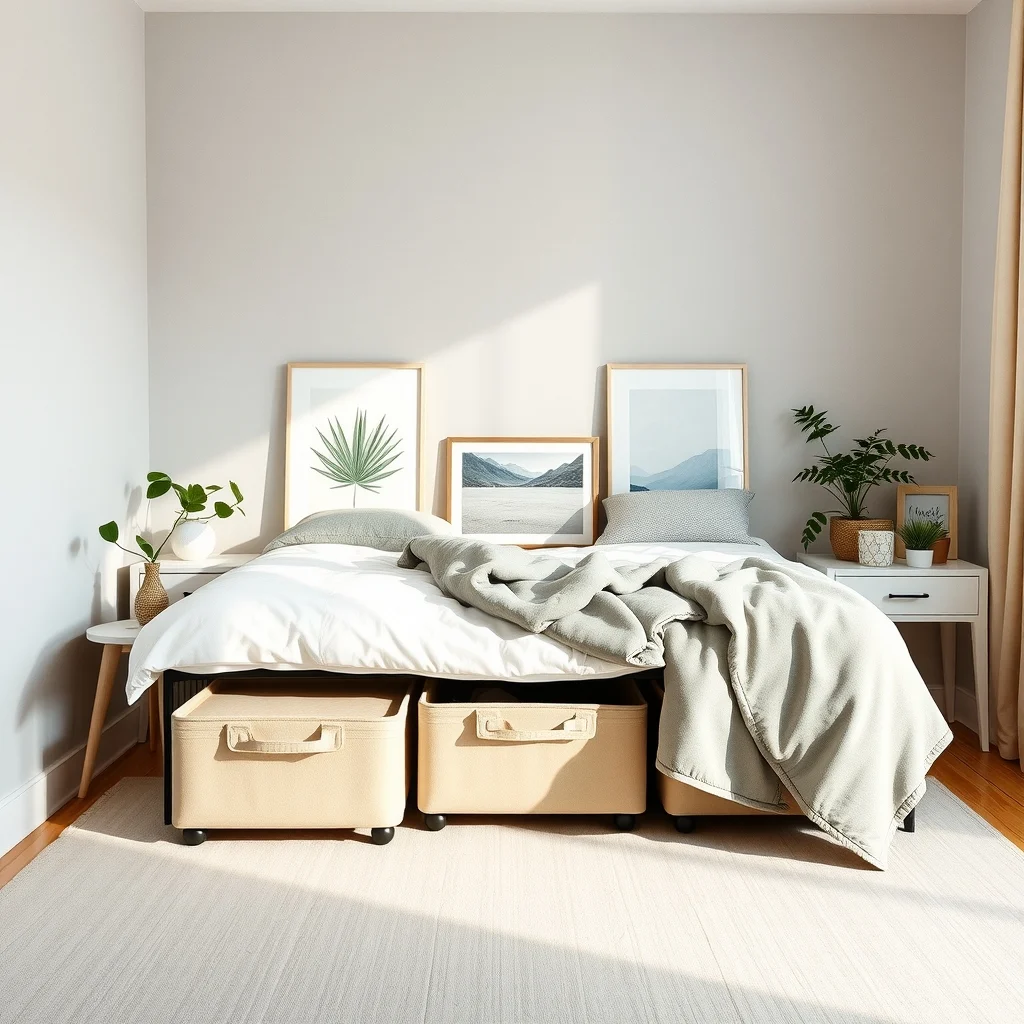
This image is by AI for inspiration only.
Even with a drawer‑integrated frame, there is often a gap between the mattress and the floor that can be used wisely. Low‑profile rolling containers, such as fabric boxes with wheels, slide easily beneath the bed and can hold out‑of‑season clothing, extra pillows, or bulkier items like blankets. Selecting containers with a breathable fabric helps prevent moisture buildup, which can be a concern in humid climates. Because the containers are on wheels, you can pull them out for cleaning without lifting heavy loads. Keep in mind that very low mattresses leave little room for tall boxes, so measure the clearance before purchasing.
Frequently Asked Questions
This image is by AI for inspiration only.
How can I make a small bedroom feel taller?
Use vertical storage like floor‑to‑ceiling shelves and keep floor‑level furniture low. Light colors on the walls and a simple, unadorned headboard also help draw the eye upward.
Is it safe to install tension rods in a closet without studs?
Tension rods rely on pressure between two surfaces, so they are safe as long as the closet walls are sturdy. Avoid overloading them with heavy coats; instead, use them for lighter garments and accessories.
What type of lighting works best in a cramped bedroom?
Layered lighting—combining a soft overhead fixture with a bedside lamp or wall sconce—provides flexibility. Choose fixtures with dimmers so you can adjust brightness without adding extra lamps.
Can I use decorative rugs without making the room feel cluttered?
A single rug that fits under the bed’s lower two-thirds adds warmth without overwhelming the space. Opt for a low‑pile material in a neutral shade to keep the visual flow calm.
Do wall‑mounted beds require special electrical considerations?
Generally, a wall‑mounted bed does not need electrical work, but if you plan to add built‑in reading lights, run wiring according to local codes or consult an electrician.
Final Thoughts
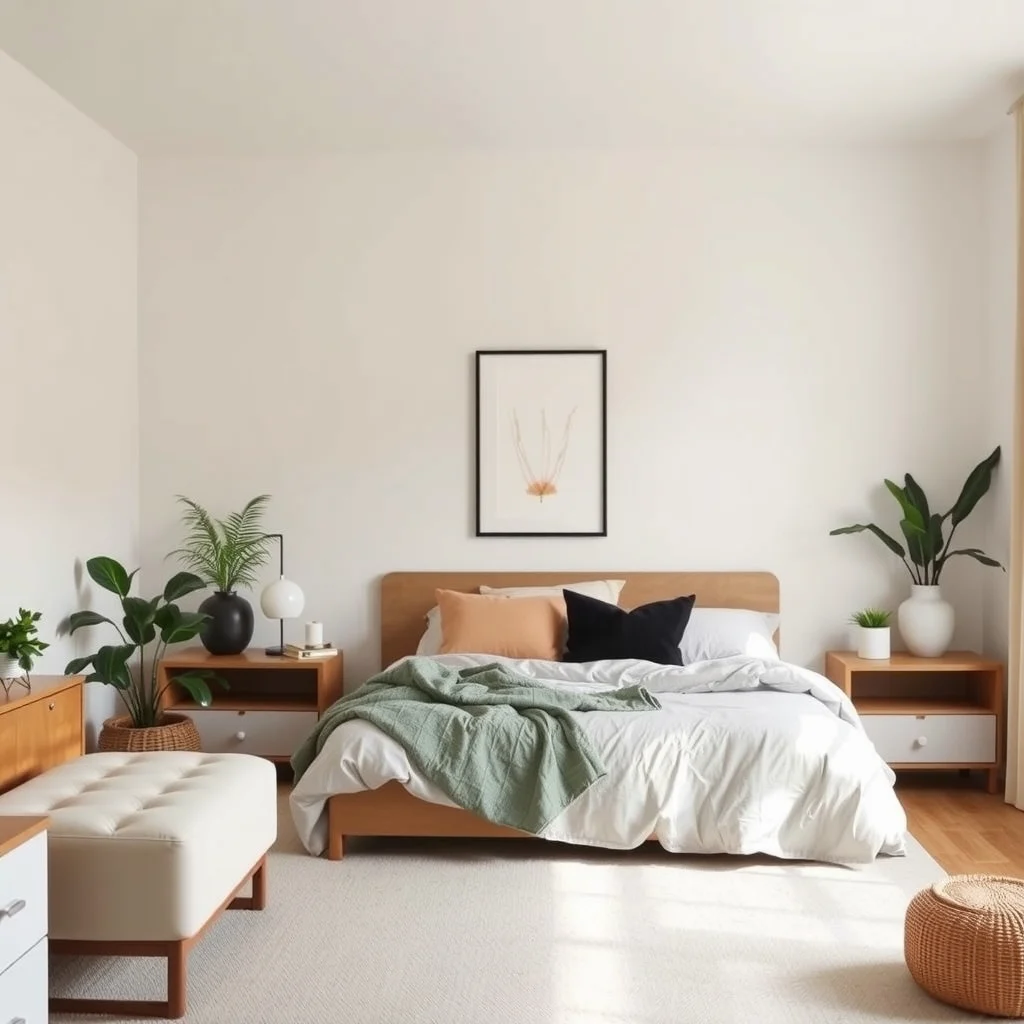
This image is by AI for inspiration only.
Organizing a bedroom in a limited‑space apartment is less about adding more furniture and more about rethinking how each element serves multiple purposes. By elevating storage to the walls, choosing pieces that hide away belongings, and selecting adaptable systems, you can keep the room uncluttered while still meeting daily needs. Remember that every solution carries a balance—whether it’s the height of a Murphy bed or the weight capacity of a tension rod. Test each idea against your own routine, and you’ll find a combination that makes the bedroom feel both functional and restful.