Small Closet Organization for Renters on a Budget

Living in a rental often means working with limited space and strict rules about what you can change. A cramped closet can quickly become a source of frustration, especially when you’re trying to keep your wardrobe tidy without spending a fortune. This article walks you through seven practical ideas that let you maximize every inch of a small closet, using inexpensive accessories, clever layouts, and a touch of design thinking. By the end, you’ll have a clear plan for turning a cluttered cubby into a functional, visually calm storage area that respects both your landlord’s policies and your wallet.
1. Clear the Floor and Create a Visual Baseline
This image is by AI for inspiration only.
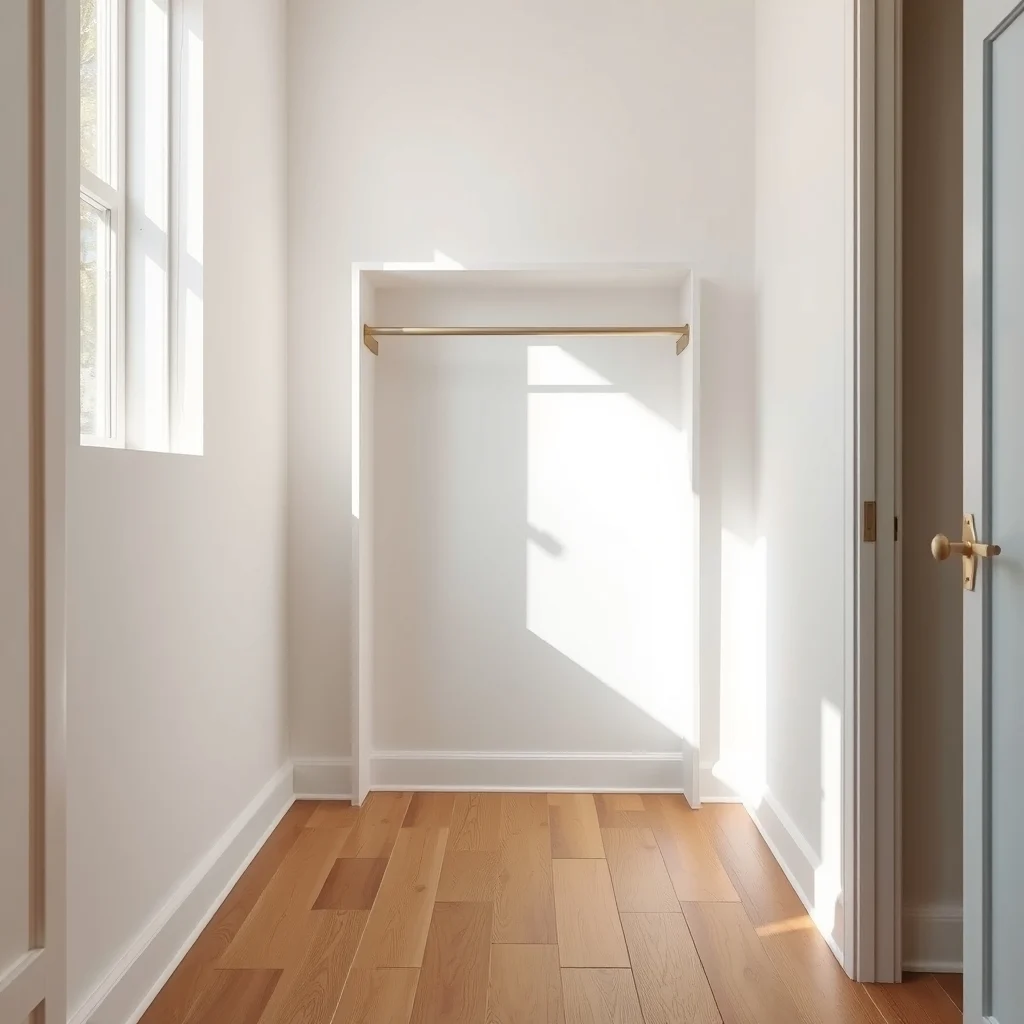
The first step in any closet makeover is to remove everything and take a moment to look at the empty space. With the floor cleared, you can see how high the rod sits, where the door swings, and whether the back wall has any built‑in shelves. This visual baseline helps you decide where to place new elements without guessing. When you start putting items back, keep the floor free of shoes or bags; a clear floor makes the closet feel larger and prevents tripping hazards. Using a simple rubber mat or a thin piece of cork can protect the floor while adding a subtle texture that doesn’t clash with the neutral paint often found in rentals.
2. Install Adjustable Tension Rods for Flexible Hanging
This image is by AI for inspiration only.
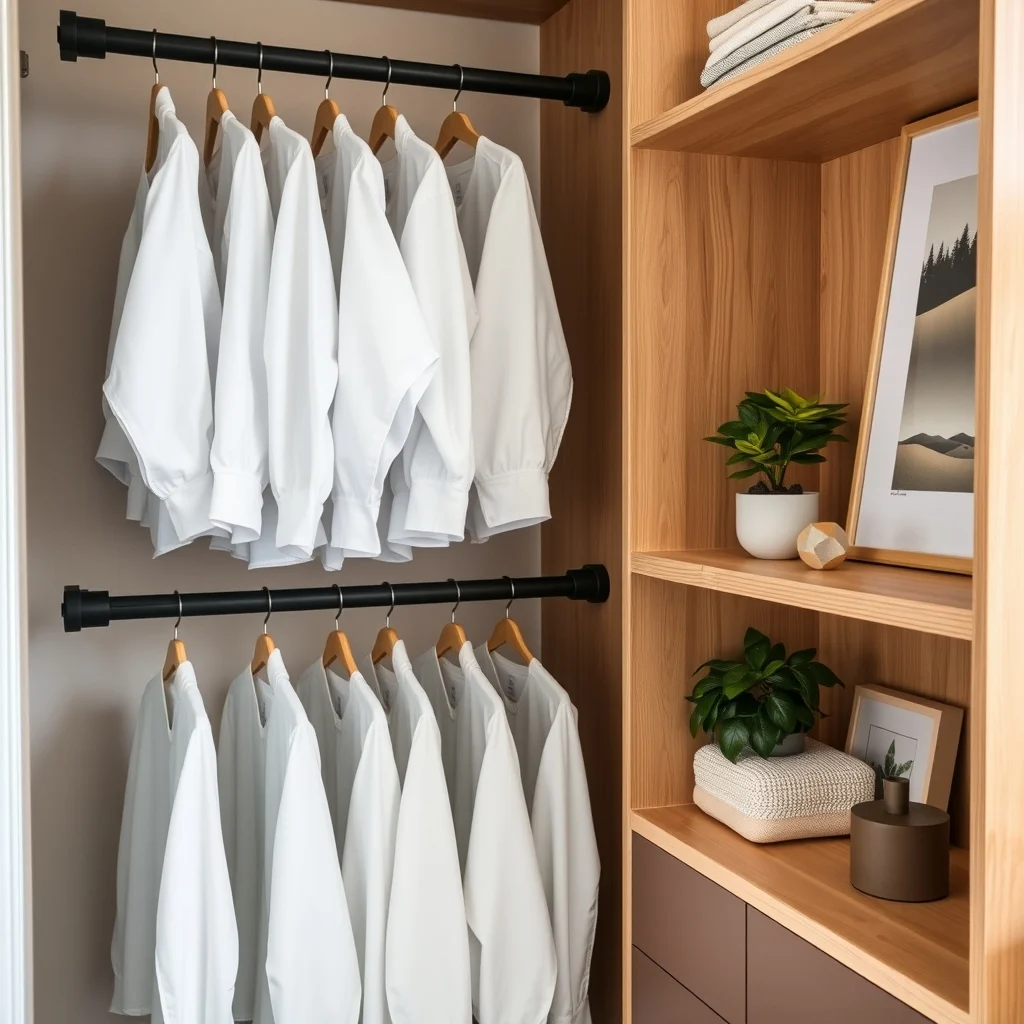
Instead of relying on the fixed rod that came with the unit, a tension rod offers the freedom to set the hanging height exactly where you need it. By positioning the rod lower, you can accommodate longer coats while still leaving space beneath for folded sweaters. The tension mechanism means you can install it without drilling, which keeps you within most lease agreements. Choose a rod with a brushed nickel finish to complement stainless‑steel hardware, and make sure it’s long enough to span the width of the closet. The ability to move the rod later means you can adapt the space as your wardrobe changes through the seasons.
3. Use Shelf Dividers Made from Acrylic or Wood
This image is by AI for inspiration only.
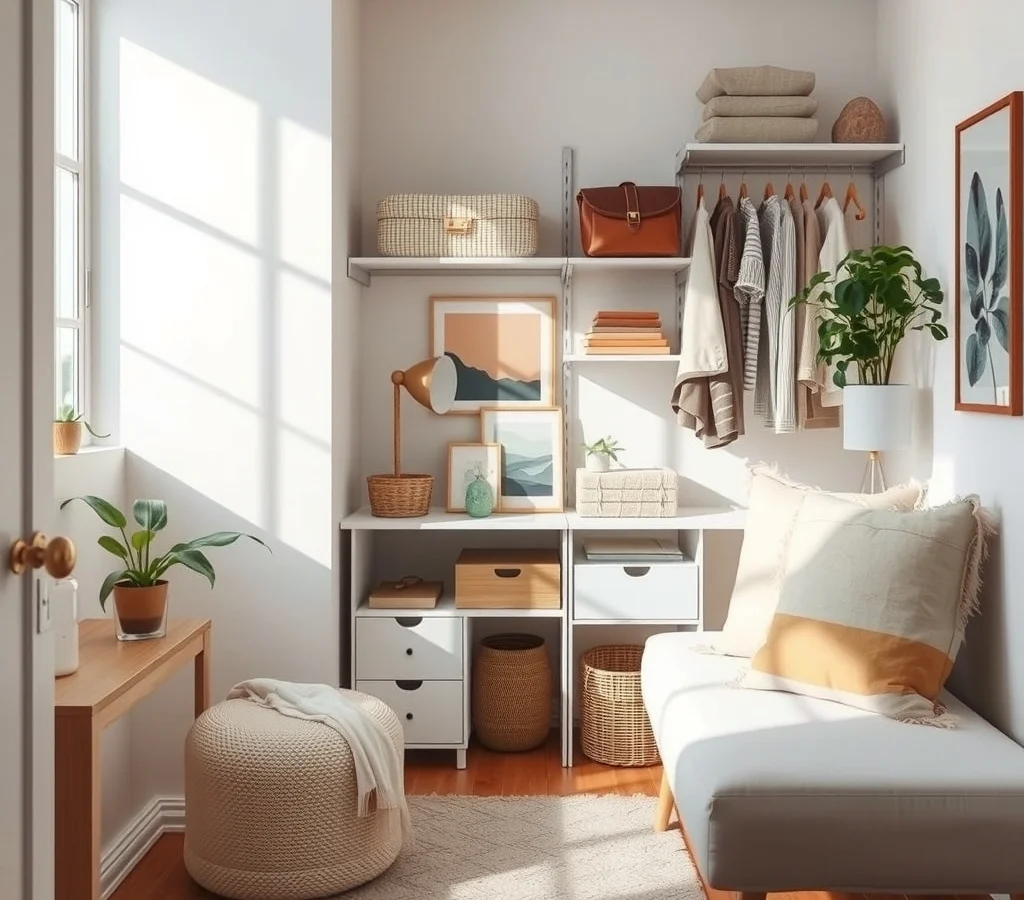
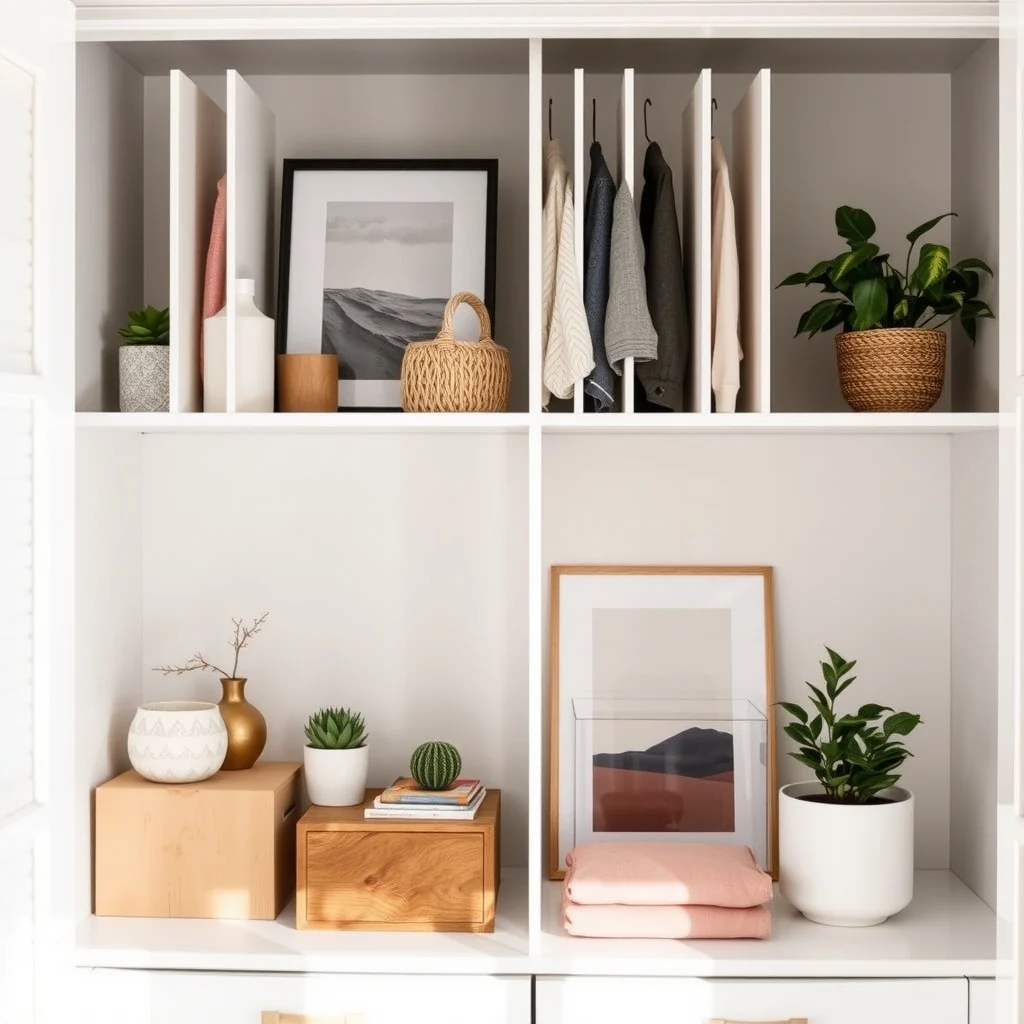
Open shelves often become a jumble of sweaters, bags, and boxes. Acrylic dividers are lightweight, affordable, and can be cut to the exact width of your shelf. They create separate columns that keep items upright and visible, reducing the need to dig through piles. If you prefer a warmer look, thin pine strips nailed or glued in place provide the same function while adding a natural grain that pairs nicely with a white or soft gray wall. The key is to place the dividers at a height that matches the tallest item you plan to store, which prevents over‑stacking and makes the closet feel orderly.
4. Add a Slim Pull‑Out Basket for Accessories
This image is by AI for inspiration only.
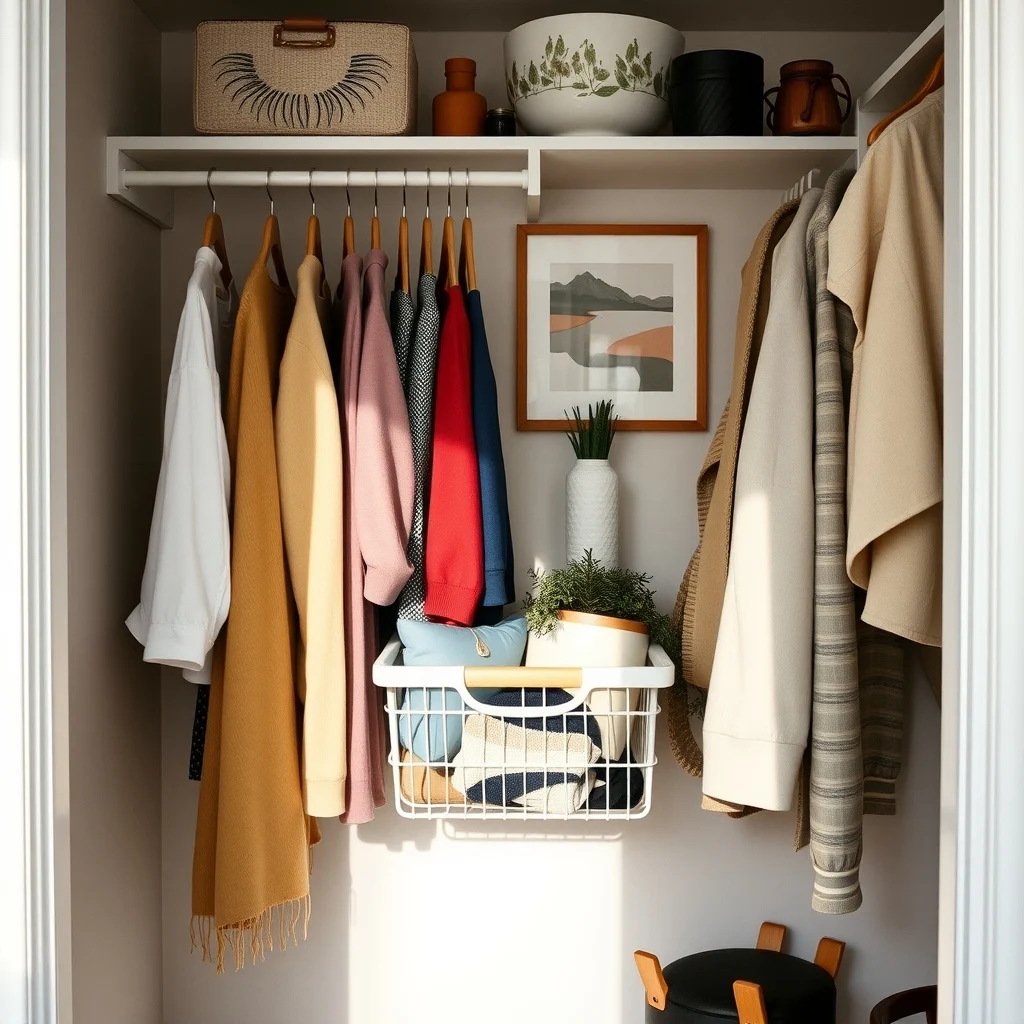
Accessories such as scarves, belts, and small bags often disappear in the back of the closet. A narrow pull‑out basket, no wider than six inches, slides between the hanging rod and the shelf, using space that would otherwise be wasted. Choose a basket woven from natural fibers like seagrass; the texture adds visual interest without clashing with the metal hardware. Because the basket pulls out, you can see every item at a glance, making daily outfit selection quicker. The basket’s open design also promotes airflow, which helps keep fabrics fresh.
5. Incorporate a Hanging Organizer with Clear Pockets
This image is by AI for inspiration only.
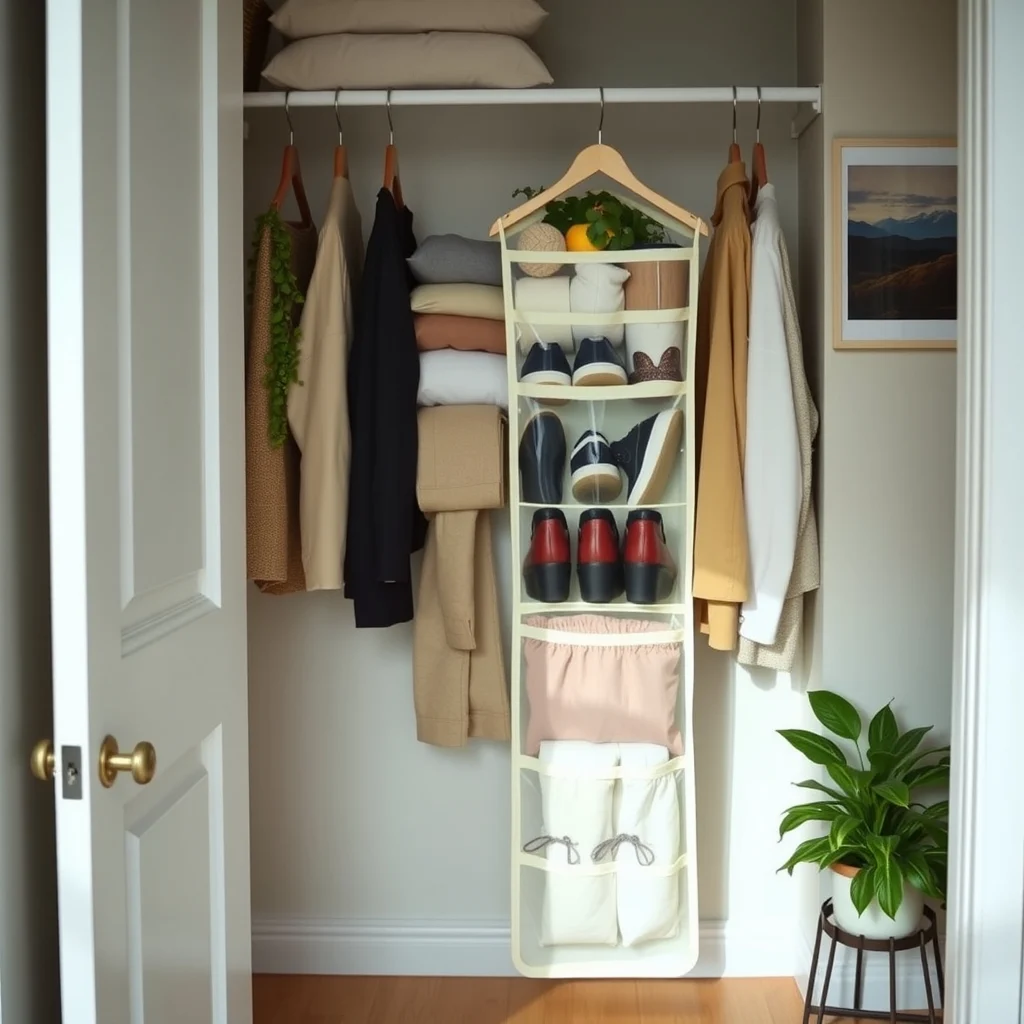
When floor space is scarce, the back of the closet door becomes a valuable real estate. A hanging organizer made from clear vinyl or lightweight canvas provides multiple pockets that are perfect for shoes, seasonal accessories, or even small laundry items. The transparency of the pockets lets you locate what you need without opening each one, while the fabric’s durability stands up to the weight of a pair of sneakers. Mount the organizer using the existing door hooks, avoiding any permanent modifications. This solution adds vertical storage that blends with the room’s lighting, especially if the closet receives natural light from a nearby window.
6. Create a Uniform Look with Matching Hangers
This image is by AI for inspiration only.
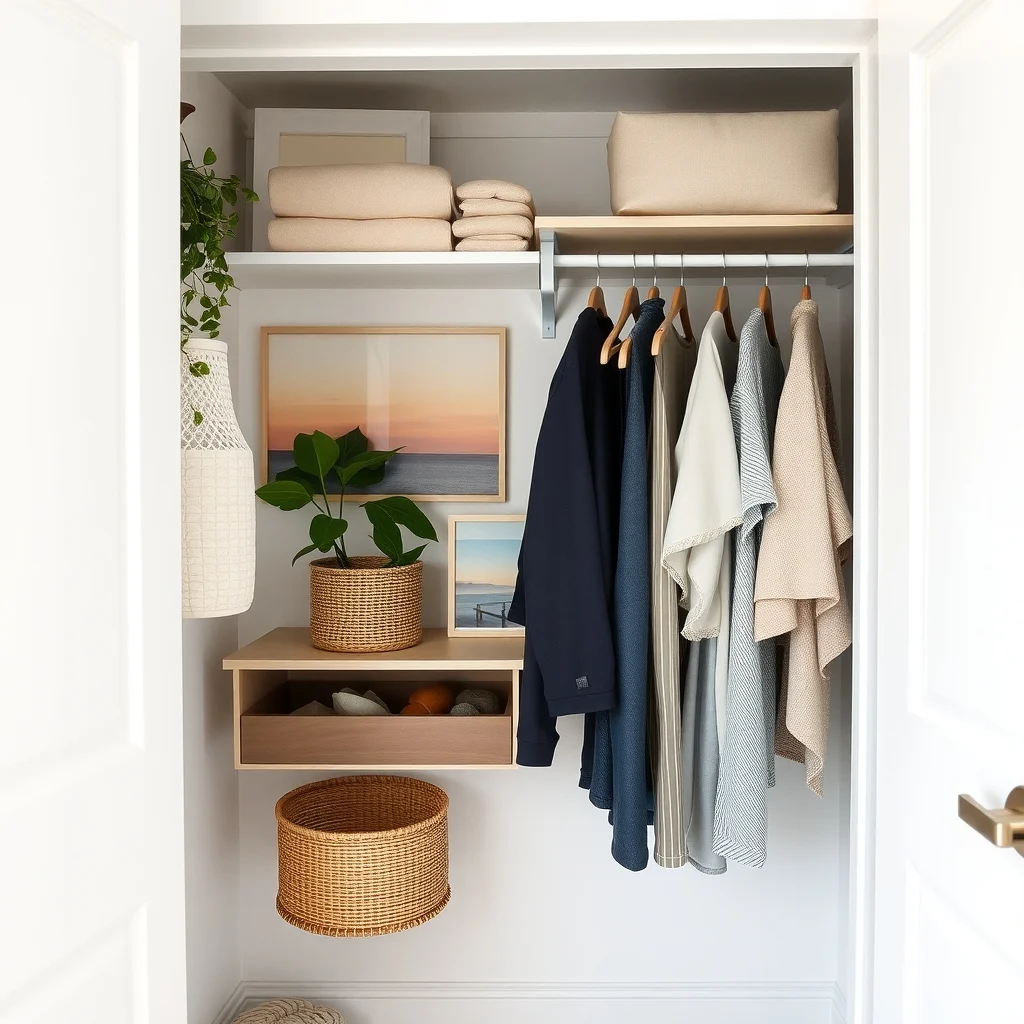
Even the most organized closet can feel chaotic if the hangers are mismatched. Investing in a set of non‑slip velvet hangers in a neutral shade, such as charcoal or navy, gives the closet a cohesive appearance and prevents clothes from sliding off. Velvet’s gentle grip protects delicate fabrics, while the uniform color reduces visual clutter. If you have a limited budget, you can buy a bulk pack and replace only the most visible hangers, gradually building a consistent look. The subtle change enhances the sense of order without requiring any structural alteration.
7. Light the Space with Battery‑Powered LED Strips
This image is by AI for inspiration only.
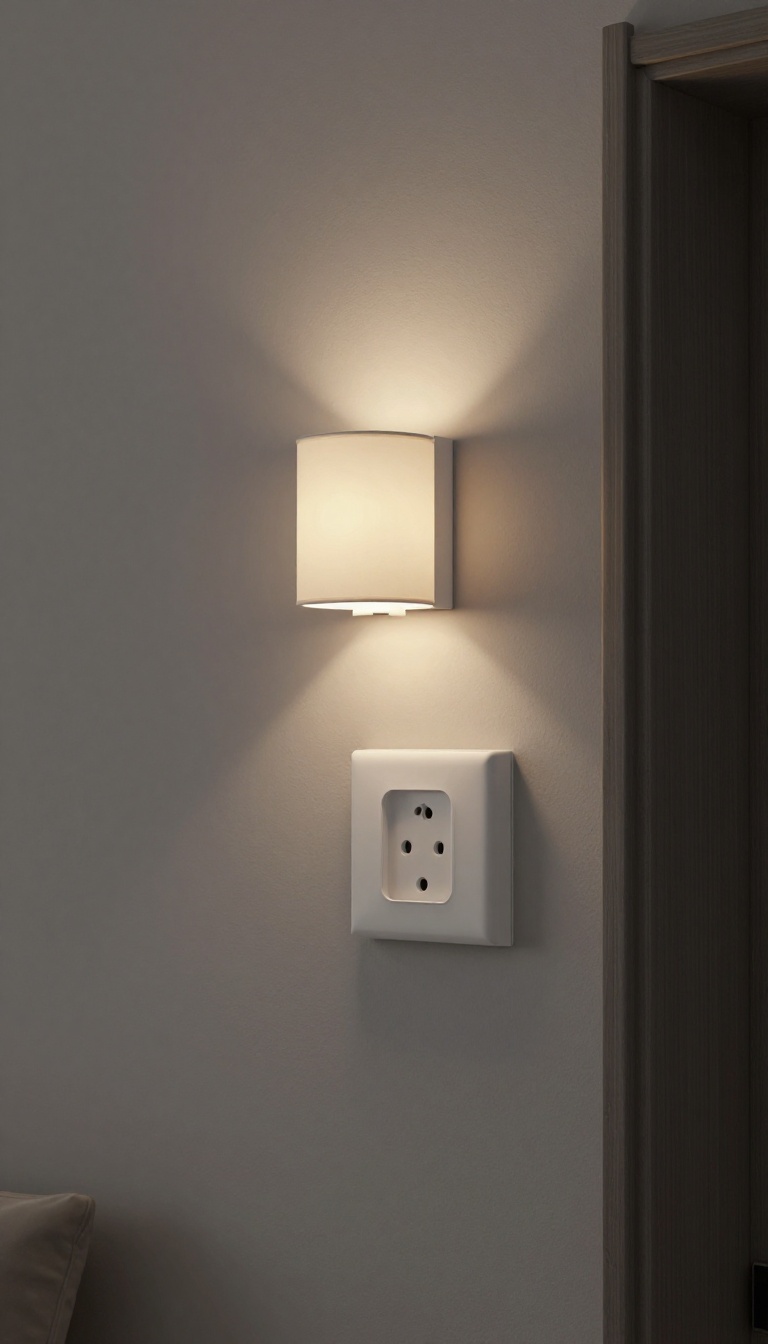
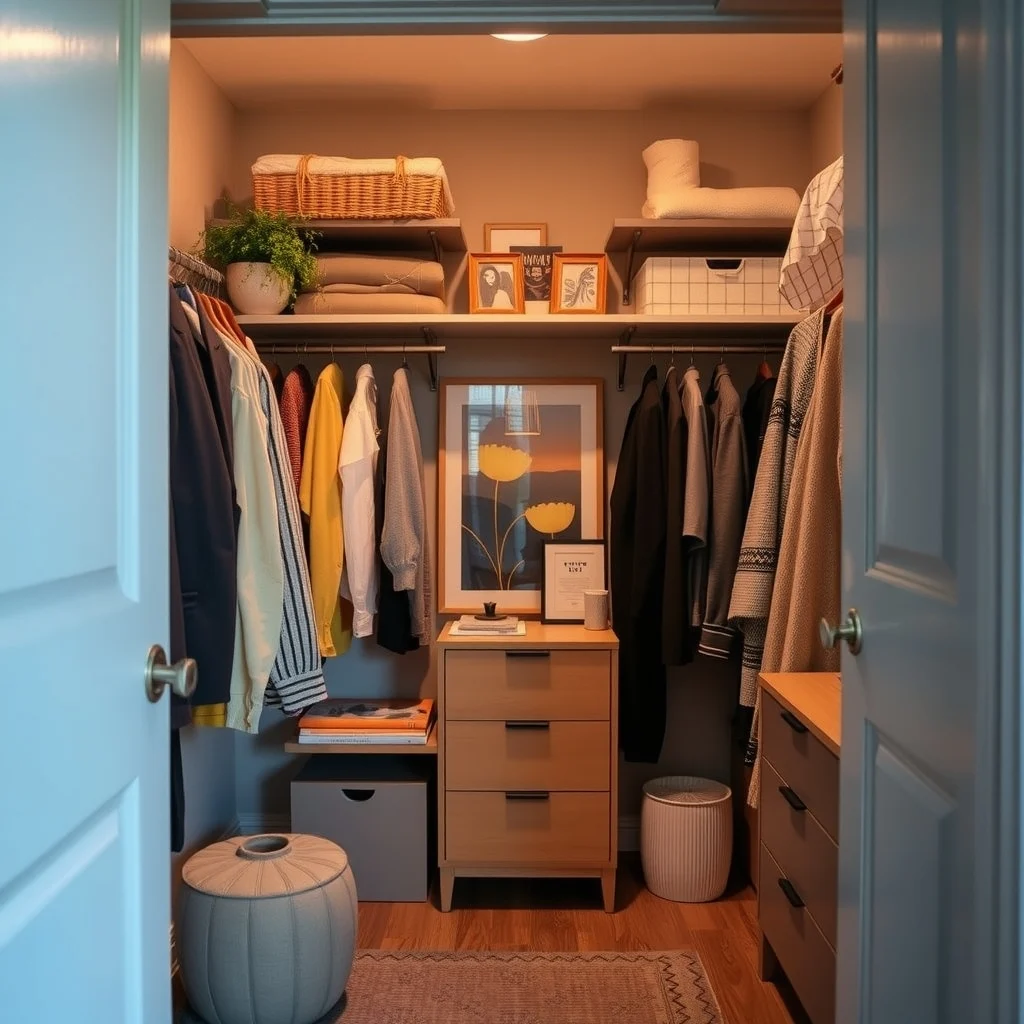
A dim closet can make it harder to find what you need, especially in a small room where natural light is blocked by the door. Battery‑powered LED strips that adhere to the interior side of the door frame provide a soft, even glow without the need for wiring. Choose a strip with a warm white hue to complement the typical beige or white walls found in rentals. The strips usually come with a simple on/off switch, and because they run on batteries, you won’t have to ask for permission to install new electrical fixtures. Better lighting not only improves functionality but also highlights the organization you’ve created.
FAQ
This image is by AI for inspiration only.
How can I hang a tension rod without damaging the walls?
A tension rod relies on pressure between two surfaces, so it does not require screws or nails. Simply twist the rod to expand it, place the ends against the closet walls, and tighten until it is secure. This method leaves the walls untouched.
What’s the best material for shelf dividers that won’t warp in humid climates?
Acrylic dividers are resistant to moisture and maintain their shape even in damp conditions. They are also easy to clean with a damp cloth, making them a practical choice for closets that see frequent temperature changes.
Can I use a hanging organizer on a sliding closet door?
Yes, as long as the door has a sturdy top rail or hook. Most hanging organizers attach with a simple hook that slides over the rail, and the weight of the organizer is minimal, so it won’t interfere with the door’s sliding mechanism.
Is it safe to leave LED strips on overnight?
Battery‑powered LED strips are designed for low energy consumption and typically have an automatic shut‑off timer. If the strip you choose lacks this feature, you can manually turn it off each night to conserve battery life.
How often should I replace velvet hangers?
Velvet hangers can last several years if they are not overloaded. When you notice the fabric fraying or the grip weakening, replace the affected hangers to keep your clothing from slipping.
Final Thoughts
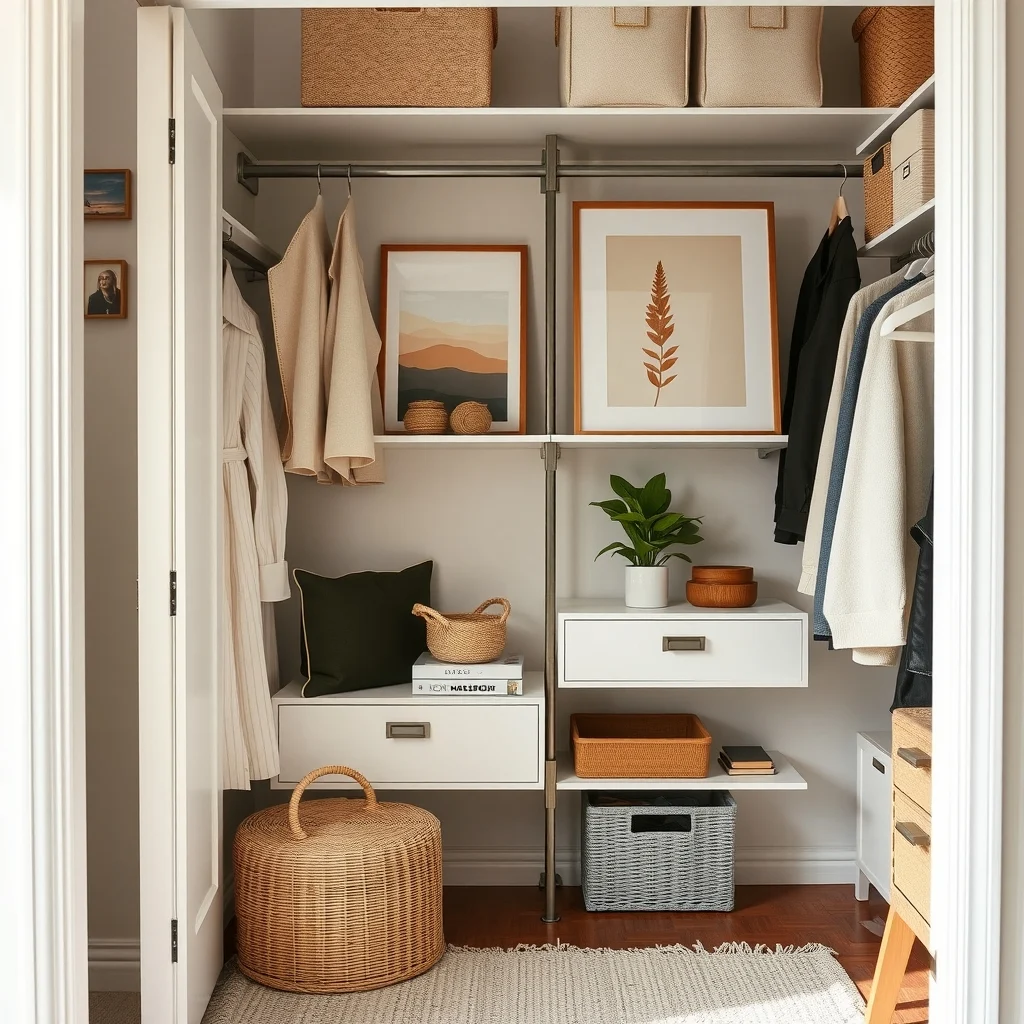
This image is by AI for inspiration only.
Organizing a small closet in a rental doesn’t require a major renovation or a large budget. By focusing on flexible, non‑permanent solutions—adjustable rods, clear dividers, pull‑out baskets, and thoughtful lighting—you can create a tidy, inviting space that respects the constraints of your lease. Each idea builds on the previous one, allowing you to start with the basics and add layers of functionality as needed. With a little planning and a few inexpensive accessories, the once‑cramped closet becomes a well‑ordered part of your home, ready to support your daily routine without compromising style or cost.