How to Keep Knitwear Organized Without Stretching Sweaters
When the first chill of autumn arrives, the pull‑out drawer in the bedroom suddenly fills with chunky cardigans, soft cashmere pullovers, and those favorite wool sweaters you’ve been meaning to wear all season. Yet the excitement of fresh layers often turns into frustration when a beloved sweater loses its shape after a hasty toss onto a shelf. The good news is that a few thoughtful storage choices can protect the fibers, keep each piece visible, and still fit gracefully into a living space that values both comfort and style. Below are seven practical ways to store knitwear so it stays supple, organized, and ready to wear.
1. Choose a Dedicated Knitwear Shelf at Eye Level

This image is by AI for inspiration only.
© 2026 AI Illustrator — Inspiration Only
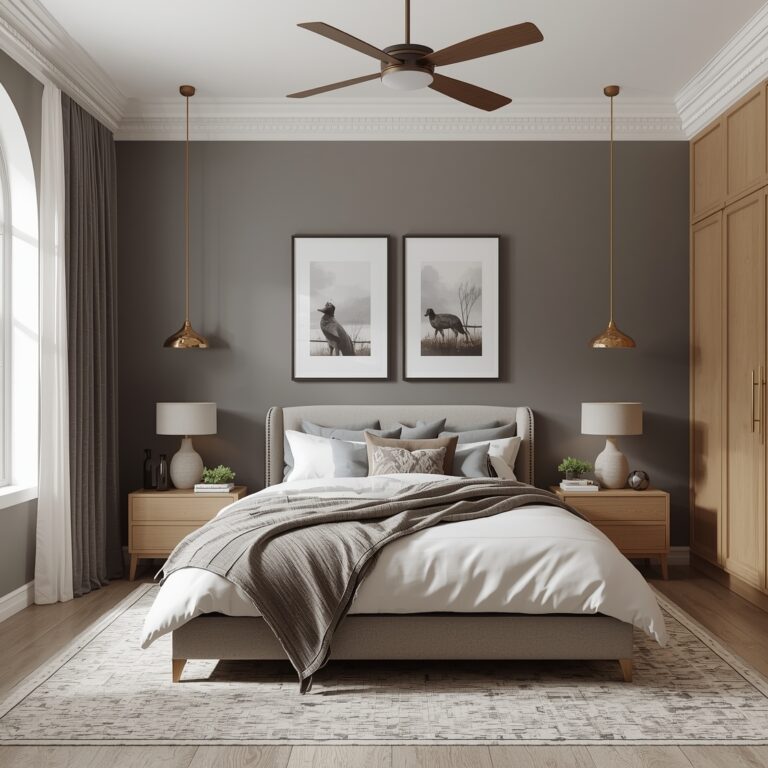
Placing a narrow shelf specifically for knitwear at a height where you can see each item eliminates the need to bend or reach into a deep closet. When the shelf rests just above the waist, the natural line of sight encourages you to select a sweater without pulling an entire stack out, which reduces the chance of stretching the fibers. A floating shelf in a hallway or a built‑in ledge in the bedroom can be finished in a warm oak or painted a soft greige that complements the textures of the garments. The key is to keep the shelf shallow—no deeper than eight inches—so the sweaters lie flat rather than sagging over the edge. If the room already has a gallery wall, the shelf can be integrated between frames, turning storage into a decorative element that blends seamlessly with the surrounding décor.
Love Your Home.
Enjoy a Little More Order.
Not sure how to decorate your space or organize your home? Discover practical digital guides, planners and ideas designed to make everyday living easier.
Your first purchase at Livana Studio
2. Use Soft Fabric Bins Lined with Acid‑Free Tissue
This image is by AI for inspiration only.
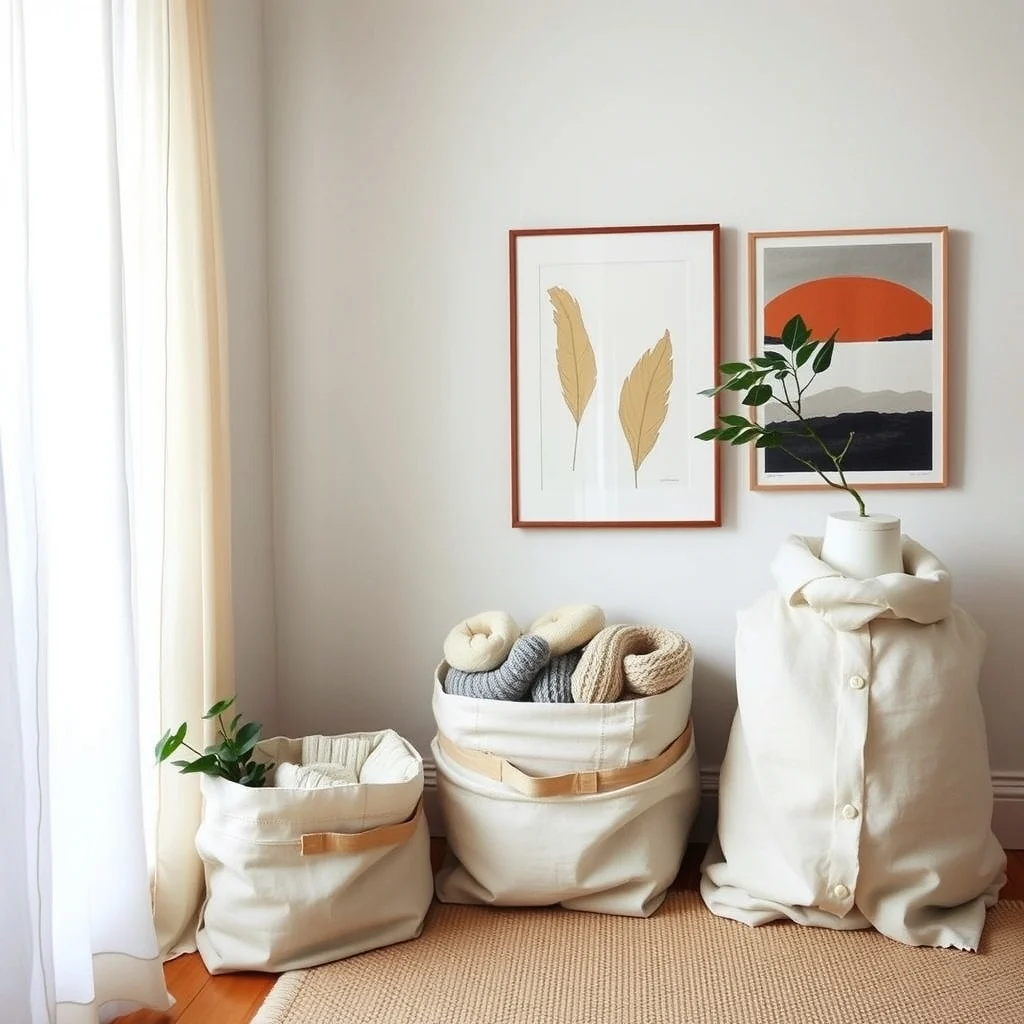
A set of fabric bins, preferably in linen or cotton, offers a gentle enclosure that shields knitwear from dust while allowing the pieces to breathe. Lining each bin with acid‑free tissue paper adds an extra layer of protection against the slow yellowing that can occur in enclosed spaces. Because the bins are soft, they won’t crush the knit’s natural elasticity when you slide a sweater in or out. Choose neutral tones—such as muted taupe or dove gray—that echo the palette of most winter wardrobes, and place the bins on a low console table beneath a window where natural light can highlight the textures without exposing the fabrics to harsh UV rays. The bins can be stacked if floor space is limited, but be sure the top bin is not overloaded, as the weight could compress the lower ones and distort their contents.
3. Fold with the “KonMari” Method to Preserve Shape

This image is by AI for inspiration only.
The “KonMari” fold, which creates a small, upright rectangle, allows each sweater to stand on its own when placed in a drawer or on a shelf. This method prevents the garment from being forced into a flat pile, a common cause of stretched cuffs and misshapen shoulders. Begin by laying the sweater face down, folding each side toward the center, then folding the sleeves back and finally folding the bottom up so the piece can sit vertically. The result is a tidy row that is easy to scan, encouraging you to pull out only the sweater you intend to wear. While the technique requires a moment of practice, the visual payoff—neatly aligned rows of color and texture—makes the effort worthwhile. If you have a deeper drawer, consider arranging the folded sweaters by weight, placing lighter knits on top to avoid compressing heavier ones.
4. Incorporate a Low‑Profile Pull‑Out Drawer with Dividers

This image is by AI for inspiration only.
A shallow pull‑out drawer, often found in modern bedroom closets, provides a discreet compartment that can be tucked away when not in use. Installing adjustable dividers inside the drawer creates individual bays for each sweater, ensuring they remain separated and free from friction against neighboring pieces. The low profile—typically no more than six inches deep—keeps the garments from being stacked too high, which can lead to stretching over time. Pair the drawer with a brushed brass handle that catches the soft glow of a nearby bedside lamp, turning a functional element into a subtle accent. When selecting a drawer material, opt for a smooth plywood or a laminate finish that resists warping in humid climates, especially if the bedroom lacks central heating.
5. Hang Lightweight Cardigans on Padded Hangers
This image is by AI for inspiration only.
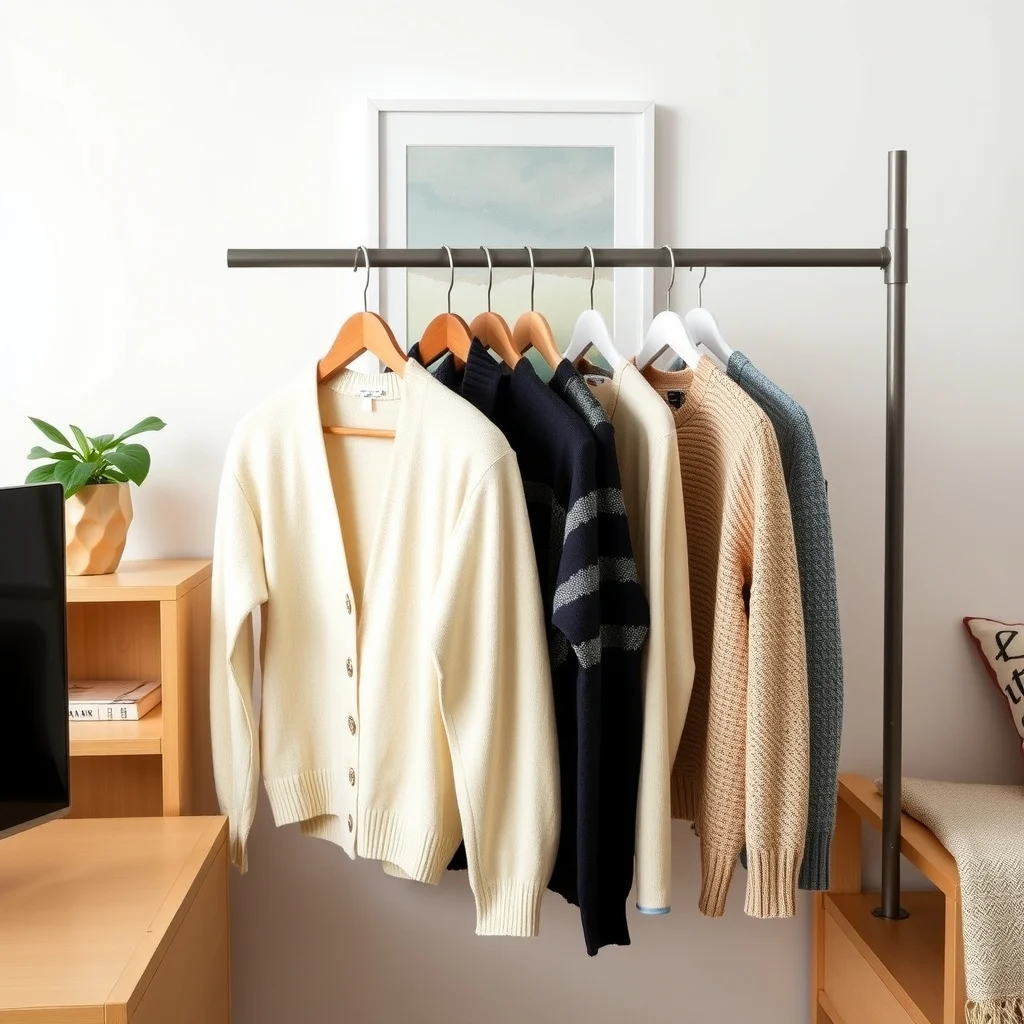
For cardigans and lightweight pullovers that benefit from a bit of airflow, padded hangers made of velvet or felt provide a supportive surface that distributes weight evenly across the shoulders. Unlike thin wire hooks, the padded shape prevents the knit from slipping and stretching at the seam. Position the hanging rack near a window where gentle daylight can illuminate the colors without direct sun exposure, which can fade delicate yarns. If space is at a premium, a vertical rail with a small row of padded hangers can be mounted on an empty wall beside the bed, turning the display into a curated gallery of textures. Keep the rack a few inches away from any heat source, as excessive warmth can relax the fibers and cause sagging over time.
6. Rotate Seasonal Pieces Behind a Transparent Front

This image is by AI for inspiration only.
A glass‑front cabinet or a clear acrylic storage unit offers an elegant way to showcase seasonal knitwear while protecting it from accidental contact. By arranging sweaters in order of anticipated use—most recent purchases at the front—you create a natural rotation system that discourages digging through the back and pulling garments out of shape. The clear panels let natural or ambient lighting highlight the subtle variations in yarn, from the deep navy of a merino sweater to the soft ivory of a cashmere blend. When the season changes, simply slide the front panel open and replace the winter collection with lighter knits, keeping the storage area tidy year round. The only trade‑off is the need to keep the glass clean; a quick wipe with a microfiber cloth prevents dust from settling on the fabrics.
7. Protect Against Humidity with Natural Dehumidifiers
This image is by AI for inspiration only.
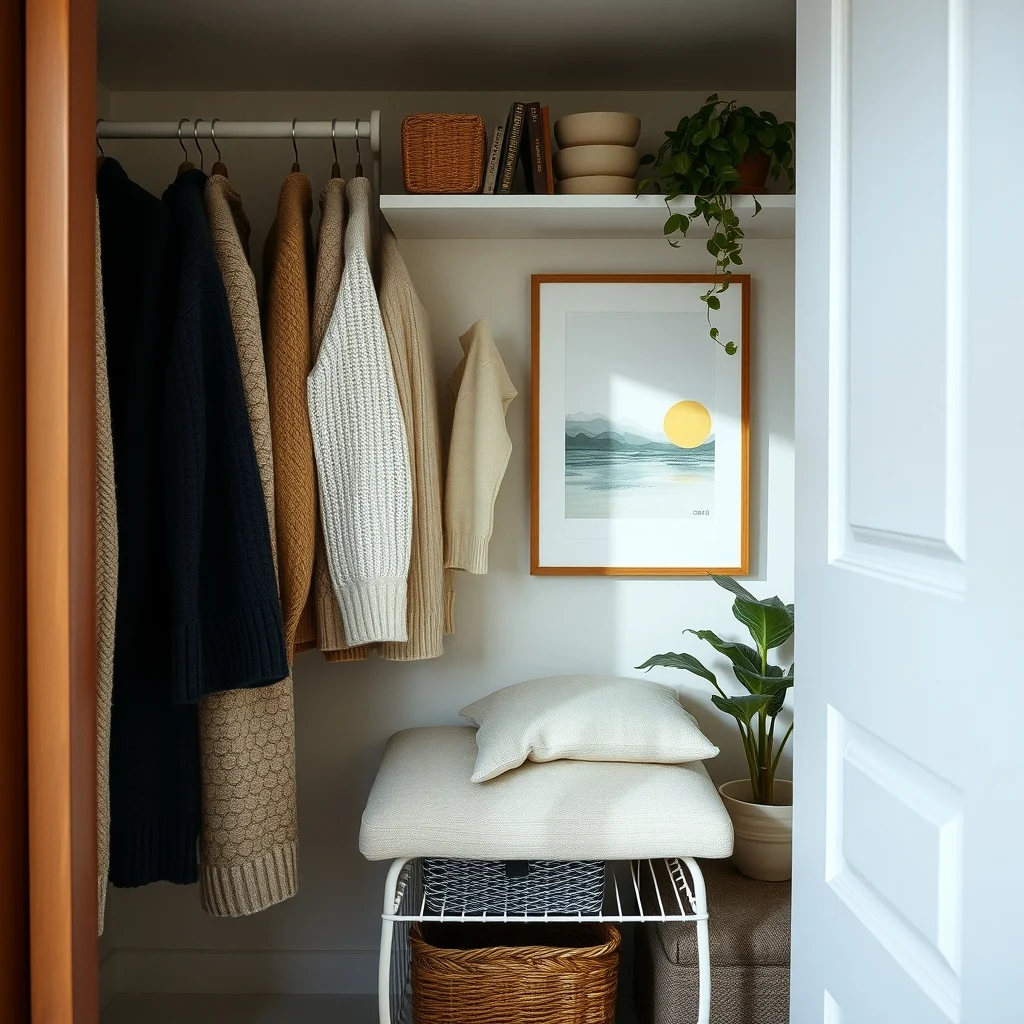
Moisture is a silent enemy of knitwear, encouraging mildew and weakening the elasticity of wool fibers. Placing natural dehumidifiers—such as silica gel packets or small bowls of baking soda—within closets or storage cabinets helps maintain a stable environment without introducing chemicals that could affect the yarn. For a decorative touch, consider a handcrafted ceramic jar filled with activated charcoal; the charcoal absorbs excess moisture while adding a subtle, earthy accent to the space. Position the dehumidifier near the bottom of the storage area where air tends to settle, ensuring it can draw moisture away from the garments. While this method is low‑maintenance, it may need periodic refreshing, especially in climates with high seasonal humidity.
FAQ

This image is by AI for inspiration only.
How often should I refold my sweaters?
You should refold each sweater at least once a season, preferably when you transition from winter to spring storage. This practice helps release any creases that have formed and gives you a chance to inspect the fibers for signs of wear or stretching, ensuring the pieces stay in optimal condition.
Can I store knitwear in a plastic garment bag?
A breathable fabric bag is preferable because plastic traps moisture, which can lead to mildew and weaken the yarn. If you must use a plastic bag, choose one with small ventilation holes and store it in a dry area away from direct heat.
Is it okay to wash sweaters before storing them?
Yes, washing a sweater according to its care label before storage removes oils and dirt that could attract insects. Make sure the garment is completely dry and lay it flat to dry, as residual dampness can cause the fibers to stretch or develop odors.
What’s the best way to keep bright colors from fading?
Store brightly colored knitwear away from direct sunlight and use storage units with opaque or tinted panels. If you use a glass cabinet, keep the curtains drawn during the brightest part of the day to limit UV exposure.
Do I need to use moth repellents?
Natural options like lavender sachets or cedar blocks are effective and safe for most fabrics. Place them in the corners of your storage area, but avoid over‑saturating the space with strong scents, as they can affect the yarn’s natural feel.
Final Thoughts

This image is by AI for inspiration only.
Keeping knitwear organized without stretching sweaters is less about fancy gadgets and more about respecting the way the fibers naturally behave. By selecting the right height, gentle containers, thoughtful folding methods, and protective environments, you can extend the life of each piece while maintaining a tidy, visually appealing space. The effort you put into proper storage pays off each time you slip on a perfectly preserved sweater, feeling the softness of the yarn and the confidence that comes from caring for your wardrobe as thoughtfully as you arrange your home.