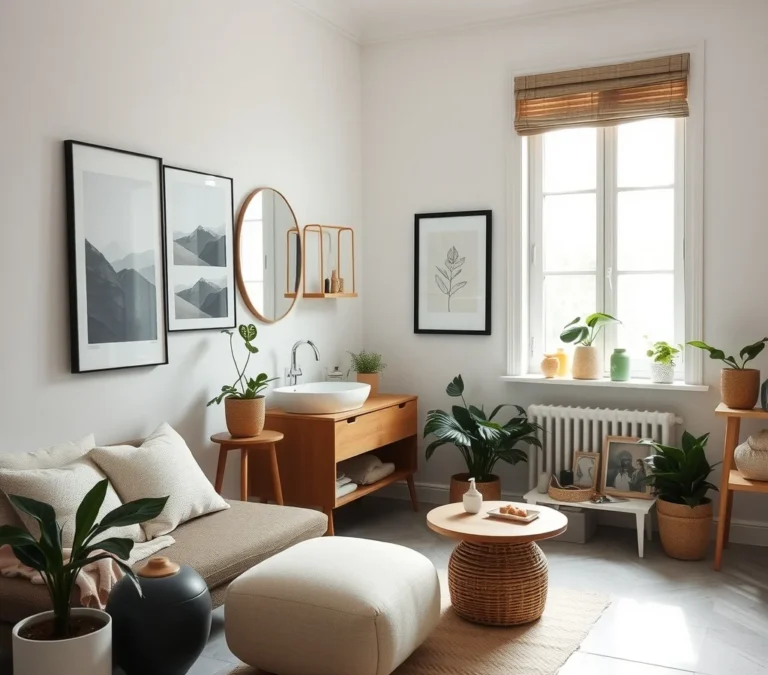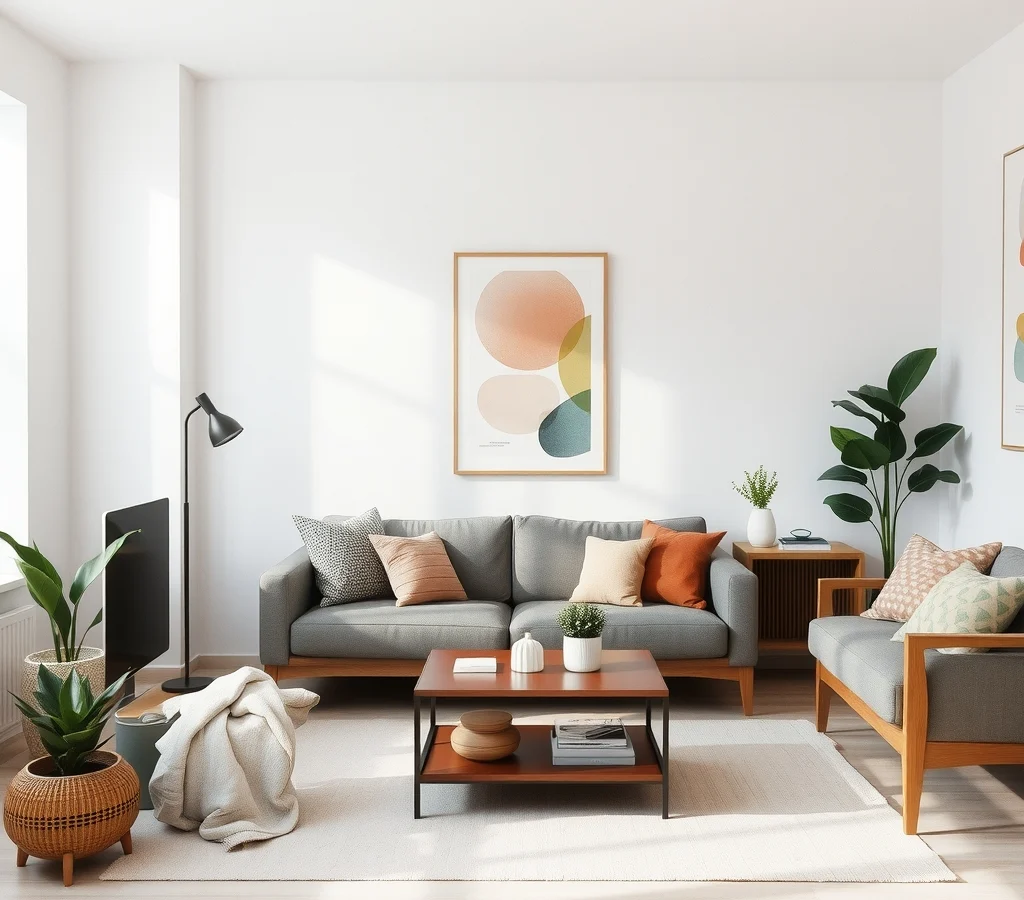
Small Living Room Storage Ideas That Do Not Look Bulky

Living in a compact space often feels like a constant balancing act between comfort and clutter. A modest living room can quickly become a repository for books, blankets, and the occasional coffee table book, turning what should be a welcoming area into a visual maze. The good news is that thoughtful storage can stay out of the way while still offering the functionality you need. Below are seven ideas that keep the room feeling airy, organized, and visually light, each explained with practical steps and honest considerations.
1. Floating Shelves with Integrated Baskets
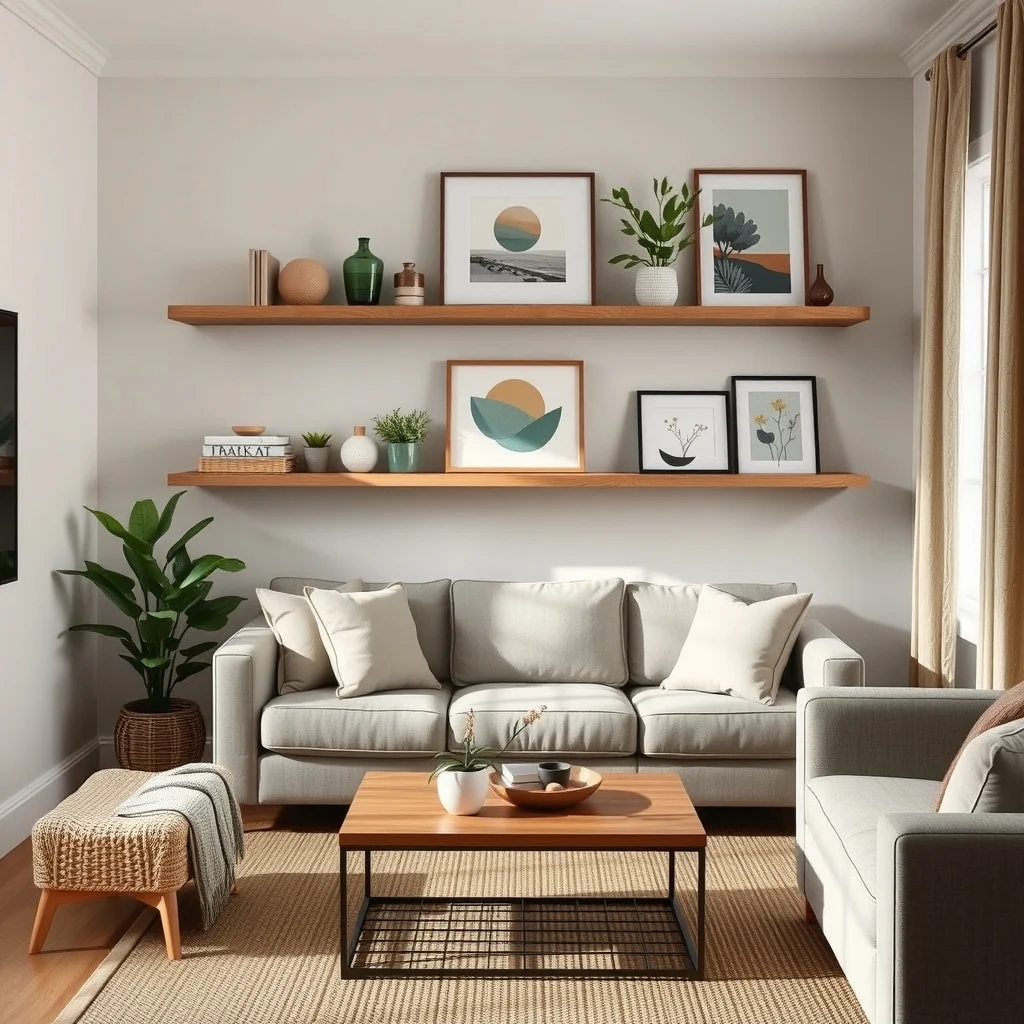
This image is by AI for inspiration only.
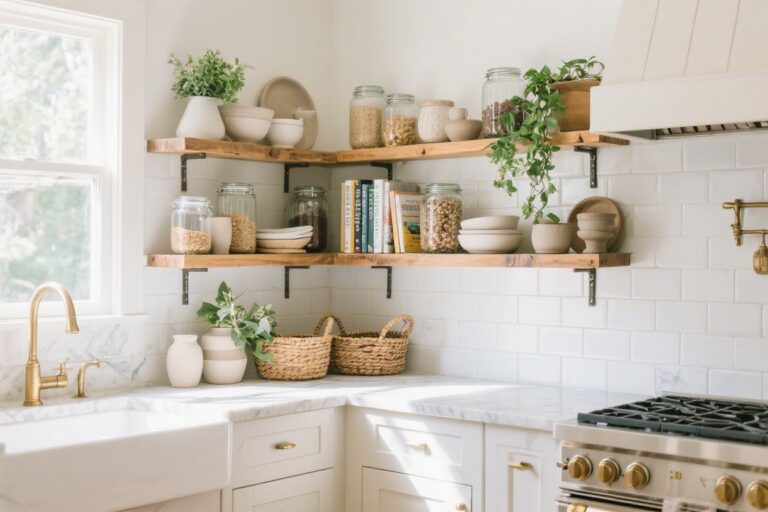
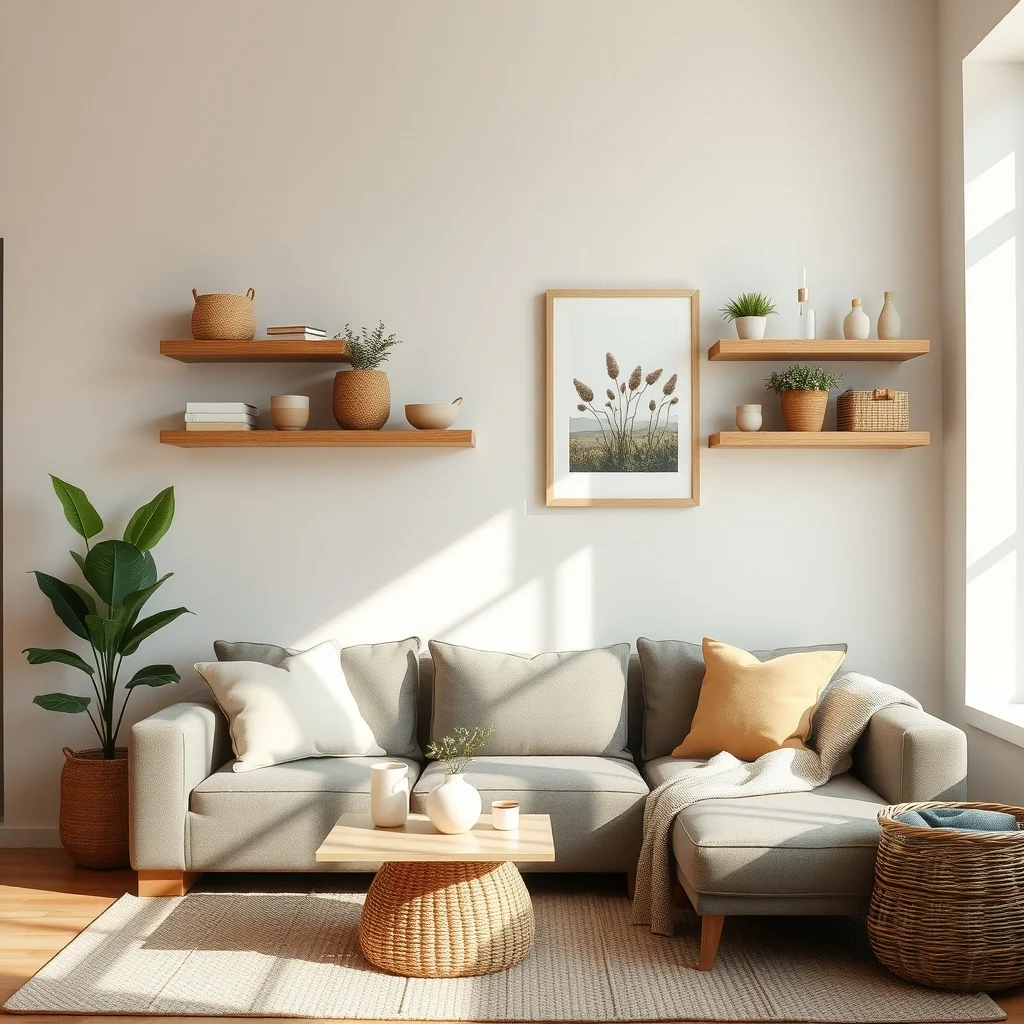
When you mount a row of sleek floating shelves at eye level, the floor remains untouched, preserving the sense of openness. Pairing each shelf with a slim woven basket creates concealed compartments without adding bulk. The baskets slip neatly behind the shelf’s edge, so the visual line stays clean. Choose a light natural fiber such as seagrass for a subtle texture that complements a neutral wall color like soft greige. Because the baskets are removable, you can switch out seasonal décor or reorganize as needs change. The main trade‑off is that the shelves need solid wall anchors; on drywall without studs you may need a toggle system, which adds a small installation step.
2. Slimline Credenza with Hidden Drawers
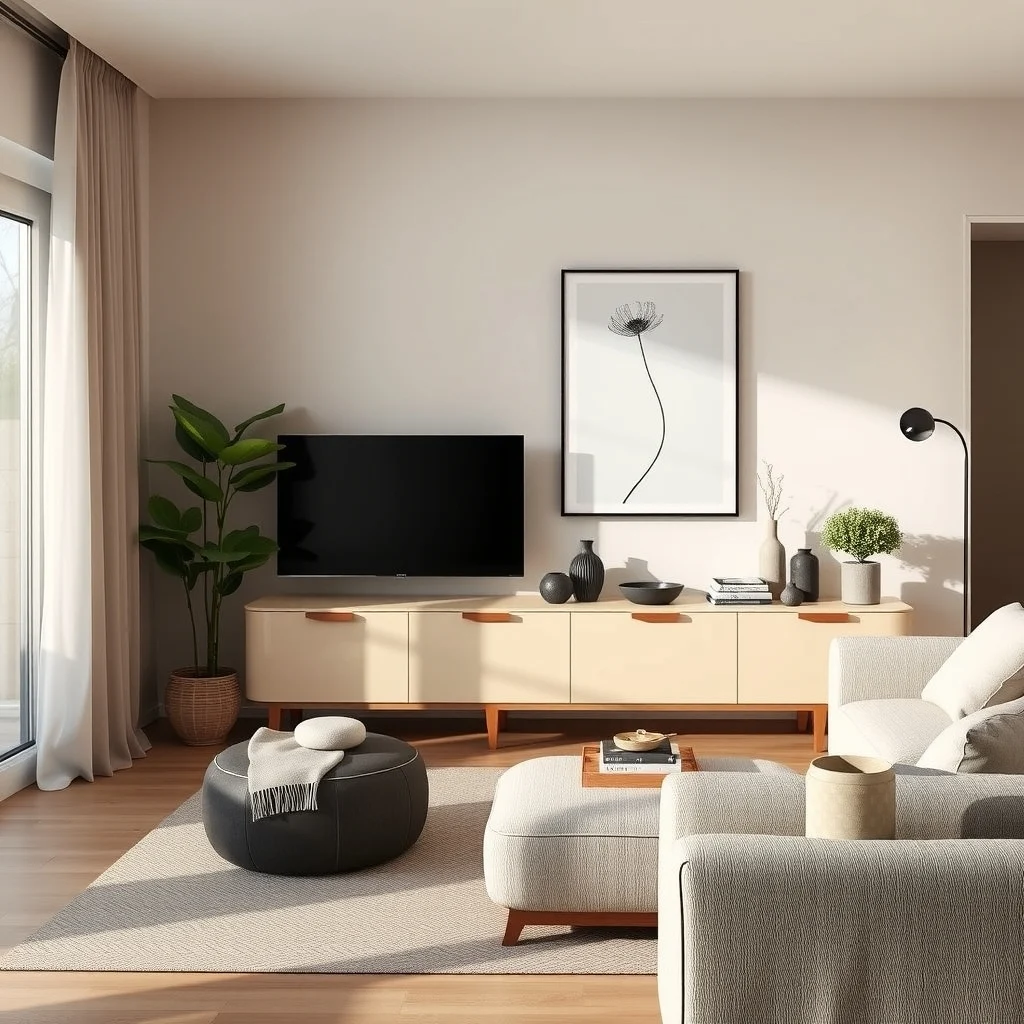
This image is by AI for inspiration only.
A low, narrow credenza placed against a wall can double as a media console and a storage hub. Opt for a piece with a smooth front and concealed drawer pulls that blend into the paneling. The shallow depth—often around twelve inches—means the furniture does not protrude far into the room, preserving walking space. Inside, the drawers are perfect for remote controls, coasters, and a few magazines, while the top surface can hold a modest lamp and a decorative tray. A wooden finish in a warm oak tone adds a touch of natural warmth without overwhelming the room. Keep in mind that a credenza of this style may not accommodate larger items like a full‑size printer, so plan accordingly.
3. Multi‑Purpose Ottoman with Interior Bins
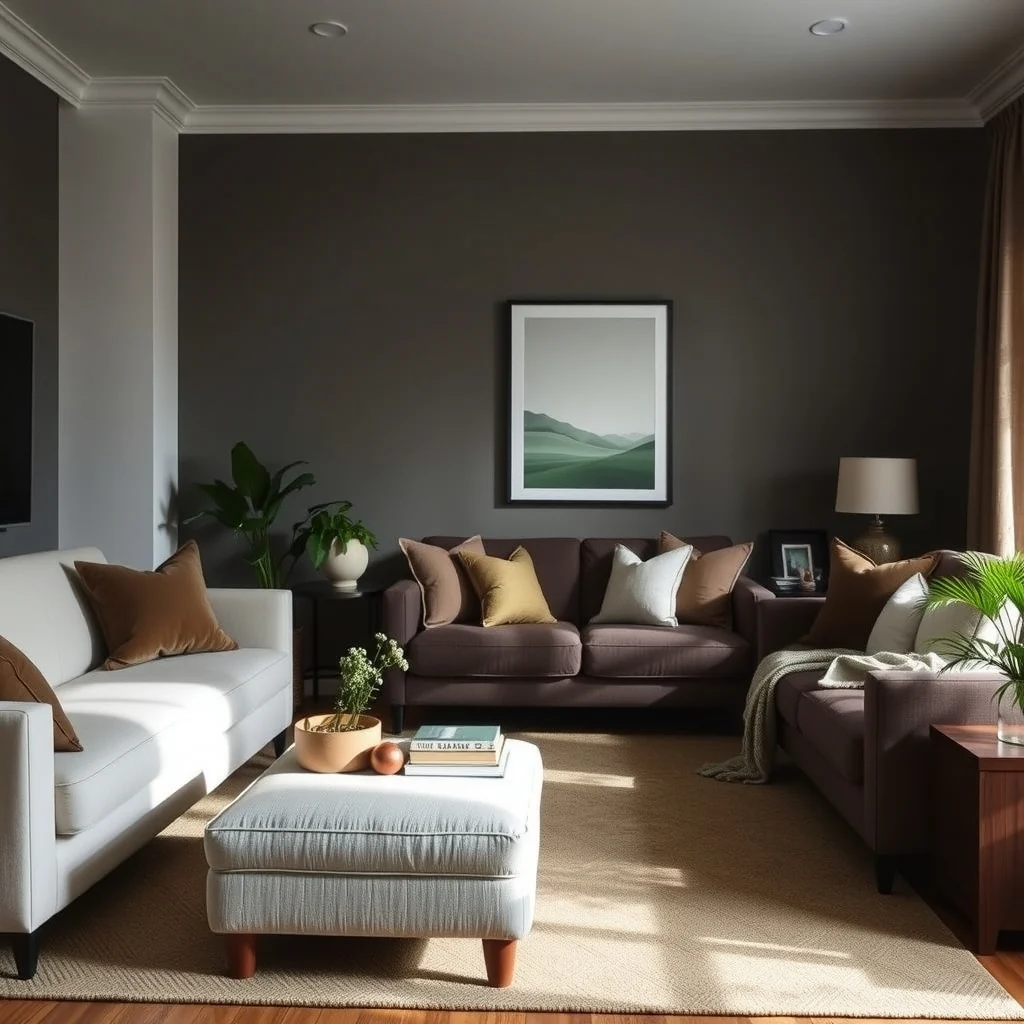
This image is by AI for inspiration only.
Replacing a traditional coffee table with an upholstered ottoman that opens to reveal storage bins gives you a soft seating option and a hidden stash for blankets or board games. The upholstery—think a durable linen in a muted teal or dusty rose—adds texture while the low profile stays in proportion with a small living room. Because the ottoman sits on the floor, it does not compete with vertical space, and its rounded edges help the room feel more inviting. The only limitation is weight; heavier items should stay elsewhere to avoid stressing the hinges.
4. Ladder Shelf Leaning Against a Wall
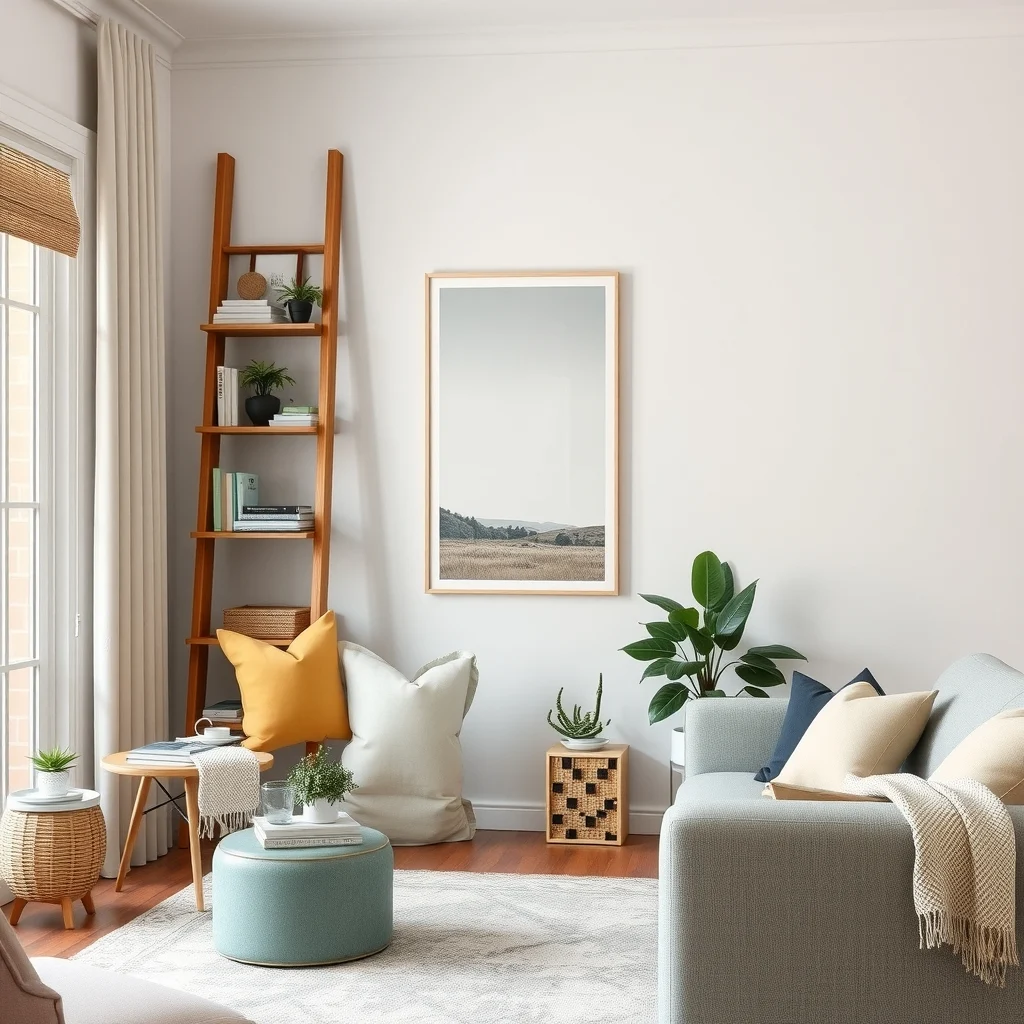
This image is by AI for inspiration only.
A ladder shelf made from reclaimed pine or metal provides tiered storage without the visual weight of a traditional bookcase. By leaning it against the wall rather than anchoring it, the piece feels less permanent and can be repositioned if you rearrange the layout. The open rungs allow airflow, which is useful for displaying woven baskets or small potted succulents that double as decorative storage. Since the ladder’s back is open, it does not block light from a nearby window, keeping the room bright. The downside is that the ladder can be top‑heavy; placing heavier items on the lower shelves maintains stability.
5. Built‑In Window Seat with Under‑Seat Drawers
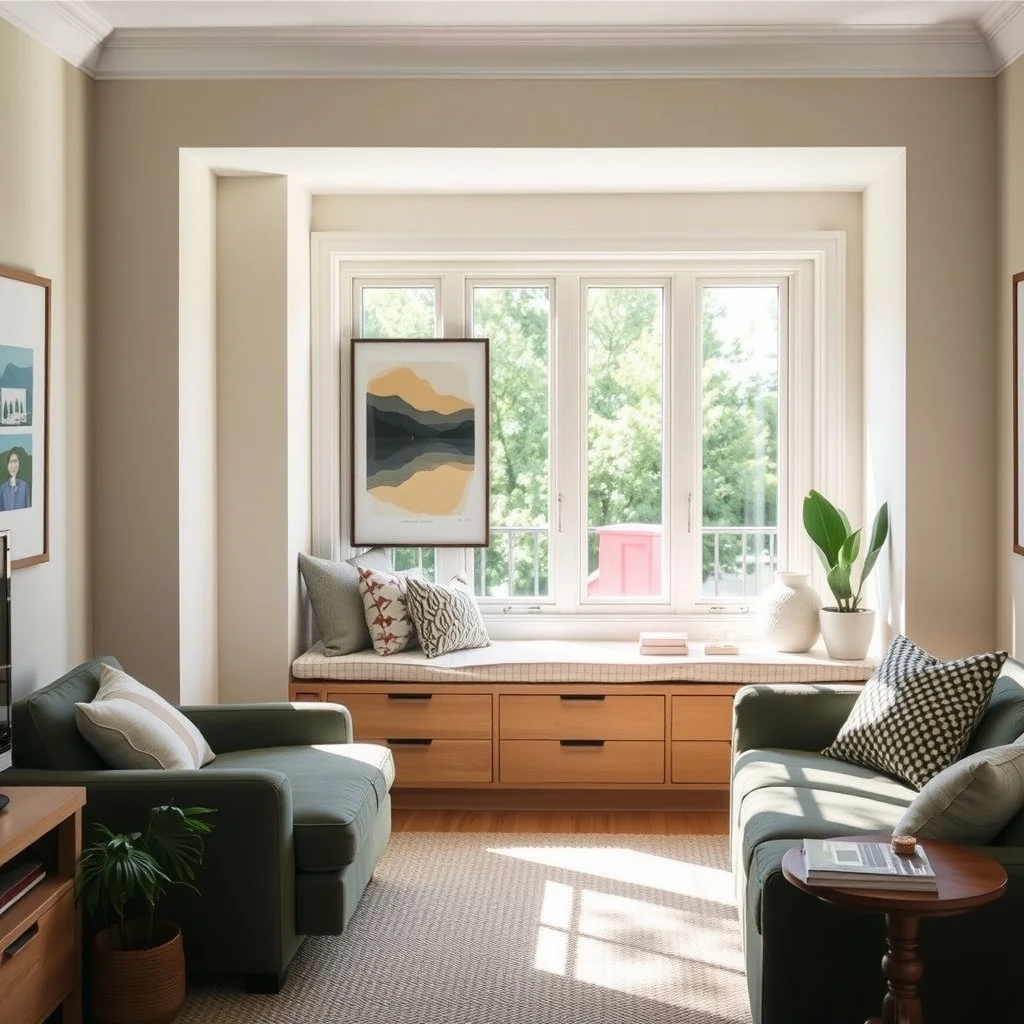
This image is by AI for inspiration only.
If your living room includes a wide window, a custom window seat can become a cozy nook and a clever storage solution. The seat’s cushion sits on a frame that houses shallow drawers just beneath the sitting surface. Soft upholstery in a neutral linen invites you to linger, while the drawers hold remote controls, a few books, or a knit throw. The seat extends the visual line of the wall, making the room feel longer rather than narrower. However, building a window seat requires some carpentry skill, so you may want to consult a professional or use a prefabricated kit that matches your window dimensions.
6. Wall‑Mounted Cube System with Glass Doors
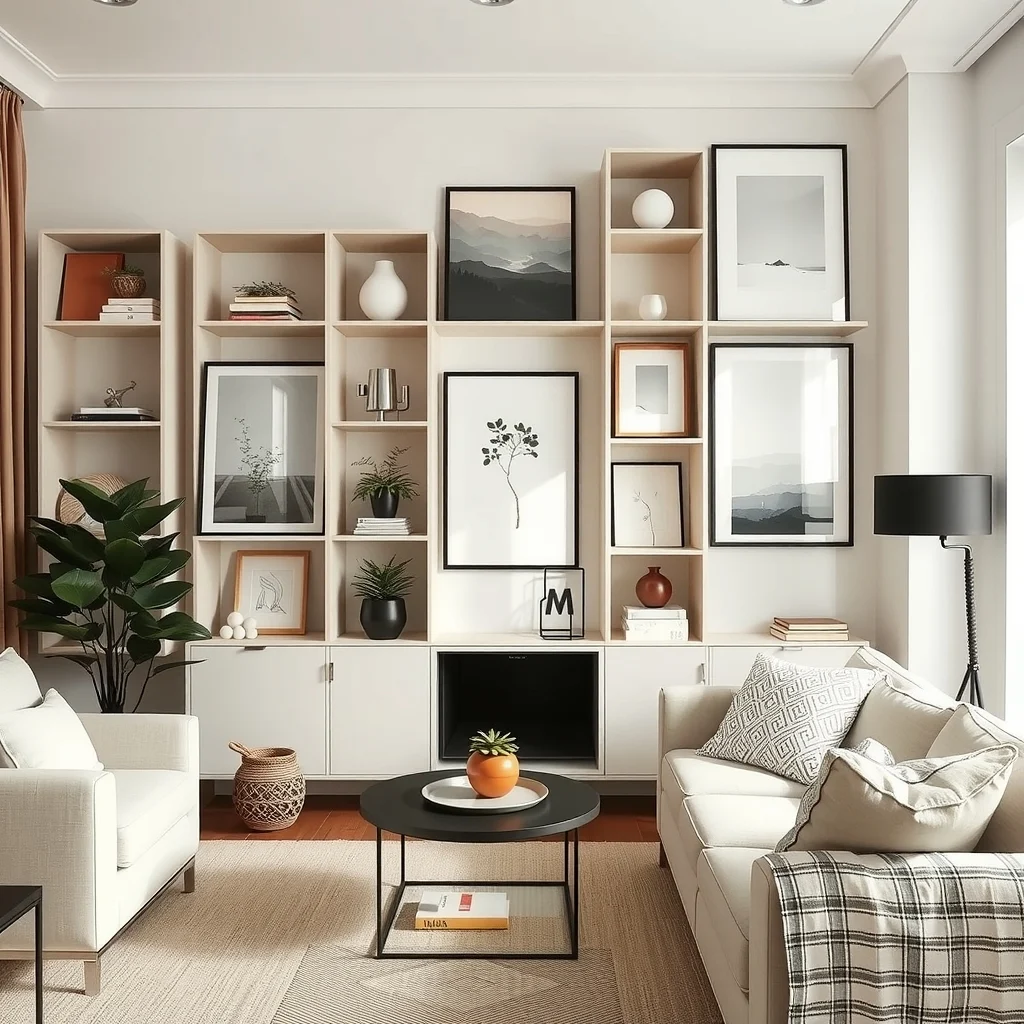
This image is by AI for inspiration only.
Modular cubes that attach directly to the wall create a customizable storage grid. Selecting cubes with clear glass doors keeps the contents visible without adding visual weight, allowing you to showcase a curated collection of coffee table books or ceramic bowls. The cubes can be arranged in a vertical column, which uses the height of the room rather than its floor area. When you need to change the configuration, the cubes detach easily, offering flexibility for future redesigns. Glass can show fingerprints, so a quick wipe with a microfiber cloth keeps them looking pristine.
7. Corner Floor‑to‑Ceiling Shelving
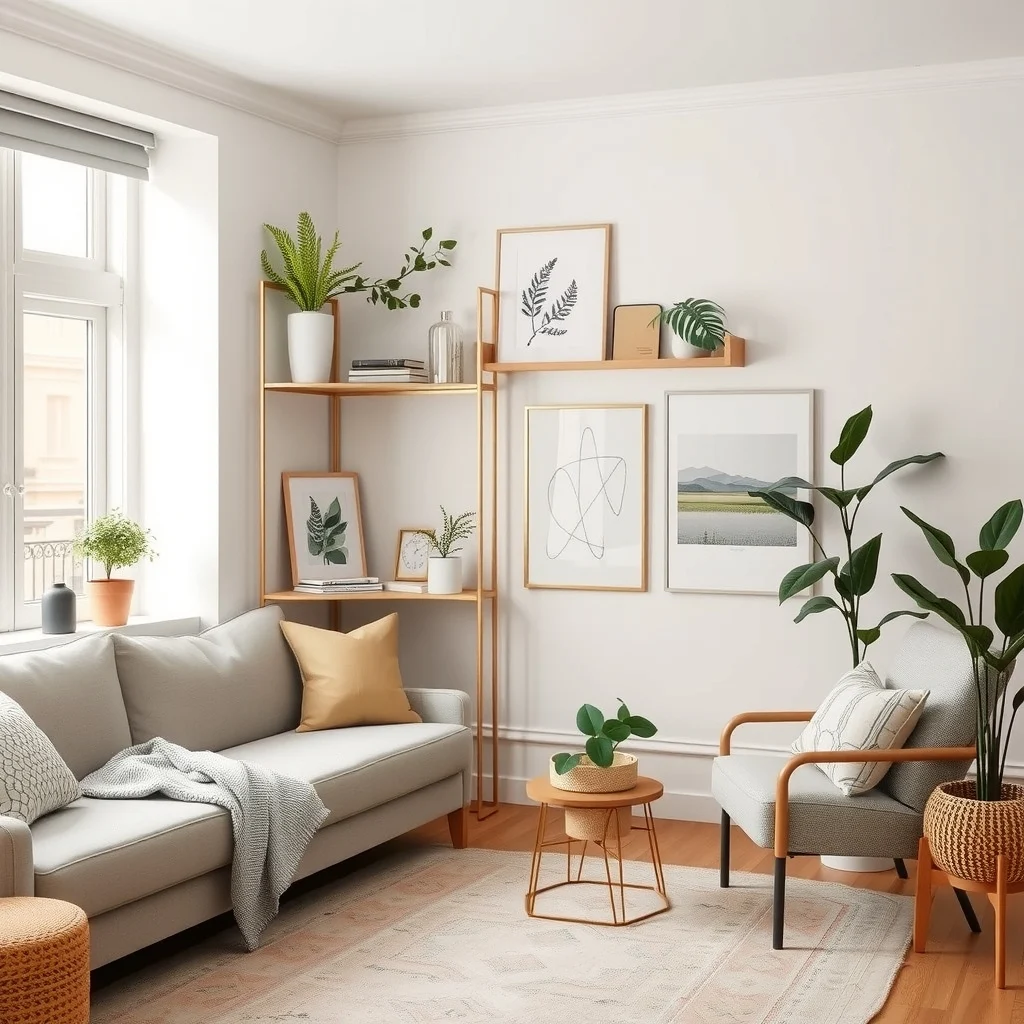
This image is by AI for inspiration only.
Every room has a corner that often goes underused. Installing a narrow floor‑to‑ceiling shelf in that corner transforms wasted space into a vertical storage column. Choose a slim metal frame finished in brushed brass or matte black, paired with thin wooden planks. The tall, narrow profile draws the eye upward, creating an illusion of greater height. Items such as small planters, decorative boxes, and a few well‑chosen books can sit on the lower shelves, while the upper levels remain open for visual breathing room. The main consideration is ceiling height; if the ceiling is low, a shorter column may be more appropriate to avoid a cramped feeling.
FAQ
This image is by AI for inspiration only.
How can I keep floating shelves from looking too industrial?
Use floating shelves with a smooth, painted finish that matches your wall color, and pair them with natural‑fiber baskets. This softens the look and integrates the storage into the room’s palette.
What is the best material for an ottoman that will be opened frequently?
A sturdy linen or cotton blend with reinforced stitching works well. These fabrics tolerate repeated opening and closing while resisting wear from everyday use.
Can I install a ladder shelf without drilling into the wall?
Yes, there are freestanding ladder shelves that rely on weight distribution for stability. Just ensure the base sits on a level surface and avoid placing very heavy items on the top shelves.
Is glass a good choice for a small living room?
Clear glass doors on storage cubes keep the room feeling light because they don’t block sightlines. Regular cleaning is required, but the visual benefit often outweighs the maintenance.
How do I make a built‑in window seat look cohesive with existing furniture?
Match the upholstery fabric to the color scheme of your sofa or armchairs, and use the same wood tone for the frame as other pieces in the room. Consistency in material finishes ties the seat to the rest of the décor.
Final Thoughts
This image is by AI for inspiration only.
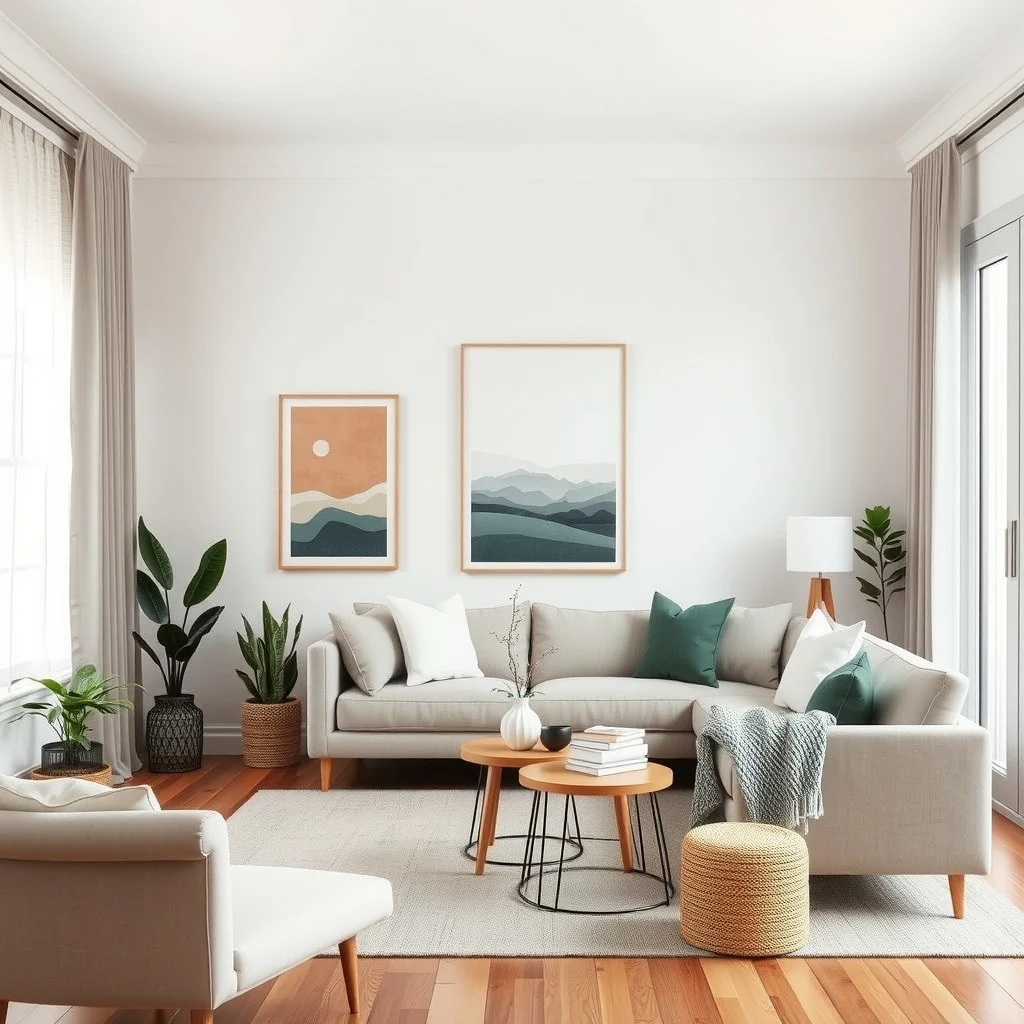
Small living rooms thrive on the principle of “less is more.” By selecting storage that hugs the walls, rises vertically, or hides within furniture, you preserve floor space and keep the visual flow uninterrupted. Each of the ideas above offers a way to tuck away everyday items while adding a design element that feels intentional rather than forced. Consider the specific dimensions of your room, the materials you love, and the level of flexibility you need before committing. With thoughtful choices, you can enjoy a tidy, welcoming living area that feels spacious even on the smallest of footprints.