How to Create a Calm Visual Look in a Storage-heavy Studio
Living in a studio that doubles as a closet, office, and kitchen can feel like you’re constantly navigating a maze of objects. The visual noise of stacked boxes, mismatched furniture, and exposed storage often leaves the mind restless. In this article you’ll discover a step‑by‑step approach to turning that busy space into a soothing backdrop without sacrificing the storage you need. Each idea blends color, layout, lighting, and material choices so the room feels larger, more organized, and genuinely restful.
1. Map the room and define invisible zones
This image is by AI for inspiration only.
© 2026 AI Illustrator — Inspiration Only
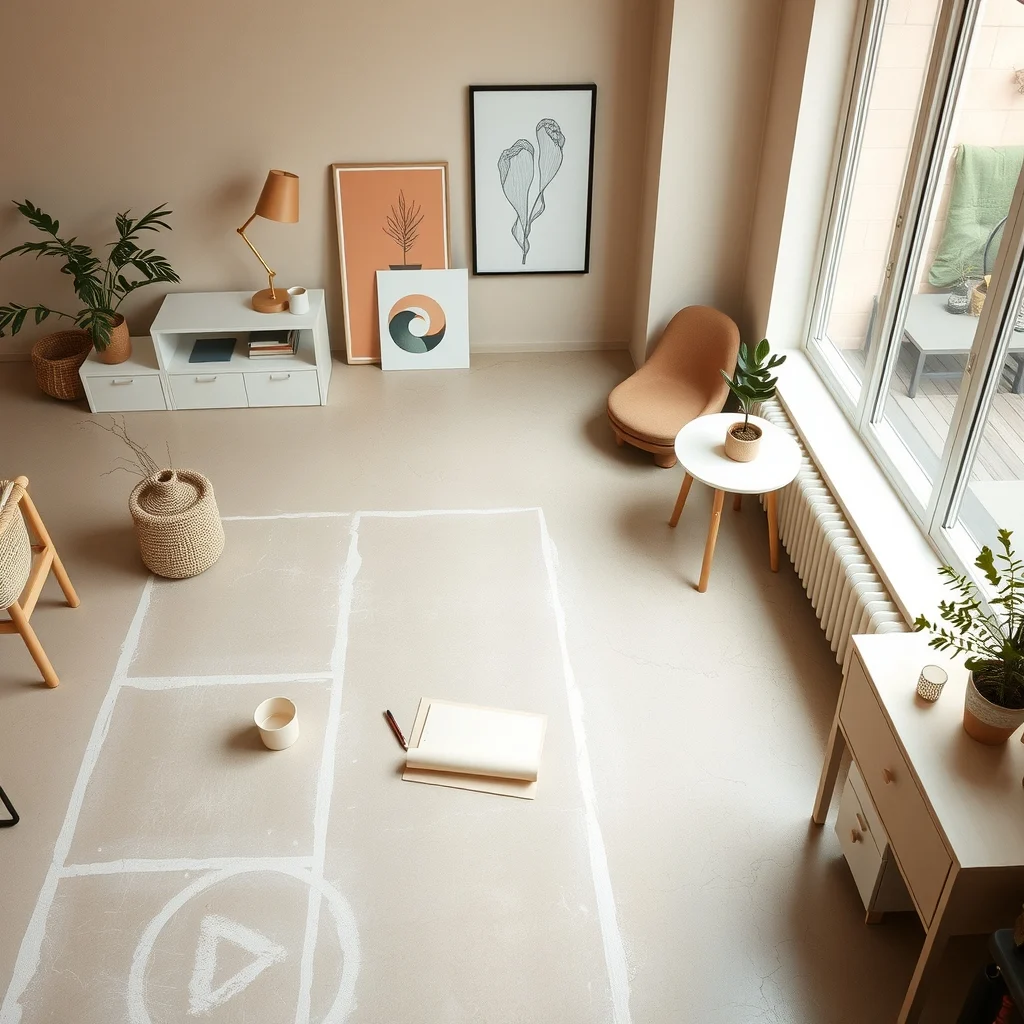
Before you move any furniture, take a moment to walk around the studio and note where you spend the most time. Sketch a simple floor plan on paper or use a free app to outline three functional areas: sleeping, working, and living. By assigning each activity its own visual zone, you create a mental map that guides where storage should be hidden and where open space can breathe. For example, placing a low media console against the wall that also houses hidden drawers keeps electronics out of sight while marking the living zone. The act of zoning reduces the feeling of everything being in one chaotic pile, because the eye can follow clear boundaries instead of hopping from one cluttered corner to another.
Love Your Home.
Enjoy a Little More Order.
Not sure how to decorate your space or organize your home? Discover practical digital guides, planners and ideas designed to make everyday living easier.
Your first purchase at Livana Studio
When you arrange storage along the edges of the defined zones, you also preserve the central floor area for movement. This layout works well in studios with limited square footage because it maximizes the sense of openness without removing essential items. If the studio is unusually narrow, consider using a slim room divider that doubles as a shelving unit; it subtly separates zones while offering additional cubbies.
2. Adopt a muted, cohesive color palette
This image is by AI for inspiration only.
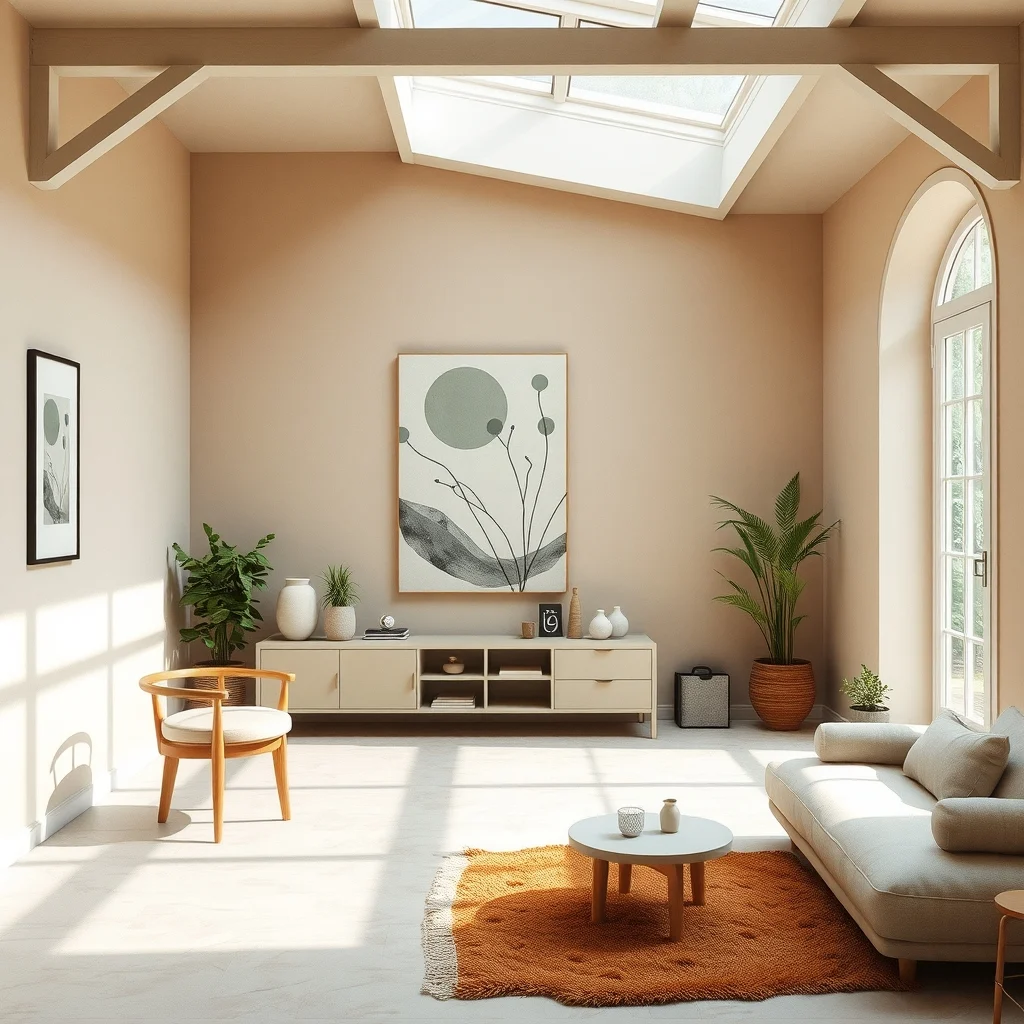
Color is the most immediate tool for calming a visual field. Soft neutrals such as warm greige, muted sage, or pale stone create a backdrop that recedes, allowing the eye to rest. When the walls, larger furniture pieces, and storage units share similar tones, the room feels unified rather than fragmented. A cohesive palette also makes it easier to hide everyday messes; a light linen sofa won’t draw attention to a stray pillow, and a muted storage chest blends into the wall rather than standing out as a visual interruption.
Choosing a single base hue does not mean the space has to be monotone. Introduce subtle contrast through textured fabrics, brushed metal handles, or a single accent wall in a slightly deeper shade. The key is to keep the contrast low enough that the eye perceives continuity. If you love a richer color, limit it to accessories like a teal ceramic vase or a mustard throw; these pops of hue add personality without breaking the calm.
3. Select storage that recedes into the architecture
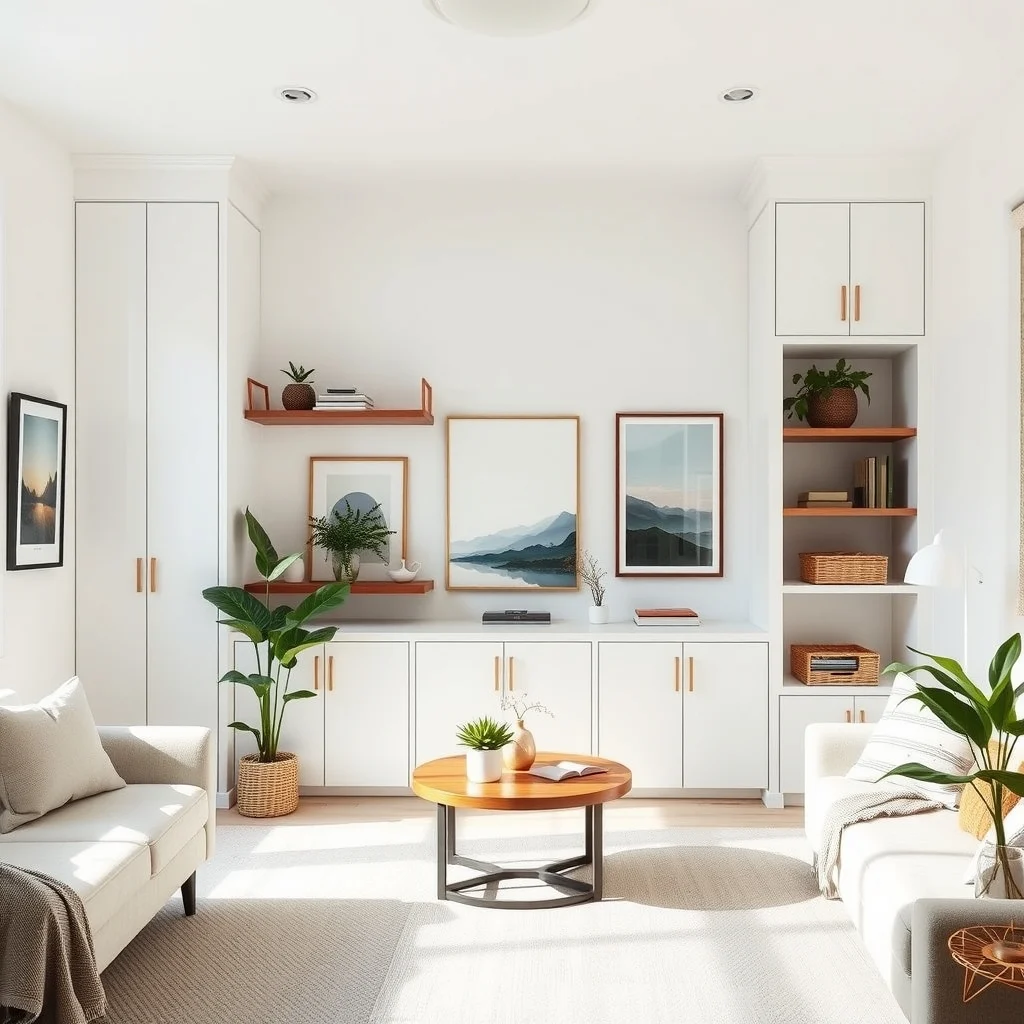
This image is by AI for inspiration only.
Built‑in cabinets, floating shelves, and wall‑mounted racks are ideal for studios where floor space is at a premium. By anchoring storage to the walls, you free the ground for movement and create a clean silhouette that doesn’t dominate the room. A floating media unit with a closed back panel, for instance, hides cables and devices while maintaining a sleek line that aligns with the ceiling. Open shelving can work if you add uniform back panels in the same color as the walls, turning the shelves into extensions of the architecture rather than standalone objects.
One trade‑off to consider is the permanence of built‑in solutions; they are harder to relocate if you move. If you prefer flexibility, opt for modular storage cubes with a matte finish that can be stacked or rearranged. These pieces still present a low profile, especially when placed against a wall and topped with a simple board to conceal the interiors.
4. Soften the space with layered textiles
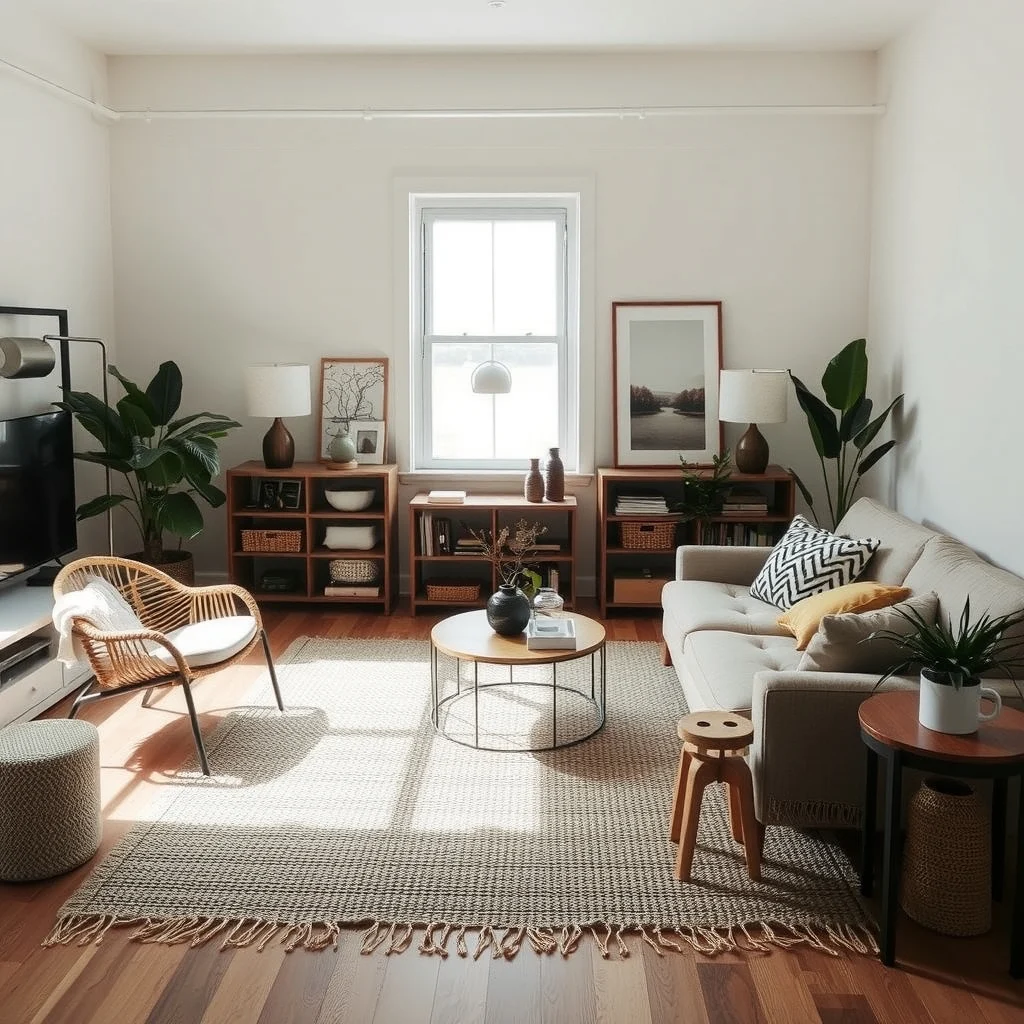
This image is by AI for inspiration only.
Texture adds depth without adding visual clutter. A hand‑woven rug in a natural fiber such as jute or sisal defines the living zone while absorbing sound, which contributes to a calmer atmosphere. Pair the rug with a linen throw draped over a sofa or a set of cotton cushion covers in complementary tones. These soft furnishings invite you to linger, and because they can be easily switched out, they offer a low‑cost way to refresh the look without altering the structural elements.
Be mindful of the quantity; too many pillows or throws can recreate the feeling of a cluttered sofa. Choose a maximum of three pieces per seating area and keep their colors within the established palette. When you need to store extra blankets or seasonal textiles, tuck them into a low storage bench that matches the rug’s material, maintaining visual harmony while providing a discreet hiding place.
5. Layer lighting to dissolve visual noise
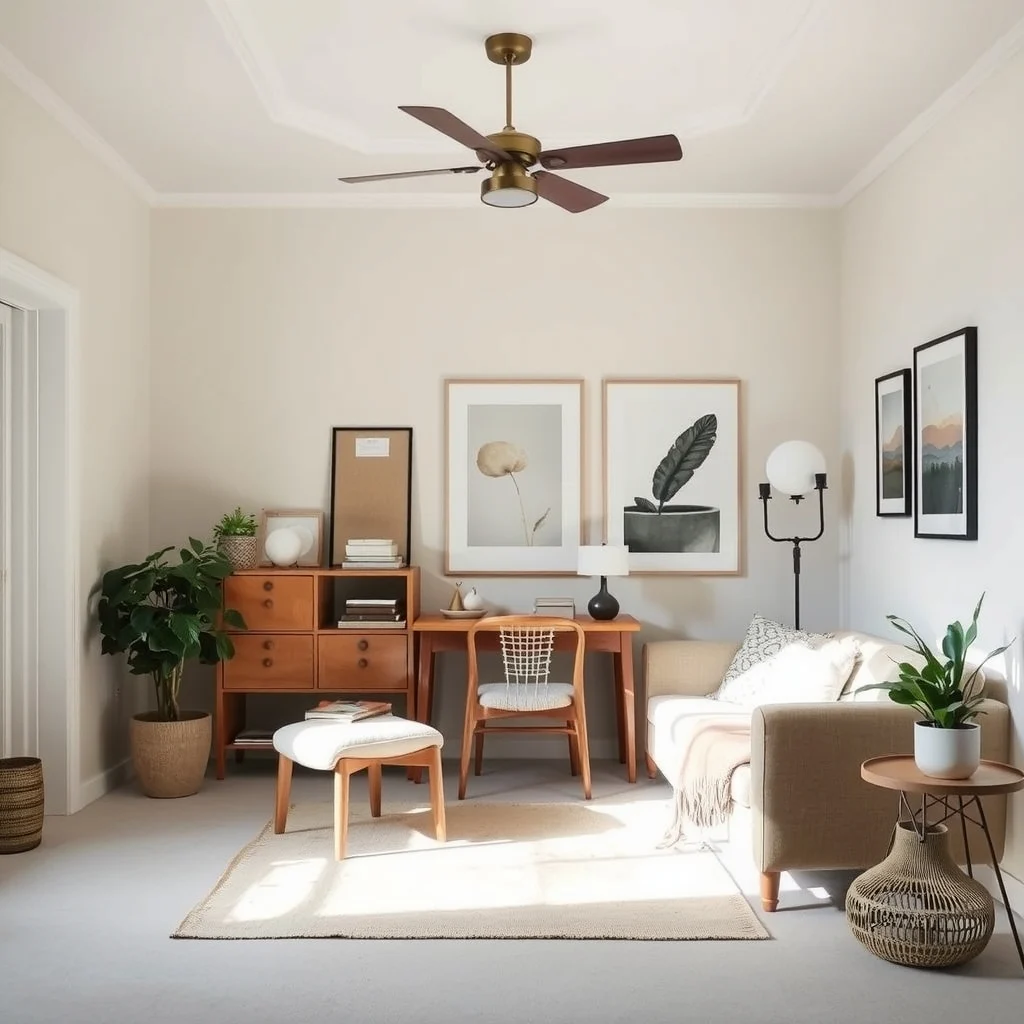
This image is by AI for inspiration only.
Lighting shapes how we perceive space. A single overhead fixture can cast harsh shadows that highlight every stored item, making the room feel chaotic. Instead, blend ambient, task, and accent lighting to create a gentle glow that smooths edges. A dimmable ceiling light provides overall illumination, while a slim floor lamp beside the reading nook offers focused light for work. Adding a narrow LED strip behind floating shelves adds a subtle accent that draws the eye upward, emphasizing height rather than the clutter on the floor.
When selecting bulbs, choose warm white temperatures (around 2700‑3000 K) because they render colors more naturally and promote relaxation. If the studio has limited natural light, place a mirror opposite a window to reflect what little daylight is available, effectively brightening the space without adding more fixtures.
6. Choose multi‑functional furniture that preserves floor area
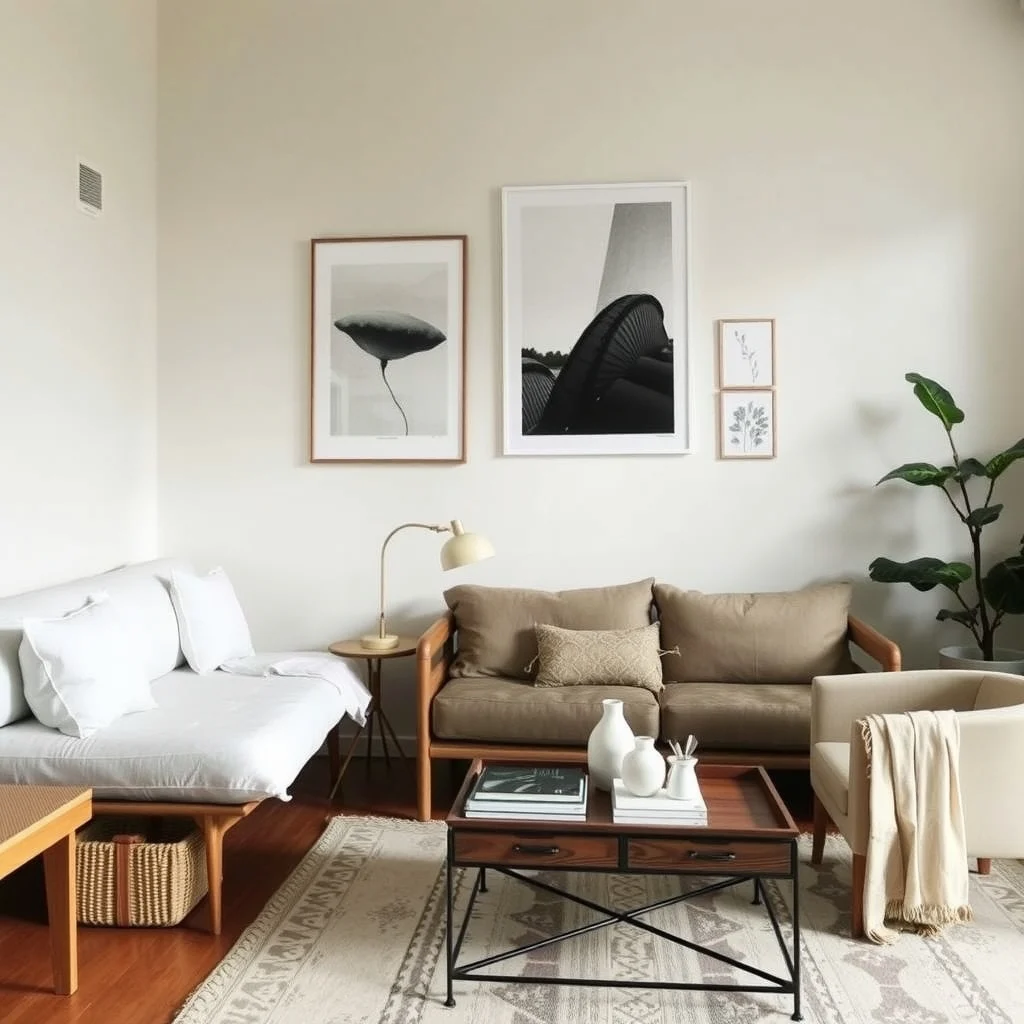
This image is by AI for inspiration only.
Every piece in a studio should earn its square footage. A sofa that converts into a daybed provides a sleeping surface without requiring a separate mattress, while a coffee table with hidden drawers offers a place to stash magazines or remote controls. When the table is not needed, it can be lifted and stored under the sofa, leaving the center of the room open for movement.
Compact furniture also reduces visual weight. Opt for legs that are raised off the floor rather than solid bases; this creates an illusion of more space because you can see through the legs, allowing the eye to travel deeper into the room. A potential downside is that raised furniture can be less stable on uneven flooring, so consider adding small rubber pads to the legs if the studio’s floor is uneven.
7. Introduce natural elements for visual breathing room
This image is by AI for inspiration only.
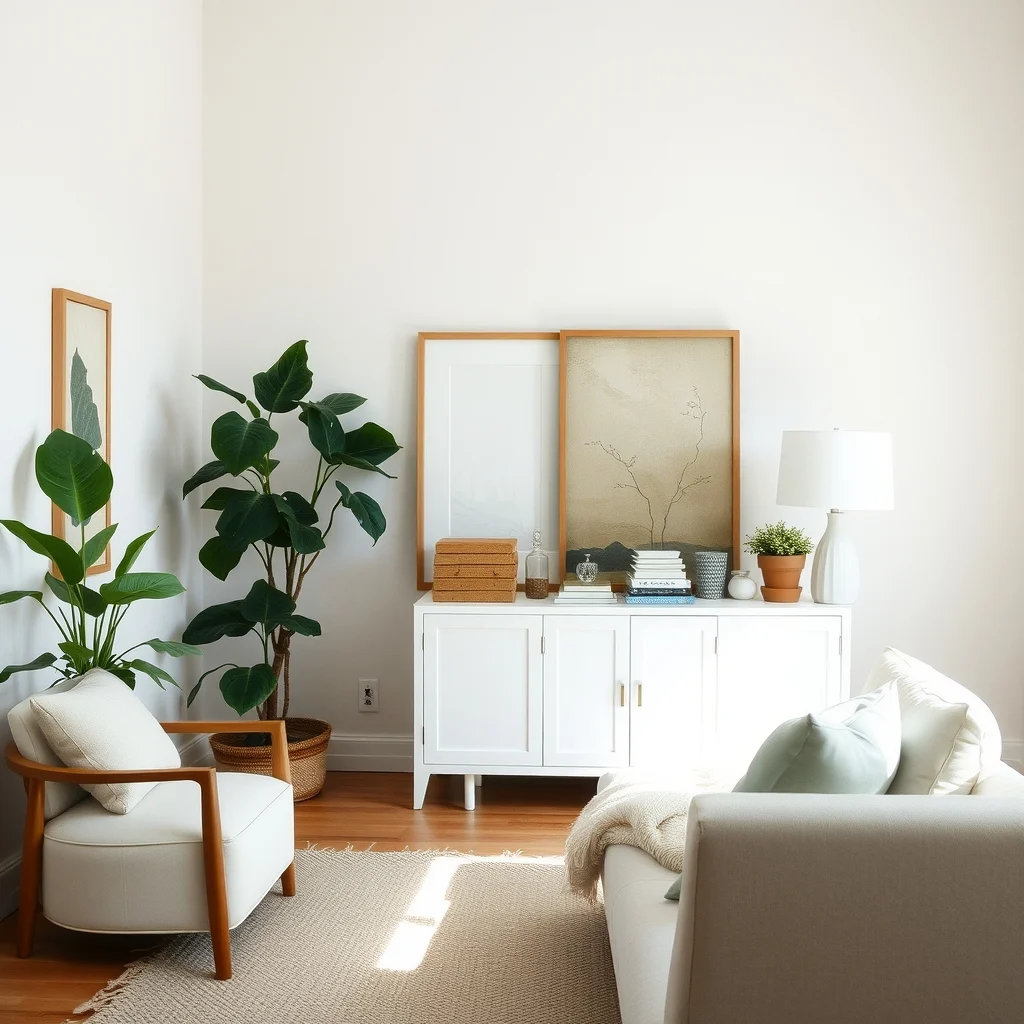
Plants, natural wood, and stone bring an organic calm that synthetic materials often lack. A tall, narrow fiddle‑leaf fig placed in a corner can draw the eye upward, making the ceiling feel higher. A small wooden stool with a smooth finish serves as both a seating option and a subtle nod to nature, especially when its grain complements the muted wall color. If you’re concerned about maintenance, choose low‑light tolerant succulents or a self‑watering terrarium that requires minimal attention.
When space is truly tight, a vertical garden panel mounted on a wall provides greenery without occupying floor area. The visual break created by foliage softens the hard lines of storage units, and the natural scent of fresh leaves can improve the overall feeling of the studio. Balance is key; too many plants can become another source of clutter, so limit the greenery to three thoughtfully placed pieces.
FAQ
This image is by AI for inspiration only.
How can I hide cords and cables in a studio?
Use cable raceways that attach to the back of furniture or run along baseboards. Painting the raceway the same color as the wall makes it blend in, keeping the visual field clean.
What type of flooring works best for a calm look?
Light‑colored wood or large‑format porcelain tiles in a soft tone create a seamless surface that expands the room visually. A rug with a subtle texture adds warmth without competing for attention.
Can I keep a bookshelf without making the studio feel crowded?
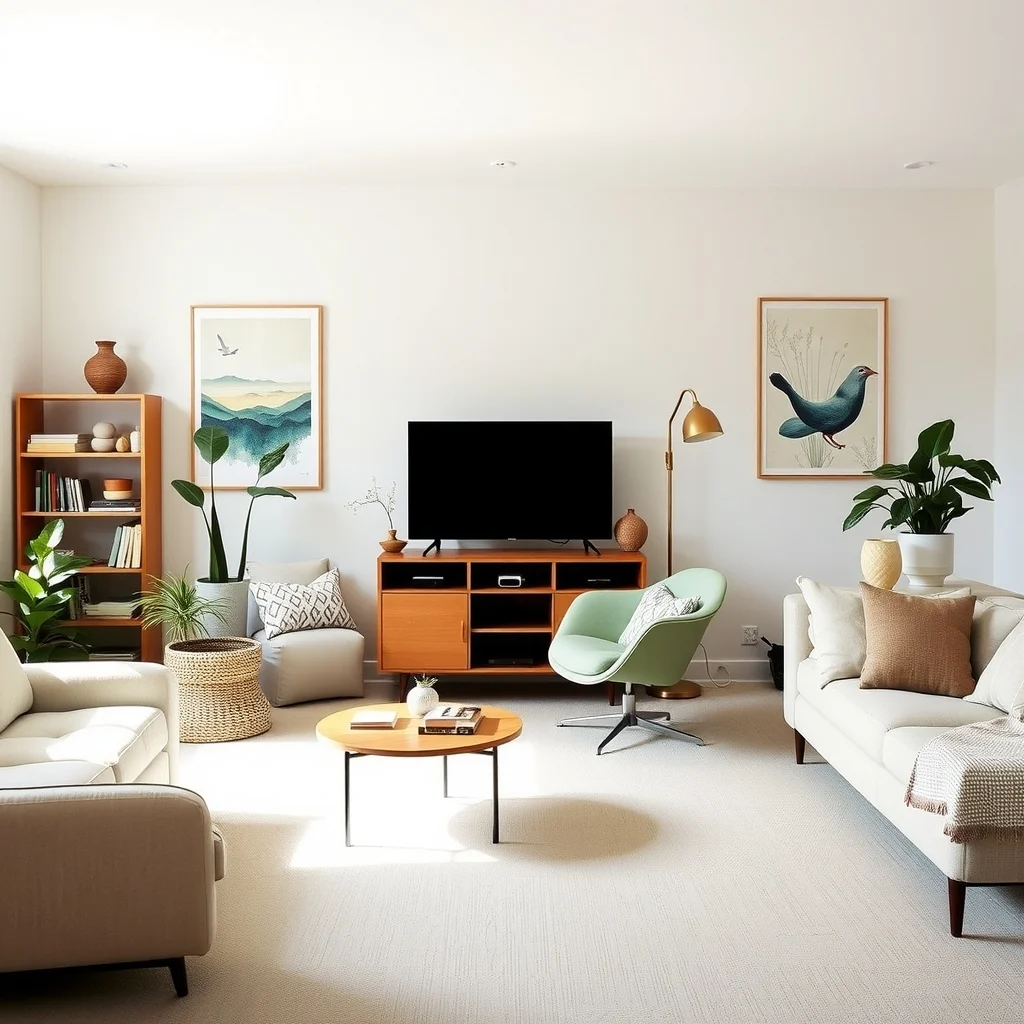
Yes, choose a narrow, floor‑to‑ceiling unit and position it against a wall that already defines a zone. Keep the shelves organized with uniform book spines and limit decorative items to a few curated pieces.
Is it okay to use mirrors in a storage‑heavy studio?
Mirrors reflect light and double the sense of space, making them ideal for studios. Hang a medium‑sized mirror opposite a window or near a lighting source for the best effect.
How often should I declutter to maintain calm?
Set a quarterly schedule to review items stored in closets and cabinets. Removing anything you haven’t used in six months keeps the visual load light and prevents the studio from feeling overrun.
Final Thoughts
This image is by AI for inspiration only.
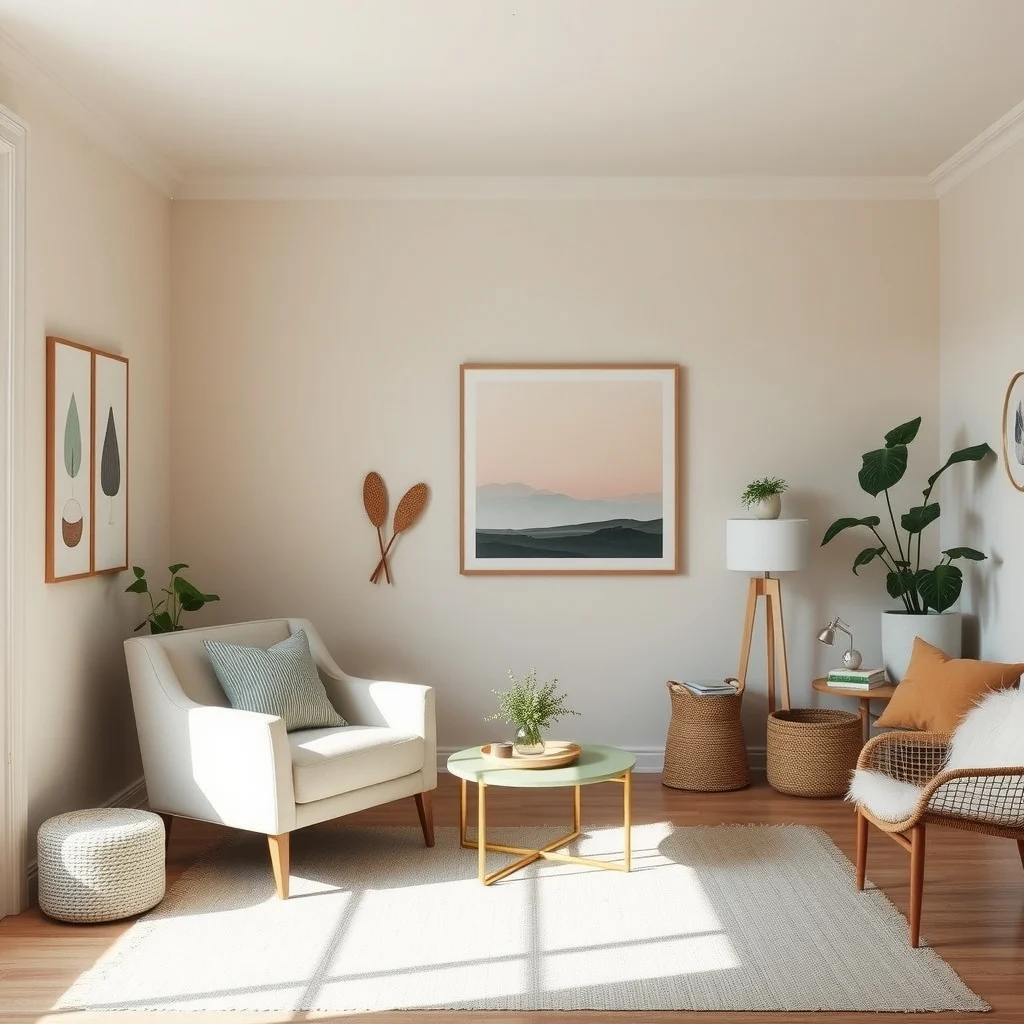
Creating a calm visual look in a studio that must also store the essentials is less about eliminating items and more about how those items are presented. By mapping zones, choosing a soothing palette, integrating storage that recedes, layering soft textures, using layered lighting, selecting multi‑functional furniture, and adding a touch of nature, you can transform a cramped space into a serene retreat. The process is gradual—start with one idea, observe how it changes the feel of the room, and then build on that foundation. Over time the studio will not only look calmer, it will feel calmer, supporting both productivity and relaxation.