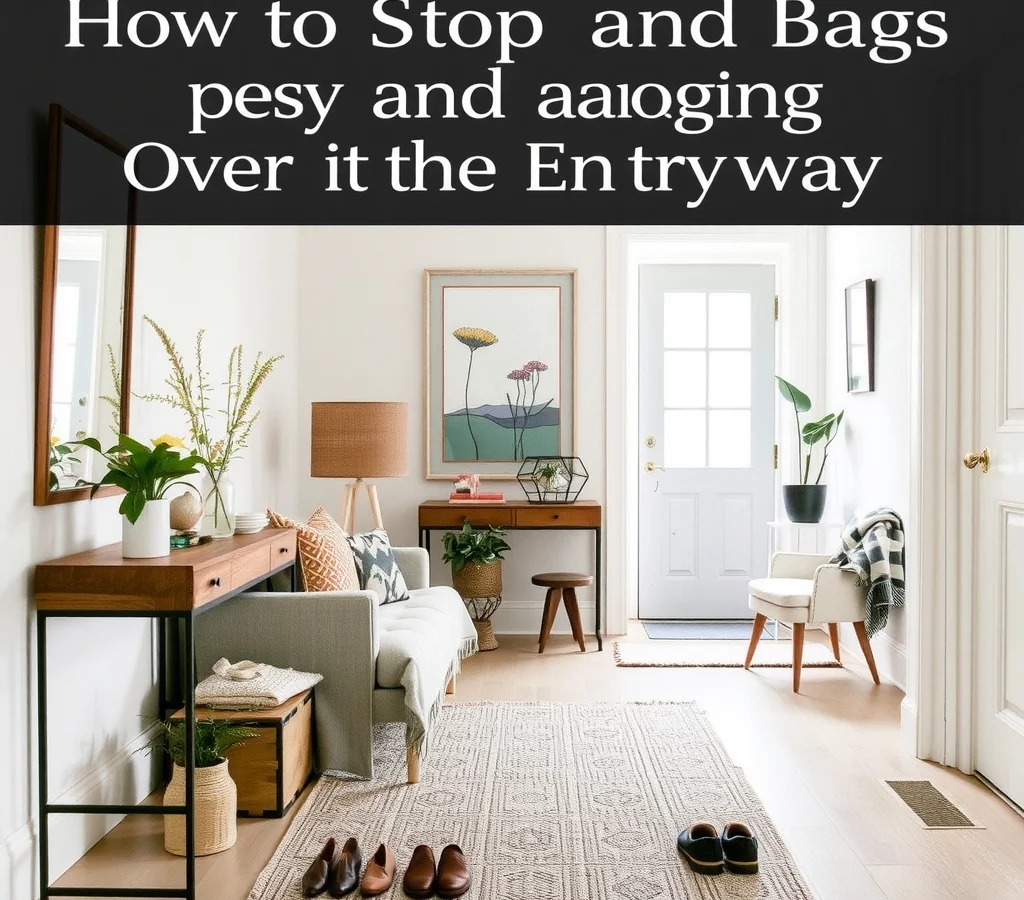
How to Stop Shoes and Bags From Taking Over the Entryway

When you step through the front door, the first thing you should see is a welcoming space, not a pile of sneakers and tote bags. An entryway that feels organized sets the tone for the rest of the home and makes coming and going smoother for everyone. Below are seven ideas that turn a chaotic hallway into a functional, attractive welcome area without sacrificing style.
1. Choose a Bench with Built‑In Storage
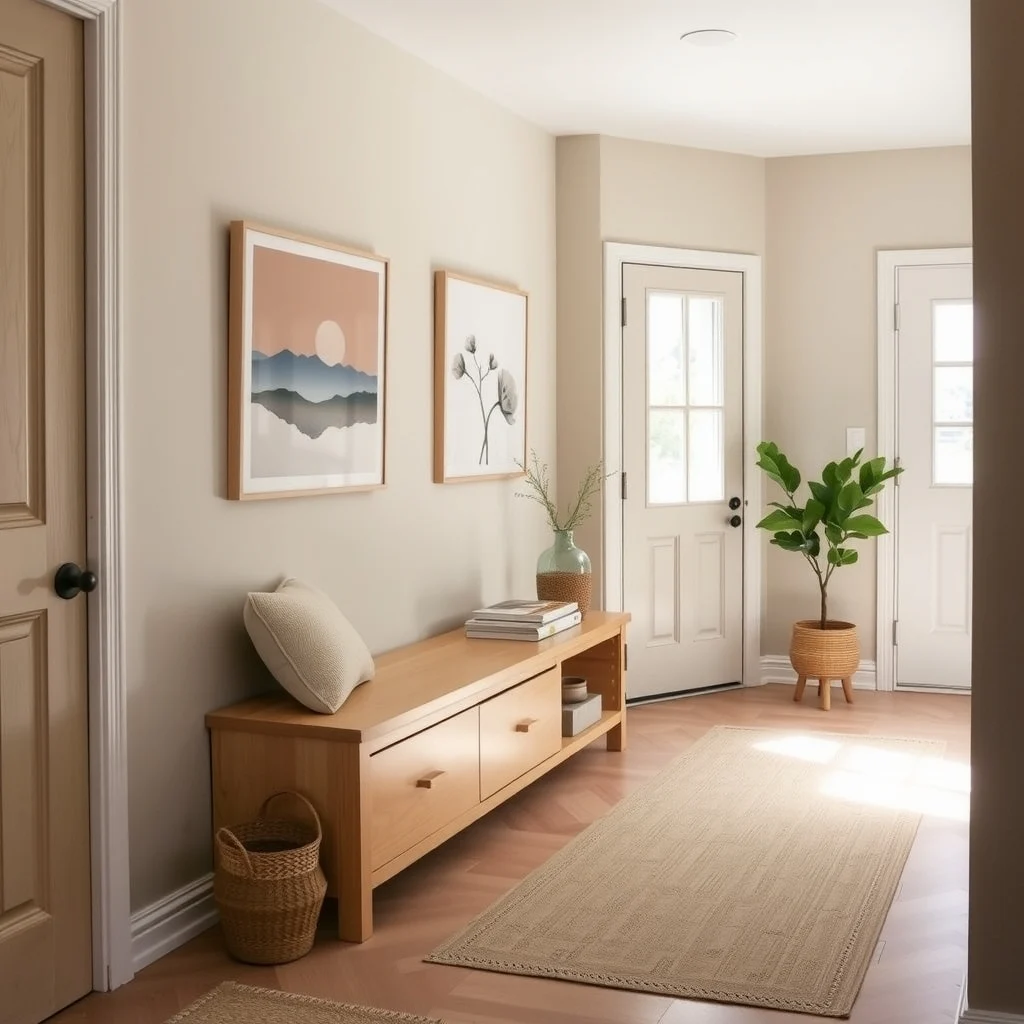
This image is by AI for inspiration only.
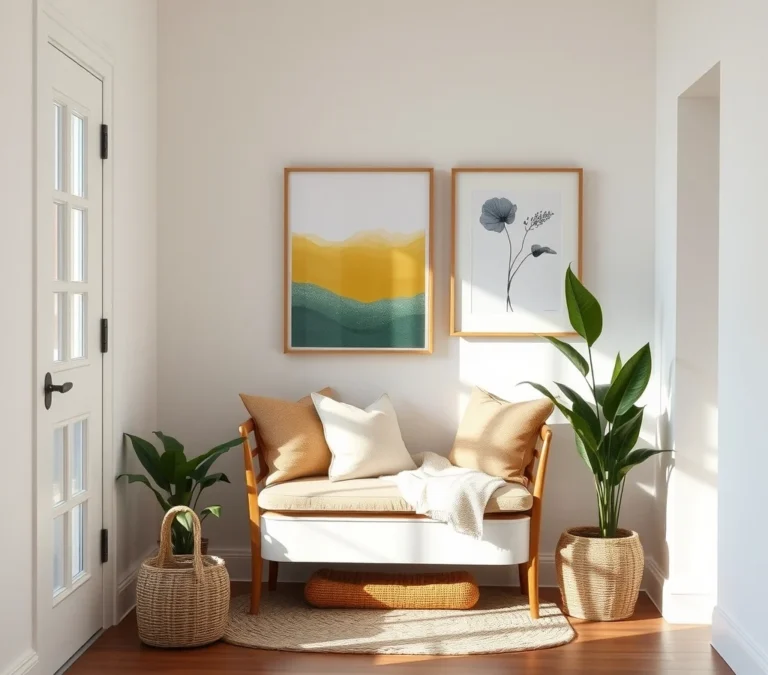
A low bench placed opposite the door creates a natural landing spot for shoes and bags while offering a place to sit while you slip on footwear. Look for a piece with a cushioned seat upholstered in a durable fabric such as linen or a performance blend; this hides scuffs and invites daily use. The interior compartment can be divided into shallow shelves for sneakers and deeper bins for boots, letting you keep each pair visible yet contained. Because the bench occupies only the floor space it defines, the room feels less cramped than a freestanding chest. The main trade‑off is the need for a sturdy frame—solid oak or powder‑coated metal works well—but the added seating often justifies the investment.
2. Install a Wall‑Mounted Shoe Rack
This image is by AI for inspiration only.
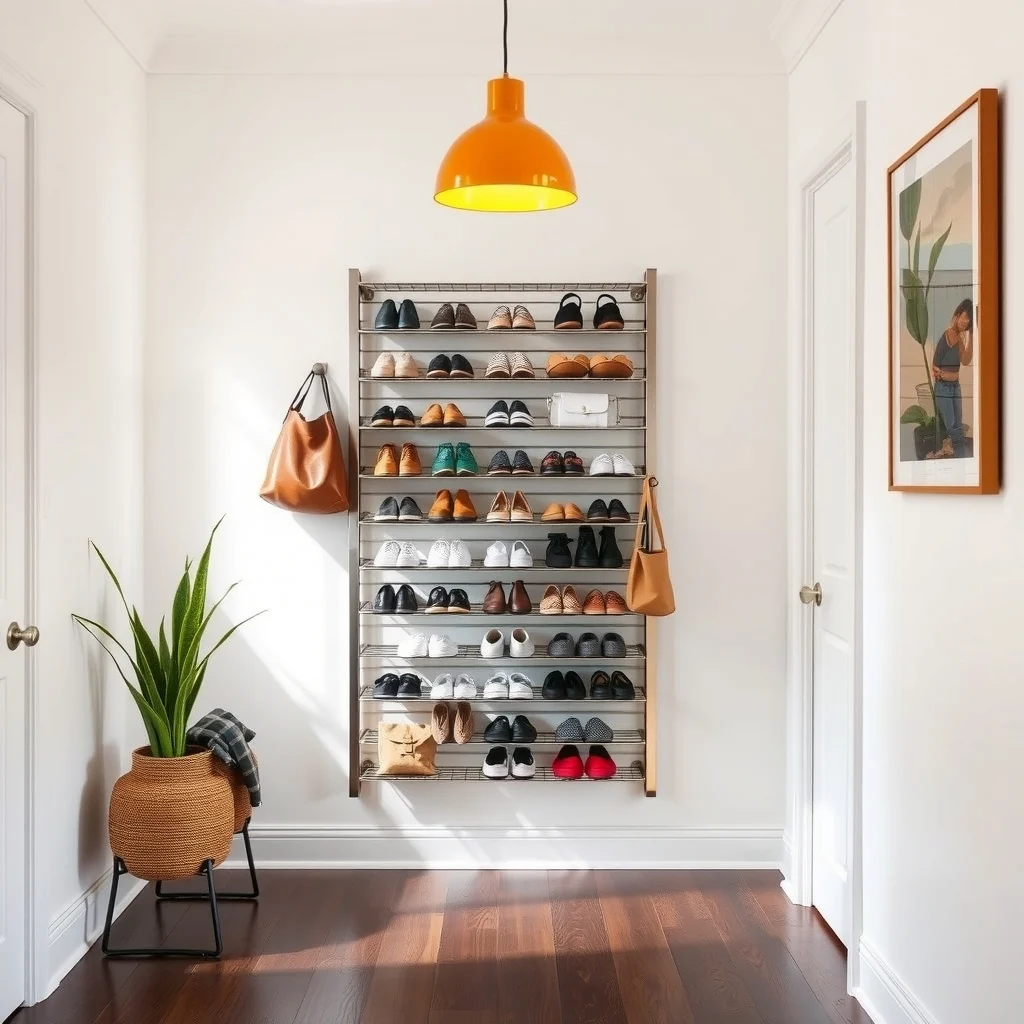
When floor space is at a premium, a vertical shoe rack that attaches to the wall frees up valuable real estate. Open slats made from brushed steel or painted pine allow you to see each pair at a glance, which reduces the temptation to shove extra shoes into a closet. Position the rack at eye level so you can slide shoes on without bending, and leave a small gap between rows for easy cleaning. If you prefer a cleaner silhouette, a closed cabinet with sliding doors can hide the clutter entirely, though it requires a bit more clearance to open. The main consideration is the need for studs or anchors; if you rent, a tension‑pole system can provide a temporary solution without drilling.
3. Add a Woven Bin for Handbags and Accessories
This image is by AI for inspiration only.
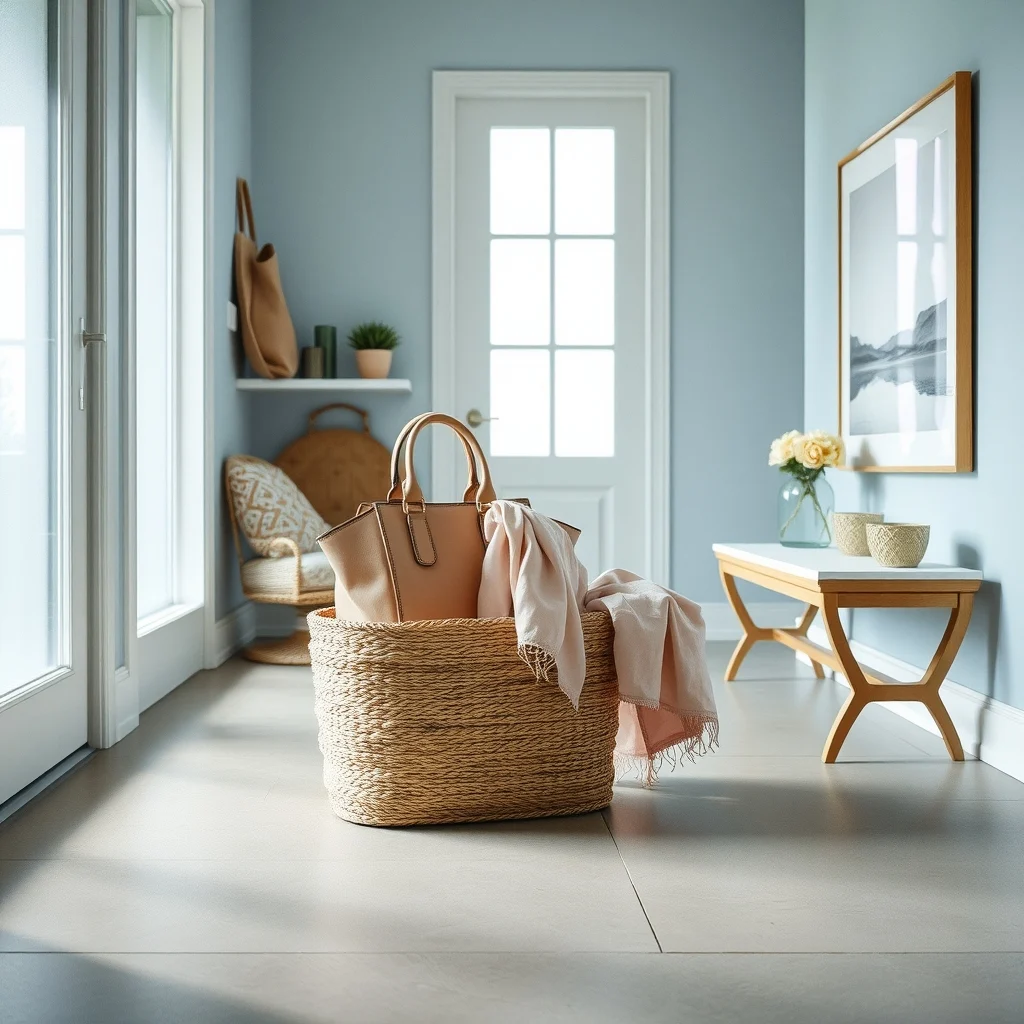
Handbags, scarves, and everyday accessories deserve a home that feels intentional rather than tossed on a chair. A large, woven bin made from natural fibers such as seagrass or rattan offers texture that softens hard surfaces while keeping items breathable. Choose a bin with a wide opening so you can quickly drop a tote in and pull it out without rummaging. The neutral hue of the fibers works with most color palettes, and a subtle pattern adds visual interest without competing with wall art. Keep in mind that woven baskets can collect dust; a quick shake or a light vacuum every few weeks keeps them looking fresh.
4. Use a Slim Console Table with Drawers
This image is by AI for inspiration only.
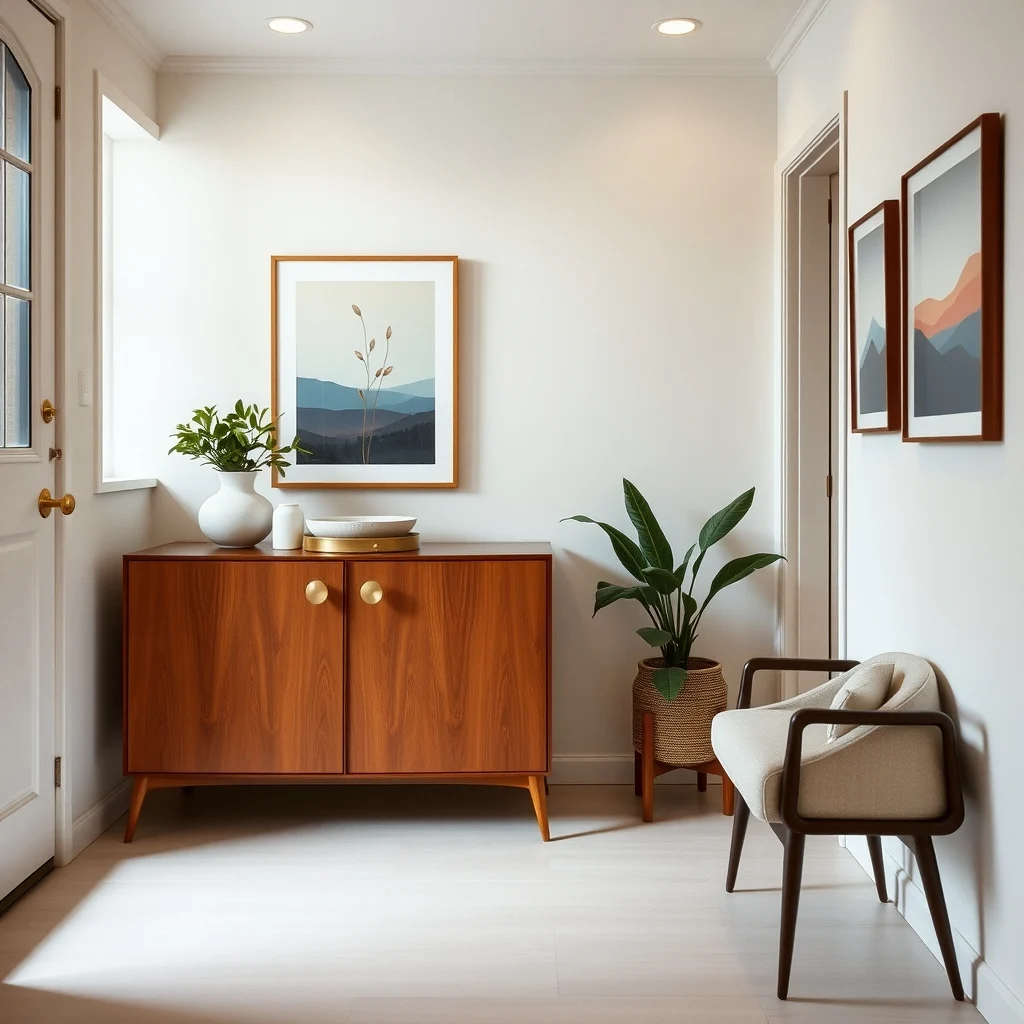
A narrow console table placed alongside the door provides a surface for keys, mail, and small decorative pieces while its drawers conceal loose change or a spare set of house keys. Opt for a table in a finish that echoes other wood tones in the home—walnut, ash, or a matte black metal frame for a more contemporary feel. Because the piece is only a few inches deep, it does not obstruct traffic flow, yet it adds a layer of organization that a simple shelf cannot. One downside is that the tabletop can become a catch‑all if you’re not disciplined about clearing it each night, so make a habit of returning items to their proper spot.
5. Hang a Row of Stylish Hooks or a Pegboard
This image is by AI for inspiration only.
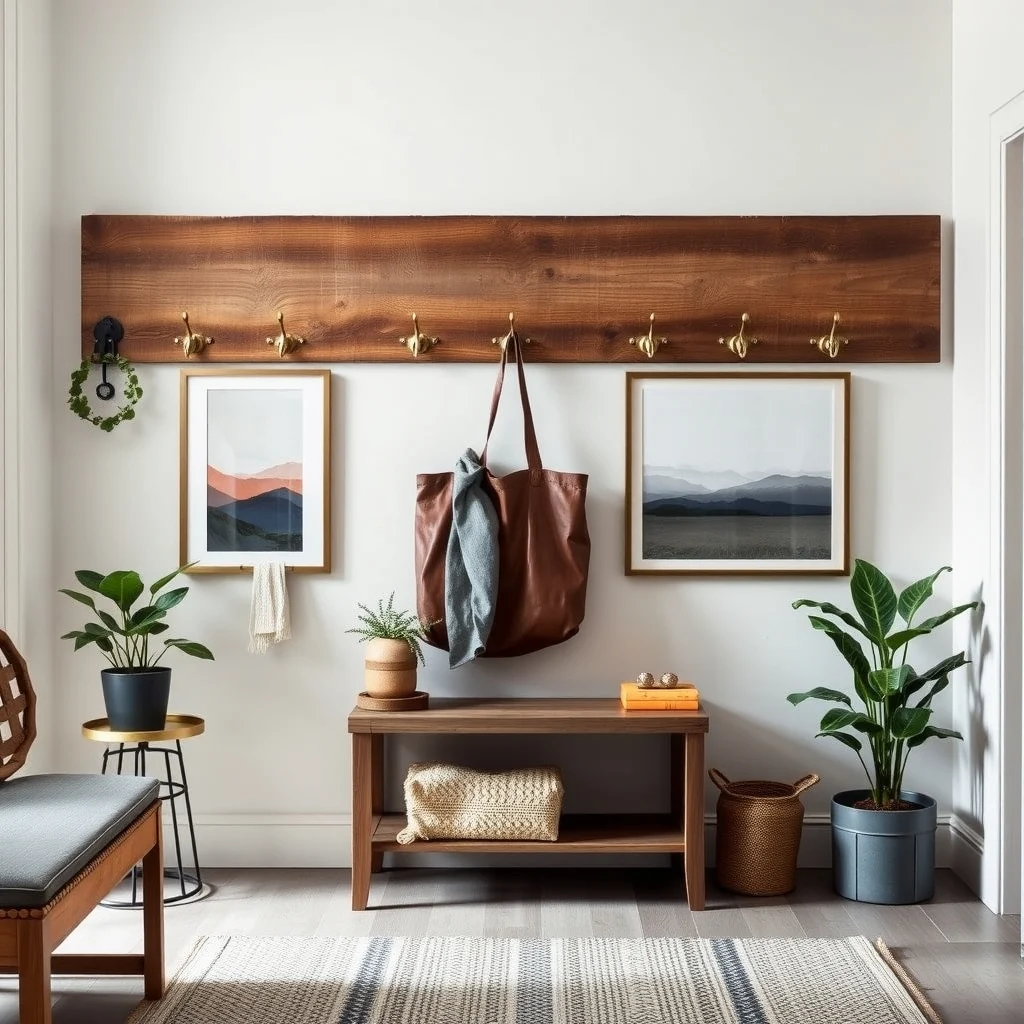
Hooks mounted at shoulder height give bags, coats, and even a favorite hat a designated perch, turning vertical space into storage. Choose hooks with a finish that complements your entryway—brushed brass for a warm look, matte black for a modern edge, or polished nickel for a sleek vibe. If you need flexibility, a pegboard system lets you rearrange hooks, shelves, and small baskets as your needs change, though the board itself adds a bit of visual weight. Be sure the anchors can support the combined load of heavier items; otherwise, the hardware may pull away from the wall.
6. Define the Area with a Runner or Rug
This image is by AI for inspiration only.
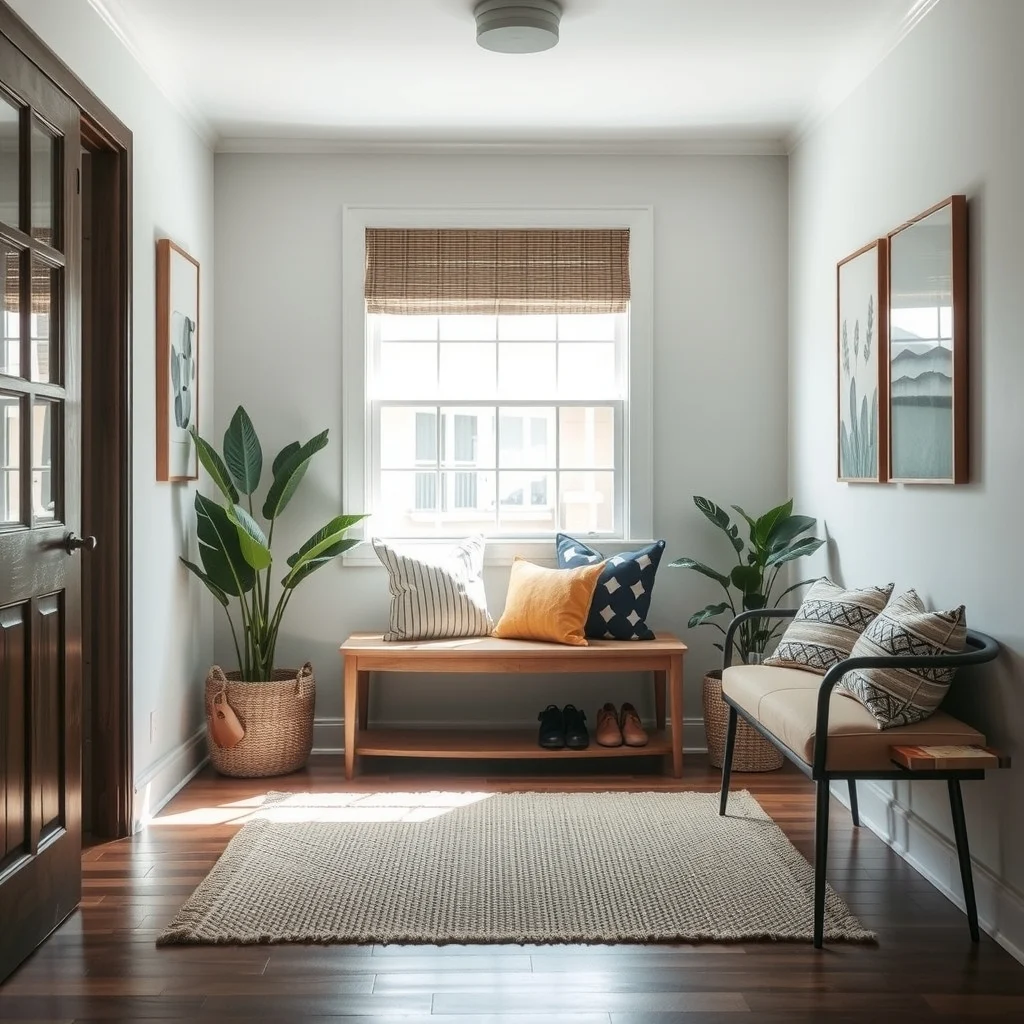
A runner placed in front of the bench or shoe rack signals where foot traffic should travel and protects flooring from scuffs. Natural fibers such as jute or sisal add texture that pairs well with wood or metal storage pieces, while a low‑pile wool rug offers softness underfoot and can hide small crumbs from dropped keys. Choose a length that extends a foot beyond each side of the storage unit so the rug frames the whole zone. The main compromise is maintenance; flat‑woven rugs are easy to sweep, but a plush rug may require occasional professional cleaning.
7. Balance the Space with a Mirror or Gallery Wall
This image is by AI for inspiration only.
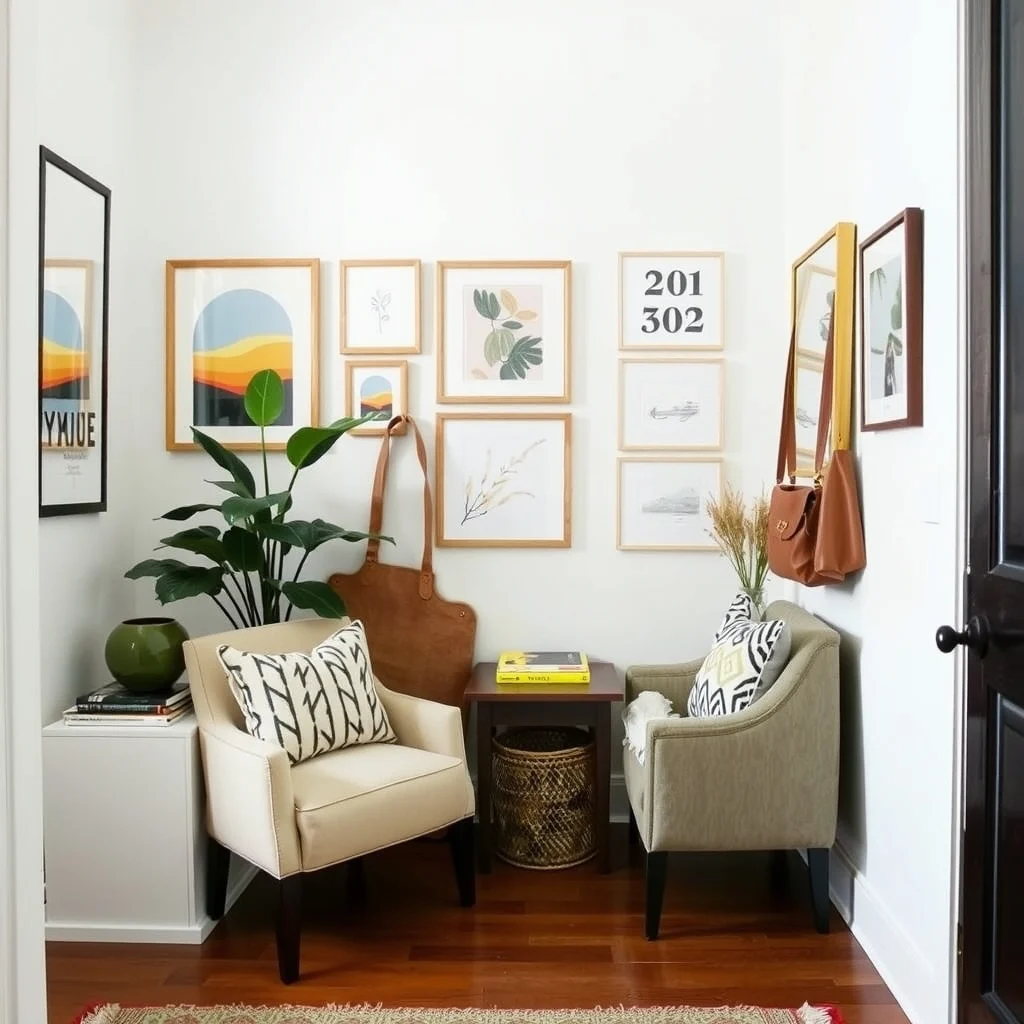
When clutter threatens to dominate the entryway, a large mirror or a curated gallery wall draws the eye outward, creating the illusion of more space. A mirror positioned opposite the door reflects natural light, making the area feel brighter and reducing the visual impact of shoes and bags. If mirrors aren’t your style, a series of framed prints in coordinated frames can serve the same purpose, adding personality while breaking up the monotony of storage. The trade‑off is that a mirror can show fingerprints more readily, so a quick wipe with a microfiber cloth becomes part of the routine.
FAQ
This image is by AI for inspiration only.
How many shoes should I keep in the entryway?
Ideally, only the shoes you wear daily belong in the entryway; this usually means two to four pairs. Keeping the rest in a closet or shoe cabinet prevents the area from feeling overloaded and makes it easier to locate the pair you need.
What type of basket works best for handbags?
A basket woven from natural fibers like seagrass or rattan offers breathability and a soft visual presence. Look for a size that accommodates the largest bag you own, with an open top for quick access.
Can I use a shoe rack without drilling?
Yes, tension‑pole or freestanding ladder racks provide vertical storage without attaching anything to the wall. They are especially useful for renters, though they may take up a bit more floor space than a wall‑mounted option.
How do I keep the entryway smelling fresh?
Place a small dish of baking soda or a scented sachet near the shoe storage to absorb odors, and open a window regularly to circulate air. A low‑maintenance indoor plant such as a snake plant can also help filter the air.
What lighting works well for an entryway?
Layered lighting that combines an overhead fixture with a wall sconce or a small table lamp creates a welcoming ambiance. Warm LED bulbs at around 2700 K provide a comfortable glow without harsh shadows.
Final Thoughts
This image is by AI for inspiration only.
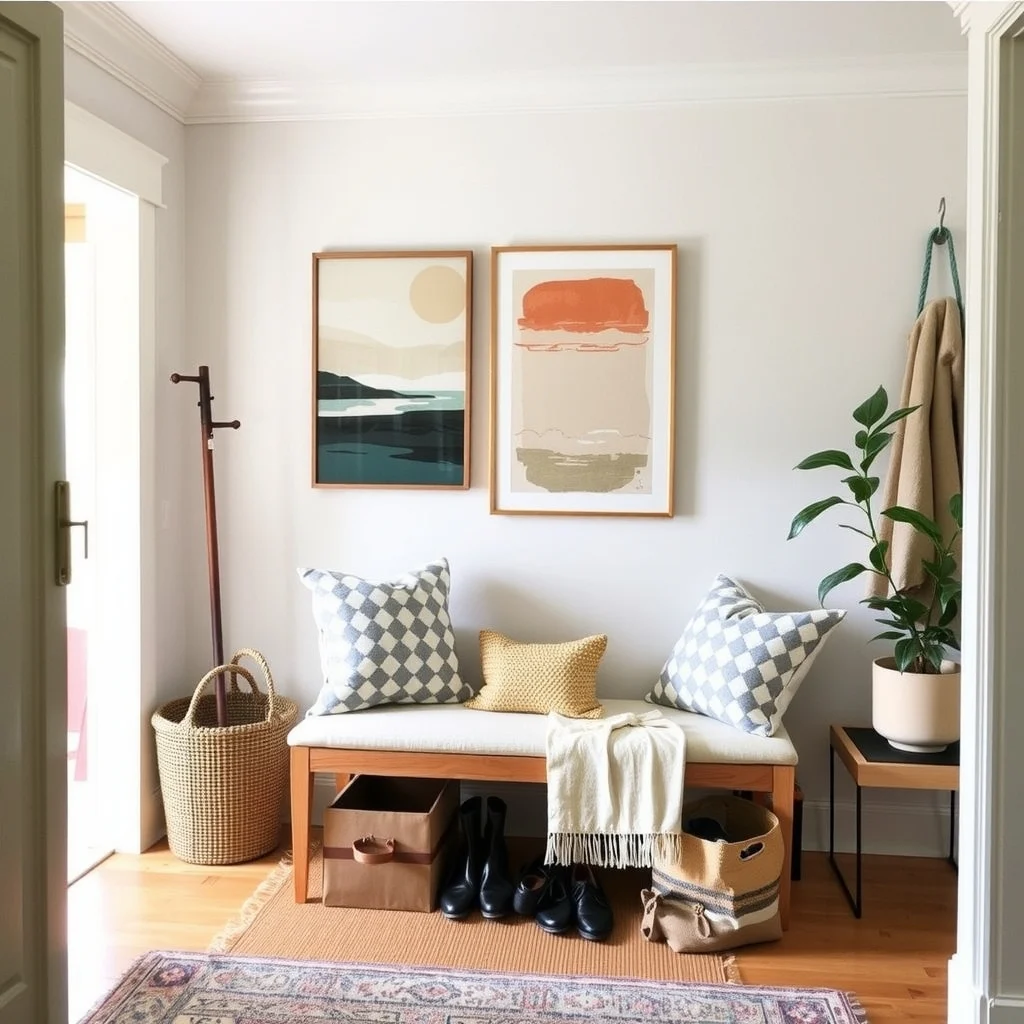
Transforming an entryway from a shoe‑and‑bag dump into a tidy, inviting space takes a blend of thoughtful storage, purposeful décor, and a little routine. By selecting pieces that serve multiple functions—such as a bench with hidden compartments or a mirror that brightens the room—you can keep the area organized without sacrificing style. Remember that the most effective solution is the one you’ll maintain, so choose materials and layouts that fit your daily habits and the architecture of your home.