Small Entryway Bench Alternatives for Tight Spaces

Many homes have an entryway that feels more like a hallway than a welcoming foyer. Narrow doorways, low ceilings, or a layout that forces traffic to squeeze through can make a traditional bench feel cramped and obstructive. Yet you still want a place to set down keys, slip on shoes, or stash a quick bag. The good news is that a full‑size bench isn’t the only solution. Below are seven thoughtfully designed alternatives that provide the same functionality without monopolizing precious square footage. Each idea balances comfort, storage, and style, so you can choose the one that fits your space and routine best.
1. Floating Wall‑Mounted Shelf with a Padded Ledge
This image is by AI for inspiration only.
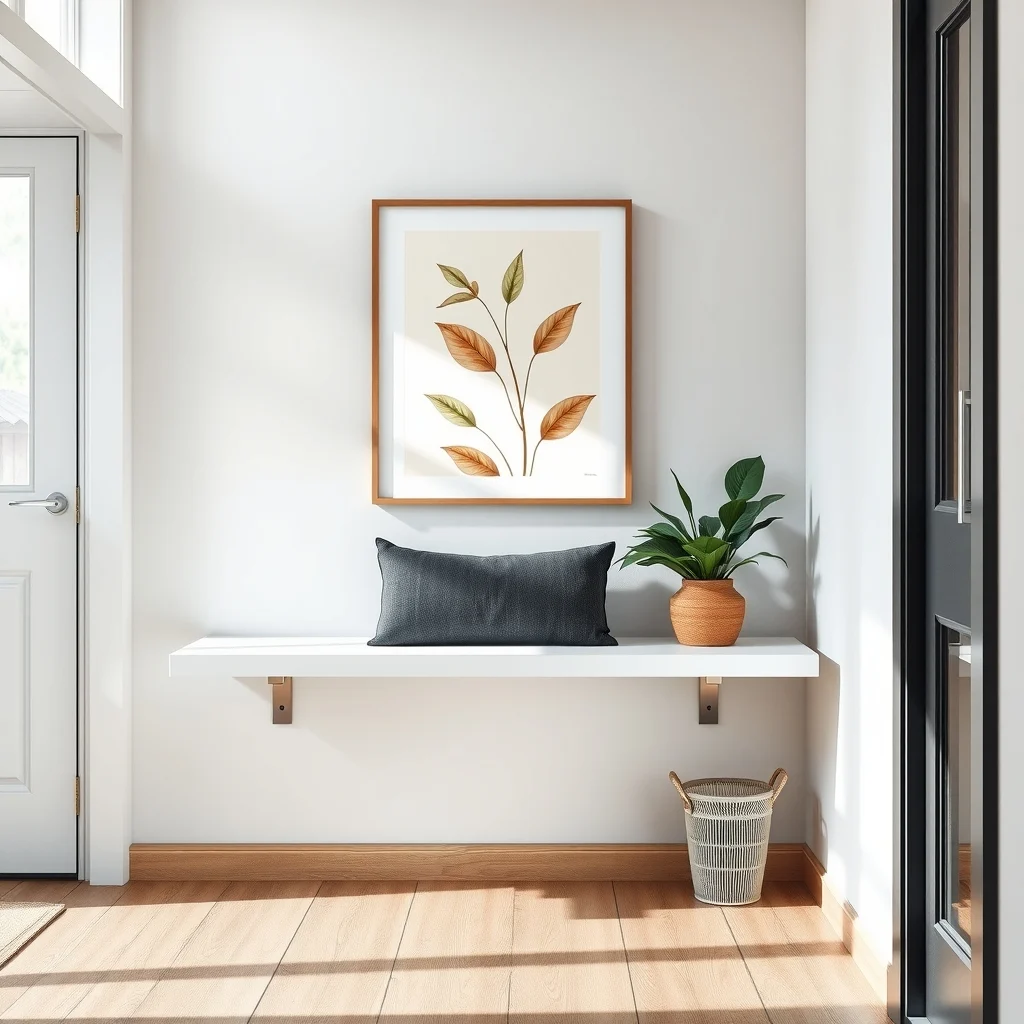
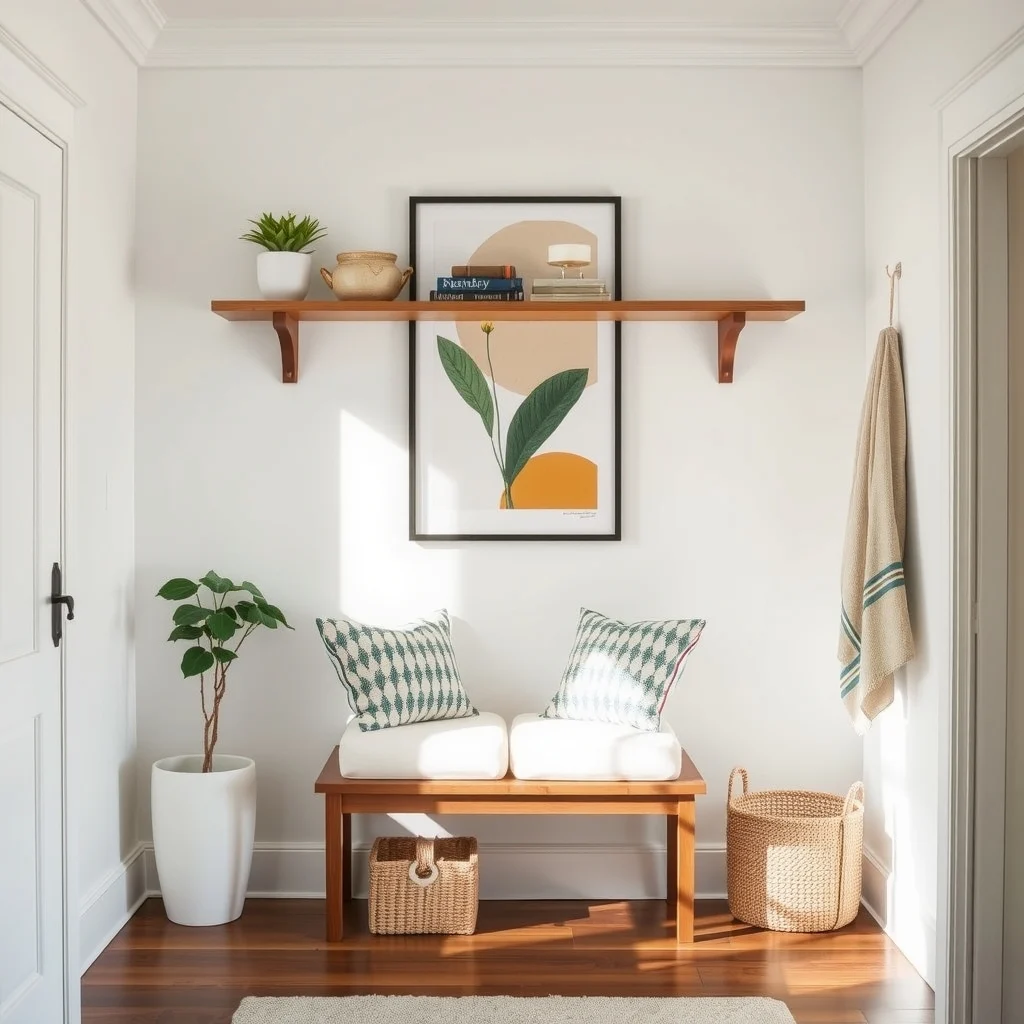
A floating shelf installed at waist height can double as a minimalist bench when you add a thin cushion. The shelf itself should be anchored to studs or use heavy-duty wall anchors; a depth of 12‑14 inches gives enough room for shoes without jutting into the passage. Choose a solid wood or painted MDF board for durability, then top it with a removable foam pad upholstered in a washable fabric like linen or microfiber. The cushion adds a touch of softness for quick shoe changes, while the open shelf beneath offers a discreet spot for a few pairs of slippers or a small basket for mail. Because the piece is attached to the wall, it frees floor space and creates a clean line that works well with narrow corridors. A potential drawback is the limited seating capacity—it’s best for one person at a time—but the trade‑off is a sleek look that won’t overwhelm a tight entryway.
2. Slim Console Table with Integrated Shoe Rack
This image is by AI for inspiration only.
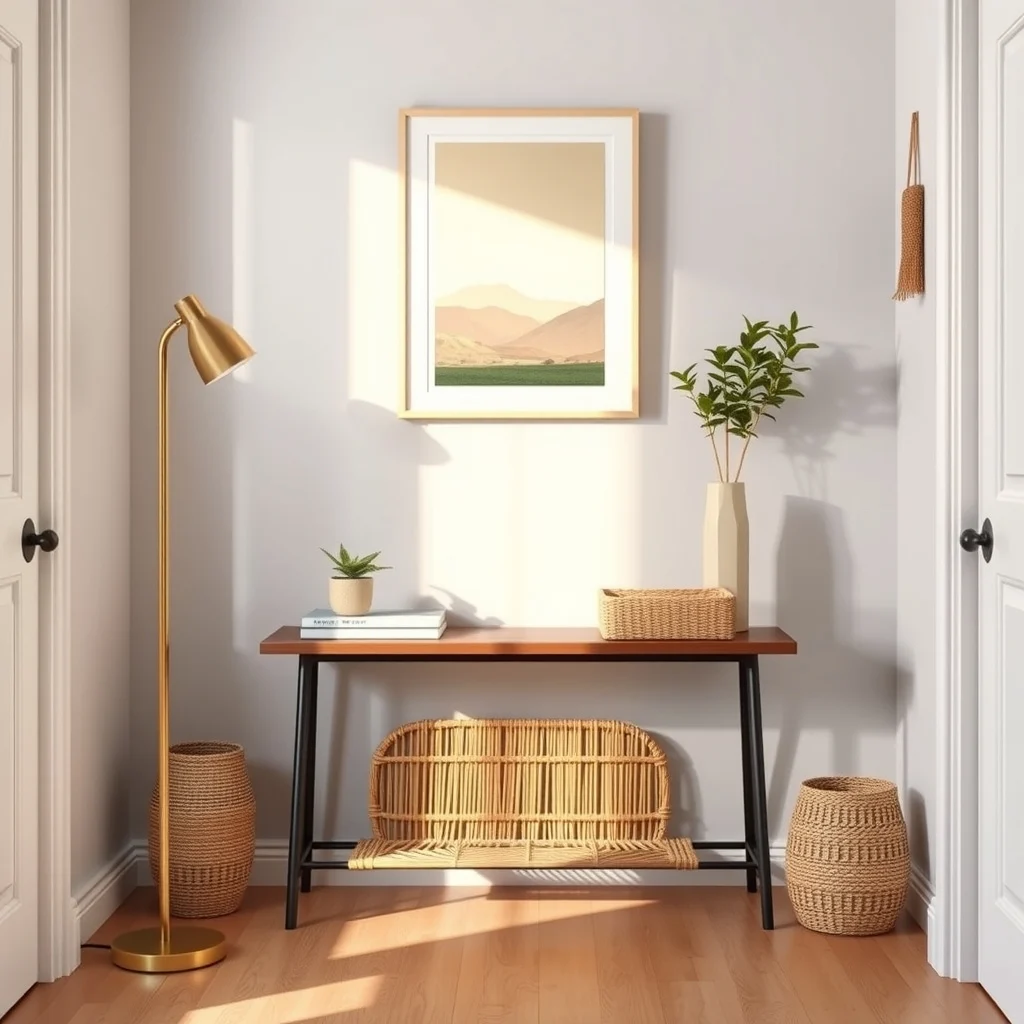
A narrow console table, no wider than 18 inches, can serve as both a landing surface and a hidden shoe organizer. Look for a piece that features a lower shelf or a series of shallow cubbies where shoes can slide in. A metal frame with a light wood veneer keeps the visual weight low, while the horizontal lines help guide the eye along the wall. Place a small tray on top for keys and a decorative bowl for loose change; the surface remains uncluttered because the shoe storage is tucked underneath. This solution works especially well in entryways that receive a steady flow of guests, as the open cubbies make it easy to spot a pair of shoes at a glance. The main limitation is the need for regular tidying—if shoes are left scattered, the sleek appearance can quickly become chaotic.
3. Ladder‑Style Coat Rack with a Built‑In Seat
This image is by AI for inspiration only.
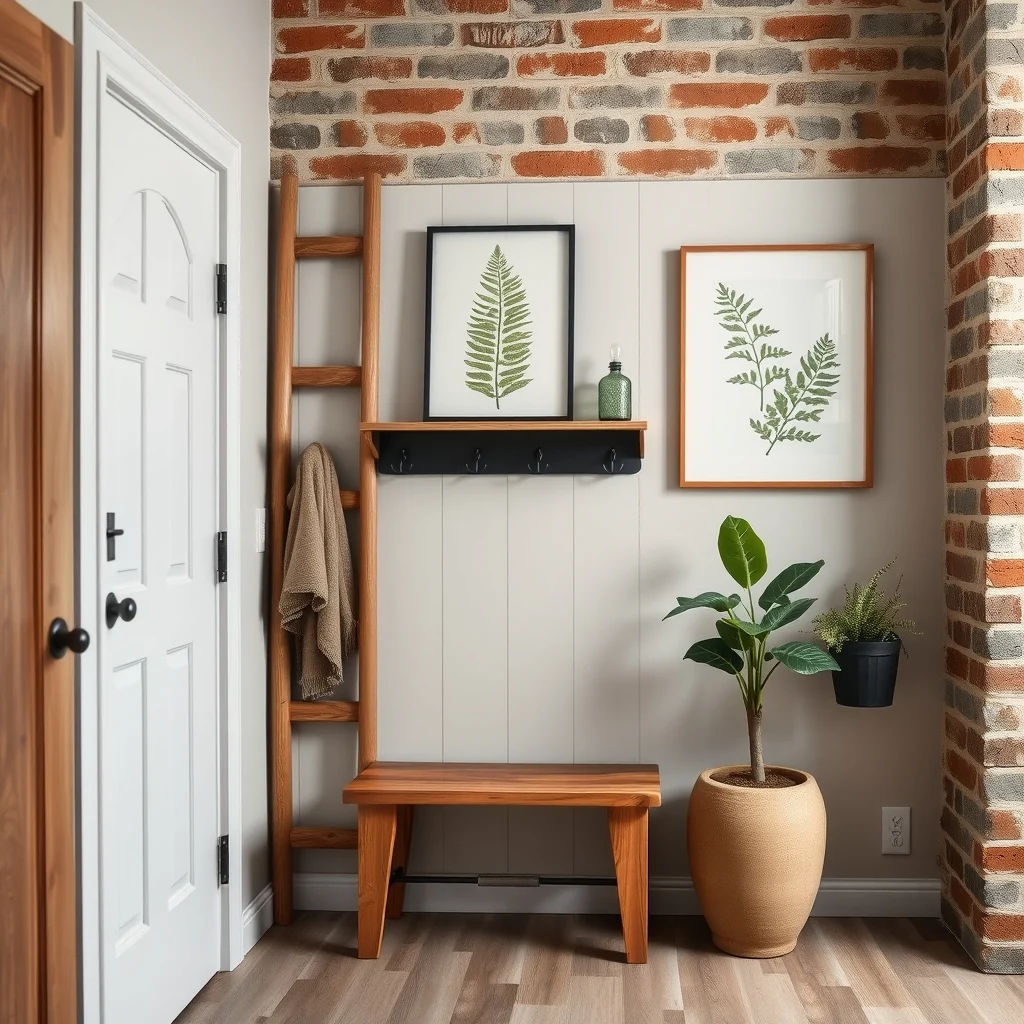
A leaning ladder coat rack made from reclaimed pine or brushed steel adds a rustic charm while offering a narrow seat on its lowest rung. The ladder’s vertical slats provide ample hanging space for coats, bags, and scarves, and the bottom rung, reinforced with a thin wooden board, can be cushioned with a weather‑resistant pad. Because the ladder leans against the wall rather than attaching to it, installation is simple and can be adjusted as needed. The open design keeps the entryway feeling airy, and the seat is just wide enough for a quick shoe change. However, the leaning structure does require a clear floor area behind it; in extremely tight spaces, a wall‑mounted version might be more appropriate.
4. Nesting Stools Tucked Under a Narrow Console
This image is by AI for inspiration only.
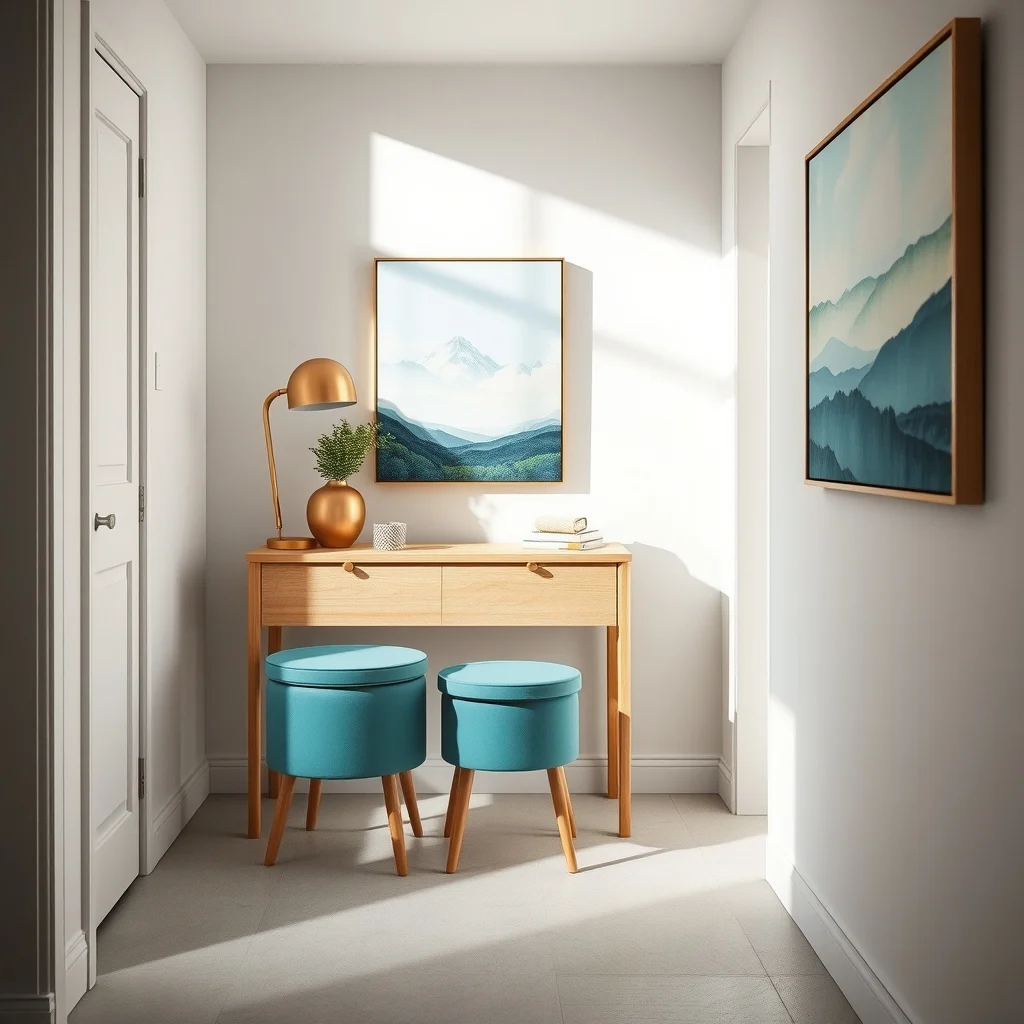
Nesting stools are a versatile option when floor space is at a premium. Choose a set of two or three stools that slide neatly under a slim console or a narrow side table placed against the wall. When needed, pull a stool out for a brief sit; when not in use, the stools disappear, leaving only the console’s surface for keys and décor. Opt for stools with sturdy legs—metal or solid wood—and cushions in a neutral tone that complements the entryway’s palette. This arrangement offers the flexibility of additional seating for guests without permanently occupying space. The trade‑off is that the stools are not permanently fixed, so they require a habit of returning them to their hidden spot after each use.
5. Built‑In Window Seat with Hidden Storage
This image is by AI for inspiration only.
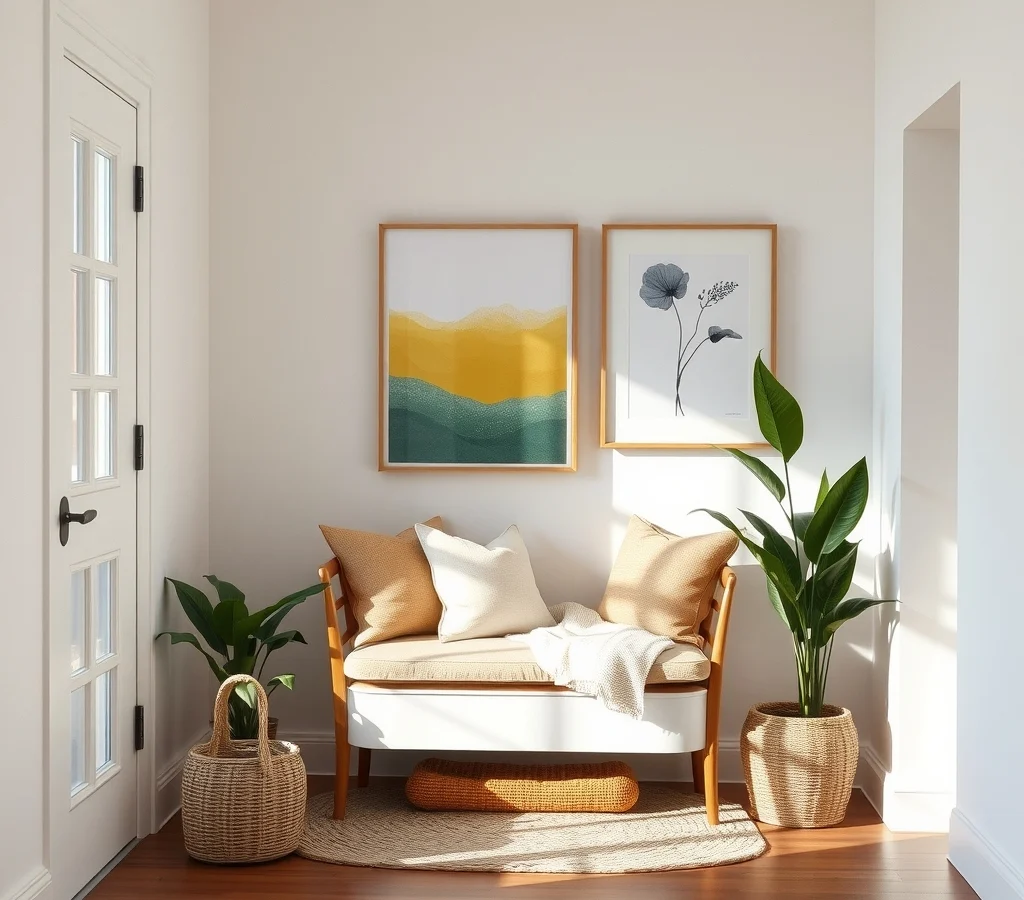
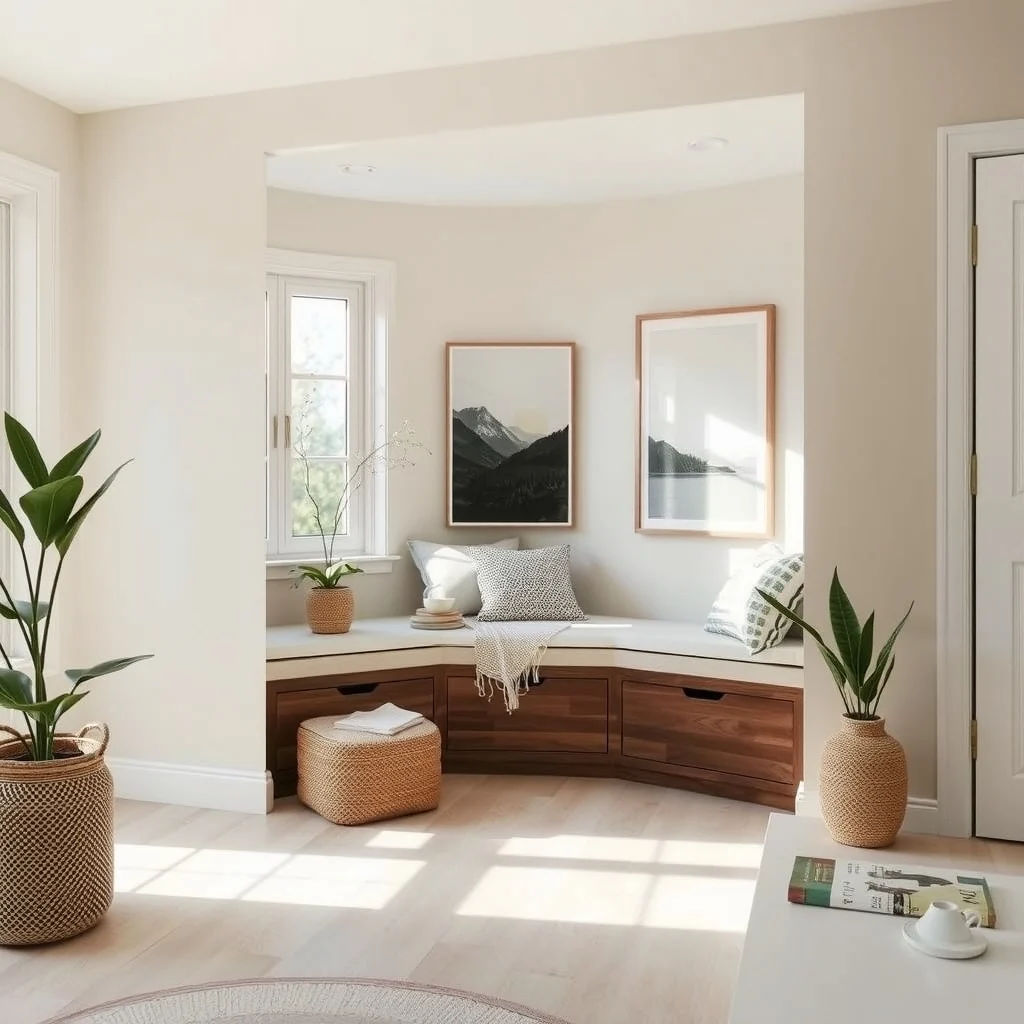
If your entryway includes a small window, a built‑in window seat can become a charming focal point while still serving the bench function. Construct a shallow bench that follows the window’s dimensions, using a sturdy frame and a cushioned top that matches the surrounding décor. Behind the seat, incorporate a shallow drawer or a pull‑out basket for storing gloves, hats, or a few pairs of shoes. The window seat brings natural light to the seating area, making it feel more inviting during morning routines. Because the seat is recessed into the wall, it doesn’t protrude into the passage, preserving the flow of traffic. One consideration is that installing a built‑in seat may require carpentry skills or professional help, and the window’s size limits the amount of seating surface available.
6. Over‑Door Organizer with a Fold‑Down Seat
This image is by AI for inspiration only.
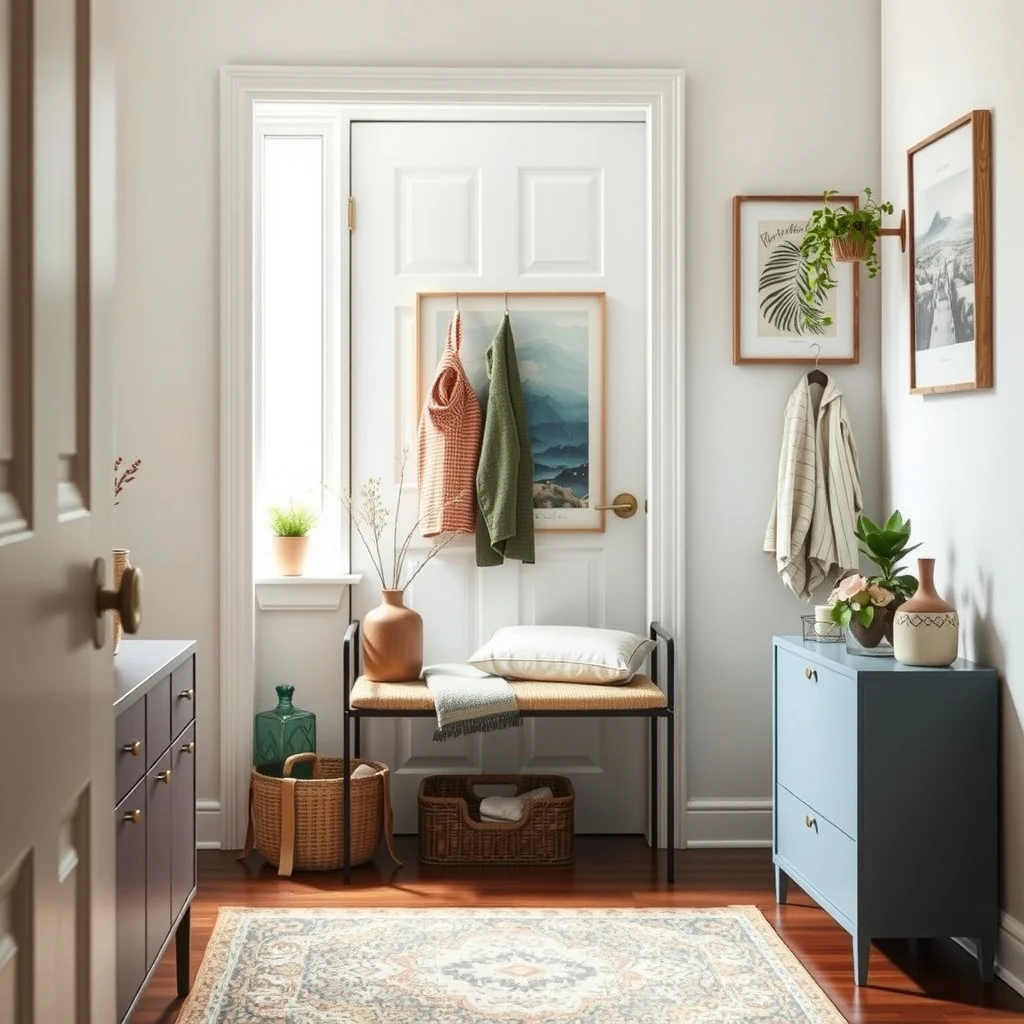
An over‑door organizer is typically used for hanging accessories, but many modern designs include a thin fold‑down panel that can serve as a temporary seat. Choose a model with a sturdy metal frame and a padded top that folds up when not in use. When you need to sit, simply lower the panel and rest your feet on the floor; when you’re done, fold it back up and the organizer returns to its sleek vertical profile. This dual‑purpose piece maximizes vertical space, especially useful in entryways that lack wall space for a permanent bench. The main limitation is the weight capacity—most fold‑down seats support an adult for brief periods, but they aren’t meant for extended sitting.
7. Multi‑Functional Wall Mirror with Hidden Storage
This image is by AI for inspiration only.
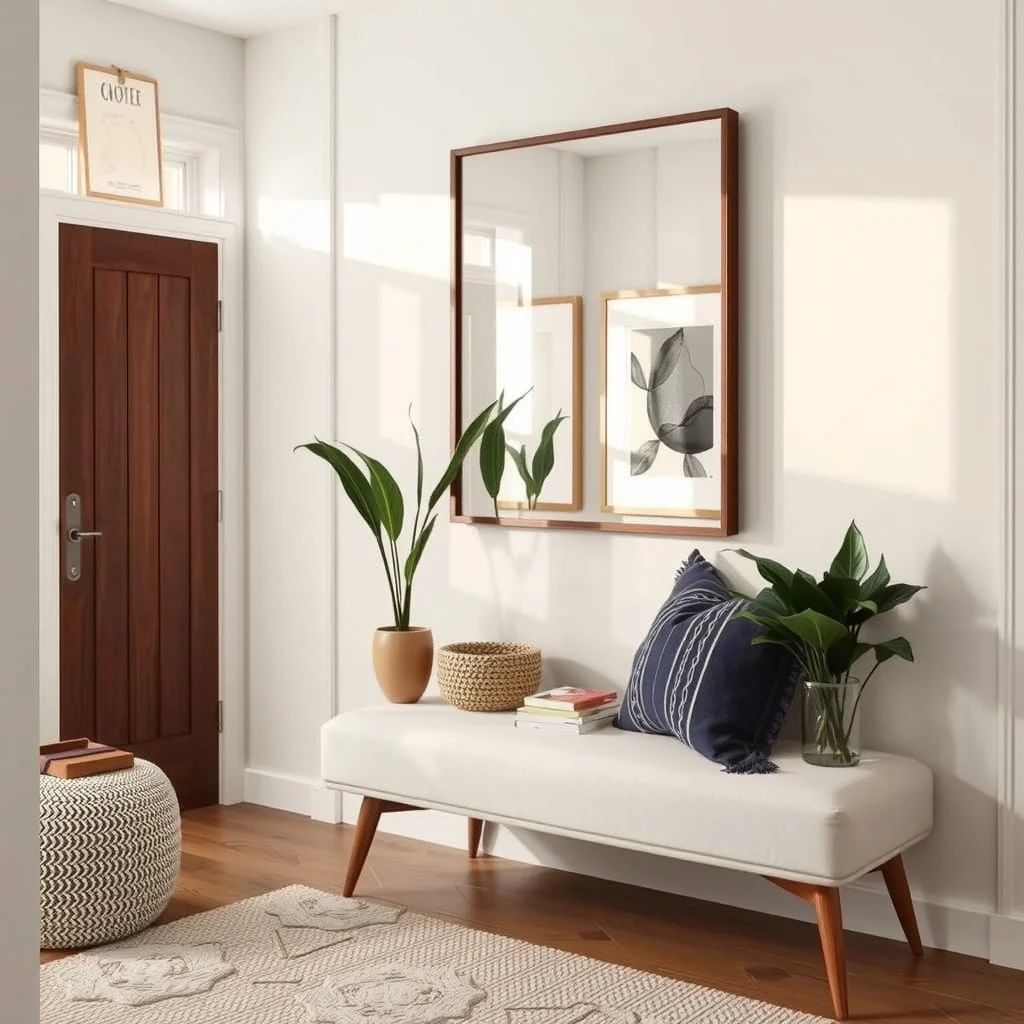
A large wall mirror can visually expand a cramped entryway, and when combined with a shallow storage cavity behind the glass, it becomes a clever bench alternative. Select a mirror that sits within a frame deep enough to accommodate a thin cushion and a concealed compartment for items like umbrellas or a small bag. The mirror reflects light, making the hallway feel brighter, while the hidden shelf provides a place to drop keys or a quick shoe change. Because the storage is concealed, the look remains uncluttered and elegant. The downside is that the mirror’s weight requires secure mounting, and the seating surface is limited to a narrow strip, which may not be comfortable for longer periods.
FAQ
This image is by AI for inspiration only.
Can I install a floating wall‑mounted shelf without finding a stud?
Yes, you can use heavy‑duty toggle bolts or a French cleat system that distributes weight across a larger area, but for a seat that will bear weight regularly, anchoring into studs is the safest option.
What material is best for a cushion in a narrow entryway?
A low‑profile foam cushion covered in a durable, washable fabric such as microfiber or a performance blend works well because it resists stains and holds its shape under frequent use.
How do I keep a small entryway from feeling cluttered?
Limit decorative objects to one or two items, use vertical storage like hooks or tall shelves, and designate specific spots for everyday essentials such as keys, mail, and shoes.
Is a ladder‑style coat rack safe for children?
It can be safe if the ladder is securely anchored and the bottom rung is reinforced with a non‑slip surface; however, supervise young children to ensure they don’t climb on it.
How much weight can a floating shelf with a padded ledge support?
When properly anchored to studs with at least two screws, a well‑built shelf of solid wood or MDF can typically hold 50‑75 pounds, which is sufficient for a cushion and a pair of shoes.
Final Thoughts
This image is by AI for inspiration only.
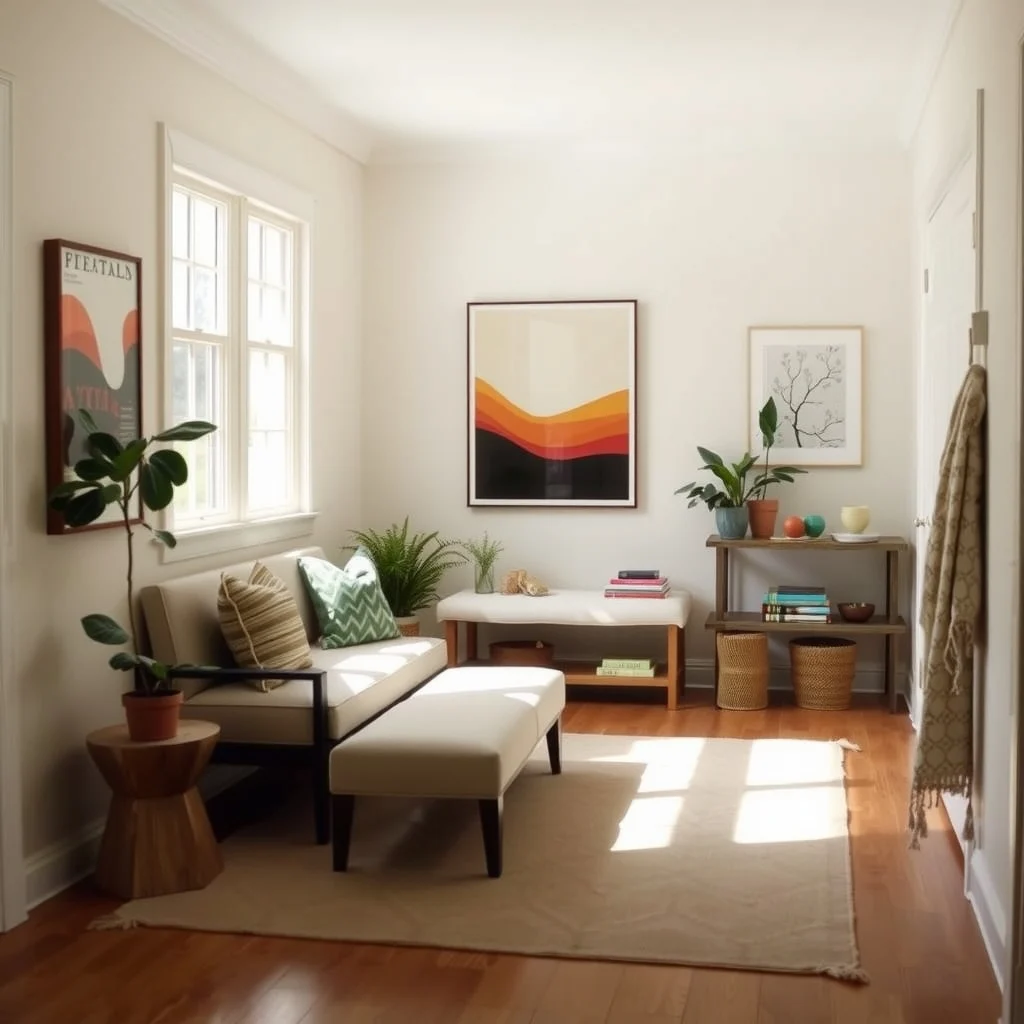
When space is limited, creativity becomes the most valuable tool in shaping an entryway that feels both functional and inviting. Each of the alternatives presented here—whether a wall‑mounted ledge, a slim console, or a cleverly concealed mirror—offers a way to replace a bulky bench without sacrificing the convenience of a place to sit, store, or simply pause before heading out. Consider the flow of traffic, the amount of storage you need, and the aesthetic you prefer, then select the solution that aligns with those priorities. By embracing one of these ideas, you’ll transform a cramped hallway into a streamlined welcome area that serves your daily routine with understated elegance.