How to Create a Work Zone in a Small Living Room

Many apartments and older homes blend the living room with a home office out of necessity, yet the result often feels cluttered and unfocused. A well‑designed work zone can coexist with sofas and coffee tables without sacrificing style or comfort. Below are seven ideas that turn a modest living room into a functional, inviting workspace while keeping the room’s primary purpose intact.
1. Anchor the Space with a Compact Desk
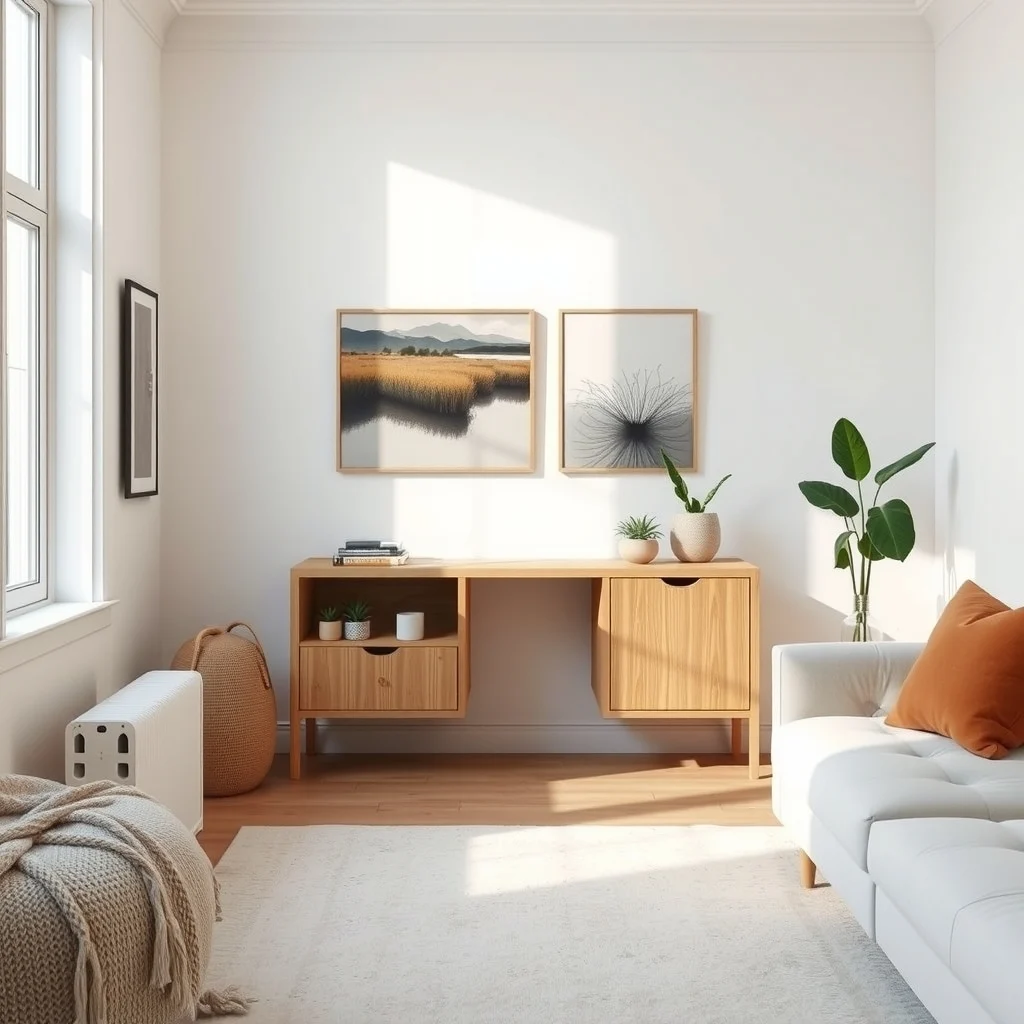
This image is by AI for inspiration only.
Choosing a desk that fits the room’s scale is the first step toward a cohesive work area. A narrow, wall‑mounted console in a light oak finish offers a solid surface without overwhelming the floor plan. The shallow depth leaves room for a side chair and still allows the sofa to sit comfortably nearby. Because the desk is attached to the wall, it eliminates the need for additional legs, creating a visual line that aligns with other built‑in elements such as shelving or a media console. If the wall is painted in a warm greige, the natural wood tone adds texture without competing for attention. When the room receives morning light, positioning the desk near the window provides a pleasant work‑day glow while reducing reliance on artificial lighting.
One trade‑off to consider is the limited storage that a wall‑mounted desk provides. Pairing the desk with a slim, vertical drawer unit or a set of floating shelves can compensate for the loss of under‑desk cabinets. The added storage should echo the desk’s material—matching brushed brass handles or a similar wood veneer—to keep the visual language unified.
2. Define Boundaries with Area Rugs
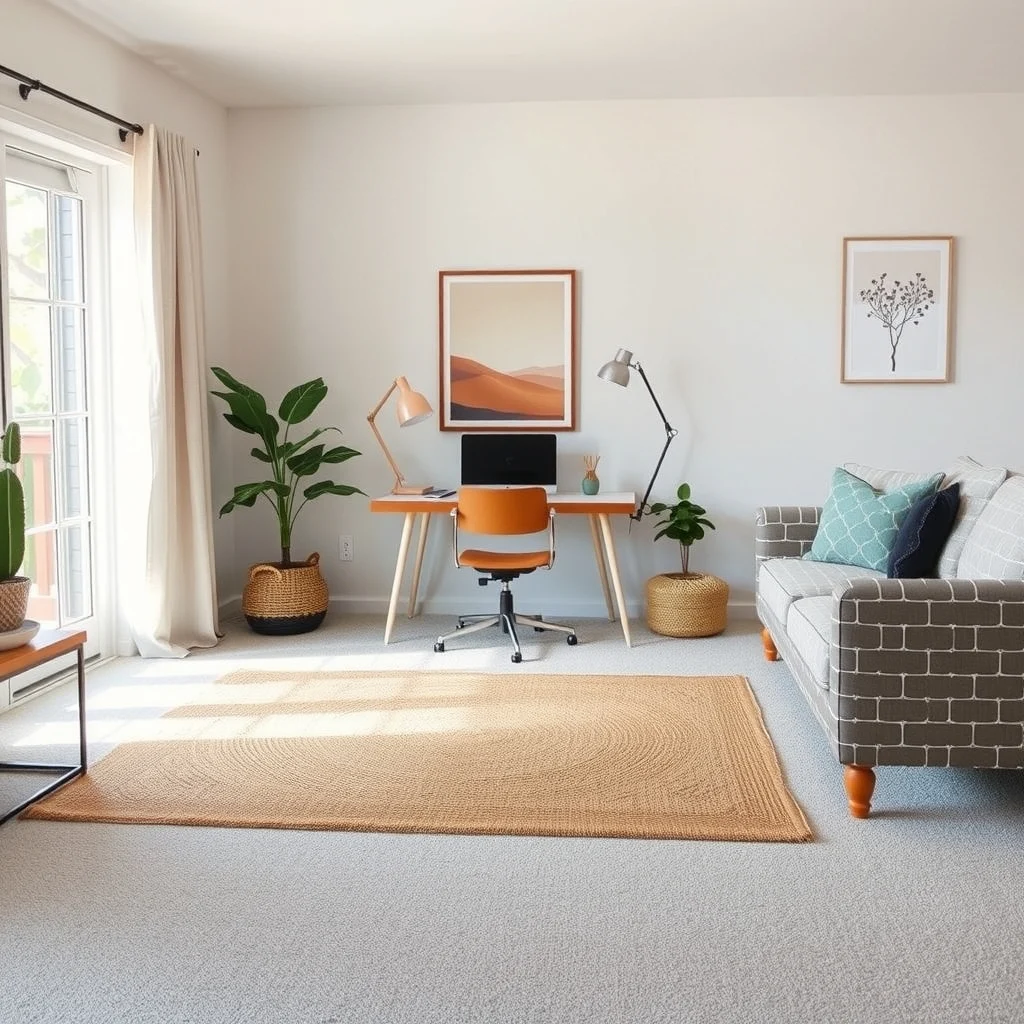
This image is by AI for inspiration only.
Rugs do more than soften footsteps; they delineate functional zones in an open‑plan room. Selecting a rug that is slightly larger than the desk and chair creates a subtle perimeter, signaling where work begins and ends. A low‑pile rug in a muted terracotta hue adds warmth and anchors the furniture without drawing the eye away from other décor elements. The texture of a woven natural fiber feels pleasant underfoot during long work sessions, and its durability stands up to occasional coffee spills.
If the living room already features a larger rug under the seating area, a smaller runner placed in front of the desk can still achieve separation. The key is to maintain a consistent color palette so the two rugs feel like parts of a whole rather than competing patterns.
3. Layer Lighting for Focus and Mood
This image is by AI for inspiration only.
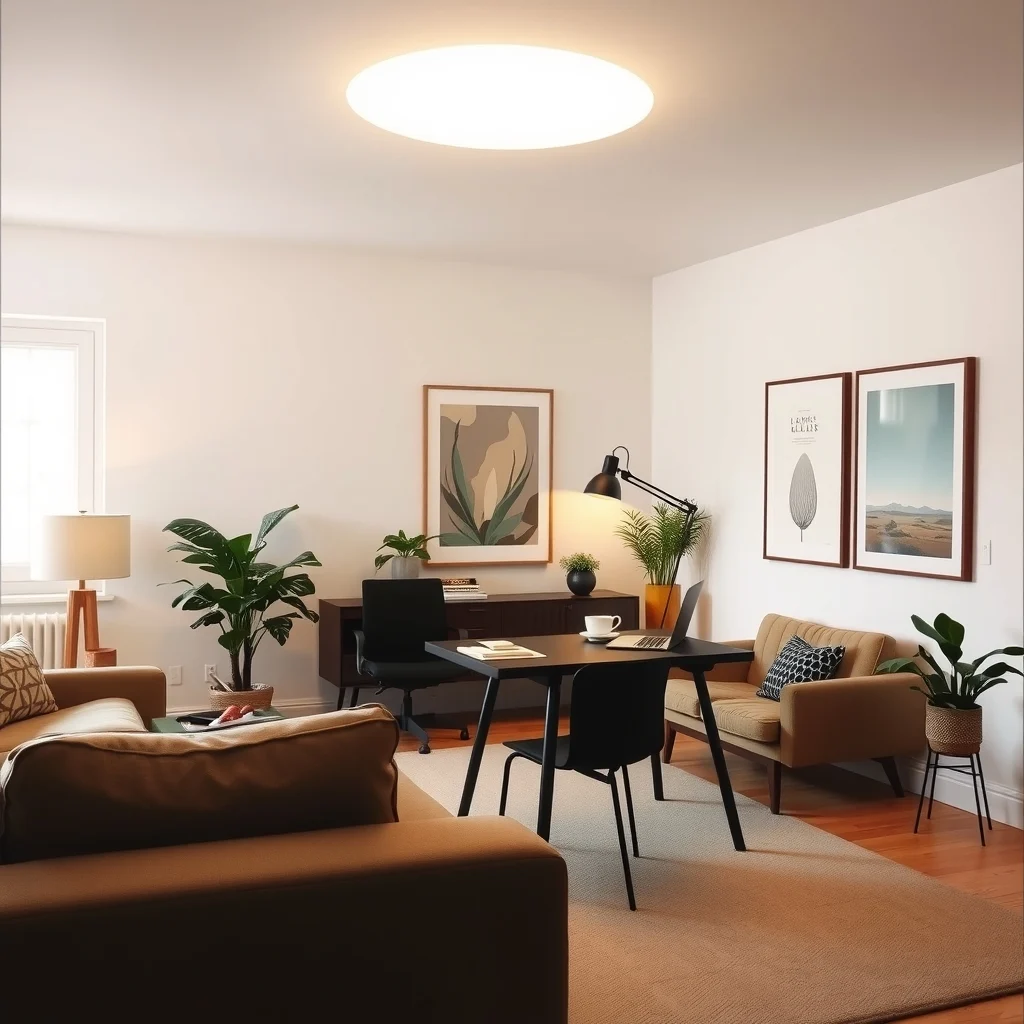
Good lighting is essential for productivity and eye comfort. Overhead fixtures that illuminate the entire room are complemented by a dedicated task lamp positioned on the desk. A lamp with an adjustable arm and a matte black finish provides directed light without creating glare on the screen. Choosing a bulb with a warm white temperature (around 3000 K) reduces harshness while keeping the space feeling inviting after work hours.
In addition to the desk lamp, a floor lamp placed near the sofa adds ambient illumination for moments when you transition from work to relaxation. A slender, brushed‑nickel lamp with a fabric shade diffuses light softly, preventing the room from feeling overly clinical. When the natural light fades, the layered approach ensures the workspace remains functional without relying on a single, bright source.
4. Incorporate Flexible Seating
This image is by AI for inspiration only.
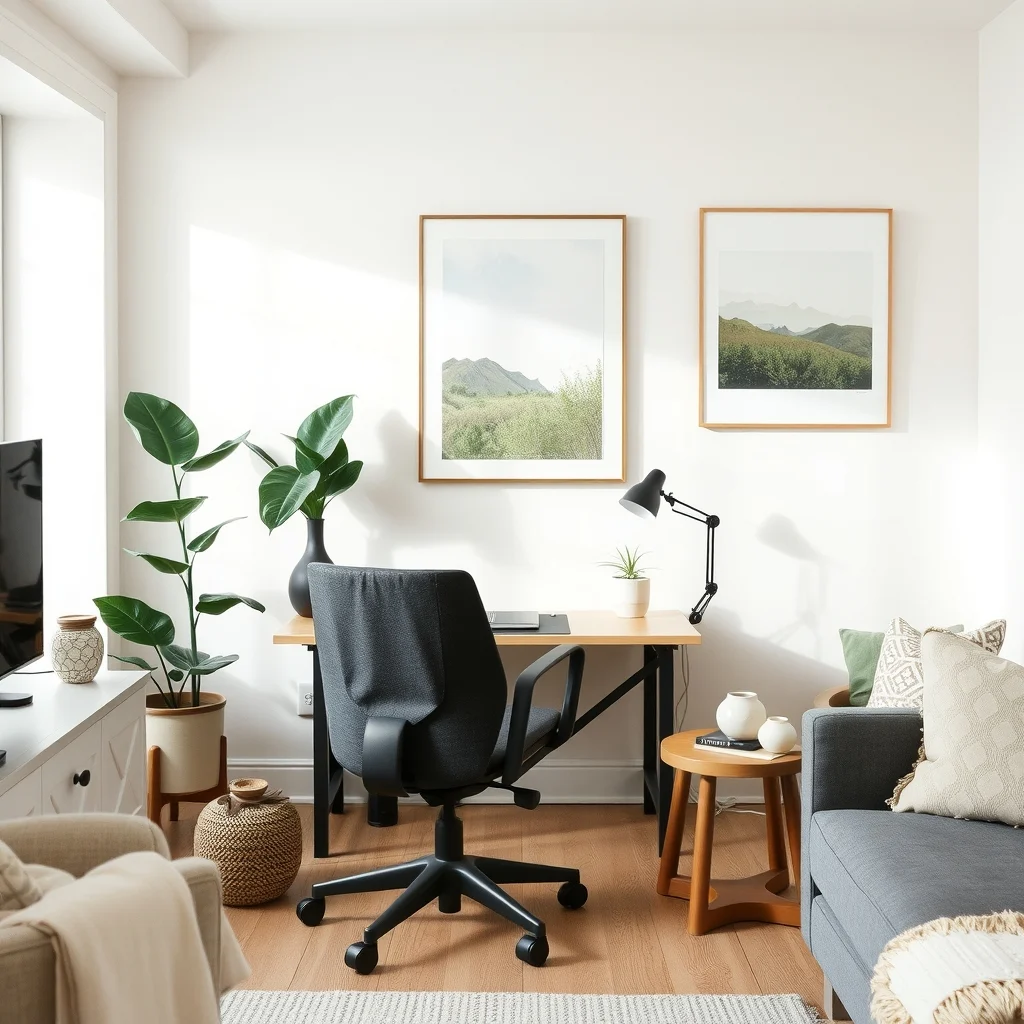
A comfortable chair is non‑negotiable for any work zone, but in a living room the chair must also blend with the seating ensemble. An ergonomic office chair upholstered in a soft, charcoal linen offers support for extended periods while matching the neutral tones of a sectional sofa. The chair’s low back and clean lines avoid visual bulk, allowing it to slip under the desk when not in use.
For days when you prefer a more relaxed posture, a pouf or a small upholstered ottoman can serve as an alternative seat. Placing a plush, deep‑green pouf beside the desk adds a touch of color and provides a casual option for reading or brainstorming. Keep in mind that a softer seat may lack the lumbar support of a dedicated office chair, so it works best for short tasks or breaks.
5. Use Vertical Storage to Preserve Floor Space
This image is by AI for inspiration only.
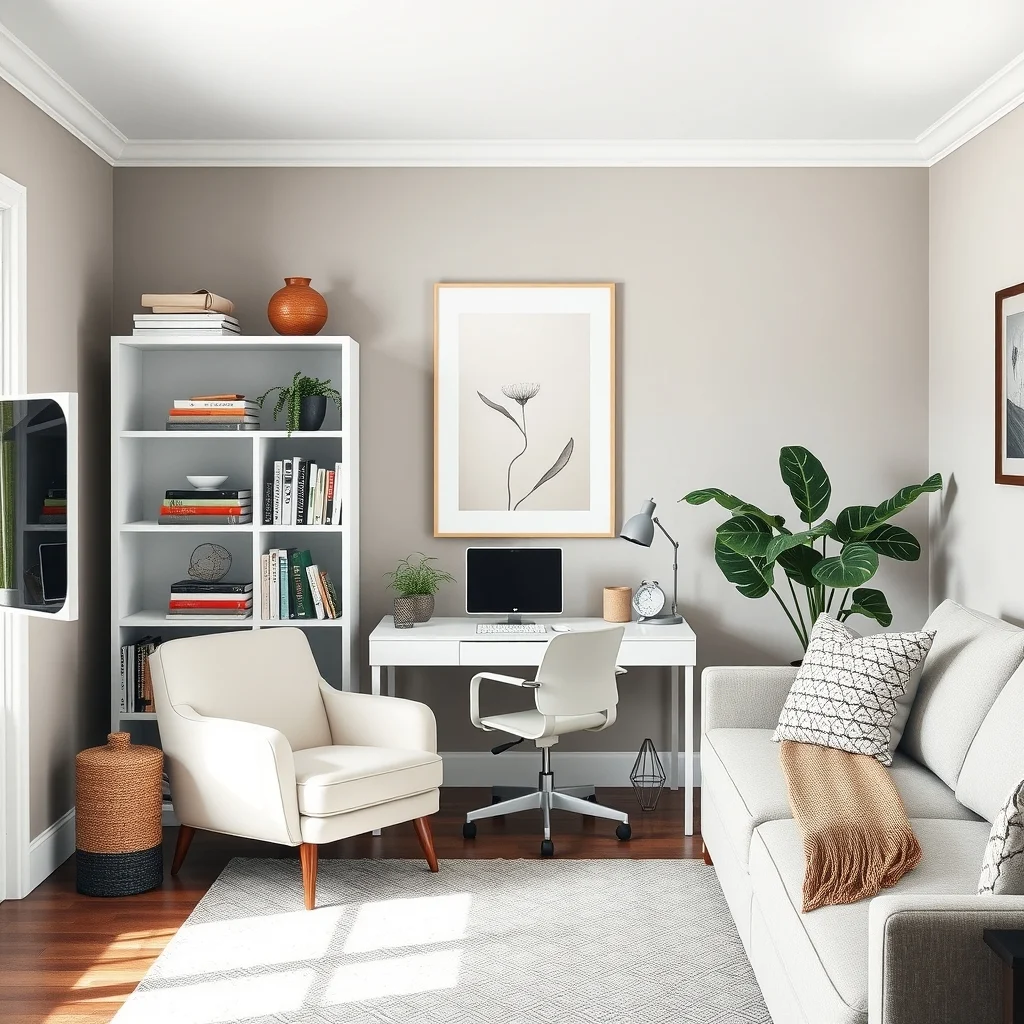
When square footage is at a premium, storing documents and supplies vertically frees up valuable floor area. Tall, narrow bookcases in a powder‑coated white finish can be positioned next to the desk, holding binders, notebooks, and decorative objects. The vertical orientation draws the eye upward, creating an illusion of height that makes the room feel larger.
Integrating closed cabinets with subtle handles maintains a tidy appearance, while a couple of open shelves at eye level provide quick access to frequently used items such as a notebook, a plant, or a decorative bowl. The trade‑off is that taller units may require a higher ceiling clearance; ensure there is at least a few inches of space above the top shelf to avoid a cramped look.
6. Add Personal Touches without Distraction
This image is by AI for inspiration only.
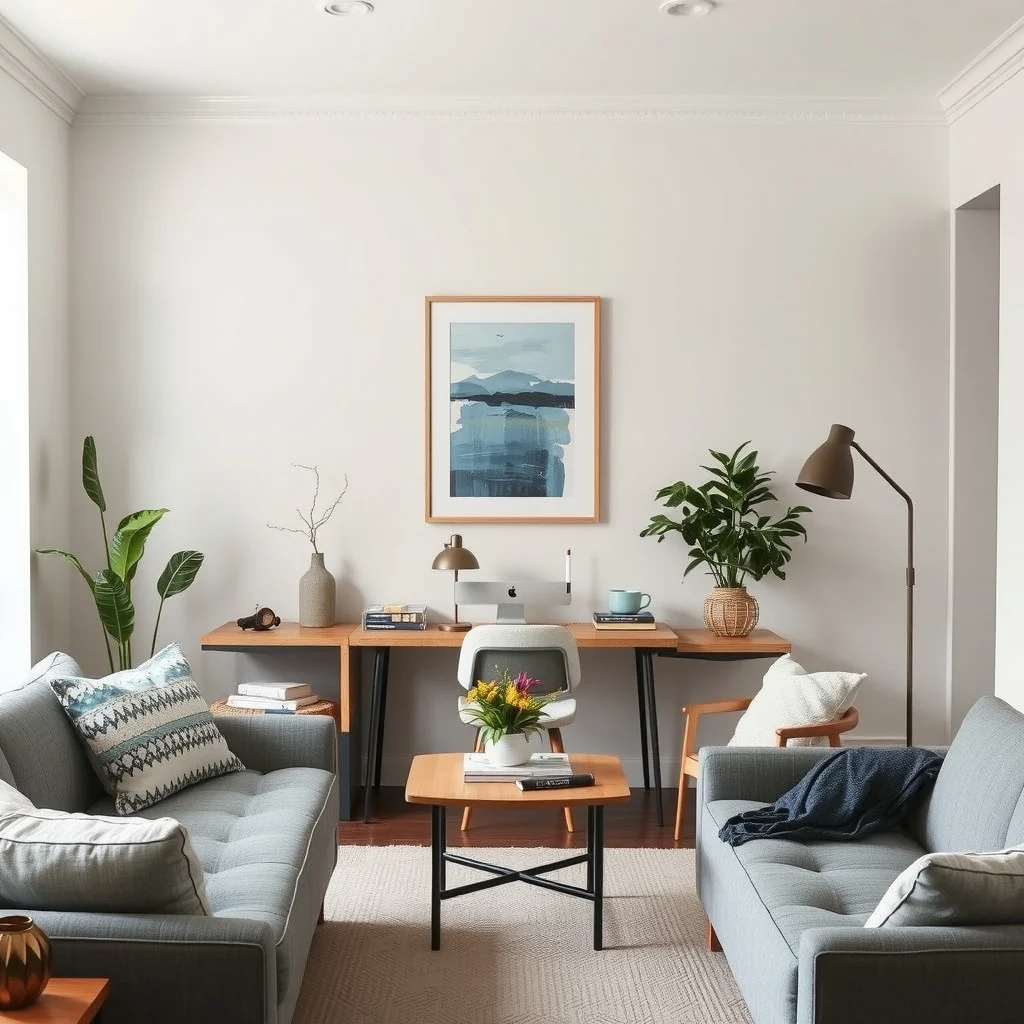
A work zone should inspire without pulling focus from tasks. A single piece of artwork—perhaps a framed abstract print in muted blues—hung just above the desk can serve as a visual anchor. The size of the artwork should be proportional to the desk width; a piece that is roughly two‑thirds the desk’s length provides balance.
Plants bring a breath of nature indoors and improve air quality. A medium‑sized fiddle‑leaf fig in a ceramic pot placed on a corner shelf adds height and a splash of green. If you prefer low‑maintenance options, a trailing pothos in a woven basket can drape gently over the edge of a shelf, softening sharp lines. Avoid overcrowding the desk with decorative items; keep the surface clear for work essentials.
7. Plan for Cable Management and Technology Needs
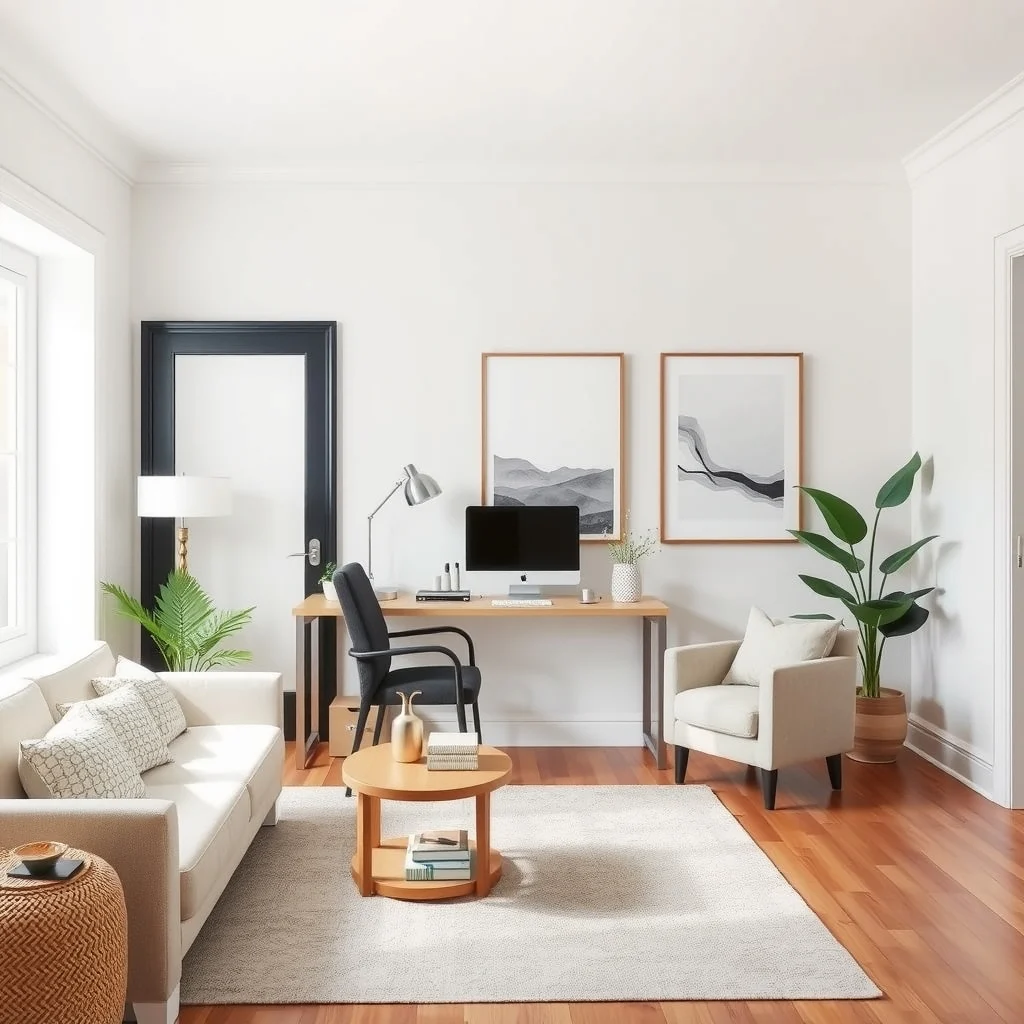
This image is by AI for inspiration only.
Modern workstations require power and connectivity, and exposed cords can quickly make a small area look untidy. Installing a simple cord cover that runs along the baseboard hides charging cables and power strips. If the desk includes a built‑in grommet, route the main laptop charger through it and secure any additional cords with Velcro ties.
For wireless convenience, a compact Bluetooth speaker can sit on the desk, providing background music without the clutter of a larger sound system. When the room also serves as an entertainment space, positioning the speaker away from the television ensures the audio experience remains balanced for both work and leisure. Remember to keep the power strip within reach but out of sight, perhaps mounted on the underside of the desk or tucked behind the vertical storage unit.
How can I make a work zone look stylish in a small living room?
A work zone feels stylish when the furniture, colors, and accessories share a common language with the rest of the room. Choose a desk that matches existing wood tones, use a rug to define the area, and add a single piece of artwork or a plant for personality. Keeping the palette cohesive and the décor minimal prevents the workspace from feeling like an afterthought.
What type of chair works best for a living‑room office?
An ergonomic chair with a low back and neutral upholstery blends well with living‑room seating. Look for a chair that can slide under the desk and matches the room’s color scheme, such as a charcoal linen or a muted navy fabric. This approach provides support without disrupting the visual flow.
Is it okay to use a wall‑mounted desk in a rental?
Yes, as long as you follow the landlord’s guidelines and use removable mounting hardware. Wall‑mounted desks avoid floor‑standing legs, preserving floor space and making the installation reversible when you move.
How do I keep cords from looking messy?
Run cords through a cord cover that follows the baseboard, and secure loose ends with Velcro ties. A desk grommet or a small power strip mounted under the desk can also hide plugs and keep the surface clean.
Can a small rug really separate a work zone from the rest of the room?
A rug that is slightly larger than the desk and chair creates a visual boundary, signaling a distinct area. The contrast in texture and color helps the brain recognize the work zone while maintaining harmony with the larger room rug.
Final Thoughts
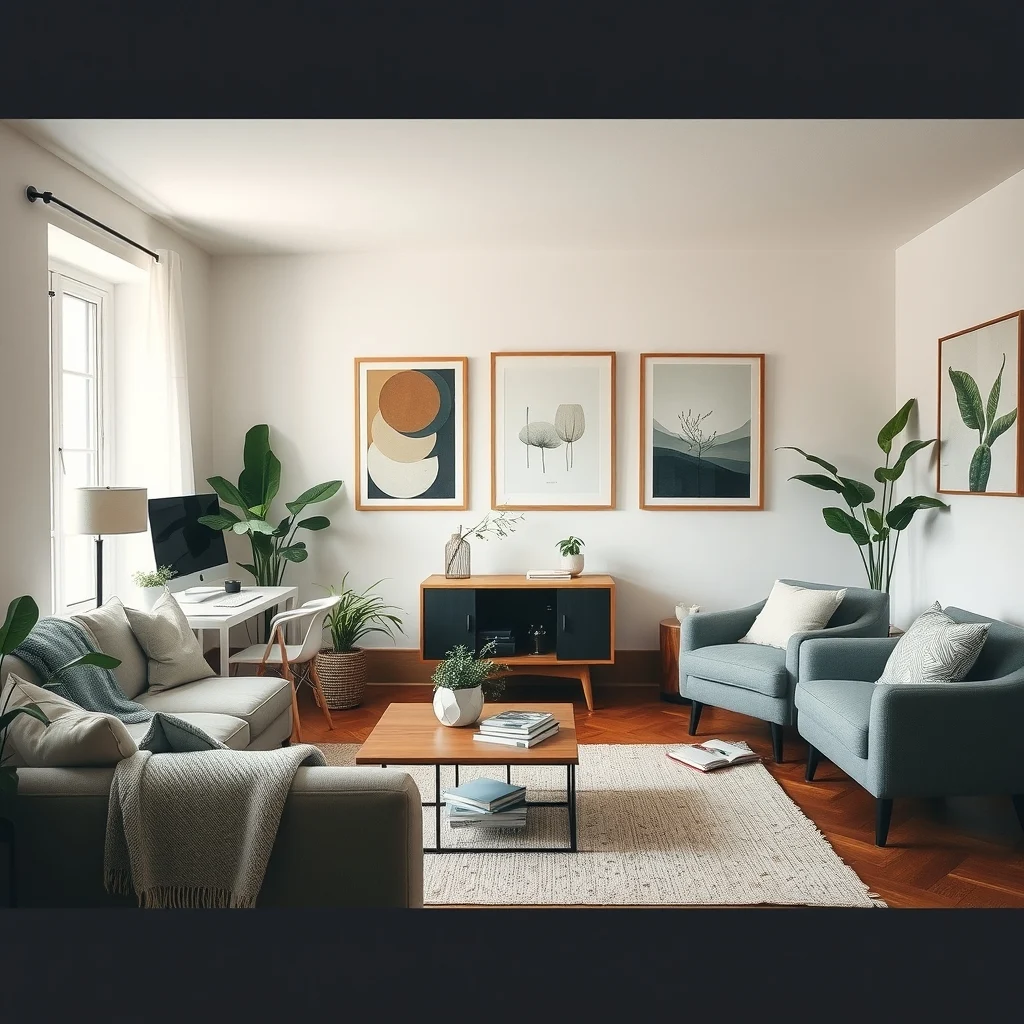
This image is by AI for inspiration only.
Creating a functional work zone in a small living room is less about adding more furniture and more about thoughtful arrangement. By selecting a suitably sized desk, defining the area with a rug, layering appropriate lighting, choosing flexible seating, maximizing vertical storage, adding restrained personal touches, and managing cables, you can enjoy a productive workspace that feels like an integral part of the living room. The result is a room that supports both work and relaxation without compromise, allowing you to transition smoothly from a morning meeting to an evening movie.