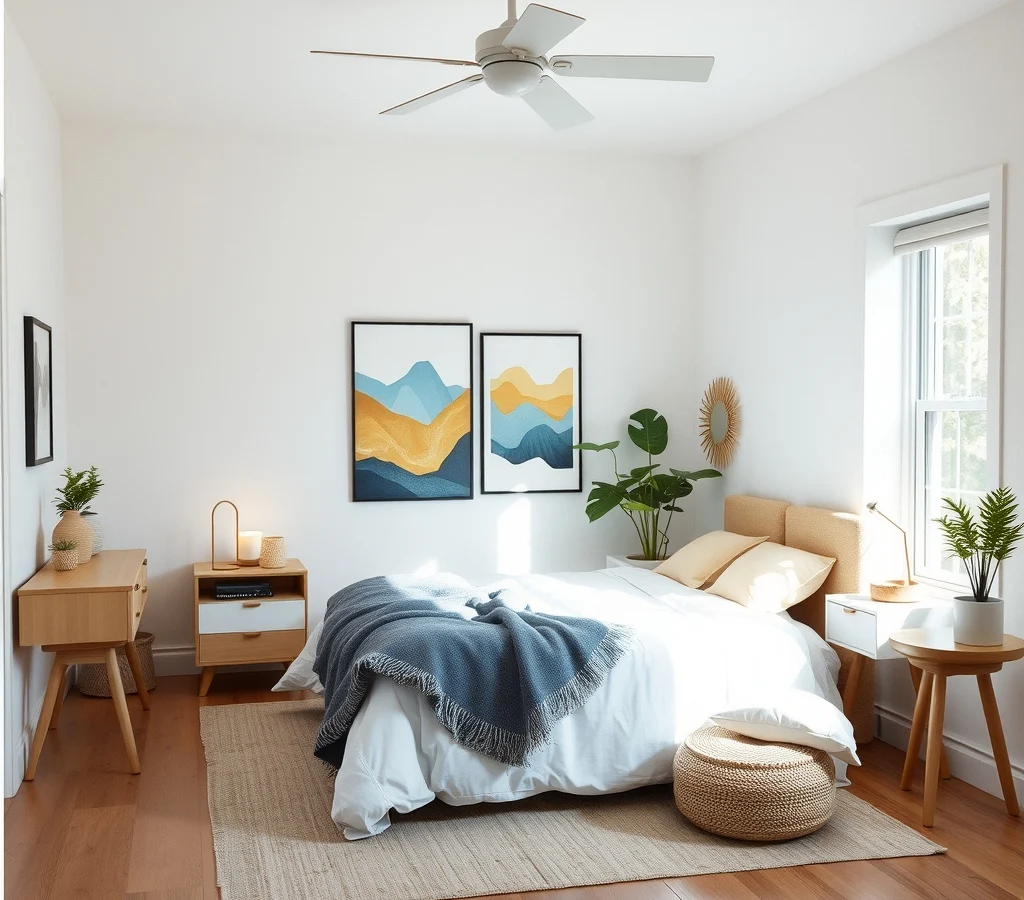
Small Bedroom Layout and Storage Ideas for a Rental

Living in a rental often means working within constraints: you can’t tear down walls, you may have limited closet space, and you want to keep changes reversible. Yet a modest bedroom can feel organized, inviting, and spacious with the right layout choices. Below are seven ideas that blend clever storage with a layout that works in most lease‑approved spaces. Each suggestion explains how it looks, why it functions well, and practical steps you can take without jeopardizing your security deposit.
1. Position the Bed to Define Zones
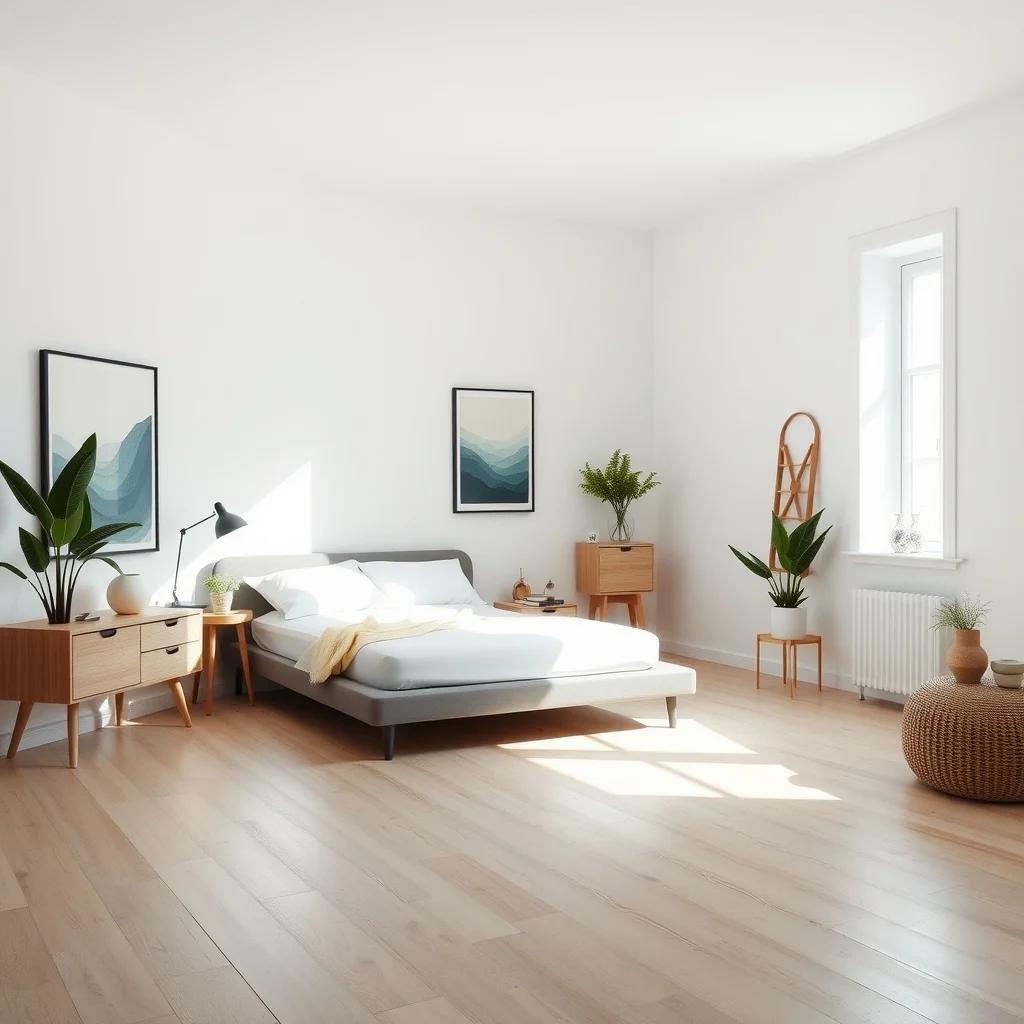
This image is by AI for inspiration only.
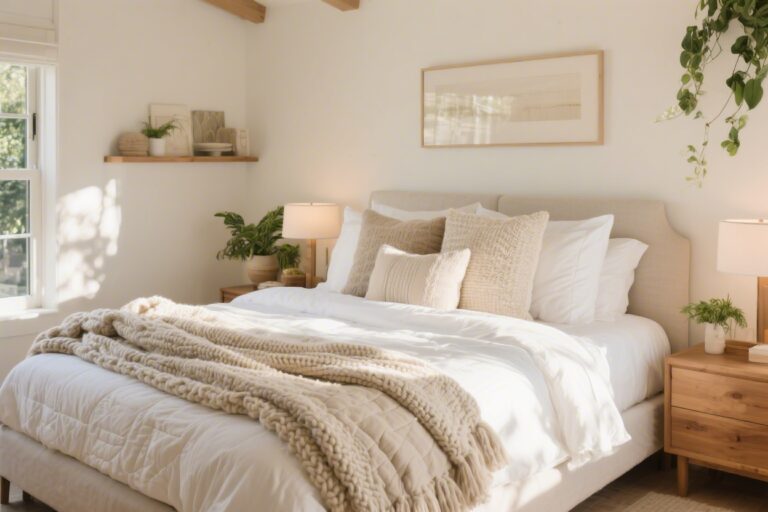
When you enter a small bedroom, the first visual cue is the placement of the bed. By pushing the bed against the longest uninterrupted wall, you create a natural division between sleeping and a secondary area for a desk or a reading nook. This arrangement leaves the opposite wall free for vertical storage, such as shelves or a tall dresser, without crowding the floor. A headboard with built‑in shelves adds a place for books, a small lamp, and a few decorative items, keeping night‑stand clutter to a minimum. If the room receives morning light, orient the bed so the head faces the window; the gentle illumination will make waking feel less abrupt while preserving privacy with a simple curtain.
Because renters often cannot install permanent fixtures, use a freestanding platform or a low‑profile bed frame that sits directly on the floor. This approach eliminates the need for a bulky box spring and opens the area underneath for storage bins that slide in and out easily. When you eventually move, the whole setup can be lifted and taken with you.
2. Embrace Multi‑Functional Furniture
This image is by AI for inspiration only.
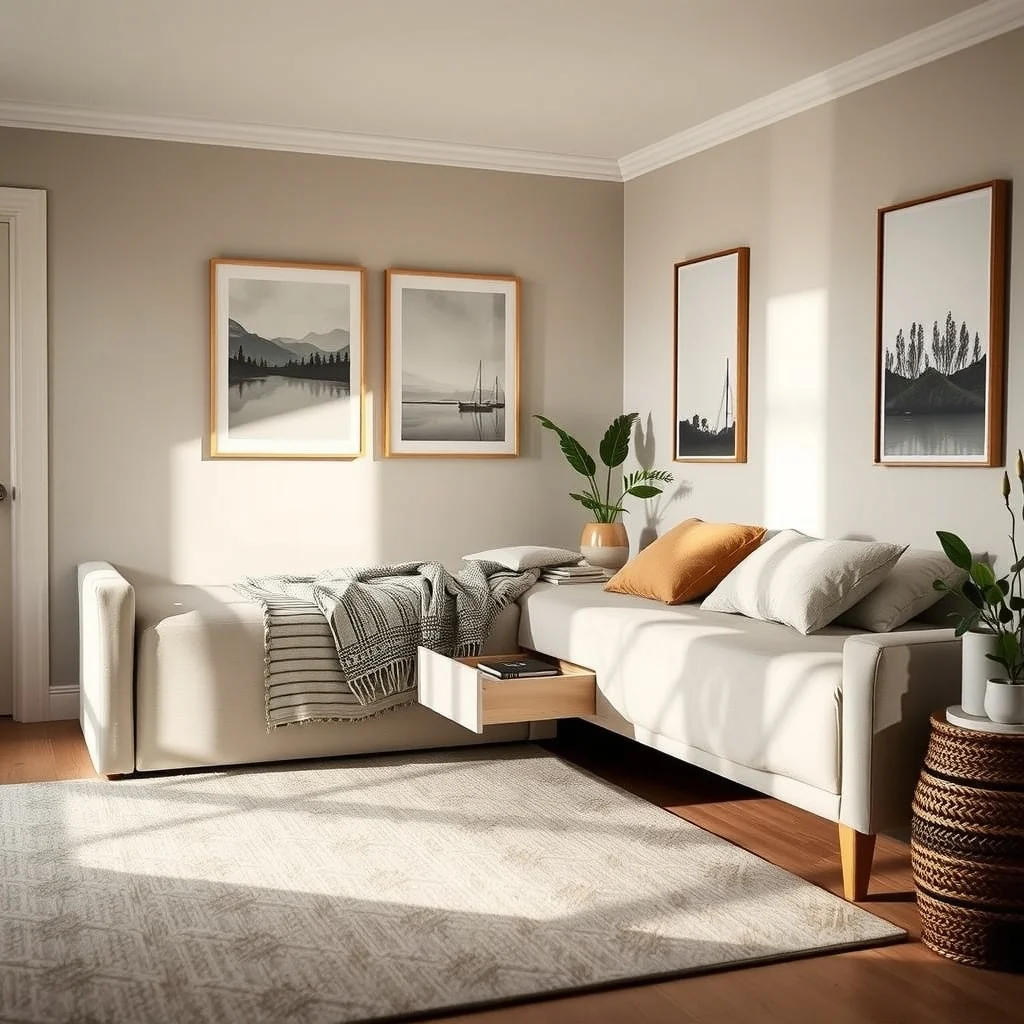
Every piece that serves more than one purpose reduces the overall footprint of the room. A daybed with hidden drawers, for example, provides seating during the day and a place to tuck blankets or seasonal clothing at night. Choose a design with a clean, neutral upholstery so it blends with various décor styles and can be refreshed with a slipcover if you like a change later on.
Another strong option is a narrow desk that doubles as a vanity. Position it against a wall that already hosts a power outlet, and add a mirror with an integrated shelf. The shelf can hold cosmetics, a small plant, or a stack of books, while the desk surface remains clear for work or makeup application. When the lease ends, you can simply fold the desk flat or detach the shelf without leaving marks on the wall.
3. Install Open‑Back Shelving Above the Bed
This image is by AI for inspiration only.
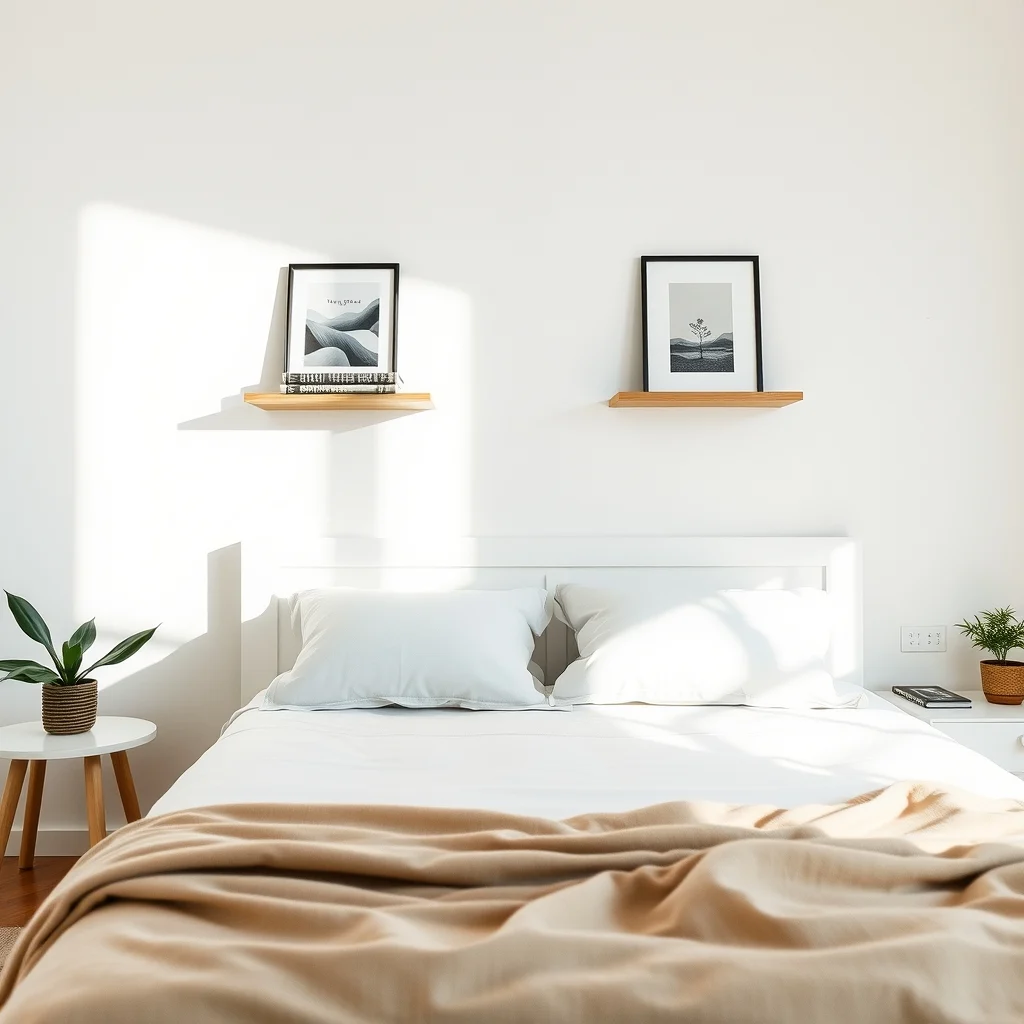
Floating shelves that sit a few inches above the mattress create a lightweight look and keep the floor space open. Because the back of the shelf is open, the visual line continues to the wall, making the room feel taller. Use the top shelf for items you want easy access to—alarm clock, a favorite novel, or a small tray for jewelry. The lower shelf can hold folded linens, extra pillows, or a decorative basket that adds texture without overwhelming the space.
When selecting shelves, opt for brushed metal brackets or simple wood planks that can be attached with removable adhesive strips. This method satisfies most lease agreements, as it avoids drilling permanent holes. If you decide to relocate, the strips come off cleanly, leaving the wall unmarked.
4. Create a Closet Extension with a Tension Rod System
This image is by AI for inspiration only.
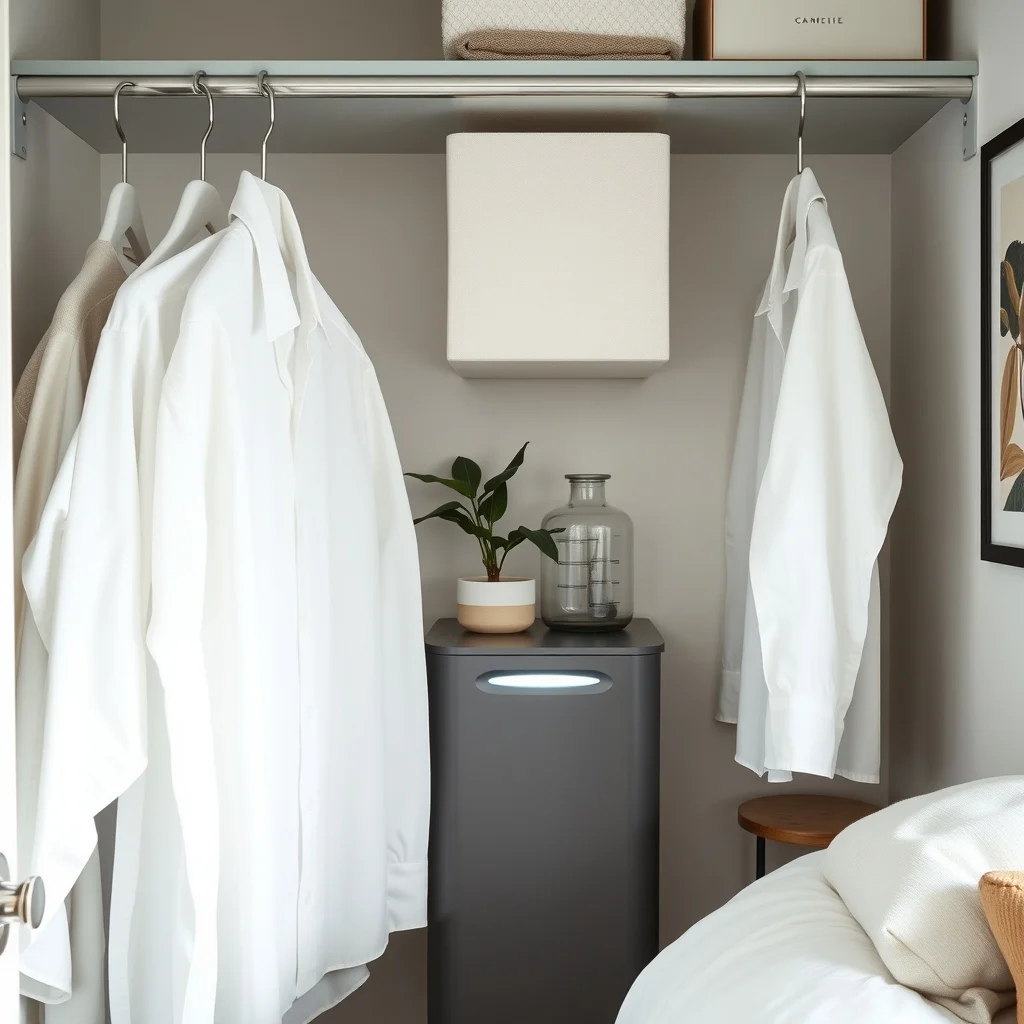
Many rentals offer a basic wardrobe that lacks interior organization. A tension rod installed inside the closet can double the hanging capacity without any hardware. Place one rod near the top for longer garments and a second, lower rod for shirts or skirts. Adding a few fabric bins that slide onto the rod provides a home for scarves, belts, or folded sweaters.
For the floor of the closet, a slim rolling cart on wheels offers a mobile solution for shoes or laundry hampers. Because the cart rests on the floor, no modifications are required, and you can push it out when you need to vacuum or clean. When you move, simply roll the cart away and pack the bins for transport.
5. Use Light‑Colored Curtains to Expand Visual Space
This image is by AI for inspiration only.
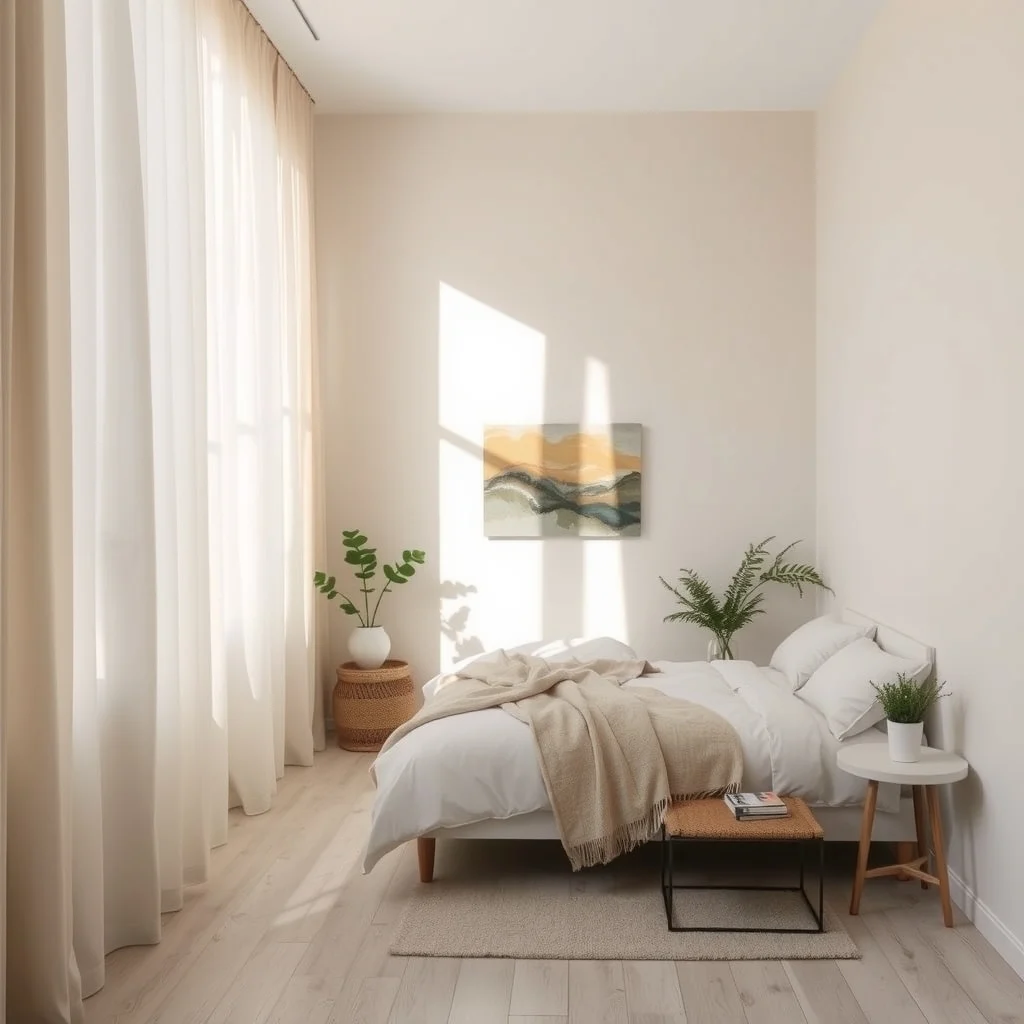
Heavy drapes can make a compact room feel confined, while sheer or light‑colored curtains allow natural light to filter through, creating an airy atmosphere. Choose a linen blend in a soft ivory or pale greige that complements both warm and cool colour schemes. Hang the curtain rod close to the ceiling rather than the window frame; this draws the eye upward, giving the impression of higher walls.
To add a touch of personality without permanent changes, tie a decorative rope or a simple fabric tie at the midpoint of the curtain. This small detail adds visual interest and can be swapped out seasonally. The curtains also serve a functional purpose by providing privacy when needed, and they can be removed without leaving marks when your lease ends.
6. Incorporate a Rolling Storage Ottoman
This image is by AI for inspiration only.
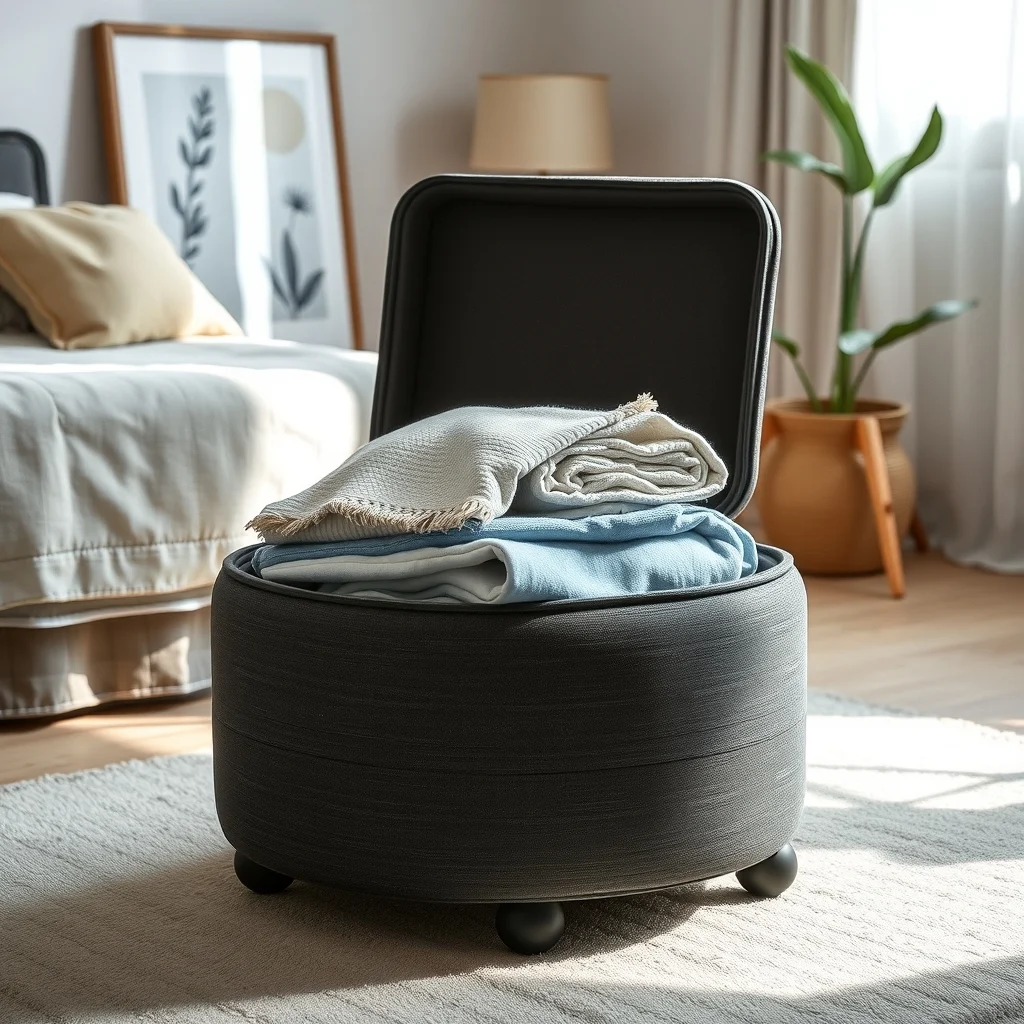
A low, upholstered ottoman on wheels functions as a footrest, extra seating, and a concealed bin for items such as blankets, magazines, or even a small suitcase. Select a piece upholstered in a durable, easy‑to‑clean fabric like microfiber in a neutral shade that blends with the rest of the décor. The wheels make it simple to reposition the ottoman for cleaning or to create a temporary lounge area for guests.
The height of the ottoman should align with the seat of the bed or a chair, ensuring that it feels cohesive rather than an afterthought. When you need to free up floor space, the ottoman can be tucked under the bed or stored in a corner, thanks to its compact footprint.
7. Maximize Vertical Space with a Tall, Narrow Dresser
This image is by AI for inspiration only.
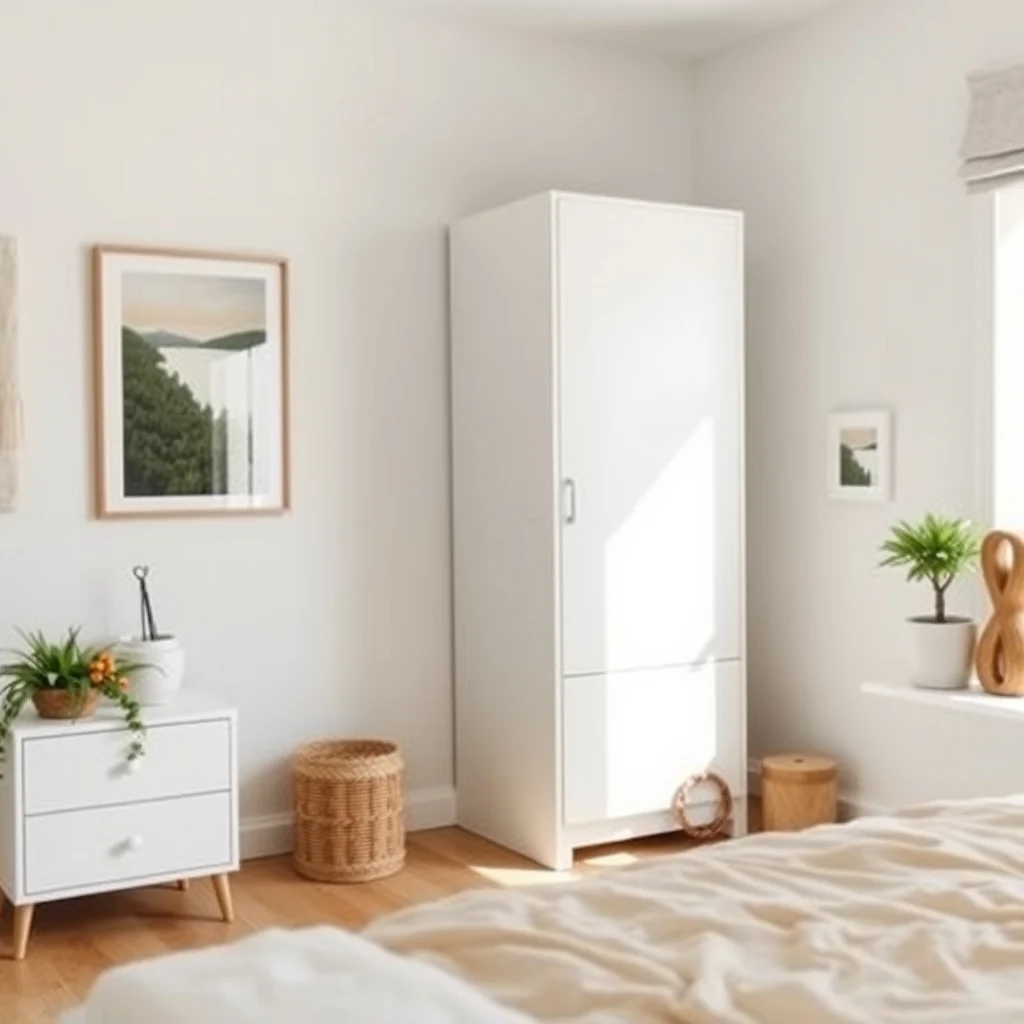
Instead of a wide dresser that eats up valuable floor area, a tall, narrow unit offers ample drawer storage while preserving walking space. Position it opposite the bed or beside the door to act as a subtle room divider, separating the sleeping zone from a small work or dressing area. The vertical orientation draws the eye upward, which can make the ceiling feel higher.
Choose a dresser with smooth‑closing drawers to reduce noise, and consider one with a mirrored front panel. The mirror not only serves a practical purpose but also reflects light, brightening the room further. If you prefer a more rustic look, a reclaimed wood piece adds character while still fitting within a rental’s aesthetic.
FAQ
This image is by AI for inspiration only.
How can I hang artwork without damaging the walls?
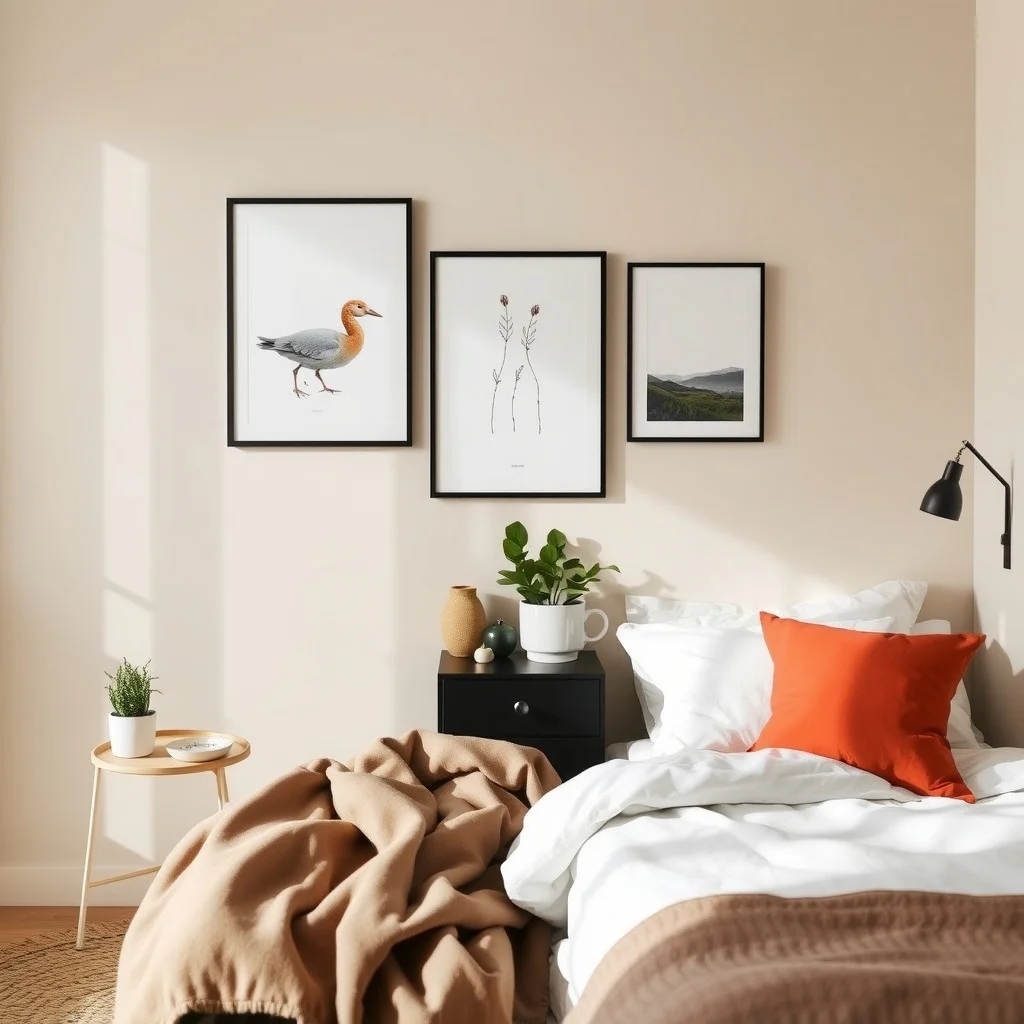
Use adhesive picture strips that are designed for removable mounting. They hold lightweight frames securely and peel away cleanly when you need to relocate them.
What’s a good way to keep cords tidy in a small bedroom?
Bundle cords with reusable Velcro ties and run them along the back of furniture or behind a baseboard. A short cable cover can hide any visible sections, reducing visual clutter.
Can I add a rug without risking stains on the carpet?
A low‑pile rug with a non‑slip backing protects the underlying carpet and adds warmth. Choose a material that is easy to vacuum and spot‑clean, such as a polyester blend.
Is it safe to use peel‑and‑stick wallpaper on a rental?
Peel‑and‑stick wallpaper is designed for temporary use and can be removed without leaving residue. It’s an effective way to add pattern to an accent wall while keeping the original paint intact.
Final Thoughts
This image is by AI for inspiration only.
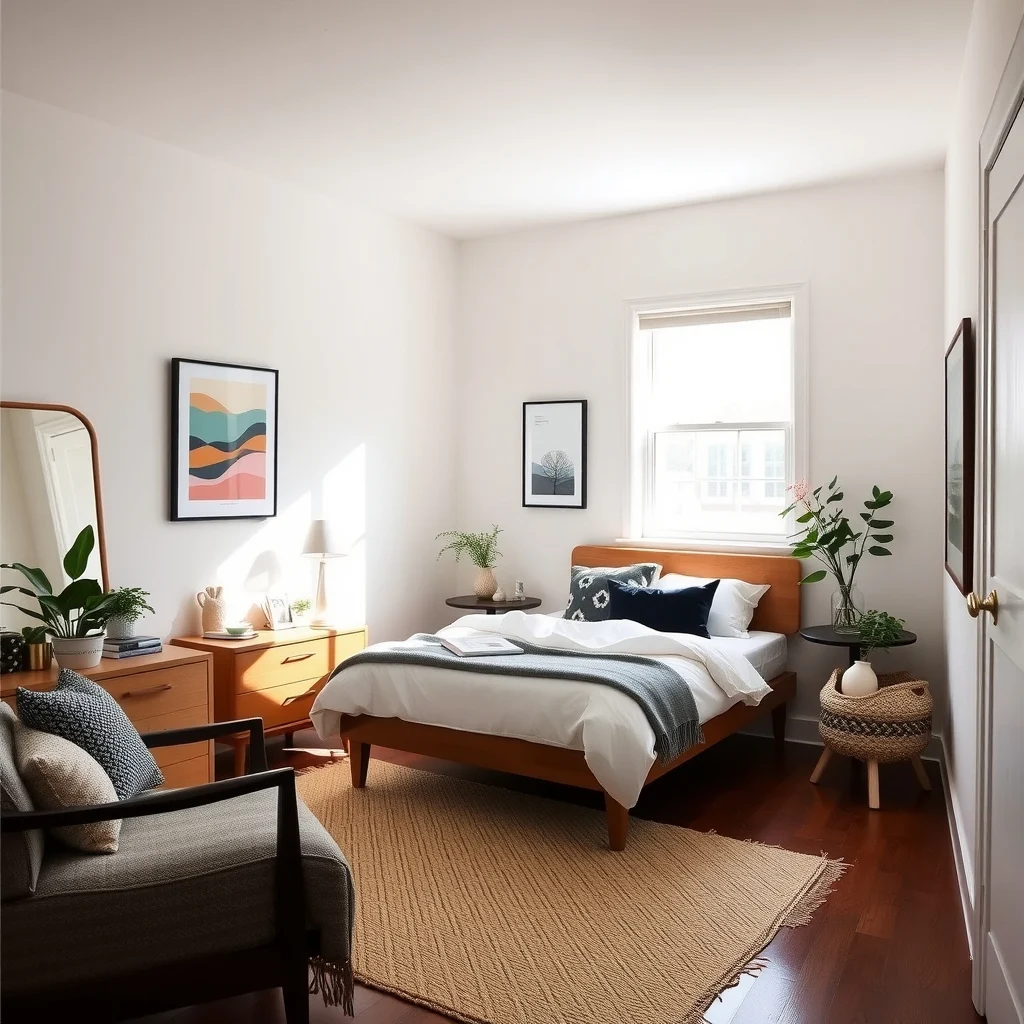
Designing a small bedroom in a rental is less about sweeping renovations and more about thoughtful placement, adaptable furniture, and clever storage solutions. By anchoring the bed to define zones, choosing pieces that serve multiple roles, and exploiting vertical space, you can create a room that feels both functional and inviting. Each idea respects the limits of a lease while offering flexibility for future moves. With a little planning, your modest bedroom can become a well‑organized retreat that reflects your personal style without compromising the landlord’s expectations.