How to Create a Pantry in One Kitchen Cabinet
Many homes have a single tall cabinet that sits empty while pantry items are scattered across countertops or tucked into the back of the fridge. Turning that unused space into a functional pantry can free up room, keep dry goods organized, and make meal prep feel less chaotic. Below you’ll find a step‑by‑step walk through the decisions that shape a compact pantry, from measuring the interior to choosing finishes that complement the rest of the kitchen.
1. Measure the interior and sketch a simple layout

This image is by AI for inspiration only.
© 2026 AI Illustrator — Inspiration Only
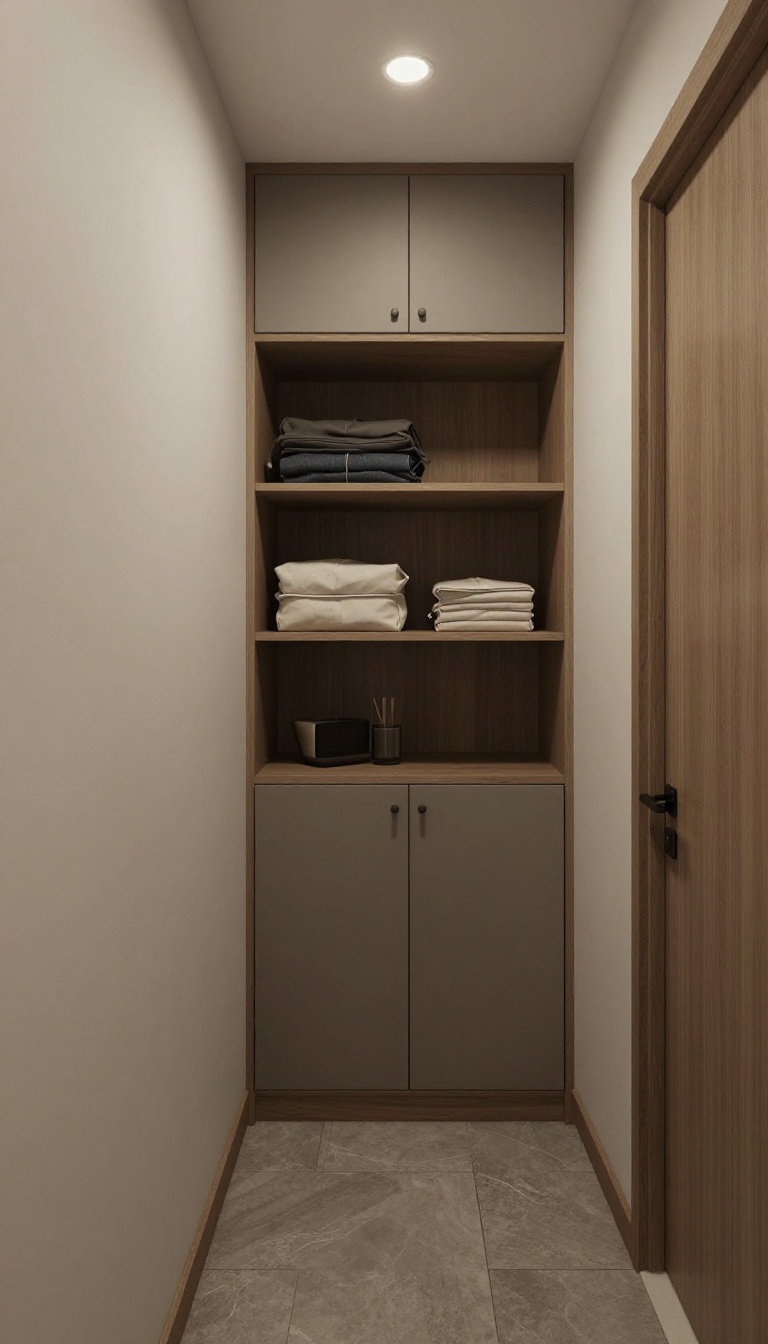
The first step is to understand exactly what you have to work with. Pull the cabinet doors open, note the height, width, and depth, and write those numbers down. A quick sketch—whether on paper or a phone app—helps you visualise where shelves, baskets, and lighting will sit. Knowing the clear opening size is crucial because it determines whether you can reach the back comfortably; a cabinet that’s too deep may need a pull‑out shelf or a small step stool. By mapping the space early, you avoid costly adjustments later and can decide whether a single row of shelves will suffice or if a double‑tier arrangement makes more sense.
Love Your Home.
Enjoy a Little More Order.
Not sure how to decorate your space or organize your home? Discover practical digital guides, planners and ideas designed to make everyday living easier.
Your first purchase at Livana Studio
When you translate measurements onto paper, place the tallest items—cereal boxes or large jars—near the top where they’re easy to see, and reserve lower shelves for frequently used spices or snacks. This hierarchy mirrors the way the eye naturally scans upward, reducing the time spent hunting for ingredients. The result is a layout that feels intentional rather than improvised.
2. Install adjustable shelving for flexible storage
This image is by AI for inspiration only.
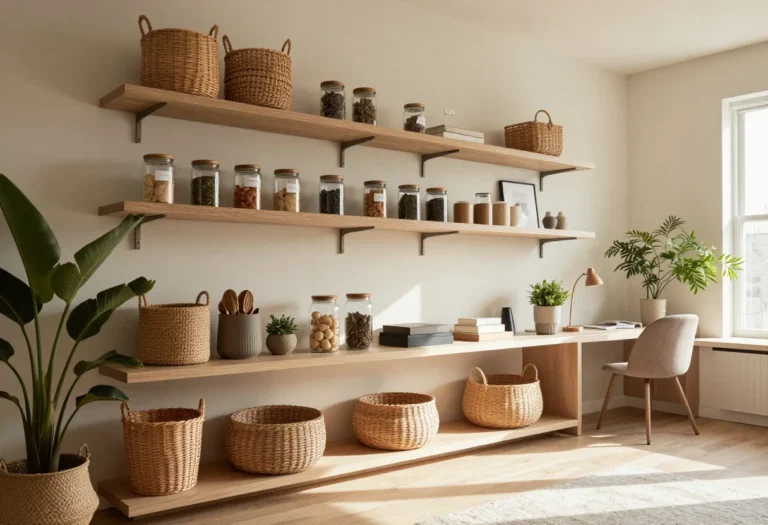
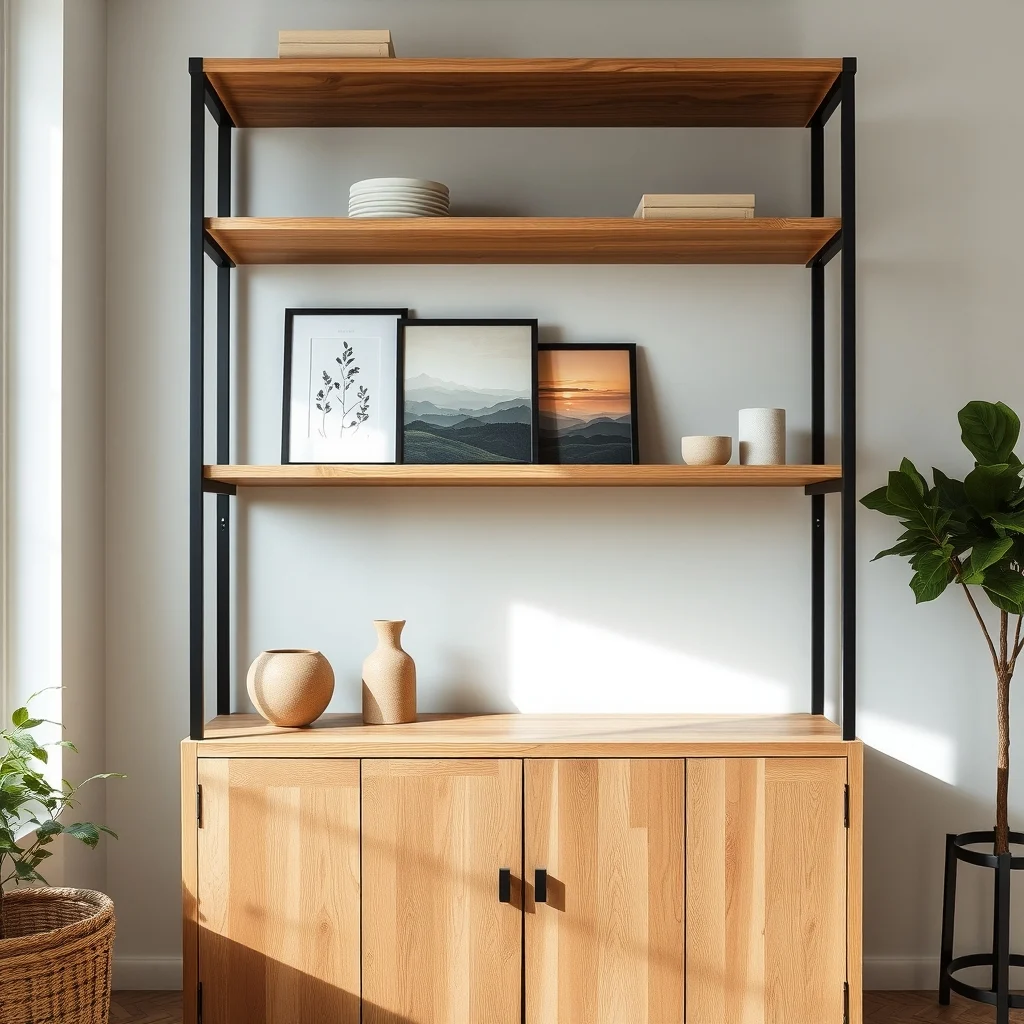
Adjustable metal or wood shelves give you the freedom to re‑configure the cabinet as your needs evolve. Choose brackets that slide smoothly and support at least 30 pounds per shelf, especially if you plan to store bulk bags of flour or sugar. Position the first shelf a few inches above the base to accommodate a pull‑out drawer or a basket for root vegetables; the next shelf can be set higher to hold tall cereal boxes without crowding.
Why adjustability matters is simple: a family’s pantry needs shift over time. When you bring home a large bag of rice, you can lower a shelf to make room; later, when you switch to smaller containers, you raise it again. The ability to fine‑tune spacing prevents wasted vertical space and keeps the cabinet looking orderly, even as the contents change.
3. Use clear containers and consistent labeling
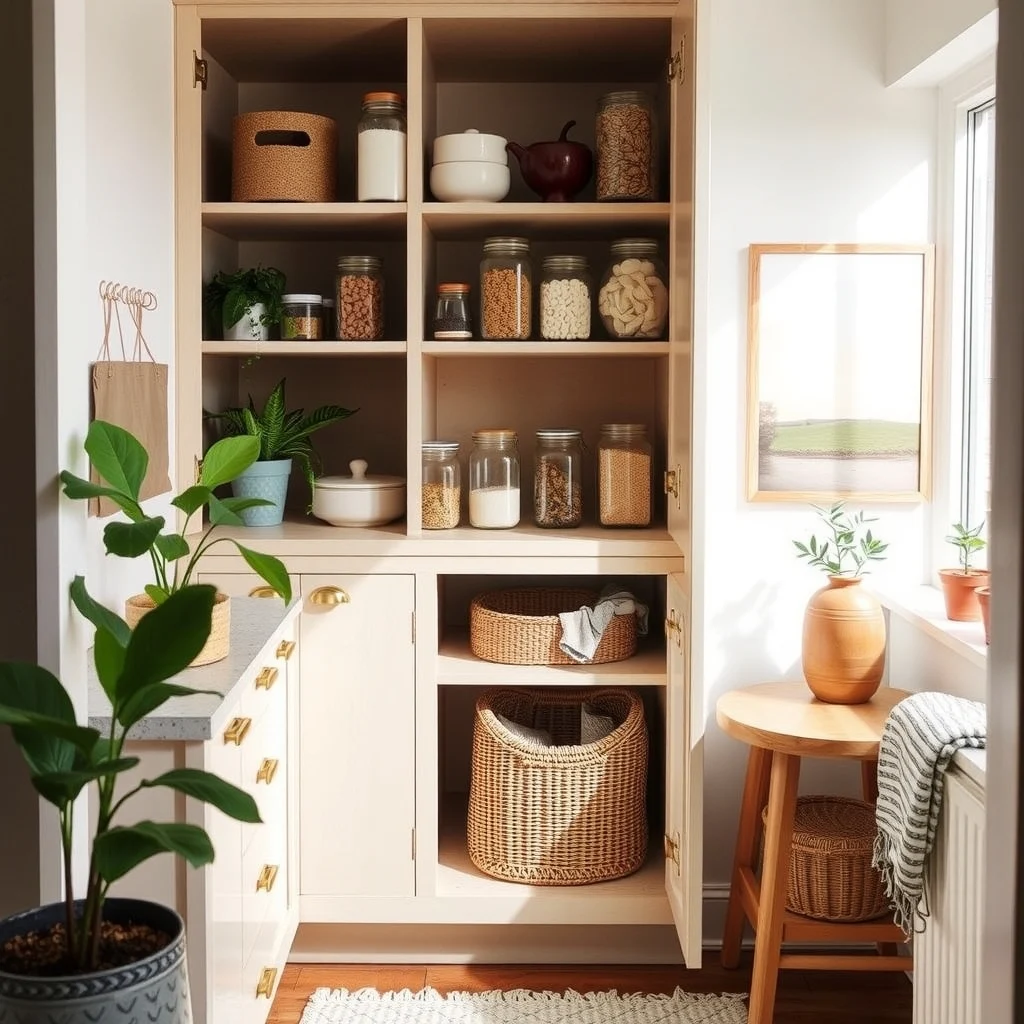
This image is by AI for inspiration only.
Seeing the contents of a jar without opening it saves both time and mental energy. Clear glass or BPA‑free plastic canisters in uniform sizes create a visual rhythm that feels tidy. Pair each container with a simple label—hand‑written, printed, or a reusable chalk tag—so you know at a glance whether the pantry holds quinoa, lentils, or baking soda.
Beyond aesthetics, clear containers protect food from moisture and pests while extending shelf life. The uniform look also ties the pantry into the broader kitchen palette; for example, amber glass for spices complements warm wood tones, while matte white jars echo a sleek, modern countertop. Consistency in labeling reduces the chance of buying duplicate items, which is a common source of clutter.
4. Add pull‑out baskets for produce and loose items
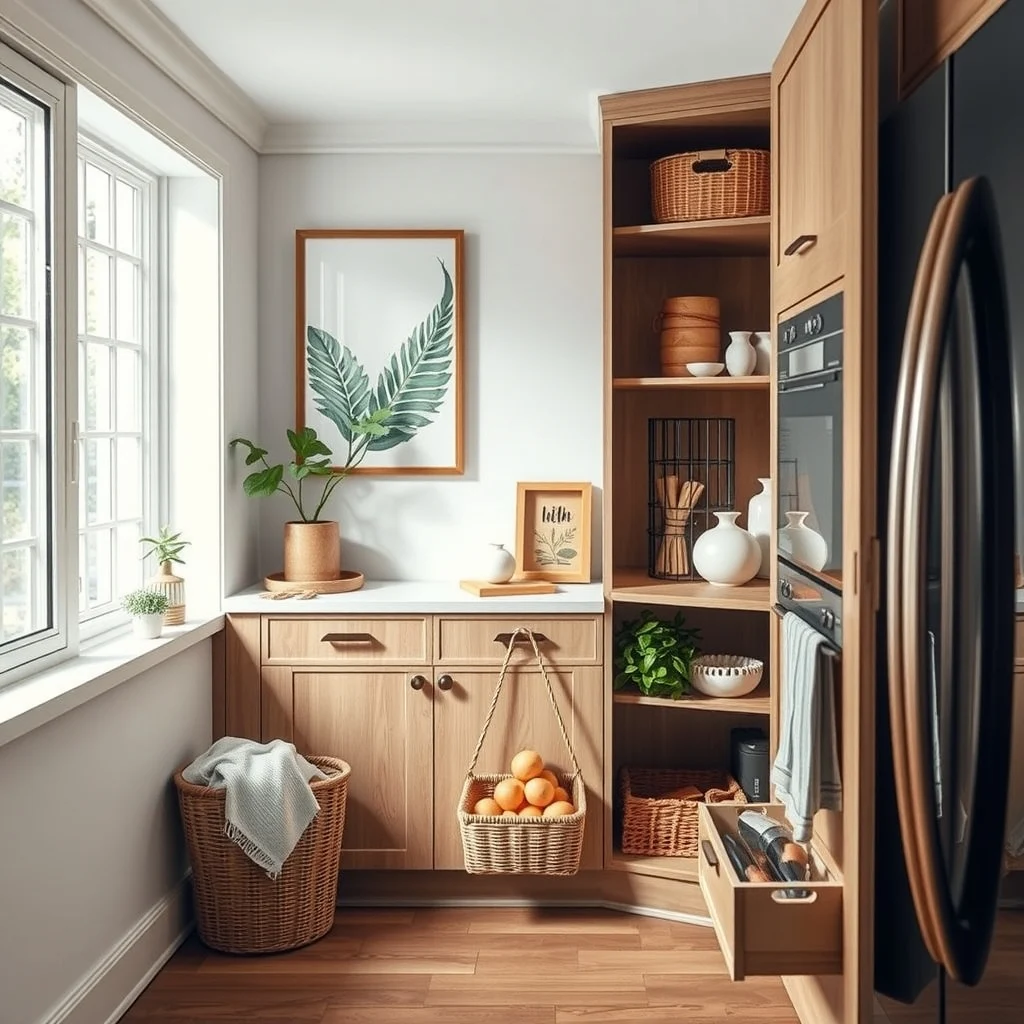
This image is by AI for inspiration only.
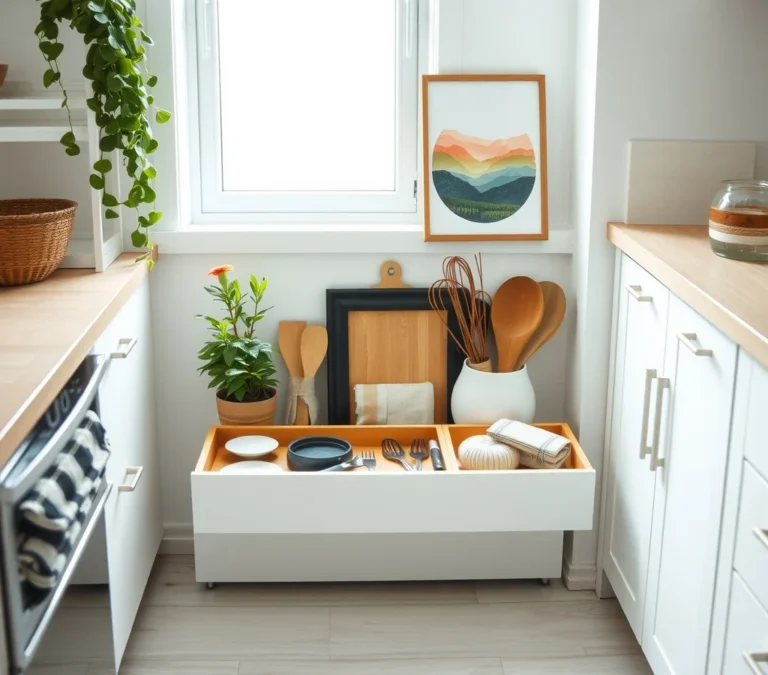
Not everything belongs in a rigid container. Fresh produce such as carrots, onions, or potatoes thrives in a breathable environment, and a shallow pull‑out basket made of woven wicker or coated metal provides just that. The basket slides out on low‑friction runners, allowing you to see the entire contents without rummaging.
Because the basket sits on a lower shelf, it stays out of the way of taller items while keeping the floor of the cabinet clean. Choose a basket with a slightly raised base to prevent water from pooling after washing vegetables. When the basket is full, the weight helps keep it stable during opening and closing, a small but practical benefit.
5. Integrate a low‑profile LED light strip
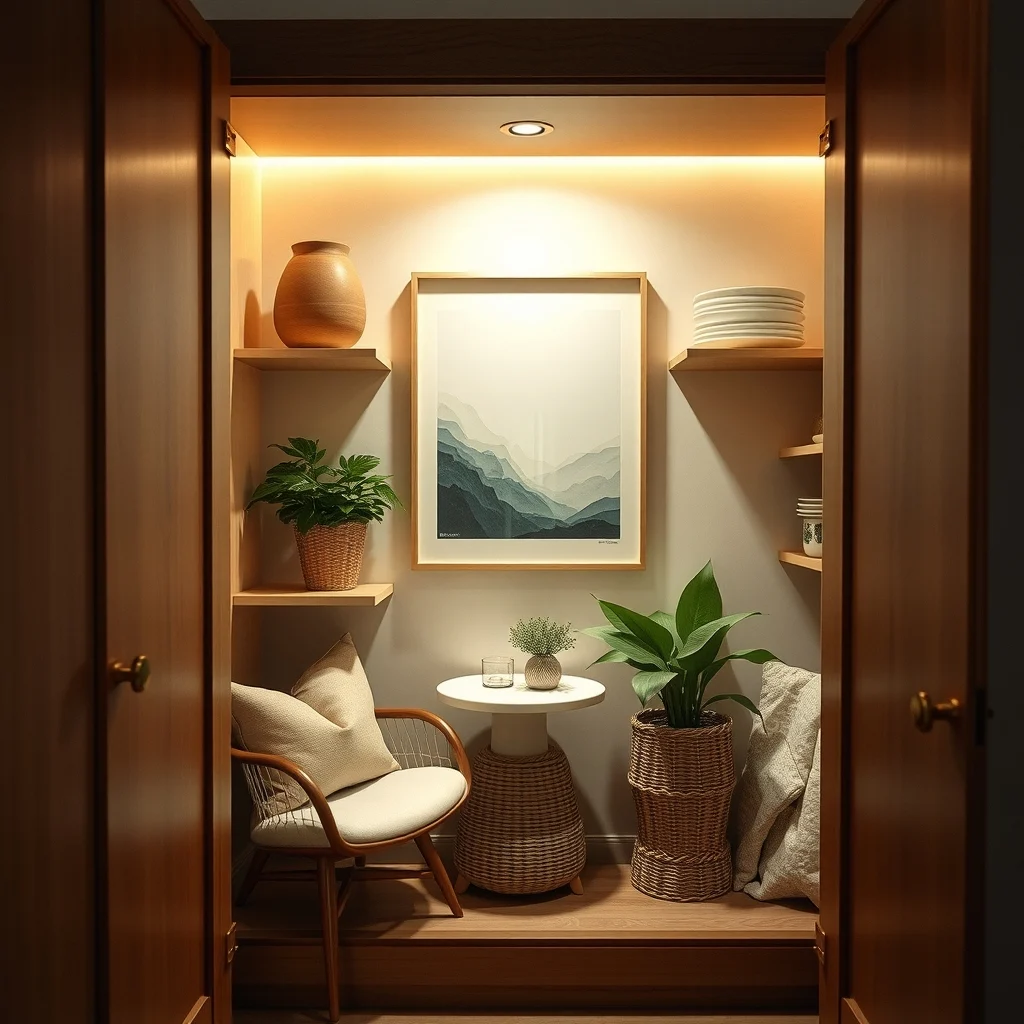
This image is by AI for inspiration only.
Even a well‑organized cabinet can feel hidden if the interior is dim. A thin LED strip that adheres to the upper interior wall supplies even illumination without adding bulk. Battery‑powered or plug‑in models with a touch sensor make it easy to turn the light on when you open the doors.
The soft glow highlights the clear containers and labels, turning the pantry into a miniature showcase. Warm‑white LEDs (around 3000 K) complement natural wood finishes, while cooler tones (4000 K) accentuate stainless‑steel hardware. Because LEDs generate little heat, they won’t affect the shelf life of stored dry goods.
6. Create a decorative interior backsplash
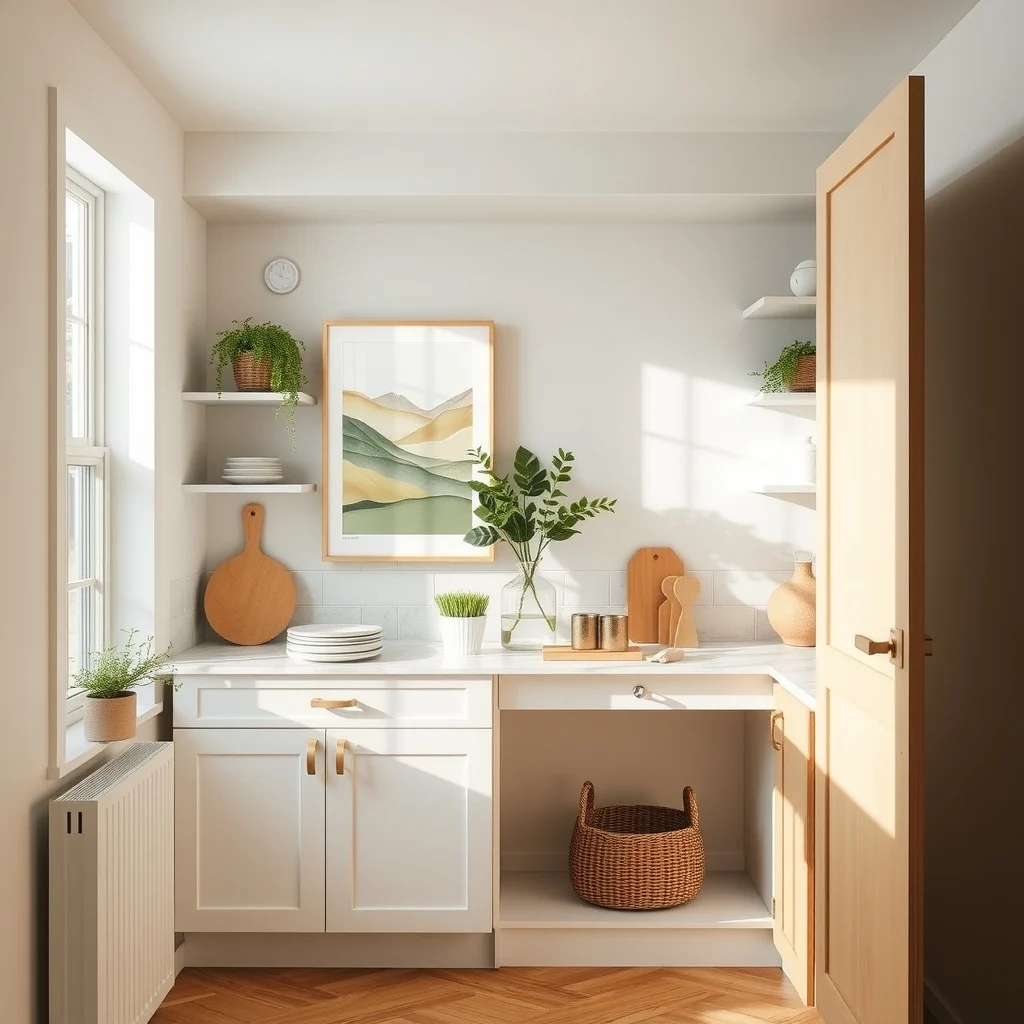
This image is by AI for inspiration only.
Most cabinets have plain interiors, but a small decorative element can make the pantry feel like a finished space. A sheet of peel‑and‑stick tile in a subtle pattern—such as a matte limestone or a muted chevron—adds texture without requiring grout. Apply the tile to the back wall of the cabinet before installing shelves, ensuring it doesn’t interfere with the sliding mechanisms.
This splash of design ties the pantry to the kitchen’s larger visual language. If the kitchen features brushed brass fixtures, a tile with a faint gold undertone can echo that metallic hint. The backsplash also protects the cabinet wall from spills, making cleanup easier.
7. Choose hardware and finish that blend with the kitchen
This image is by AI for inspiration only.
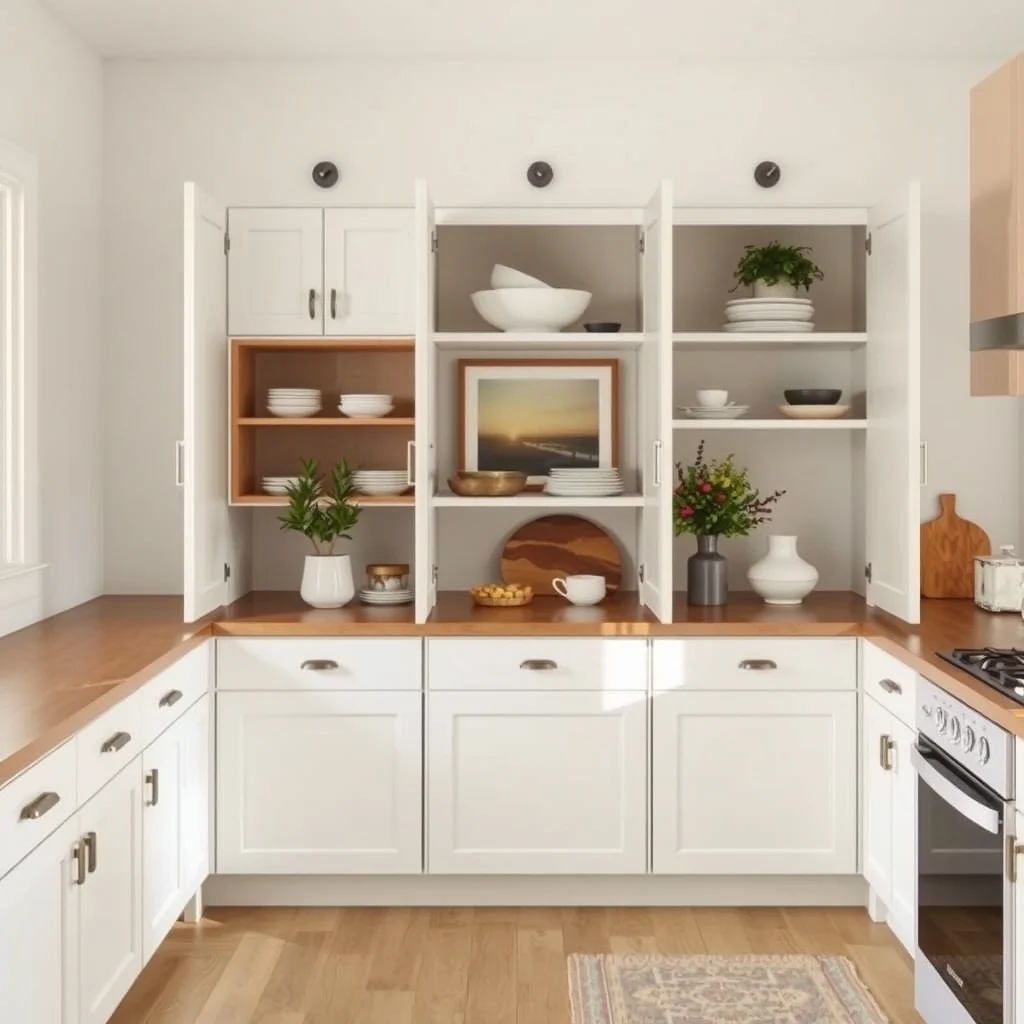
The cabinet doors themselves can reinforce the pantry’s integration. Swapping out generic knobs for a pair of brushed‑nickel or matte‑black handles adds a touch of refinement. When the kitchen’s other cabinets use a soft‑close hinge, matching that mechanism on the pantry door prevents sudden slams.
Hardware selection is more than aesthetic; it influences daily use. A larger handle offers a comfortable grip, especially when the cabinet is full, while a low‑profile knob reduces the chance of snagging clothing. Coordinating finishes across the kitchen creates a cohesive look, turning a single cabinet into a purposeful, polished element.
Frequently Asked Questions
This image is by AI for inspiration only.
How deep can a pantry cabinet be before it becomes hard to reach?
A depth of 12–14 inches is generally comfortable for most users; anything deeper may require a pull‑out shelf or a small step stool to access the back.
Can I install shelves myself without professional help?
Yes, adjustable shelving kits are designed for DIY installation; just follow the manufacturer’s instructions and use a level to ensure each bracket sits straight.
What type of containers are best for preserving dry goods?
Airtight glass jars with rubber seals protect against moisture and pests, while clear plastic containers are lighter and still provide visibility.
Is a battery‑powered LED strip safe for a pantry cabinet?
Battery‑powered strips are safe and convenient, but be sure the batteries are replaced regularly to maintain consistent lighting.
How do I keep the interior backsplash from peeling over time?
Choose a peel‑and‑stick tile rated for kitchen use, clean the interior wall with a mild cleaner before application, and press firmly to eliminate air bubbles.
Final Thoughts
This image is by AI for inspiration only.
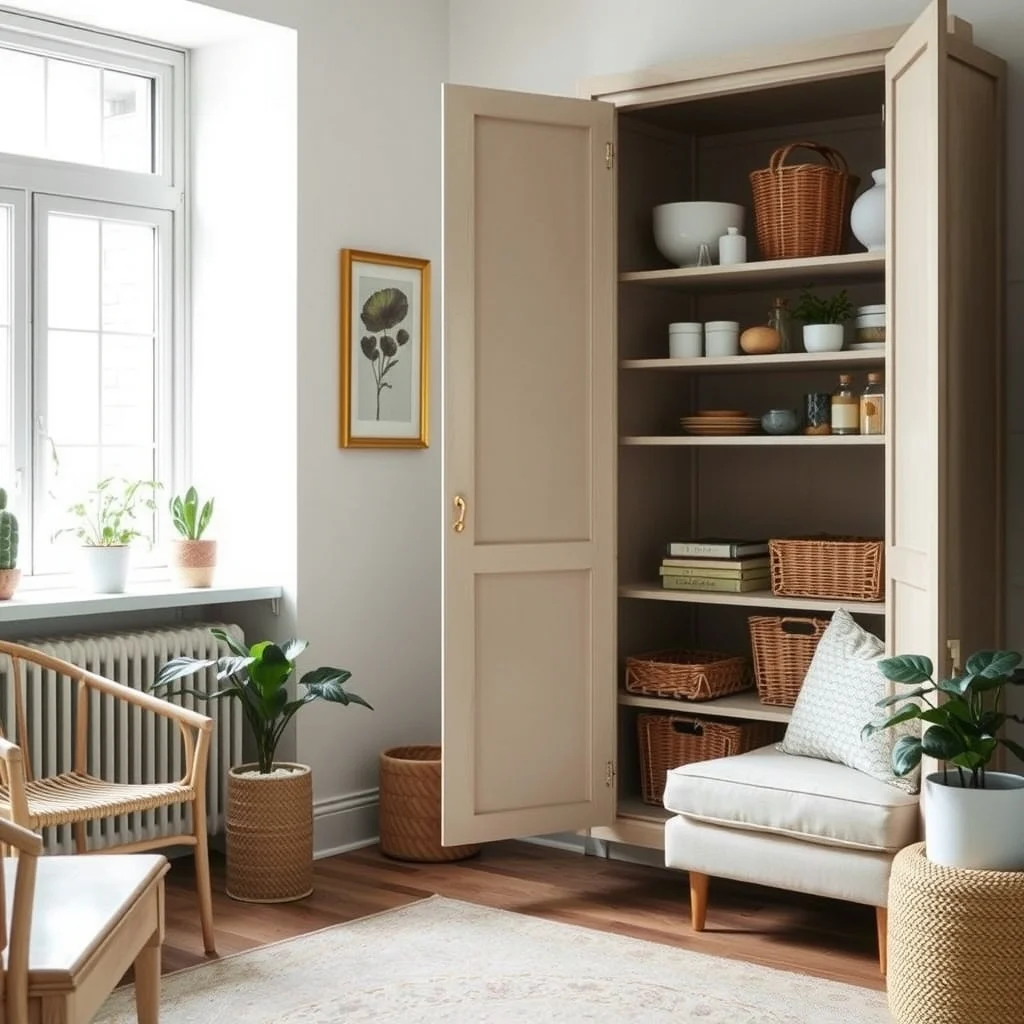
Transforming a single kitchen cabinet into a functional pantry is a project that blends practicality with subtle design. By measuring carefully, choosing adaptable shelving, and adding thoughtful touches like clear containers, pull‑out baskets, and soft lighting, you create a space that serves daily needs while looking intentional. The result is a pantry that feels like an integral part of the kitchen rather than an afterthought, freeing up countertops and making meal preparation smoother.