How to Add Bathroom Storage Without Drilling Tile
Tile walls look sleek, but they also make it feel like every new shelf or hook means a permanent hole. For many renters and homeowners who prefer to keep the surface intact, that can be a real dilemma. Fortunately, a range of clever, non‑permanent solutions can turn a cramped bathroom into a tidy retreat without a single drill bit. Below are seven ideas that blend function with style, each explained with practical steps, material choices, and a few cautions to keep your tile safe.
1. Adhesive Shelving Units
This image is by AI for inspiration only.
© 2026 AI Illustrator — Inspiration Only
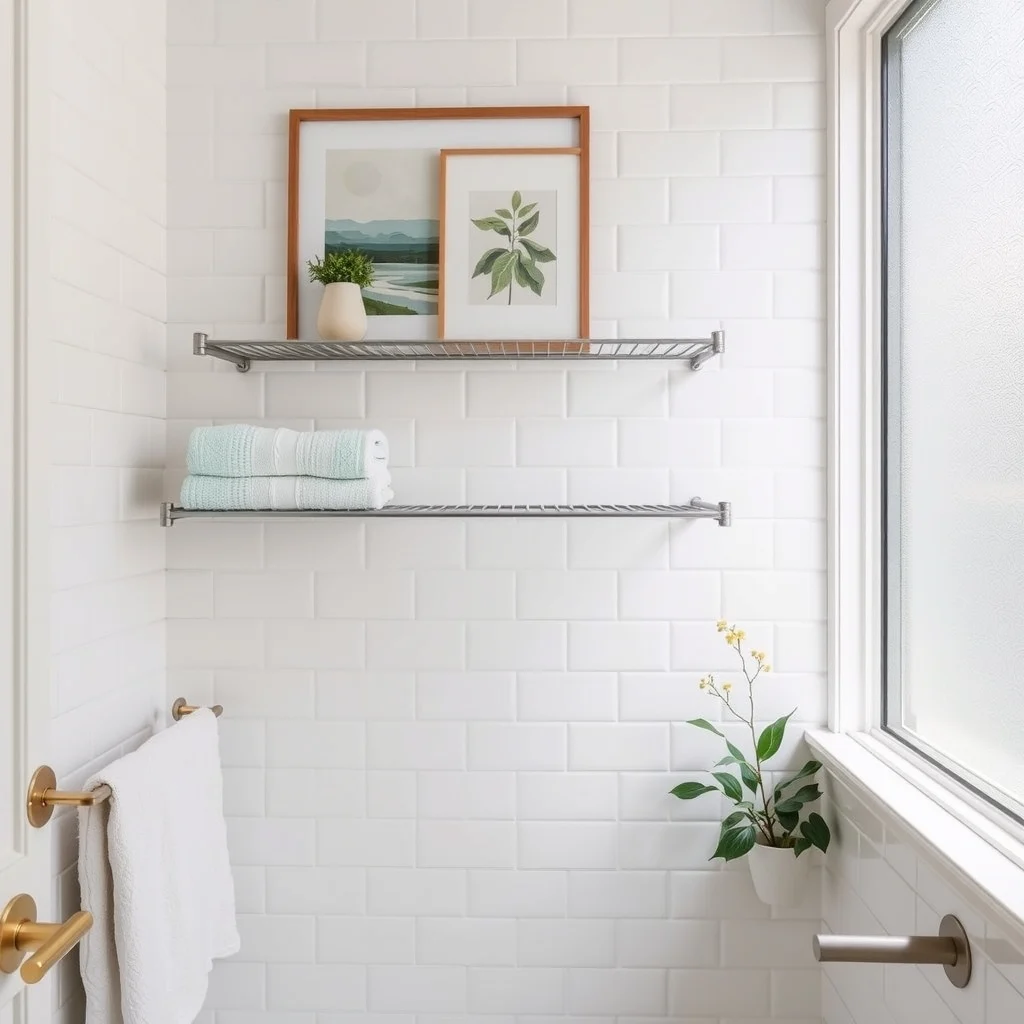
Clear or brushed‑metal shelving units that rely on industrial‑strength adhesive pads are a popular choice for tiled spaces. The units attach directly to the wall, distributing weight across a broad surface so the tile isn’t stressed at a single point. Choose a finish that complements the existing palette—matte black for a modern look, brushed brass for a warm touch, or a soft white that blends with light‑colored grout. Before applying, clean the tile with a mild soap solution and let it dry completely; any residue can reduce the bond. Press the unit firmly for the recommended time, usually a few minutes, and then allow the adhesive to cure overnight. These shelves can hold folded towels, small baskets, or decorative jars. The trade‑off is a weight limit, typically around five pounds per shelf, so avoid storing heavy bottles of shampoo or large jars.
Love Your Home.
Enjoy a Little More Order.
Not sure how to decorate your space or organize your home? Discover practical digital guides, planners and ideas designed to make everyday living easier.
Your first purchase at Livana Studio
2. Over‑the‑Toilet Racks
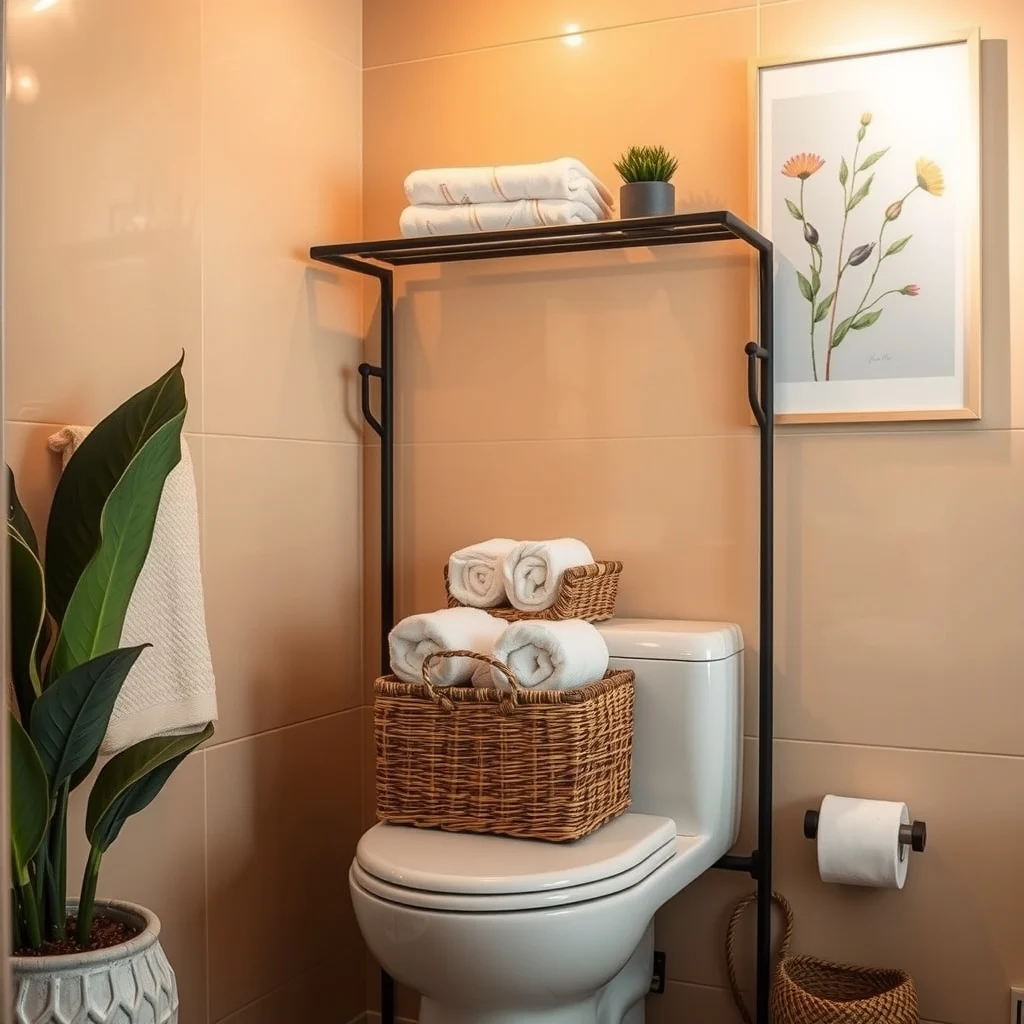
This image is by AI for inspiration only.
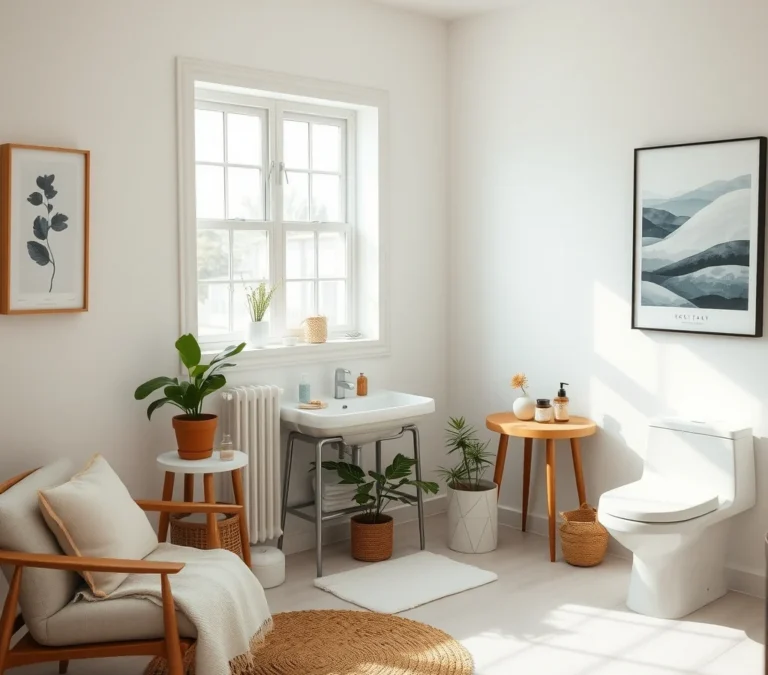
A freestanding rack that arches over the toilet provides vertical storage without touching the wall at all. Materials range from powder‑coated steel to reclaimed wood, each adding a distinct visual cue. Steel offers a sleek, industrial vibe and can be painted to match other fixtures; wood adds warmth and works well with natural‑tone towels. The rack usually includes several shelves or hooks, perfect for rolled towels, hand‑soap dispensers, and even a small plant. Because the unit rests on the floor, it can be repositioned whenever you change the layout. Keep in mind that the base must be stable on wet floors; a rubber‑coated foot or a small mat can prevent slipping. The main limitation is the space needed in front of the toilet, so measure the clearance before buying.
3. Corner Caddies and Shelf Systems
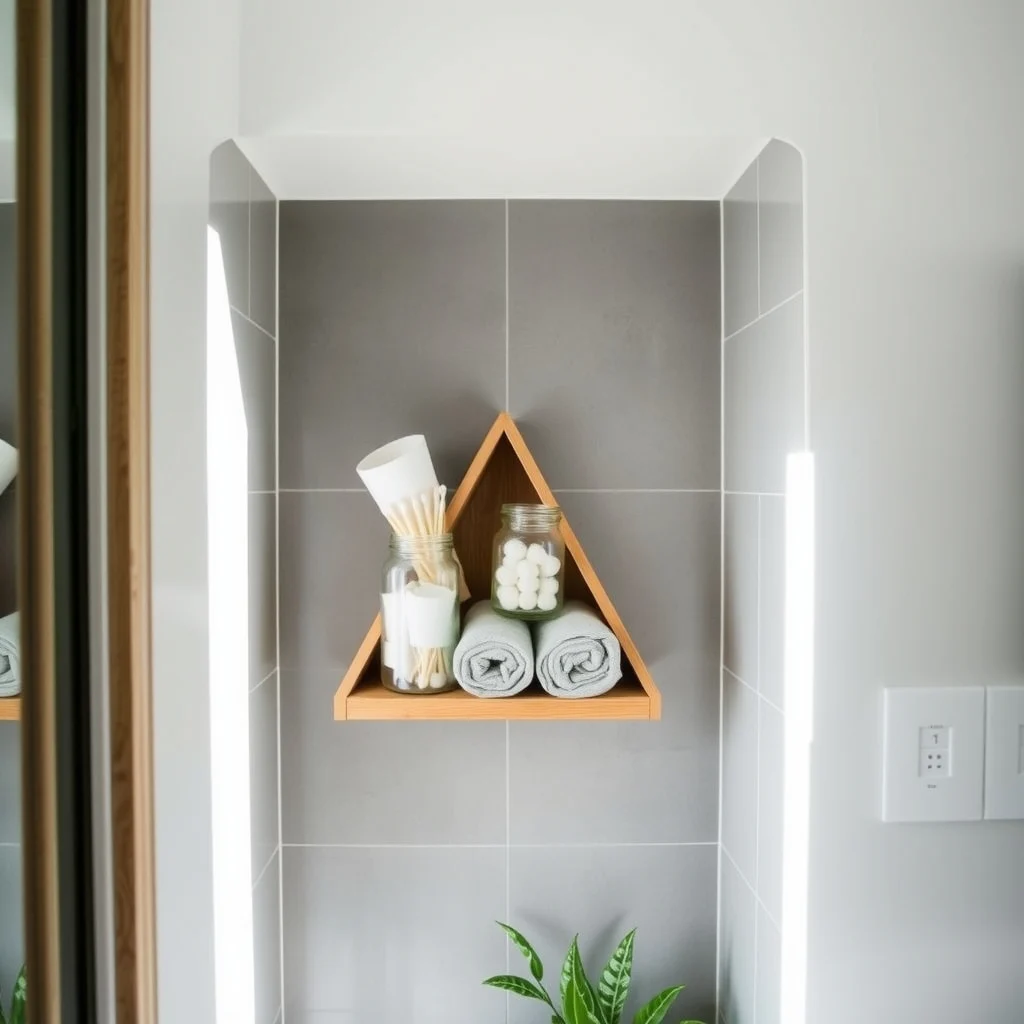
This image is by AI for inspiration only.
Corners are often underutilized, yet a corner caddy can turn that awkward space into a handy storage nook. These units typically consist of a triangular base that fits snugly against two walls, with one or more tiers that extend outward. A clear acrylic caddy lets you see the contents at a glance, while a woven rattan version adds texture and a hint of nature. The design eliminates the need for wall anchors because the weight is supported by the floor and the two walls together. Place bathroom essentials—such as cotton rounds, travel‑size toiletries, or decorative soaps—on the upper tier, and reserve the lower level for larger items like a spare towel. The downside is that the caddy can be visible from most angles, so choose a finish that either blends with the tile or makes a purposeful accent.
4. Magnetic Strips for Metal Items
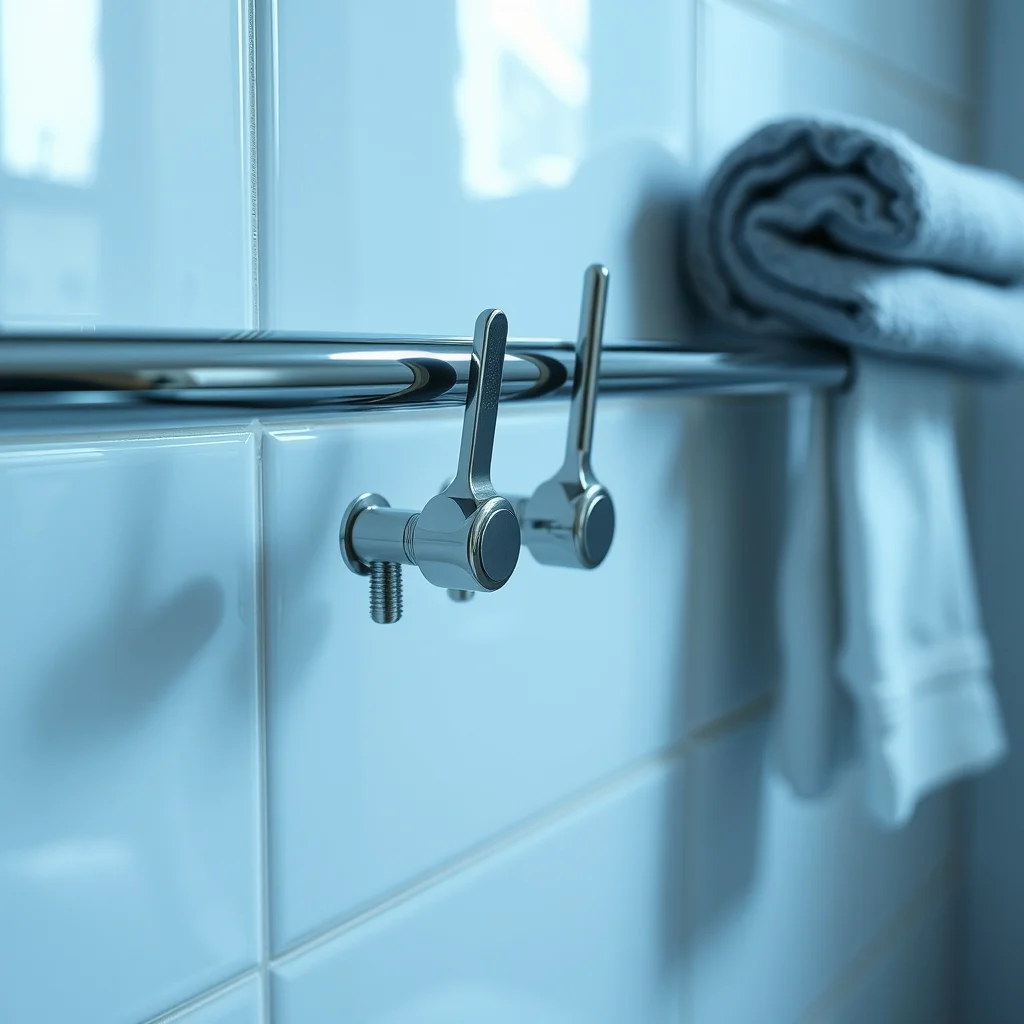
This image is by AI for inspiration only.
If your bathroom already includes metal fixtures—think a chrome towel bar or a stainless‑steel medicine cabinet—a magnetic strip can create hidden storage without any drilling. Strong neodymium magnets embedded in a thin stainless‑steel strip adhere directly to the metal surface, providing a discreet place to attach small metal containers, magnetic hooks, or even a sleek razor holder. The strip can be cut to length, allowing you to customize the coverage area. Because the magnets hold only lightweight objects, they’re ideal for metal‑capped jars of cotton swabs, a slim metal soap dish, or a compact toothbrush case. The primary caution is to avoid placing heavy items that could pull the strip away from the metal, and to ensure the underlying metal is not painted, as paint can interfere with the magnetic grip.
5. Tension‑Rod Organizers
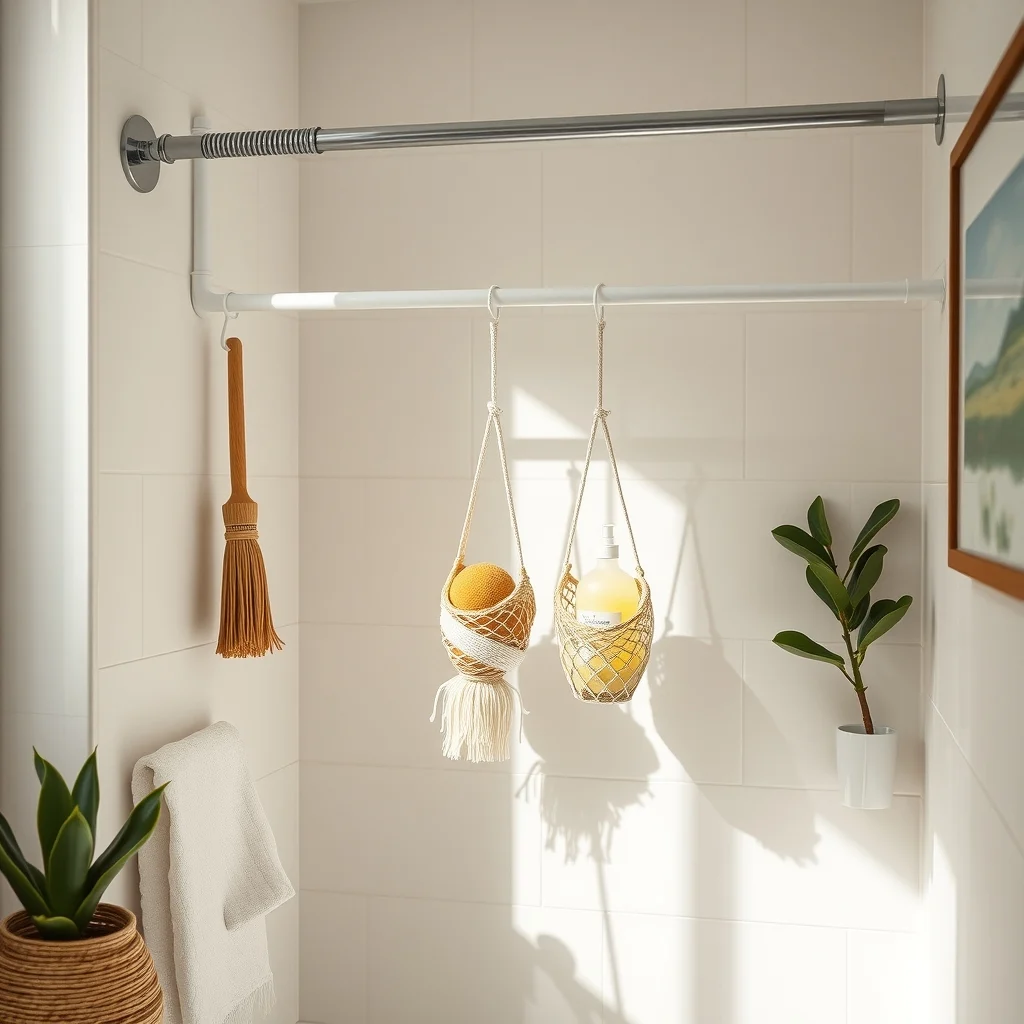
This image is by AI for inspiration only.
Tension rods are a simple, adaptable solution that works well in shower niches or between two walls. By extending a spring‑loaded rod to the exact width of the space, you create a hanging line for baskets, hooks, or even a slim shelf that slides onto the rod. A matte‑black finish adds a subtle contrast against white tile, while a brushed nickel blends with most fixtures. Hang a small woven basket on the rod to store washcloths, or attach a series of hooks for loofahs and razors. Because the tension is adjustable, you can move the rod if you rearrange the bathroom layout. The limitation is that the rod needs two solid surfaces to press against; it won’t work in open‑plan spaces without a second anchor point.
6. Decorative Baskets and Bins on the Floor
This image is by AI for inspiration only.
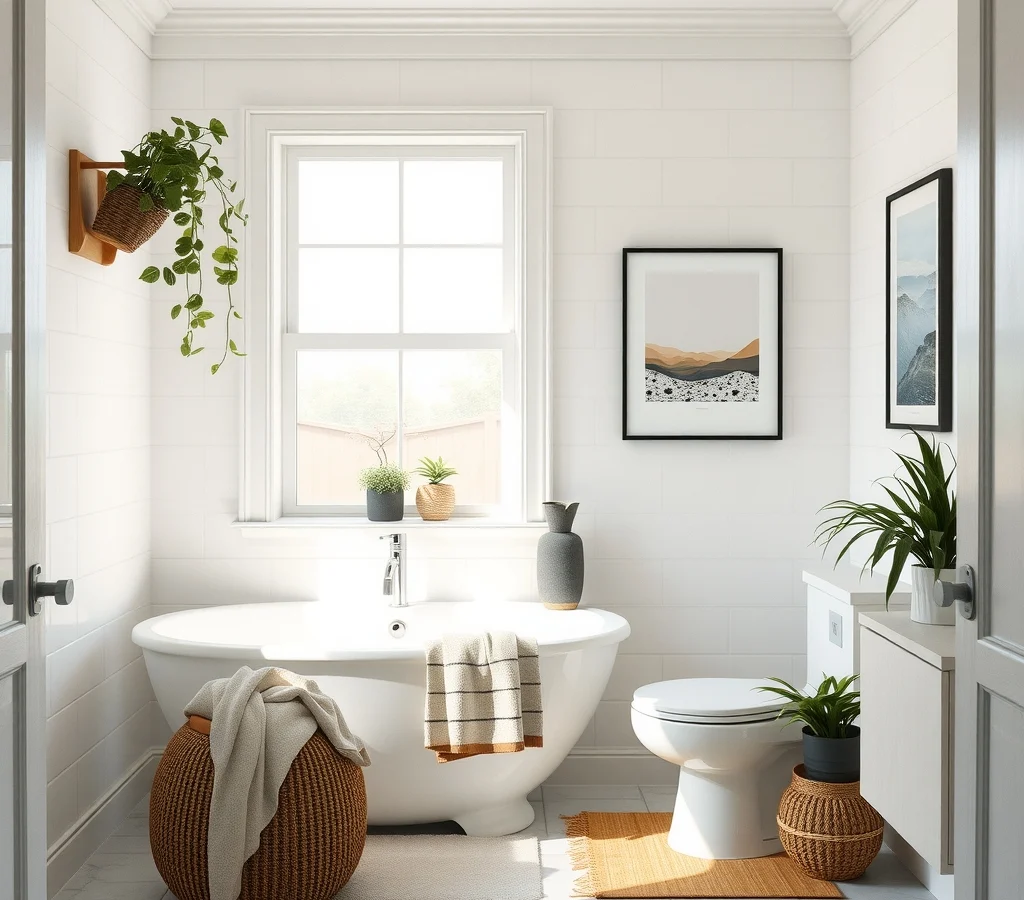
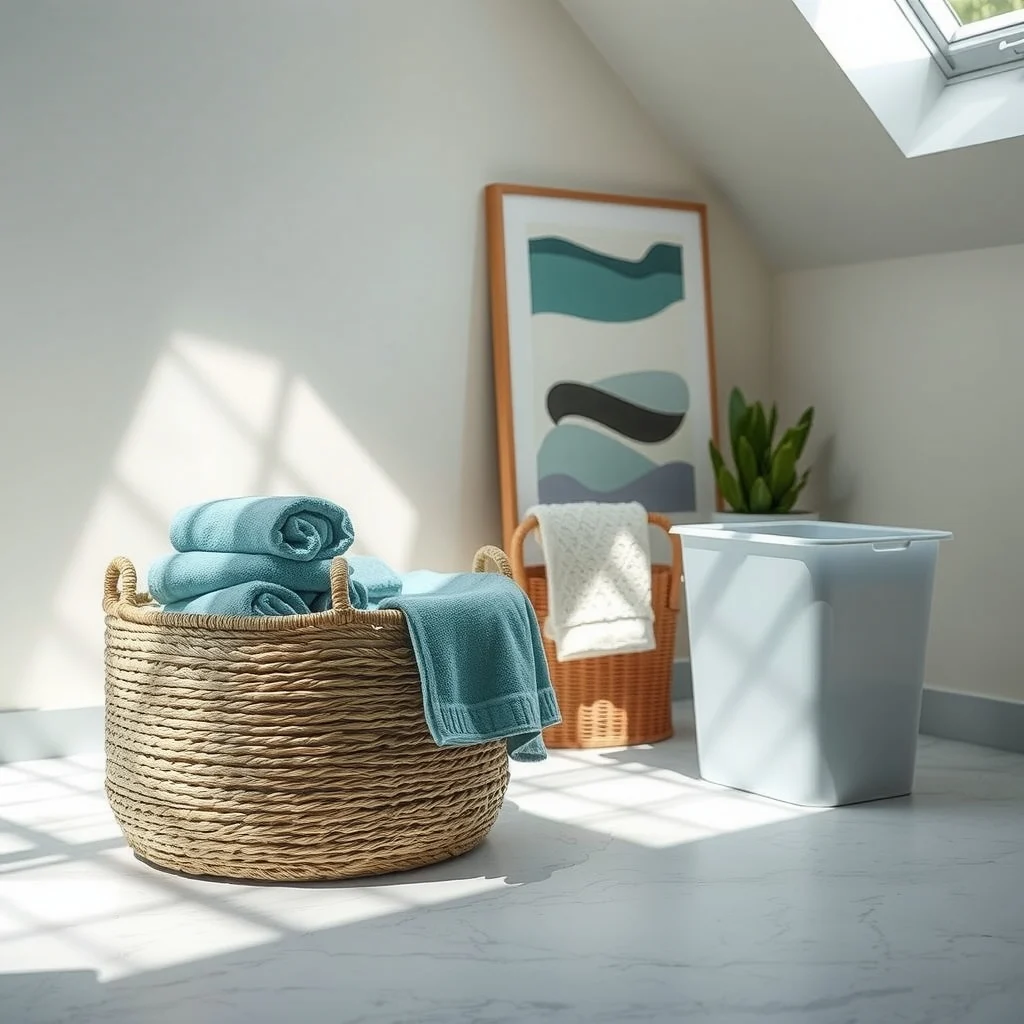
Floor‑level storage can be both functional and decorative when you select the right basket material. Woven seagrass or wicker bins add a natural texture that softens the hard lines of tile, while a sleek acrylic bin maintains a minimalist aesthetic. Position a medium‑sized basket near the vanity to hold extra hand towels, a larger bin beside the bathtub for bath salts, and a small round basket on the countertop for daily essentials. Because the baskets sit directly on the floor, they don’t require any wall attachment. Choose a basket with a sturdy base to prevent water from seeping in, and consider a liner for easy cleaning. The trade‑off is that floor storage occupies space, so in very small bathrooms you’ll need to balance the visual clutter with the storage benefit.
7. Repurposing Narrow Consoles or Ladder Shelves
This image is by AI for inspiration only.
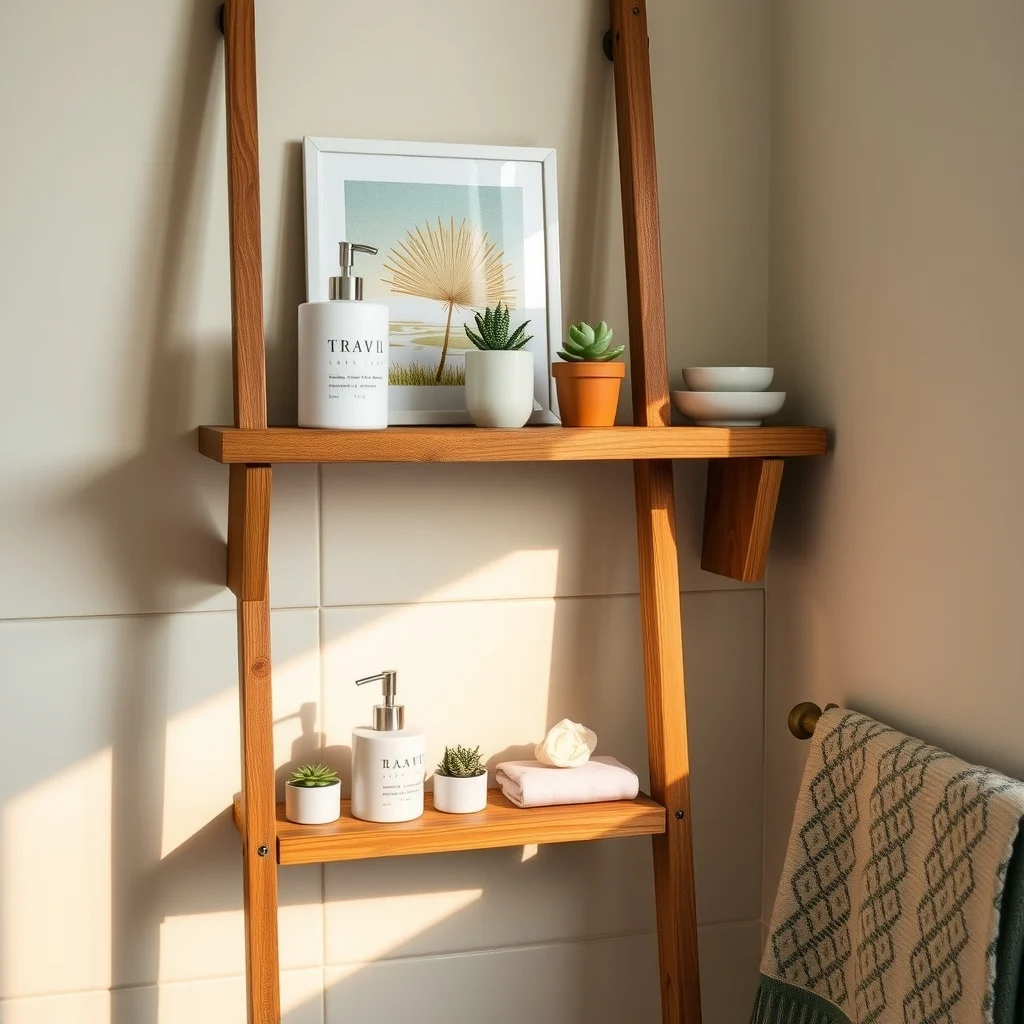
A slim console table or a wooden ladder shelf can be positioned against a tiled wall without any fasteners, providing a versatile surface for both storage and display. A console with a lower shelf can hold a stack of neatly rolled towels, while the top surface is perfect for a scented candle, a small plant, or a decorative tray. Ladder shelves, with their staggered rungs, allow you to place baskets on each level, creating a tiered arrangement that keeps items organized and visible. Opt for a finish that matches your bathroom’s color scheme—soft gray, deep charcoal, or natural oak. Since the piece leans on the floor, it can be moved if you need to clean the tile or rearrange the layout. The main consideration is stability; ensure the base is wide enough to prevent wobbling, especially in high‑traffic bathrooms.
FAQ
This image is by AI for inspiration only.
Can adhesive hooks be used on glossy tile?
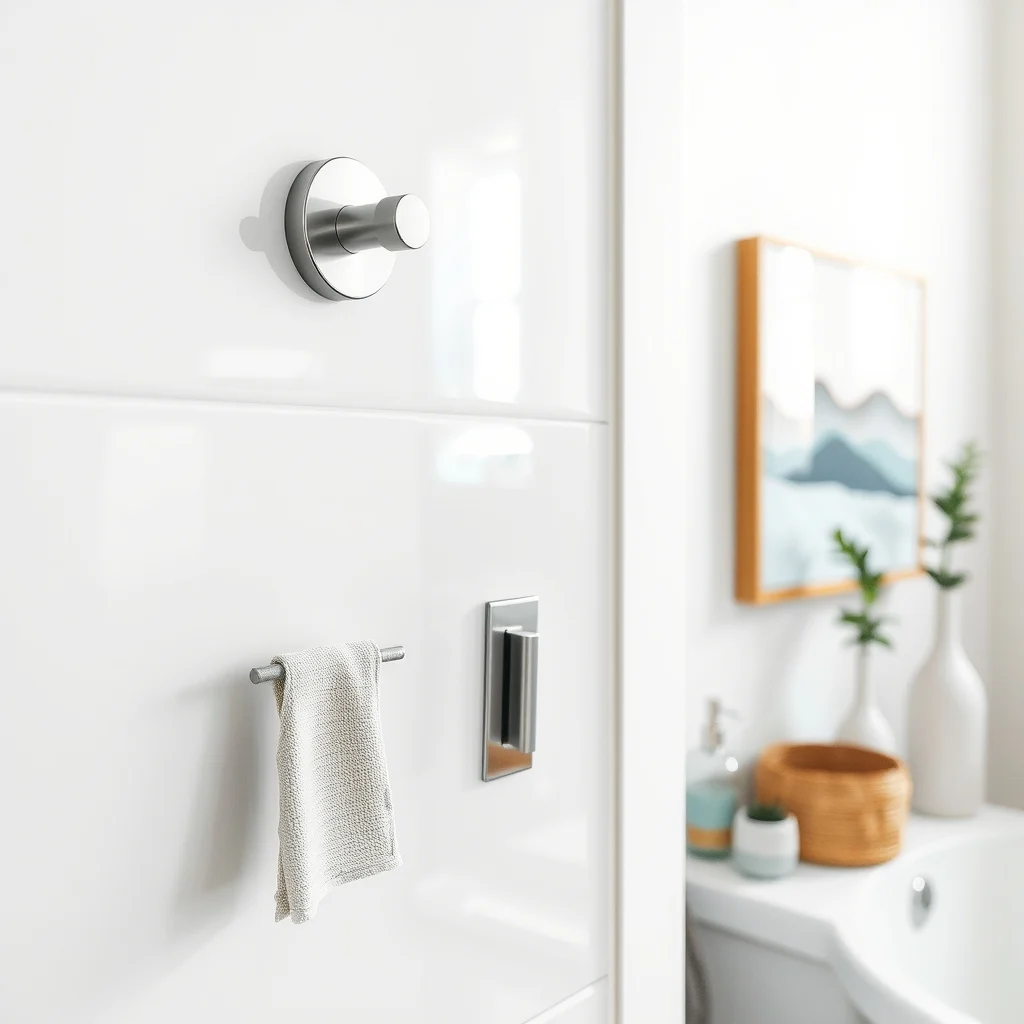
Yes, adhesive hooks work on glossy tile as long as the surface is clean and dry before application. Use a gentle cleanser, rinse well, and let the tile dry completely to ensure the adhesive bonds properly.
What is the typical weight limit for tension‑rod shelves?
Tension‑rod shelves usually support between four and six pounds per shelf, depending on the rod’s material and the width of the span. For heavier items, consider a freestanding unit instead.
Will adhesive products damage tile when removed?
Most high‑quality adhesive pads are designed to peel away without leaving residue, but it’s wise to test a small, inconspicuous area first. If any adhesive remains, a gentle citrus‑based remover can dissolve it without harming the glaze.
Are there waterproof options for bathroom storage?
Yes, many storage solutions are made from materials like sealed wood, acrylic, or coated metal that resist moisture. Look for products labeled as water‑resistant or designed specifically for wet environments.
How do I choose the right size basket for a small bathroom?
Select a basket that fits the available floor space while still offering enough depth for the items you plan to store. A good rule of thumb is to leave at least two inches of clearance around the basket to allow easy access and cleaning.
Final Thoughts
This image is by AI for inspiration only.
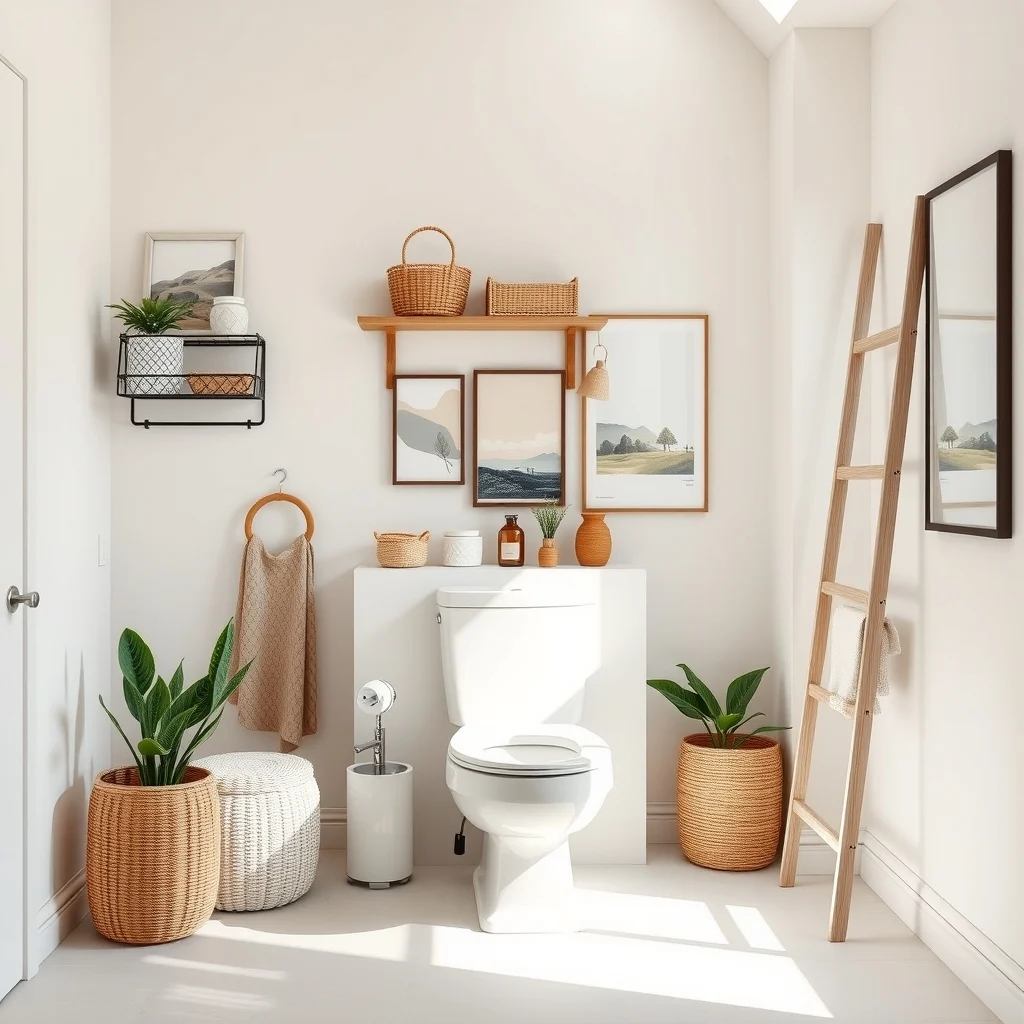
Adding storage to a tiled bathroom doesn’t require a toolbox or a permanent alteration. By selecting adhesive shelves, freestanding racks, corner caddies, magnetic strips, tension rods, decorative baskets, or repurposed furniture, you can create a functional, attractive space that respects the integrity of your tile. Each option offers a balance of convenience, style, and load capacity, allowing you to tailor the solution to your specific needs. With a little planning and the right materials, a tidy, well‑organized bathroom is within reach—no drilling necessary.