How to Keep a Shared Entryway Organized for Roommates

Living with one or more roommates means the first space you all encounter each day— the entryway— quickly becomes a crossroads of coats, shoes, mail, and the occasional stray backpack. When the hallway turns into a catch‑all, the feeling of home can evaporate as quickly as the morning rush. This article walks you through seven practical strategies that blend style with function, so the doorway stays tidy without demanding a full‑time janitor. You’ll discover how to choose storage that respects each person’s habits, how lighting and layout can discourage clutter, and how small visual cues keep everyone on the same page.
1. Define Zones with Simple Visual Cues
This image is by AI for inspiration only.
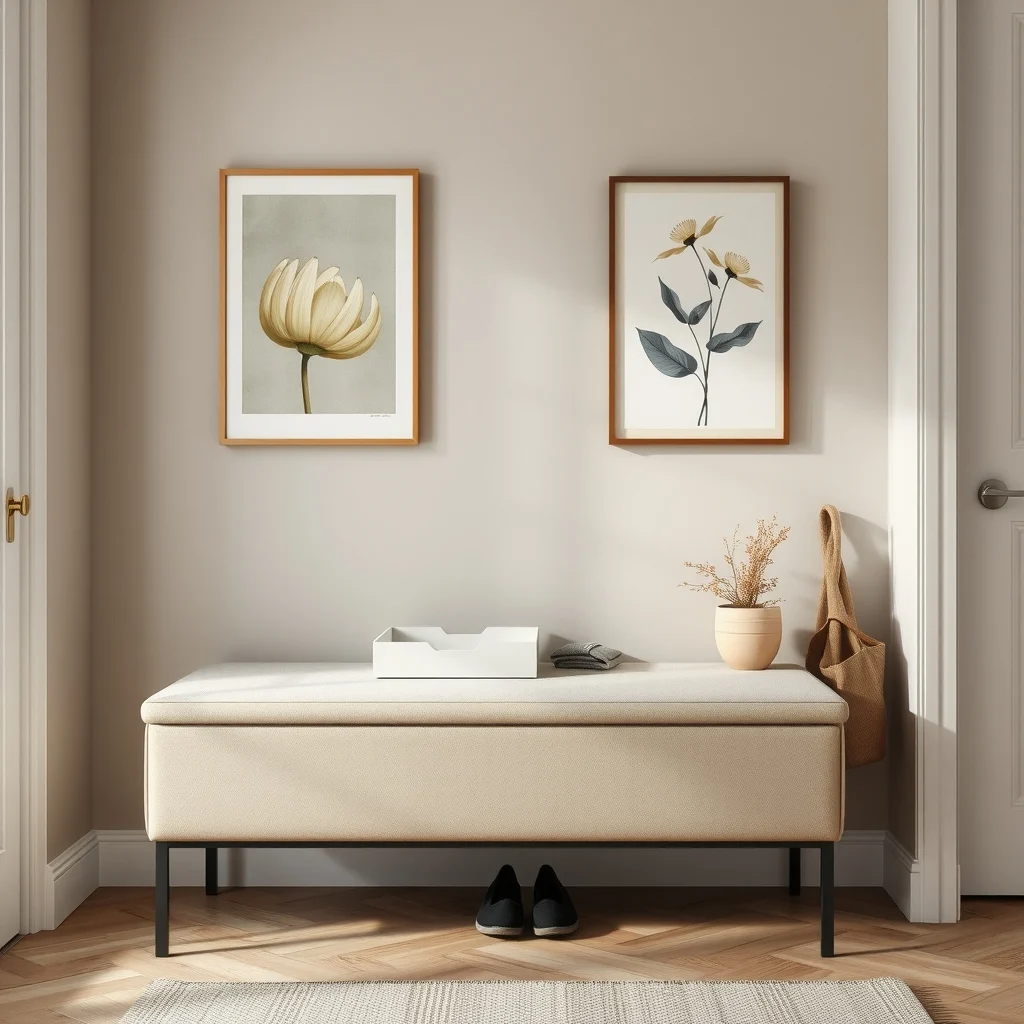
Instead of letting items drift wherever there is a floor space, carve the entryway into clear zones: a coat drop‑off, a shoe rack, and a mail station. A low, painted bench in a soft greige tone can serve as the coat hub; the bench’s horizontal line naturally signals “hang here.” Adjacent to the bench, a narrow wooden shoe rack with slatted shelves draws the eye downward, inviting shoes to stay off the floor. Finally, a slim metal tray on the wall collects incoming envelopes and parcels. By assigning a purpose to each visual element, you reduce the mental load of deciding where something belongs. The approach works best when the zones follow the natural flow of traffic, so you don’t have to step around obstacles to reach the next area.
One trade‑off to consider is the amount of wall space available. If the hallway is narrow, a wall‑mounted shoe rack may be preferable to a freestanding unit. Conversely, a bench that doubles as seating offers a place to sit while lacing shoes, which can be a welcome comfort on rainy mornings. The key is to let the geometry of the room guide the placement of each zone.
2. Choose Storage That Matches Individual Routines
This image is by AI for inspiration only.
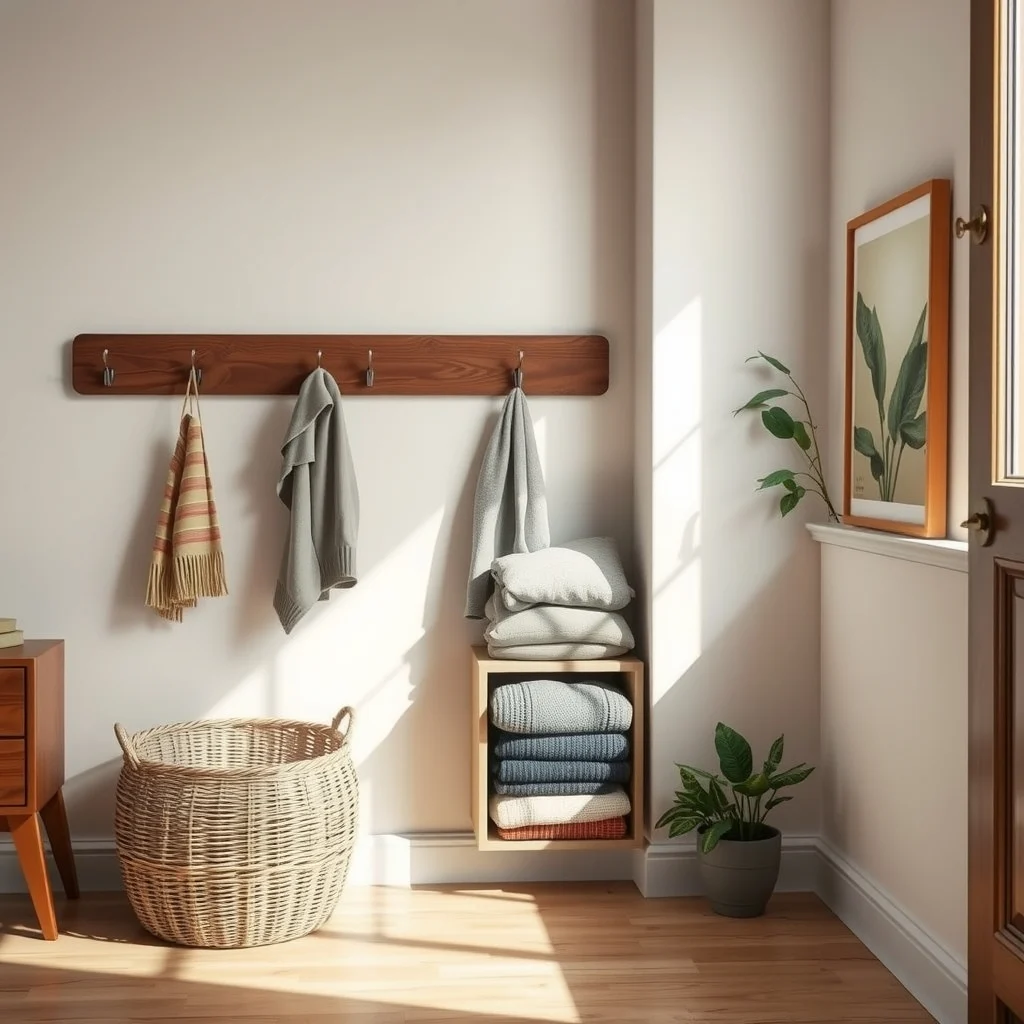
Roommates often differ in how they handle outerwear. One may prefer hanging jackets, another might fold sweaters in a basket. Providing a mix of hanging hooks, a wicker basket, and a small cubby lets each habit find a home. Brass hooks spaced evenly across a reclaimed‑wood panel add a touch of texture while offering enough length for long coats. A woven basket placed under the bench can hold folded items, and its natural fibers hide dust better than a plastic bin.
When selecting the basket’s size, think about the volume of folded items each person typically generates. A basket that is too large encourages overflow onto the floor, while one that is too small becomes a constant source of frustration. If space is limited, a set of stackable fabric bins in muted teal can be tucked beneath the bench, providing the same flexibility without sacrificing visual harmony.
3. Use Light to Highlight Orderly Areas
This image is by AI for inspiration only.
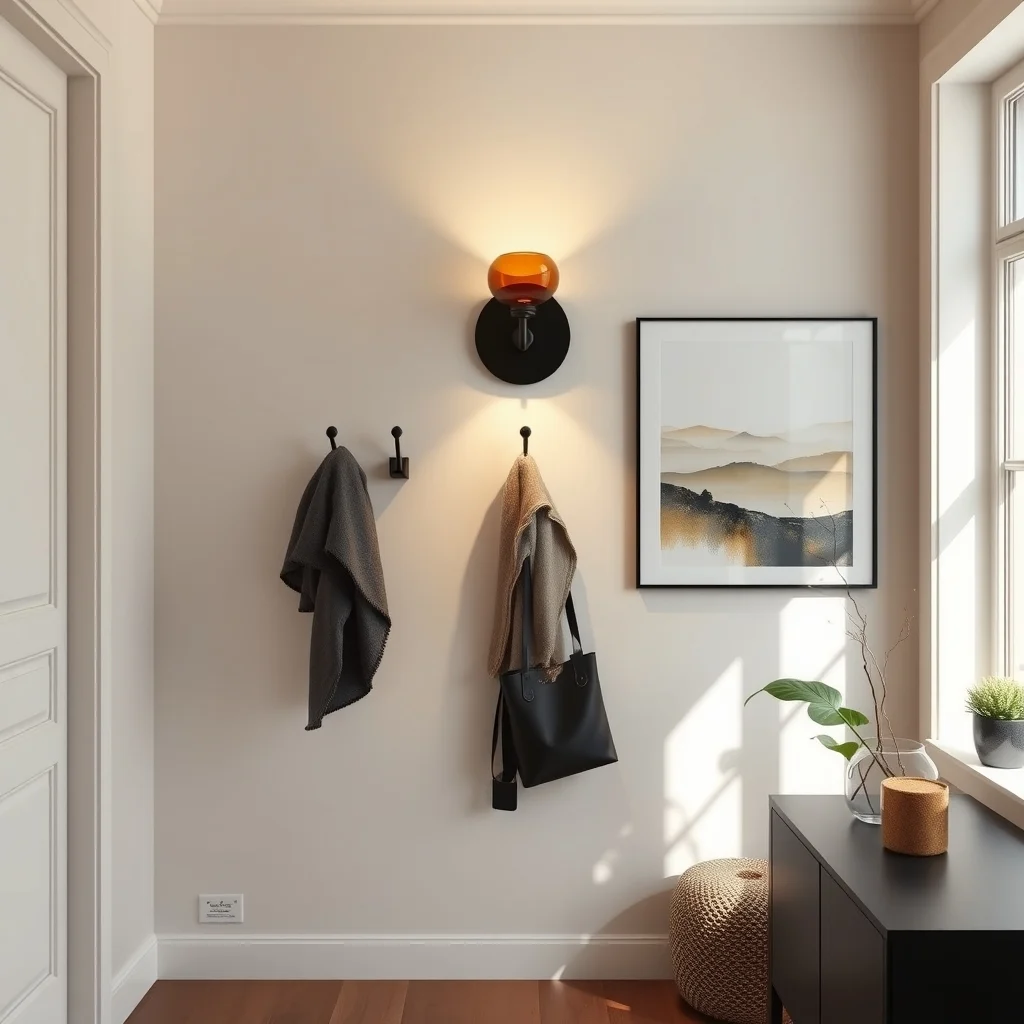
Good lighting does more than illuminate a space; it subtly reinforces where things belong. A wall‑sconce with an amber glass shade placed above the coat hooks casts a warm pool of light that draws attention to the hanging area. Near the shoe rack, a narrow LED strip hidden behind a thin molding provides a soft glow, making the floor surface visible and discouraging shoes from being left in the dark corners.
The choice of fixtures matters. Brass finishes echo the hardware of the hooks, creating a cohesive look, while the amber glass adds a gentle contrast to the neutral walls. If the entryway receives natural light, positioning the sconce opposite a window ensures that the light balances both artificial and daylight, preventing harsh shadows that can hide clutter.
4. Incorporate a Shared “Drop‑Off” Tray for Keys and Small Items
This image is by AI for inspiration only.
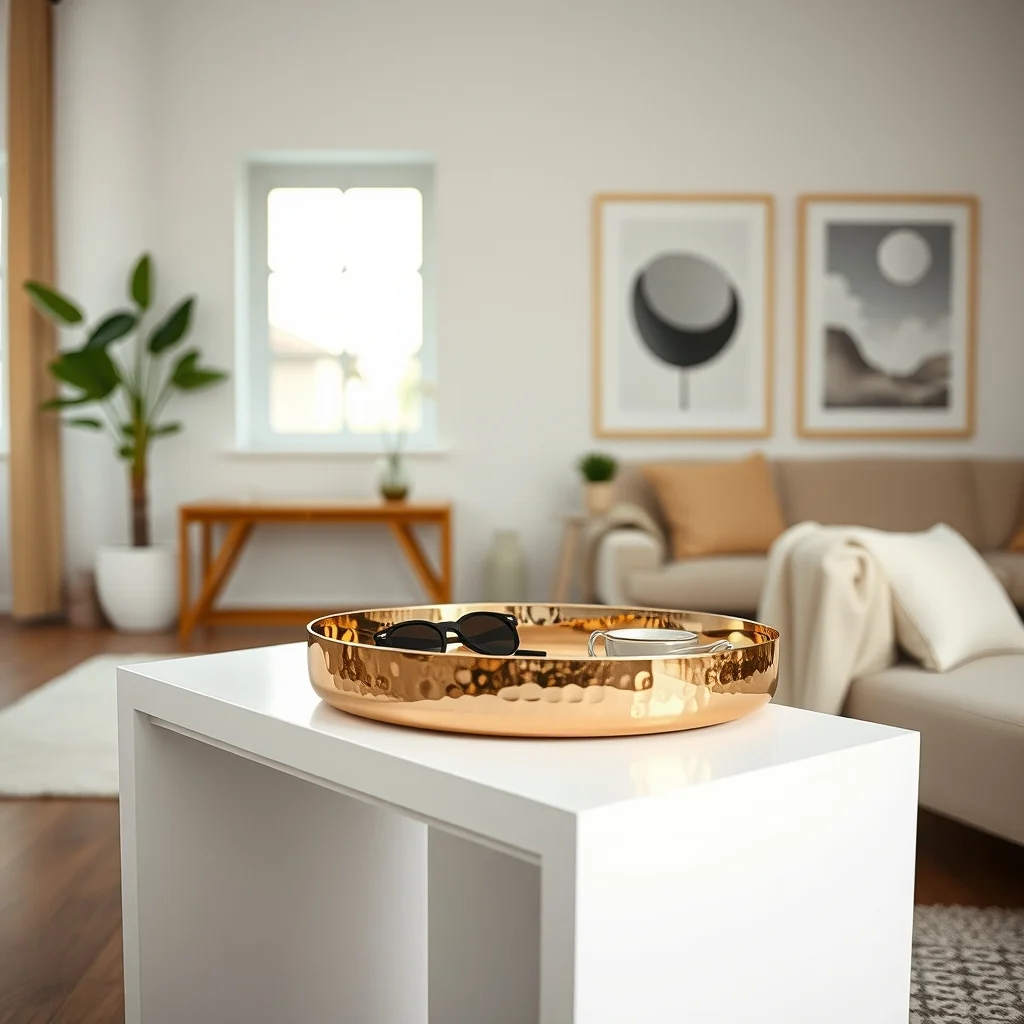
Keys, sunglasses, and loose change tend to disappear in a shared hallway. A shallow tray made of hammered copper, placed on a console table or directly on a side table, offers a designated spot that is both functional and decorative. The tray’s reflective surface catches the eye, reminding each roommate to leave items where they can be easily retrieved.
Because the tray is limited in depth, it discourages the accumulation of unnecessary objects. If a roommate tries to stash a wallet or a phone inside, the tray’s size makes it clear that only small, flat items belong there. Pairing the tray with a small potted succulent adds a touch of greenery, softening the metal’s industrial feel and providing a subtle scent that signals a fresh start each time the door opens.
5. Apply a Consistent Color Palette to Reduce Visual Noise
This image is by AI for inspiration only.
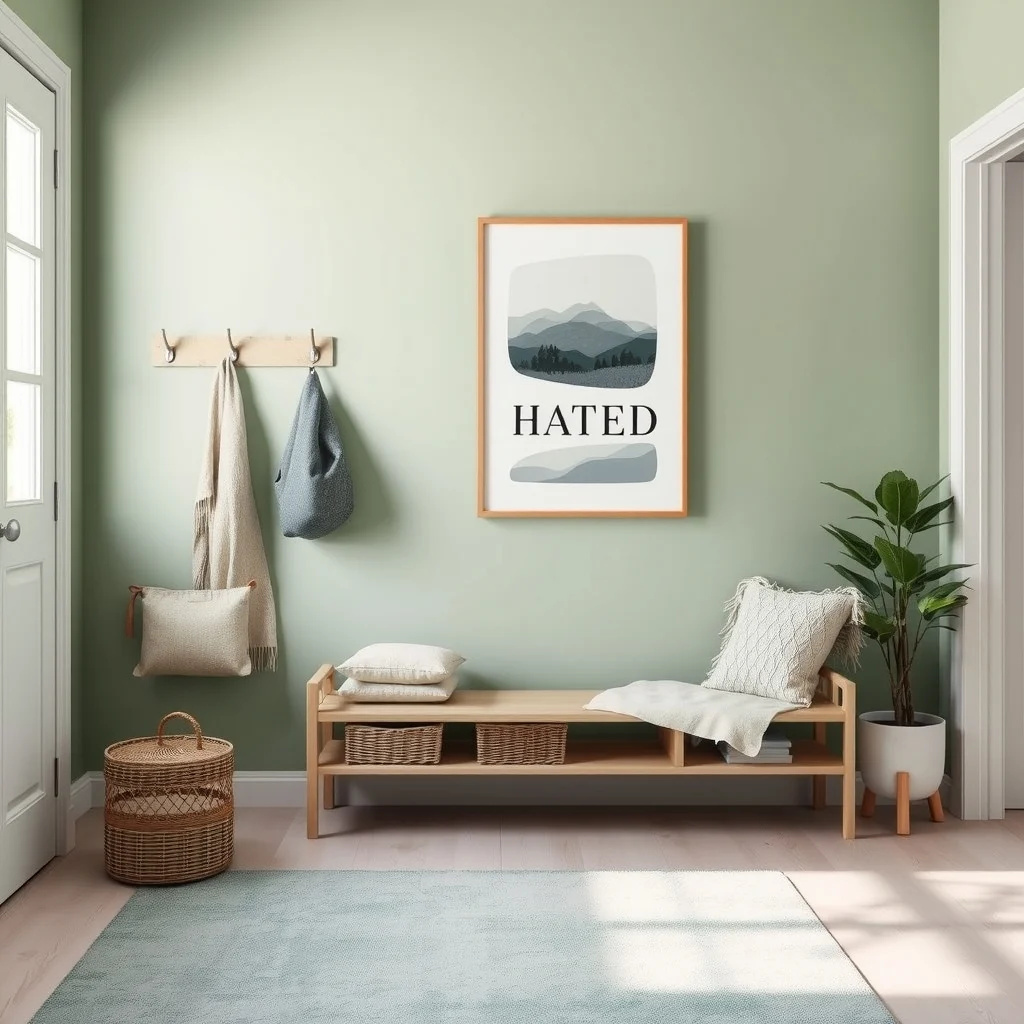
When the entryway is painted in a single, calming hue—such as a muted sage or warm greige—every storage piece and decorative object appears part of a unified composition. This visual consistency reduces the sense of chaos that can arise from a mishmash of colors. For example, a coat bench upholstered in a fabric that matches the wall color blends seamlessly, while the brass hooks provide a contrasting accent without overwhelming the eye.
Choosing a palette also aids in maintenance. Light-colored walls hide dust less effectively than mid‑tone shades, but a subtle pattern, like a linen‑like texture, can mask minor marks without demanding constant wiping. If the roommates have divergent tastes, a neutral base allows each person to introduce personal accessories—such as a patterned rug or a framed print—without clashing.
6. Establish a Routine for Seasonal Swaps
This image is by AI for inspiration only.
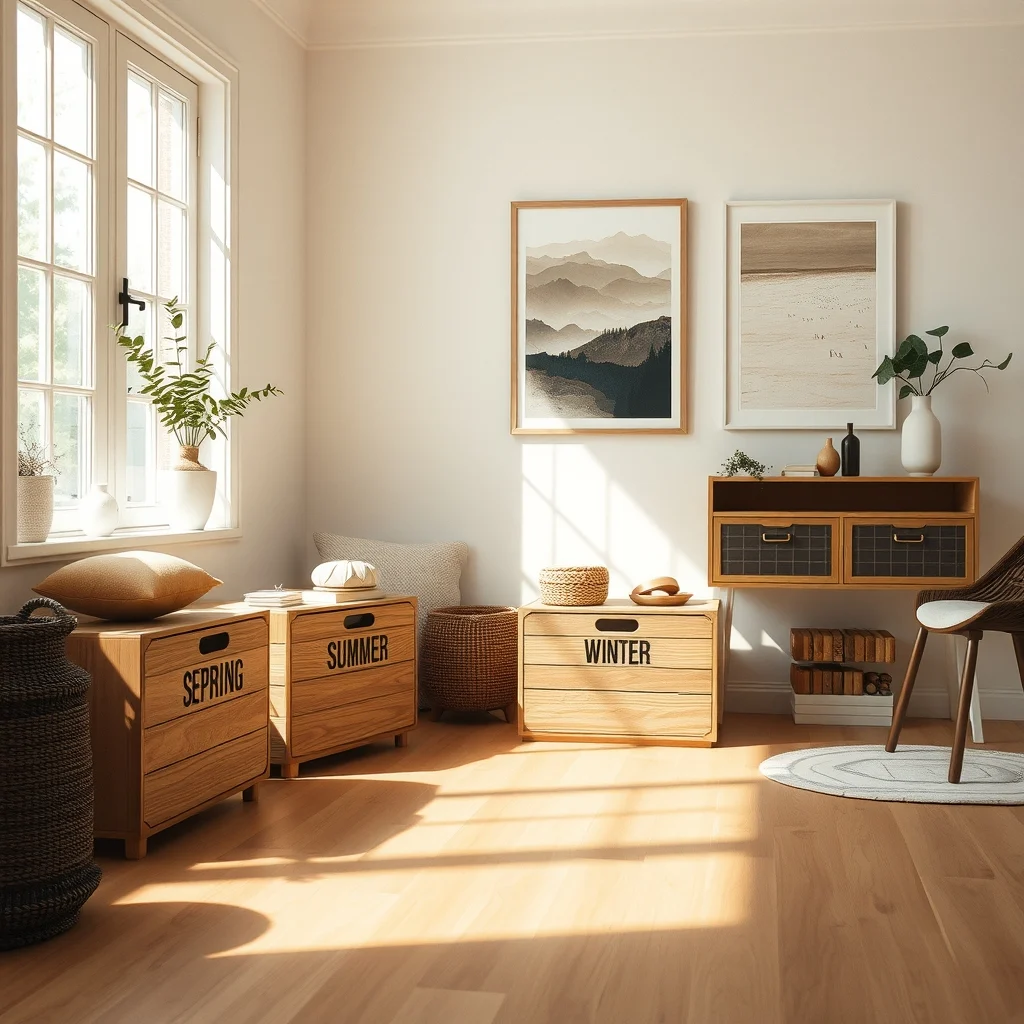
Coats and shoes change with the seasons, and the entryway should adapt accordingly. A simple quarterly routine—spring, summer, fall, winter—keeps the space from becoming a storage overflow. During the transition, each roommate can exchange items in the designated zones: winter coats move to a higher hook, summer jackets shift to a lower shelf, and heavy boots are swapped for sandals on the shoe rack.
To make the process smooth, keep a small labeled bin for “out‑of‑season” items that can be tucked under the bench or placed on a higher shelf. The bin’s label, written in a clean sans‑serif font, serves as a reminder without adding visual clutter. While the routine requires a few minutes of coordination, the payoff is a hallway that feels spacious year-round.
7. Communicate Expectations with a Light‑hearted Sign
This image is by AI for inspiration only.
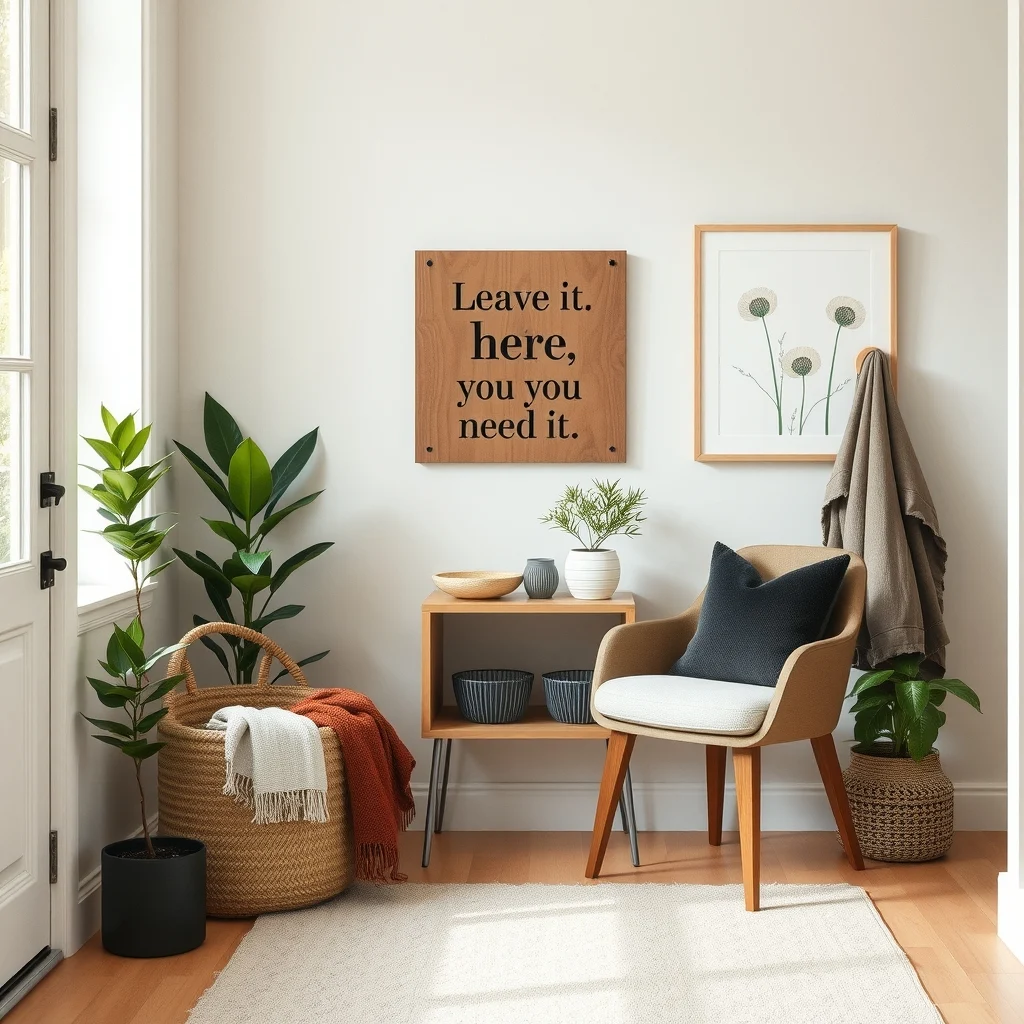
Even the most thoughtfully designed entryway can suffer when expectations are unclear. A modest sign—perhaps a reclaimed‑wood plaque with the phrase “Leave it here, take it when you need it” etched in a soft charcoal—sets a shared standard. The sign’s material and typography echo the other elements in the space, reinforcing the overall aesthetic while delivering a gentle reminder.
If a roommate prefers a more visual cue, a small chalkboard placed near the coat hooks can be updated with weekly reminders, such as “Shoes off the floor, please.” The advantage of a chalkboard is its flexibility; you can adjust the message as habits evolve. The only limitation is that it requires occasional erasing, but that small effort often leads to a more cooperative environment.
How can I keep the entryway looking tidy without buying expensive furniture?
You can maintain a clean entryway by using affordable, multipurpose pieces such as a simple wooden bench, a set of wall hooks, and a metal tray. These items are inexpensive yet functional, and they can be painted or stained to match your existing décor.
What’s the best way to store shoes in a narrow hallway?
A narrow shoe rack that leans against the wall or a slim, vertical shoe cabinet makes efficient use of limited space. Choose a design with slatted shelves to allow airflow and keep shoes from developing odors.
How often should roommates reorganize the shared entryway?
Reorganizing each season works well because coats and footwear change with the weather. A quick quarterly review lets each person swap items and prevents the accumulation of out‑of‑season pieces.
Can I use decorative items without creating more clutter?
Yes, select a few decorative pieces—like a small plant, a patterned rug, or a single artwork—that complement the color palette. By limiting the number of accessories, you keep the space feeling intentional rather than crowded.
Final Thoughts
This image is by AI for inspiration only.
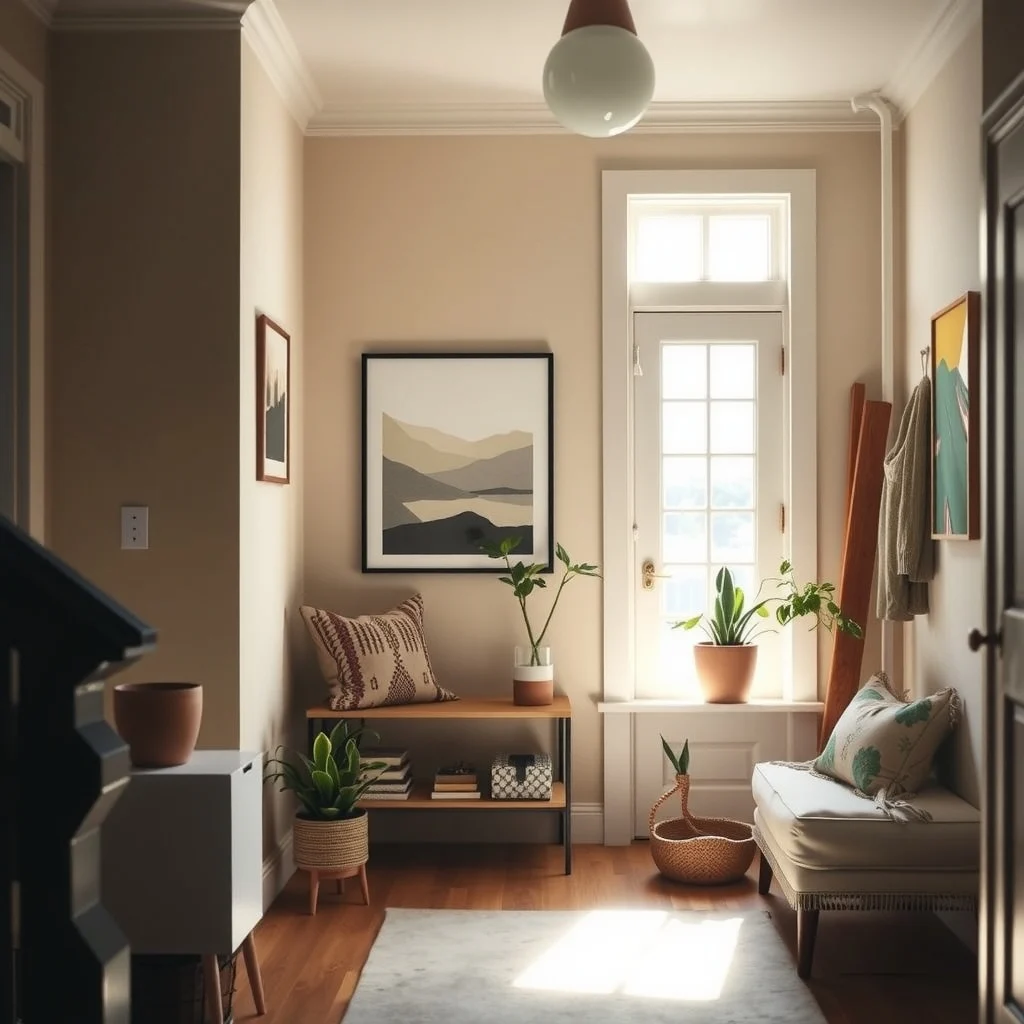
Keeping a shared entryway organized is less about strict rules and more about creating a visual language that all roommates can read. By defining zones, matching storage to habits, using light and color strategically, and setting clear expectations, the hallway becomes a welcoming threshold rather than a daily source of stress. A little routine and thoughtful design go a long way toward turning that first‑step space into a place where everyone feels at home.