Over-the-door Organizers That Work in Small Rentals

Living in a compact rental often feels like a balancing act between style and storage. The door that separates your bedroom from the hallway can become a hidden ally, provided you choose the right over‑the‑door organizer. Below are seven approaches that keep clutter at bay without compromising the look of a modest space, followed by answers to common questions and a few concluding thoughts.
1. Pick a slim‑profile system with reinforced hooks
This image is by AI for inspiration only.
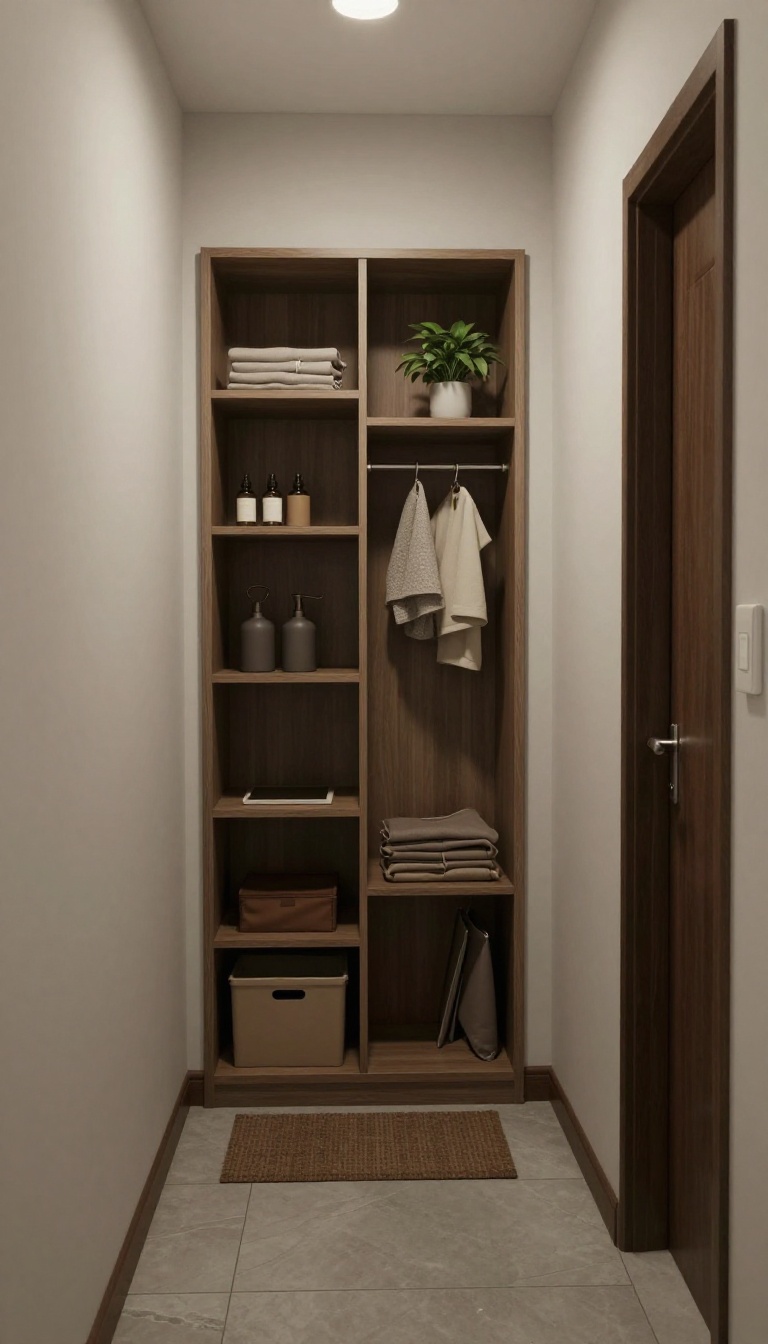
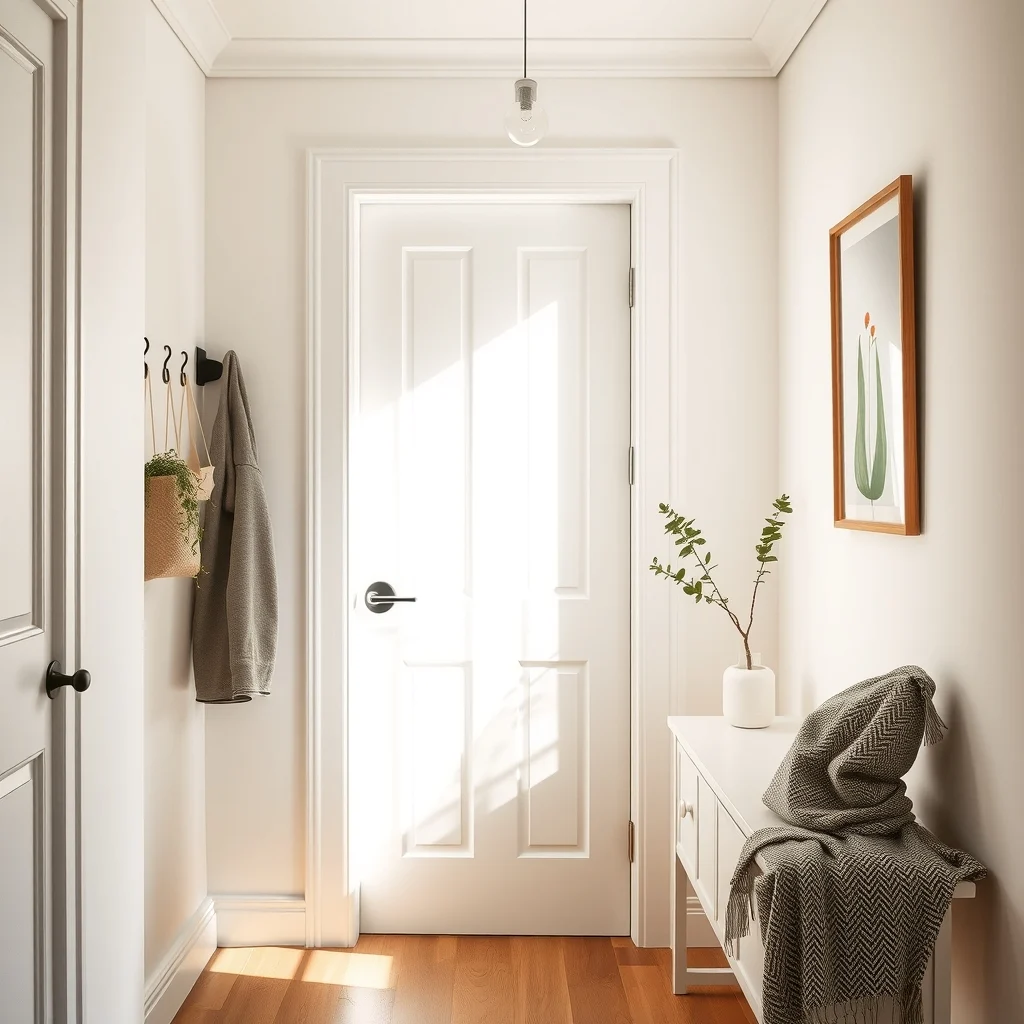
The first step is to match the organizer to the door’s dimensions. A narrow frame—typically no more than two inches deep—fits comfortably on standard interior doors while leaving room for the door swing. Reinforced metal hooks or heavy‑duty plastic loops distribute weight across the surface, reducing the risk of bending or pulling the door off its hinges. Because rentals often limit wall‑mounting options, a design that relies solely on the door’s top edge is both landlord‑friendly and easy to remove. When selecting a finish, brushed nickel or matte black blends well with contemporary hardware, while polished chrome can echo kitchen fixtures for a cohesive look.
2. Use clear acrylic pockets for a light‑filled feel
This image is by AI for inspiration only.
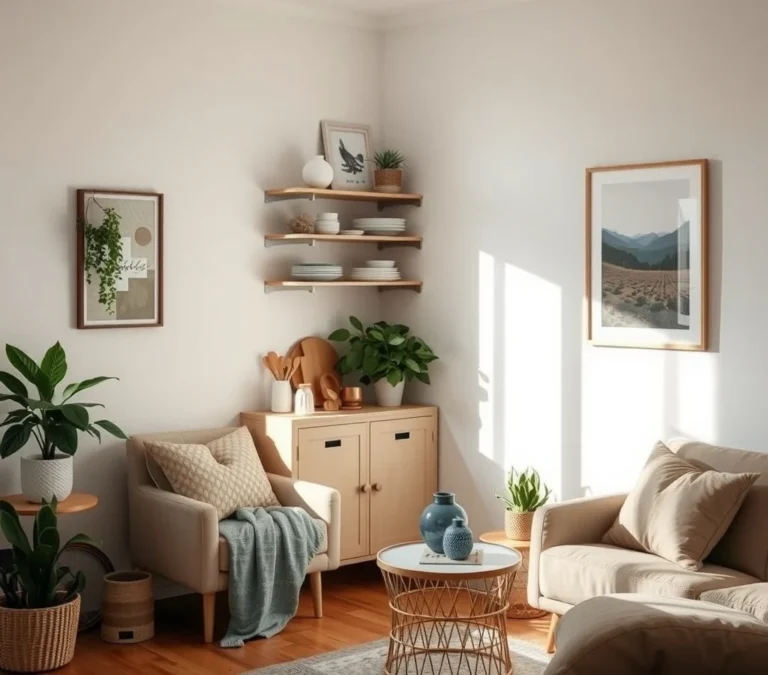
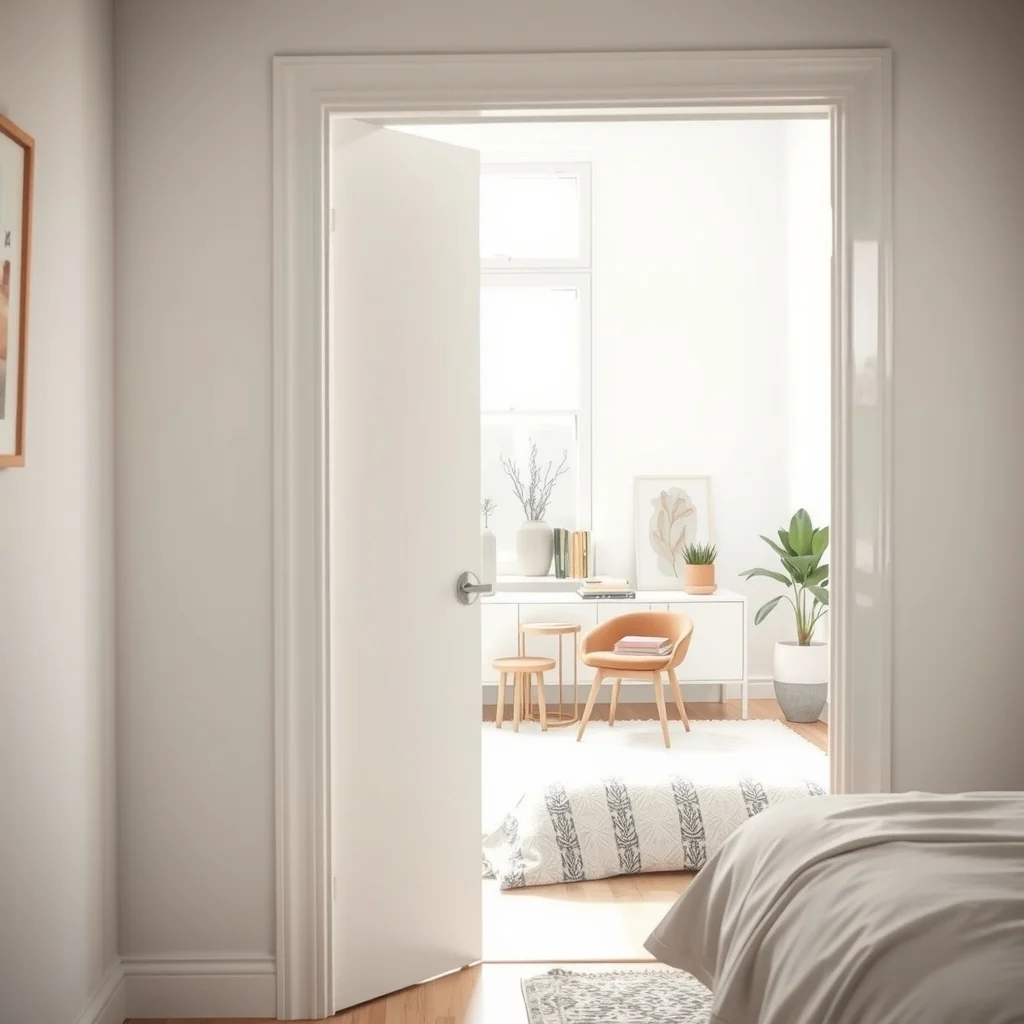
Transparency can make a cramped room feel larger, and clear acrylic organizers embody that principle. The see‑through pockets allow you to locate documents, cosmetics, or tech accessories at a glance, eliminating the need to rummage through opaque bins. Because the material reflects ambient light, it adds a subtle brightness that counters the visual weight of a busy hallway. Acrylic is also easy to wipe clean with a damp cloth, a practical advantage in a rental where you may not want to invest in delicate cleaning routines. Pair the organizer with a soft pastel wall color to keep the overall aesthetic airy and uncluttered.
3. Add fabric pockets for texture and warmth
This image is by AI for inspiration only.
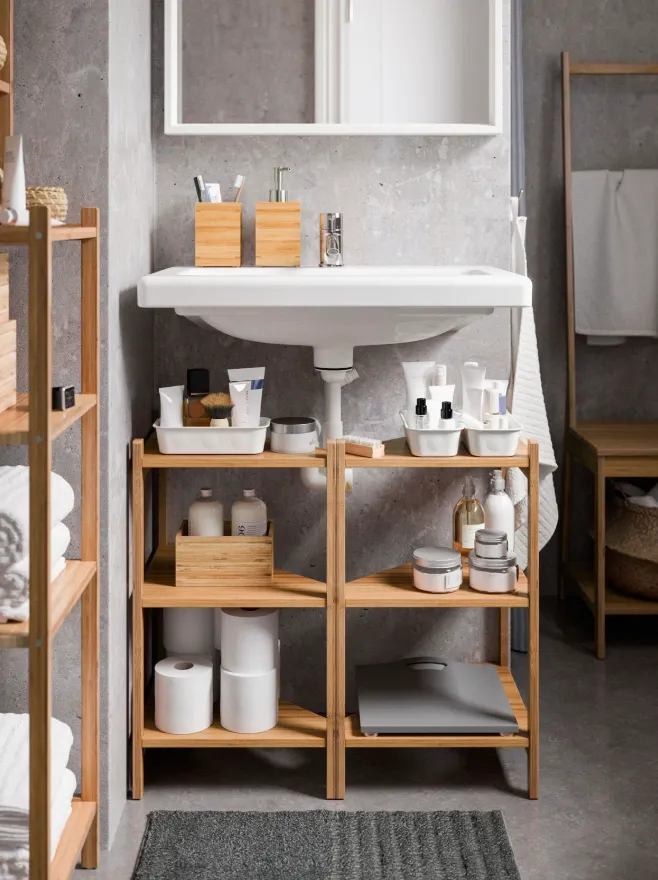
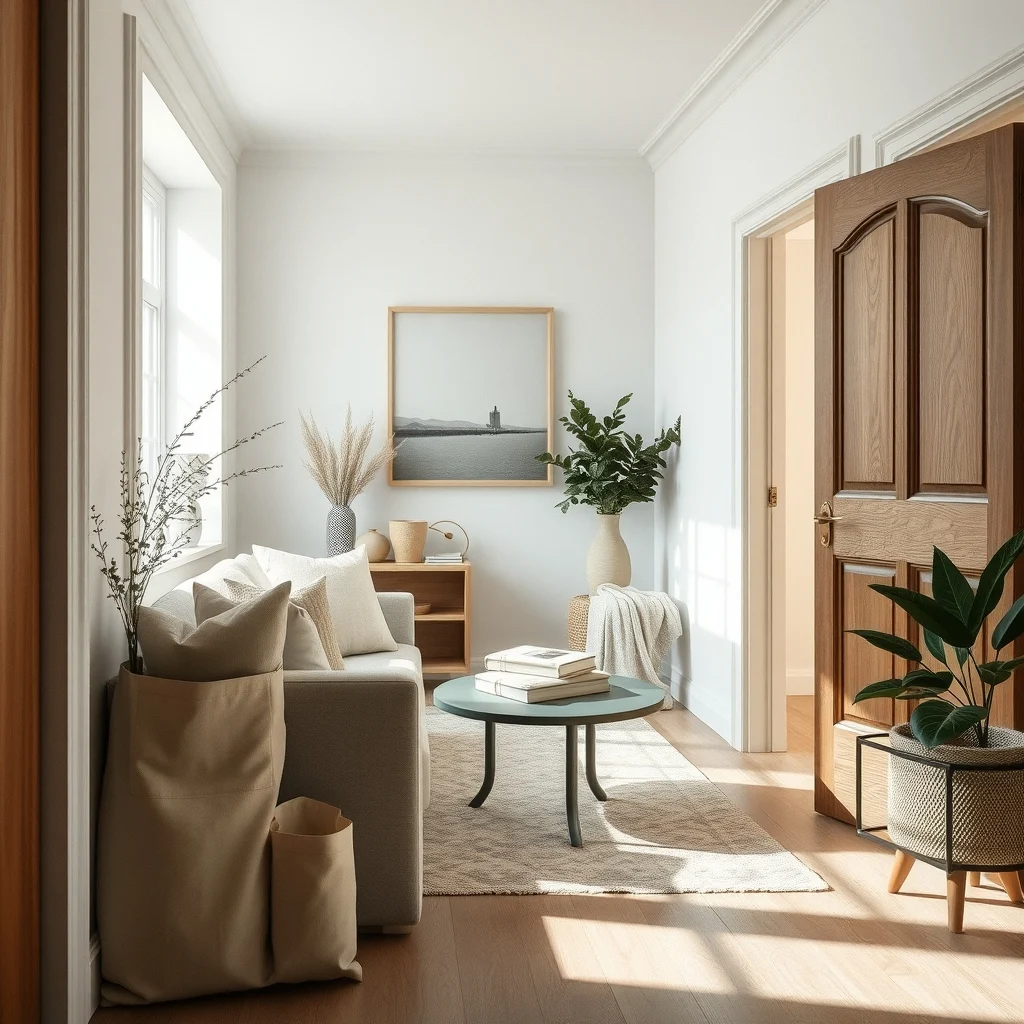
When a room leans toward minimalist metal and glass, a fabric‑based organizer introduces a tactile counterpoint. Linen or cotton pockets in muted shades—such as warm greige, dusty sage, or muted terracotta—soften the hard edges of a doorframe while offering ample room for folded sweaters, scarves, or reusable shopping bags. The material drapes gently, reducing the chance of snagging delicate items, and can be removed for laundering if spills occur. Choose a design with reinforced stitching at the corners; this detail prolongs the life of the organizer and prevents fraying, a concern in high‑traffic rental homes.
4. Hang a multi‑tier rack for shoes and accessories
This image is by AI for inspiration only.
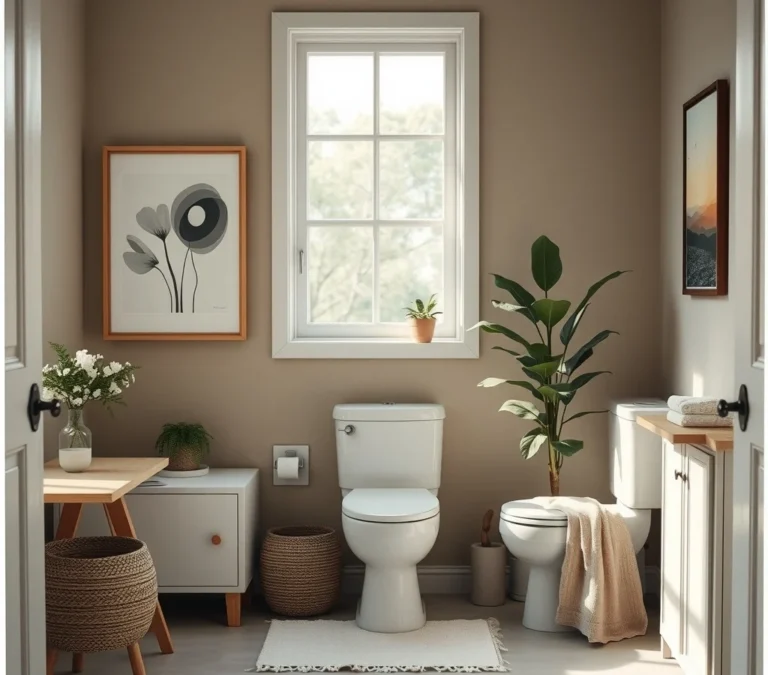
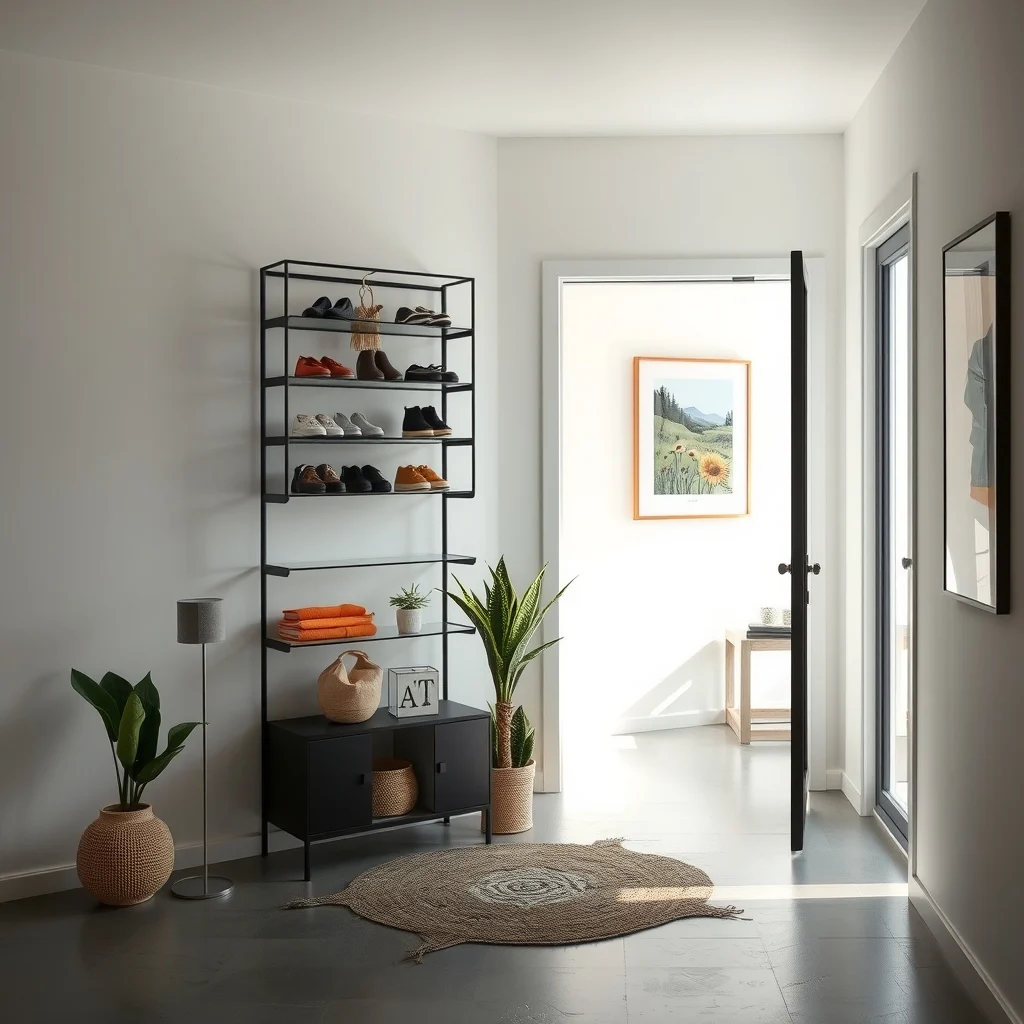
Footwear and accessories often claim the most floor space in a small apartment. A vertical rack that attaches to the door’s top edge creates several levels of storage without occupying valuable square footage. The lower tier can hold flat‑folded shoes—sandals, flats, or slippers—while the upper shelves accommodate belts, hats, or even a small potted succulent for a splash of greenery. Metal bars with a satin finish resist rust, an essential feature for homes near humid coasts. By keeping shoes off the floor, you also protect hardwood or laminate surfaces from scratches and scuffs.
5. Transform the organizer into a vertical gallery
This image is by AI for inspiration only.
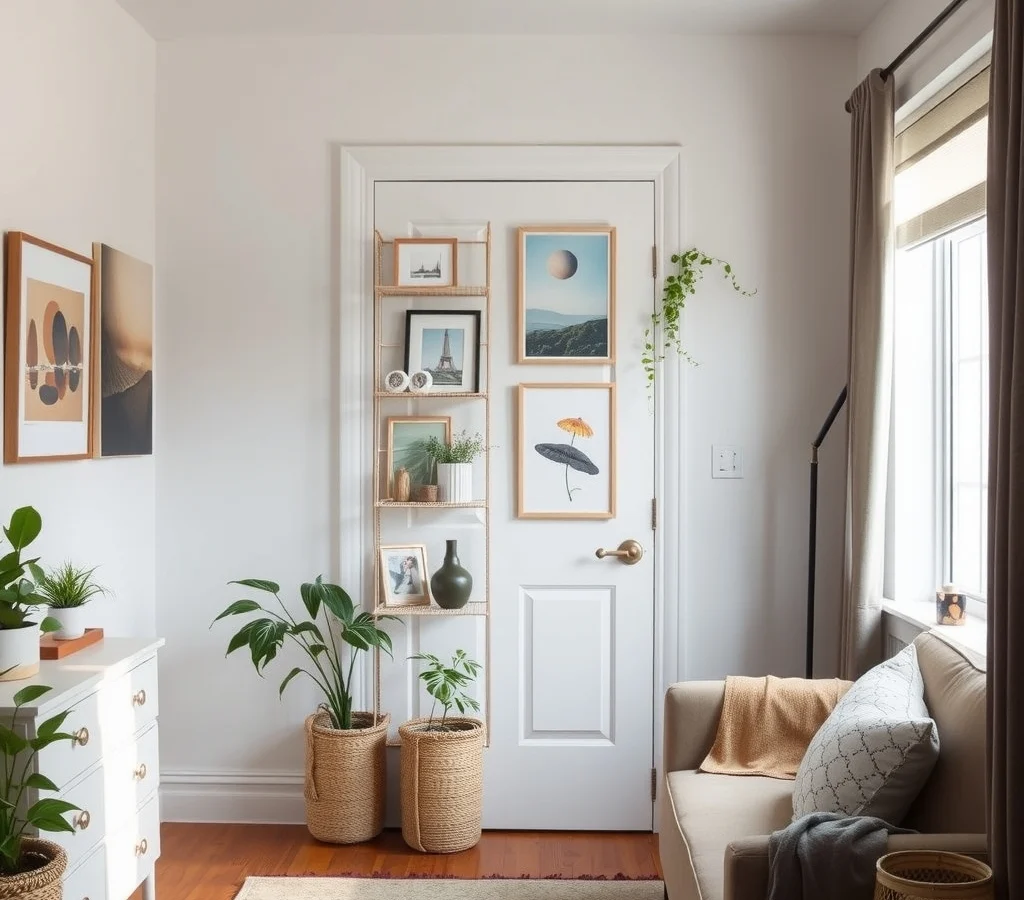
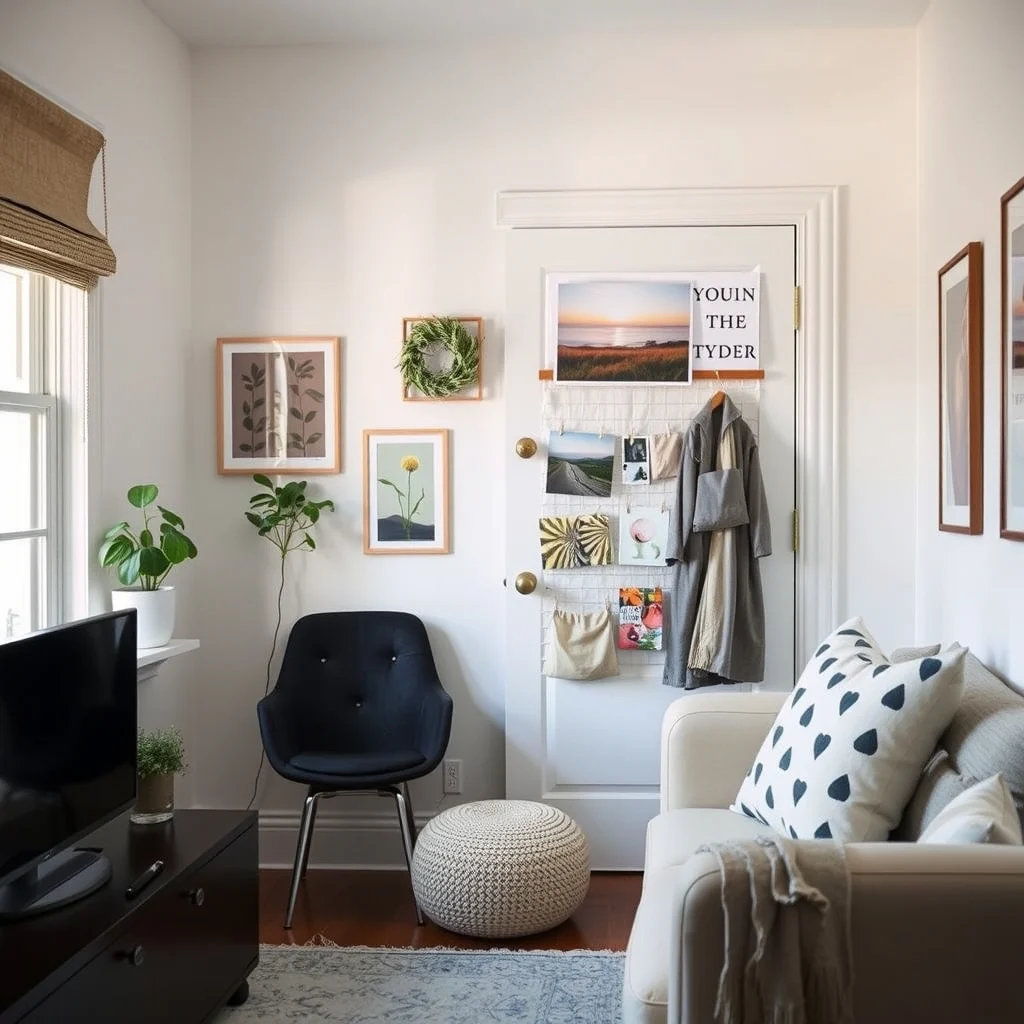
Beyond pure storage, an over‑the‑door system can double as a display surface. Hooks or slim shelves installed alongside pockets provide places for framed prints, a string of fairy lights, or a rotating collection of postcards. The visual interest draws the eye upward, encouraging a sense of height that benefits low‑ceiling rooms. When curating the gallery, limit the palette to two or three complementary colors—perhaps navy, ivory, and brass—to avoid a cluttered appearance. This approach lets you personalize a rental without making permanent changes to walls or floors.
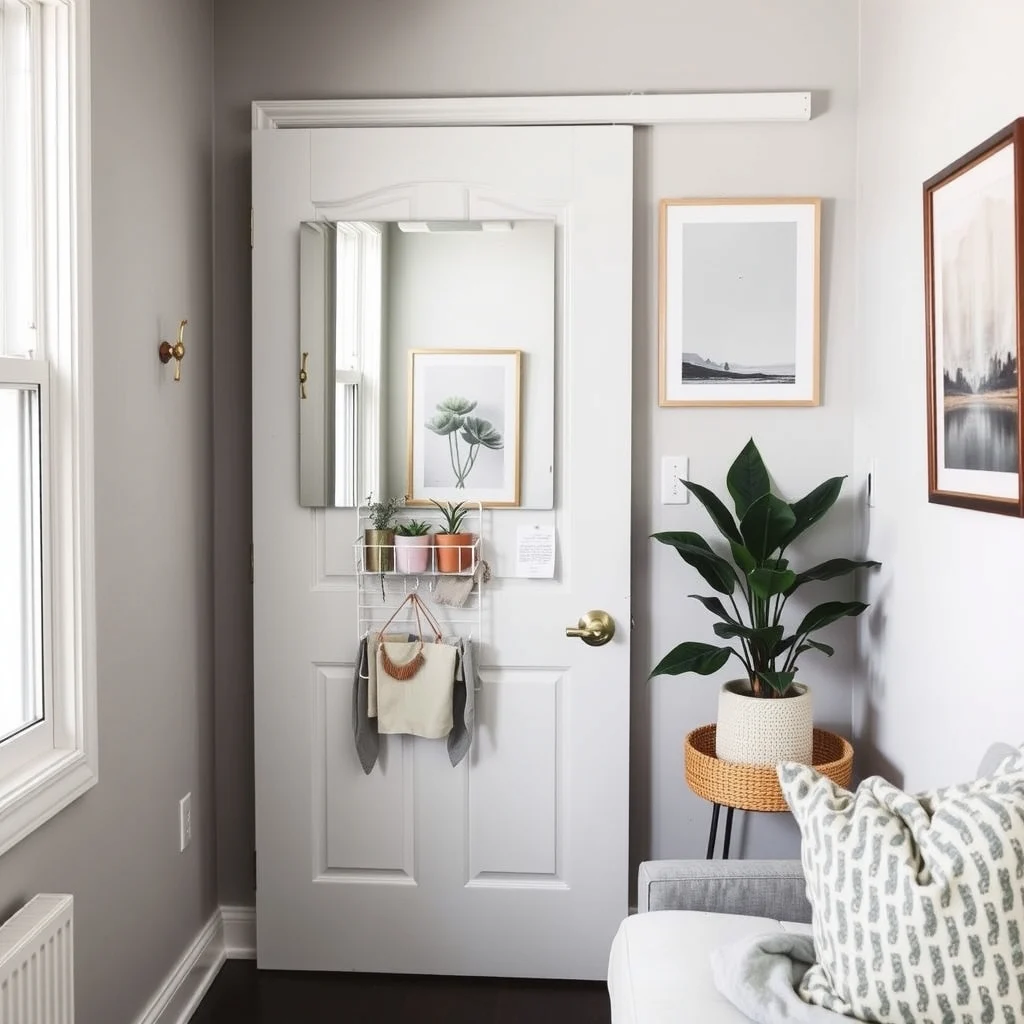
6. Pair the organizer with a mirrored door panel
This image is by AI for inspiration only.
Mirrors are a classic trick for enlarging a space, and when combined with an over‑the‑door organizer they become even more functional. A slim, adhesive mirror panel placed on the door’s interior reflects light from nearby windows, brightening the hallway and bedroom alike. The organizer then sits beneath the mirror, its pockets and hooks appearing to float against the reflective surface. Choose a mirror with a beveled edge to add a subtle decorative detail, and ensure the adhesive is rated for the door material to prevent damage upon removal.
7. Rotate seasonal items using a modular system
This image is by AI for inspiration only.
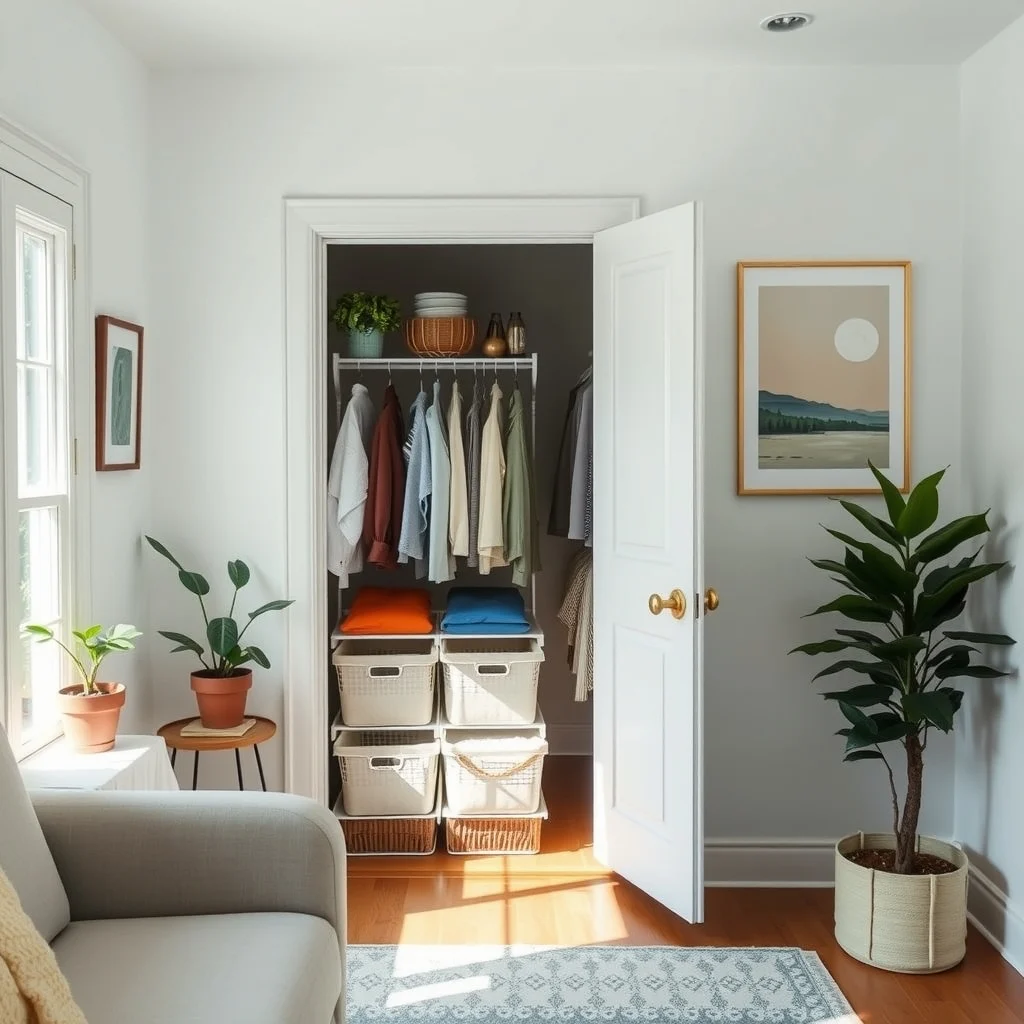
Flexibility is key in a rental where you may need to adapt quickly to changing needs. A modular organizer composed of interchangeable bins or clip‑on sections lets you swap summer beach towels for winter scarves with minimal effort. Because each module attaches with a simple slot or magnetic latch, you can reconfigure the layout without tools. This adaptability also means you can store bulky items—like a folded blanket or a yoga mat—in a single compartment during the off‑season, keeping the door clear for everyday essentials.
FAQ
This image is by AI for inspiration only.
Can I install over‑the‑door organizers on a rented apartment door?
Yes, most designs rely only on the top edge of the door, leaving the paint and hardware untouched. Just be sure the hooks are padded or coated to avoid scratching the surface.
How much weight can a typical over‑the‑door organizer hold?
Weight capacity varies, but a well‑constructed metal or reinforced plastic model usually supports up to 10‑12 pounds per shelf. Distribute heavier items across multiple tiers to maintain balance.
Will the organizer damage my door over time?
Potential damage is limited to minor scratches from the hooks. Using felt pads or rubber‑coated hooks can protect the door finish, and removing the organizer gently each season reduces wear.
Are there any fire‑safety concerns with fabric organizers?
Fabric pockets made from natural fibers such as cotton or linen are generally flame‑retardant, but keep them away from open flames or heating vents. Check the manufacturer’s specifications for any special warnings.
Where can I find affordable yet durable options?
Home‑goods stores, online marketplaces, and discount retailers often carry a range of organizers. Look for products with metal reinforcements and clear return policies, which can be especially helpful when testing fit in a rental.
Final Thoughts

This image is by AI for inspiration only.
Over‑the‑door organizers offer a pragmatic solution for small rentals, turning an otherwise overlooked surface into a functional, decorative element. By selecting the right material, profile, and configuration, you can keep clutter at bay while preserving the aesthetic integrity of your temporary home. Whether you favor the sleekness of acrylic, the softness of linen, or the versatility of modular bins, there is a door‑hung option that aligns with both your style and the constraints of rental living.