How to Organize Umbrellas and Rain Gear in a Tiny Entry

When the first drops of a spring shower hit the sidewalk, a cramped entryway can feel like a storm‑tossed hallway of dangling umbrellas, soggy coats, and forgotten rain boots. The problem isn’t just visual clutter; it’s the daily frustration of hunting for the right piece of gear while trying to keep the space welcoming for guests. In this article you’ll discover seven distinct ways to tame wet‑weather clutter without sacrificing style. Each approach balances storage efficiency, material durability, and the subtle aesthetic cues that make a small entry feel intentional rather than improvised.
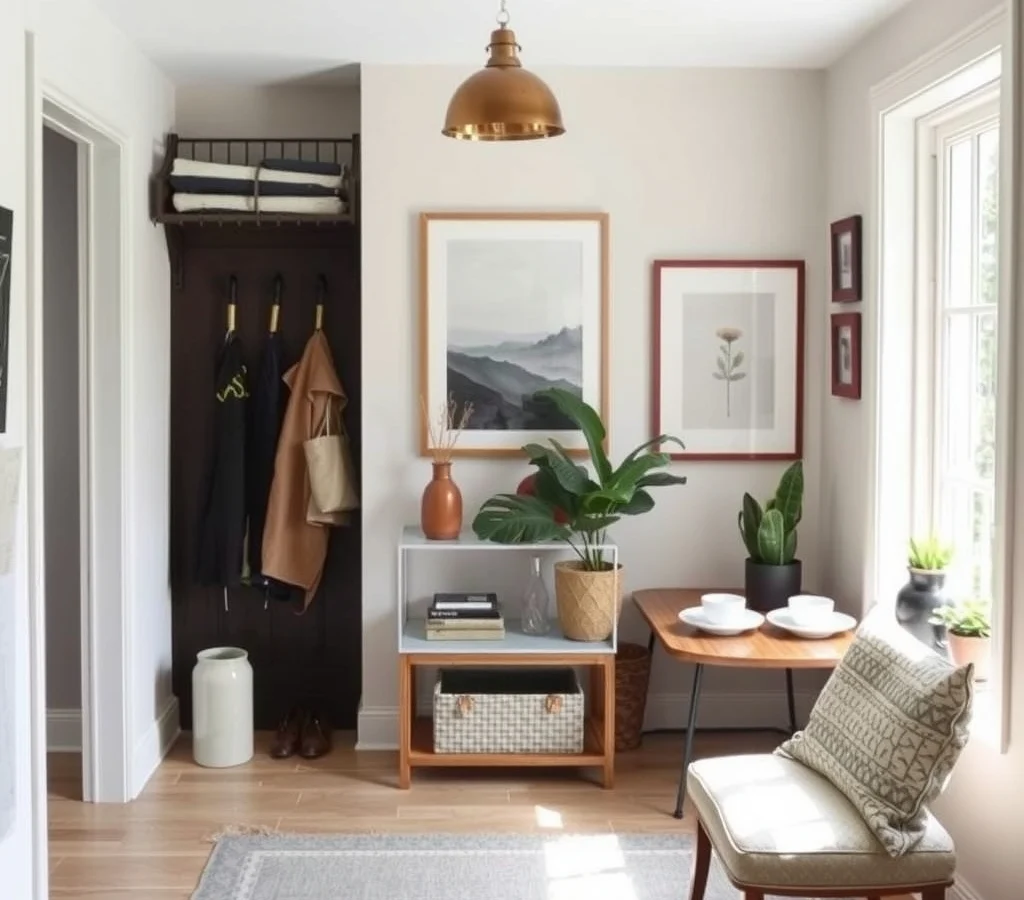
1. Install a Slim Wall‑Mounted Rack with Adjustable Hooks

This image is by AI for inspiration only.
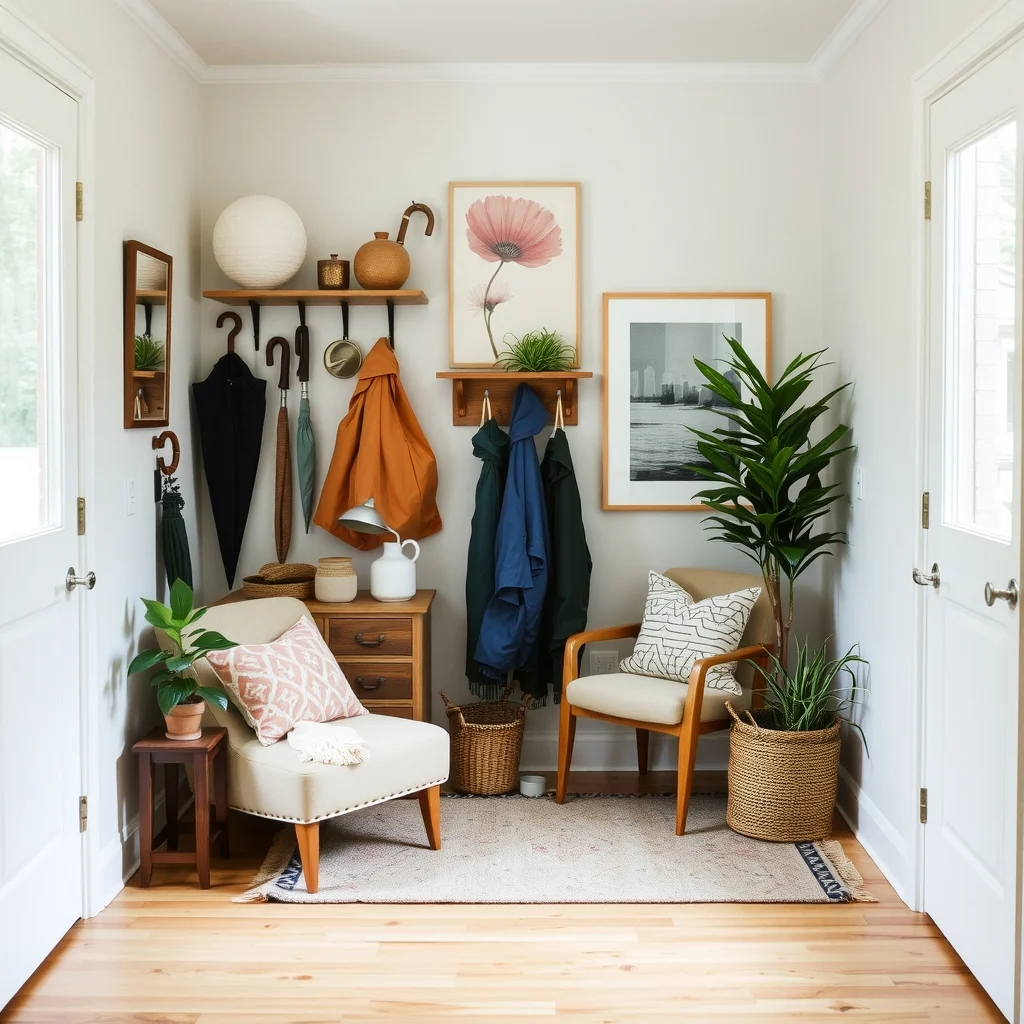
A wall‑mounted rack that hugs the surface of the wall can be the most space‑saving option for a narrow hallway. Choose a model finished in brushed brass or matte black so it blends with surrounding trim, and look for hooks that swivel or slide to accommodate umbrellas of varying lengths. By positioning the rack a few inches below the ceiling, you keep the floor clear for a narrow console table or a decorative runner. The open design encourages air circulation, which helps dry umbrellas faster and reduces mildew. If the entry receives a lot of foot traffic, a shallow backplate can protect the paint from accidental bumps. The trade‑off is that the rack is fixed, so you’ll need to be comfortable with a permanent visual element.
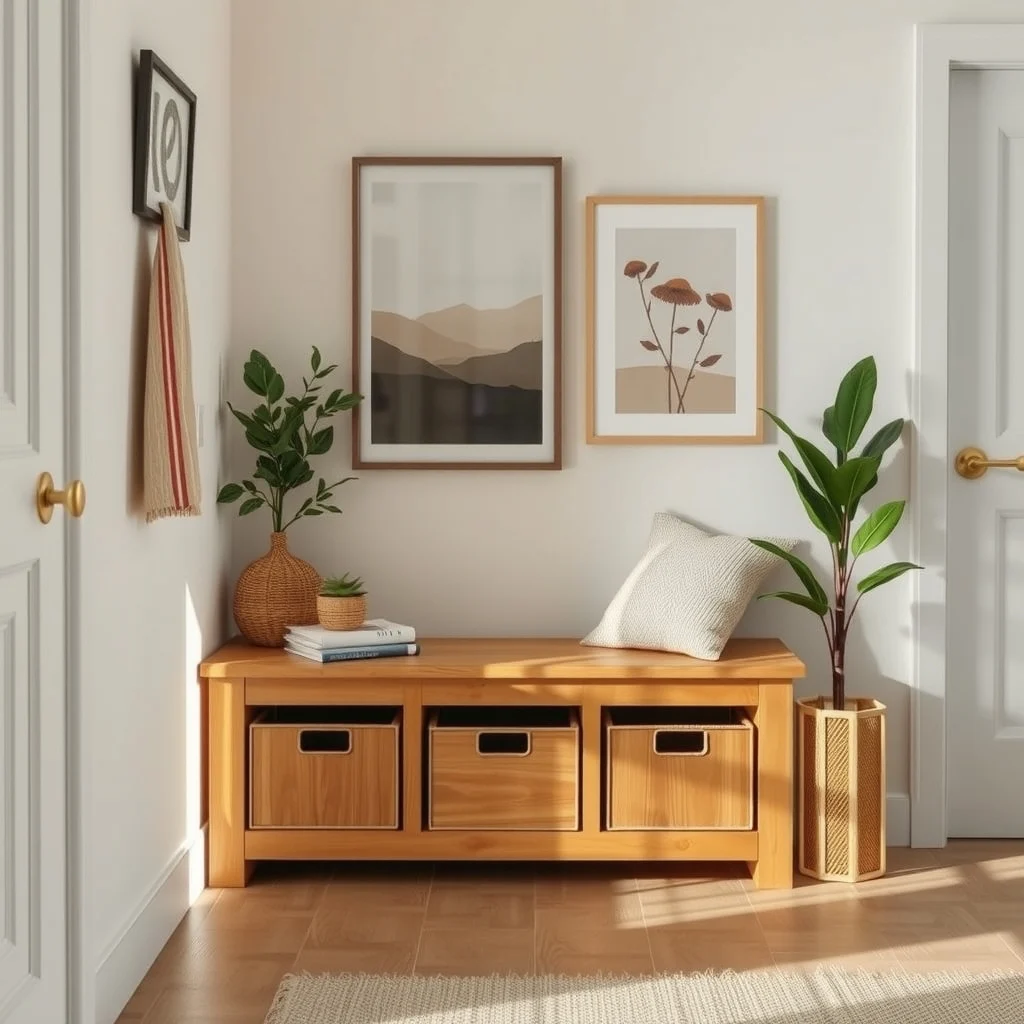
2. Use a Low‑Profile Bench with Built‑In Storage Bins
This image is by AI for inspiration only.
A bench that doubles as a seat and a storage unit offers a dual function that feels natural in a small entry. Look for a piece with a solid wood frame, such as oak or walnut, and a cushion upholstered in a water‑resistant fabric like performance linen. The bench’s interior can be divided into two or three bins—one for umbrellas, one for rain jackets, and one for shoes or boots. The height of the bench should allow a person to sit comfortably while slipping on wet shoes, and the seat surface provides a place to set down a dripping umbrella before it dries. Because the bench occupies floor space, it works best when the entry is at least four feet wide. In tighter corridors, a bench may obstruct the flow of traffic.
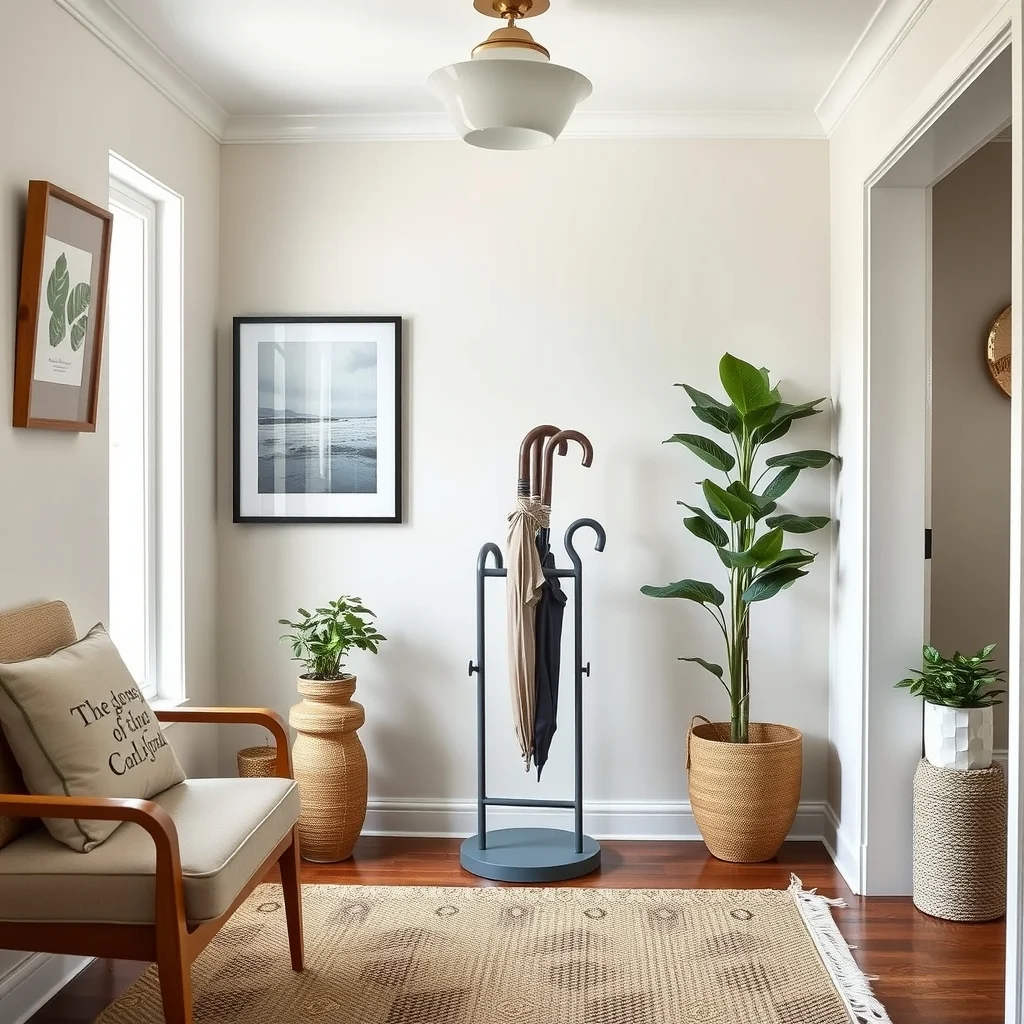
3. Add a Freestanding Umbrella Stand with a Waterproof Base
This image is by AI for inspiration only.
A freestanding stand offers flexibility; you can move it when you need to rearrange furniture or clean the floor. Opt for a stand constructed from powder‑coated steel or aluminum, which resists rust and can hold several umbrellas without wobbling. A rubberized base protects hardwood or tile from water drips. Placing the stand near the door creates a natural drop‑off point for wet items, encouraging everyone to leave gear in a designated spot. The visual weight of a metal stand can serve as a subtle anchor for the entry’s design, especially when paired with a small potted plant or a decorative tray for keys. The main limitation is that a freestanding piece consumes floor area that could otherwise be used for a slim console.
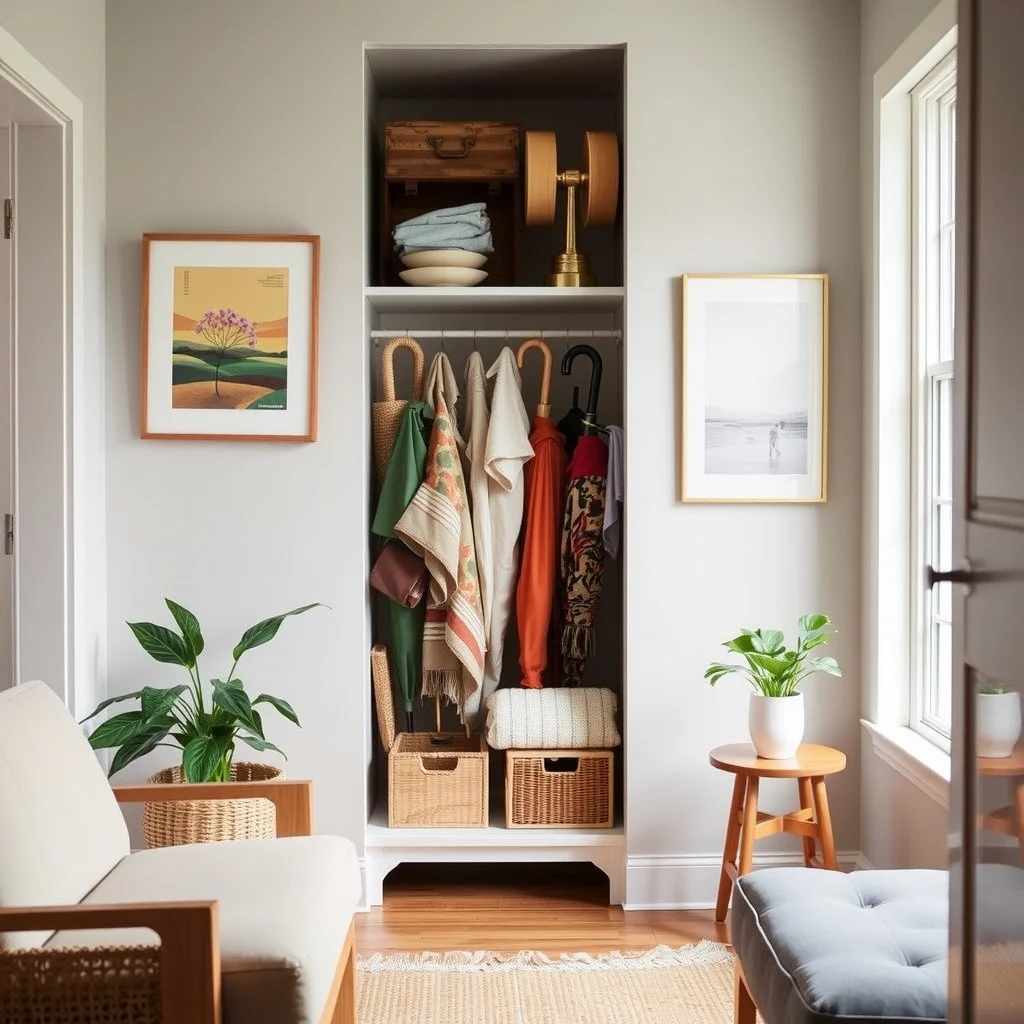
4. Incorporate a Tall Narrow Cabinet with Sliding Doors
This image is by AI for inspiration only.
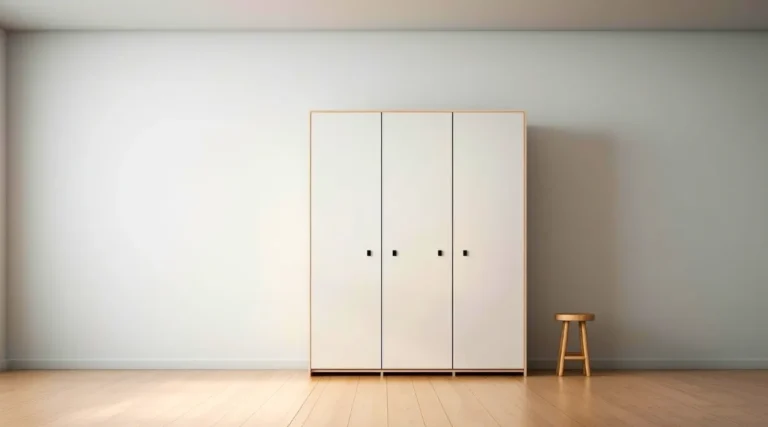
When vertical space is more abundant than horizontal, a tall cabinet can store umbrellas, rain coats, and even a small umbrella repair kit. Choose a cabinet with sliding doors to avoid the swing arc that a hinged door would require in a cramped space. A finish in a muted greige or deep navy can blend with the entry’s wall color while adding a touch of sophistication. Inside, install a simple rod for hanging coats and a few shallow shelves for umbrella handles and waterproof bags. The cabinet keeps the floor clear and offers a dust‑proof environment, which is useful for seasonal storage. However, the cabinet’s depth must be measured carefully; a depth greater than twelve inches can make the entry feel squeezed.
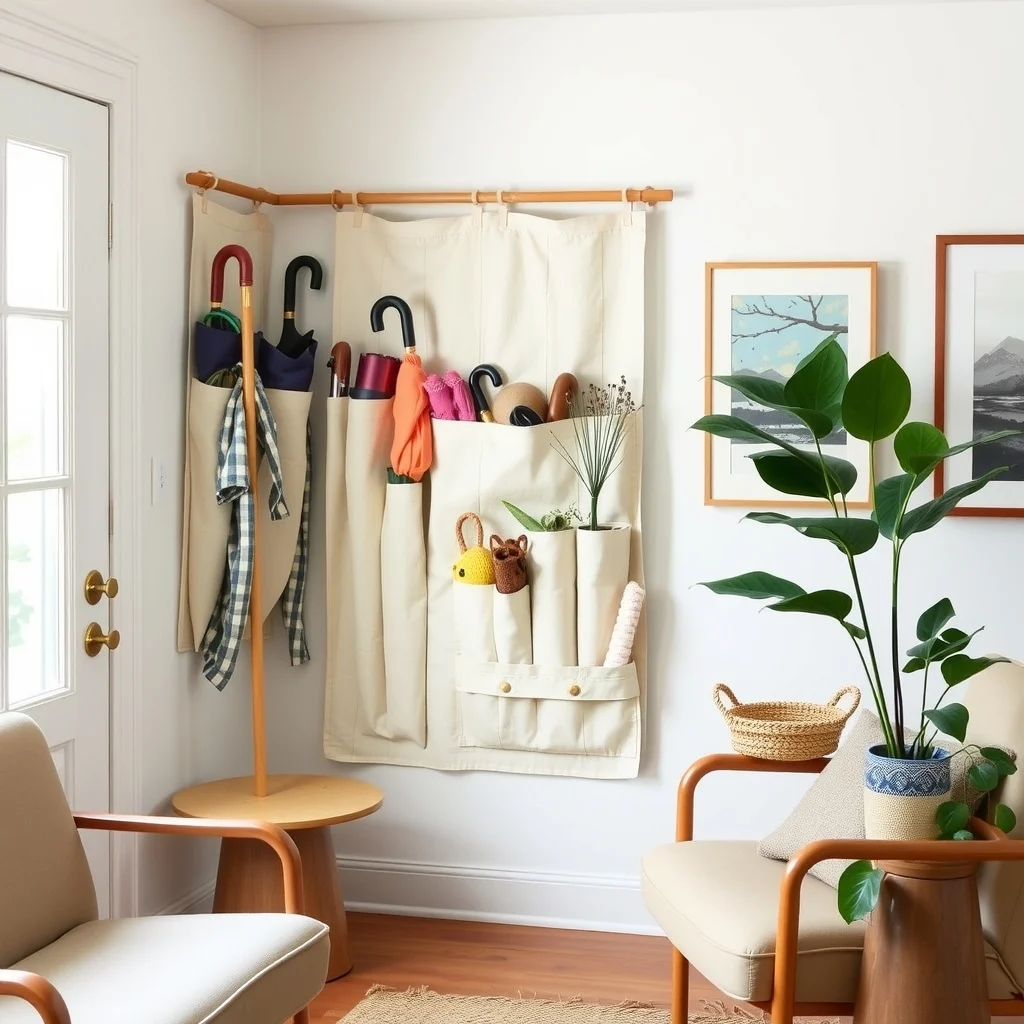
5. Hang a Fabric Pocket Organizer from a Hooked Rod
This image is by AI for inspiration only.
A fabric pocket organizer is a lightweight solution that adds texture without demanding permanent installation. Look for a canvas or linen panel with multiple zippered or buttoned pockets, and mount it on a sturdy rod affixed to the wall at chest height. Each pocket can hold a single umbrella, a pair of gloves, or a compact rain hat, keeping items visible and easy to retrieve. Because the organizer is soft, it won’t damage delicate umbrella ribs, and it can be removed seasonally if the space needs a different look. The main drawback is that the fabric may absorb moisture, so it’s best to choose a material with a quick‑dry finish and to empty the pockets regularly.
6. Create a Hidden Nook Behind a Mirror or Artwork
This image is by AI for inspiration only.
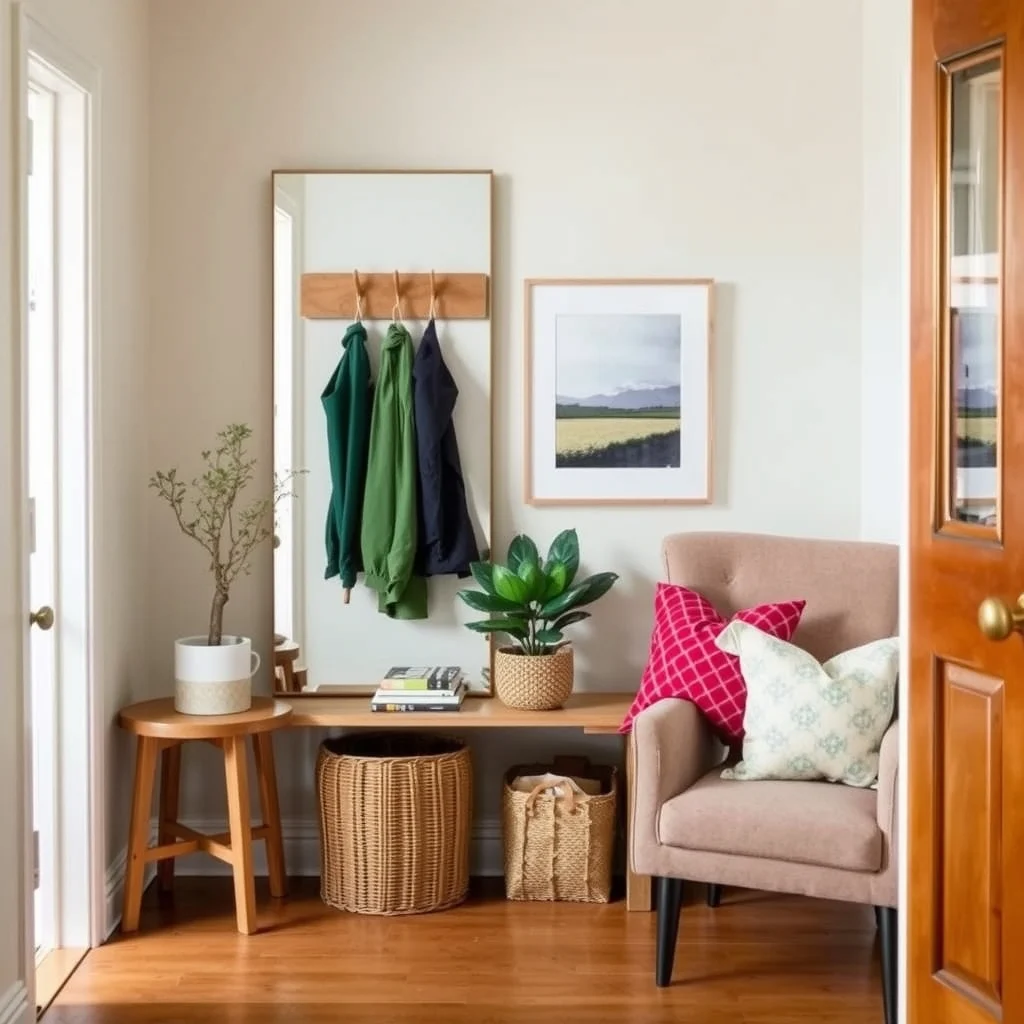
For an entry that already features a large mirror or a piece of artwork, consider using the space behind it for concealed storage. A shallow cavity, framed by a thin strip of wood, can house a slim umbrella rack that slides in and out. When the mirror is in place, the rack remains invisible, preserving a clean aesthetic while still offering a functional spot for wet gear. This approach works well when the entry wall is thick enough to accommodate a two‑inch recess. The hidden nature of the solution means you’ll need to remember to pull the rack out before the first rain of the season, and the installation may require a professional to ensure the mirror remains securely mounted.
7. Use a Decorative Tray on a Console Table for Quick Drop‑Off
This image is by AI for inspiration only.
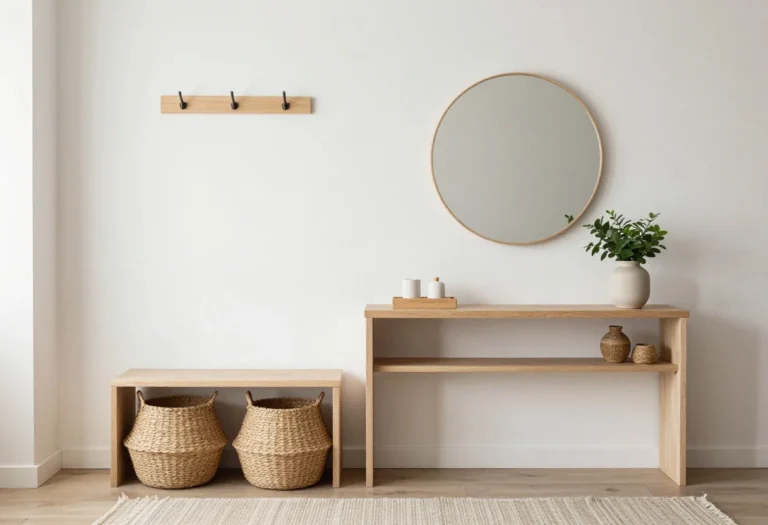
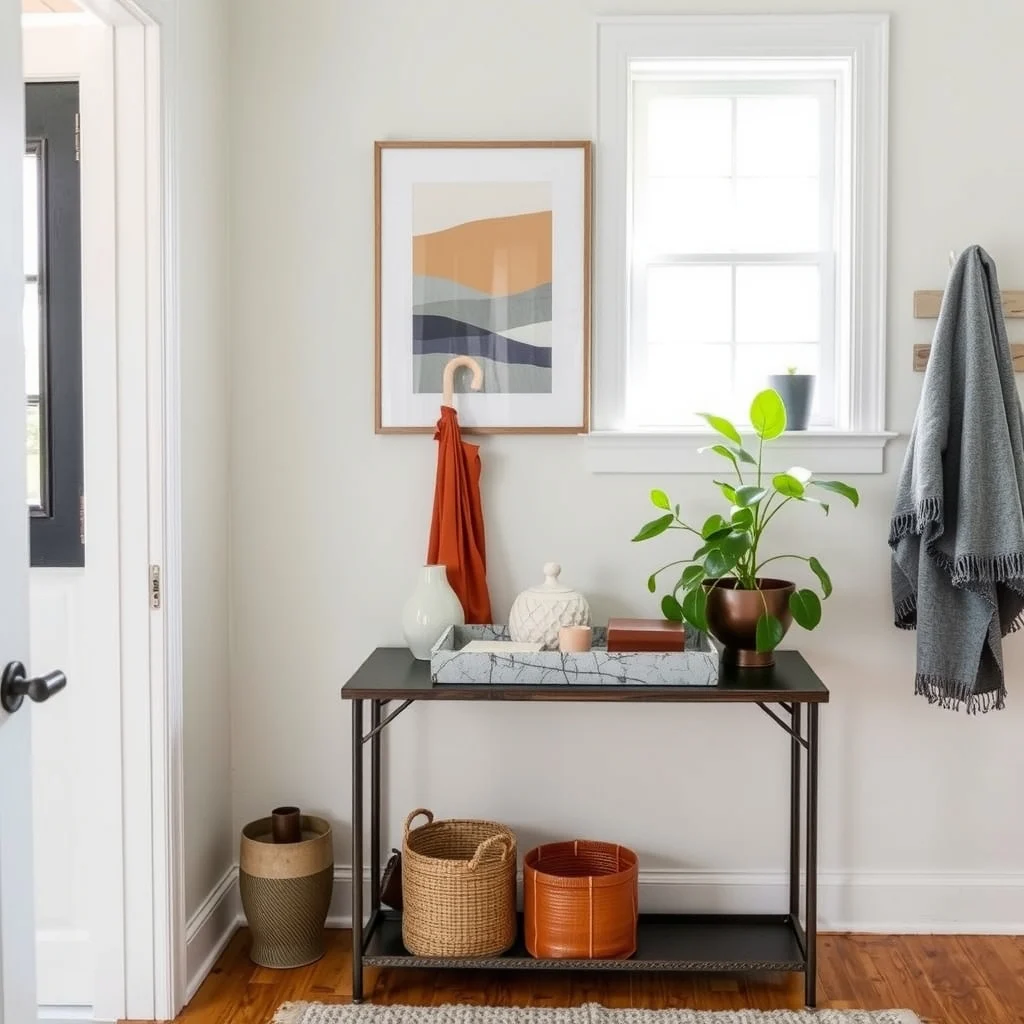
A narrow console table topped with a decorative tray can become the central hub for umbrellas and rain gear. Choose a tray made of polished ceramic, metal, or reclaimed wood that resists water stains. When you step inside, you simply set your umbrella on the tray, allowing it to drip onto a small mat placed underneath. The tray’s raised edges keep water from spilling onto the floor, and the console provides space for a small bowl of keys, a mail organizer, or a vase of fresh herbs. This method adds a layer of style without committing to permanent fixtures. The downside is that the tray must be emptied and cleaned regularly to avoid water damage, and the console occupies floor space that could otherwise be used for a bench.
FAQ
This image is by AI for inspiration only.
How can I prevent my umbrellas from dripping onto the floor?
Place a waterproof mat or a small absorbent rug directly beneath any storage solution. The mat catches drips and can be shaken out or laundered regularly.
What material is best for an umbrella rack that will last?
Metal finishes such as powder‑coated steel or brushed brass resist rust and hold weight well. If you prefer wood, choose a sealed hardwood that can handle occasional moisture.
Can I store rain boots in the same area as umbrellas?
Yes, as long as you provide a separate compartment or a breathable bin for the boots. Keeping them apart prevents the boot leather from soaking up moisture from wet umbrellas.
Is it okay to hang umbrellas on a door?
Hanging umbrellas on a door can damage the surface and the door’s hardware. A dedicated wall rack or a freestanding stand is a safer choice.
How often should I clean the storage area?
Wipe down surfaces weekly during rainy months to remove water spots and prevent mold. Deep clean the entire area at the end of the season before storing gear away.
Final Thoughts
This image is by AI for inspiration only.
Organizing umbrellas and rain gear in a tiny entry is less about finding a single perfect product and more about layering solutions that respect the room’s dimensions, the flow of traffic, and the visual language you’ve already established. Whether you opt for a sleek wall‑mounted rack, a multifunctional bench, or a concealed compartment behind a mirror, each choice should feel intentional and easy to maintain. By treating wet‑weather items as part of your entry’s design rather than an afterthought, you create a welcoming threshold that stands ready for any forecast.