Vacuum Bags Vs Storage Bins for Small Apartment Clothing
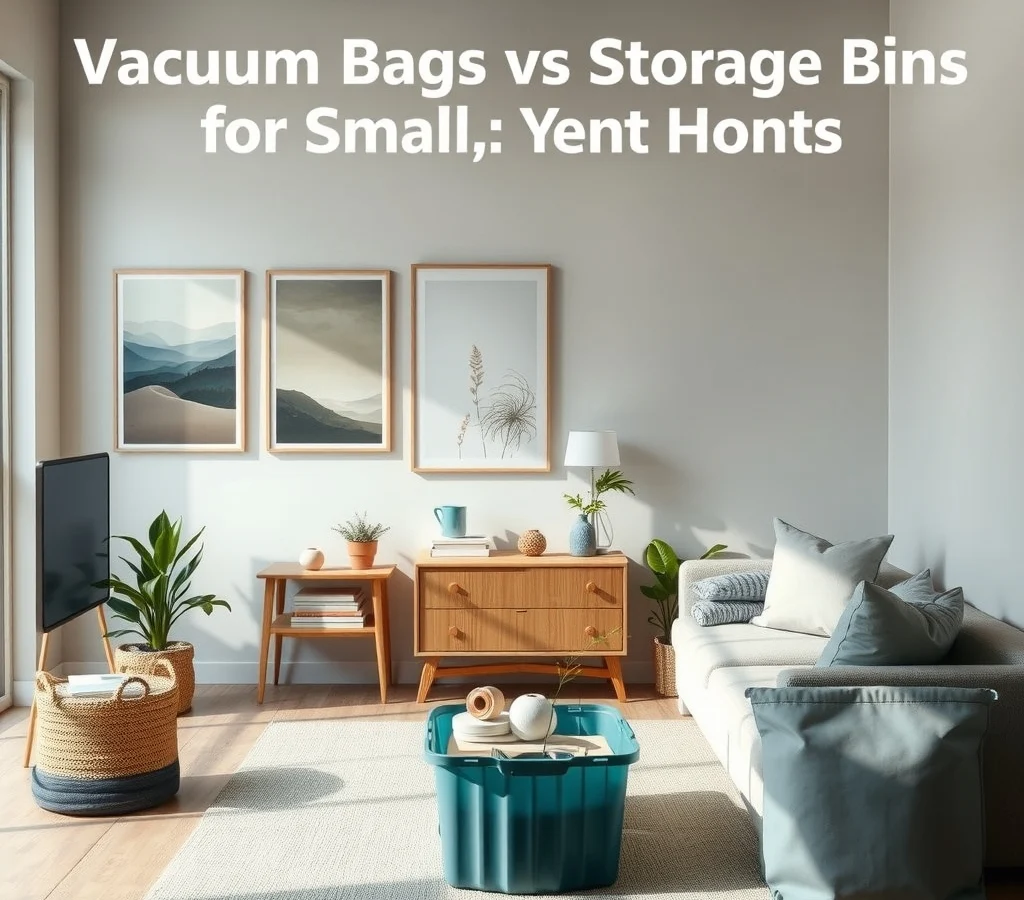
Living in a compact apartment often feels like a constant puzzle of where to place each piece of clothing without crowding the room. The choice between vacuum‑seal bags and sturdy storage bins can dramatically influence both the visual calm of your living area and the longevity of your garments. This article walks you through seven key considerations, helping you decide which method fits your style, space, and daily routine while keeping your wardrobe organized and protected.
1. Understanding the Layout of Your Closet and Living Areas
This image is by AI for inspiration only.
© 2026 AI Illustrator — Inspiration Only
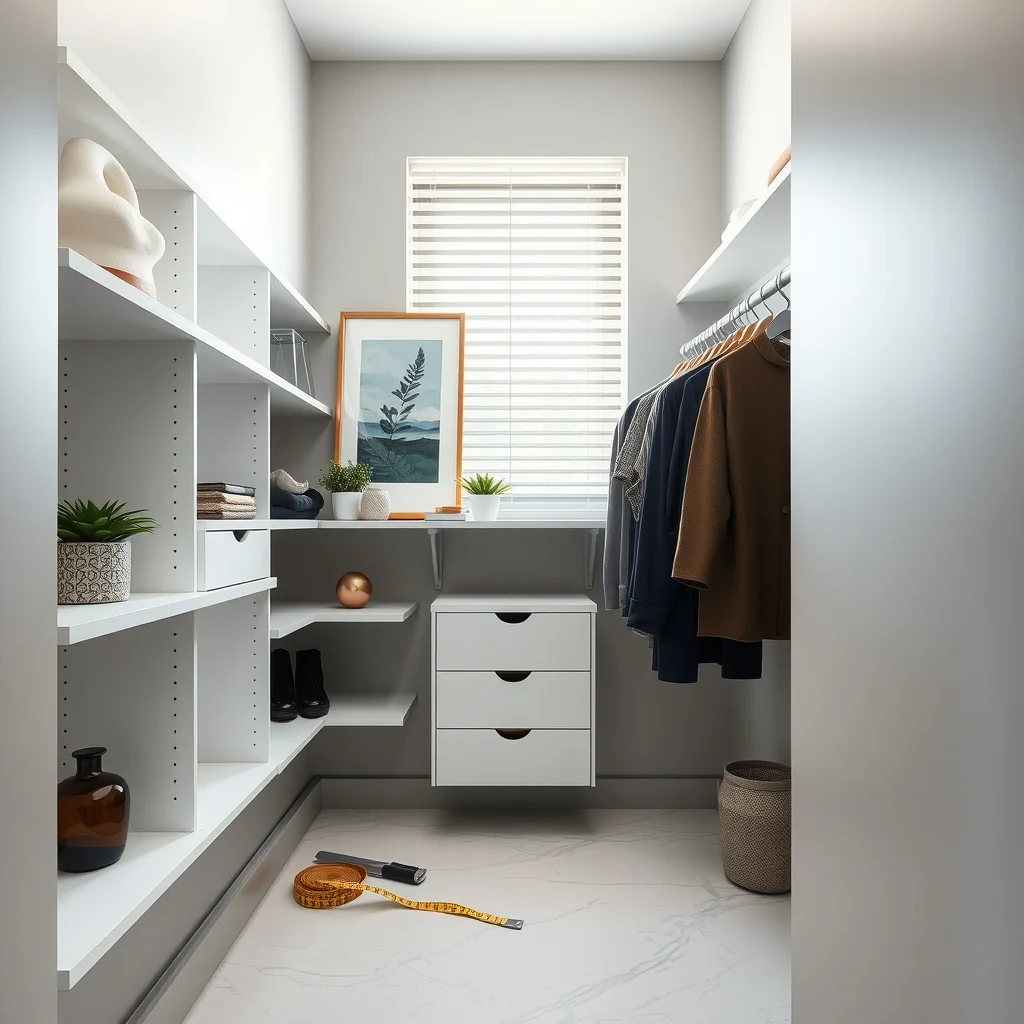
Before you reach for any storage solution, take a moment to map the actual dimensions of your closet, under‑bed space, and any shelving you already own. A narrow reach‑in closet with a low ceiling may benefit from the compressibility of vacuum bags, allowing you to stack more items vertically without sacrificing headroom. Conversely, an open wardrobe with sliding doors can accommodate low‑profile bins that remain visible and easy to pull out. Knowing where you plan to store clothing—whether tucked behind a sofa, in a hallway nook, or on a dedicated dresser—guides you toward a system that blends with the room’s flow rather than obstructing it.
Love Your Home.
Enjoy a Little More Order.
Not sure how to decorate your space or organize your home? Discover practical digital guides, planners and ideas designed to make everyday living easier.
Your first purchase at Livana Studio
When you measure, also consider the path you’ll travel to retrieve an item. A bin placed behind a decorative screen may look tidy, but reaching in can become a chore if the screen blocks natural light or interrupts traffic. The goal is to match the storage footprint with the way you move through the apartment, ensuring that the chosen method supports daily habits instead of creating hidden obstacles.
2. Evaluating Protection Against Dust, Moisture, and Pests
This image is by AI for inspiration only.
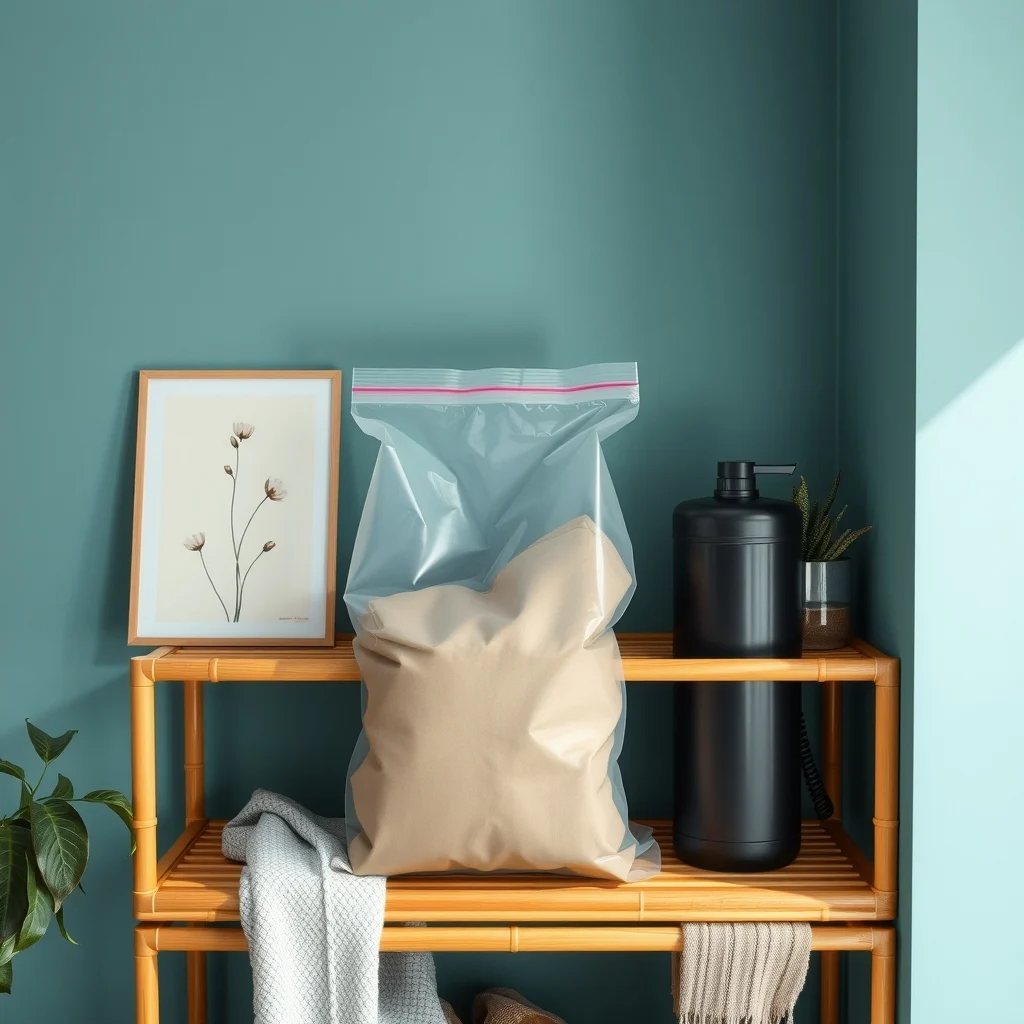
Clothing stored for months is vulnerable to dust, humidity, and occasional insects. Vacuum‑seal bags create an airtight barrier, shielding fabrics from airborne particles and reducing the risk of mold in damp climates. The compression also limits the amount of air trapped with each garment, which can be especially helpful during winter when heating dries out the air. However, the sealed environment can trap residual moisture if the items are not completely dry before packing, potentially leading to mildew over long periods.
Storage bins made of breathable plastic or fabric allow a small amount of air circulation, which can be advantageous for delicate knits that need to “breathe.” Some bins feature lids with a snug fit that keep out dust while still permitting airflow, striking a balance between protection and ventilation. If you live in a particularly humid city, placing silica packets inside bins adds an extra layer of moisture control without compromising the bin’s easy‑open design. In short, vacuum bags excel at sealing out external elements, while bins offer a gentler environment for fabrics that benefit from occasional air exchange.
Practical tip
If you opt for vacuum bags, pause to ensure each piece is fully dry and consider adding a thin layer of tissue paper to prevent creasing on delicate items.
3. Considering Visibility and Ease of Access

This image is by AI for inspiration only.
One of the most immediate frustrations in a small apartment is digging through a mountain of clothes without knowing what lies beneath. Transparent storage bins provide a quick visual cue; you can spot a sweater or pair of jeans at a glance, reducing the time spent rummaging. Many bins also feature handles or built‑in wheels, allowing you to glide them in and out of tight spaces with minimal effort.
Vacuum bags, by contrast, hide their contents behind a sealed surface. While this keeps the space looking neat, it also means you must label each bag or keep an inventory list. Some people enjoy the “out of sight, out of mind” aesthetic, but it can become inconvenient when you need a specific piece for a sudden meeting or social gathering. A hybrid approach—using vacuum bags for out‑of‑season items you rarely access and bins for everyday wear—often delivers the best of both worlds, preserving visual order while keeping frequently used pieces within easy reach.
4. Assessing the Impact on Fabric Quality Over Time

This image is by AI for inspiration only.
Prolonged compression in vacuum bags can leave permanent creases, especially on heavier fabrics like wool coats or structured blazers. The pressure may also strain delicate seams, leading to subtle distortion after repeated cycles of sealing and unsealing. To mitigate this, fold garments loosely before placing them in the bag and avoid over‑packing; leaving a small pocket of air can reduce the stress on fibers.
Storage bins, when used with proper layering—such as placing a thin cotton sheet between stacked sweaters—help maintain the natural shape of each item. Bins also allow you to store garments on hangers, preserving drape and preventing unwanted folding. For items that benefit from hanging, consider a bin with a built‑in hanging rod or a modular system that incorporates both shelf and rod sections. By matching the storage method to the garment’s construction, you protect both appearance and durability, ensuring your favorite pieces remain ready to wear for years.
5. Balancing Aesthetic Integration with Your Decor Style

This image is by AI for inspiration only.
A well‑curated apartment often feels cohesive when storage elements echo the surrounding design language. Clear acrylic bins with brushed metal handles can complement a modern, minimalist loft, reflecting natural light and reinforcing a clean silhouette. Wooden bins finished in a warm walnut tone can echo the grain of a reclaimed oak coffee table, creating a subtle visual link between storage and seating areas.
Vacuum bags, when stored inside a decorative basket or a linen closet, can blend seamlessly with soft textures and neutral palettes. The matte surface of the bag adds a low‑profile element that doesn’t compete with other décor pieces. If you favor a more eclectic vibe, consider using patterned fabric bins that introduce a splash of color while still serving a functional purpose. The key is to view storage as part of the room’s visual story rather than an afterthought; when the containers match the color scheme, material, or shape of existing furniture, the overall space feels intentional and spacious.
6. Calculating Cost, Longevity, and Environmental Footprint

This image is by AI for inspiration only.
Vacuum bags are typically inexpensive per unit, especially when purchased in bulk, but the reusable nature of the bags means they can serve you for several years if handled carefully. The primary expense lies in the vacuum pump or handheld device needed to extract air; some models are compact enough to store on a bookshelf, while others require a larger, dedicated space. Over time, the seals on the bags may weaken, necessitating replacement.
Storage bins vary widely in price, from budget‑friendly plastic containers to premium woven baskets made from sustainable materials. Higher‑end bins often feature reinforced corners and durable lids, extending their useful life well beyond the typical lifespan of a vacuum bag. From an environmental perspective, bins made from recycled plastic or natural fibers reduce reliance on single‑use plastics, while vacuum bags, though reusable, are typically made from multilayered polymers that are not easily recyclable. Weighing the upfront cost against durability and ecological impact can guide you toward a solution that aligns with both your budget and values.
7. Implementing a System That Grows With Your Lifestyle
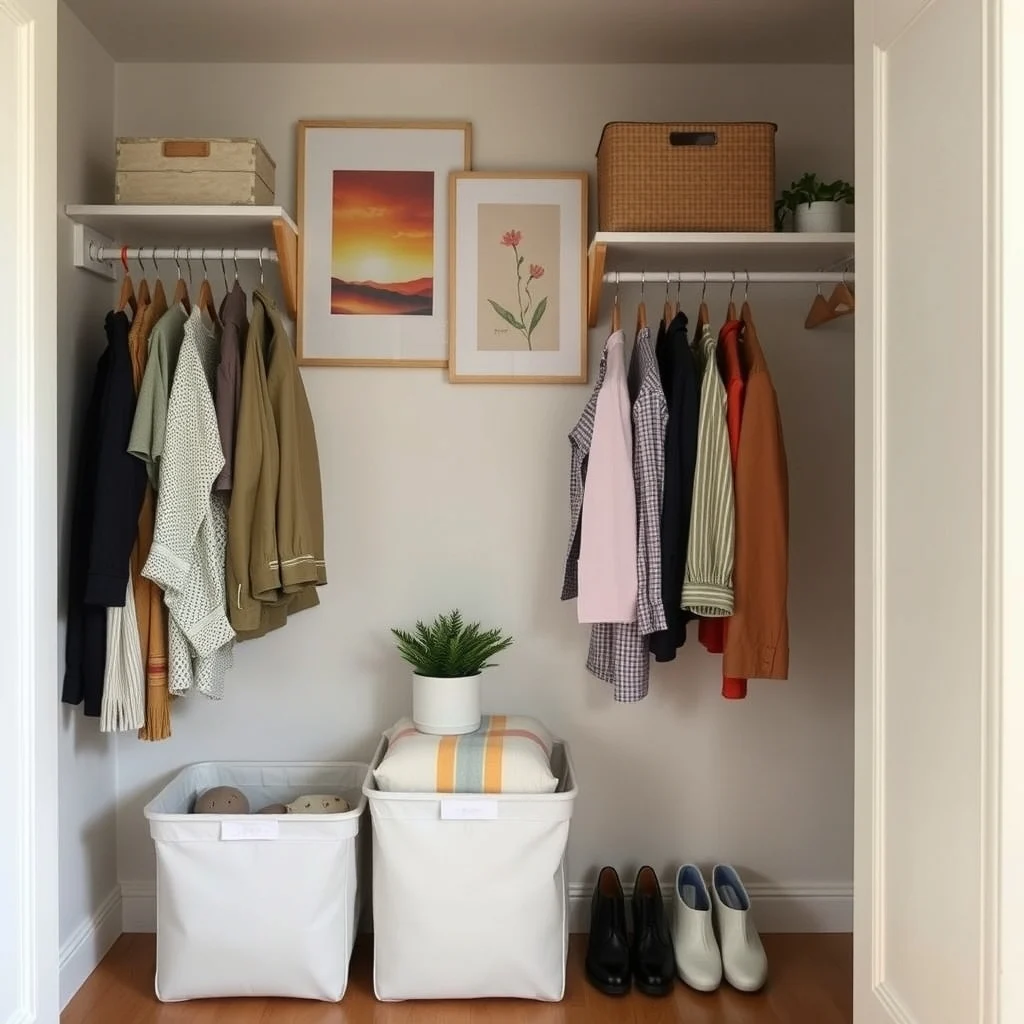
This image is by AI for inspiration only.
Your storage strategy should evolve as your wardrobe, work schedule, and living situation change. A flexible system might start with a set of medium‑sized bins for current season items, supplemented by a few vacuum bags for occasional pieces like formal dresses or winter coats. As you acquire new clothing, rotate items: the most recently purchased pieces stay in easy‑access bins, while older, less‑worn garments move into vacuum bags for long‑term storage.
Seasonal transitions become smoother when you designate a specific shelf or corner for the “swap zone.” Here, you can temporarily place items you’re moving between bins and bags, allowing you to assess condition, clean any stains, and decide on the most suitable storage method. This approach prevents the accumulation of forgotten pieces and keeps the overall aesthetic of your apartment tidy. By building a routine that includes a quick quarterly check‑in, you maintain control over clutter without feeling overwhelmed, ensuring the system remains functional and visually pleasing.
Frequently Asked Questions

This image is by AI for inspiration only.
Can I use vacuum bags for delicate fabrics like silk?
Yes, you can, but it’s best to place a soft, breathable layer such as cotton muslin between the silk and the bag to reduce direct pressure. Ensure the silk is completely dry and avoid over‑compressing, as excessive force may cause permanent creases.
Do storage bins need to be airtight to protect clothing?
Airtightness is not mandatory for most everyday garments. Bins with snug‑fitting lids keep dust out while allowing a small amount of airflow, which is beneficial for fabrics that need to breathe. For high‑humidity environments, adding moisture‑absorbing packets can enhance protection.
How often should I replace vacuum bags?
The seals on vacuum bags typically last for several years of regular use. If you notice air leaking after compression or the zip mechanism no longer closes tightly, it’s time to replace the bag to maintain its protective qualities.
What size bins work best for under‑bed storage?
Low‑profile bins that are no taller than the clearance under your bed—usually between 6 and 8 inches—fit most standard frames. Choose bins with smooth edges to slide easily and consider those with wheels if you need to move them frequently.
Is it safe to store clothes in bins on the balcony?
Storing bins on a balcony can expose clothing to temperature fluctuations and direct sunlight, which may fade colors and weaken fibers. If you must use balcony space, select opaque, UV‑protective bins and limit storage to items you won’t wear often, such as seasonal accessories.
Final Thoughts

This image is by AI for inspiration only.
Choosing between vacuum bags and storage bins is less about declaring a winner and more about aligning each method with the unique rhythm of your small apartment. Vacuum bags excel at compressing bulk and shielding garments from external elements, making them ideal for out‑of‑season pieces you rarely need. Storage bins, with their visibility, accessibility, and design flexibility, serve daily wear and help maintain the aesthetic flow of compact living spaces. By assessing your layout, considering fabric needs, and integrating storage into your décor narrative, you can craft a wardrobe system that feels both organized and inviting. The result is a home where clothing lives in harmony with the space, freeing you to focus on the moments that truly matter.