How to Organize Jewelry and Accessories in a Small Bedroom

Living in a bedroom that doubles as a dressing area often means the nightstand, dresser top, and a few drawers become a battlefield of tangled necklaces, scattered earrings, and stray scarves. When space is limited, the usual “just toss it in a box” approach quickly creates visual clutter and makes it harder to find what you need each morning. This article walks you through seven thoughtful ways to tame jewelry and accessories without sacrificing style. Each method considers the room’s lighting, materials, and flow, so you can keep your favorite pieces at hand while preserving the calm atmosphere a bedroom should offer.
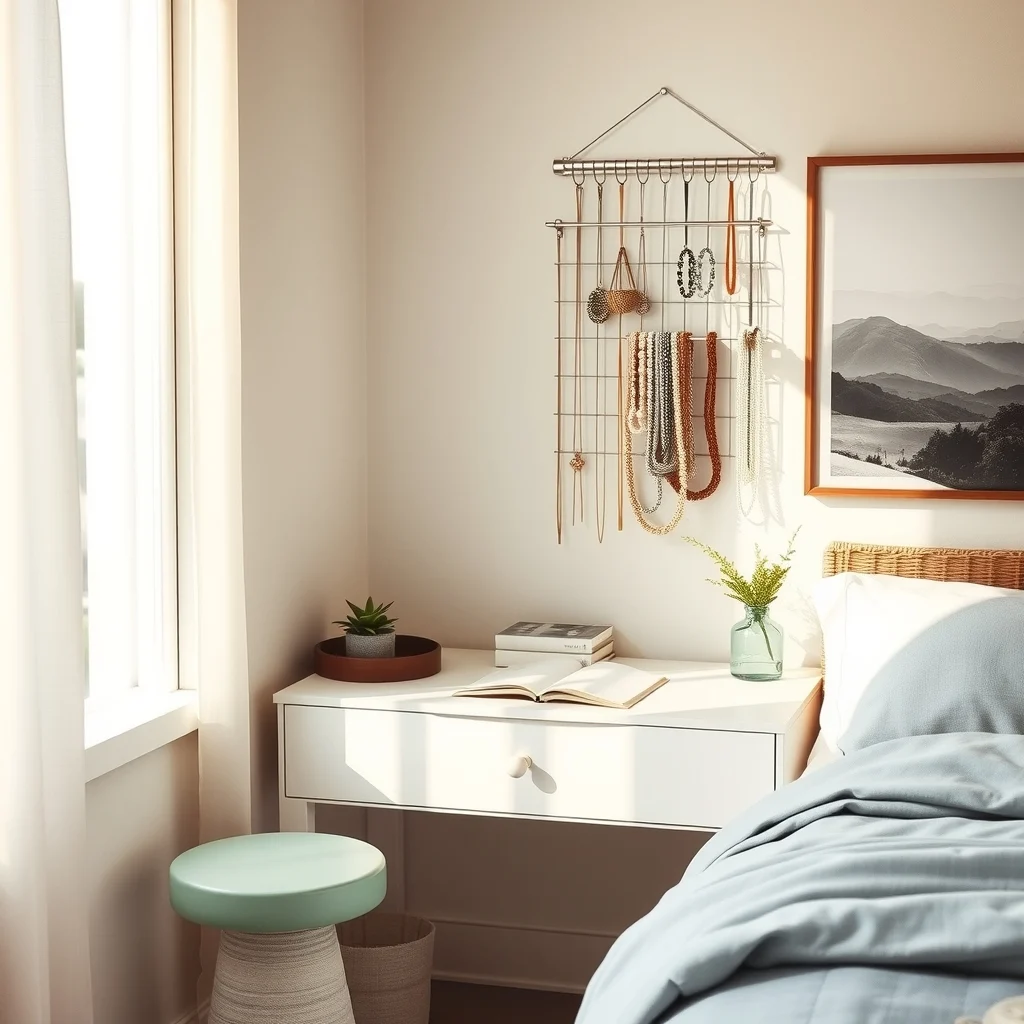
1. Install a Wall‑Mounted Jewelry Grid
This image is by AI for inspiration only.
A sleek metal grid anchored to a wall above the vanity provides a dedicated canvas for necklaces, bracelets, and even a few watches. The open‑work design catches light, turning the display into a subtle decorative element that echoes the room’s existing hardware finishes, whether brushed brass or matte black. By keeping pieces visible, you avoid the frustration of digging through a drawer and you also reduce the chance of knots forming in delicate chains. When mounting the grid, choose a spot that does not interfere with headroom or the swing of a door, and use picture‑hanging hooks that can bear the weight of multiple items. If the metal feels too industrial, a painted wooden board with small hooks offers the same functionality with a warmer tone that can blend with a soft greige wall.
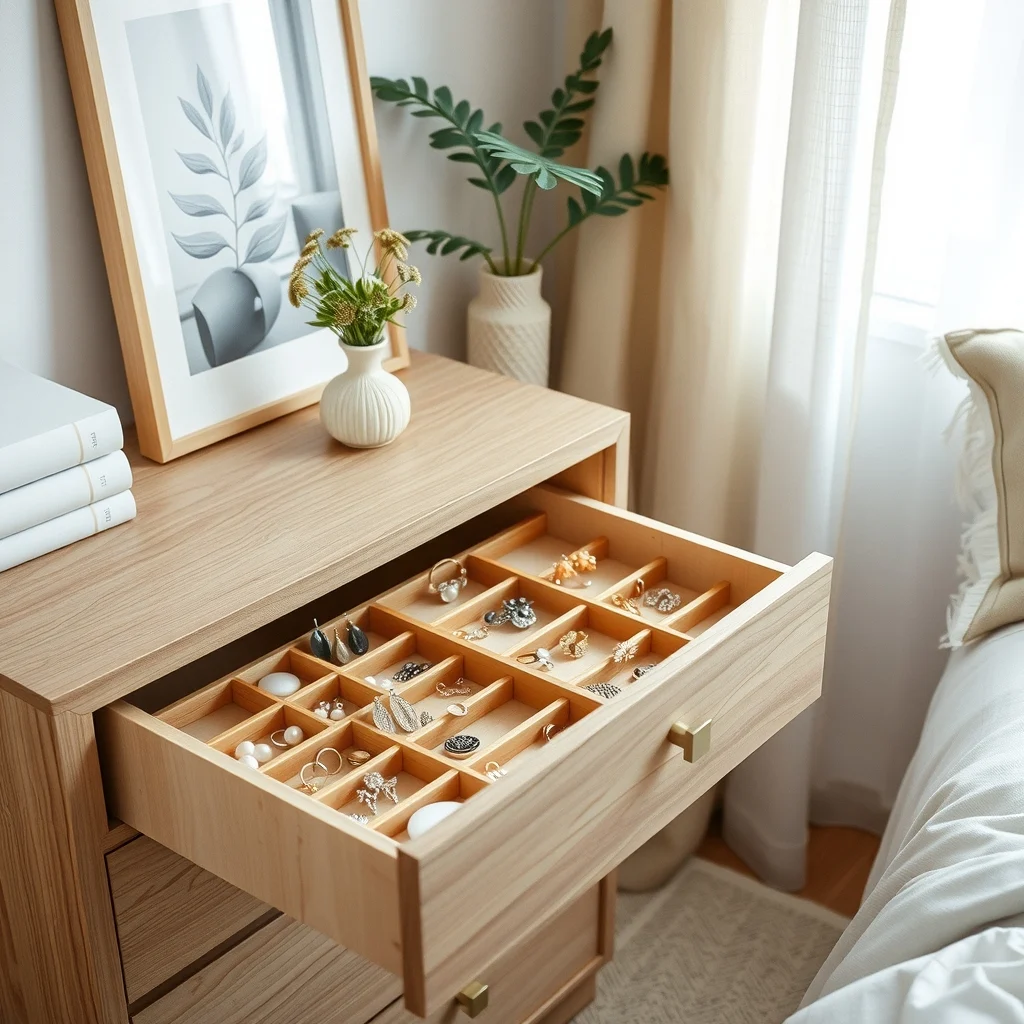
2. Repurpose a Small Dresser Drawer with Dividers
This image is by AI for inspiration only.
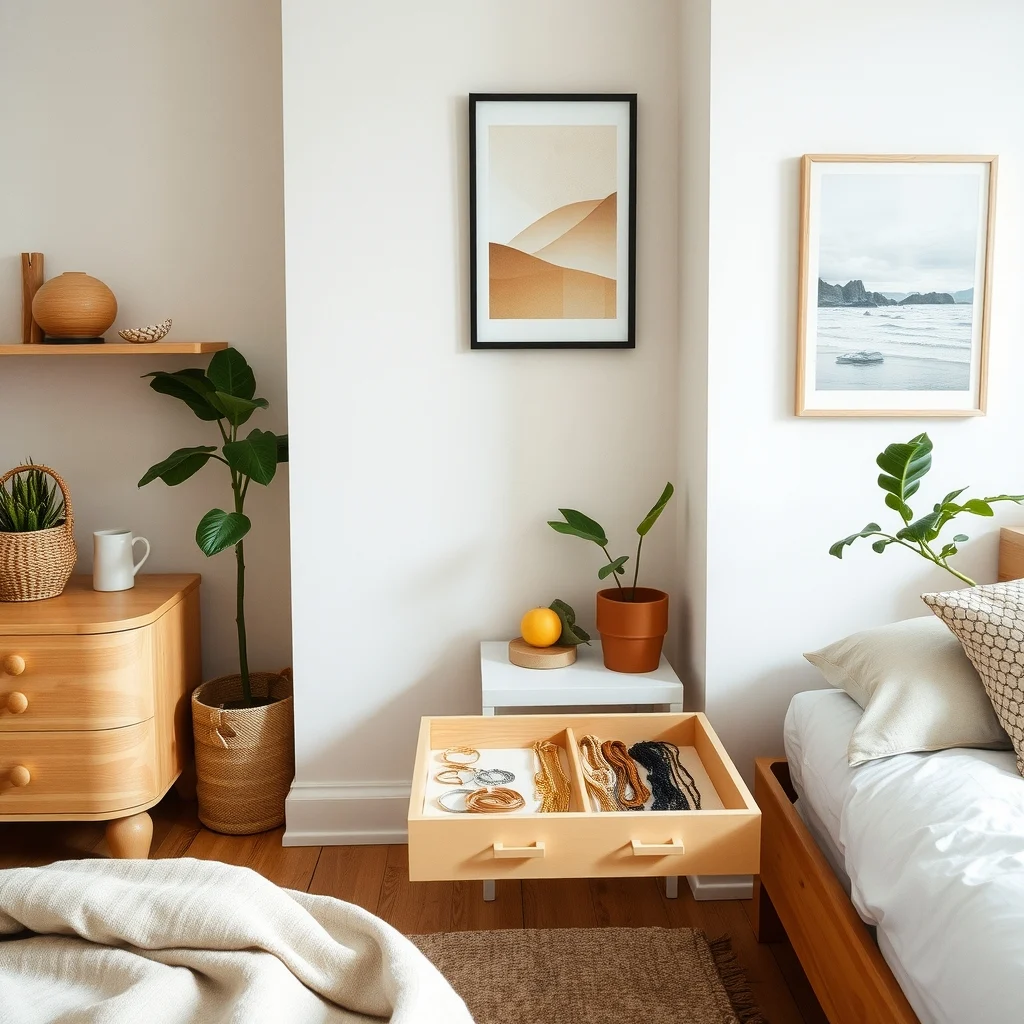
Instead of letting a single drawer become a catch‑all, insert thin, removable dividers made of bamboo or acrylic. These create individual compartments for rings, earrings, and small brooches, allowing you to see each item at a glance. The clear or light‑colored material reflects the room’s natural light, preventing the drawer from feeling heavy or dark. Because the dividers are removable, you can reconfigure the space whenever you acquire new pieces or want to store a seasonal accessory set. The trade‑off is that a drawer’s depth limits the size of items you can store, so larger statement necklaces might still need a separate solution.
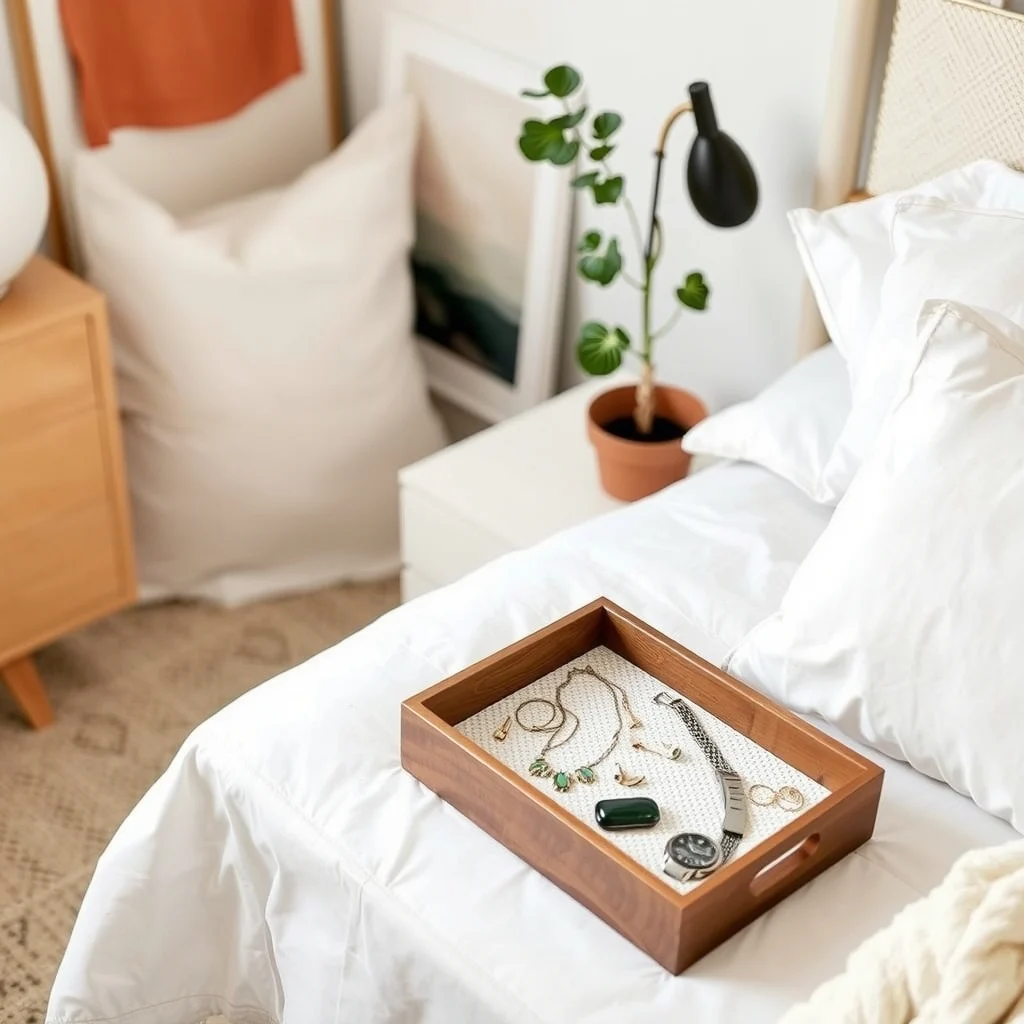
3. Use a Decorative Tray on the Nightstand
This image is by AI for inspiration only.
A shallow tray in a material that matches the nightstand—such as a lacquered walnut or a woven rattan—offers a quick‑access spot for the pieces you wear most often. Placing a few favorite earrings, a watch, and a single necklace on the tray creates a tidy, intentional look rather than a haphazard pile. The tray’s edges keep items from sliding off when you reach for them in the dark, and the surface can double as a place for a small lamp or a scented candle, adding to the bedroom’s ambience. Keep the tray limited to a handful of items; otherwise it can become a new clutter zone.
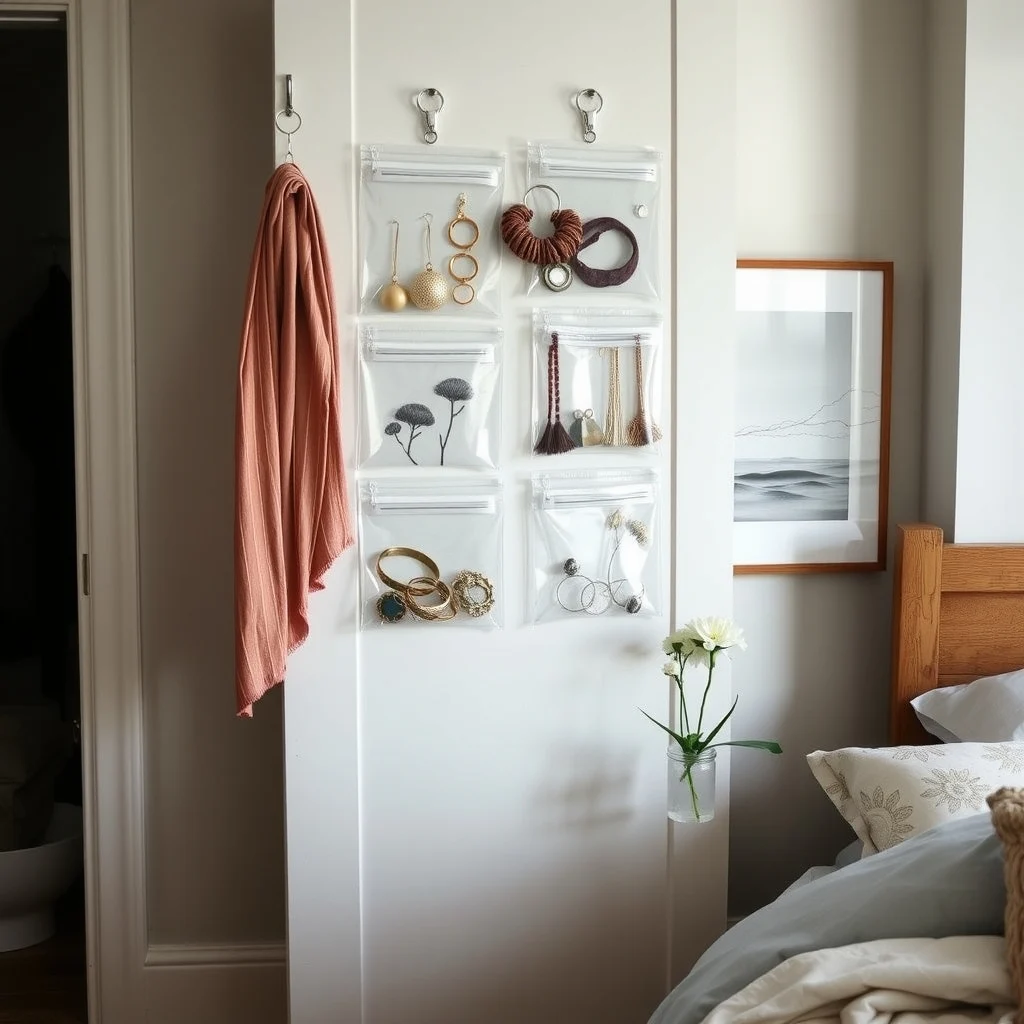
4. Hang a Set of Clear Acrylic Pouches on a Closet Door
This image is by AI for inspiration only.
Clear pouches with zip closures can be affixed to the inside of a closet door using adhesive hooks or small rings. Each pouch holds a specific category—one for silk scarves, another for delicate bracelets—allowing you to see the contents without opening every bag. The transparency works well with a light‑colored wall, maintaining an airy feel even when the door is closed. Because the pouches are lightweight, they do not strain the door hinges, but they do require a door that opens fully without obstruction. If you have a sliding wardrobe, consider a narrow hanging organizer that slides with the door instead.
5. Convert an Unused Shelf into a Curated Display
This image is by AI for inspiration only.
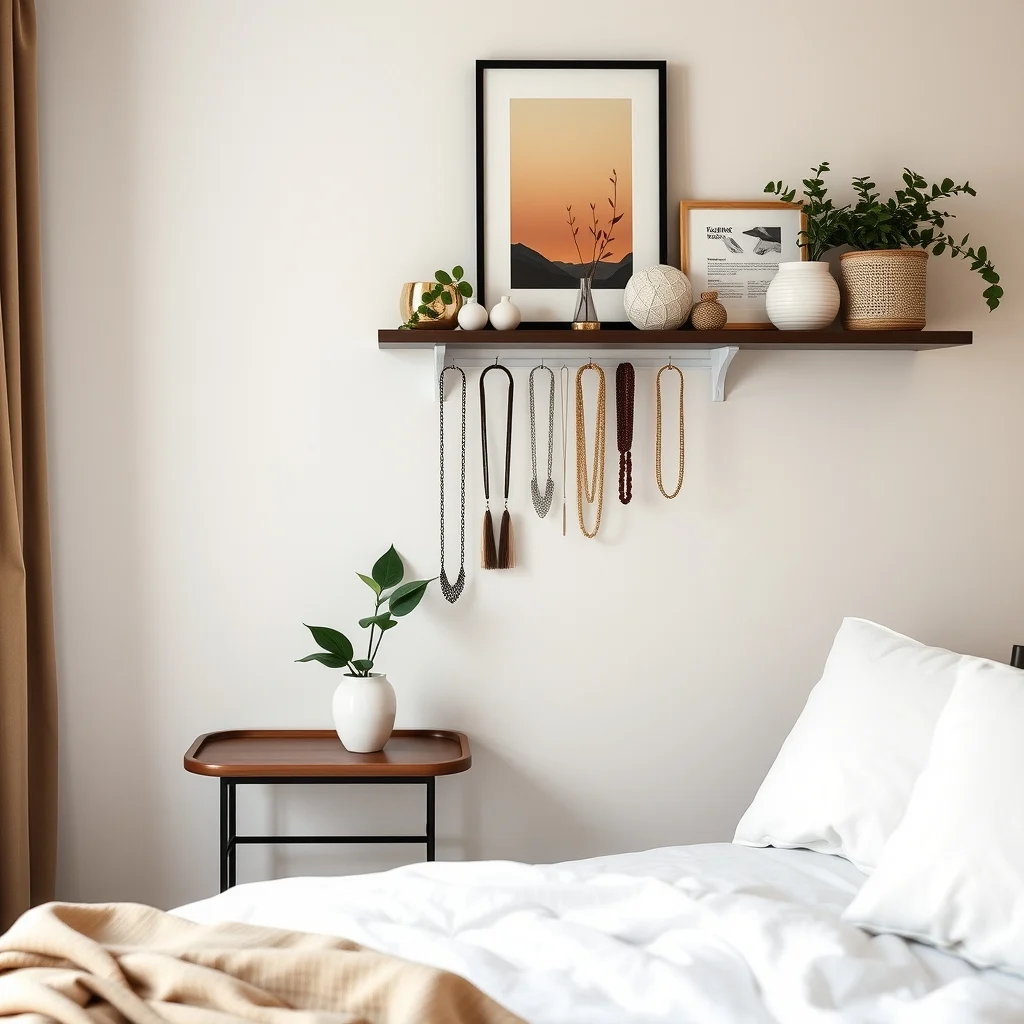
If your bedroom includes a floating shelf or a narrow ledge above the headboard, turn it into a mini boutique for statement pieces. Arrange a few bold necklaces on a decorative stand, layer a couple of silk shawls, and place a small decorative box for rings. The shelf’s height keeps the items out of the way while still allowing you to admire them. Pair the display with a soft, directional lamp to cast gentle highlights that draw attention without overwhelming the space. The main consideration is to avoid overloading the shelf; a few carefully chosen items look more intentional than a crowded assortment.
6. Choose a Multi‑Tiered Vanity Organizer
This image is by AI for inspiration only.
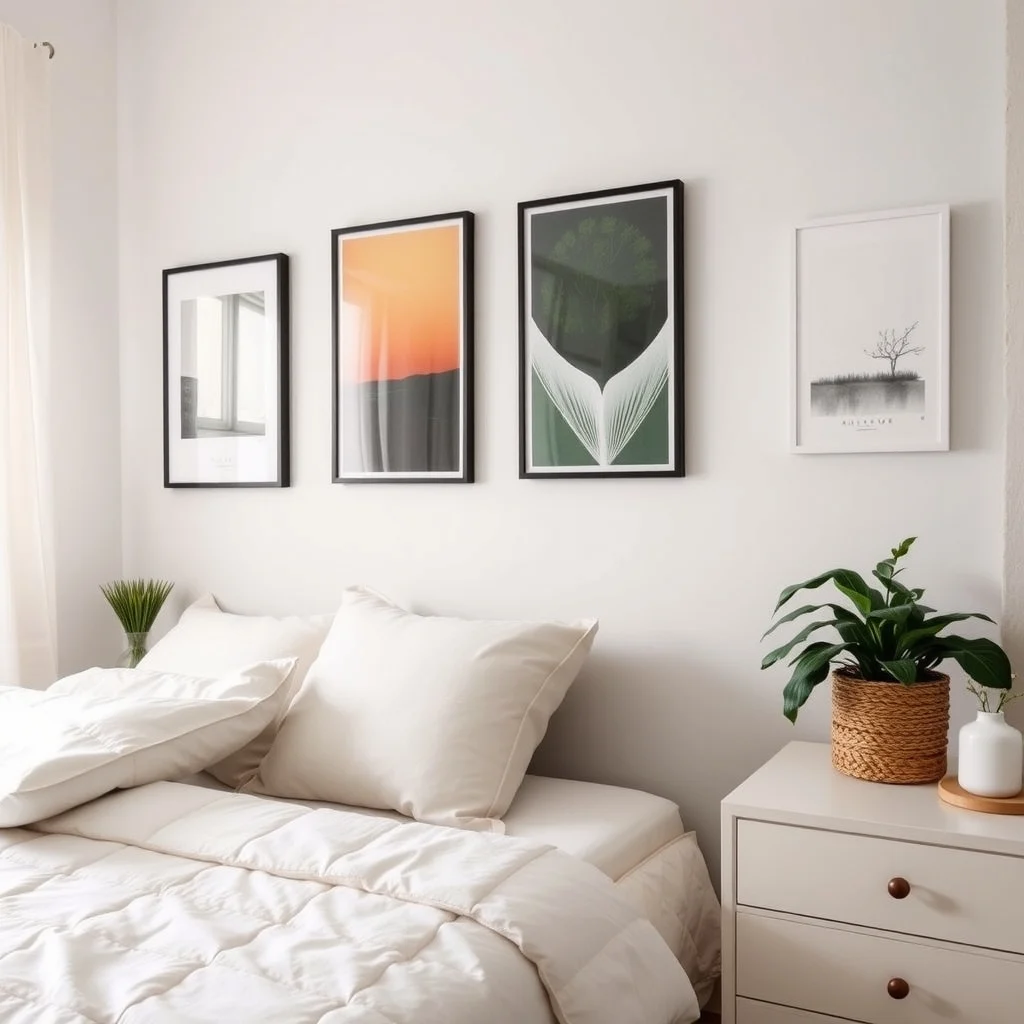
A compact organizer with three or four tiers can sit on a vanity or a narrow dresser top, offering vertical storage that maximizes limited floor space. Each tier can hold a different type of accessory—rings on the top tier, bracelets on the middle, and earrings in small compartments on the bottom. Materials such as powder‑coated steel or reclaimed wood add texture that complements the bedroom’s overall palette. Because the organizer stands upright, it remains easy to reach even in low lighting, and the tiered design prevents items from becoming tangled. The downside is that the organizer occupies a portion of the vanity surface, so you’ll need to balance it with other daily-use items.
7. Incorporate a Hidden Drawer Inside a Bed Frame
This image is by AI for inspiration only.
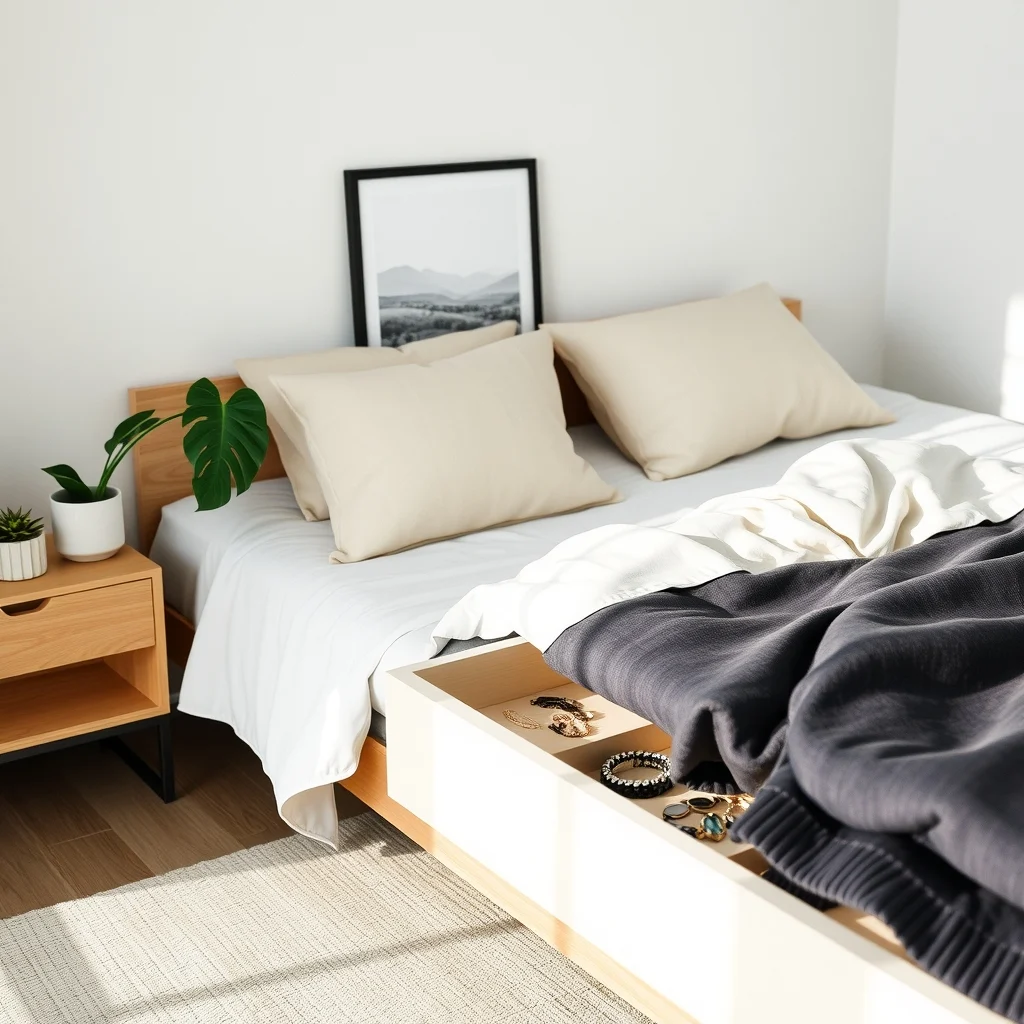
Many modern platform beds feature a shallow drawer built into the frame’s side. This hidden compartment is ideal for storing items you rarely use, such as seasonal jewelry or travel accessories. By keeping these pieces out of sight, the bedroom maintains a clean silhouette, and the drawer’s position at foot level makes it accessible without bending over a low dresser. When selecting a bed with this feature, check that the drawer slides smoothly and that the interior finish matches the rest of the bedroom wood tones. The limitation is the drawer’s modest width, so larger bags or bulky items will still need an alternative storage solution.
FAQ
This image is by AI for inspiration only.
How can I prevent necklaces from tangling in a drawer?
Place each necklace on a small piece of cardboard or a dedicated hook within the drawer; this separates them and keeps the chains from looping around each other.
Is it safe to hang jewelry near a window?
Yes, as long as the hanging hardware is securely anchored and the pieces are not exposed to direct, intense sunlight, which can fade certain gemstones over time.
What material is best for a jewelry organizer if I have a pet?
Non‑porous surfaces such as acrylic or sealed metal resist scratches and are easy to wipe clean if a pet knocks something over.
Can I use a regular shoe rack for accessories?
A shoe rack can work for larger items like scarves or belts, but it may not provide the delicate support needed for fragile jewelry.
How often should I declutter my accessory collection?
Review your pieces each season; remove items you haven’t worn in the past year and consider donating or storing them elsewhere.
Final Thoughts

This image is by AI for inspiration only.
Organizing jewelry and accessories in a small bedroom is less about adding more storage and more about making the existing space work smarter. By choosing wall‑mounted solutions, repurposing drawers, and employing clear containers, you keep your favorite pieces visible, protected, and easy to reach. Each method offers a balance of aesthetics and practicality, allowing you to maintain a serene bedroom atmosphere while still having everything you need at hand. With a little planning and attention to detail, the cluttered surface can become a curated showcase that reflects both your style and the room’s design.