How to Make a Tiny Living Room Feel Less Crowded
When a living room is packed with furniture, books, and accessories, the space can feel more like a storage closet than a place to relax. The challenge isn’t just about fitting everything in; it’s about arranging what’s there so the room breathes. Below you’ll find seven strategies that address color, layout, lighting, and storage in ways that keep a small living room functional and inviting without sacrificing style.
1. Choose a Light Color Palette to Expand the Visual Field
This image is by AI for inspiration only.
© 2026 AI Illustrator — Inspiration Only
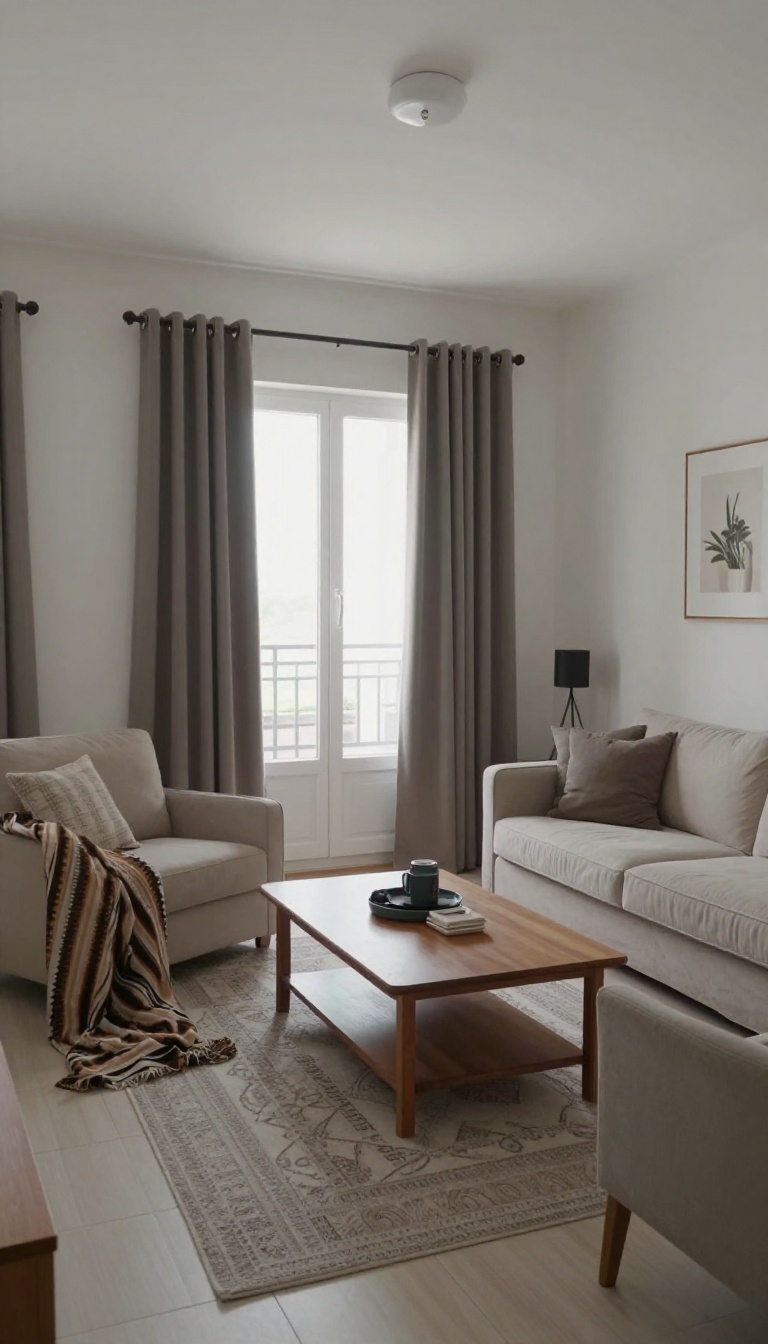
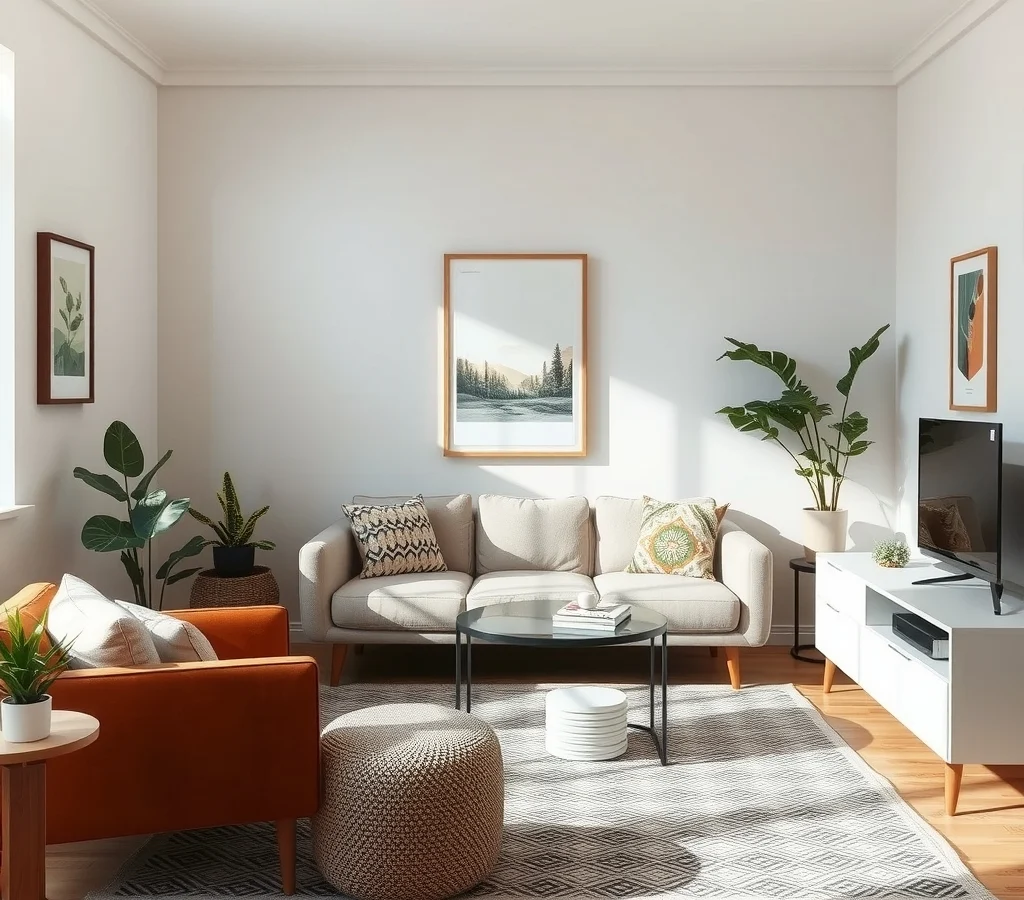
A soft, neutral wall color such as warm greige, pale oat, or a muted sky blue reflects natural light and pushes the boundaries of a compact room. When the walls bounce daylight around, the eye is drawn outward, creating the impression of additional square footage. Pairing light walls with similarly toned upholstery—think linen slipcovers in ivory or light taupe—reinforces this effect without overwhelming the senses. Adding a subtle accent, like a pastel cushion or a brushed brass lamp, introduces personality while preserving the airy feel. The trade‑off is that very bright whites can show scuffs more readily, so selecting a hue with a hint of warmth can mask everyday wear.
2. Embrace Multi‑Functional Furniture for Flexibility
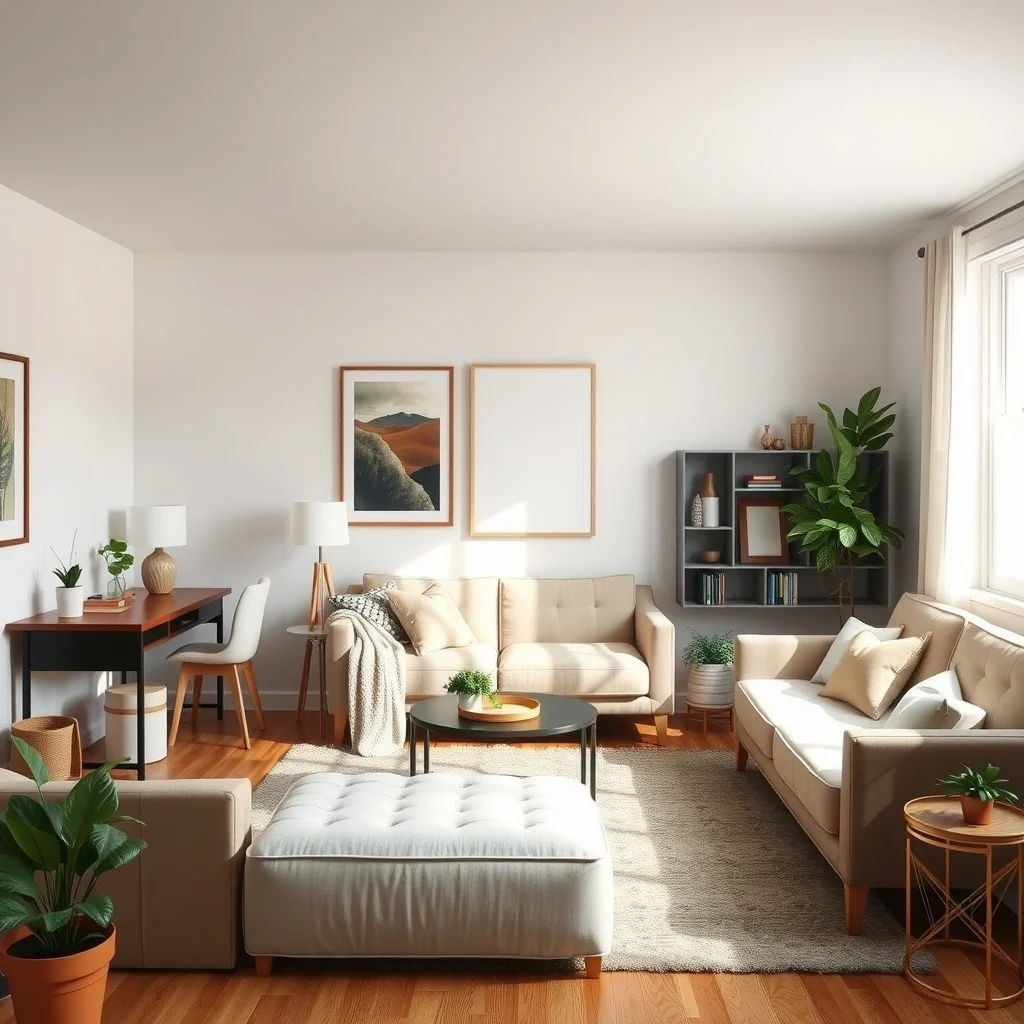
This image is by AI for inspiration only.
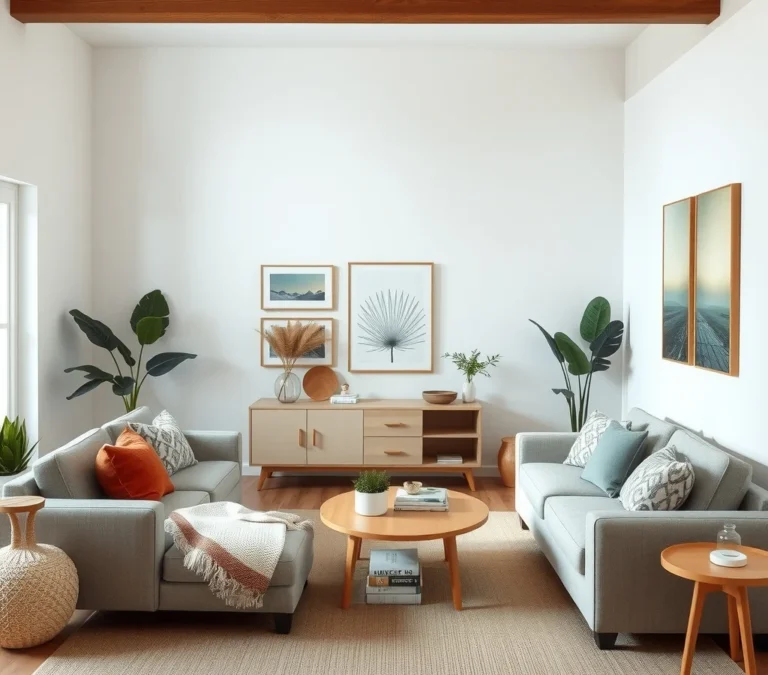
A sofa that doubles as a sleeper or a storage ottoman that holds blankets can replace two separate pieces, freeing floor space for movement. A wall‑mounted desk that folds away when not in use creates a work nook without demanding a dedicated table. These choices reduce the number of items you need to arrange, which naturally unclutters the visual field. Keep in mind that a piece with many functions may have a slightly bulkier profile; selecting designs with slim legs or a low back can mitigate that impact while still offering the added utility.
3. Define Clear Pathways and Gentle Zones
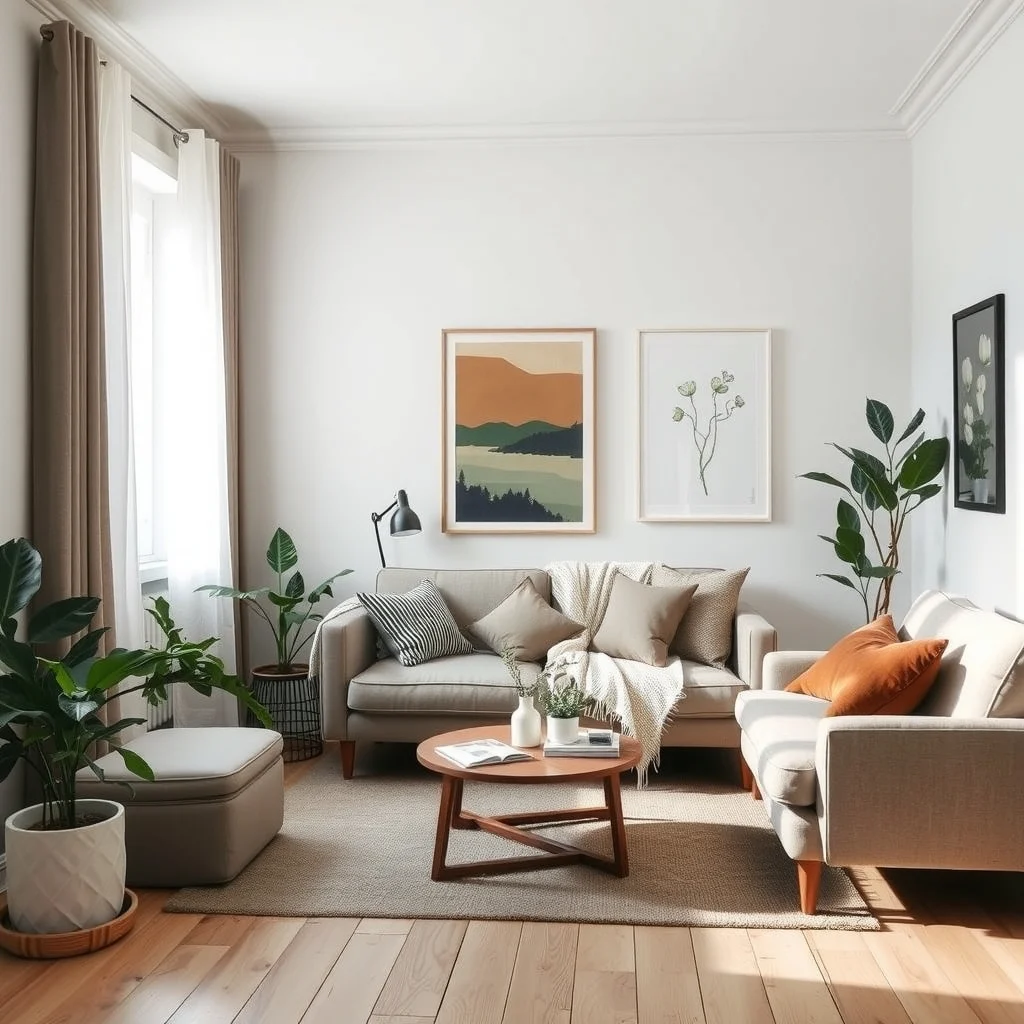
This image is by AI for inspiration only.
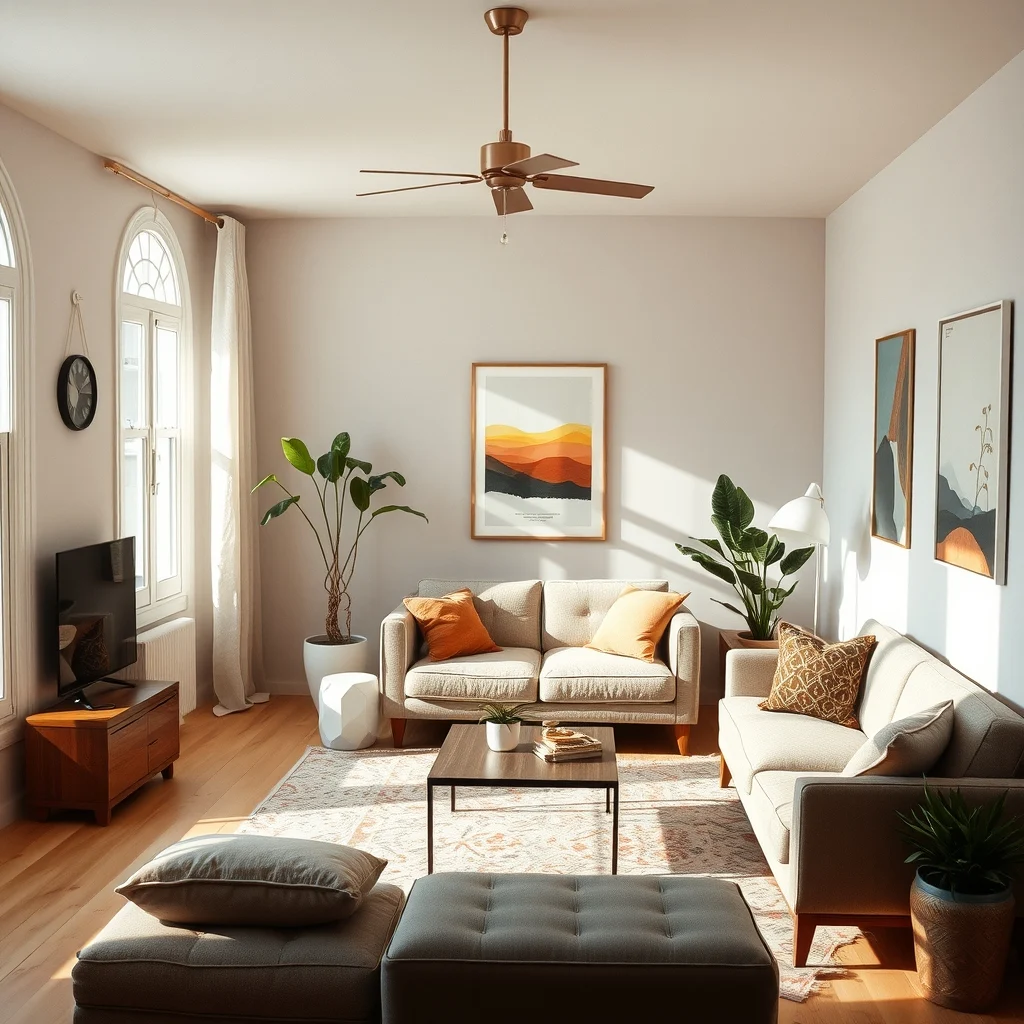
Even in a room under fifteen square meters, establishing a clear route from the entryway to the seating area prevents the space from feeling congested. Position the sofa slightly away from the wall, allowing a narrow walkway of at least 60 cm. A modest rug—no larger than 120 cm in diameter—can anchor the seating zone without swallowing the floor. By grouping a coffee table, side chair, and floor lamp within this rug’s perimeter, you create a defined area that feels intentional rather than haphazard. The downside is that overly small rugs can feel disconnected, so balance the rug size with the furniture footprint.
4. Use Reflective Surfaces and Layered Lighting Thoughtfully
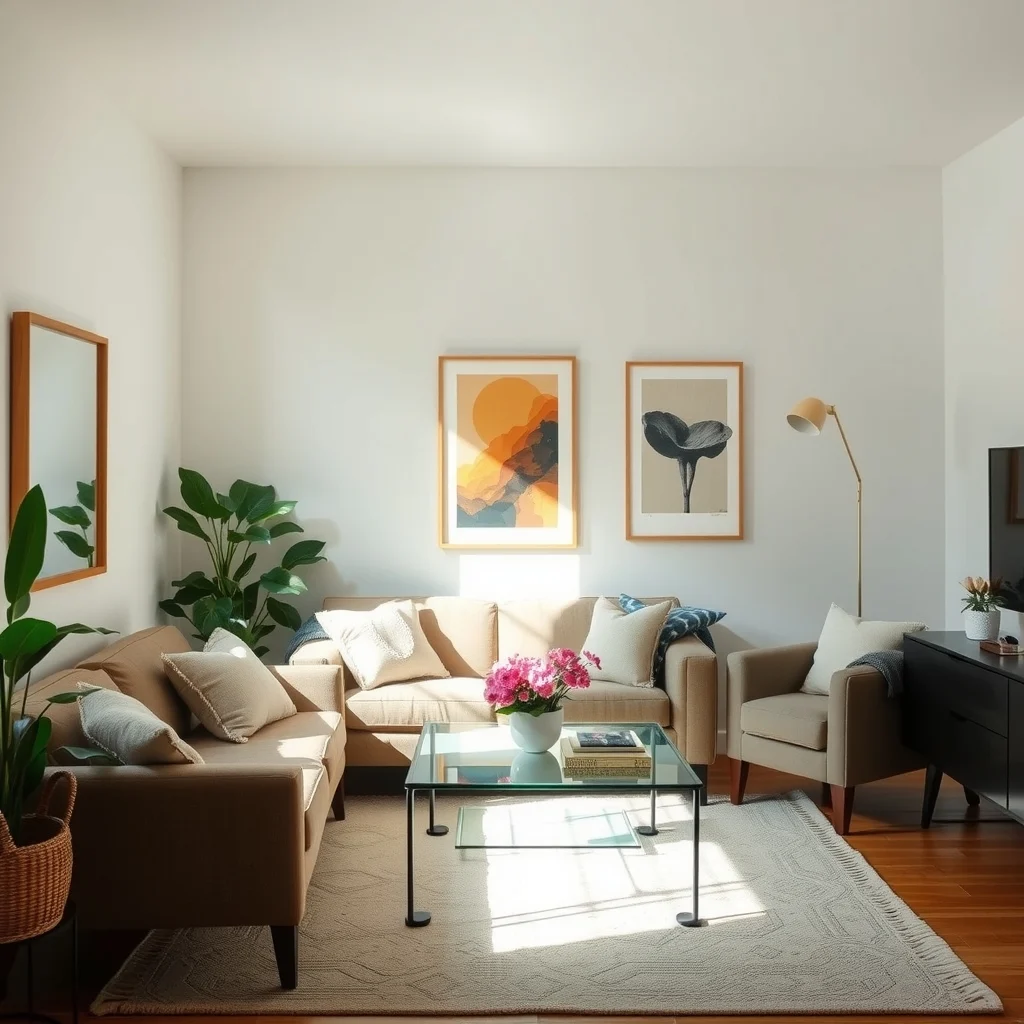
This image is by AI for inspiration only.
A well‑placed mirror on a side wall captures daylight and redirects it across the room, instantly adding depth. A glass‑top coffee table offers a similar visual lift, allowing the eye to see through rather than be blocked by a solid surface. Complementing these reflective elements with layered lighting—overhead recessed fixtures, a table lamp beside the sofa, and a floor lamp in the corner—creates depth without relying on a single bright source. Be cautious of glare; positioning mirrors opposite windows rather than directly behind them reduces harsh reflections while still amplifying light.
5. Expand Vertically with Shelves and Hanging Displays
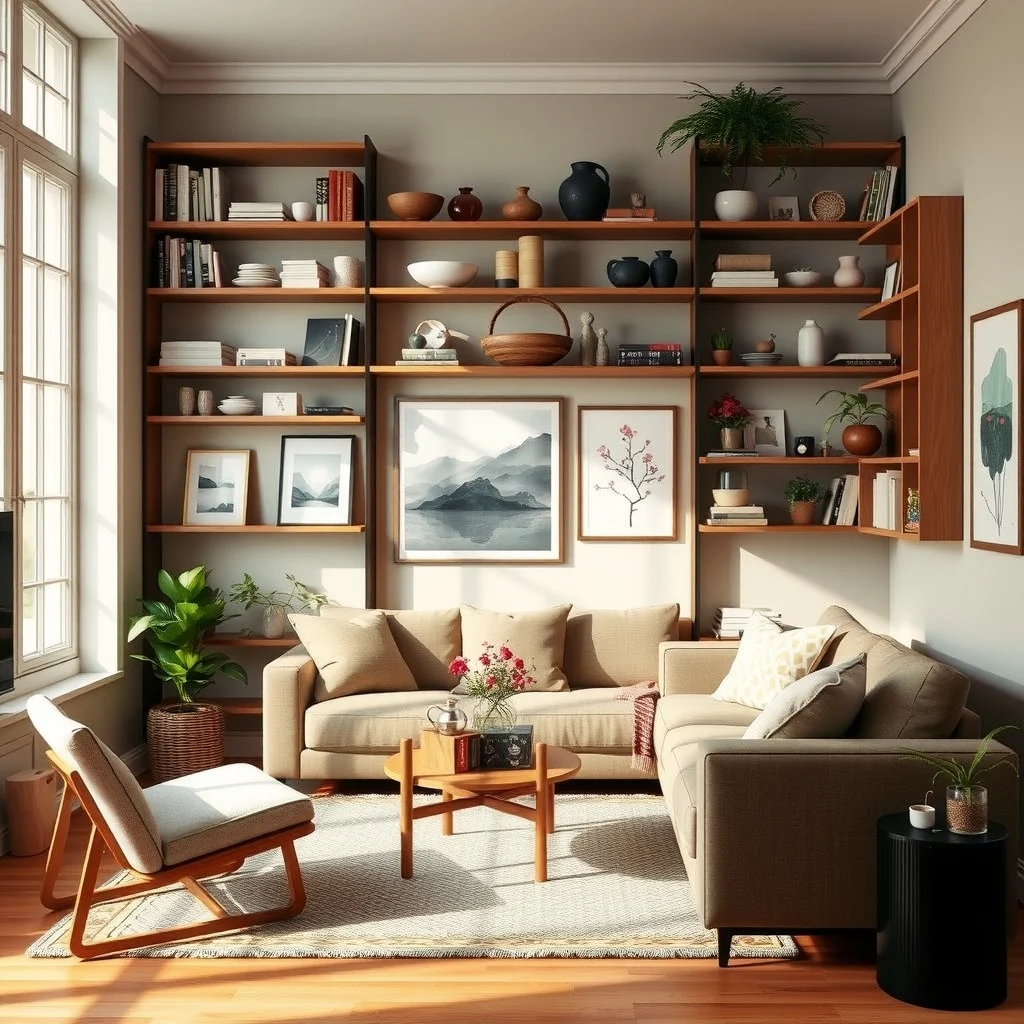
This image is by AI for inspiration only.
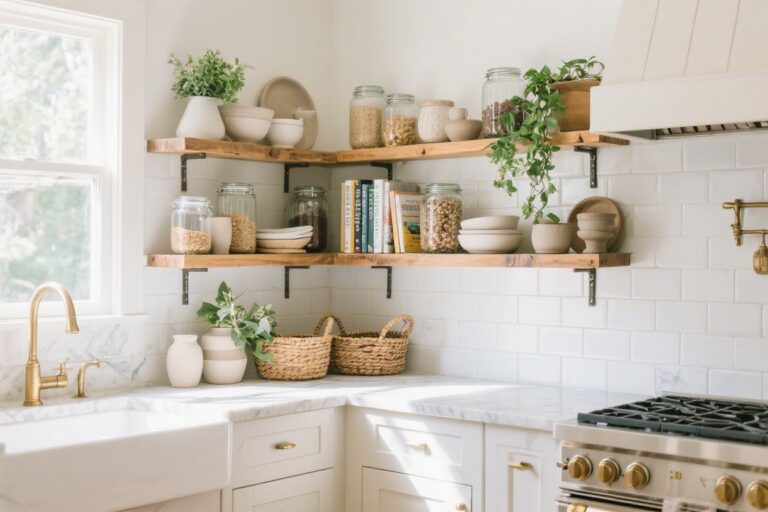
When floor area is at a premium, turning the walls into storage zones makes sense. Tall, narrow bookcases that stretch toward the ceiling hold books, ceramics, and small plants without eating into the room’s footprint. Installing floating shelves at varying heights breaks up the wall and draws the eye upward, which can make the ceiling feel higher. A few well‑chosen items—perhaps a woven basket, a modest sculpture, or a string of low‑maintenance succulents—add interest without crowding the floor. Overloading a wall with too many objects can create visual chaos, so keep the number of displayed pieces to a curated selection.
6. Declutter Deliberately and Rotate Decorative Items
This image is by AI for inspiration only.
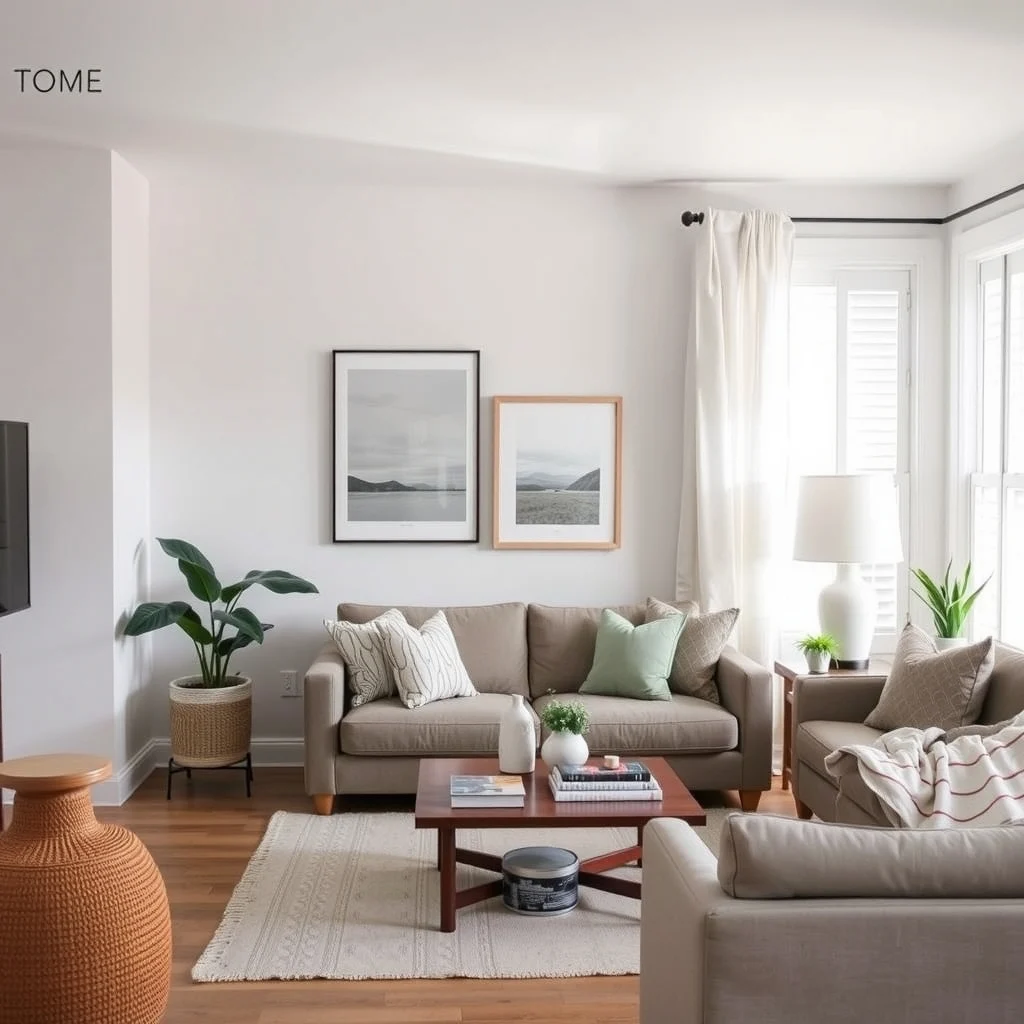
Every decorative object should earn its place. Before placing a new vase or book on a shelf, consider whether it adds a layer of texture, color, or meaning. Items that are rarely seen can be stored in a closet and rotated seasonally, keeping the room feeling fresh without permanent accumulation. This practice not only reduces visual noise but also simplifies cleaning; fewer objects mean fewer surfaces to dust. The only limitation is the effort required to rotate items, so choose a schedule—perhaps quarterly—that fits your routine.
7. Add Texture with Soft Furnishings While Keeping Scale in Mind
This image is by AI for inspiration only.
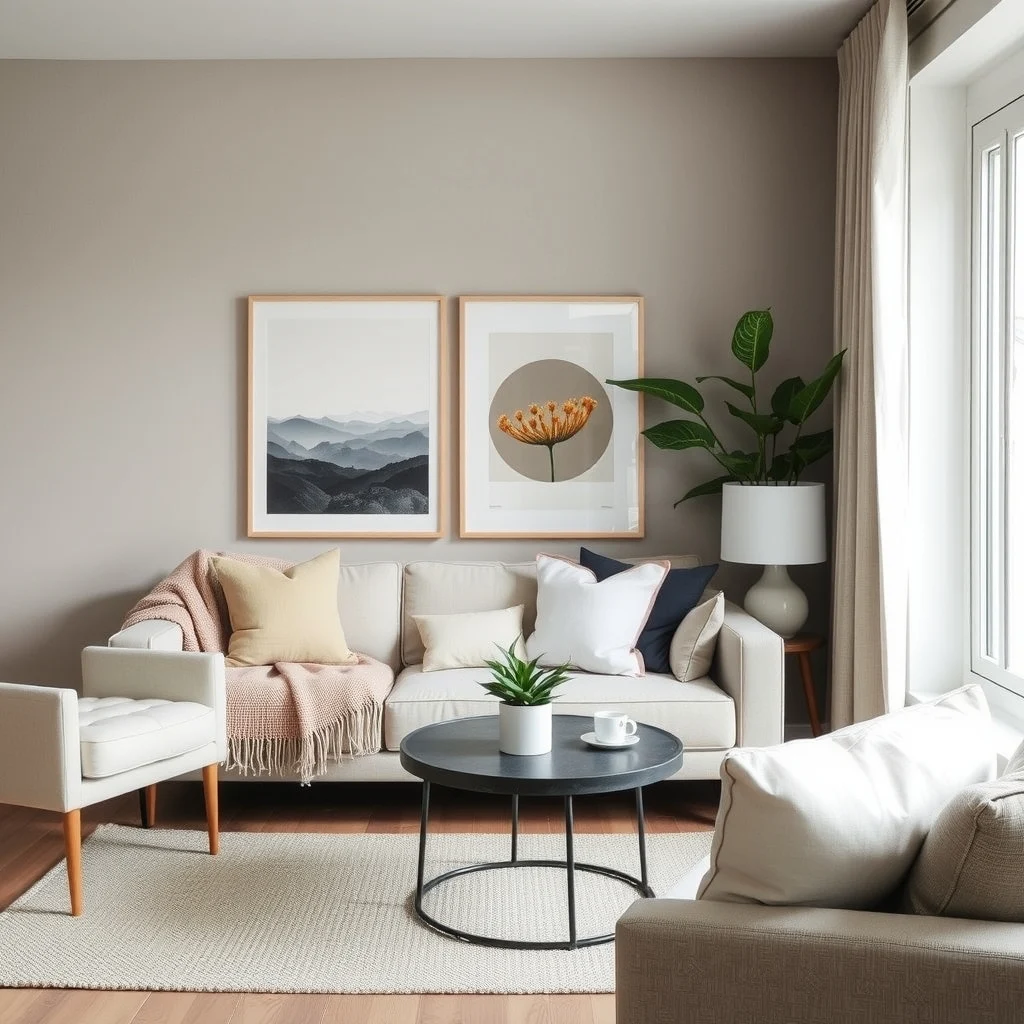
Texture creates depth in a small room without adding bulk. A hand‑woven throw draped over the back of a sofa introduces tactile interest, and a few linen cushions in varying shades of the room’s palette add layers of comfort. A low‑pile rug in a natural fiber, such as jute, defines the seating area and feels softer underfoot than a hard surface. The key is to select pieces that are proportionate; oversized cushions can dominate a petite sofa, while a single small pillow can feel lost on a large sectional. By balancing the number and size of textured items, you achieve a cozy atmosphere without compromising space.
FAQ
This image is by AI for inspiration only.
Can I make a small living room look bigger without repainting?
Yes, you can achieve a more spacious feel by using mirrors, glass furniture, and strategic lighting to bounce light around the room. Adding a light‑colored rug and keeping window treatments minimal also helps maintain an open atmosphere.
What type of rug works best in a tiny living room?
A rug that is slightly smaller than the seating area—typically 120 cm in diameter—creates a defined zone without overwhelming the floor. Choose a low‑pile material in a neutral shade to keep the visual weight low.
Is a glass coffee table practical for a high‑traffic area?
A glass coffee table can be practical if you select tempered glass, which is more resistant to scratches and breakage. Pair it with a protective mat or coaster to reduce the chance of rings, and be mindful that it may show fingerprints more readily than wood.
How many decorative objects are too many in a small space?
When the number of decorative pieces starts to compete for attention, the room can feel cluttered. A good rule of thumb is to limit visible items to a handful per surface—perhaps three to five on a shelf or side table—so each object has room to be appreciated.
Final Thoughts
This image is by AI for inspiration only.
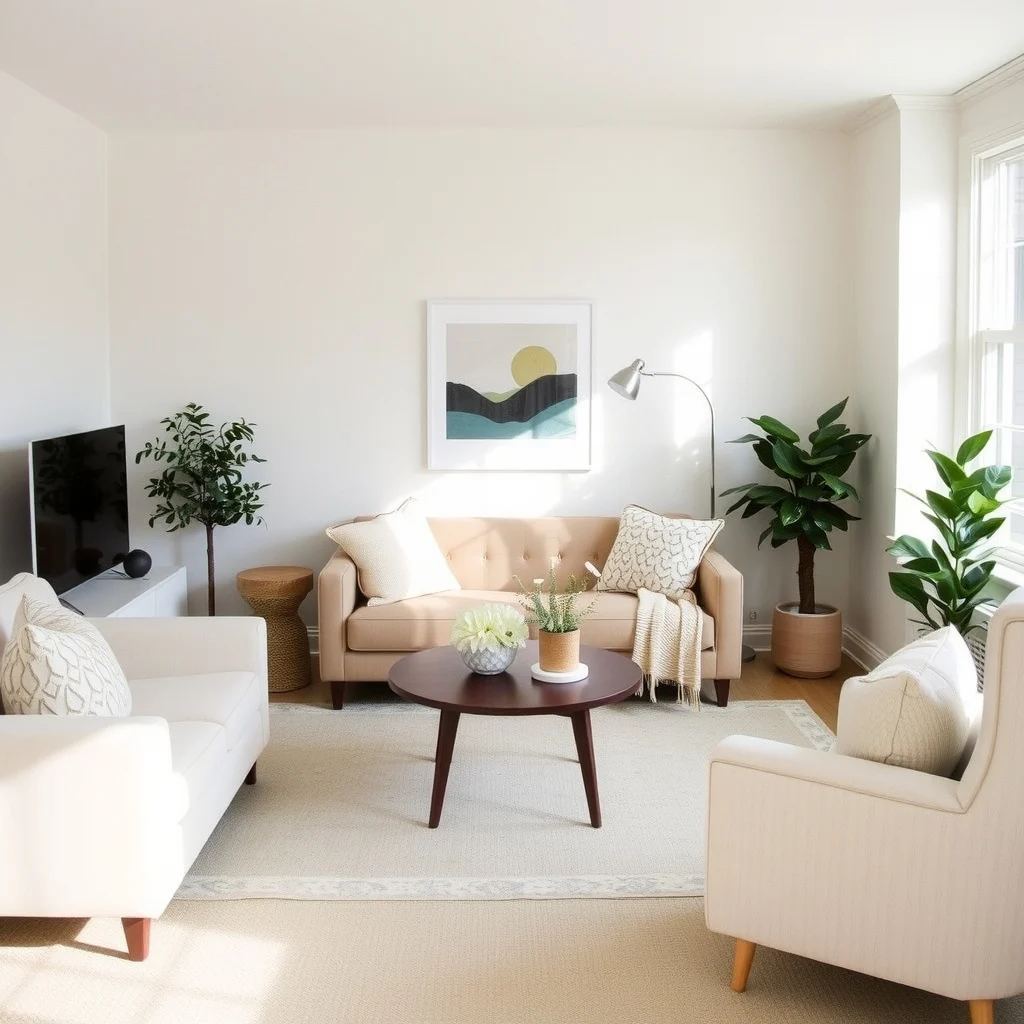
Making a tiny living room feel less crowded is less about removing everything and more about curating what remains. Light colors, multifunctional pieces, clear pathways, reflective surfaces, vertical storage, thoughtful decluttering, and well‑scaled texture all work together to create a room that feels airy and welcoming. By applying these ideas gradually, you can transform a cramped corner into a comfortable gathering place without sacrificing the personality that makes a home feel lived‑in.