How to Create a Winter Gear Station in a Small Apartment

When the first frost settles on the windowsill, the last thing you want is to dig through a pile of scarves, boots, and mittens while the heat struggles to keep the room warm. In a compact living space, a dedicated spot for winter essentials can feel like a luxury, yet it’s entirely achievable with a few thoughtful choices. Below you’ll find a step‑by‑step guide that balances storage, style, and the limited square footage of a city apartment, so you can greet each chilly morning with everything you need right at hand.
1. Pick a Corner That Gets Light
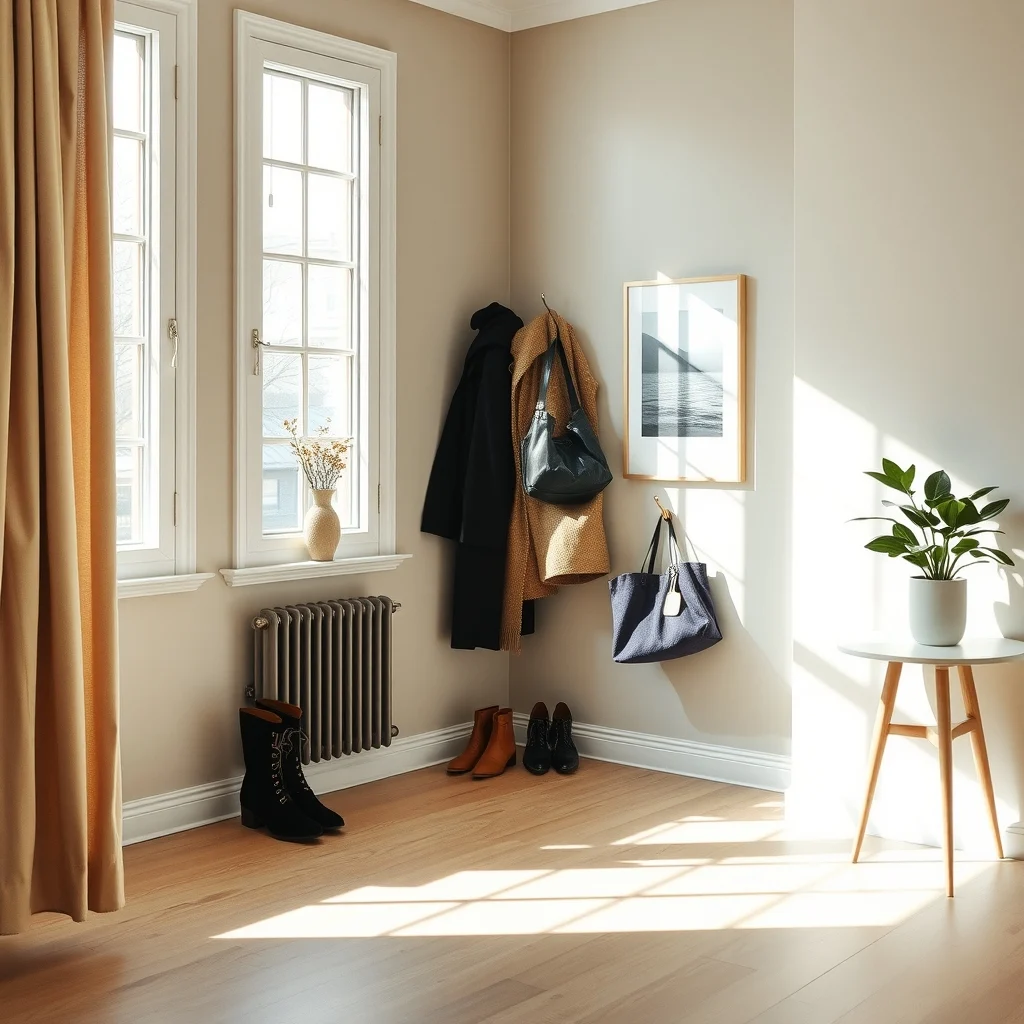
This image is by AI for inspiration only.
The most natural place for a gear station is a corner that already receives a touch of natural light. Sunlight softens the visual weight of coats and bags, and it helps damp fabrics dry faster after a snow‑filled walk. When you locate the station near a window, the space feels less like a closet and more like an extension of the living area. Position a slim console or a low‑profile table against the wall; the piece should be no taller than the height of a typical coat hook to keep the line of sight open. If the window is high, consider a narrow shelf that can be reached from a seated position, which also leaves room for a small potted evergreen to add a seasonal touch.
Choosing a well‑lit spot does more than brighten the area; it signals to the brain that this is a functional zone, not a hidden stash. The light also highlights the textures of wool scarves and the sheen of leather boots, turning the station into a subtle decorative feature.
2. Install a Layered Hook System
This image is by AI for inspiration only.
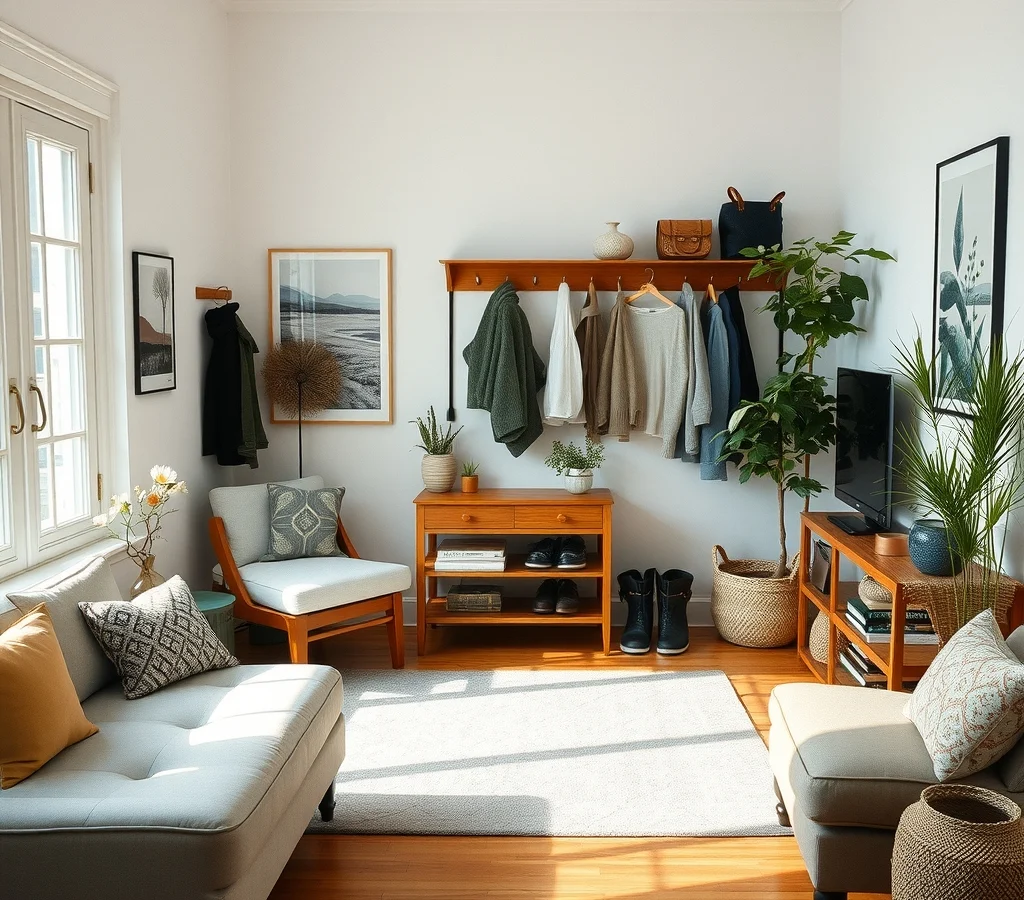
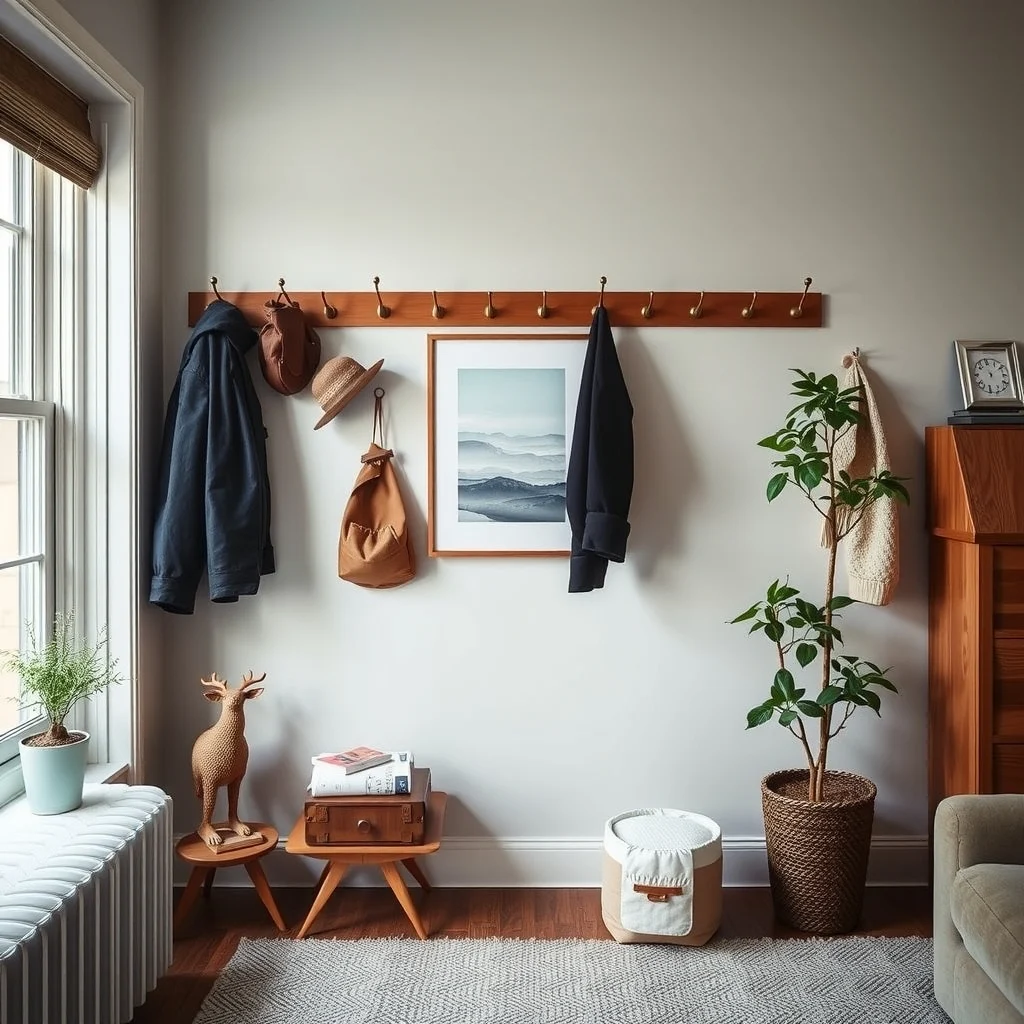
Rather than a single row of hooks, a tiered arrangement offers flexibility for items of different lengths. Mount a row of sturdy brass hooks at chest height for jackets and bags, then add a second, lower row for scarves, hats, and gloves. The brass finish reflects ambient light, creating a gentle sparkle that counteracts the winter gloom without overwhelming the room.
This configuration lets you see each piece at a glance, reducing the time spent rummaging for the right mittens. If the wall is plaster, use adhesive anchors that can hold the weight of a heavy coat without damaging the surface. When the season changes, the lower row can be cleared, leaving only the upper hooks for summer outerwear, making the system adaptable year after year.
3. Choose a Bench With Hidden Storage
This image is by AI for inspiration only.
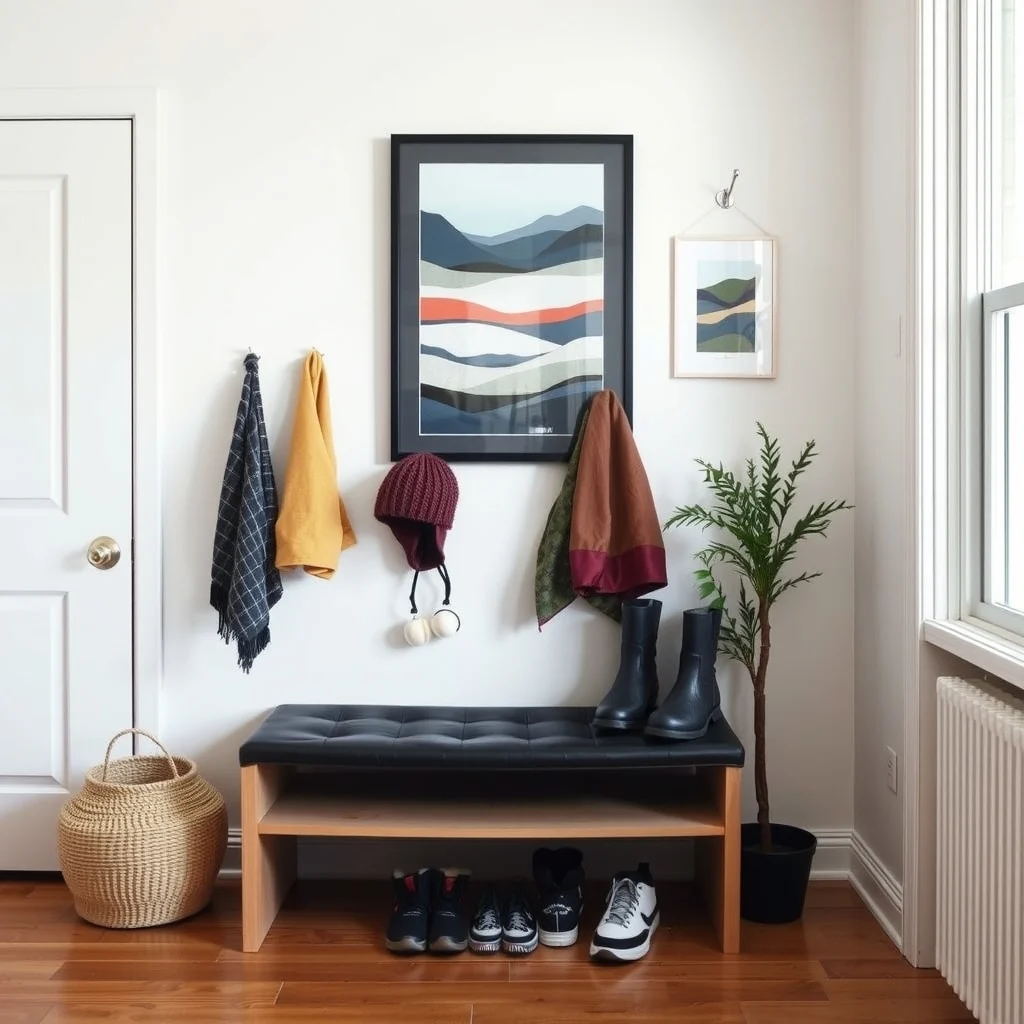
A bench placed directly beneath the hooks provides a place to sit while you pull on boots, and its interior can store bulkier items such as beanies, earmuffs, or a spare pair of insulated gloves. Opt for a piece upholstered in a durable, water‑resistant fabric like canvas or a tightly woven linen blend; this choice prevents moisture from soaking into the cushion after a snowy walk.
The bench’s profile should be low enough to keep the visual line of the room open, but wide enough to accommodate a pair of boots side by side. A simple wooden frame in a warm walnut tone adds a natural contrast to the cooler palette of winter whites and blues, while the hidden compartment keeps the floor clear of clutter.
4. Add a Small, Open Shelf for Frequently Used Items
This image is by AI for inspiration only.
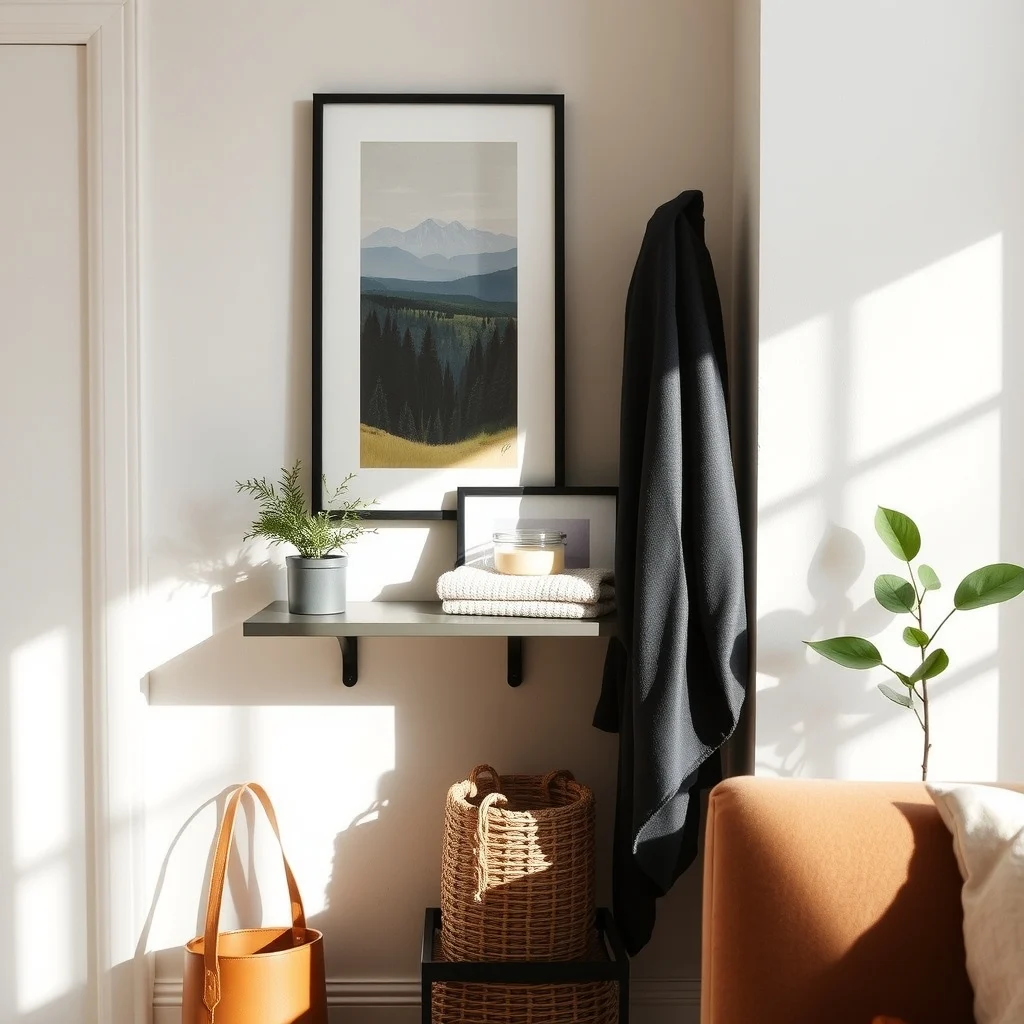
Open shelving offers a quick visual inventory of the items you reach for most often—think a favorite beanie, a pair of touchscreen‑compatible gloves, or a reusable coffee thermos. A floating shelf in a matte metal finish, such as brushed steel, complements the brass hooks and adds a modern edge. Keep the shelf depth modest, about eight inches, so it doesn’t dominate the corner but still provides enough surface for a few folded scarves.
Because the shelf is open, dusting is straightforward, and you can rotate seasonal accessories without the need for additional containers. If the space feels too exposed, a thin acrylic box placed on the shelf can hold smaller pieces while maintaining the airy feel.
5. Use a Rug That Ties the Area Together
This image is by AI for inspiration only.
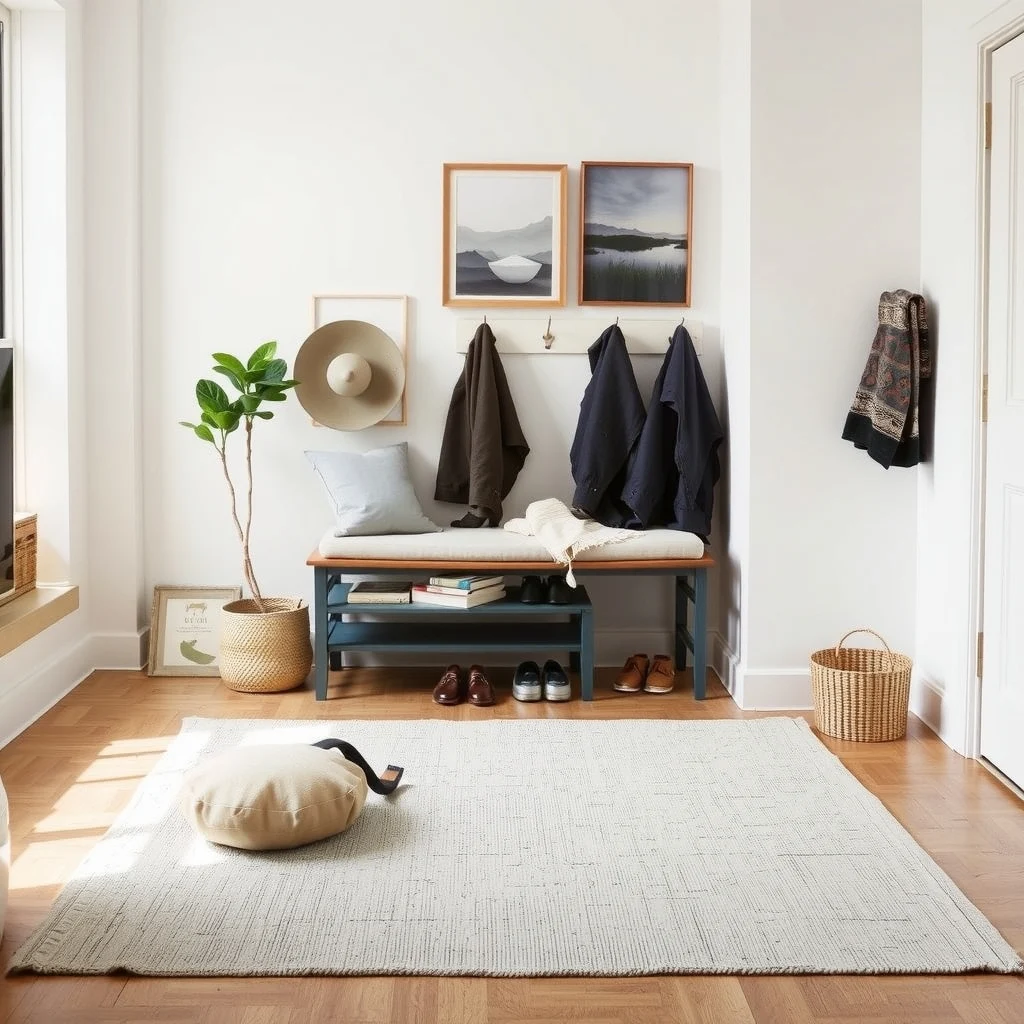
A rug anchored under the bench and hooks defines the gear station without erecting walls. Choose a low‑pile rug in a neutral shade—soft greige or muted slate—so it doesn’t compete with the textures of winter fabrics. A natural fiber like jute offers durability and a subtle earthy scent that contrasts nicely with the crisp indoor air of heating season.
The rug also protects the floor from water and mud tracked in from outside, making clean‑up easier. When you need to freshen the space, a quick shake or a brief vacuum passes through the rug’s fibers, keeping the corner tidy throughout the months of snow.
6. Incorporate Soft Lighting for Evening Use

This image is by AI for inspiration only.
Winter evenings arrive early, and a well‑lit gear station prevents the frustration of fumbling for keys in dim light. A wall‑mounted swing arm lamp in a muted amber hue provides focused illumination without flooding the entire room. The arm can be angled toward the bench when you’re putting on shoes, then swung away to keep the area uncluttered during the day.
Choosing a lamp with a dimmable LED bulb allows you to adjust the brightness to match the mood—bright enough for practical tasks, softer for a relaxed atmosphere when you’re sipping tea after a long walk. The lamp’s base, perhaps in brushed brass, echoes the hardware of the hooks, creating a cohesive visual language.
7. Keep Seasonal Items in Attractive Baskets
This image is by AI for inspiration only.
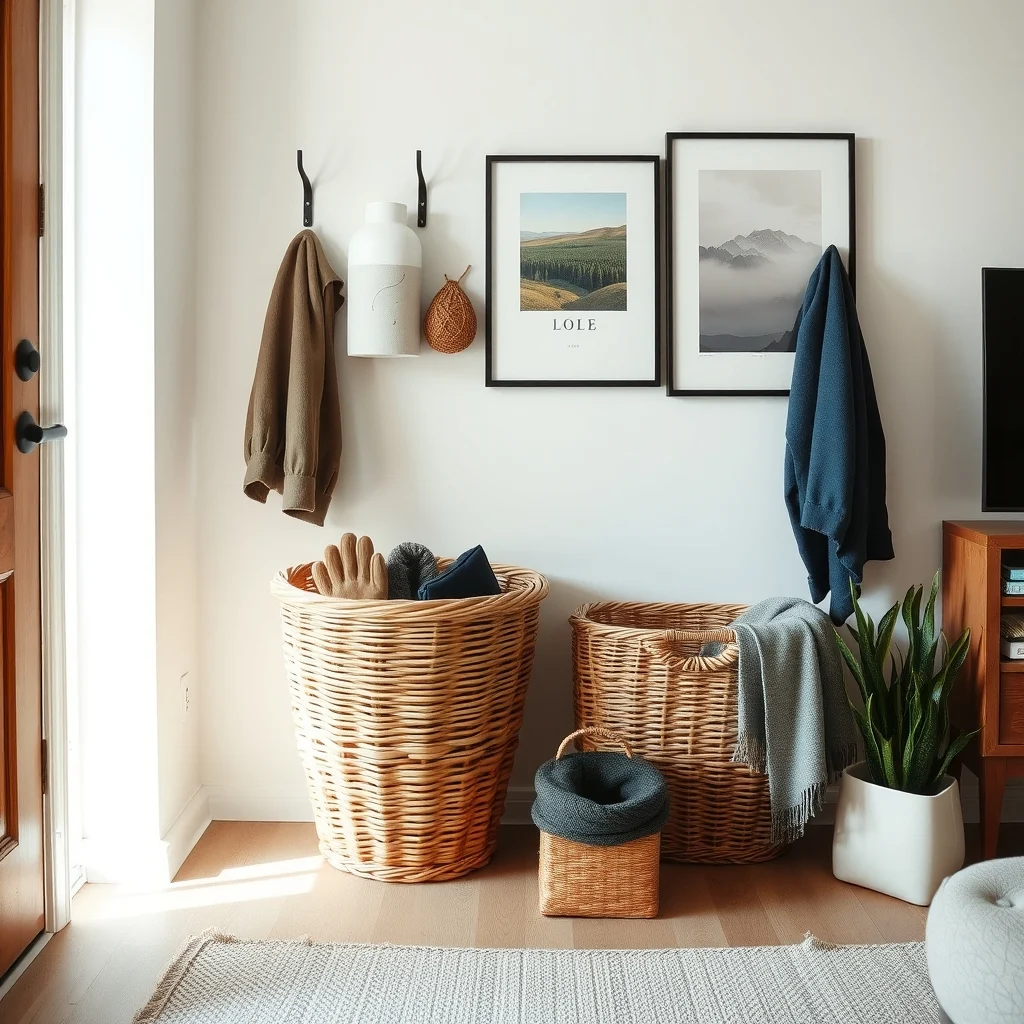
Even with hooks and shelves, a few items benefit from being stored out of sight. A pair of wicker baskets—one for extra gloves, another for a spare scarf—adds texture while containing loose pieces. The baskets should sit on the rug, their open weave allowing any dampness to escape, which is essential for maintaining the integrity of wool.
When the season shifts, simply swap the contents: replace the winter baskets with lighter cotton tote bags or a small tray for sunglasses. This approach maintains the visual harmony of the space throughout the year, turning the winter gear station into a flexible element of the apartment’s overall design.
FAQ
This image is by AI for inspiration only.
How do I prevent my winter coat from smelling musty when stored in a small apartment?
Air the coat regularly by hanging it near an open window for a few minutes each day. A light mist of fabric refresher can help, but avoid heavy sprays that may stain the material.
Can I use a standing coat rack instead of wall hooks?
A standing rack works if floor space allows, but it can dominate a small room. If you choose this option, select a narrow, metal model with a sleek silhouette to minimize visual bulk.
What type of bench cushion is best for moisture resistance?
Look for cushions covered in a water‑repellent fabric such as polyester blend canvas. These fabrics dry quickly and resist stains from melted snow.
Is it okay to place a rug directly on hardwood floors?
Yes, a low‑pile rug on hardwood protects the surface from scratches and moisture. Use a thin felt pad underneath to prevent slipping and add a layer of protection.
How often should I clean the hooks and shelves?
Wipe them down with a damp cloth once a week to remove dust and any residue from snow. For brass finishes, a quick polish with a soft cloth will keep them shining without over‑polishing.
Final Thoughts
This image is by AI for inspiration only.
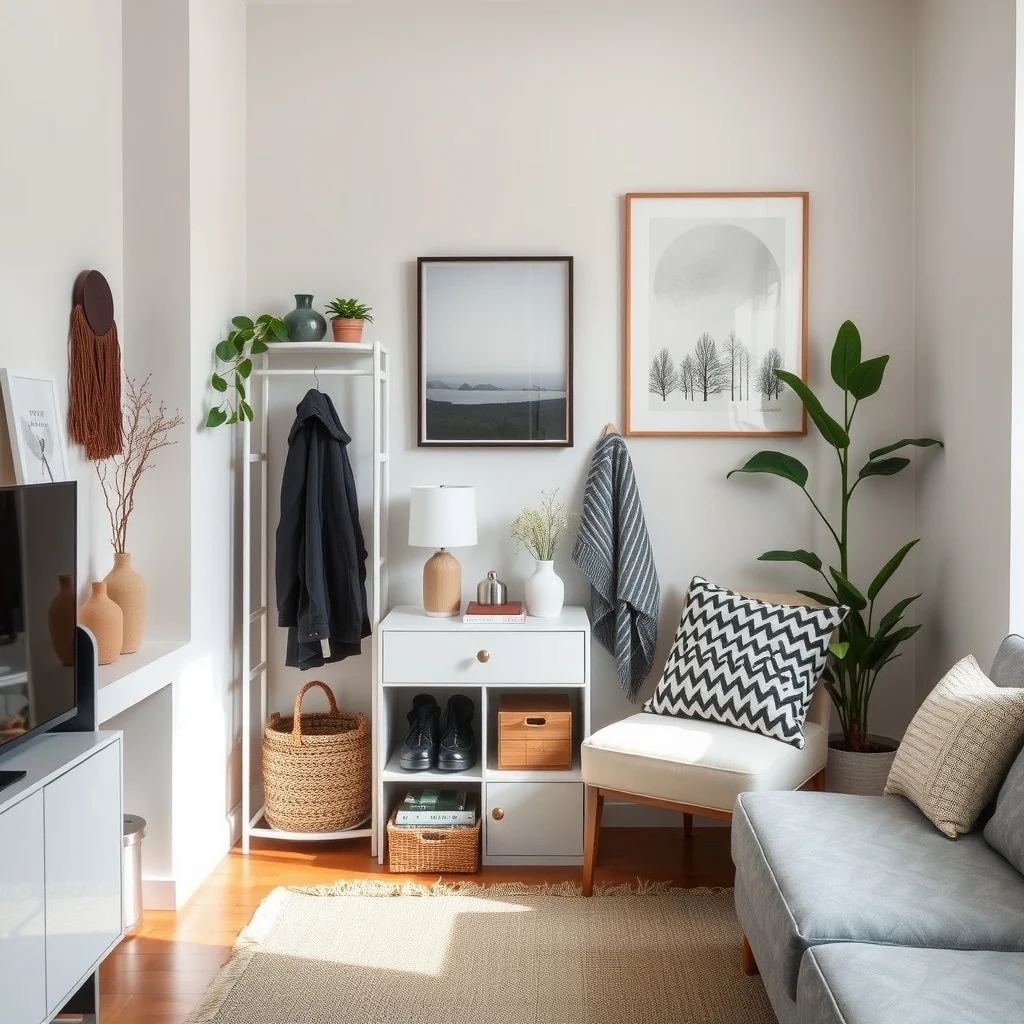
Creating a winter gear station in a small apartment is less about adding more furniture and more about arranging what you already have in a purposeful way. By selecting a bright corner, layering storage, and choosing materials that complement the season, you turn a functional necessity into a subtle design feature. The result is a tidy, welcoming spot that invites you to start each cold morning with confidence, while keeping the rest of your home uncluttered and serene.