How to Organize Water Bottles in a Small Kitchen

Even the most thoughtfully designed kitchen can feel cramped when a collection of water bottles crowds the countertop or tugs at the back of a cabinet. The problem isn’t just visual; it can interfere with meal prep, create a slip hazard, and make it harder to keep the space tidy. This article walks you through seven practical ways to store water bottles without sacrificing style or functionality. Each approach considers the flow of light, the texture of nearby surfaces, and the everyday rhythm of a busy household, so you can choose the solution that feels right for your kitchen’s personality.
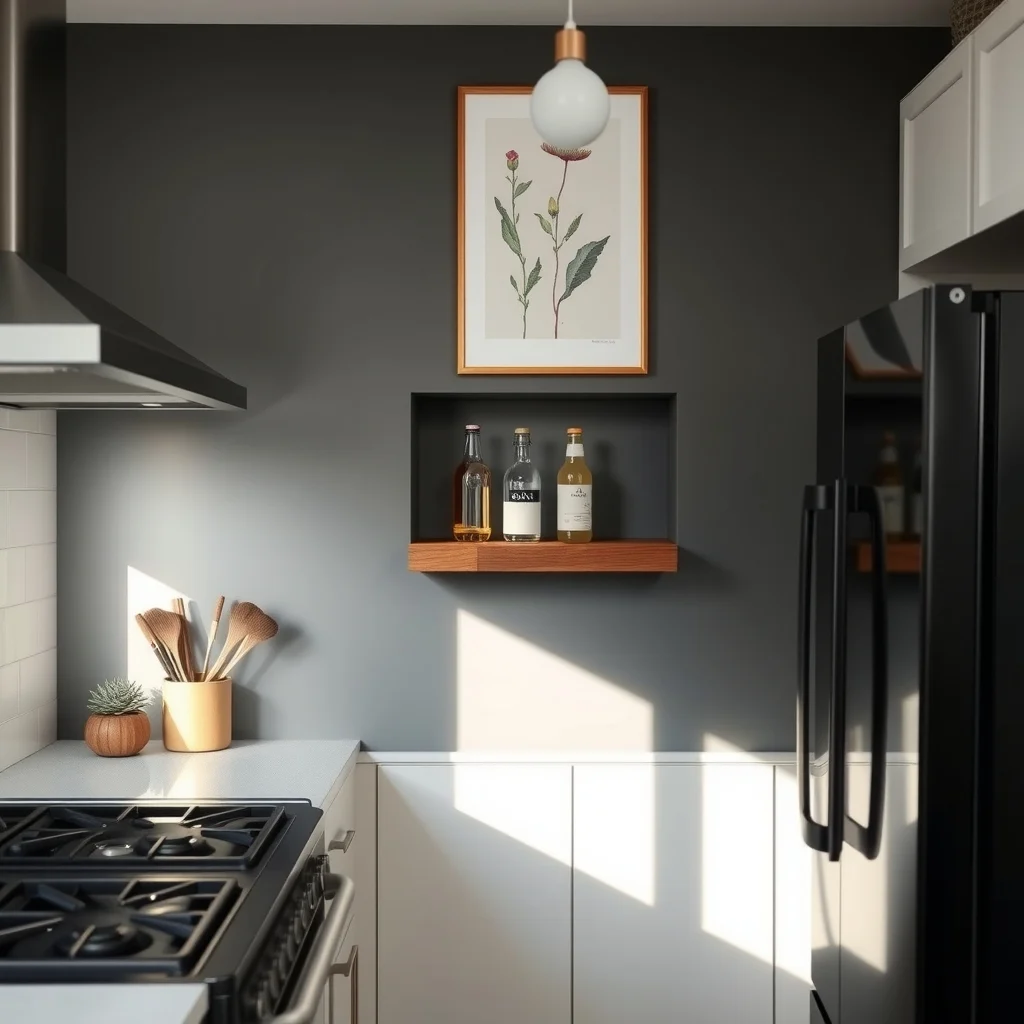
1. Turn a Narrow Wall Niche into a Bottle Shelf
This image is by AI for inspiration only.
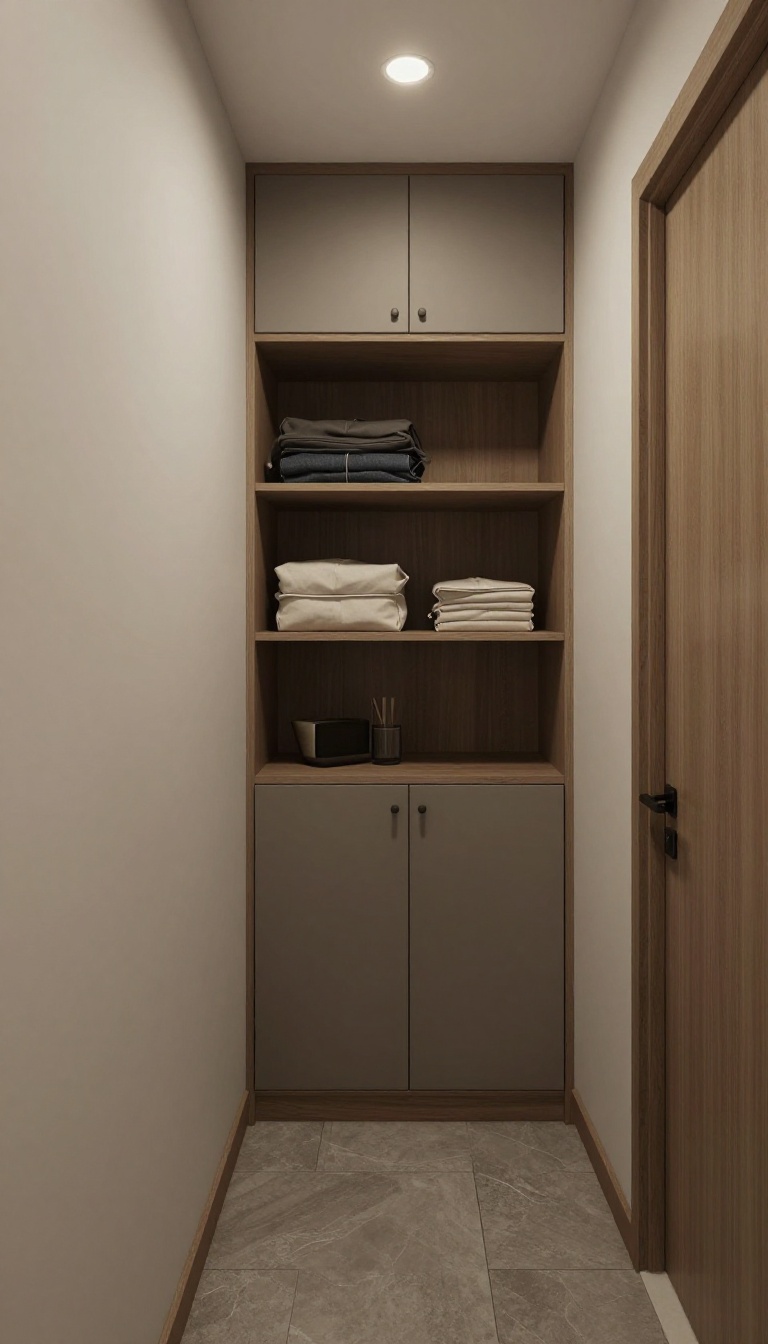
If your kitchen includes a recessed alcove or a narrow strip of wall between the stove and the fridge, that space can become a discreet bottle display. Installing a slim floating shelf made of reclaimed oak or matte black metal adds a visual anchor without demanding floor area. The shelf’s low profile lets you line up bottles of various heights, creating a subtle rhythm that echoes the linear lines of kitchen cabinets. Because the niche is already part of the wall, you avoid adding extra furniture that could block natural light from a nearby window. The trade‑off is that the niche must be deep enough to hold a bottle without it tipping forward; a depth of at least four inches works well.
2. Use a Pull‑Out Drawer Dedicated to Hydration
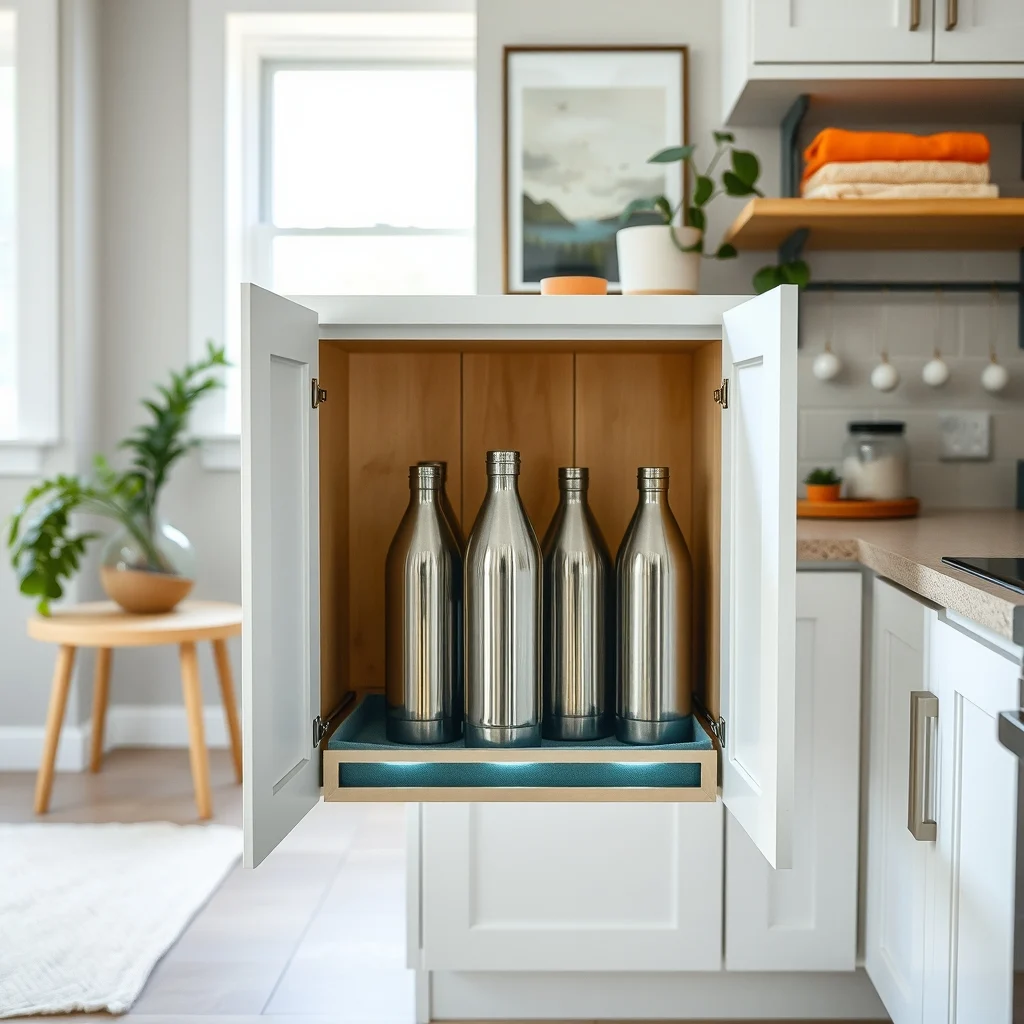
This image is by AI for inspiration only.
A pull‑out pantry drawer installed beneath the sink or alongside the spice rack can become a hidden reservoir for water bottles. By fitting the drawer with a soft‑close mechanism, you keep the bottles from slamming against the cabinet face. Adding a thin, removable divider made of bamboo lets you separate larger bottles from smaller ones, preserving order while maintaining a uniform look. This method keeps the bottles out of sight, which is helpful if you prefer a minimalist aesthetic. However, the drawer’s weight capacity should be checked; stacking too many heavy bottles can strain the rails over time.
3. Repurpose a Vintage Milk Crate as a Portable Rack
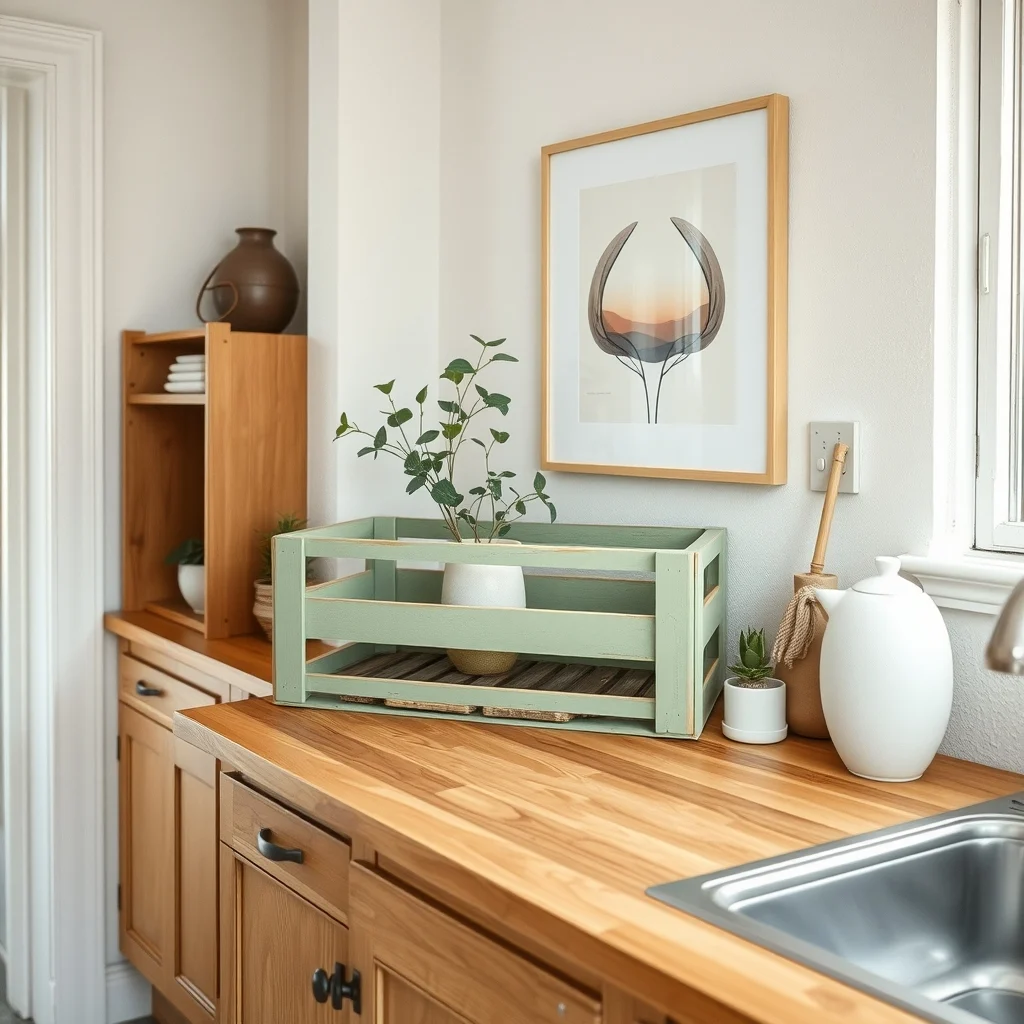
This image is by AI for inspiration only.
Old milk crates have a sturdy lattice that naturally accommodates the cylindrical shape of bottles. Painting the crate in a muted sage or soft charcoal ties it to the kitchen’s color palette, while the open design encourages airflow, reducing condensation on the bottle surfaces. Placing the crate on a countertop near the coffee maker creates a convenient grab‑and‑go station. Because the crate is lightweight, you can move it to a different spot when you need more prep space. The downside is that the crate’s slatted sides may allow smaller bottles to slip through, so it works best with standard 500 ml or larger containers.
4. Install a Magnetic Strip Behind the Door
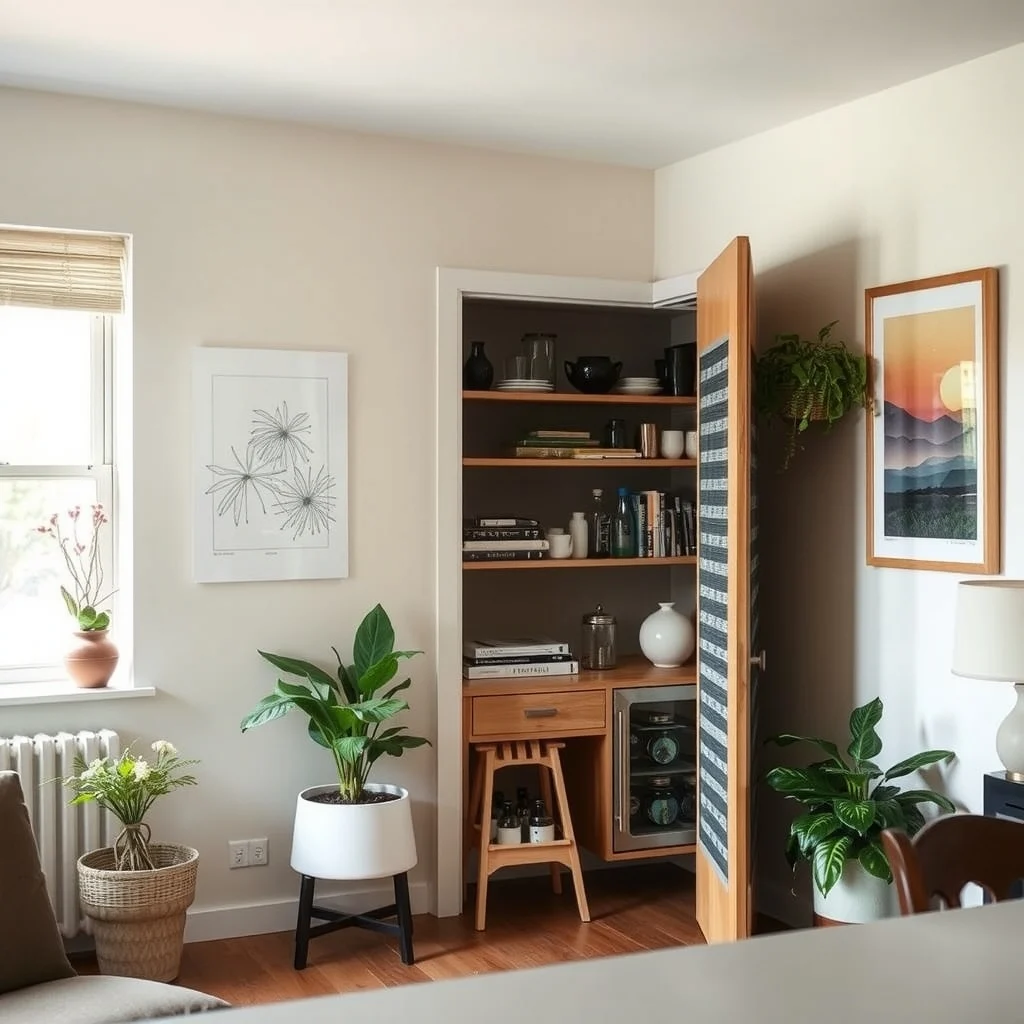
This image is by AI for inspiration only.
Many modern water bottles feature metal caps or loops that cling to a strong magnet. A thin magnetic strip mounted on the inside of a pantry or cabinet door provides a vertical storage option that frees up shelf space. The strip can be painted to match the cabinet finish, allowing the storage solution to blend seamlessly with the surrounding wood grain. This approach is especially useful for smaller, reusable bottles that you want to keep within easy reach. One limitation is that the magnetic force must be sufficient to hold the bottle’s weight; a strip rated for at least 2 kg per meter is a safe choice.
5. Convert a Decorative Ladder into a Tiered Bottle Stand
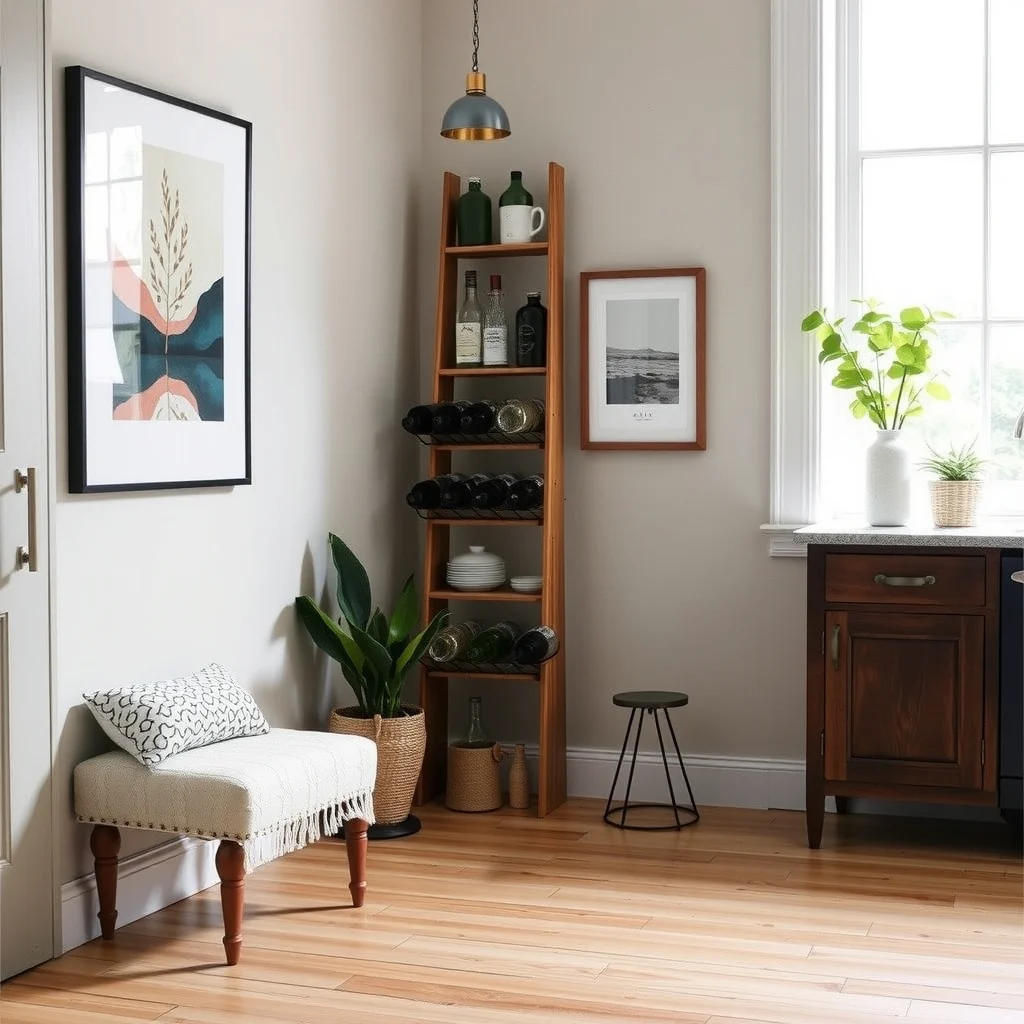
This image is by AI for inspiration only.
A wooden ladder with a narrow profile can double as a tiered bottle rack when leaned against a wall. The rungs act as natural shelves, and the ladder’s vertical orientation draws the eye upward, making the kitchen feel taller. Choosing a ladder in a warm walnut tone adds a natural element that complements stone countertops or tiled backsplashes. You can place a small silicone mat on each rung to prevent bottles from sliding, especially on polished surfaces. The main consideration is stability; securing the top of the ladder to the wall with a discreet bracket ensures it won’t wobble when you retrieve a bottle.
6. Use Clear Acrylic Bins Stacked in a Corner
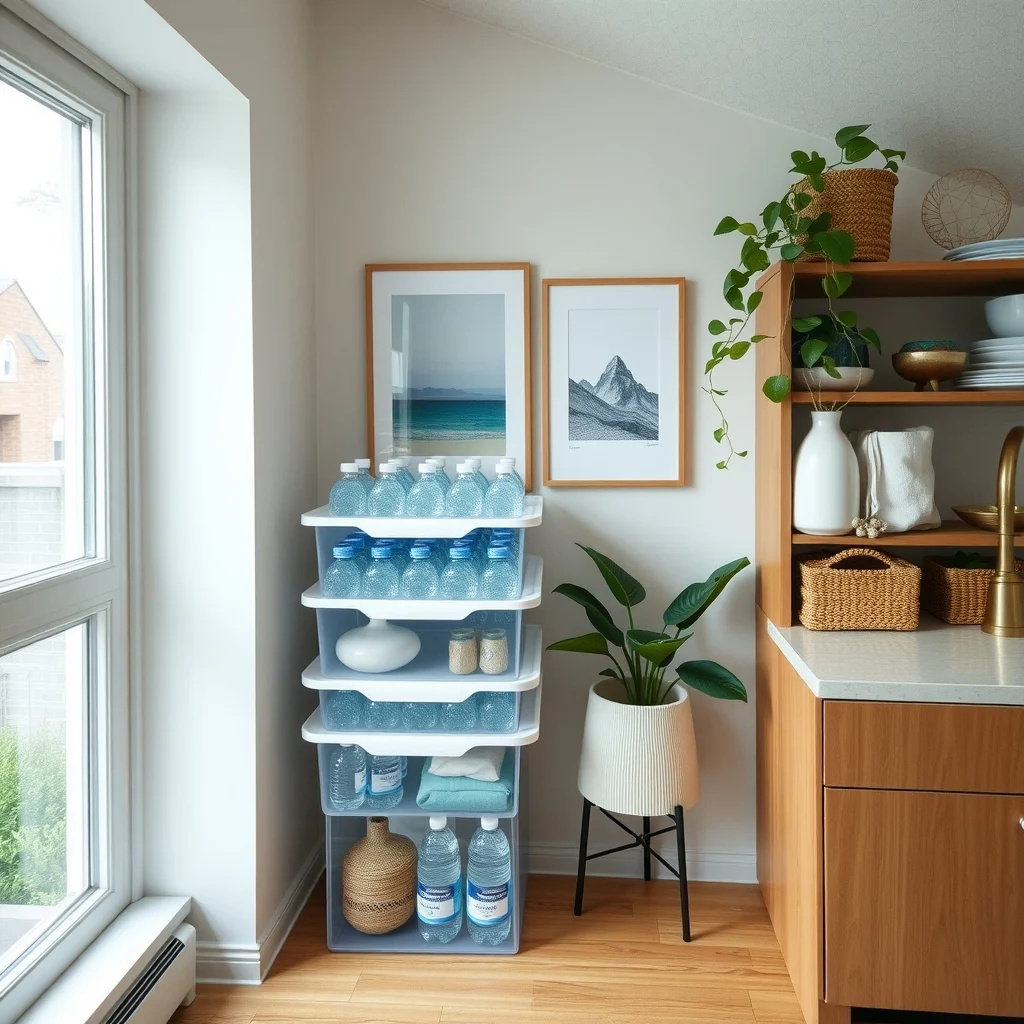
This image is by AI for inspiration only.
Clear acrylic storage bins offer a sleek, modern look that lets you see the contents at a glance. By nesting two or three bins of decreasing size in an unused corner, you create a compact tower that accommodates bottles of varying heights. The transparency works well with a kitchen that features light hardwood floors or a glossy white backsplash, as the bins become almost invisible. Adding a thin rubber base prevents the acrylic from scratching countertops. The primary drawback is that acrylic can yellow over time if exposed to direct sunlight, so positioning the tower away from a sunny window extends its lifespan.
7. Hang a Fabric Pocket Organizer on the Inside of a Cabinet Door
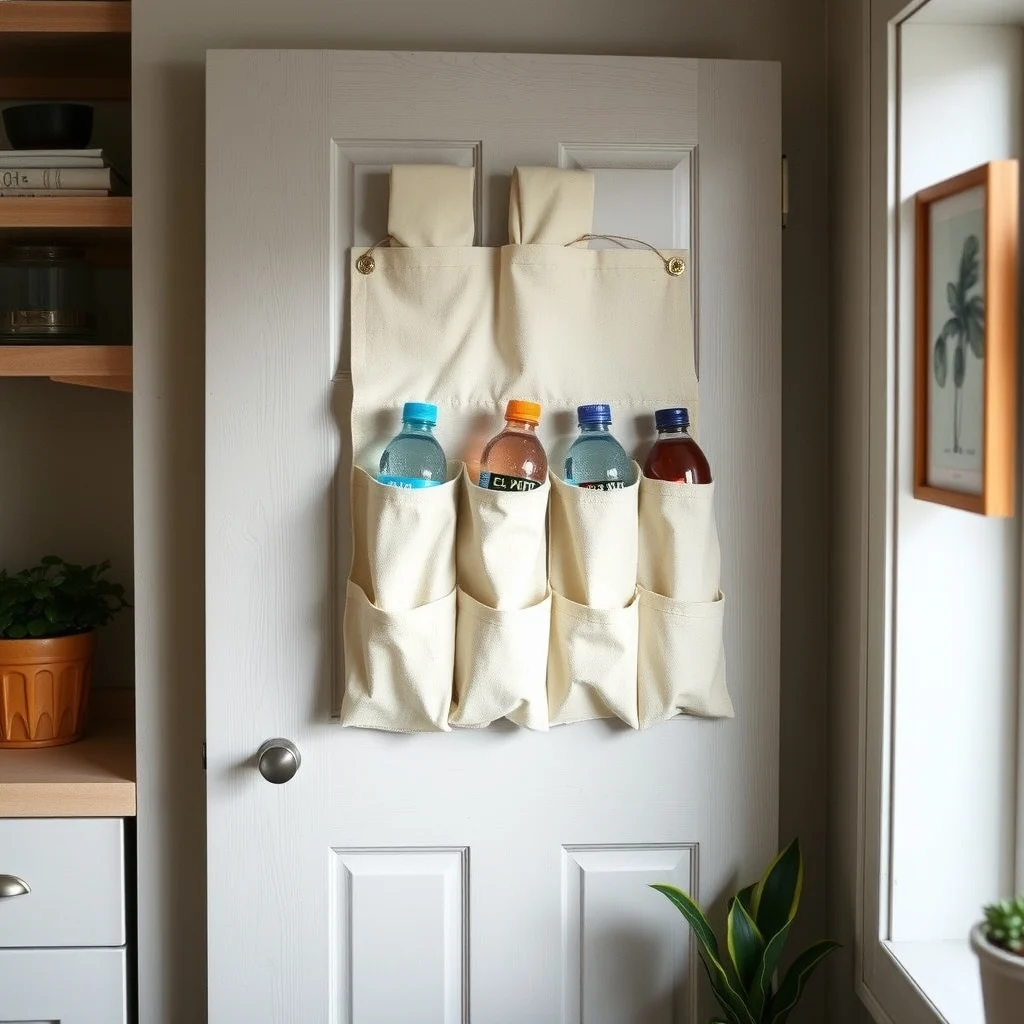
This image is by AI for inspiration only.
A fabric pocket organizer, similar to those used for pantry spices, can be repurposed for water bottles. Choose a canvas or linen material in a neutral shade that matches the kitchen’s soft textiles, such as dish towels or cushion covers. The pockets hold the bottle necks, keeping the bodies upright and visible. Because the organizer hangs on the interior of a cabinet door, it utilizes space that would otherwise be empty. The fabric is easy to wipe clean, which is handy if condensation drips onto it. This solution works best with slimmer bottles; a very wide bottle may not fit comfortably into a standard pocket.
FAQ
This image is by AI for inspiration only.
How can I keep water bottles from getting warm on the countertop?
Store them in a cabinet or drawer away from direct sunlight and heat‑producing appliances. Using insulated sleeves or a small cooler box on the shelf can also maintain a cooler temperature.
Is it safe to keep plastic bottles near the stove?
Placing plastic bottles directly next to a stovetop can cause the plastic to soften over time. Keep them at least a foot away from the burners, or choose a heat‑resistant material such as stainless steel for nearby storage.
What’s the best way to organize a mix of reusable and disposable bottles?
Separate them by type using dividers or distinct storage zones. For example, keep reusable glass bottles on a visible shelf and store disposable plastic bottles in a pull‑out drawer, which helps you track usage and reduces waste.
Can I use a magnetic strip for bottles with plastic caps?
No, the magnetic strip only works with metal components. For plastic‑capped bottles, consider a small shelf or a fabric pocket organizer instead.
How often should I clean the storage area for water bottles?
Wipe down surfaces weekly with a mild detergent and a soft cloth. If you notice condensation or spills, clean the area immediately to prevent mold or water stains.
Final Thoughts
This image is by AI for inspiration only.
Finding a place for water bottles in a small kitchen doesn’t have to involve sacrificing style or convenience. By turning overlooked nooks into functional shelves, using pull‑out drawers, repurposing everyday objects, or adding subtle magnetic or fabric solutions, you can keep hydration within reach while preserving the room’s aesthetic flow. Each method carries its own set of considerations—depth, weight capacity, material durability—but with a little observation of your kitchen’s layout, you can select the approach that feels most natural. A tidy bottle arrangement not only frees up valuable countertop real estate; it also adds a quiet sense of order that makes everyday cooking feel a little smoother.