How to Create a Coffee Station on a Tiny Counter

Living in an apartment with limited countertop space can feel like a puzzle, especially when you love the ritual of brewing a fresh cup each morning. A well‑thought‑out coffee station can turn a cramped area into a functional, inviting corner without sacrificing style. Below you’ll find a step‑by‑step guide that balances practicality with design, so the space feels both organized and welcoming.
1. Choose a Compact Layout That Works With the Existing Flow
This image is by AI for inspiration only.
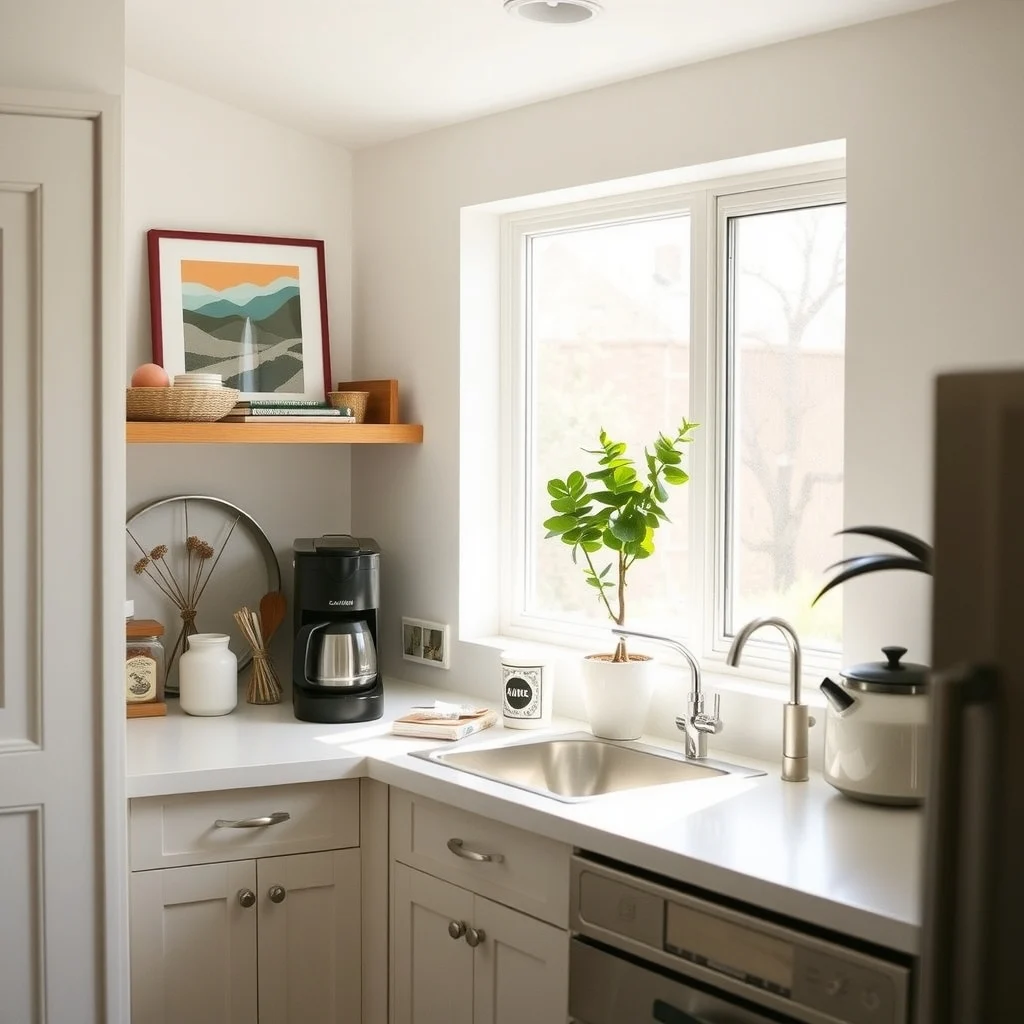
The first decision is how the station will sit in relation to the rest of the kitchen. Align the coffee gear along the edge that receives the most natural light; sunlight helps highlight the details of a stainless‑steel kettle or a matte‑black espresso machine. By placing the station against a wall rather than in the middle of the countertop, you keep the central area free for food prep. This arrangement also allows you to use the side of the counter as a small serving ledge, keeping mugs and sugar jars within arm’s reach without crowding the main workspace.
When you map the layout, consider the “reach zone” – the distance you comfortably stretch while standing. Keep the heaviest items, such as the machine and grinder, closest to the wall so they don’t need to be moved often. A narrow, rectangular tray can slide beneath the machine, holding filters and pods in a tidy row. The trade‑off is that you may give up a bit of extra storage, but the benefit is a smoother workflow that feels natural every day.
2. Select Materials That Hold Up to Moisture and Heat
This image is by AI for inspiration only.
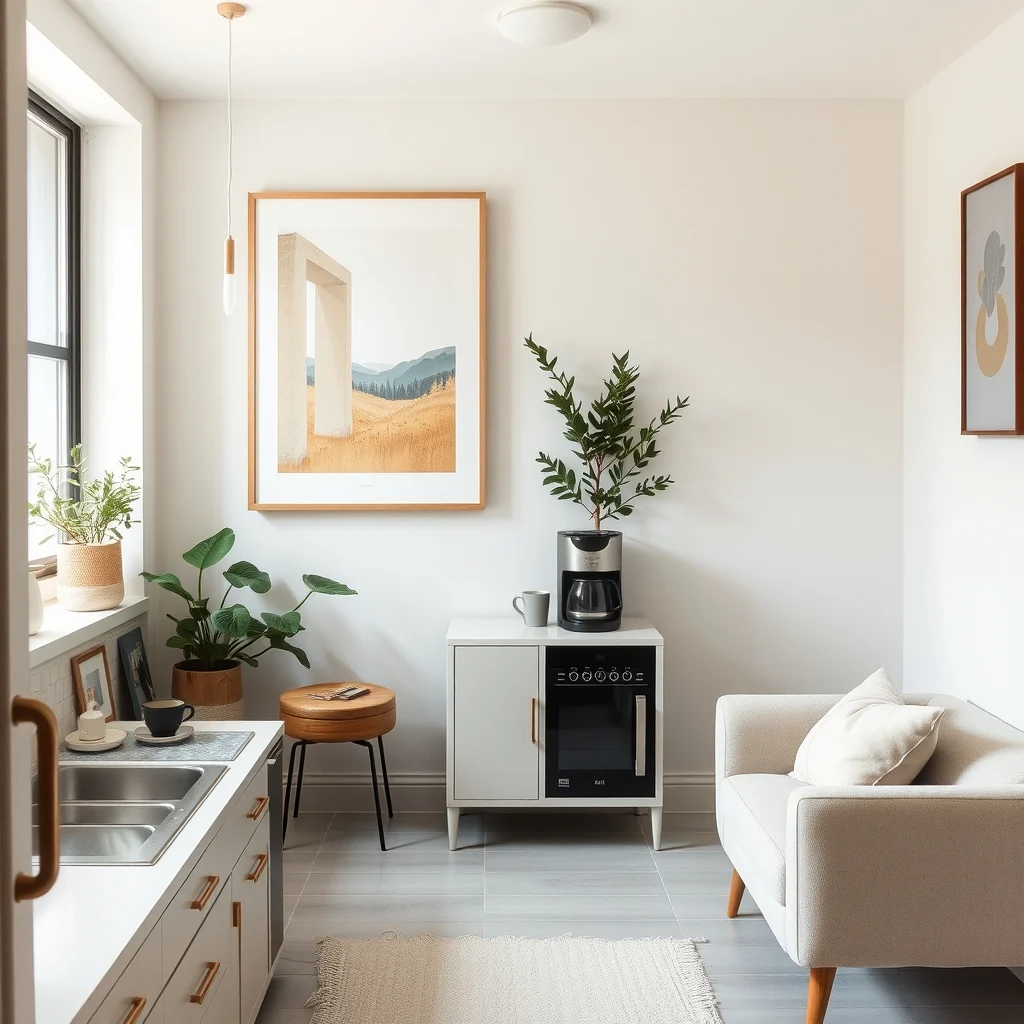
Countertops in small kitchens often endure spills, steam, and occasional heat marks. Choosing surfaces that tolerate these conditions protects both the station and the rest of the kitchen. A matte ceramic tile in a soft greige tone offers a heat‑resistant base while adding a subtle texture that hides coffee stains better than glossy porcelain. If you prefer a wood look, a sealed bamboo board provides a warm visual contrast without warping from occasional moisture.
For the coffee accessories, opt for stainless‑steel or brushed brass containers; these metals resist corrosion and maintain a sleek appearance over time. Glass jars are attractive for beans, but make sure they have silicone seals to prevent condensation from dripping onto the countertop. The downside of metal is that fingerprints can be more visible, so a quick wipe with a microfiber cloth keeps the surface looking polished.
3. Incorporate Smart Storage Solutions Without Adding Bulk
This image is by AI for inspiration only.
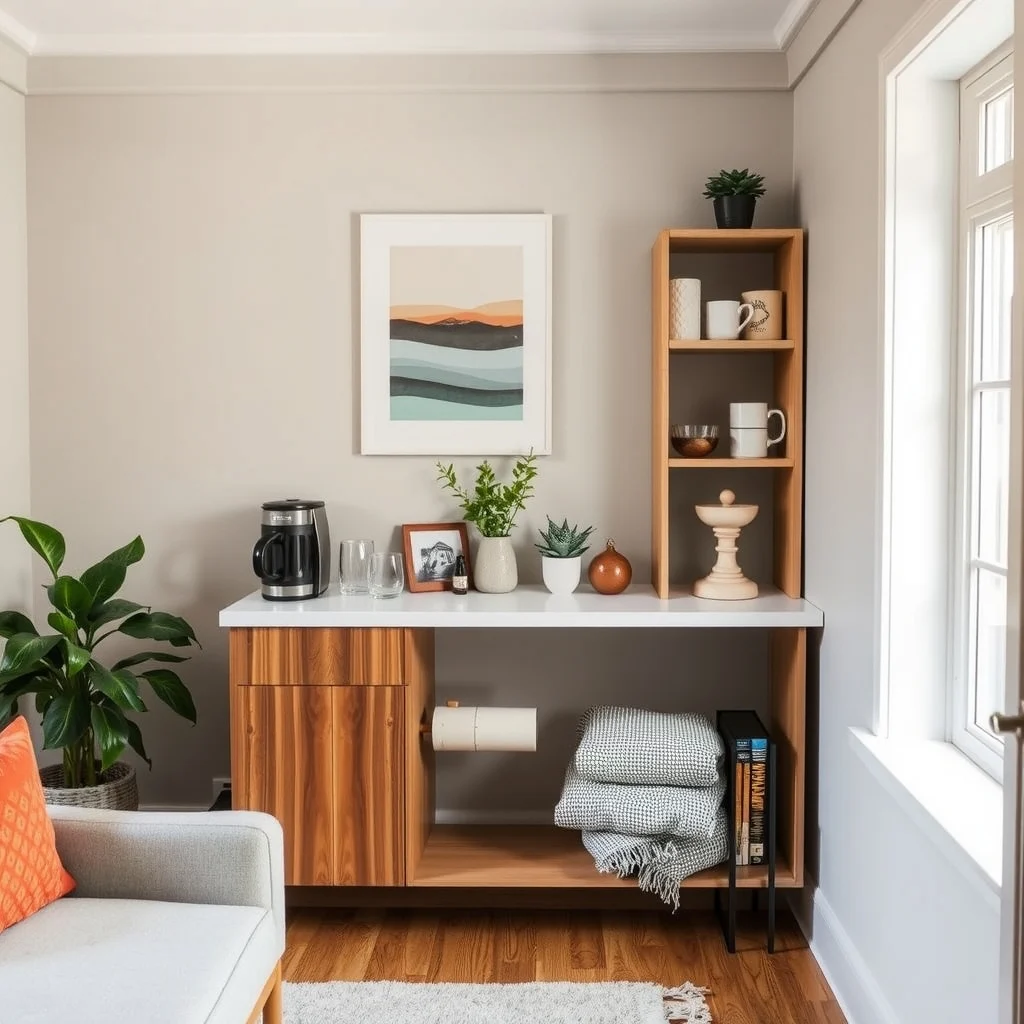
When floor space is at a premium, vertical storage becomes a lifesaver. A narrow, open‑shelf unit that rises just above the countertop height can hold mugs, a small French press, and a handful of syrups. Choose a unit with a mix of open slots and shallow drawers; the open areas display colorful mugs, adding personality, while the drawers hide spare filters and cleaning brushes.
Another low‑profile option is a magnetic strip mounted on the side of the counter. It can hold metal spoons, a small tamper, or a compact milk frother, keeping them visible yet out of the way. The main limitation is that magnetic strips only accommodate ferrous items, so you’ll need an alternate spot for non‑magnetic tools. Still, the visual clarity they provide often outweighs the need for a traditional drawer.
4. Light the Area With Layered, Adjustable Fixtures
This image is by AI for inspiration only.
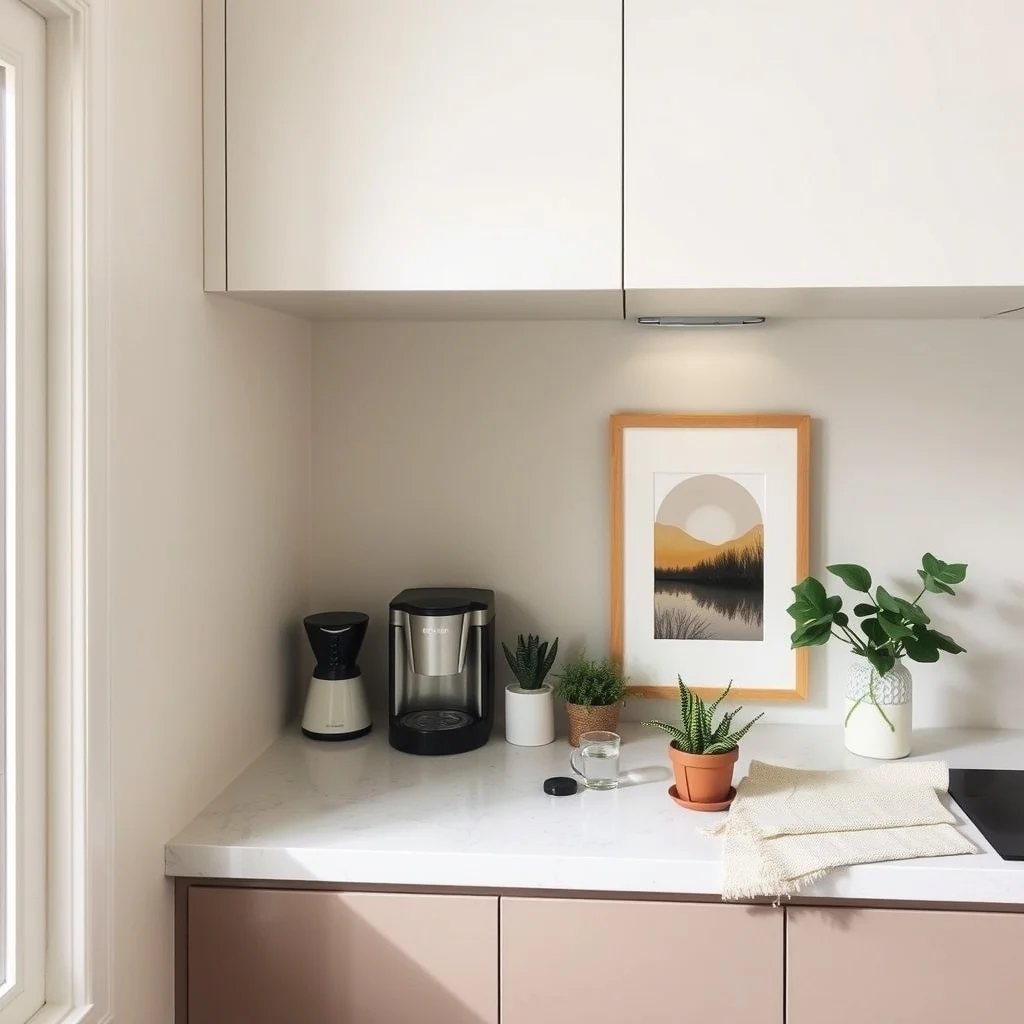
Good lighting does more than illuminate; it defines the mood of the coffee corner. A slim, under‑cabinet LED strip offers a soft wash of light that reduces shadows on the countertop, making it easier to read measurements while brewing. Pair this with a small, adjustable swing arm lamp positioned behind the machine; the lamp can be directed toward the grinder when you need focused illumination and swung away when you prefer a more ambient glow.
Choosing a warm‑white temperature (around 2700 K) creates a cozy atmosphere that complements the earthy tones of coffee beans. If the kitchen already has bright overhead lighting, the added fixtures provide flexibility for early‑morning or late‑evening coffee moments without overwhelming the space. The trade‑off is an extra electrical outlet may be needed, so plan the placement of cords accordingly.
5. Keep the Aesthetic Cohesive With a Limited Color Palette
This image is by AI for inspiration only.
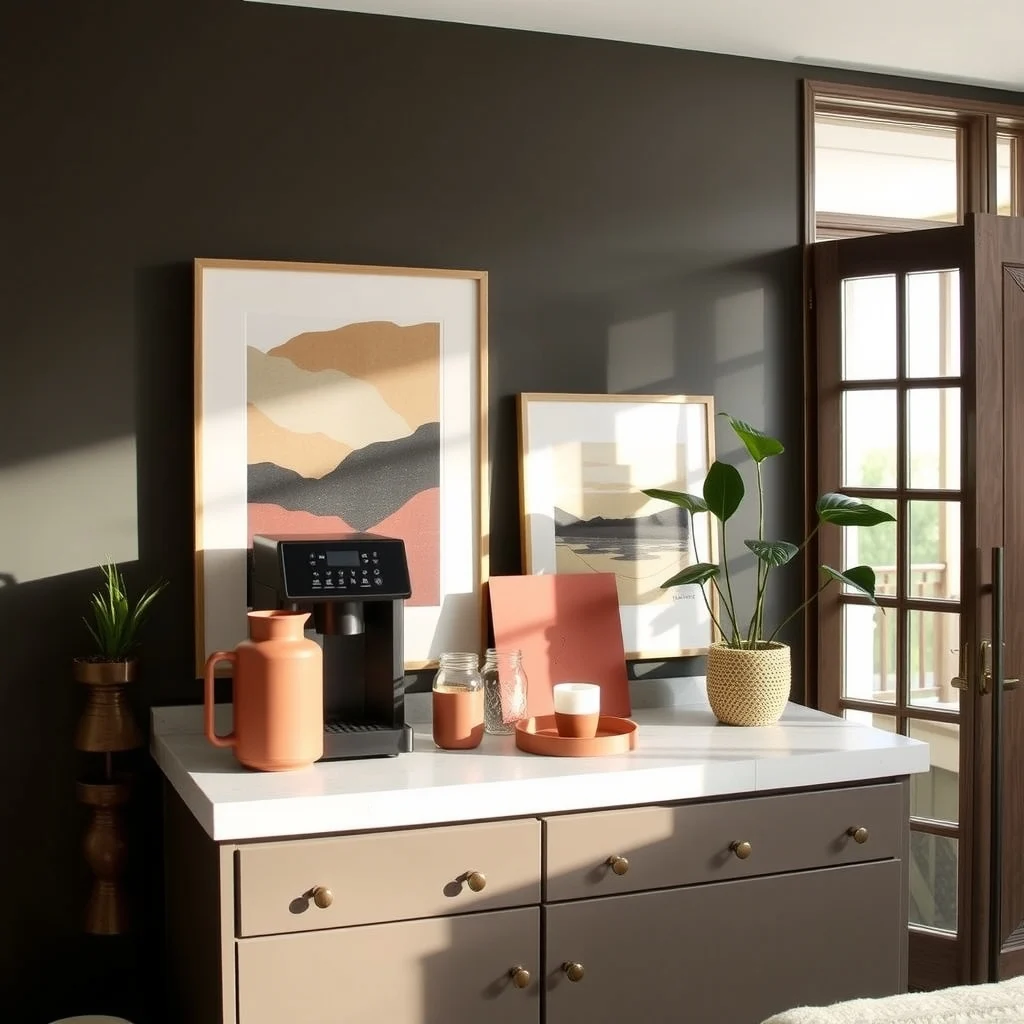
A unified color scheme prevents the coffee station from looking like a collection of random objects. Selecting two to three complementary hues—perhaps a deep charcoal for the machine, a muted terracotta for a small decorative tray, and a soft cream for mugs—creates visual harmony. The muted tones allow the occasional pop of color, like a bright copper kettle, to become a focal point without clashing.
When you introduce textiles, such as a woven coaster set or a linen napkin holder, stick to natural fibers in shades that echo the base palette. This approach ties the station to the surrounding kitchen decor, making the coffee corner feel like an intentional extension rather than an afterthought. The downside is that a strict palette may limit the variety of accessories you can display, but the result is a cleaner, more organized look.
6. Plan for Easy Maintenance and Quick Clean‑ups
This image is by AI for inspiration only.
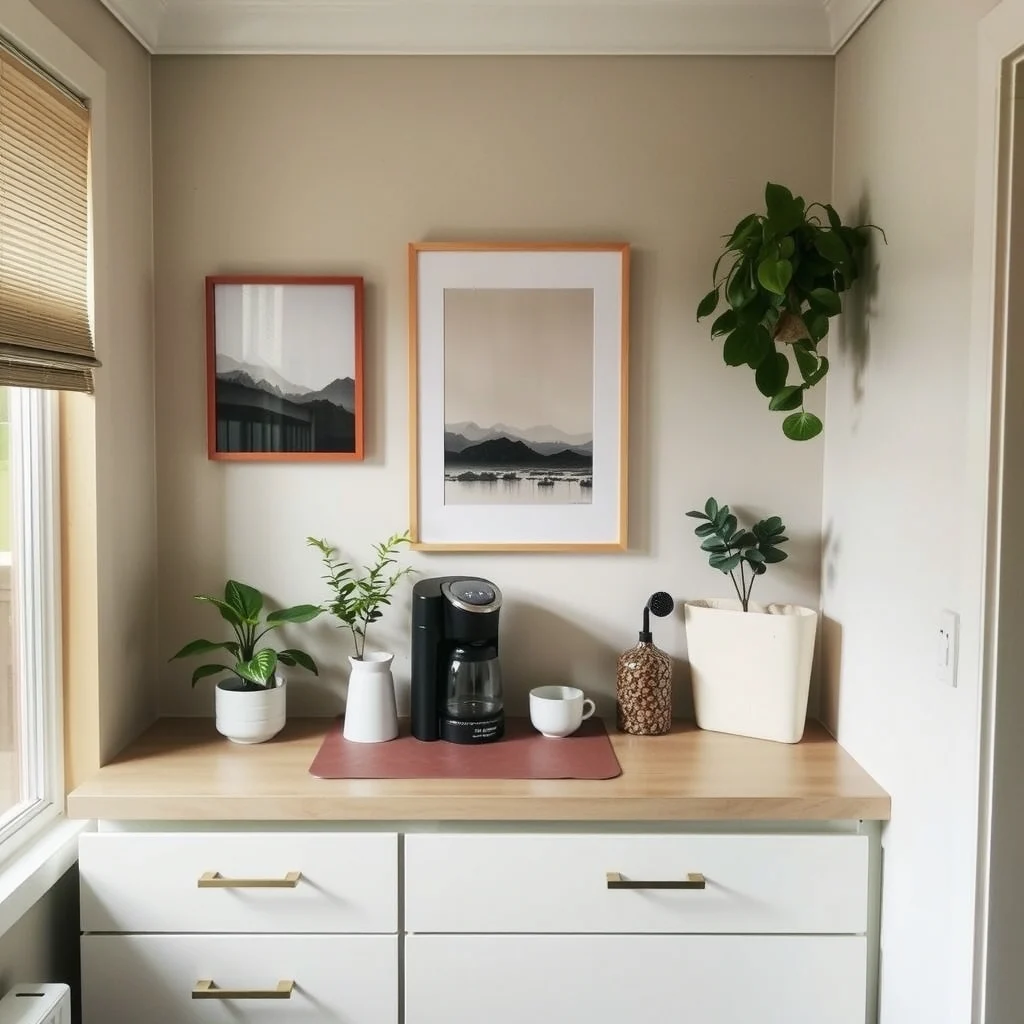
Spills are inevitable, especially when dealing with hot liquids and ground coffee. Lining the countertop under the station with a thin, silicone mat provides a non‑slip surface that can be lifted and washed without leaving residue. The mat also protects the tile or wood from heat damage, extending the life of the underlying material.
For the coffee machine, choose a model with a removable drip tray and accessible cleaning ports. Regularly wiping down the exterior with a solution of equal parts water and white vinegar prevents mineral buildup and keeps the finish looking bright. If you incorporate a small sink or a portable water reservoir, be sure to empty it daily to avoid mold growth. While these habits add a few minutes to your routine, they prevent the station from becoming a hidden source of grime.
7. Add Personal Touches That Make the Space Yours
This image is by AI for inspiration only.
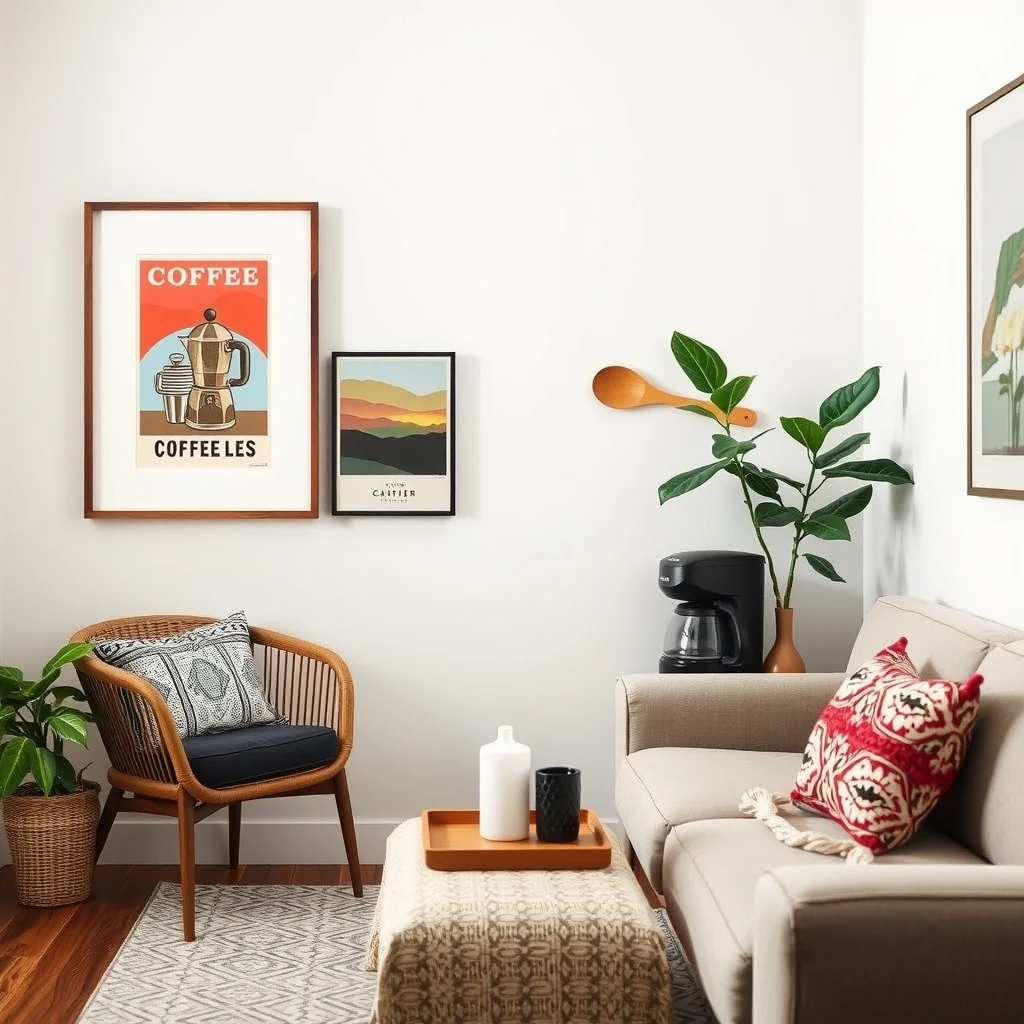
Even a tiny coffee station can reflect your personality. A small framed print of a vintage coffee advertisement adds a hint of nostalgia, while a handcrafted wooden spoon offers a tactile reminder of the brewing process. Incorporating a plant—such as a low‑maintenance pothos in a ceramic pot—brings a touch of greenery that softens the metallic elements.
When selecting decorative items, keep scale in mind; oversized objects can overwhelm the limited surface area. A single, well‑chosen piece often makes a stronger impression than a cluttered assortment. The trade‑off is that you may need to rotate items seasonally to keep the look fresh, but this rotation also provides an opportunity to refresh the space without a major overhaul.
FAQ
This image is by AI for inspiration only.
How much countertop space do I really need for a coffee station?
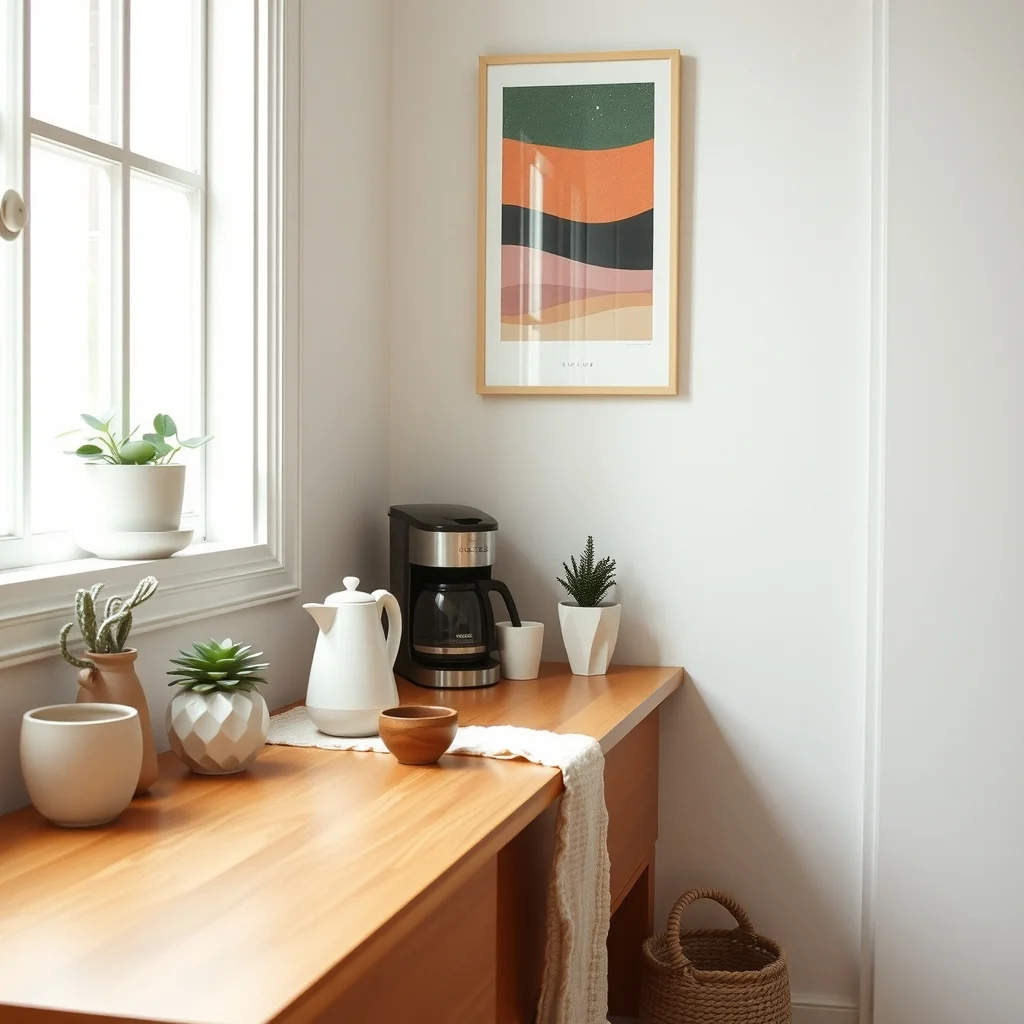
You can create a functional station on a strip as narrow as 12 inches, provided you prioritize vertical storage and keep only the essential equipment on the surface.
Can I install a coffee station on a laminate countertop?
Yes, laminate can work as long as you use heat‑resistant pads under hot appliances and avoid cutting directly into the surface.
What is the best way to hide cords on a tiny counter?
Routing cords through a short cable organizer that sits behind the machine keeps them out of sight while allowing easy access for cleaning.
Is a small espresso machine worth the space?
If you enjoy espresso daily, a compact machine can replace a larger drip system and free up space elsewhere, though it may require a dedicated power outlet.
How often should I descale my coffee equipment?
Descaling every two to three months prevents mineral buildup and maintains flavor quality, especially if you have hard water.
Final Thoughts
This image is by AI for inspiration only.
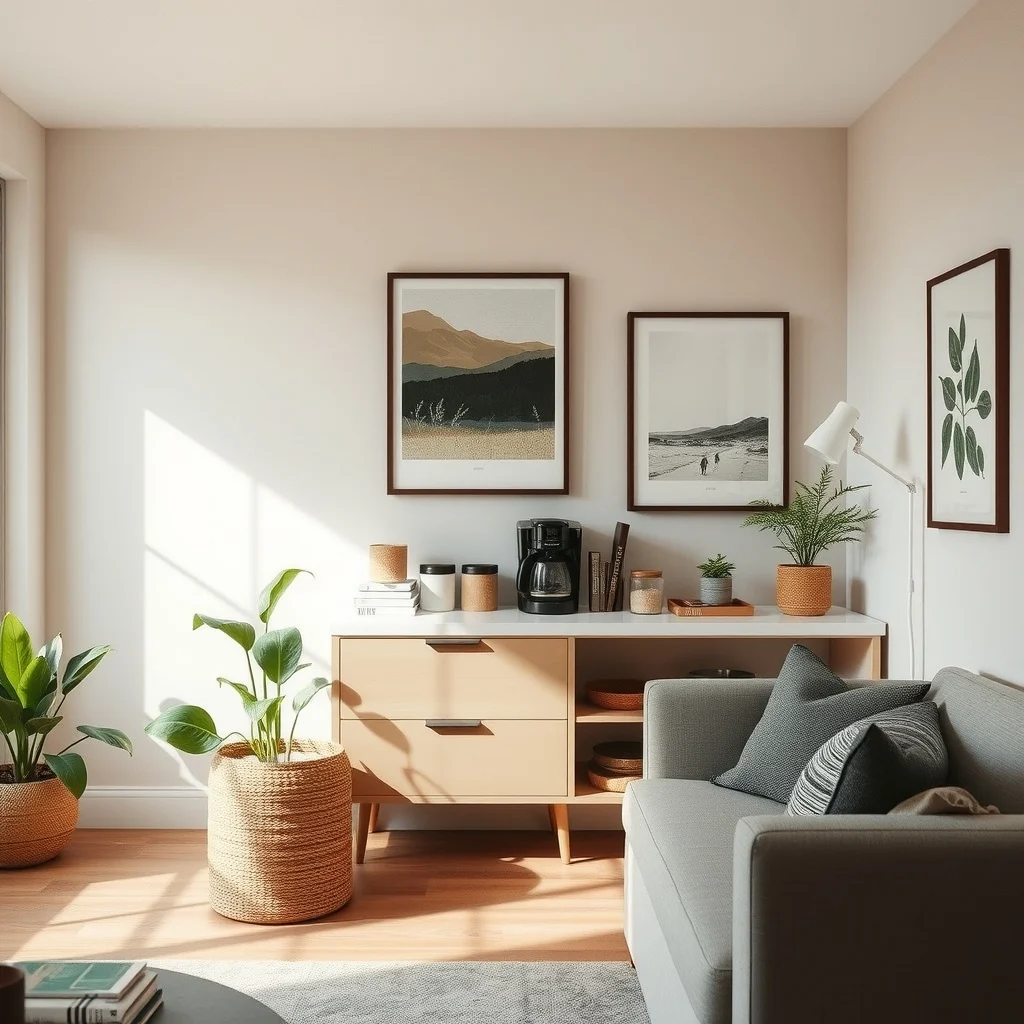
Designing a coffee station on a tiny counter is less about compromising and more about curating. By thoughtfully arranging layout, choosing resilient materials, integrating vertical storage, and adding layered lighting, you turn a narrow strip into a dedicated nook that serves both function and style. Small personal details finish the picture, making the space feel uniquely yours. With these strategies, your morning brew becomes a seamless part of daily life, even in the most modest of kitchens.