How to Hide Everyday Clutter in a Small Apartment Living Room

Living in a compact apartment means every square foot feels valuable, and the living room often doubles as a place to work, eat, and unwind. A coffee table piled with magazines, a stack of board games on the sofa, and a handful of chargers snaking across the rug can make the space feel cramped before you even notice the size of the room. The good news is that a few thoughtful design choices can tuck those daily items out of sight while keeping the room feeling open and welcoming. Below are seven approaches that blend storage, style, and practicality so you can enjoy a tidy living area without sacrificing comfort.
1. Embrace Multi‑Purpose Furniture with Built‑In Storage
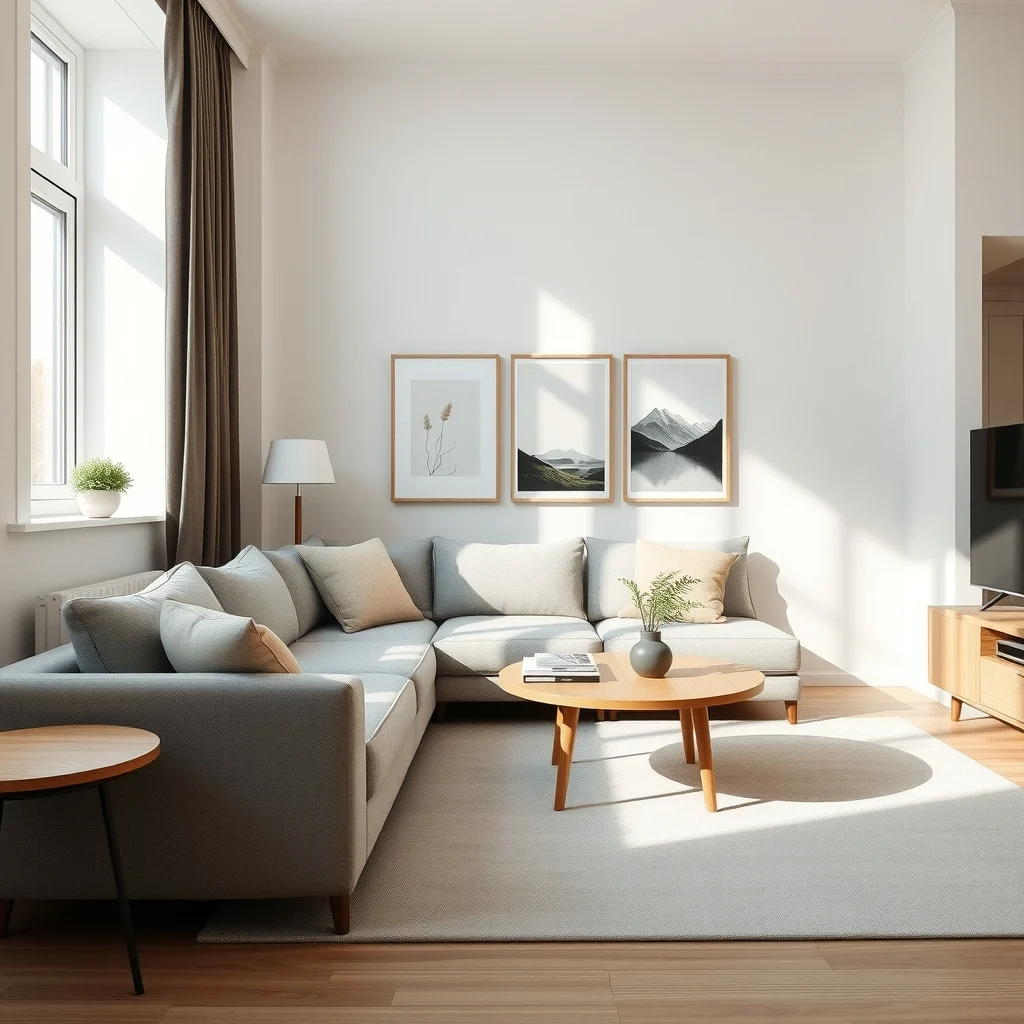
This image is by AI for inspiration only.
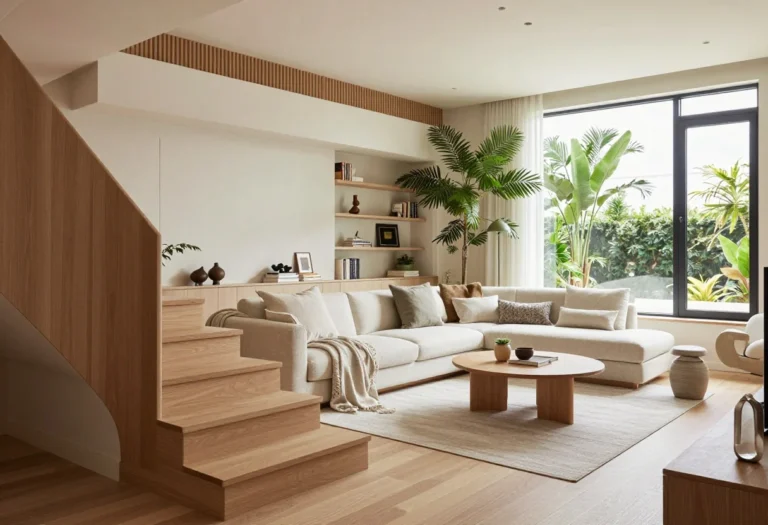
When a sofa or ottoman offers a hidden compartment, the room instantly gains a discreet place for blankets, remote controls, or a small stash of books. A low‑profile sectional with a lift‑top seat provides a flat surface for coffee during the day and a pull‑out drawer for evening magazines. The key is to choose pieces that match the room’s scale; a bulky couch can dominate a modest floor plan, while a sleek, streamlined design keeps the visual weight light. Look for fabrics that hide dust well—mid‑tone linen or woven polyester works better than high‑sheen leather in a high‑traffic area. Keep the compartment organized with fabric bins or gentle dividers so items don’t shift each time the seat is lifted. This strategy consolidates clutter without adding extra furniture, preserving both floor space and aesthetic balance.
2. Install Floating Shelves that Double as Display and Hideaway
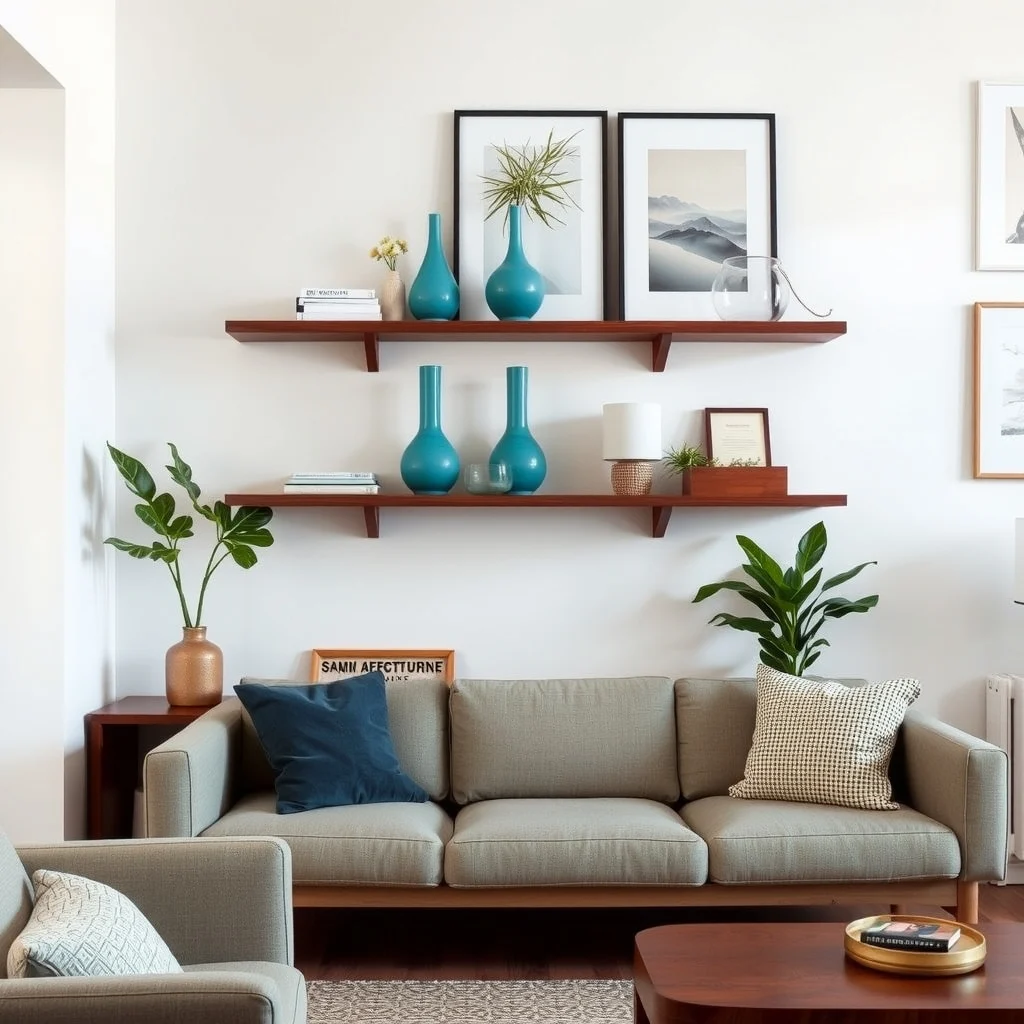
This image is by AI for inspiration only.
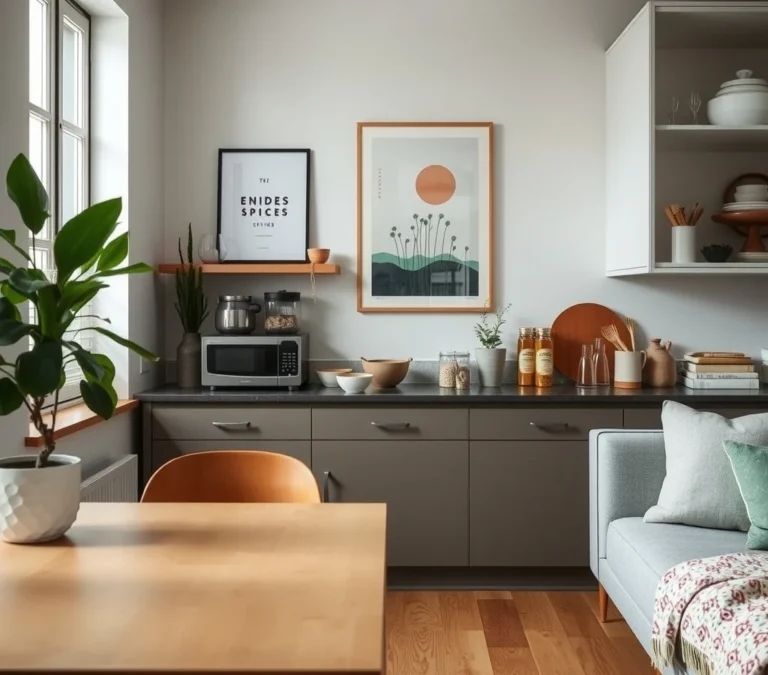
Floating shelves mounted a few inches above eye level create a vertical storage zone that doesn’t intrude on the walking path. By placing decorative baskets or woven storage boxes on the lower shelf, you can conceal items like remote controls, coasters, or a spare set of keys while still keeping them reachable. The upper shelf works well for a curated collection of books, a small plant, or a framed abstract print, adding personality without clutter. Choose shelves with a simple metal bracket in brushed brass or matte black to keep the look contemporary, and use a wall finish that contrasts gently—soft white or warm greige—to make the shelves appear to hover. Remember to anchor the brackets securely, especially if you plan to store heavier objects, and keep the weight distribution even to avoid sagging.
3. Use a Stylish Room Divider with Built‑In Storage
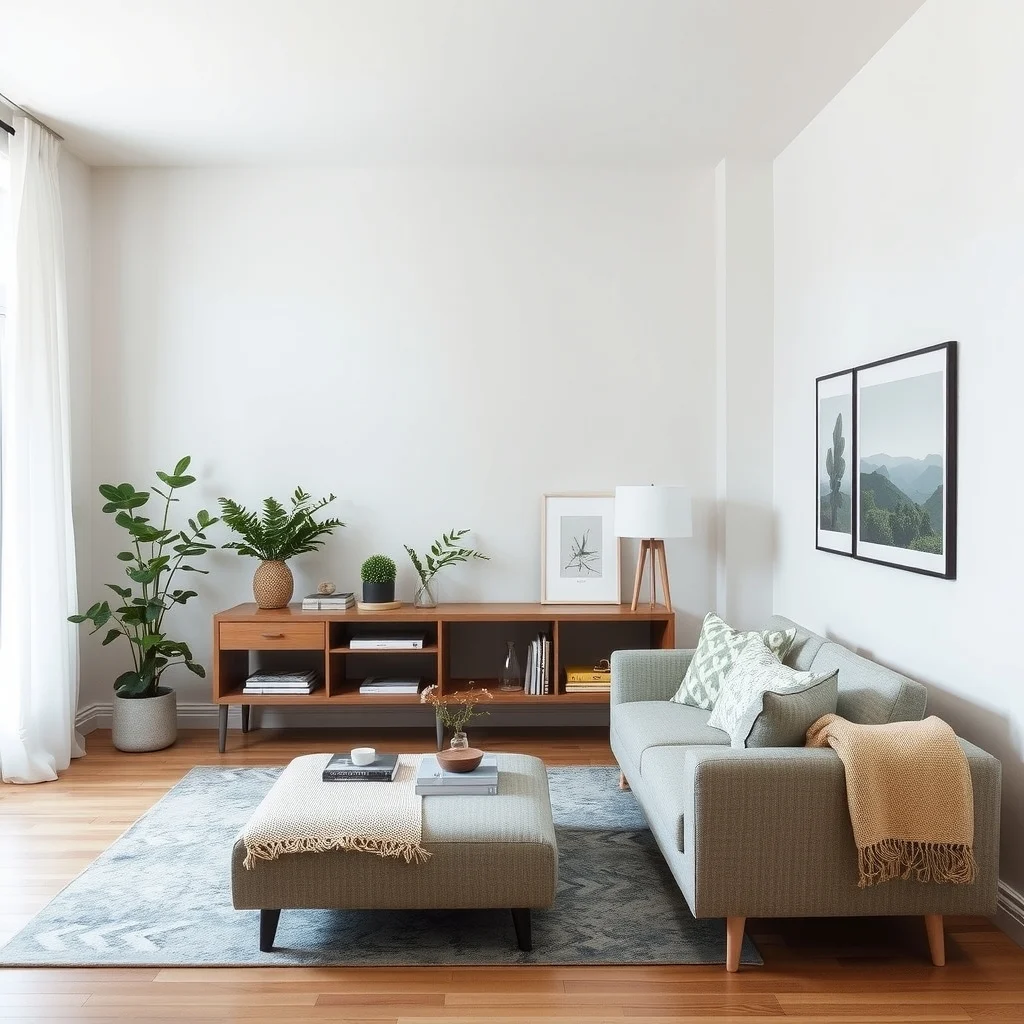
This image is by AI for inspiration only.
A room divider made from reclaimed wood panels or a sleek fabric screen can subtly separate the seating area from a small workspace while offering hidden pockets for paperwork, chargers, or a stack of board games. The divider’s vertical lines draw the eye upward, creating an illusion of height that benefits low‑ceiling apartments. Opt for a divider with shallow shelves or fabric pockets sewn into the back; these provide concealed compartments without breaking the visual flow. When the divider is positioned near a window, it can also act as a light filter, softening harsh afternoon sun. If you need to move the piece frequently, select a lightweight model with legs that can be tucked under the sofa, ensuring the room remains adaptable for gatherings.
4. Choose a Coffee Table with Hidden Drawers or a Lift‑Top
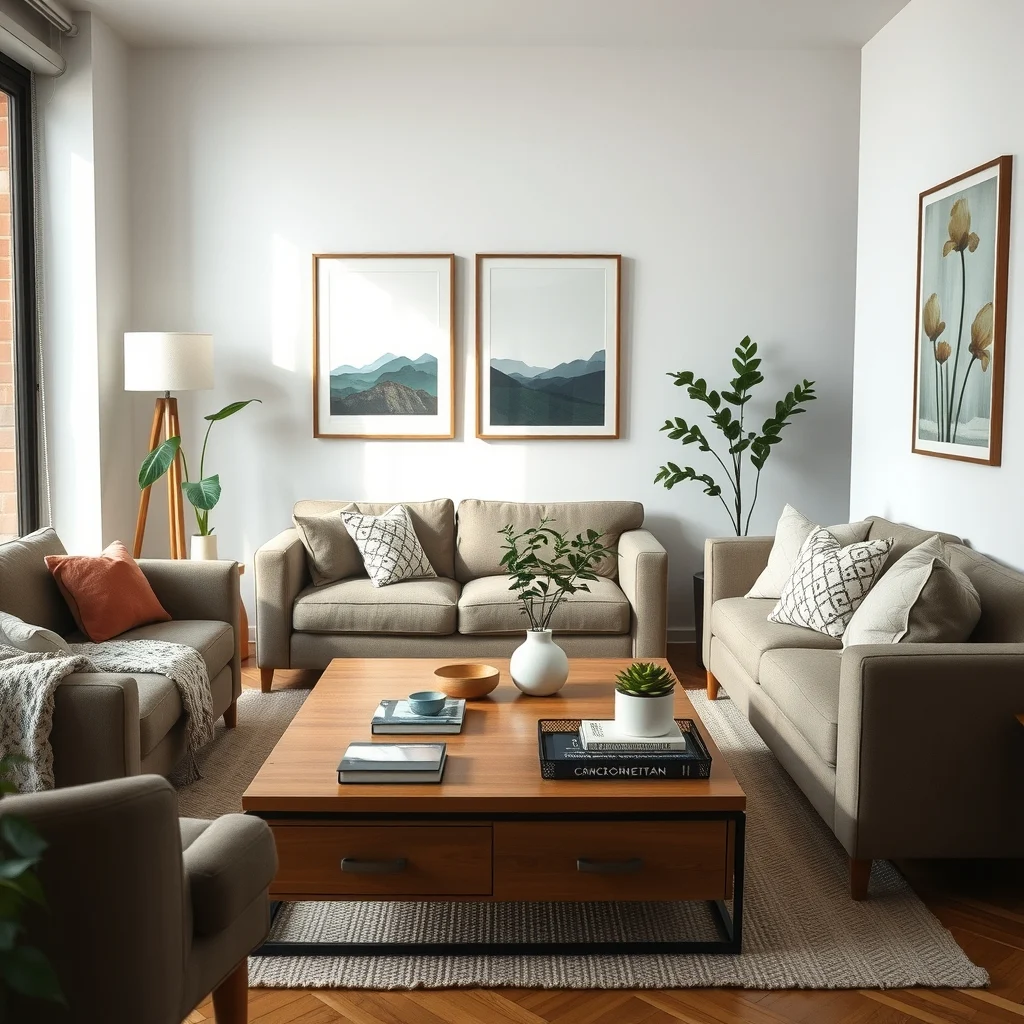
This image is by AI for inspiration only.
Instead of a solid slab that merely displays items, a coffee table featuring a drawer or a lift‑top surface offers a concealed area for everyday essentials. A drawer can store a stack of coasters, a few magazines, or a remote control, keeping the tabletop clear for drinks and decor. A lift‑top table provides a larger workspace for laptops or meal prep, then folds back to a sleek surface when not in use. Materials such as walnut veneer or matte black metal lend a modern feel, while a glass top maintains an airy impression in a small room. Be mindful of the table’s height relative to the sofa cushions; a gap of about two inches ensures easy reach without straining the arms.
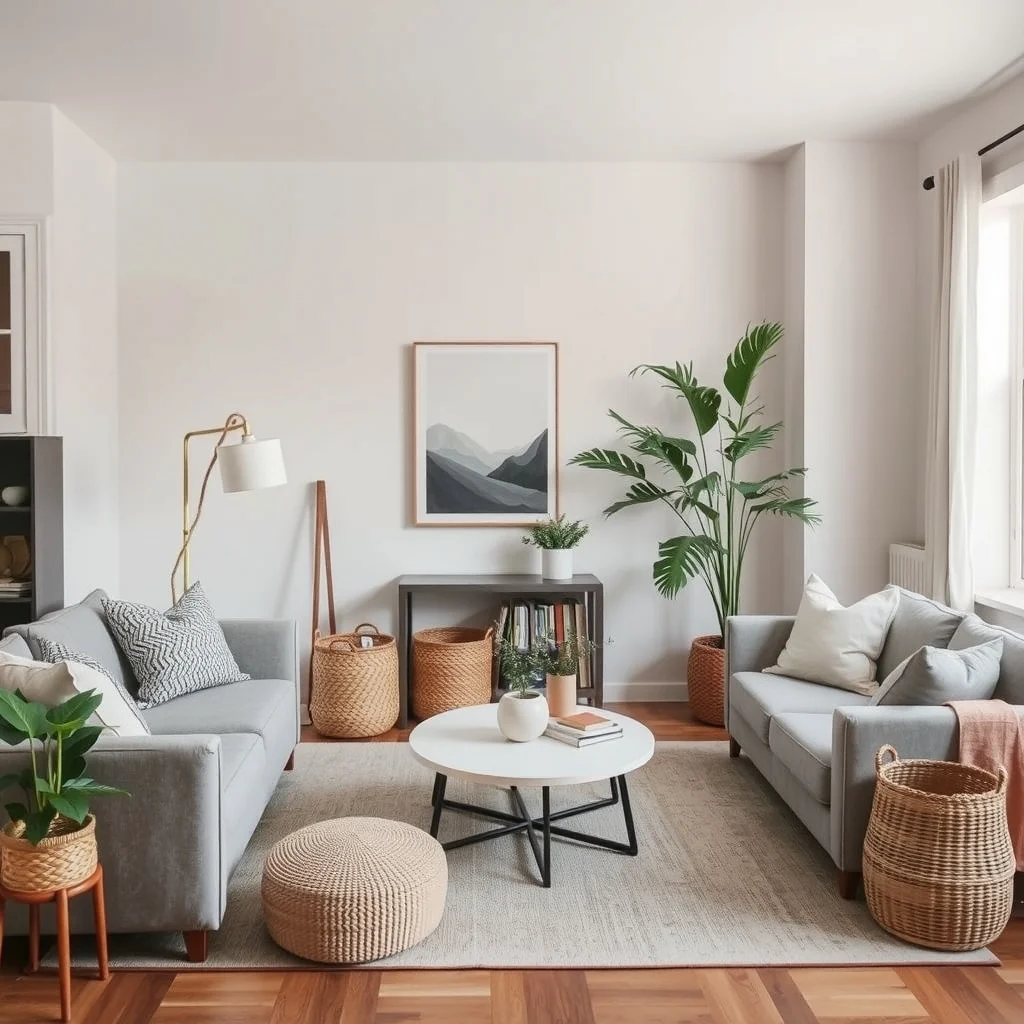
5. Incorporate Decorative Baskets and Bins that Blend with the Palette
This image is by AI for inspiration only.
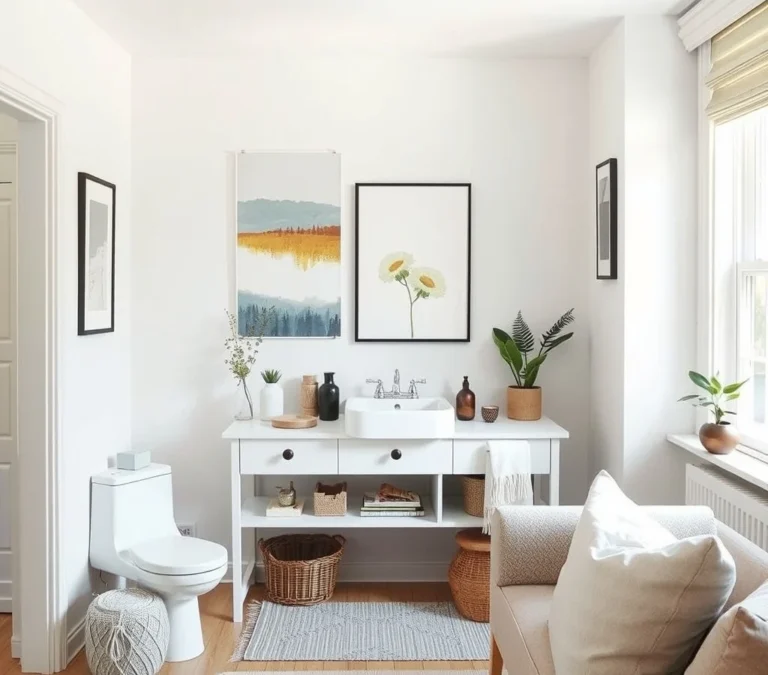
Strategically placed woven baskets can absorb visual noise while adding texture to the room. A set of medium‑sized baskets in natural rattan or muted linen works well on a sideboard, under the coffee table, or beside the armchair. By assigning each basket a purpose—one for mail, another for gaming accessories—you create order without visible chaos. The baskets’ open weave allows dust to settle lightly, making cleaning straightforward. Pair them with a subtle rug in a complementary shade, such as a soft terracotta or cool slate, so the baskets feel like an extension of the floor treatment rather than an afterthought. The trade‑off is that open baskets don’t conceal items from view completely, so they are best for objects you don’t mind being partially exposed.
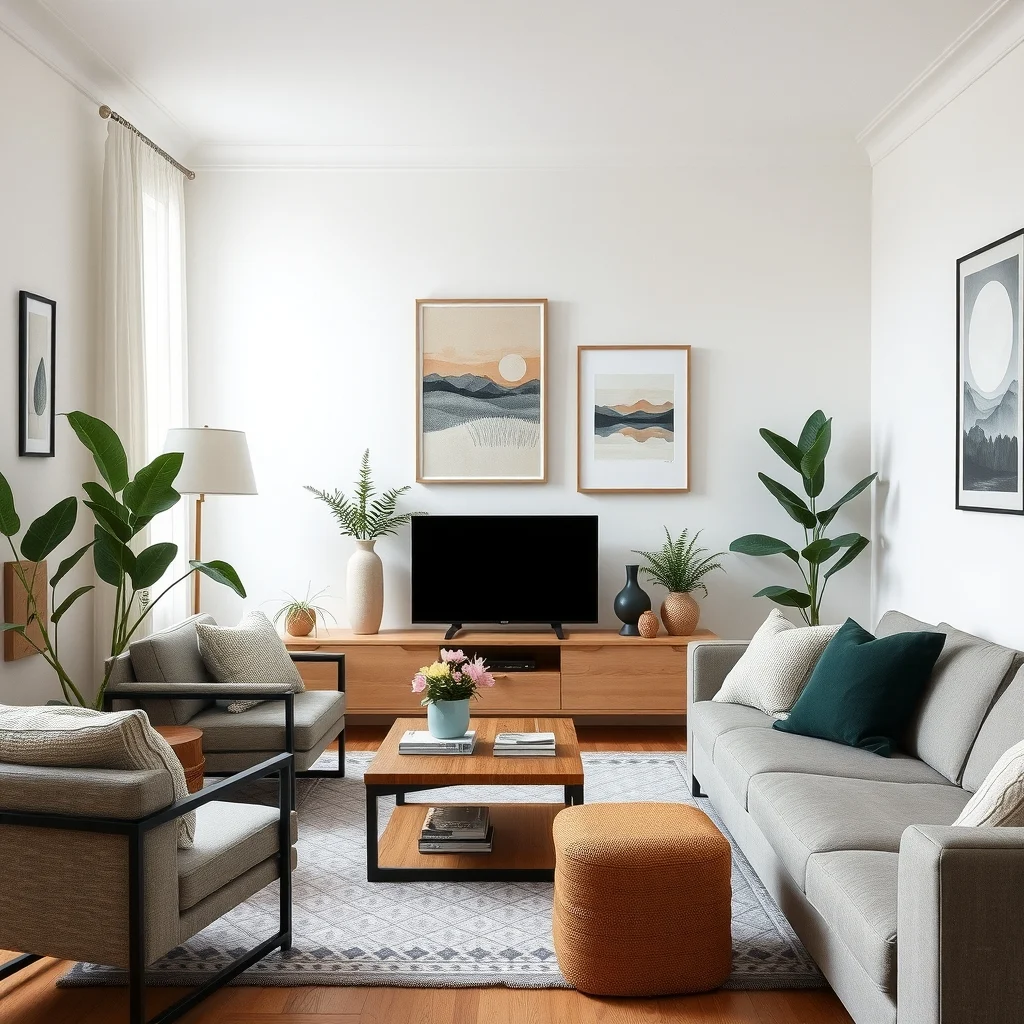
6. Add a Slim Media Console with Concealed Cable Management
This image is by AI for inspiration only.
Even in a tiny living room, a media console can serve as a command center for electronics, games, and décor. Select a console that is no deeper than twelve inches, with doors that hide the TV and a back panel equipped with cable channels. This design prevents a tangle of cords from spilling onto the floor, which not only looks neater but also reduces tripping hazards. A console finished in matte white or charcoal keeps the piece understated, allowing decorative items like a small sculpture or a vase of fresh herbs to become focal points. When the console includes a couple of shallow drawers, you gain additional storage for remote batteries, spare HDMI cables, or a handful of board game pieces. The main limitation is that a console occupies wall space, so ensure it does not block windows or the flow of traffic.
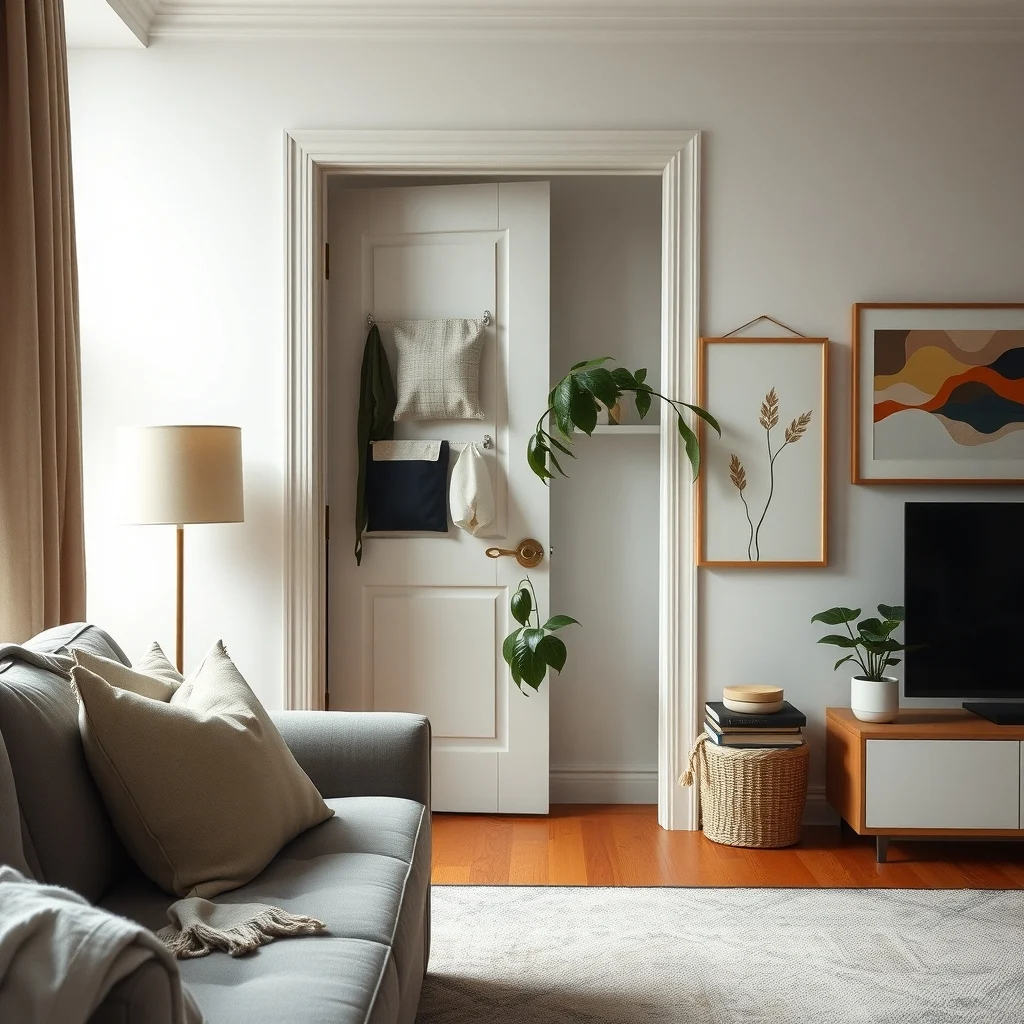
7. Leverage the Space Behind Doors with Slim Hanging Organizers
This image is by AI for inspiration only.
The narrow gap between a door and its frame often goes unused, yet a slim hanging organizer can transform that slice of wall into a functional storage zone. Fabric pockets or metal slats with hooks can hold lightweight items such as a set of coasters, a small notebook, or a pair of headphones. Installing the organizer at shoulder height keeps the items out of sight while remaining accessible. Choose a finish that echoes the room’s hardware—brushed nickel or oil‑rubbed bronze—to maintain visual cohesion. Because the organizer is thin, it does not interfere with the door’s swing, making it suitable for both interior and exterior doors. The downside is limited capacity; it works best for a handful of items rather than bulkier objects.
Frequently Asked Questions
This image is by AI for inspiration only.
How can I keep my living room tidy without buying a lot of new furniture?
You can start by repurposing existing pieces—add storage bins to a coffee table or use the space under a sofa with a low‑profile drawer.
What type of lighting helps a small living room feel less cluttered?
Layered lighting that includes a soft overhead fixture, a floor lamp near the seating area, and a table lamp on a sideboard creates depth and draws attention away from any remaining items.
Are there budget‑friendly ways to add hidden storage?
Yes, inexpensive woven baskets, DIY floating shelves made from reclaimed wood, and adhesive hooks for hanging organizers can provide concealment without a major investment.
Can I hide cords and chargers without professional help?
Simple cable clips, adhesive channel organizers, and a cord box placed behind a media console can keep wires organized safely.
Is it okay to store books on the floor in a small room?
Storing books on low shelves or within decorative bins is preferable because floor storage can make the room feel heavier and increase dust accumulation.
Final Thoughts
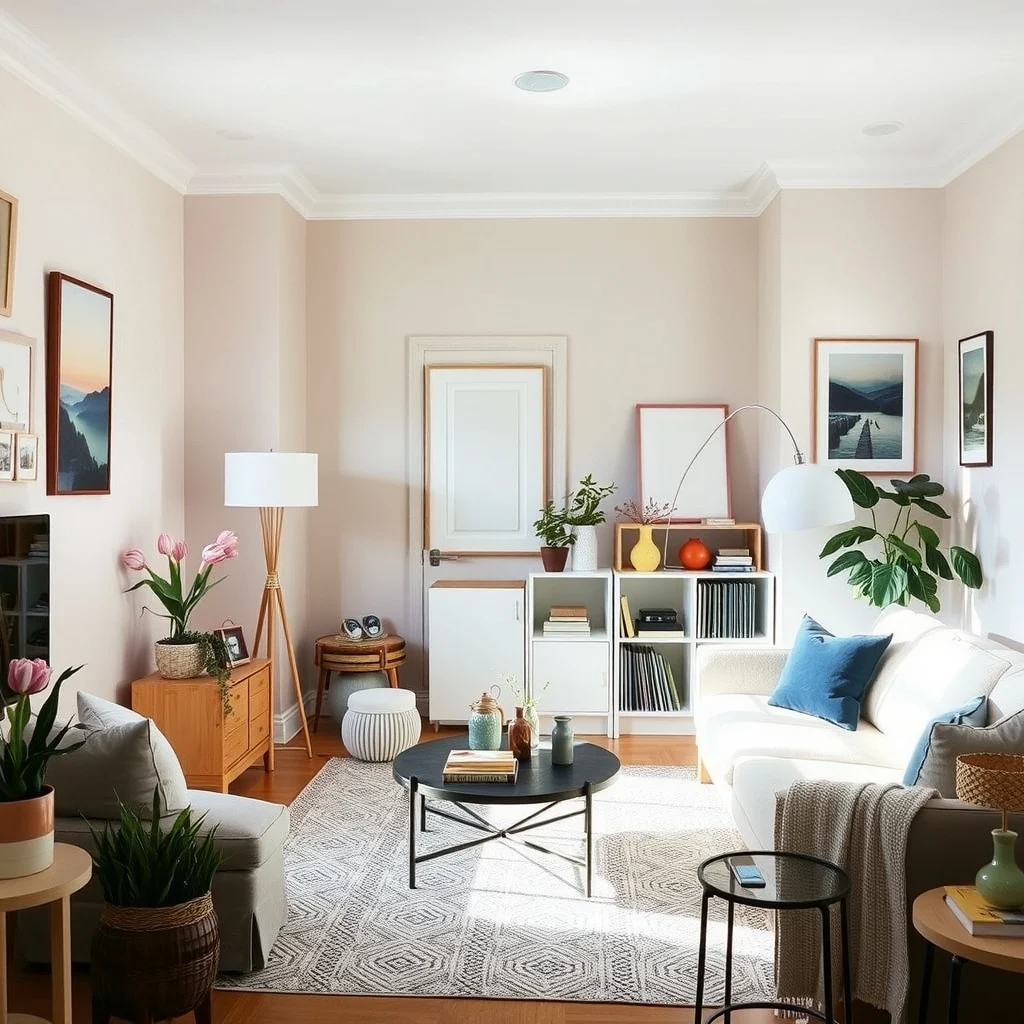
This image is by AI for inspiration only.
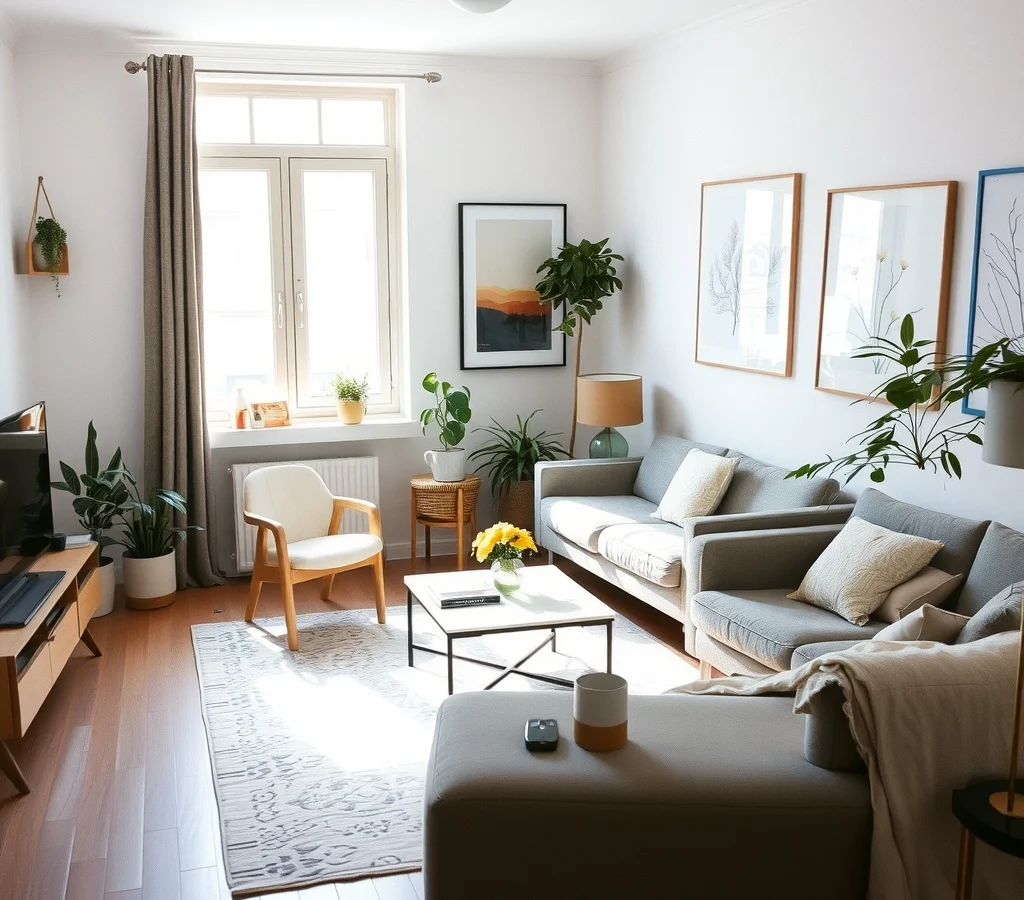
Creating a clutter‑free living room in a small apartment is less about eliminating items and more about giving them a thoughtful home within the space. By selecting furniture that doubles as storage, using vertical solutions like floating shelves, and integrating subtle organizers that match your color scheme, you can keep daily necessities out of sight while preserving a welcoming atmosphere. Each of the seven ideas above offers a different balance of style, function, and budget, allowing you to mix and match based on the room’s layout and your personal habits. With a little planning, the living room can become a calm, organized hub that feels larger than its square footage suggests.