How to Organize a Shared Bedroom Closet Efficiently

When two people share a closet, the daily routine can feel like a game of Tetris—clothes, shoes, and accessories compete for the same limited space. A well‑thought‑out system not only keeps the room looking tidy, it also reduces the time spent hunting for a favorite sweater or a pair of boots. Below you’ll find seven practical ideas that turn a cramped shared closet into a functional, visually calm part of the bedroom. Each suggestion considers the way light falls on the doors, the durability of materials, and the habits that develop when two occupants rely on the same storage area.
1. Map the Closet and Identify Personal Zones
This image is by AI for inspiration only.
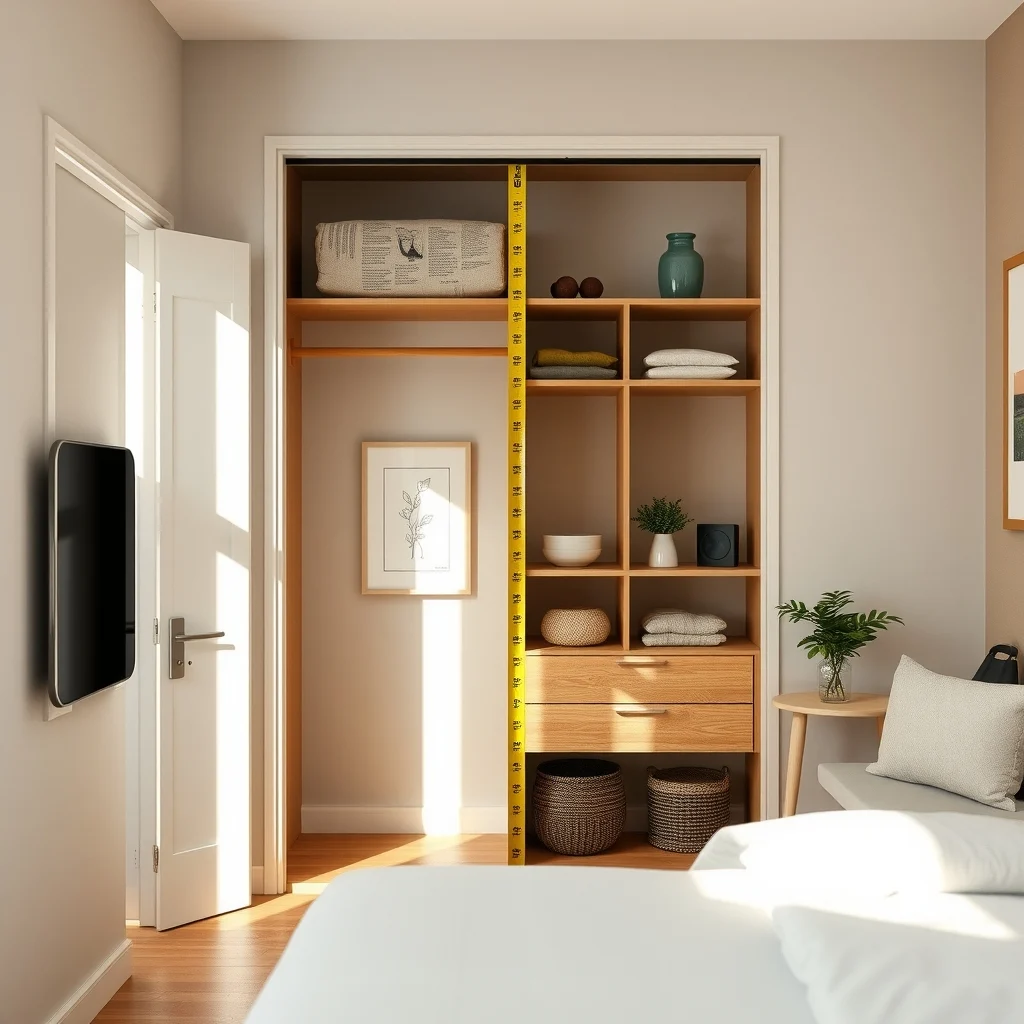
Before any bins or rods are installed, walk the length of the closet with a measuring tape and note the exact dimensions of each shelf, the height of the hanging bar, and any built‑in obstacles such as a slanted ceiling. Sketching a simple floor plan on graph paper helps you see where each person’s belongings could live without constantly stepping on each other’s shoes. By assigning one side of the closet to each occupant, you create visual boundaries that reduce accidental mix‑ups. The downside is that strict side‑by‑side division can feel limiting if one person has a significantly larger wardrobe; in that case, a shared central zone for items like seasonal coats can balance the load.
2. Install Adjustable Hanging Rods for Flexible Storage
This image is by AI for inspiration only.
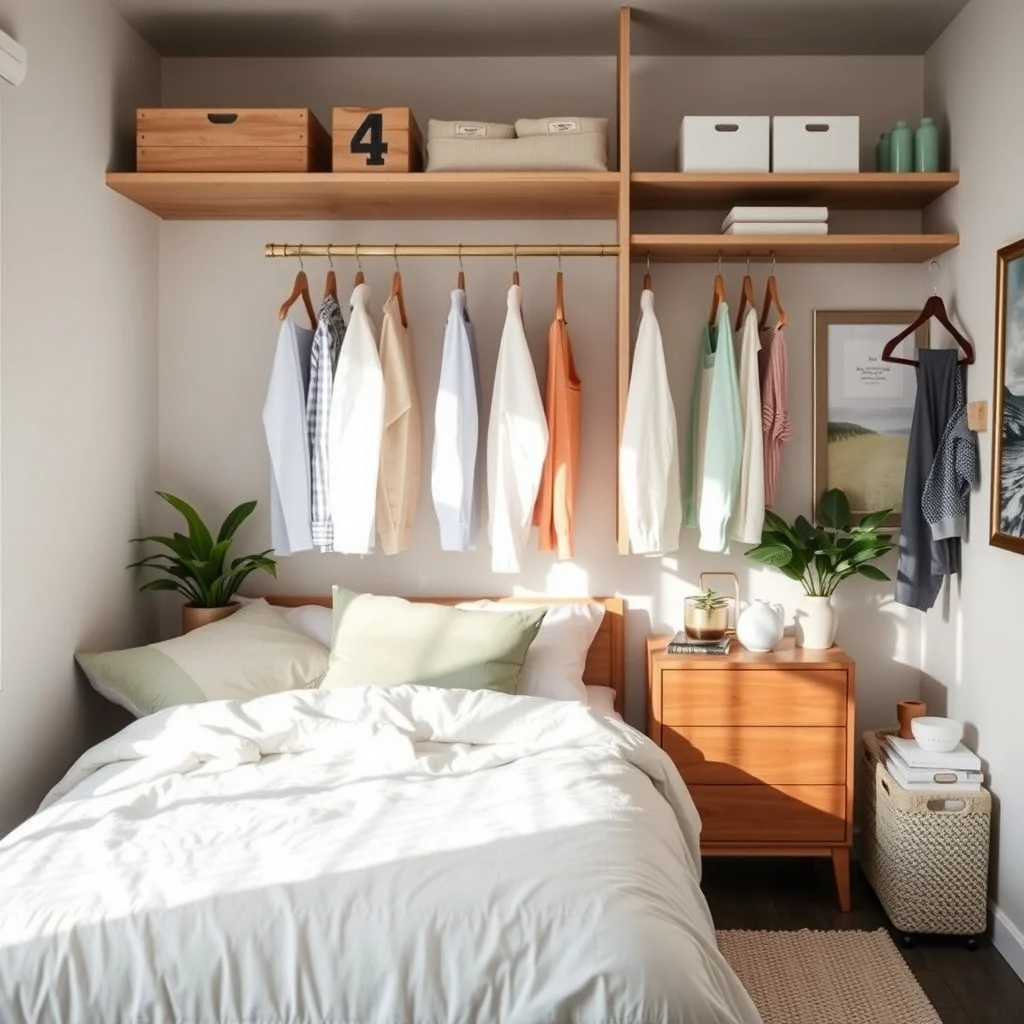
Standard fixed rods often force you to choose between short shirts or long dresses, but a set of telescoping rods that slide up and down lets you customize the vertical space for each category. For example, raising a rod to accommodate a pair of long coats frees a lower level for folded sweaters, while a lower rod works well for cropped tops. The metal finish resists rust in humid rooms, and the ability to reposition the rods means you can adapt the closet as fashion trends shift. The trade‑off is a modest upfront cost and the need to tighten the brackets periodically to keep the rods level.
3. Use Clear Bins with Labeled Inserts for Small Items
This image is by AI for inspiration only.
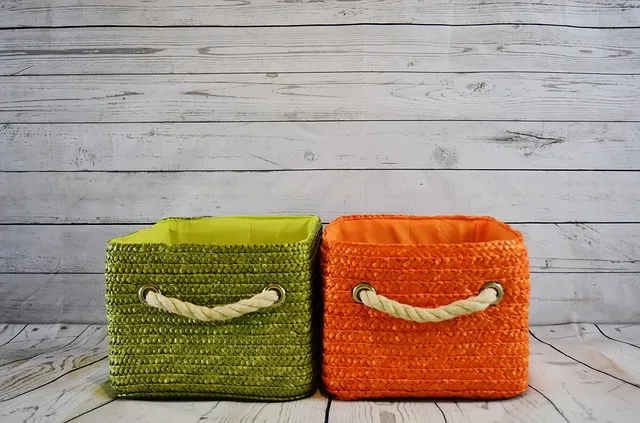
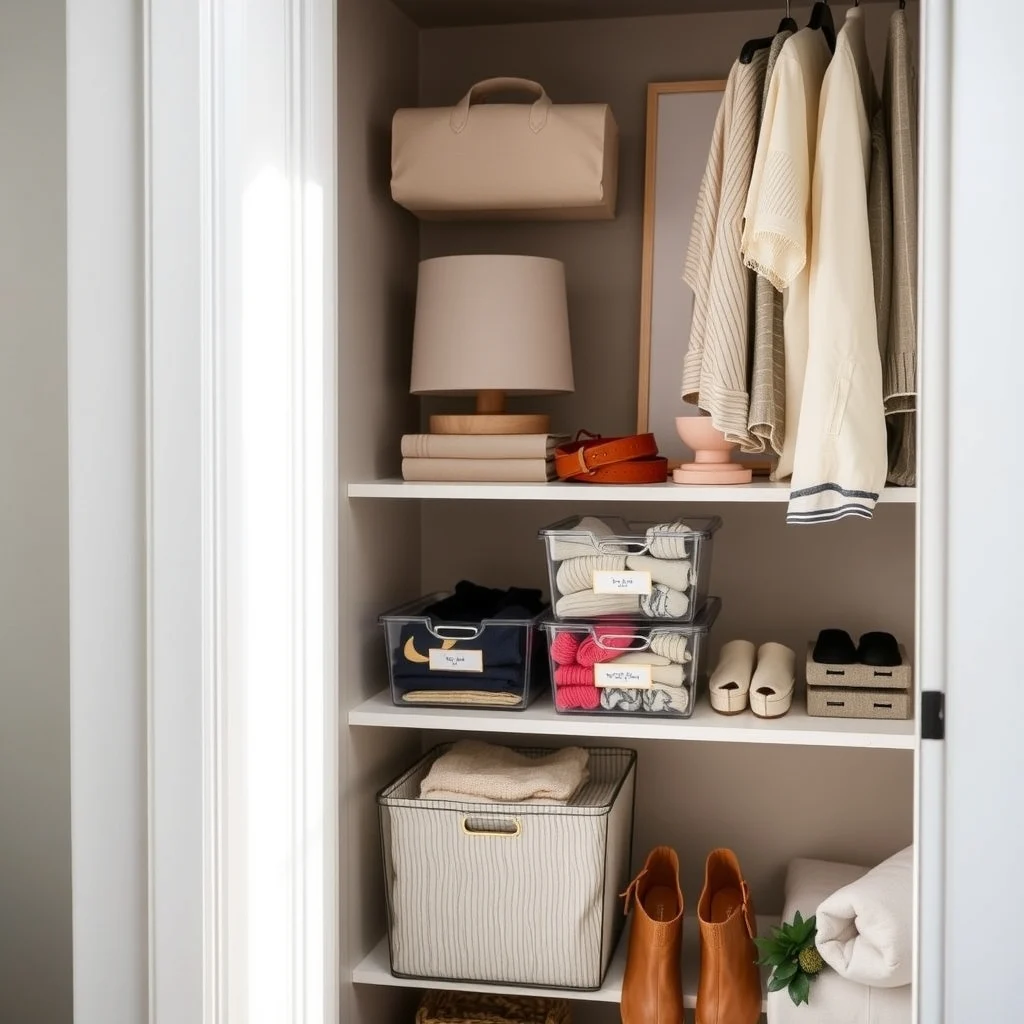
Accessories such as scarves, belts, and socks disappear quickly in a shared space, so transparent storage containers placed on the lower shelves become a visual cue for what belongs where. Adding a thin cardstock label inside each bin—written in a matching ink color—helps both users locate items without opening every box. Acrylic or sturdy PET plastic tolerates the occasional bump and can be wiped clean with a damp cloth. If you prefer a softer aesthetic, fabric‑covered bins in a muted sage hue blend with the wall, though they hide the contents and may require an extra label on the outside.
4. Add a Pull‑Out Shoe Rack That Slides Into the Depth
This image is by AI for inspiration only.
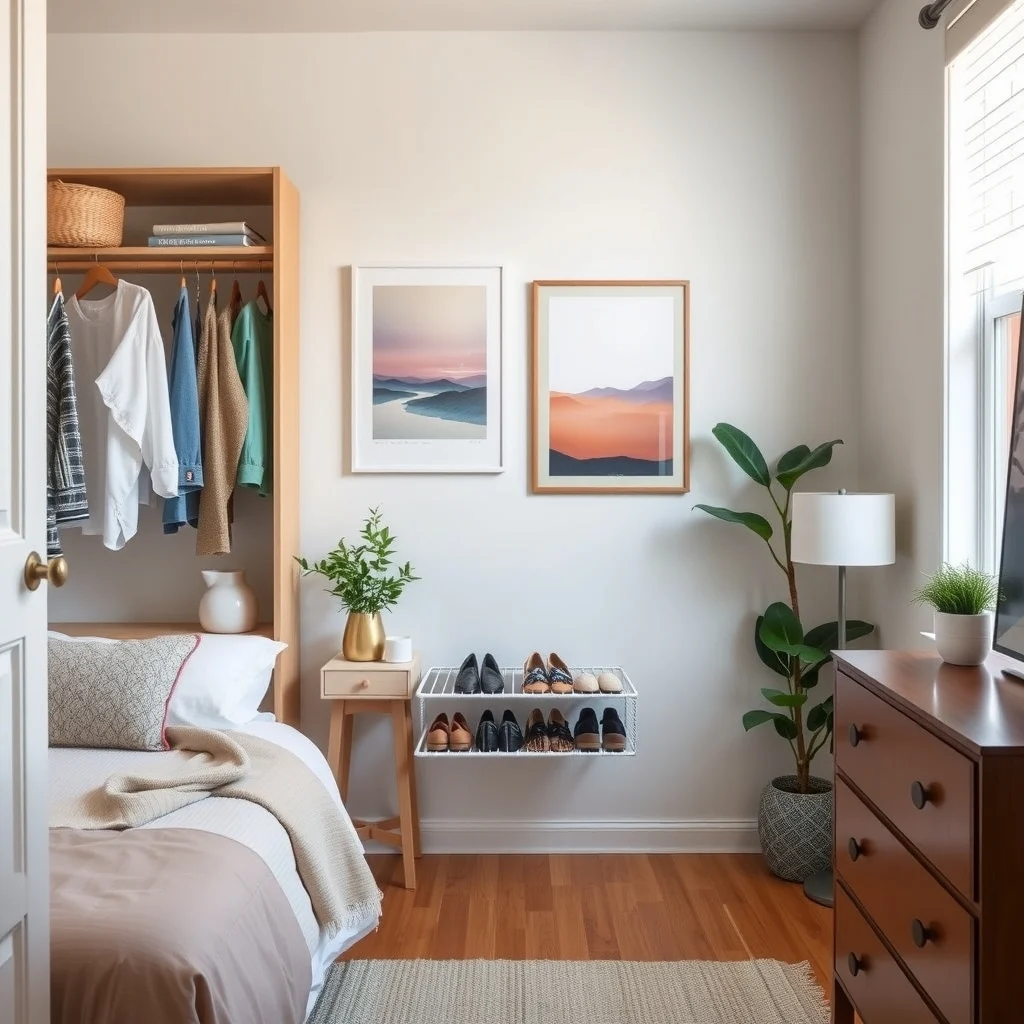
Shoes are the most common source of clutter, especially when the closet depth is limited. A narrow pull‑out rack that fits snugly between the back wall and the hanging rod provides a dedicated slot for daily footwear while keeping the floor clear for larger bags. The rack can be built from powder‑coated steel, which resists scratches, and the sliding mechanism operates smoothly with a low‑friction nylon glide. One limitation is that very high heels or bulky boots may still need to be stored on the top shelf, so keep a small open bin for occasional oversized items.
5. Incorporate a Lighted Shelf to Highlight Frequently Used Pieces
This image is by AI for inspiration only.
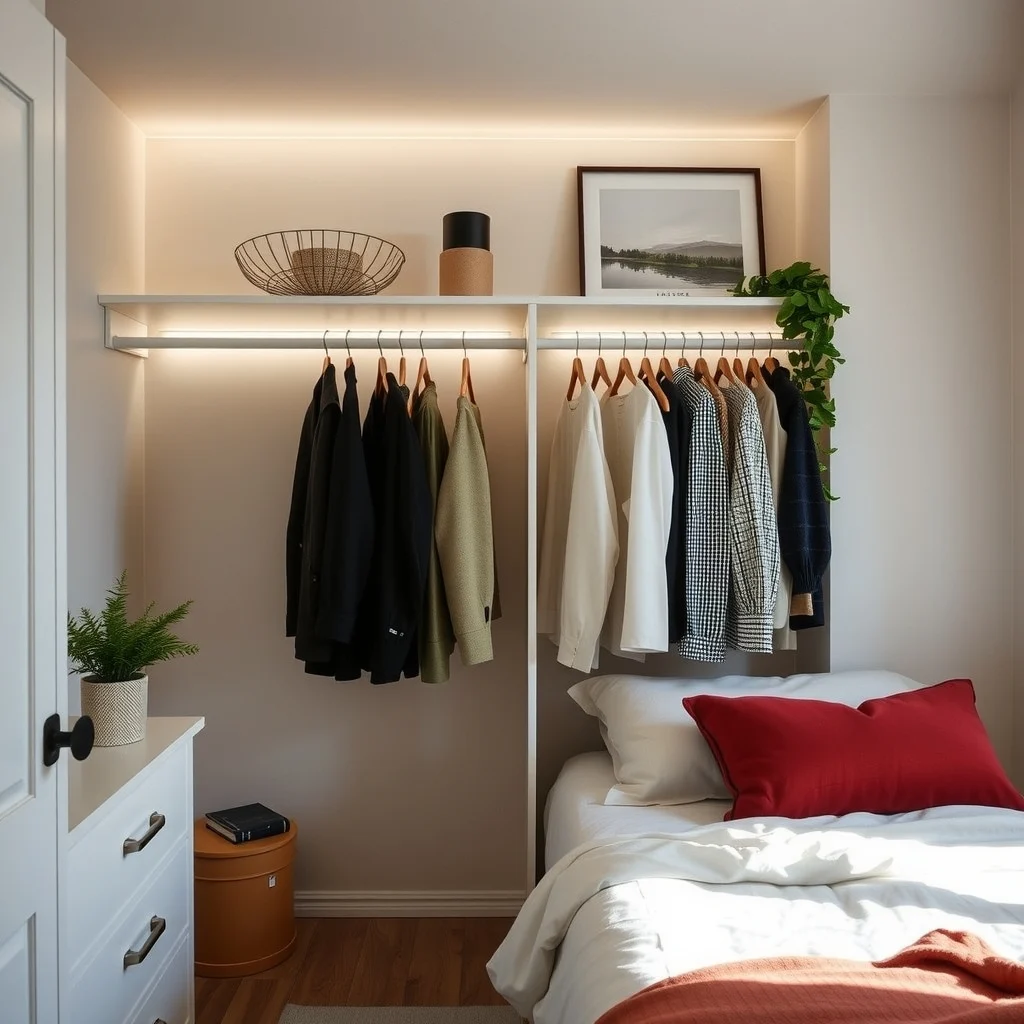
Soft LED strips installed beneath the upper shelf cast a gentle glow that makes it easy to spot a favorite blazer after the lights go out. The diffused light also reduces shadows when you’re pulling items from the back of the closet, which can prevent accidental spills of laundry detergent or makeup. Because LEDs generate little heat, they are safe to mount near fabric. However, wiring should follow the manufacturer’s instructions, and if you’re renting, a battery‑operated strip with adhesive backing offers a reversible solution.
6. Choose a Cohesive Color Palette for Closet Interiors
This image is by AI for inspiration only.
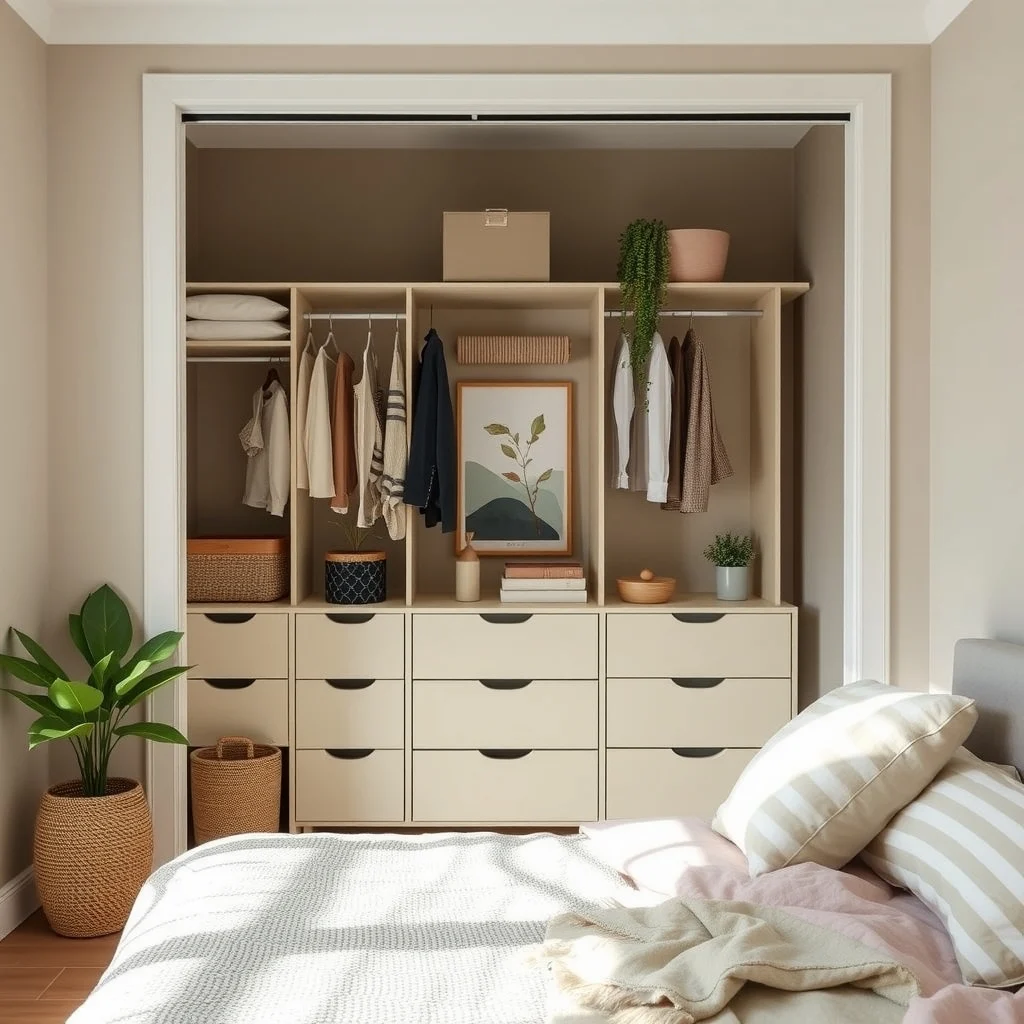
Painting the interior walls of the closet in a light, neutral shade such as soft greige creates an airy feel that makes the space appear larger. Complementary storage accessories in the same tone reinforce a calm aesthetic and reduce visual noise when the doors are open. If the bedroom already features a bold accent wall, mirroring that color inside the closet can tie the two areas together. The only caution is that darker colors may hide dust, requiring a more regular wipe‑down routine.
7. Establish a Seasonal Rotation Routine
This image is by AI for inspiration only.
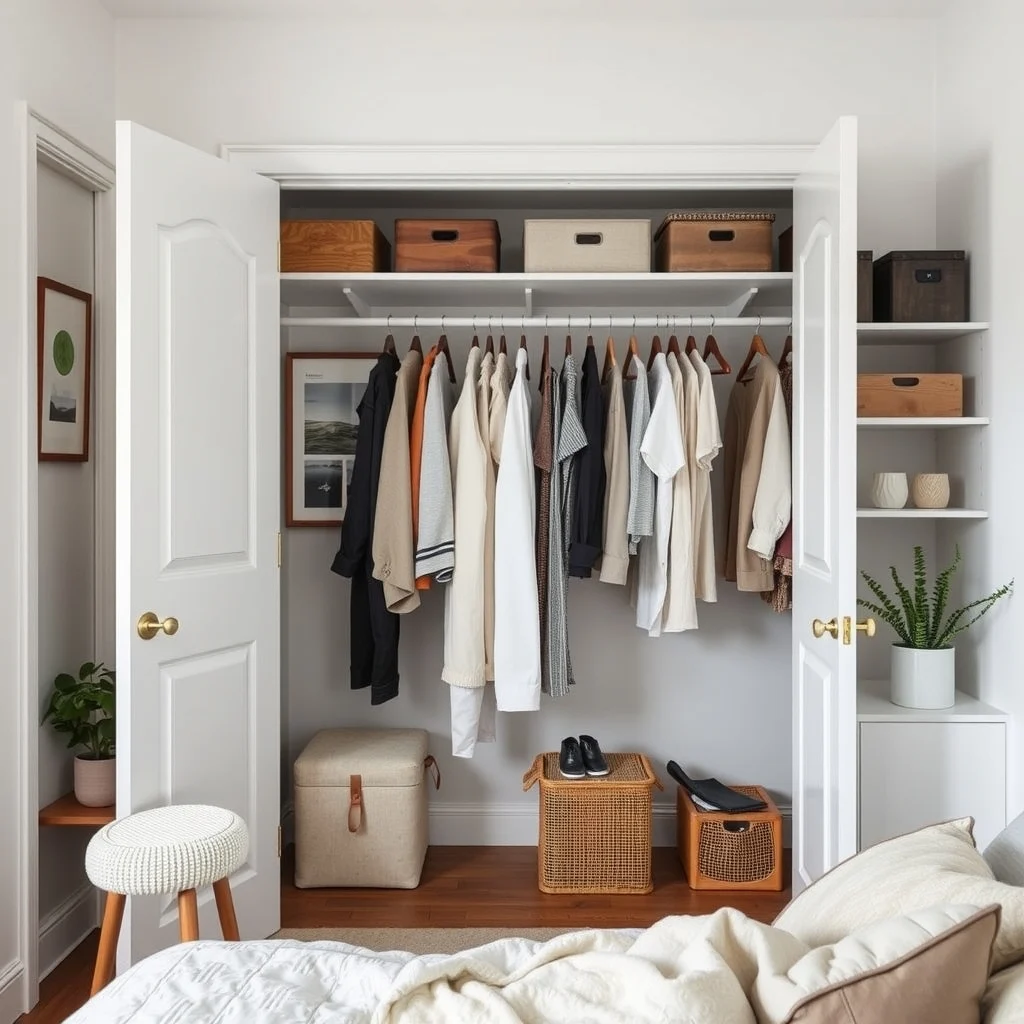
At the start of each season, set aside a weekend to move off‑season clothing to a separate storage bin or under‑bed box. This practice frees up valuable hanging space for current wardrobes and keeps the closet from becoming a permanent overflow zone. Using clear, stackable containers labeled with the season allows you to store items out of sight while still seeing at a glance what’s waiting for the next change. The downside is the extra effort required twice a year, but the payoff is a consistently tidy closet that both occupants can rely on.
FAQ
This image is by AI for inspiration only.
How can I keep my shared closet from becoming a mess?
Set clear zones, use adjustable rods, and adopt a seasonal rotation habit. These steps give each person defined space and prevent items from piling up unchecked.
What type of lighting works best inside a closet?
Battery‑operated LED strips that attach with adhesive are easy to install and provide enough illumination to see details without harsh glare. Choose a low‑profile strip that runs along the upper shelf for even light distribution.
Are clear storage bins worth the extra cost?
Yes, because they let you see contents at a glance, reducing the time spent rummaging. The transparency also encourages you to keep the bins organized, as clutter is immediately visible.
Can I install a pull‑out shoe rack myself?
Most kits come with pre‑drilled holes and simple instructions, making a DIY installation feasible for a homeowner with basic tools. If you’re unsure about mounting into a stud, a small anchor can provide sufficient support for light footwear.
What’s a good way to label bins without buying expensive label makers?
Print labels on cardstock using a regular printer, cut them to size, and slide them into the bin’s interior. A matching ink color blends with the bin material and looks tidy.
Final Thoughts
This image is by AI for inspiration only.
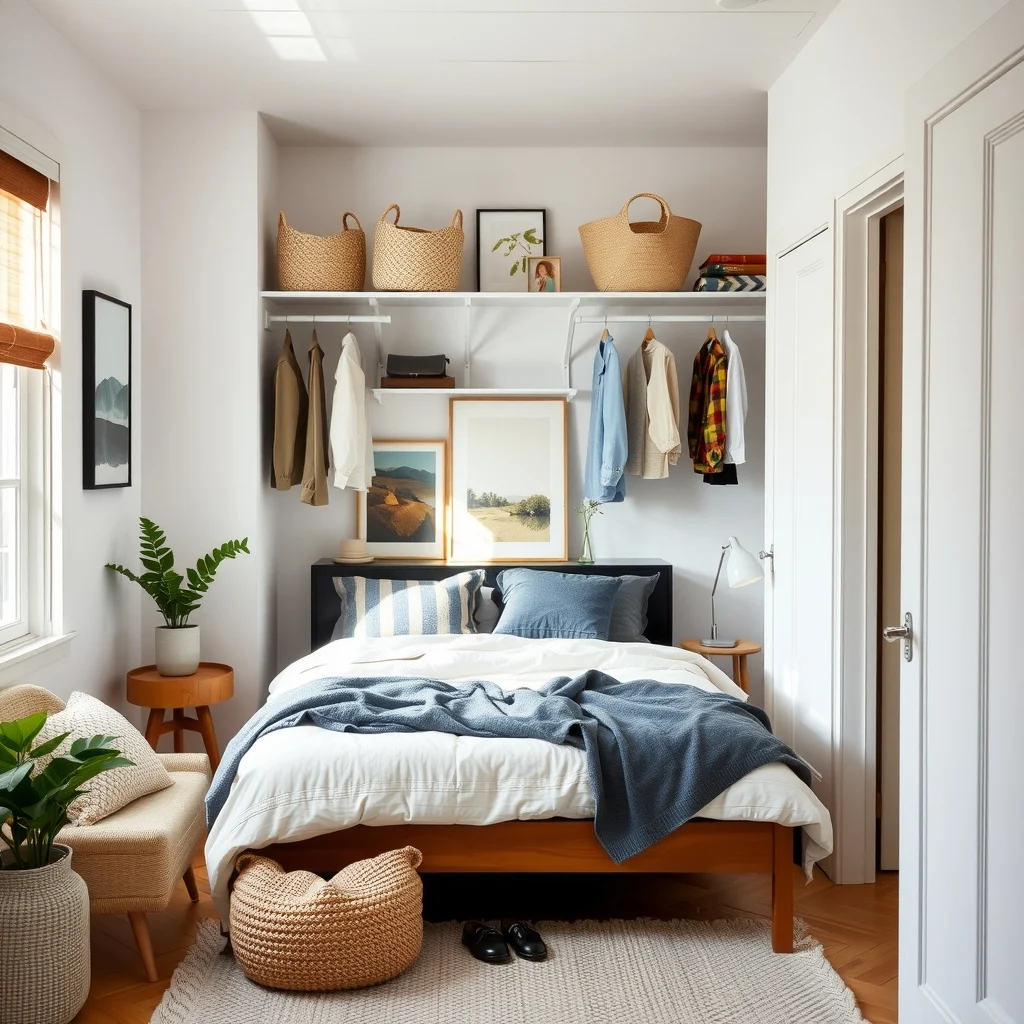
Sharing a closet doesn’t have to mean sacrificing order or style. By measuring the space, installing adaptable hardware, and choosing storage solutions that suit both occupants, you create a system that feels natural and lasts through changing wardrobes. A little planning now saves countless minutes of searching later, and the visual calm of an organized closet contributes to a more relaxed bedroom atmosphere. Treat the closet as an extension of the room’s design, and you’ll find that efficiency and aesthetic harmony can coexist beautifully.