How to Create an Entryway When Your Apartment Has None

Living in a studio or an open‑plan apartment often means the front door opens straight into the living space, leaving no dedicated spot to drop keys, greet guests, or collect coats. Without a built‑in foyer, the hallway can feel chaotic, and the first impression of your home may suffer. The good news is that a functional entry zone can be assembled from a few thoughtful pieces and a bit of layout imagination. Below are seven ideas that turn an otherwise blank wall or corner into a welcoming, organized entryway without sacrificing valuable floor space.
1. Choose a Small Console as a Visual Anchor
This image is by AI for inspiration only.
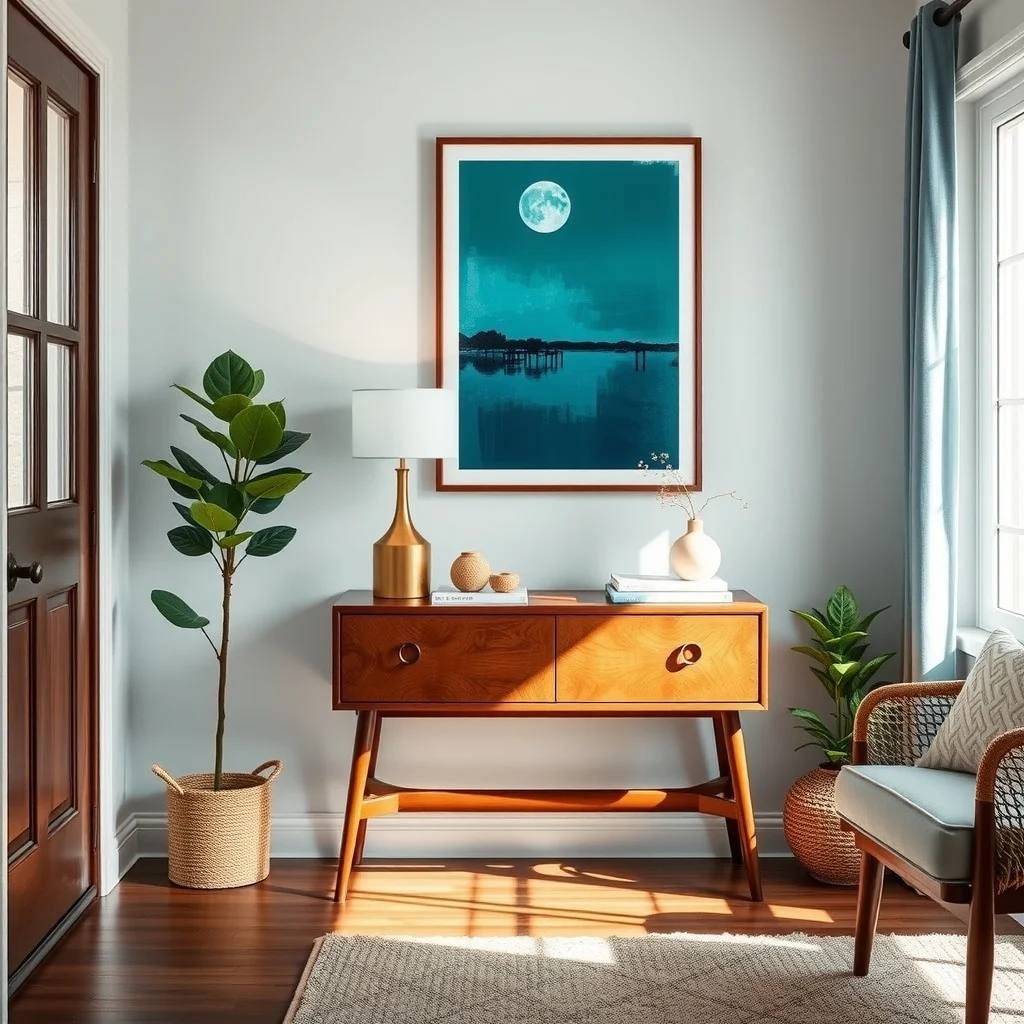
Even a narrow console table, just 30 inches wide, can become the centerpiece of a makeshift entryway. Position it against the wall nearest the door, ensuring it does not block the flow of traffic. A piece in light oak or brushed metal adds a subtle line that separates the entry from the rest of the room, giving the eye a place to rest. The top surface is perfect for a bowl of keys, a decorative tray, or a small vase of greenery, while the lower shelf offers hidden storage for mail or a spare umbrella. Because the console is low to the floor, it keeps the visual weight minimal and doesn’t dominate a compact layout. If the space feels tight, consider a wall‑mounted floating console; the same functionality is achieved without sacrificing floor area.
2. Install a Slim Wall‑Mounted Shelf for Daily Essentials
This image is by AI for inspiration only.
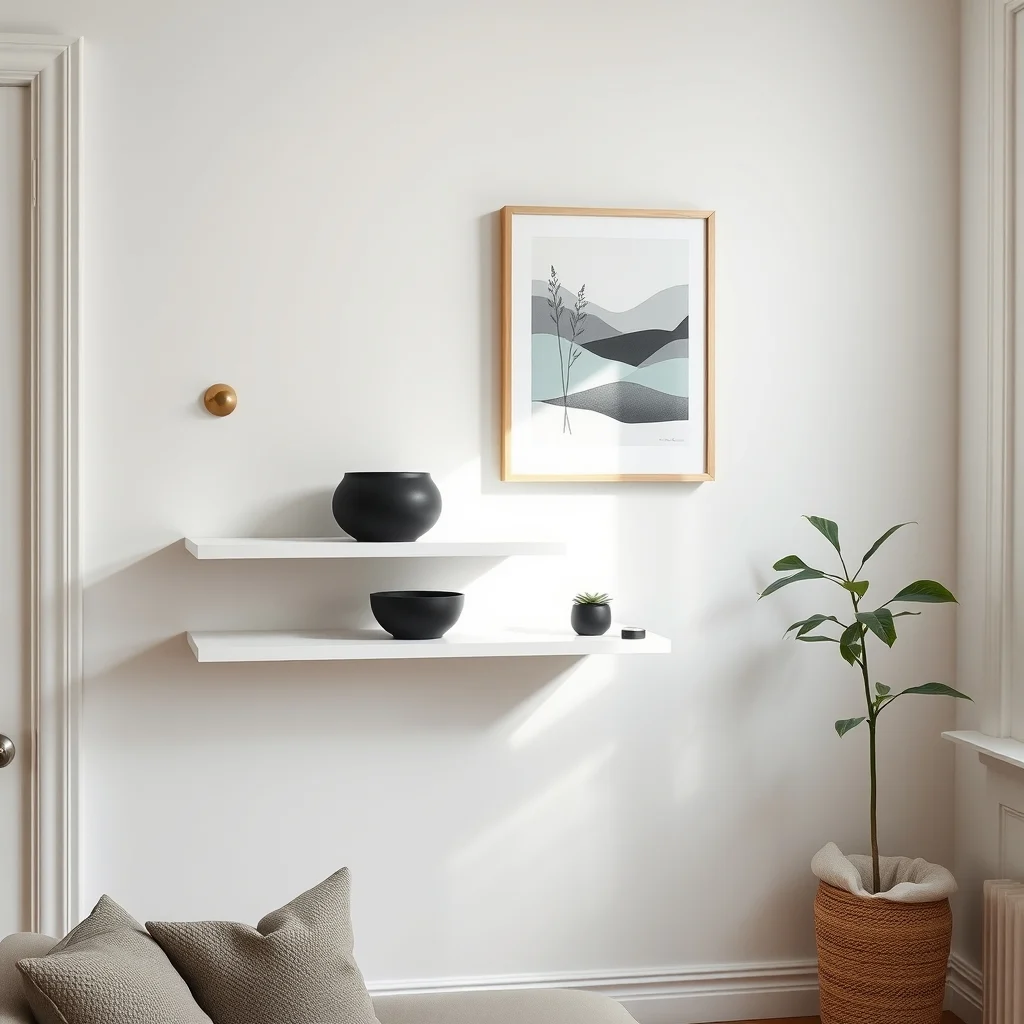
A narrow shelf, about six inches deep, mounted directly above the console or beside the door, provides a dedicated spot for items you need on the go. Choose a material that echoes the console—perhaps a reclaimed pine board with simple brackets—to create continuity. The shelf can hold a stylish tray for loose change, a small dish for sunglasses, or a decorative bowl for incoming mail. By keeping these objects off the floor, you reduce clutter and make cleaning easier. The open design also prevents the area from feeling closed in, which is essential in a room that serves multiple functions. If you prefer a softer look, a wooden board with a brushed finish can be paired with woven baskets that hide the contents while adding texture.
3. Add a Hook System that Blends with the Décor
This image is by AI for inspiration only.
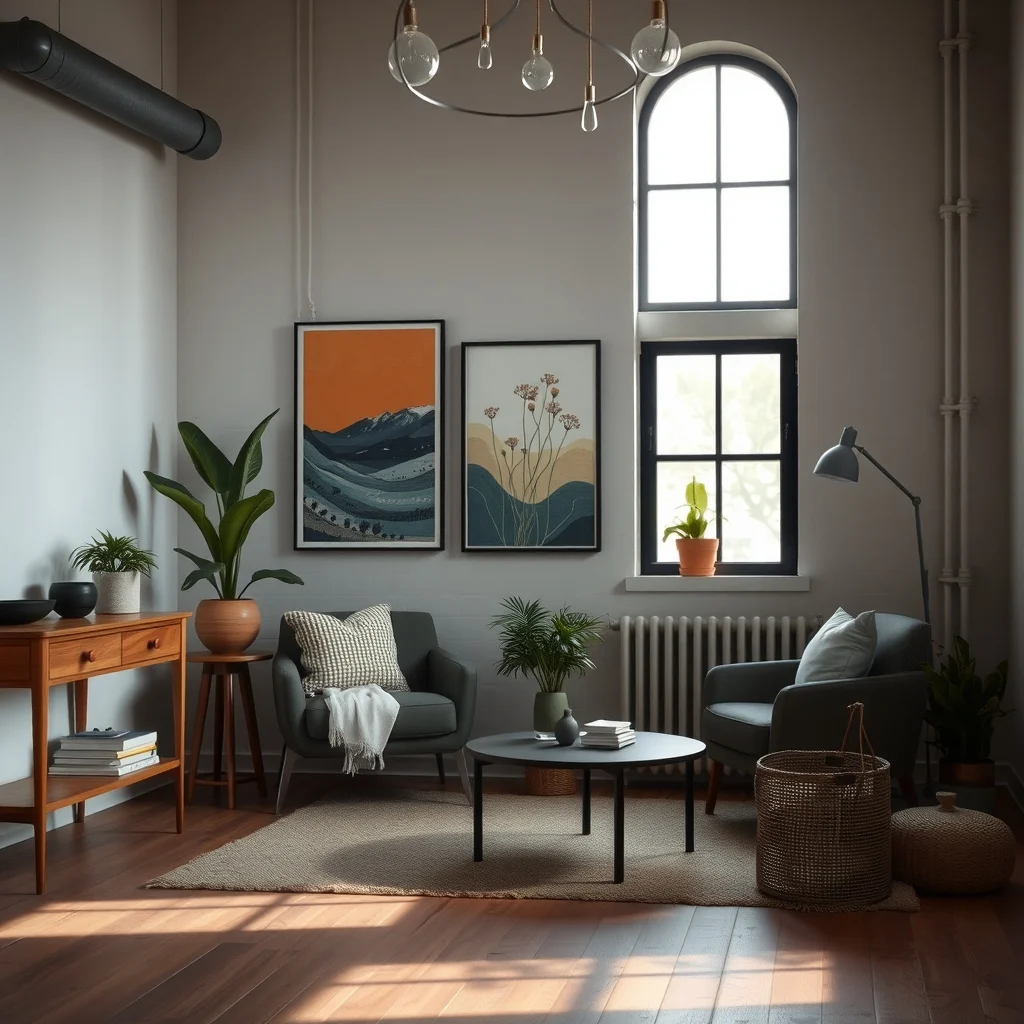
Hooks are the simplest way to manage coats, bags, and hats, but they can quickly become an eyesore if chosen without care. Opt for a series of slim, matte‑black or brushed‑brass hooks mounted in a staggered line, or a decorative wall rack with integrated shelving. The key is to align the hooks with the height of an average adult’s reach—around 60 inches—so that items are easy to hang without bending. When the entryway doubles as a small sitting area, a single low hook can hold a tote while a higher one accommodates a winter coat. Selecting hooks that match other metal accents in the room, such as lamp bases or picture frames, creates a cohesive look that feels intentional rather than improvised.
4. Use a Rug to Define the Entrance Zone
This image is by AI for inspiration only.
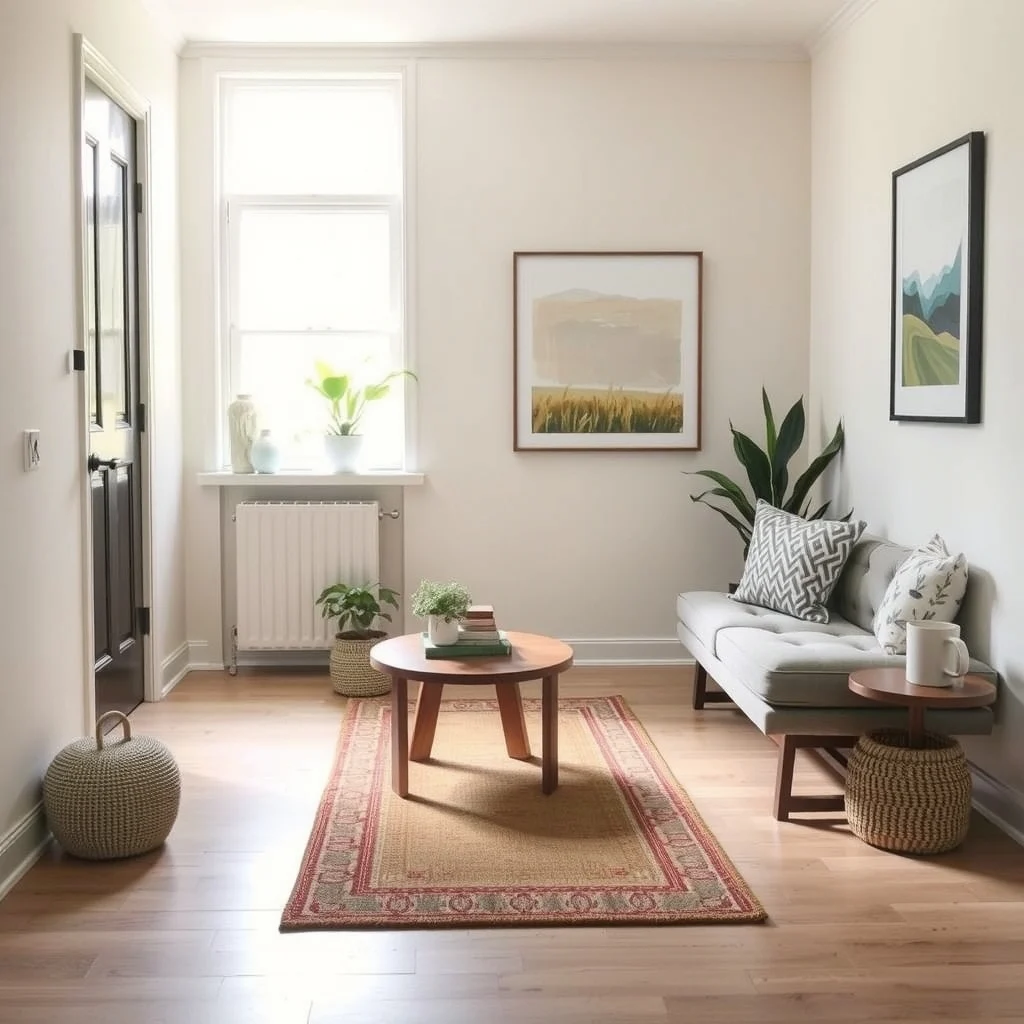
A rug placed directly in front of the door signals the transition from public to private space. Choose a low‑pile runner or a small rectangular rug that measures about 2 by 3 feet; this size provides enough surface for shoes without overwhelming the floor. Natural fibers like sisal or jute add texture and are easy to sweep, while a subtle pattern in muted greige or soft teal can hide minor footprints. The rug also protects hardwood or laminate from wear, extending the life of your flooring. If you have a pet, a rug with a low loop construction resists snagging and is simple to clean with a vacuum.
5. Incorporate a Mirror for Light and Perception
This image is by AI for inspiration only.
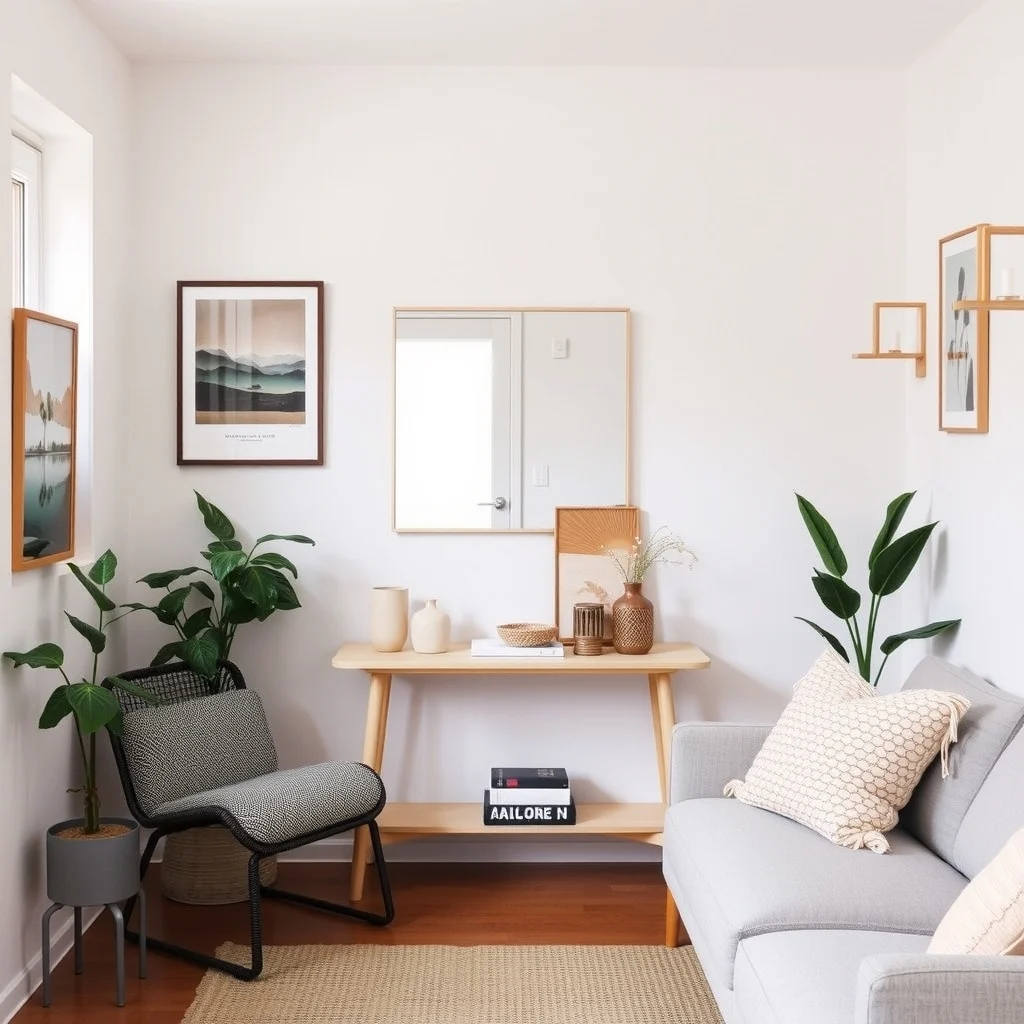
Mirrors are a classic trick for making a cramped area feel larger and brighter. Hang a rectangular mirror, roughly 24 by 36 inches, on the wall opposite the door or above the console. The reflective surface bounces natural light from any nearby windows, reducing the need for additional lamps. A framed mirror in a simple wood or metal border can double as wall art, contributing to the overall aesthetic rather than appearing purely functional. When selecting a mirror, ensure the glass is tempered for safety, especially in high‑traffic zones where it might be brushed against.
6. Layer Lighting to Create a Warm Welcome
This image is by AI for inspiration only.
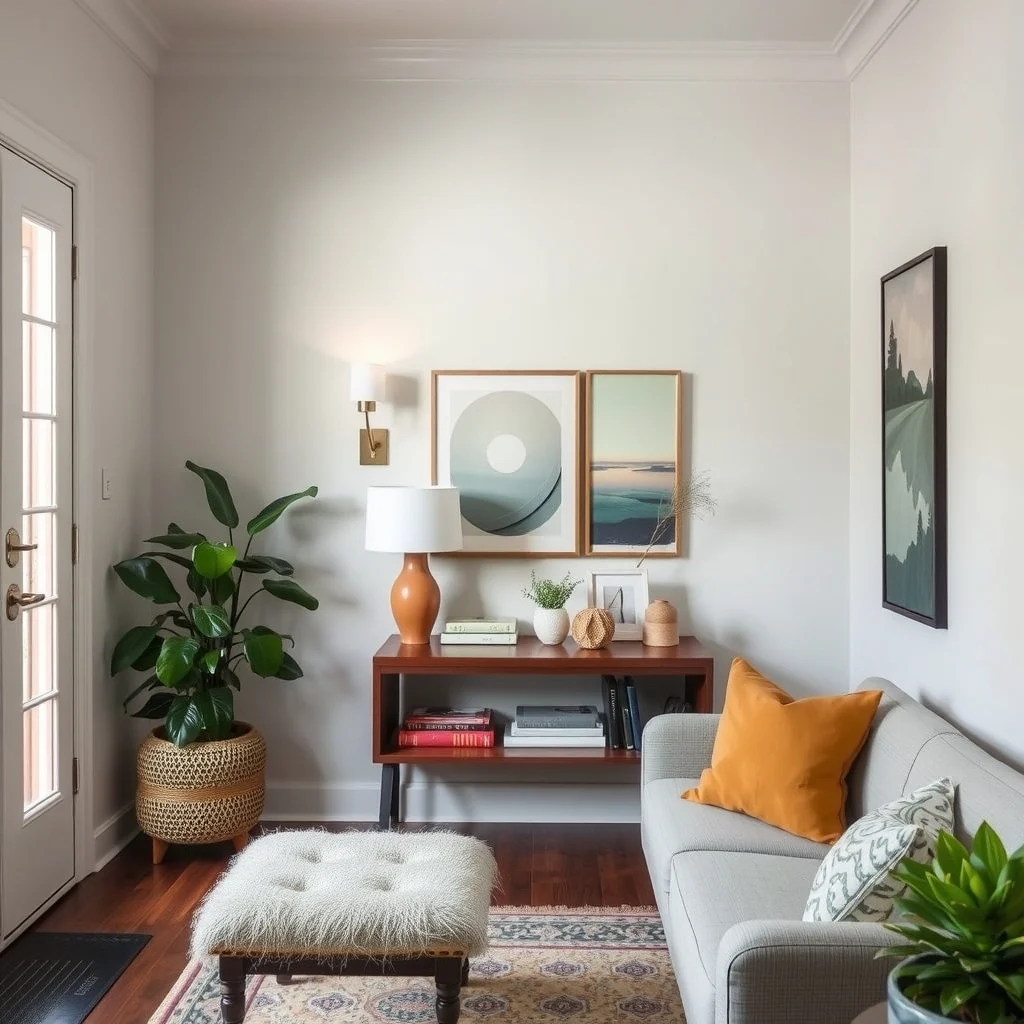
Even a modest entry area benefits from layered lighting that offers both practicality and ambiance. A wall‑sconce placed beside the console provides focused illumination for reading a label or finding a key. Choose a fixture with a frosted glass shade to diffuse the light gently, avoiding harsh glare. Complement this with a small, battery‑operated LED strip under the floating shelf; the subtle glow highlights the surface without consuming additional outlet space. If the apartment has limited electrical outlets, consider plug‑in lamps with a sleek, adjustable arm that can be positioned as needed.
7. Keep the Space Flexible with Multi‑Purpose Pieces
This image is by AI for inspiration only.
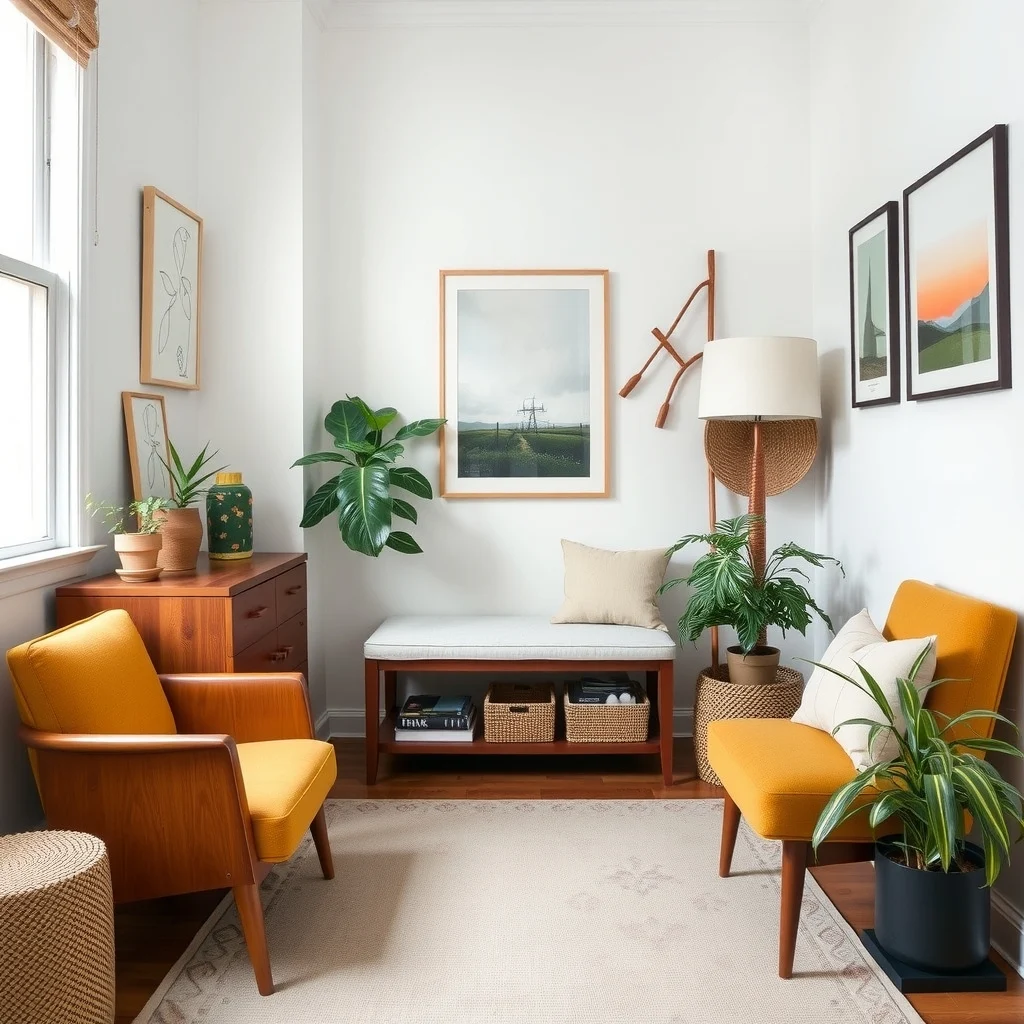
In an apartment without a dedicated foyer, every piece should serve more than one function. A narrow bench with a cushioned seat can hold shoes on top while offering a place to sit while putting on boots. Inside the bench, a lift‑top compartment stores extra scarves or seasonal accessories. Pair the bench with a slim coat rack that doubles as a decorative sculpture; when guests arrive, the rack holds their outerwear, and when they leave, it remains a visual accent. Choosing furniture with clean lines and neutral tones ensures the pieces can blend with changing décor styles, allowing the entry area to evolve without a full redesign.
FAQ
This image is by AI for inspiration only.
How can I create an entryway in a studio without taking up floor space?
Use wall‑mounted solutions such as floating consoles, narrow shelves, and hooks to keep the floor clear while still providing storage and visual organization.
What type of rug works best in a small entry area?
A low‑pile runner or a 2 by 3‑foot rug in a natural fiber like sisal offers durability and defines the space without overwhelming it.
Is it okay to hang a mirror near the front door?
Yes, a tempered glass mirror placed opposite the door reflects light and creates the illusion of a larger entry zone, enhancing both function and style.
Can I use a bench as both seating and storage?
Absolutely; a bench with a lift‑top or hidden compartment provides a place to sit while keeping shoes or seasonal items out of sight.
Do I need a dedicated electrical outlet for entry lighting?
Not necessarily; wall sconces, battery‑operated LED strips, or plug‑in lamps with flexible cords can be positioned without installing new outlets.
Final Thoughts
This image is by AI for inspiration only.
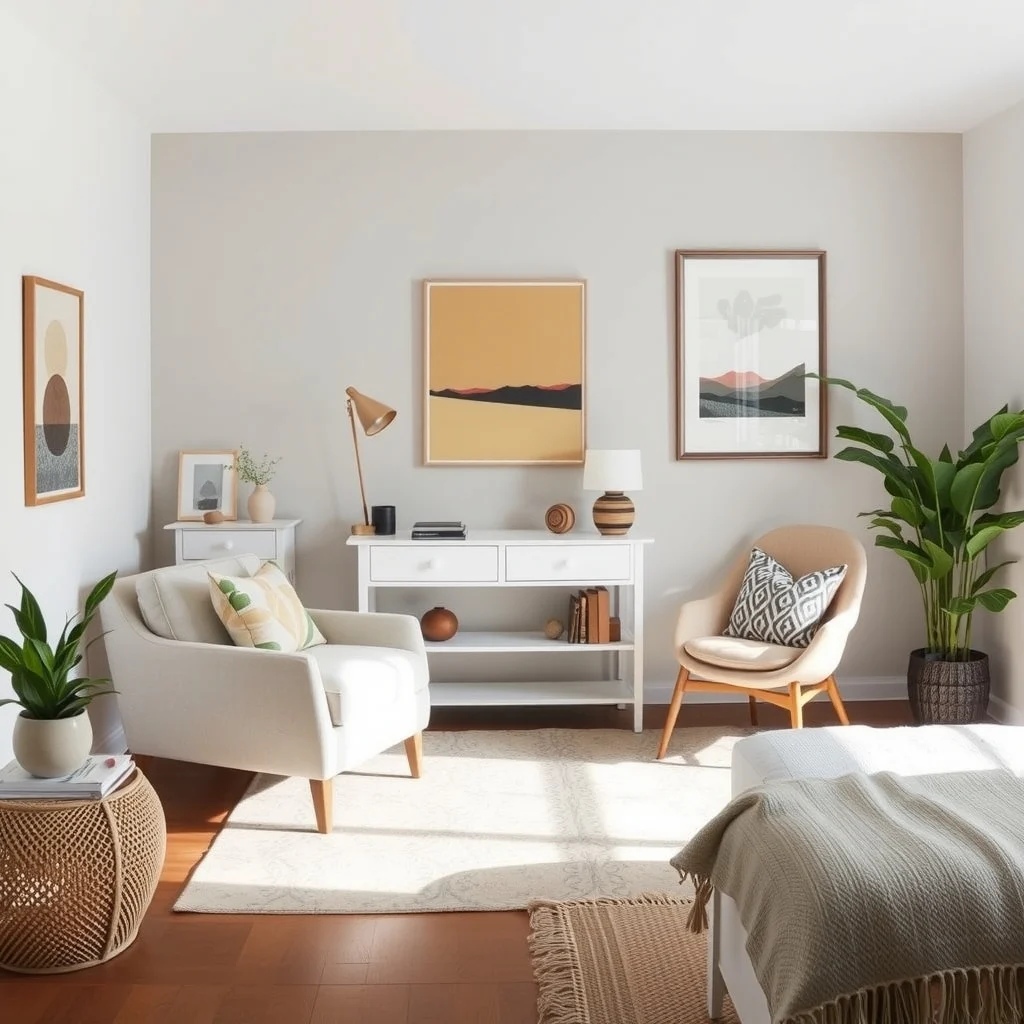
Creating an entryway in an apartment that lacks one is less about adding square footage and more about arranging what you already have in a purposeful way. By anchoring the space with a slim console, defining it with a rug, and layering storage, lighting, and reflective surfaces, you turn a bare doorway into a functional, welcoming zone. The key is to choose pieces that serve multiple roles and to keep the visual line clear so the rest of the apartment retains its openness. With these strategies, even the smallest door opening can make a confident first impression.