Under‑sink Bathroom Storage for Pipes and Awkward Spaces

Most of us have stared at the gap beneath a bathroom vanity and wondered how to make that awkward, pipe‑lined area useful without sacrificing style. The space is often too narrow for a traditional cabinet, yet it holds cleaning supplies, spare towels, and the occasional forgotten bottle. This article walks you through seven distinct approaches that turn the under‑sink zone from a neglected nook into a functional, attractive part of the room. Each idea considers the visual impact, material durability, and the practicalities of fitting around plumbing, so you can choose the solution that matches your bathroom’s aesthetic and your daily routine.
1. Custom Pull‑Out Shelves for Tight Corners
This image is by AI for inspiration only.
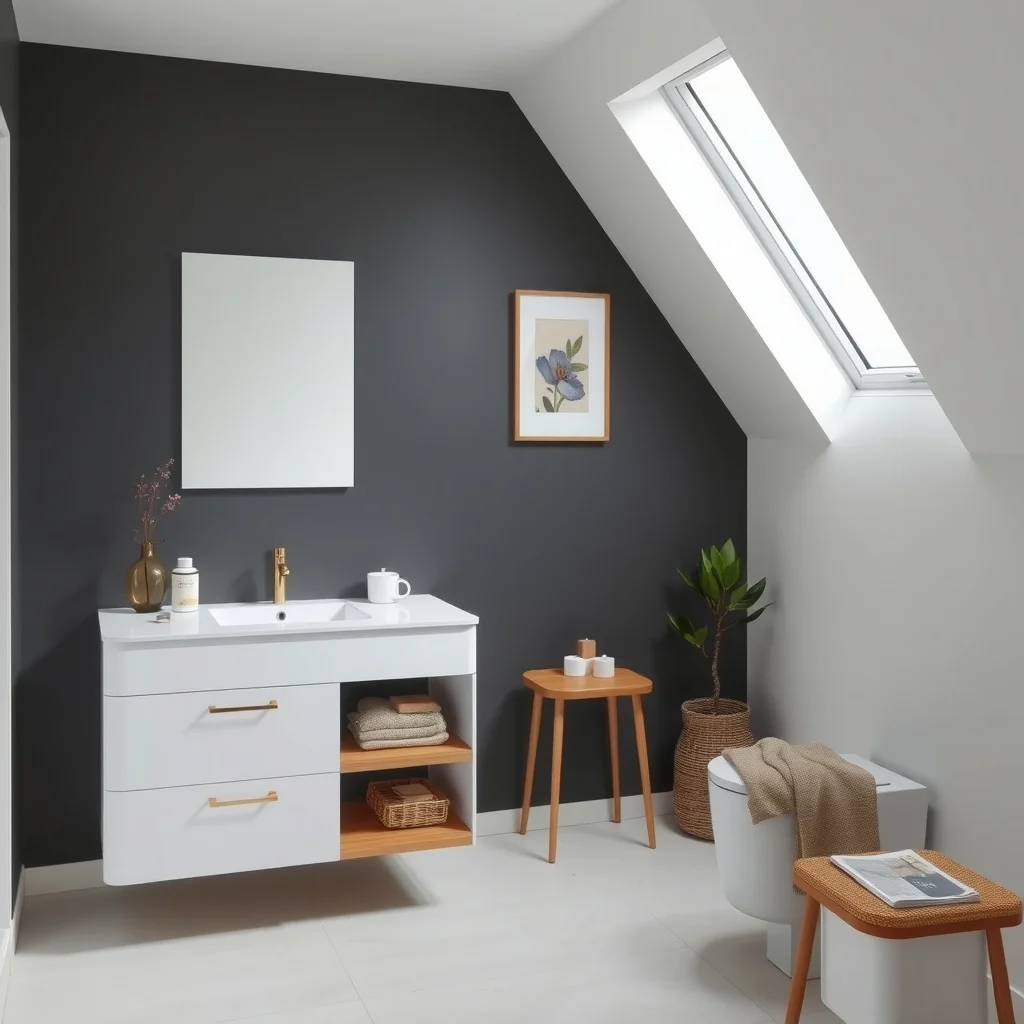
When the vanity’s base is flush against a wall, a corner can feel like a dead end. A pair of slim, pull‑out shelves that slide on low‑friction runners can occupy that space without blocking the pipes. The shelves are typically made from powder‑coated steel or bamboo, which resists moisture and adds a warm contrast to porcelain fixtures. Because they glide out, you can reach cleaning products stored at the back without having to bend over or pull the whole cabinet forward. Installation usually involves a few screws into the side panels and a simple adjustment of the runners, making it a doable weekend project. The trade‑off is that the shelves support lighter items; heavy containers may cause the runners to sag over time, so reserve this for toiletries, small jars, and rolled towels.
2. Open Wire Baskets Hung on the Inside of the Door
This image is by AI for inspiration only.
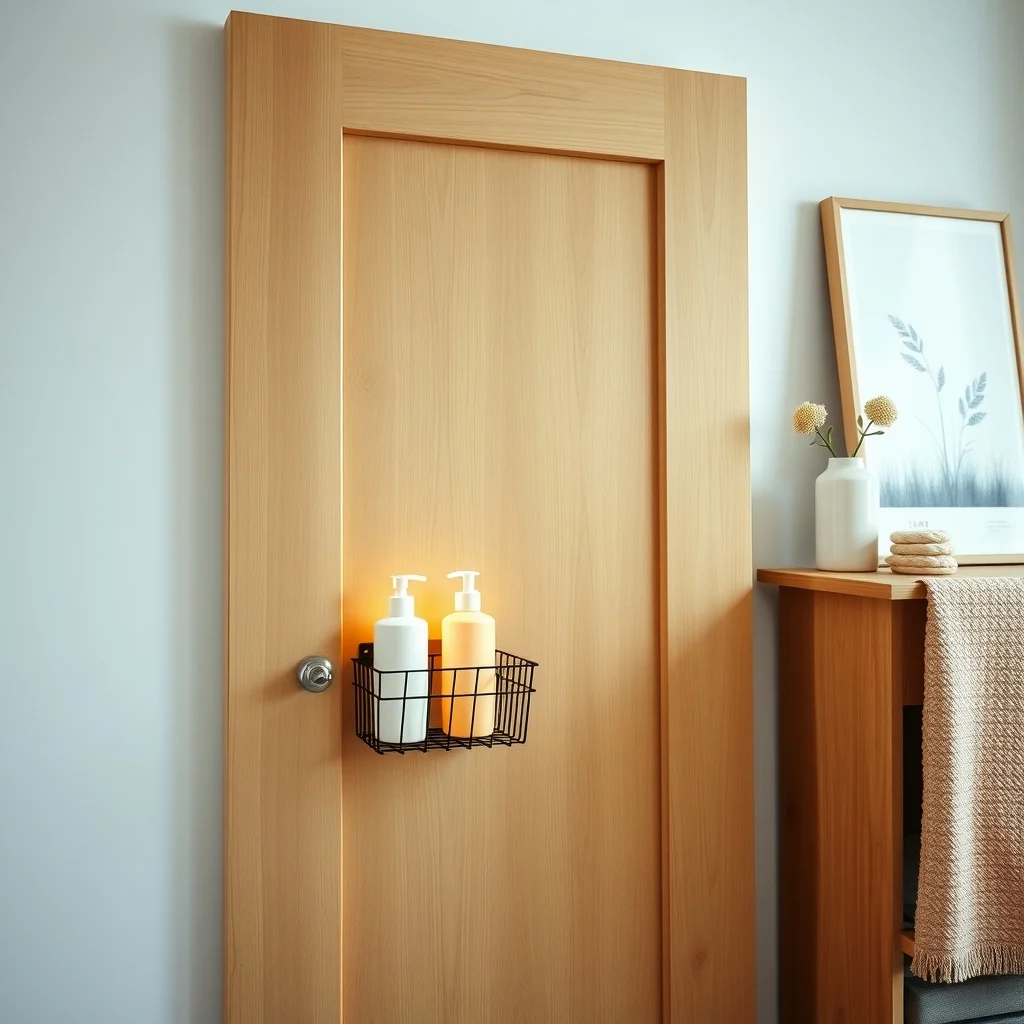
Many vanity doors have a modest amount of interior surface that goes unused. Attaching a couple of metal wire baskets with small hooks creates an instant organizer that hangs just behind the door. The open weave of the baskets allows air to circulate, reducing the risk of mildew on damp items. You can paint the frames in a matte oil‑rubbed bronze to echo other hardware, or leave them raw for an industrial feel. The baskets are easy to swap out if you later decide a different configuration works better. However, the weight of the baskets adds a slight strain on the door hinges, so it’s wise to keep the contents light and avoid overloading the door.
3. Slim Sliding Drawers Built into the Side Panels
This image is by AI for inspiration only.
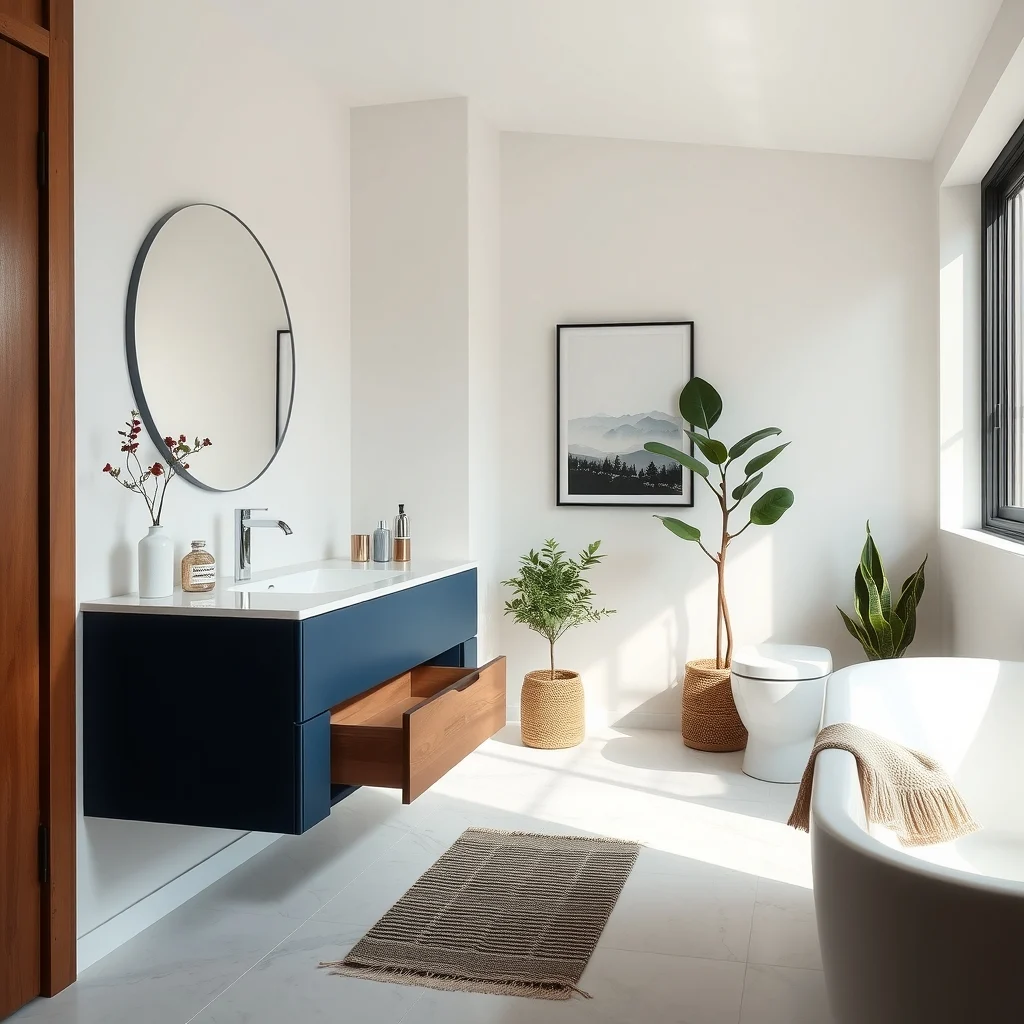
Side panels often have a narrow vertical strip that can accommodate a shallow drawer. A single‑shelf drawer, only two inches deep, slides in on a ball‑bearing track and offers a concealed compartment for items you’d rather keep out of sight, such as spare toothbrushes or a small first‑aid kit. Choosing a drawer front that matches the vanity’s veneer maintains a seamless look, while a soft‑close mechanism prevents slamming in a wet bathroom environment. The main limitation is the depth; you won’t be able to store bulky bottles, but the drawer excels at keeping everyday essentials orderly and within arm’s reach.
4. Adjustable Tension Rods for Vertical Storage
This image is by AI for inspiration only.
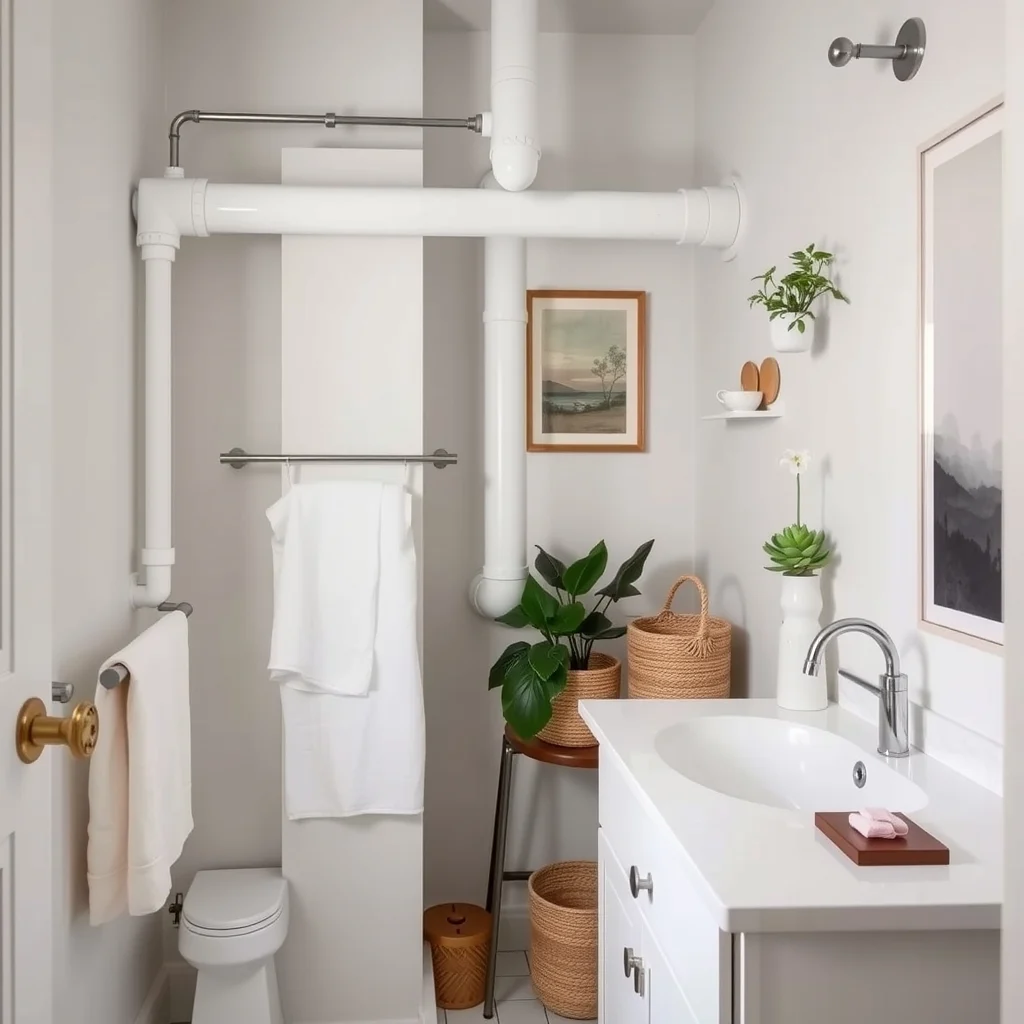
If the pipe cluster creates a vertical gap, a tension rod can act as a miniature clothesline for lightweight items. By placing a stainless‑steel rod between the underside of the vanity and the top of the pipe, you create a horizontal shelf on which you can rest rolled hand towels, a small basket, or a decorative jar of bath salts. The rod is easy to install—simply twist it to the desired length and let the spring tension hold it in place—so you can move it whenever you need a different configuration. The downside is that the rod bears the weight of anything placed on it, so it’s best suited for soft, pliable items rather than heavy containers.
5. Integrated LED Light Strips to Highlight Storage Areas
This image is by AI for inspiration only.
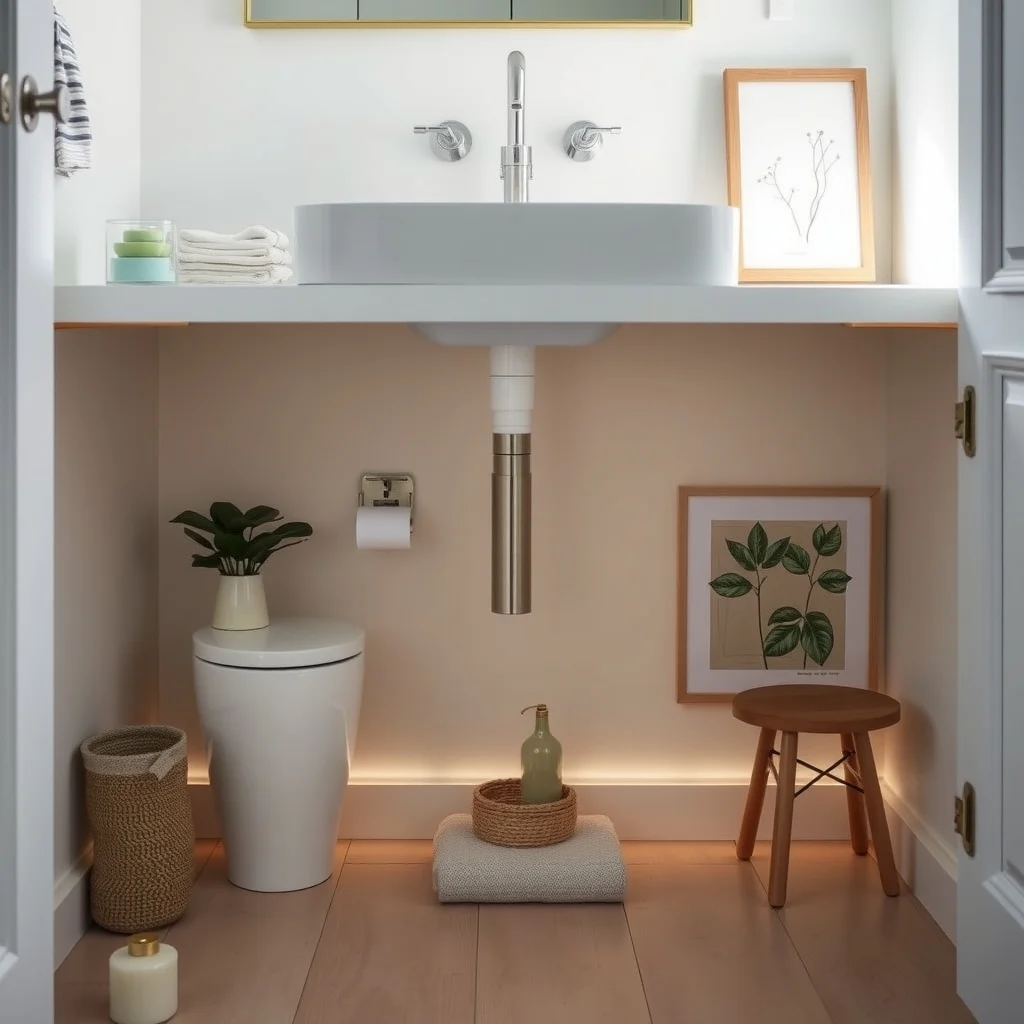
Under‑sink spaces are often dim, making it hard to locate items after a night‑time bathroom visit. A low‑profile LED strip, adhered to the inner edge of the vanity’s base, provides gentle illumination that outlines the storage area without glare. Warm white LEDs complement the soft tones of a typical bathroom palette, while a dimmable controller lets you adjust brightness for different tasks. Because the strip runs on low voltage, it can be connected to an existing switch with a simple plug‑in adapter, avoiding any hard wiring. The only caution is to select a strip rated for damp locations, ensuring it can handle occasional splashes without short‑circuiting.
6. Removable Foam Inserts for Custom Compartments
This image is by AI for inspiration only.
For those who like to keep small accessories—like travel‑size shampoos, razor handles, or makeup brushes—organized, foam inserts cut to size are a flexible solution. The inserts fit into the existing cabinet space, creating individual pockets that prevent items from rolling around when the door opens. Foam with a water‑resistant coating resists swelling, and you can dye the material to match the vanity’s interior color, adding a subtle design touch. Since the inserts are not permanent, you can rearrange them as your storage needs evolve. On the flip side, foam can compress over time if overloaded, so it works best for lightweight, frequently used objects.
7. Reclaimed Wood Boxes Stacked on the Floor
This image is by AI for inspiration only.
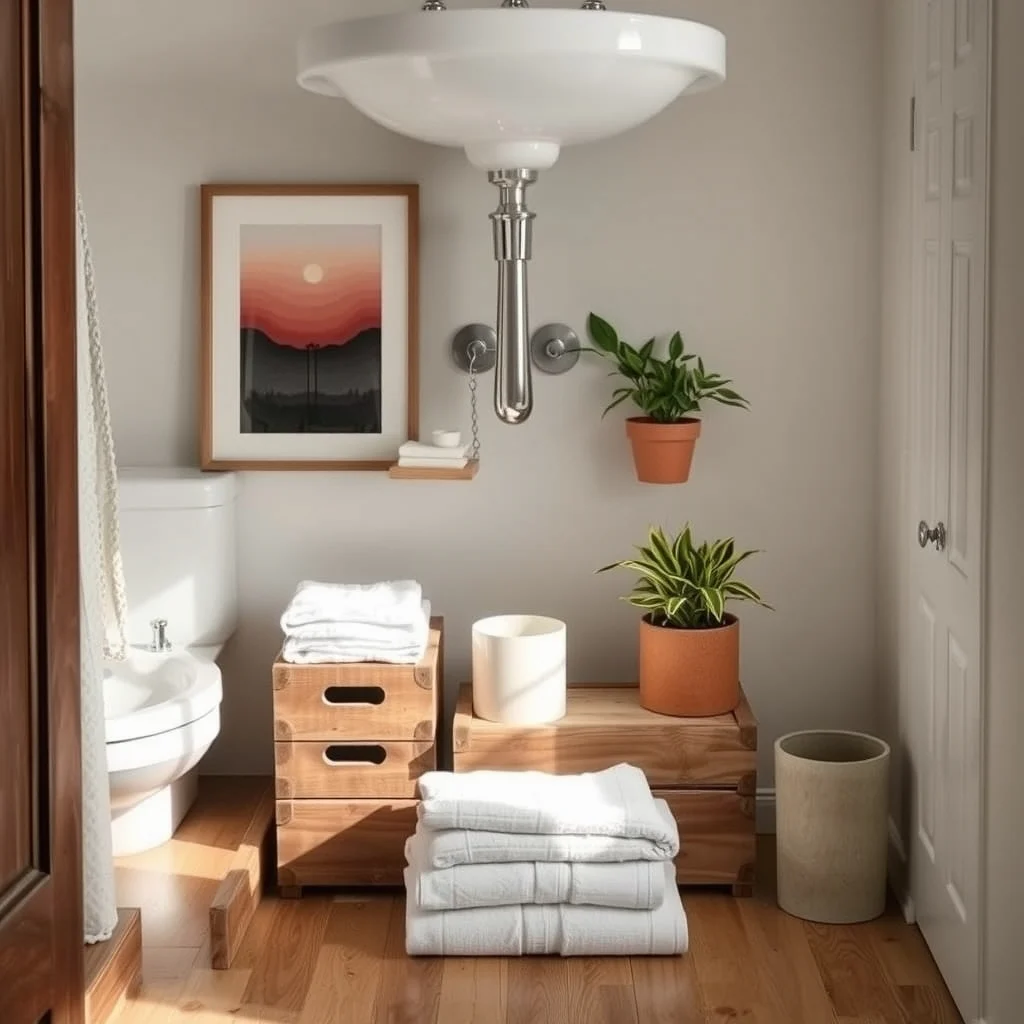
A rustic yet refined look emerges when you place a couple of reclaimed‑pine boxes directly on the floor beneath the vanity. The boxes, finished with a clear sealant, provide sturdy platforms for folded towels, spare toilet paper rolls, or a decorative plant that thrives in low light. Their natural grain adds texture that contrasts nicely with glossy tiles, and the boxes can be painted or left natural depending on the overall design direction. Because they sit on the floor, you avoid any interference with plumbing, and you can easily move them if you need to clean the area. The primary consideration is that the boxes must be kept dry; placing a thin mat underneath can protect both the wood and the floor from occasional water drips.
FAQ
This image is by AI for inspiration only.
How do I prevent mold in under‑sink storage?
Keep the area well‑ventilated and choose materials that breathe, such as wire baskets or open shelves. Wipe down any spills promptly and avoid storing damp towels or wet items inside the cabinet.
Can I install pull‑out shelves myself?
Yes, most pull‑out shelf kits come with pre‑drilled holes and simple instructions. You’ll need a drill, a screwdriver, and a level to ensure the shelves slide evenly.
What is the best height for a tension rod in a narrow space?
The rod should sit just below the pipe cluster, leaving enough clearance for towels to drape without touching the metal. Measuring the gap first and cutting the rod to a length that leaves a two‑inch margin on each side usually works well.
Are LED light strips safe for damp bathrooms?
Choose strips specifically labeled for damp or wet locations. These have protective coatings that guard against moisture, making them safe for installation near sinks.
Is reclaimed wood suitable for humid environments?
When sealed with a water‑resistant finish, reclaimed wood can handle bathroom humidity. Regularly check the sealant for wear and reapply as needed to maintain protection.
Final Thoughts
This image is by AI for inspiration only.
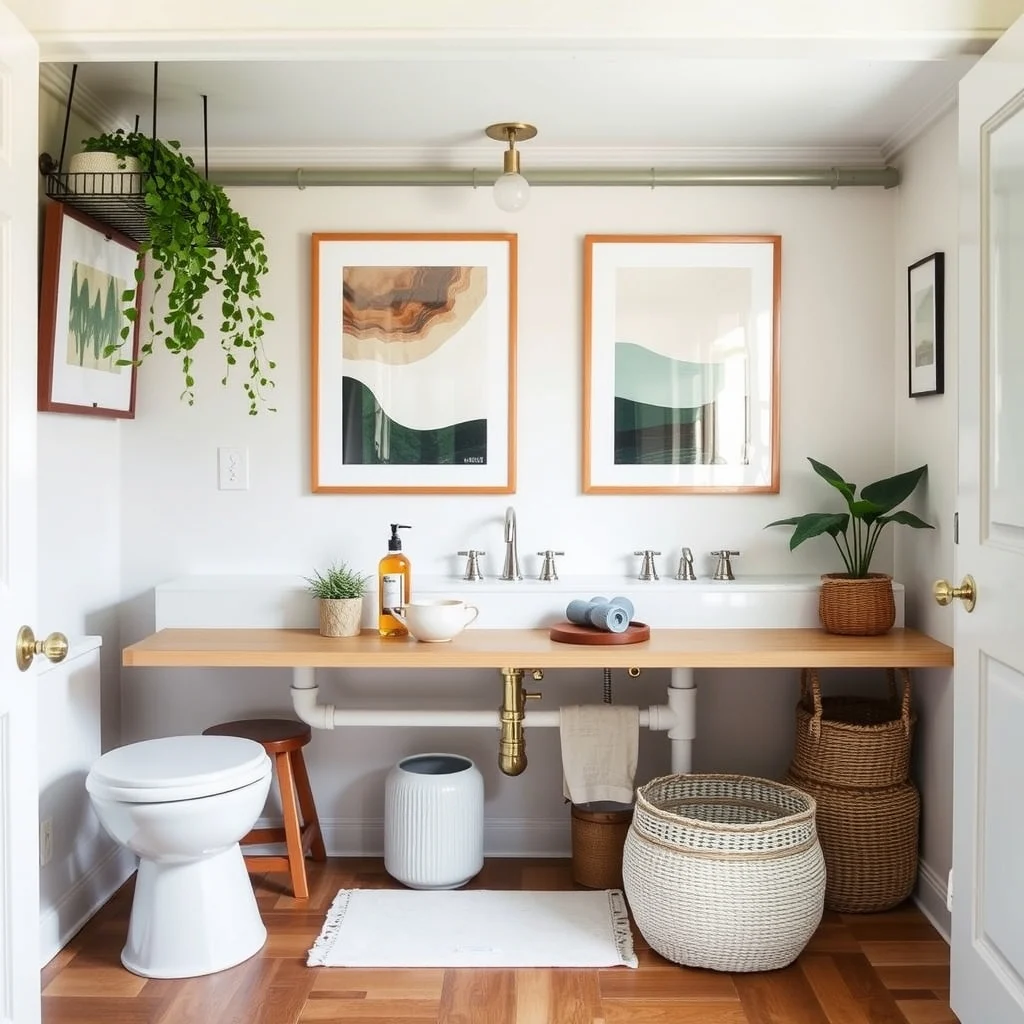
Transforming the under‑sink area from a cramped, pipe‑filled gap into a purposeful storage zone requires a mix of clever design and practical materials. Whether you opt for custom pull‑out shelves, hanging wire baskets, or a simple LED accent, each solution respects the plumbing while adding usable space. Consider the weight of the items you plan to store, the moisture level of your bathroom, and the overall style you wish to maintain. With a thoughtful approach, the space beneath your vanity can become an organized, aesthetically pleasing part of your daily routine.