The Temporary Door Solution That Made My Space More Functional—and Way Cuter

Ever had a room that looked great on Pinterest but behaved like a chaos gremlin IRL? Same. My open-plan entry spilled into the living room, and the noise, drafts, and “surprise” pet cameos during Zoom calls were… a lot. A permanent door felt too intense (and landlord-alarming), so I tried a temporary door solution. Spoiler: it worked—like, shockingly well—and it didn’t wreck my walls or my budget.
1. The “Why” Behind a Temporary Door (It’s Not Just for Renters)
This image is by AI for inspiration only.
Let’s clear this up first: a temporary door isn’t a compromise; it’s a strategy. It gives you privacy, zoning, and sound buffering without heavy construction. And if you’re indecisive (same), you can move it later.
I needed to carve out a quiet corner without losing the light, so I tested options that install quickly and don’t require a contractor. Bonus: they can look legit design-forward with the right hardware and fabric. IMO, it’s the perfect tool for renters, renovators-in-waiting, or commitment-phobes of all kinds.
What to shop for
- Spring-tension rods or ceiling tracks for easy install
- Heavy drapes or linen panels for flexibility
- Sliding barn door kits (removable) if you want more structure
2. Curtain Door Magic: Softer, Smarter, Done in 20 Minutes
This image is by AI for inspiration only.
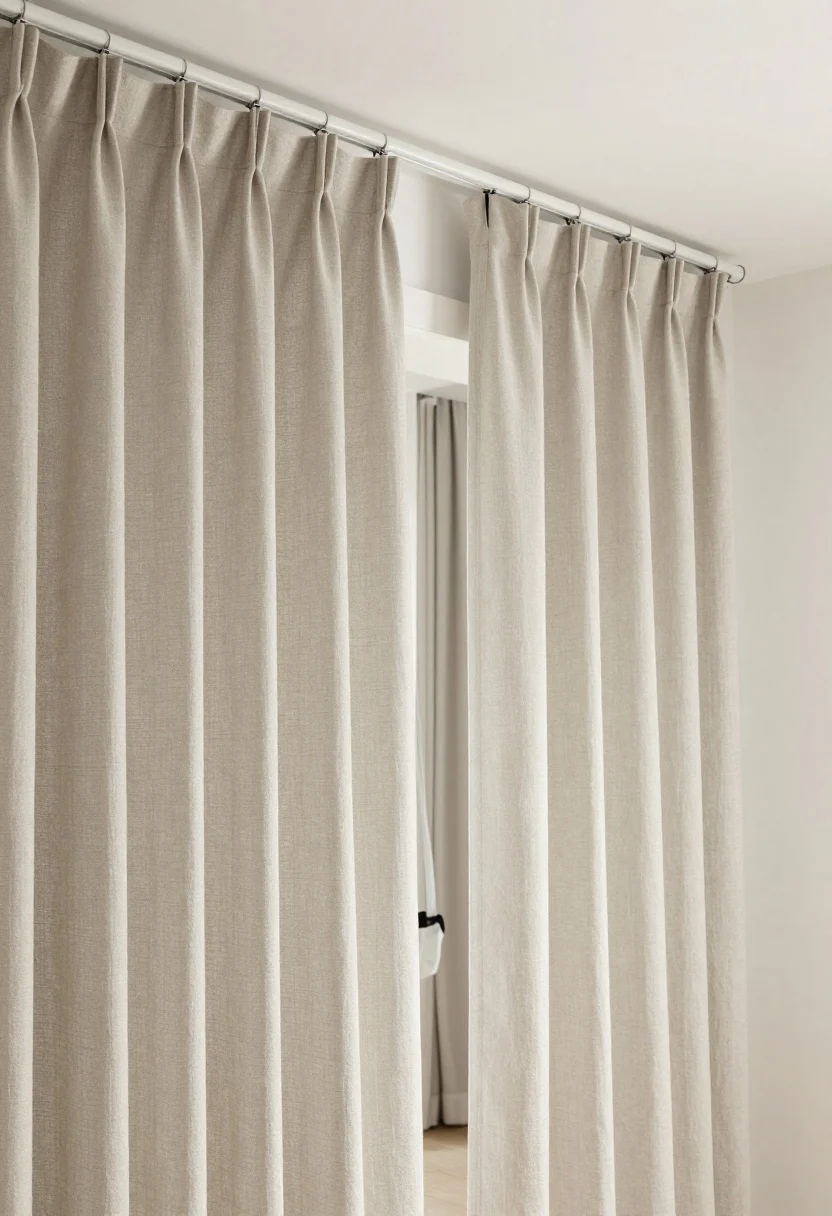
The simplest win? A curtain door. I used a ceiling-mounted track just inside the doorway, then hung double-lined linen panels. It softened the room, killed the echo, and gave me instant privacy without visually chopping the space.
Pro tip: go wall-to-wall and floor-to-ceiling. The drama makes it feel intentional, not like a last-minute dorm fix. And yes, thicker fabric blocks drafts like a champion.
- Choose blackout or thermal-lined panels if you want sound and light control.
- Use clip rings for easy swapping and seasonal refreshes.
- Match the track color to your ceiling for a cleaner look.
What to shop for
- Ceiling curtain tracks with gliders
- Blackout curtains or linen panels
- Clip rings and tiebacks
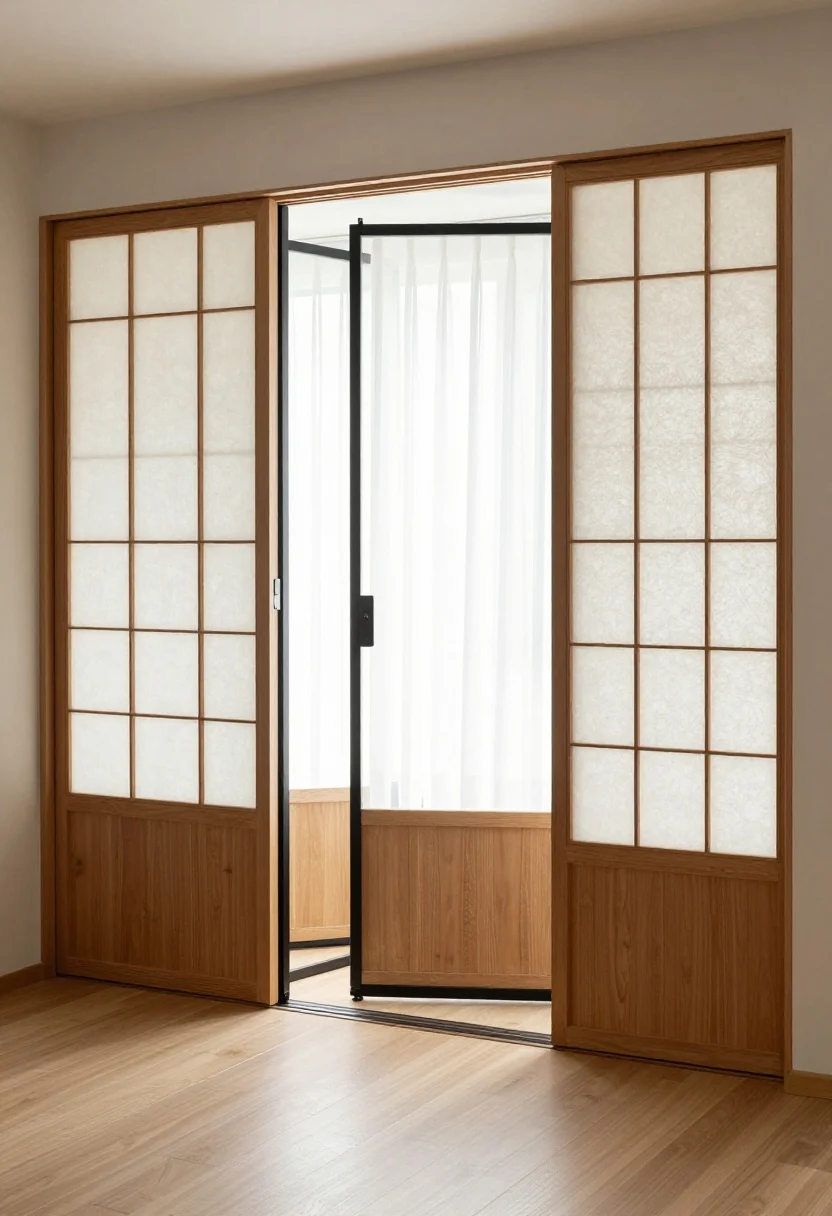
3. Sliding Screens: The “Door” That Doubles as Decor
This image is by AI for inspiration only.
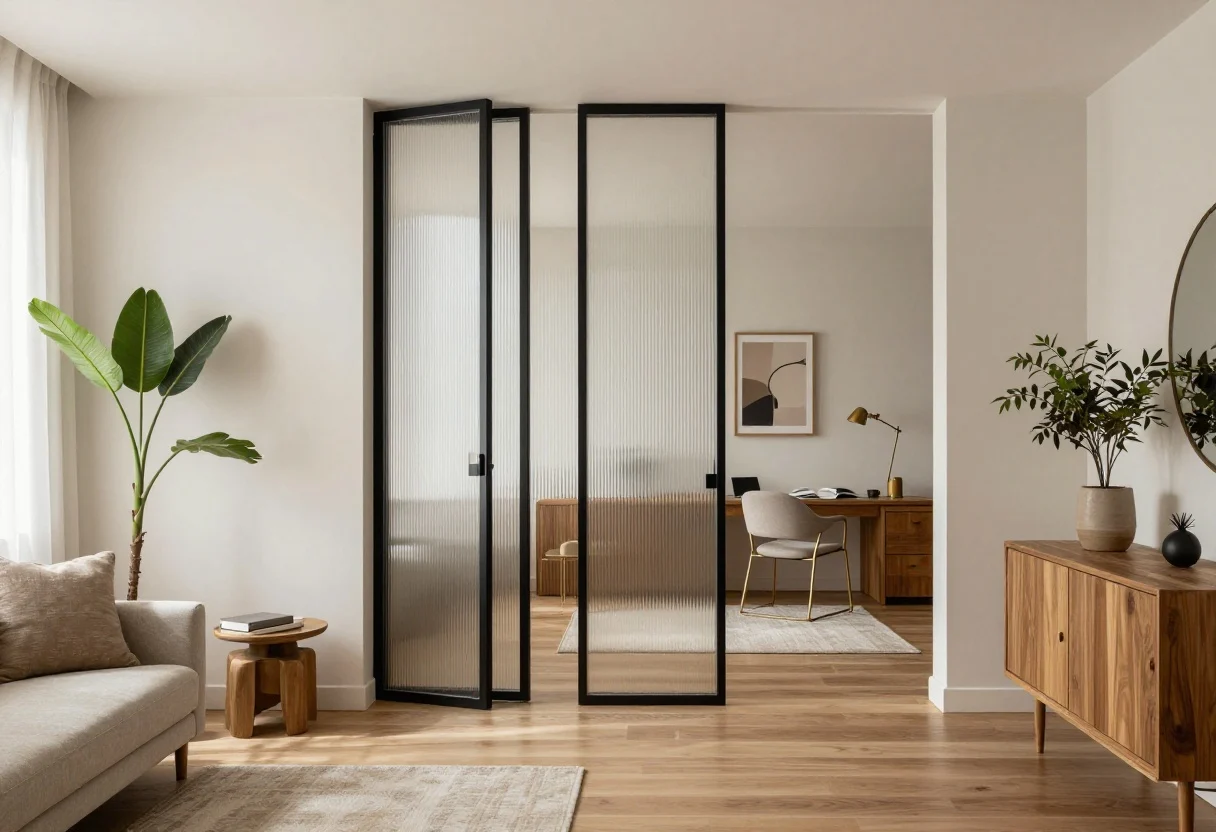
If you want structure without a traditional door, try folding screens or sliding shoji-style panels. They define zones while letting in light, and they look intentionally designed—like you meant to be this clever.
I used a lightweight, three-panel screen as a movable door. During work hours, it tucks neatly to the side; at night, it slides across like a calm little room-divider angel.
- Pick translucent panels to keep rooms bright.
- Use felt pads on the bases to protect floors.
- Coordinate frame finishes with your hardware (black, brass, or natural wood).
What to shop for
- Folding room screens with hinges
- Freestanding sliding panels
- Floor guides to keep panels aligned
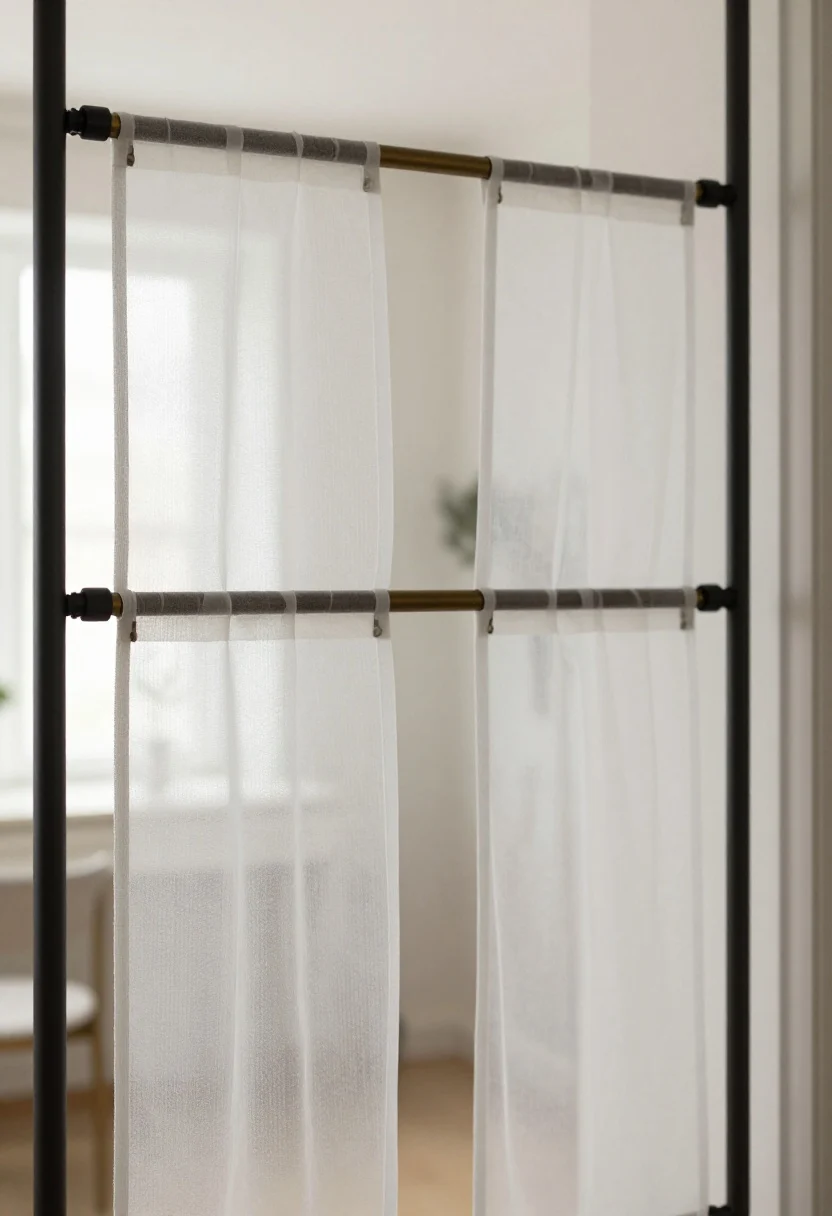
4. Tension-Rod French Doors (Yes, Really)
This image is by AI for inspiration only.
Hear me out: two narrow sheer panels hung on dual tension rods can mimic French doors. Mount one rod at the top and one midway. The fabric gathers just enough to feel architectural, and you can part the “doors” with simple tiebacks.
It’s airy, elegant, and fantastic for small spaces where swing clearance is a no-go. FYI, this also works inside closets or alcoves that need soft separation.
- Use sheer panels for a light, romantic vibe.
- Opt for matte rods to avoid glare and fingerprints.
- Add magnetic tiebacks for easy opening and closing.
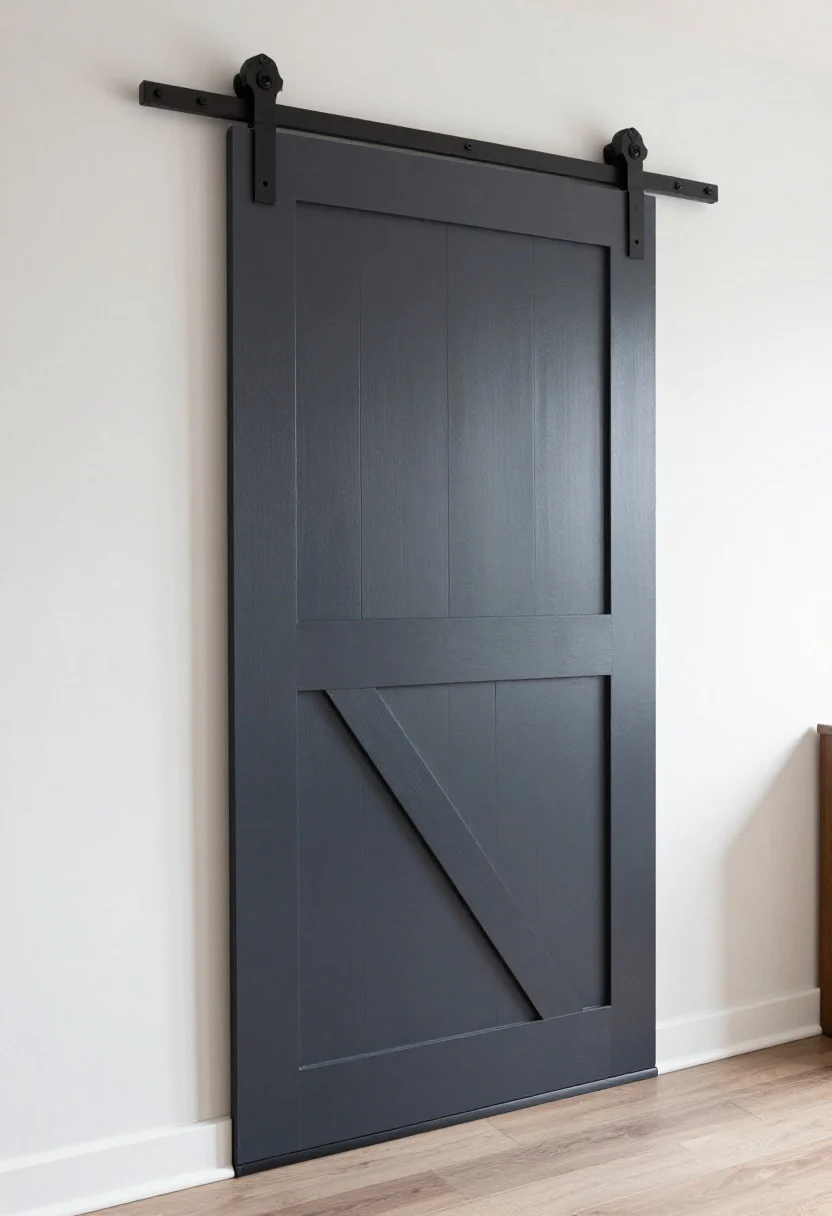
5. The Removable Barn Door Hack (Landlord-Safe, Pinky Promise)
This image is by AI for inspiration only.
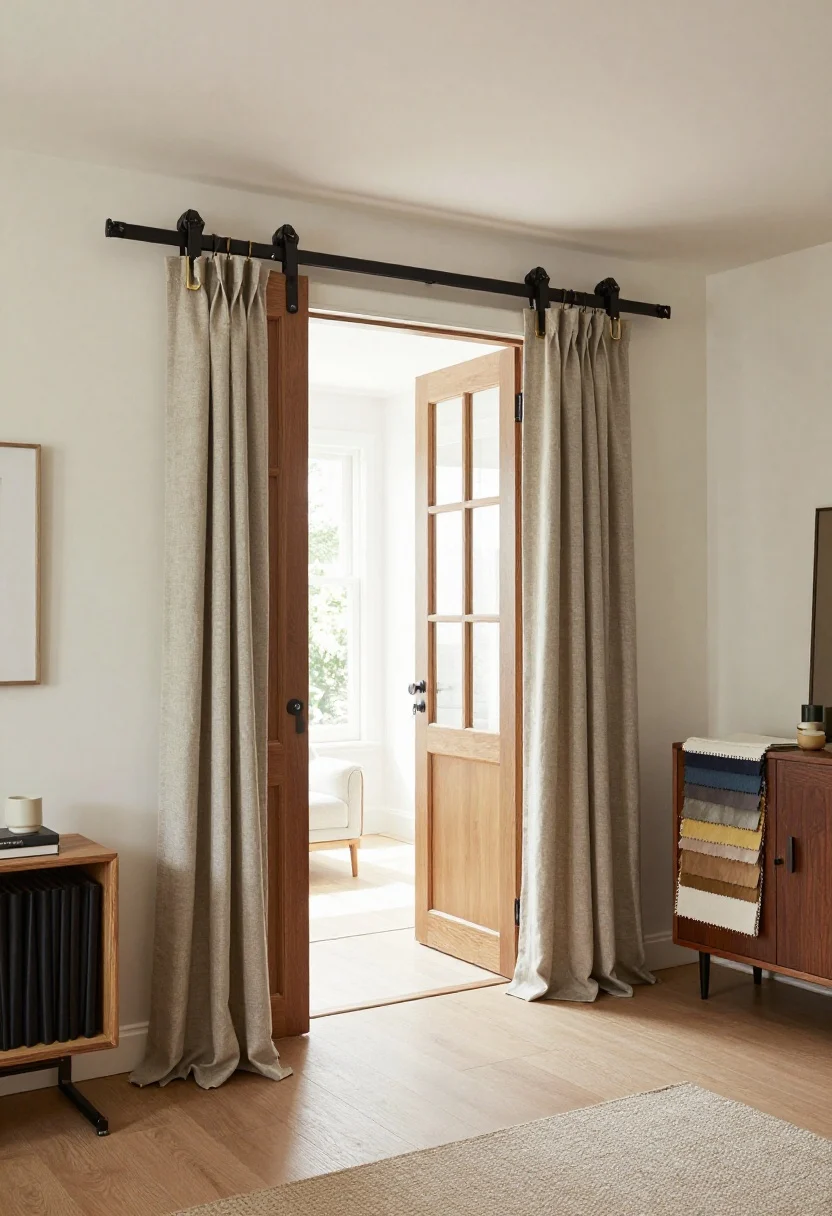
Want a real door feel without the holes? Go for a removable sliding door kit mounted to a painted 1×4 header that’s attached with removable adhesive strips and a couple of small screws into existing trim (fill later, no drama). Hang a lightweight hollow-core slab or a panel door for presence.
This is the most “door-like” option and looks custom if you color-match the hardware to your fixtures. Add a soft-close add-on so it glides instead of slams. Your future self will thank you.
- Choose a lightweight door to minimize stress on mounting.
- Install a removable floor guide (adhesive-backed) for stability.
- Paint the door the same color as your walls for a seamless look.
What to shop for
- Sliding barn door hardware kits
- Lightweight slab doors or paneled doors
- Soft-close hardware
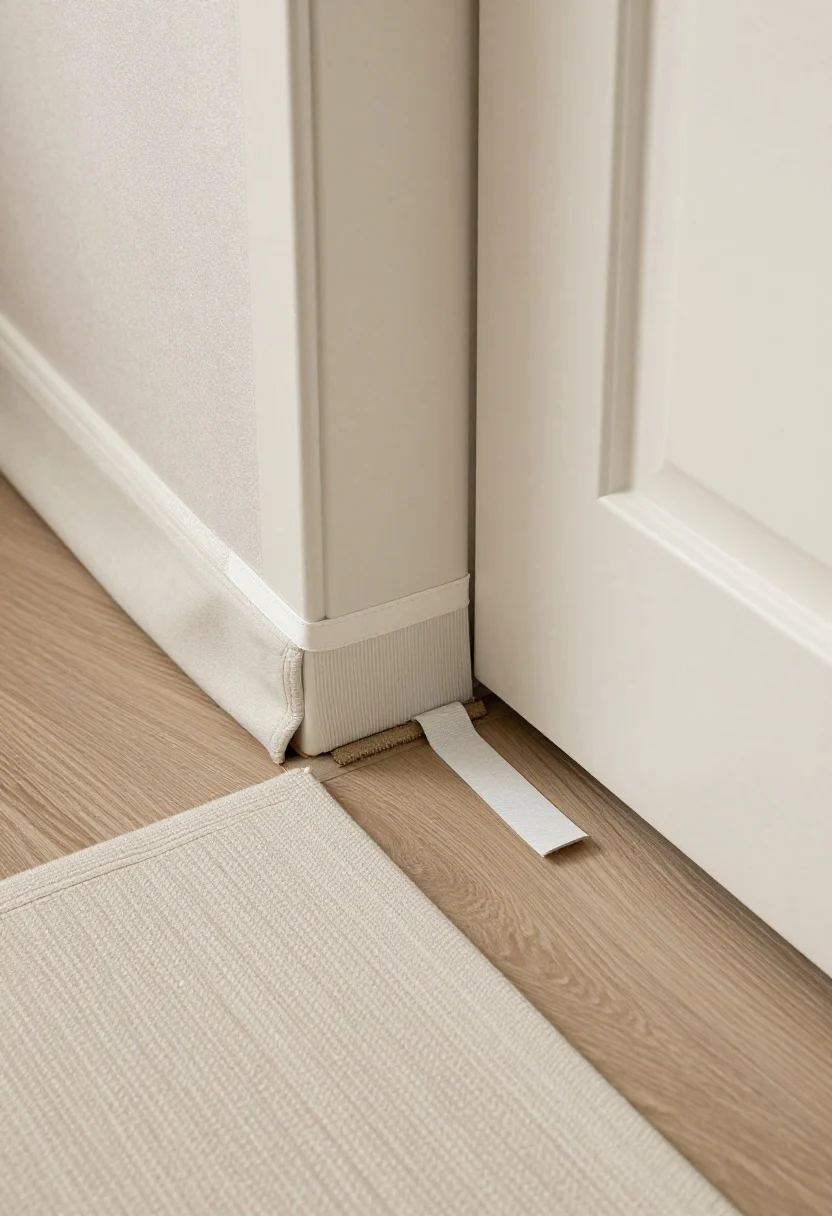
6. Sound, Drafts, and Light: Solve the Unsexy Stuff Beautifully
This image is by AI for inspiration only.
A temporary door should fix problems, not just look cute. Treat the edges of your opening like a real doorway. Add draft stoppers at the base, adhesive weatherstripping on the jambs, and consider a rug runner to absorb footsteps and thuds.
For noise, layering is your friend. A heavy curtain plus a runner equals an instant hush. If you’re using panels, stick acoustic felt squares behind artwork near the “door” to catch echo without screaming “I own a recording studio.”
- Use thermal or acoustic linings to boost performance.
- Add a weighted hem to curtains so they hang straight and don’t billow.
- Choose opaque fabrics if privacy is priority; go semi-sheer where daylight matters.
7. Style It Like It Was Always Meant to Be There
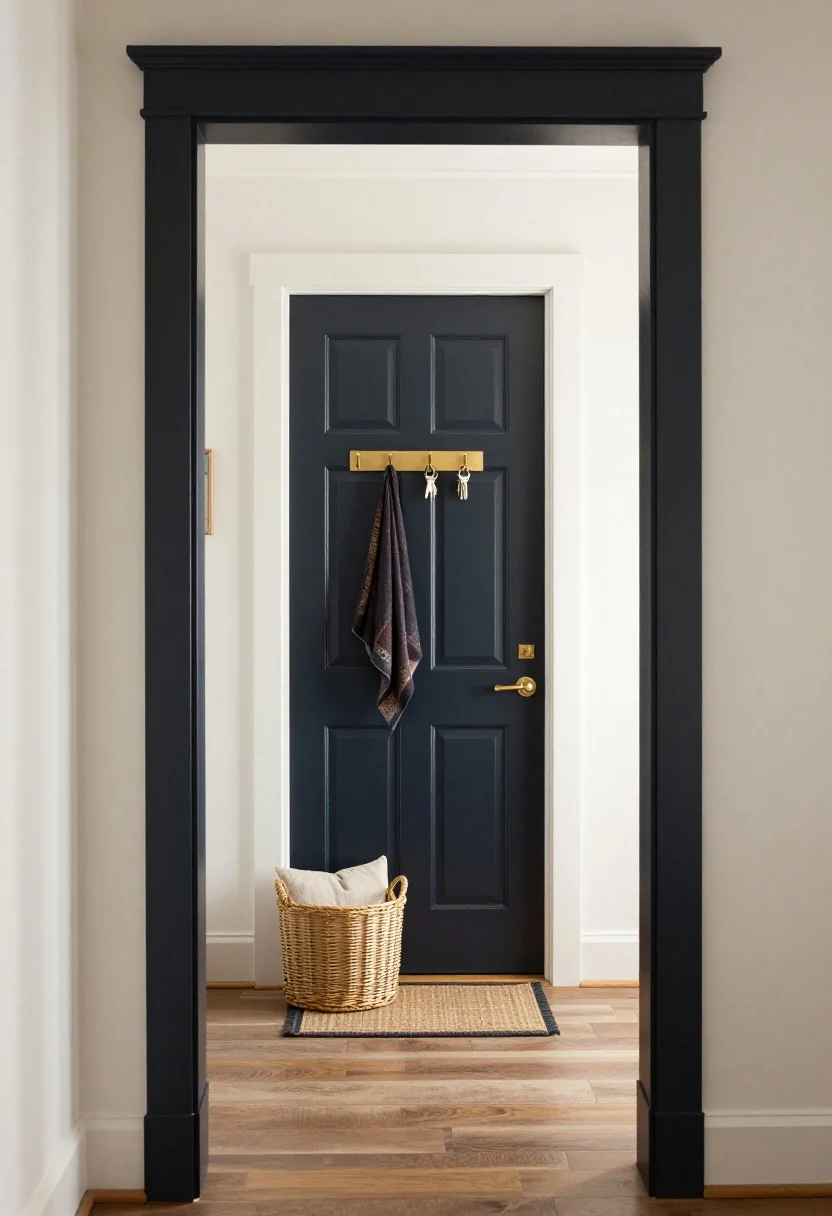
This image is by AI for inspiration only.
Here’s the secret sauce: finish the look so your temporary door reads intentional. Frame it with matching trim color, or mirror the fabric tone in a nearby pillow or throw. Consistency sells the story.
I also added a small hook rail and a basket near the opening for keys, scarves, and sunglasses. Suddenly the “division” turned into a mini-entry—organized, pretty, and incredibly functional.
- Repeat hardware finishes across the room (black, brass, chrome) for cohesion.
- Echo the door color in textiles or art within line of sight.
- Layer a runner to guide the eye and create a visual threshold.
What to shop for
- Wall hooks and compact consoles
- Woven baskets and slim runners
- Coat racks or umbrella stands for micro-entries
Quick Setup Checklist
- Measure the opening: width, height, and any baseboard depth.
- Pick your system: curtain track, screen, tension rods, or sliding kit.
- Plan the finish: fabric weight, hardware color, and nearby styling.
- Test hang first, then commit—adjust for coverage and movement.
- Address performance: add lining, weatherstripping, and a rug.
Results You’ll Actually Feel
- Quieter calls and calmer mornings.
- Defined zones without boxing yourself in.
- Flexible layout as your life changes—hosting, working, nesting.
Bottom line: a temporary door isn’t a placeholder. It’s a legit design move that can transform how you live in your space—no demo, no drama, just smart styling.
FAQ
Q1: Will a curtain door actually block noise?
A: It won’t soundproof, but a heavy, lined curtain significantly reduces echo and muffles conversation-level noise. Pair it with a rug and you’ll notice a real difference.
Q2: How can I make a temporary door look high-end?
A: Go ceiling height, choose quality fabric or a clean-lined panel, and coordinate hardware finishes with the rest of the room. Add a weighted hem and keep the stack-back neat.
Q3: Is installation renter-friendly?
A: Yes. Use tension rods or adhesive-mounted tracks, and for sliding hardware, mount to a removable header board. Fill tiny holes with putty when you move—landlord peace restored.
You don’t need a renovation to get privacy, flow, and style. Try one of these temporary door ideas this weekend and see how much better your space behaves. You might even catch yourself saying “who needs a real door?”—which, IMO, is a major design flex.
Shop the Look on Amazon
Disclosure: As an Amazon Associate, this site may earn from qualifying purchases.
These product categories fit this article and give readers an easy next step when they are ready to shop.
- Curtain Door — Creates instant privacy and softens acoustics.
- Lined Curtains — Controls light, drafts, and echoes effectively.
- Sliding Screens — Defines zones while keeping spaces bright.
- Removable Door — Gives door-like function without major drilling.
- Draft Control — Seals edges to cut drafts and reduce noise.