Space‑saving Ways to Store Boots in a Small Apartment
Living in a compact floor plan often means every square foot feels valuable, especially when you have a pair—or three—of boots that love to claim space on the floor. The clack of a leather ankle boot or the soft thud of a suede snow boot can quickly turn a tidy hallway into a cluttered runway. Fortunately, a few thoughtful storage ideas can keep your footwear organized without sacrificing style or comfort. Below are seven approaches that blend function with the aesthetic of a small apartment, each explained in detail so you can decide which fits your layout, lighting, and daily routine best.
1. Turn a Narrow Hallway Closet into a Boot Nook
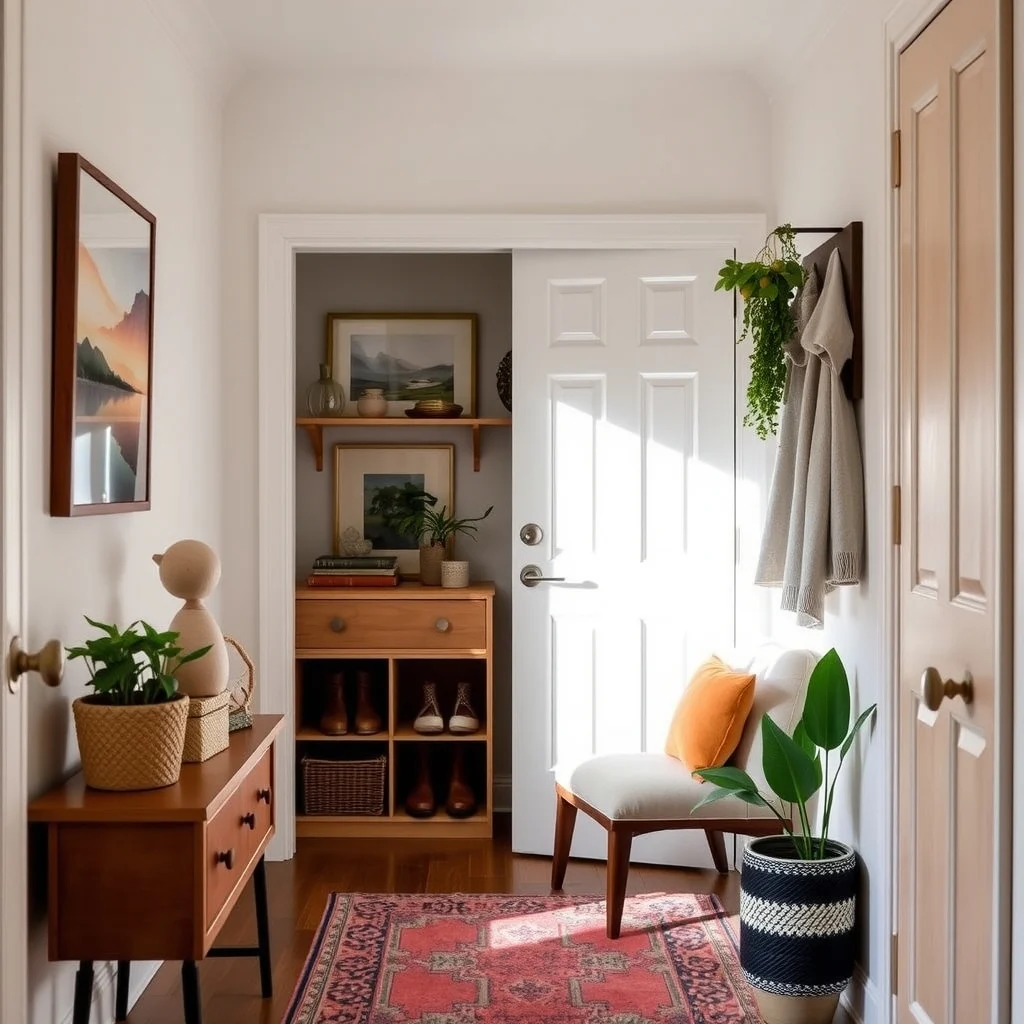
This image is by AI for inspiration only.
© 2026 AI Illustrator — Inspiration Only
A hallway closet that’s only a foot wide often goes unused because the door swings inward and the space feels too tight for hanging coats. By installing a low‑profile, sliding shelf system inside, you create a dedicated boot niche that stays out of sight. The shelf height can be set to accommodate the tallest winter boot, while the depth remains shallow enough not to obstruct the closet’s interior. Using a light‑colored wood veneer or a matte white finish helps the area feel airy, and a soft LED strip along the interior edge adds a gentle glow that makes finding the right pair after dark effortless. The main trade‑off is that the sliding mechanism requires a bit of clearance on the opposite wall, so ensure the adjacent room’s furniture can accommodate the door’s travel. When installed correctly, the closet becomes a seamless extension of your entryway, keeping boots protected from dust while preserving the hallway’s clean lines.
2. Hang Boots from a Decorative Ladder
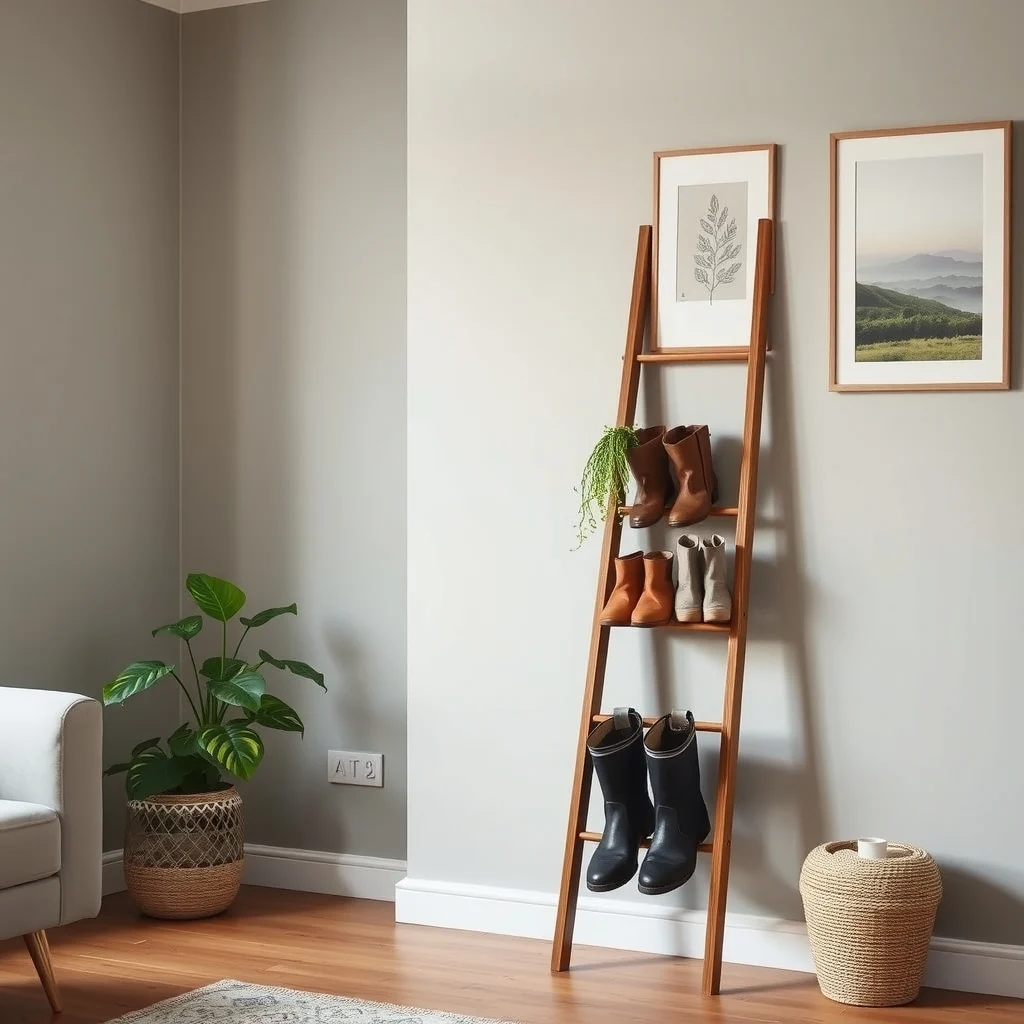
This image is by AI for inspiration only.
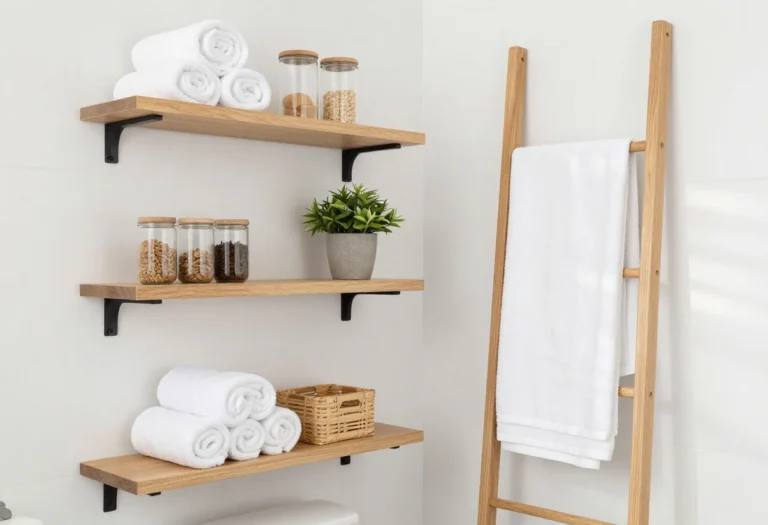
A leaning wooden ladder, painted in a muted charcoal or a warm natural oak, can serve as both a visual accent and a functional boot rack. Position the ladder against a bare wall near your entryway or beside a bench, and drape the boots over the rungs. The open‑rung design allows air circulation, preventing moisture buildup that can damage leather. Because the ladder’s height can be adjusted, you can place shorter boots on the lower steps and taller ones higher up, creating a tiered display that feels intentional rather than haphazard. The ladder’s silhouette adds a touch of industrial charm, especially when paired with a woven rug beneath. However, be mindful of the ladder’s weight capacity; heavier winter boots should be placed on sturdier, lower rungs to avoid wobbling. With careful arrangement, the ladder becomes a decorative storage piece that doubles as a conversation starter.
3. Use Under‑Bed Pull‑Out Drawers with Transparent Fronts
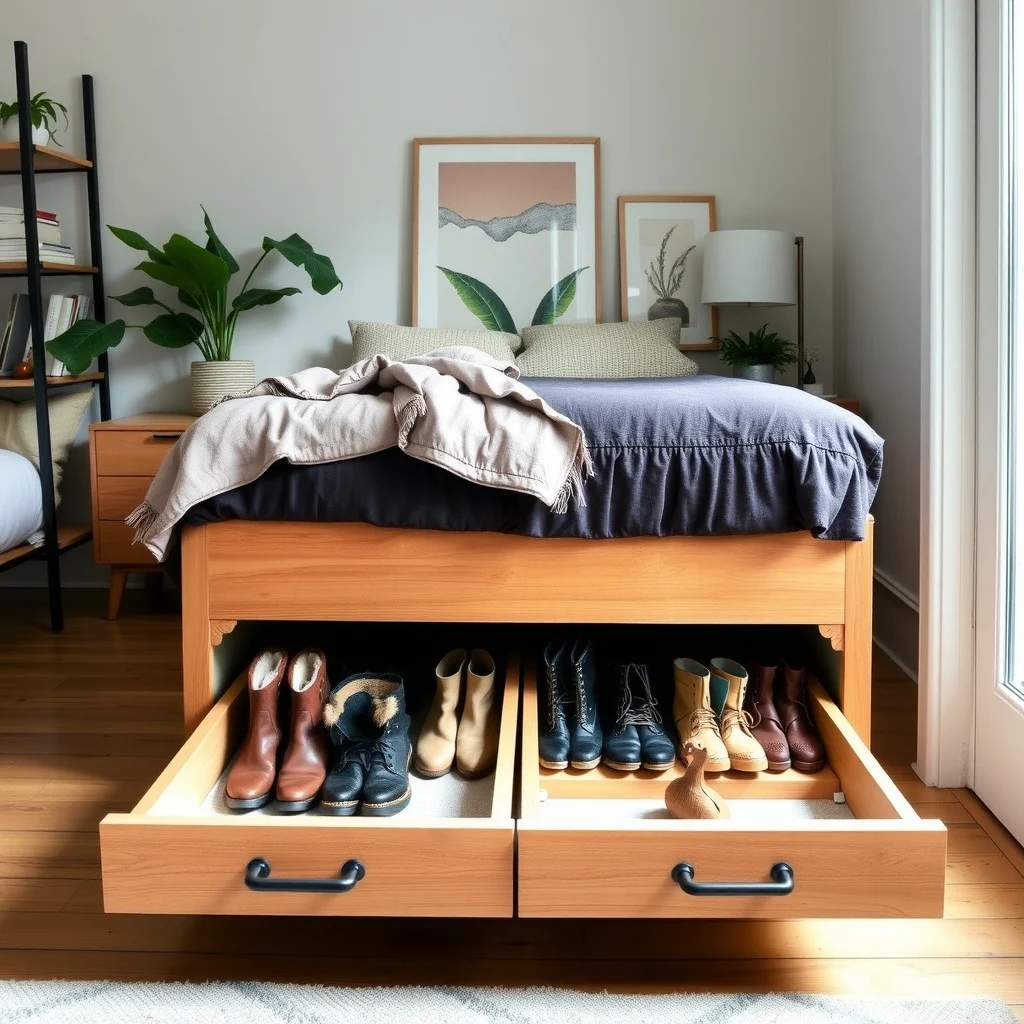
This image is by AI for inspiration only.
Most small apartments feature a bed frame with clearance beneath, offering an overlooked storage zone. Custom pull‑out drawers that slide out on low‑friction glides can be built to the exact width of your bed, and fitting a clear acrylic front panel lets you see the boots without opening the drawer. The transparent front works especially well with dark boots, allowing the color to pop against the neutral tones of a bedroom. Adding a thin felt liner protects the boots from scratches while the drawer’s interior can be lined with a breathable fabric to avoid condensation. The main limitation is that the drawer height must be measured precisely; boots that are significantly taller than the drawer will need to be stored elsewhere. When dimensions align, this method hides boots completely while keeping them within arm’s reach for quick mornings.
4. Convert a Floating Shelf into a Boot Shelf with Built‑In Bins
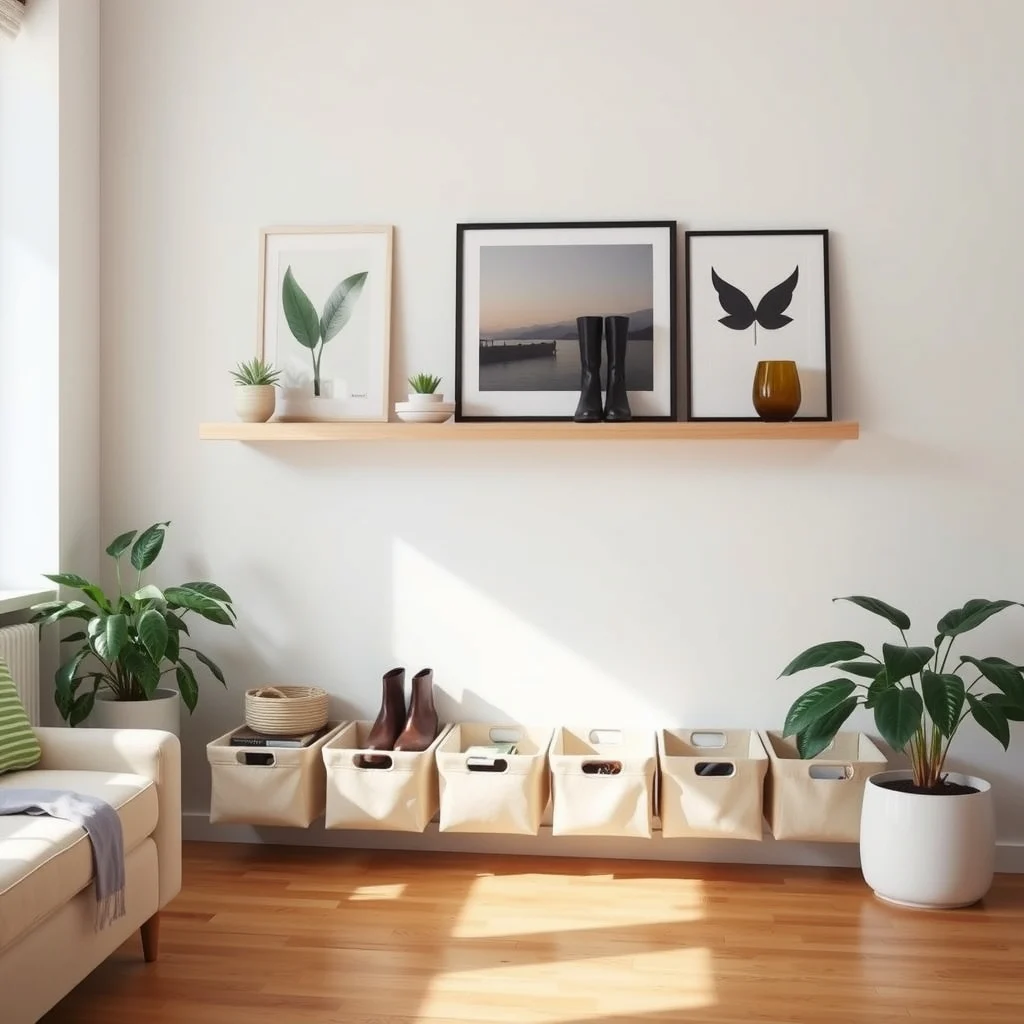
This image is by AI for inspiration only.
Floating shelves are a staple in minimalist apartments, but a single plank can feel insufficient for bulky footwear. By selecting a shelf that runs the length of a wall and pairing it with shallow, fabric‑lined bins that sit flush against the back, you create a hybrid storage unit. The bins can be pulled out individually, each holding one or two pairs, and the fabric lining reduces scuff marks on polished leather. Choosing a muted slate gray for the shelf and a soft ivory for the bins adds subtle contrast without overwhelming the room’s palette. The floating design frees floor space, which is crucial in studios where every inch matters. The trade‑off lies in the weight limit of the wall anchors; heavy boots require sturdy brackets and possibly a stud‑mounted installation to prevent sagging. When anchored correctly, the floating boot shelf feels like an integrated part of the wall, offering both function and visual lightness.
5. Repurpose a Vintage Suitcase as a Boot Chest
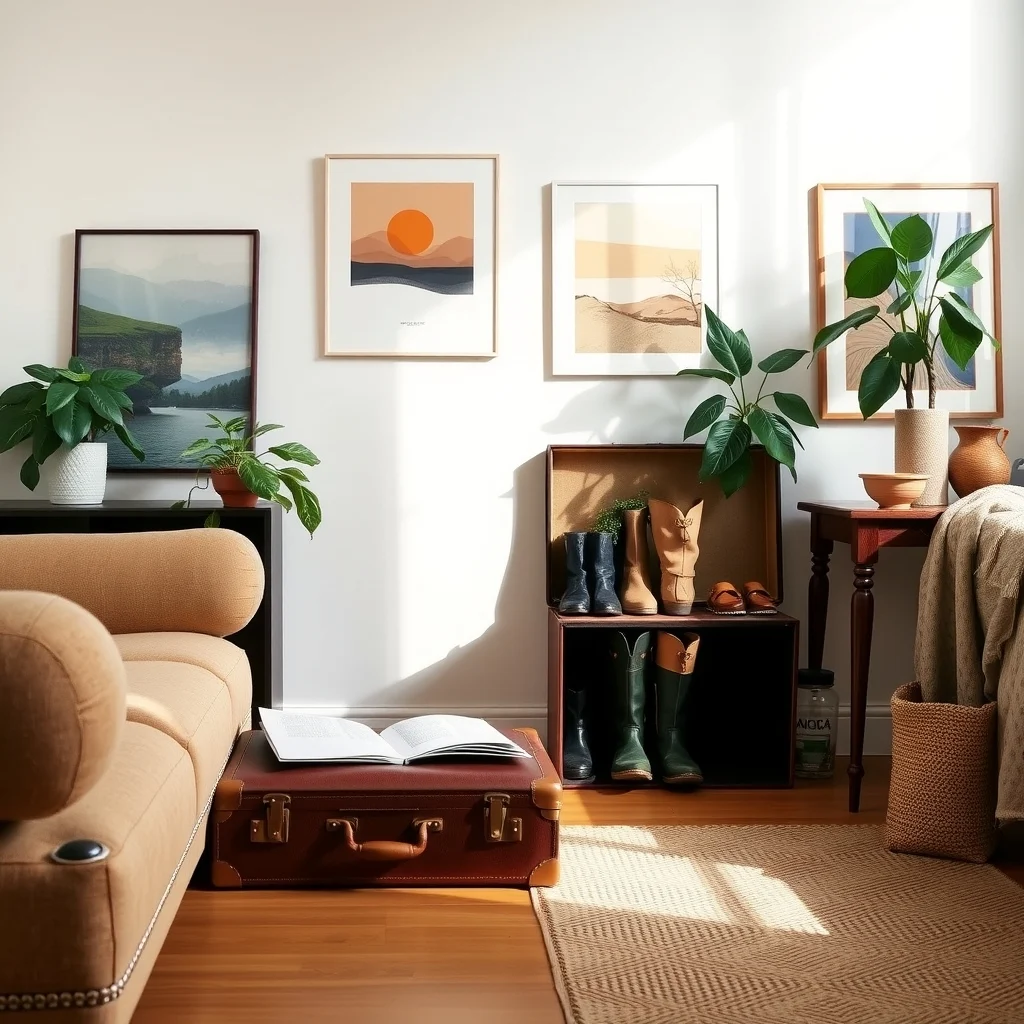
This image is by AI for inspiration only.
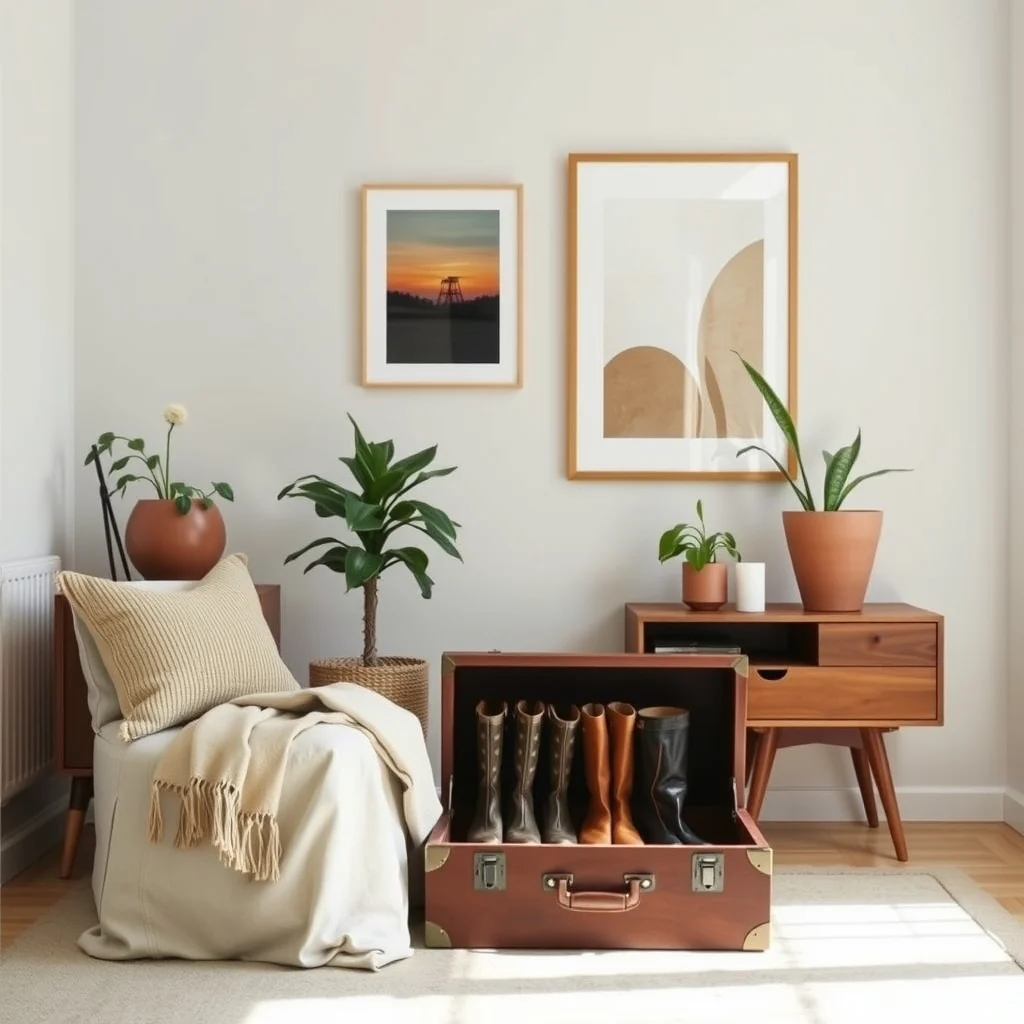
A sturdy, hard‑sided suitcase from a thrift shop can be transformed into a stylish boot chest that sits at the foot of a couch or beside a console table. Open the suitcase, line the interior with a breathable cotton sheet, and place your boots inside, standing upright. The suitcase’s lid acts as a protective cover, shielding the boots from sunlight and dust while its handles make it easy to move when you need to rearrange furniture. Selecting a suitcase in a deep navy or earthy olive adds a pop of color that complements a neutral living room. One consideration is the suitcase’s internal height; ensure it can accommodate the tallest boot you own, or use it for shorter styles like Chelsea boots. This solution blends nostalgia with practicality, turning a piece of storage into a decorative accent that tells a quiet story.
6. Install a Pull‑Down Shoe Rack Behind a Door
This image is by AI for inspiration only.
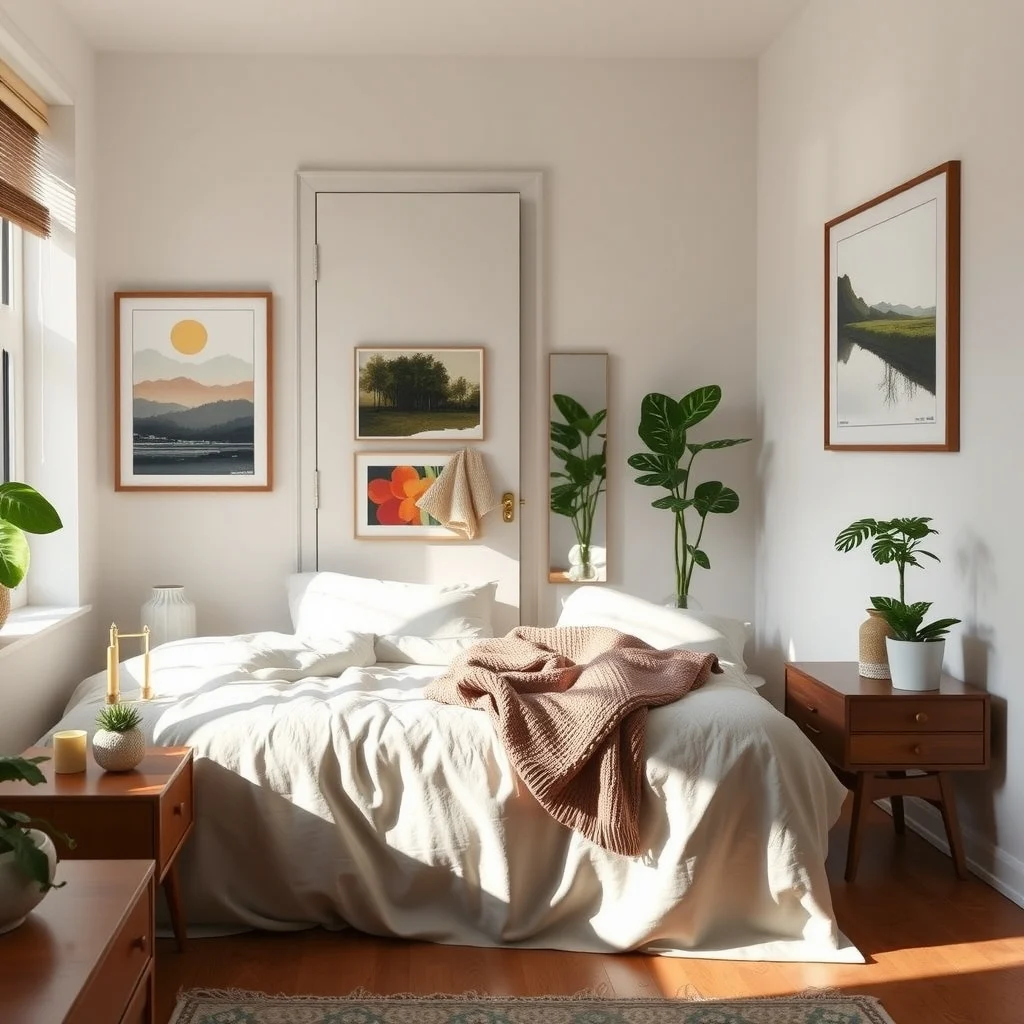
The back of a bedroom or bathroom door often goes unused, presenting a perfect spot for a pull‑down rack that folds flat when not in use. The rack consists of a series of horizontal bars that swing down on a hinge, allowing you to slide boots onto the bars while the door remains closed. When folded up, the rack disappears, preserving the sleek look of a minimal hallway. Opt for a finish that matches existing hardware—brushed nickel or matte black—to maintain cohesion with other fixtures. The main drawback is the limited width of the door; only one or two boots can be stored at a time, making this solution best for a daily‑wear pair you need quick access to. Nevertheless, the convenience of a hidden rack that slides out in seconds makes it a clever answer for apartments where wall space is at a premium.
7. Create a Boot‑Friendly Corner with a Low Ottoman
This image is by AI for inspiration only.
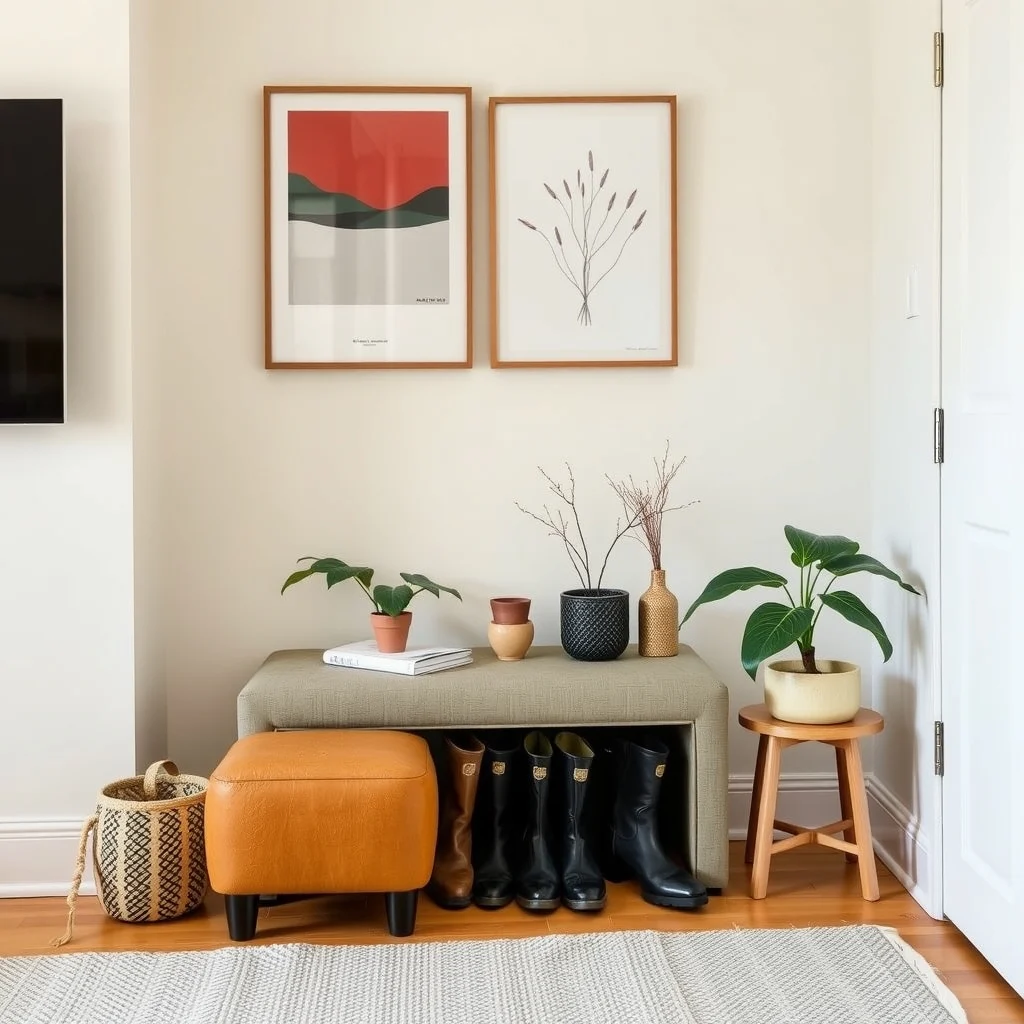
A low, upholstered ottoman placed in a corner can double as a seating spot and a hidden boot compartment. Choose an ottoman with a removable lid and a sturdy interior frame; the space beneath can hold a pair of boots upright, especially if the interior is lined with a thin layer of cork to absorb moisture. The upholstery fabric—perhaps a soft linen in a warm greige—adds texture to the room while the ottoman’s height keeps the boots out of sight. Because the piece serves as both furniture and storage, it eliminates the need for a separate shoe rack. The limitation is that the ottoman’s opening must be wide enough for the boot’s heel, and the compartment’s depth must accommodate the boot’s length; otherwise, the boots may need to be stored flat, which can cause creasing. When sized correctly, the ottoman creates a welcoming nook that invites you to sit, slip on your boots, and head out the door.
FAQ
This image is by AI for inspiration only.
How can I keep boots from getting dusty in a small space?
Store boots in a closed or covered container, such as a suitcase chest or a drawer with a clear front, to protect them from airborne dust. Adding a breathable fabric liner also helps by reducing static that can attract particles.
Are there any fire‑safety concerns with wooden boot racks?
Wooden racks are safe as long as they are placed away from heat sources like radiators or space heaters. Ensure the wood is finished with a low‑VOC sealant to reduce off‑gassing and avoid flammable finishes near open flames.
What is the best material for a boot storage bin?
Felt‑lined fabric bins work well because they cushion the boots while allowing air to circulate. If you prefer a harder surface, a woven wicker basket with a breathable interior can also protect leather from moisture.
Can I store wet boots in these solutions?
It’s best to let boots dry completely before placing them in any storage unit. If you must store damp boots temporarily, choose a container with ventilation, such as a mesh bag, and place a dry towel nearby to absorb excess moisture.
Final Thoughts
This image is by AI for inspiration only.
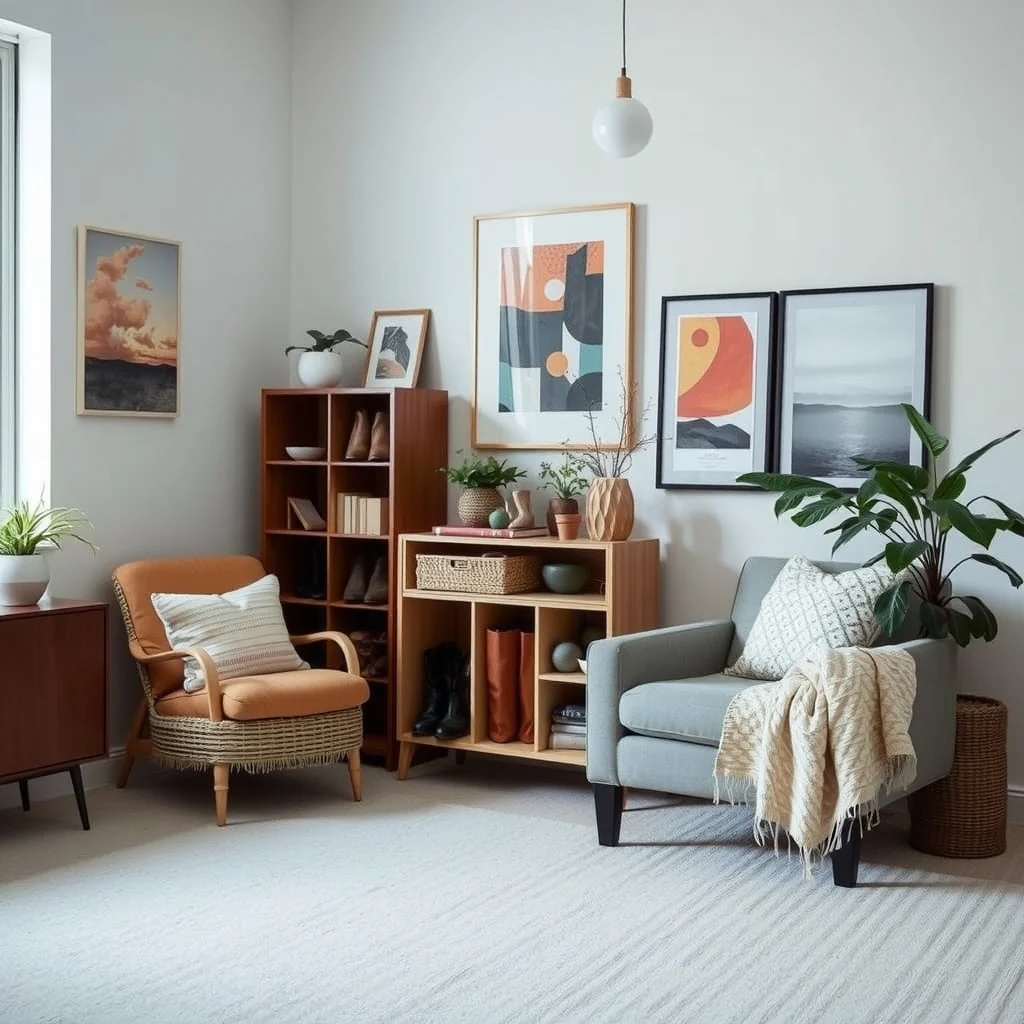
Finding room for boots in a compact apartment doesn’t have to mean sacrificing style or convenience. By thinking vertically, using hidden compartments, or repurposing existing furniture, you can keep your footwear organized while maintaining an uncluttered aesthetic. Each of the seven ideas above offers a different balance of visibility, protection, and decorative impact, allowing you to tailor the solution to the shape of your space and the type of boots you own. With a little planning, the boots that once dominated your entryway can become neatly stored assets, freeing up floor space for the things that truly make a small home feel spacious.