Small Closet Winter Clothing Organization for Renters
When the first chill of winter settles in, the limited space of a rented apartment’s closet can feel suddenly cramped. Heavy coats, scarves, boots, and layered sweaters compete for a handful of shelves that were perfectly adequate for summer tees. The good news is that a few thoughtful adjustments can turn even the tiniest closet into a functional winter wardrobe hub without violating a lease or requiring permanent fixtures. Below are seven ideas that blend smart storage with style, so you can keep your cold‑weather pieces tidy, accessible, and ready for the next frosty morning.
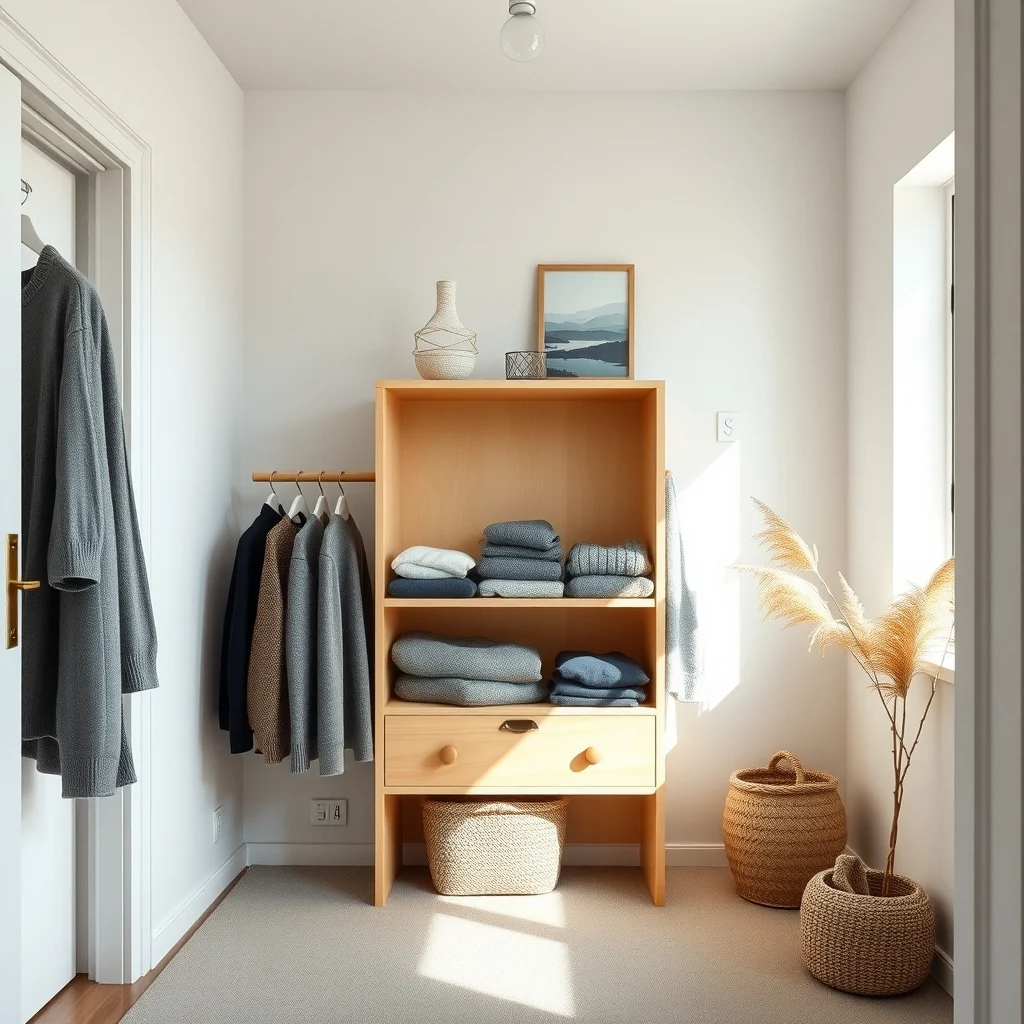
1. Use a Tiered Shelf System to Multiply Vertical Space
This image is by AI for inspiration only.
© 2026 AI Illustrator — Inspiration Only
A slim, freestanding tiered shelf placed against the back wall of the closet creates additional layers for sweaters and folded jackets. Because the unit sits on the floor, it can be moved whenever you need to rearrange the space, making it renter‑friendly. The open design encourages air circulation, which helps wool and cashmere stay fresh. Pair the shelf with a neutral fabric basket for accessories; the basket’s woven texture adds visual interest while keeping smaller items from slipping onto the floor. One trade‑off is that the shelf reduces floor space for larger boots, so you may need to store those elsewhere during the height of winter.
2. Hang a Double‑Rod Extender for Longer Coats
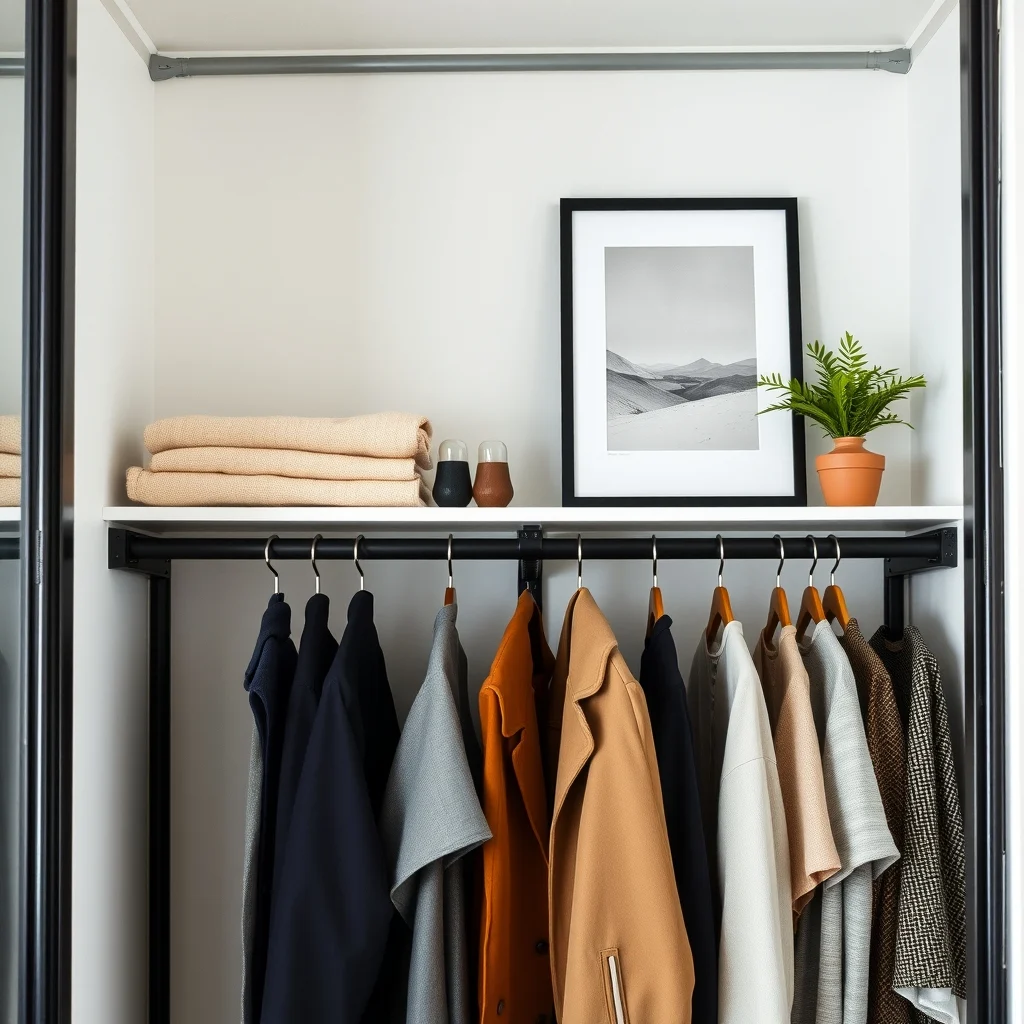
This image is by AI for inspiration only.
Installing a tension rod that slides between the existing closet rods gives you a second hanging level without drilling. The lower rod holds shorter jackets and sweaters, while the upper rod accommodates long coats and parkas. This vertical split keeps garments from crowding each other, reducing the need to constantly shuffle items when you reach for a specific piece. Choose a rod finished in brushed nickel or matte black to complement the closet’s hardware. The main limitation is that the rods must be adjusted each season; if the space is very narrow, the lower rod may sit too close to the floor for shoes.
3. Incorporate Slim Pull‑Out Bins for Seasonal Accessories
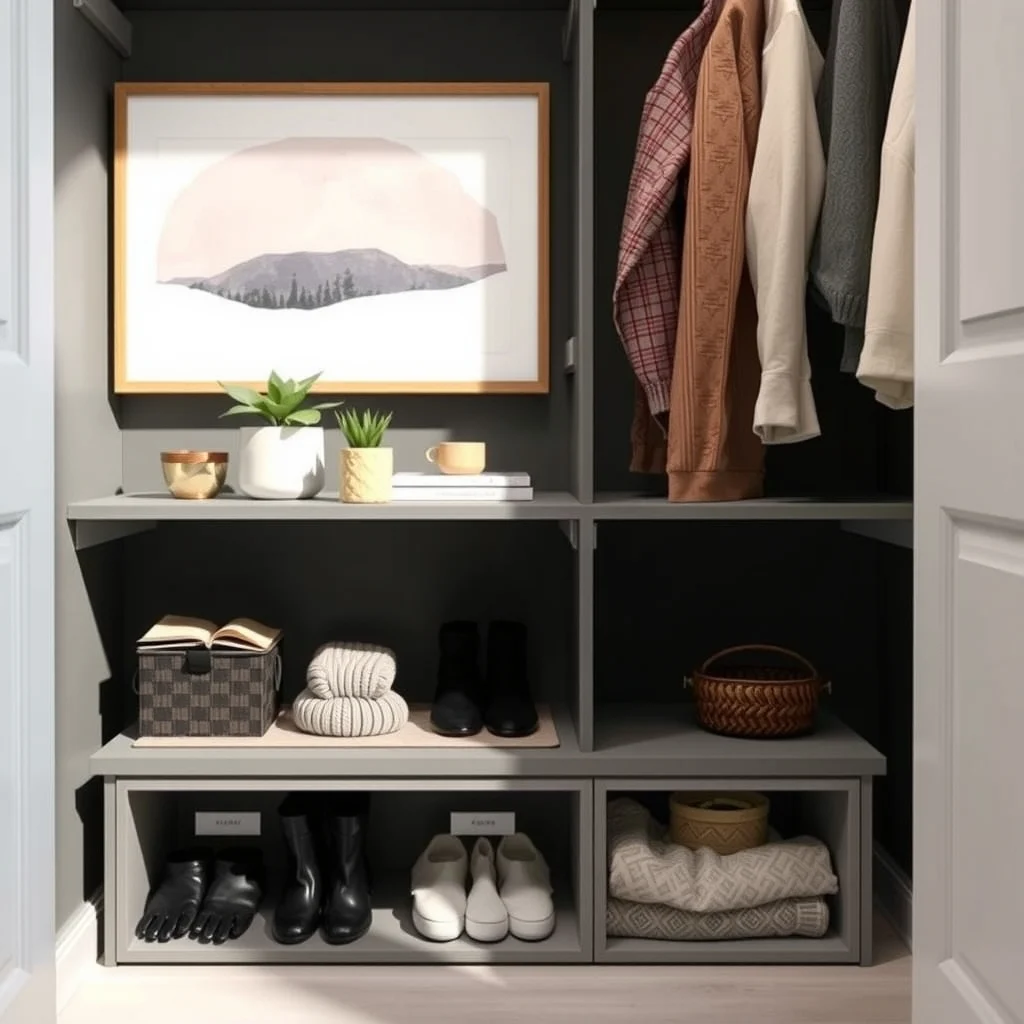
This image is by AI for inspiration only.
Pull‑out bins that tuck into the bottom of the closet provide a discreet home for gloves, hats, and scarves. Because the bins slide on small rollers, you can see every item at a glance without pulling everything out. Opt for bins made from clear acrylic or light wood; the transparency or natural grain helps you locate items quickly while adding a subtle design element. Using bins also protects delicate fabrics from dust. A potential downside is that the bins occupy some depth, so very deep coats may need to be hung slightly farther back.
4. Add a Hanging Shoe Organizer for Boots and Boots
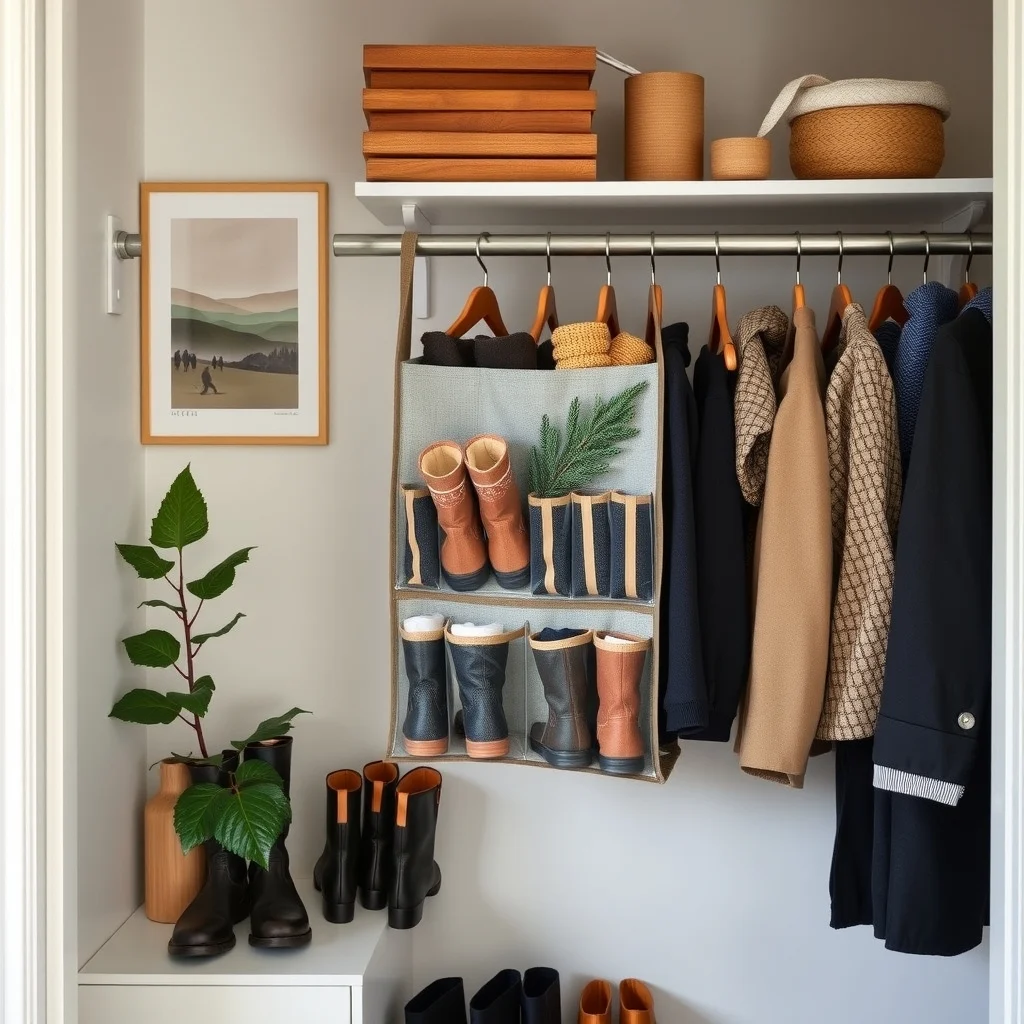
This image is by AI for inspiration only.
A fabric shoe organizer with clear pockets hangs from the closet rod and offers dedicated slots for each boot. The vertical orientation frees floor space and keeps boots upright, preventing creases in the leather. Choose a design in a muted charcoal or navy to blend with winter tones, and look for reinforced handles that can support heavier footwear. While this solution maximizes space, it does limit the number of boots you can store; if you own more than four pairs, a separate entryway shoe rack might be necessary.
5. Use Velvet or Felt Drawer Dividers for Small Garments
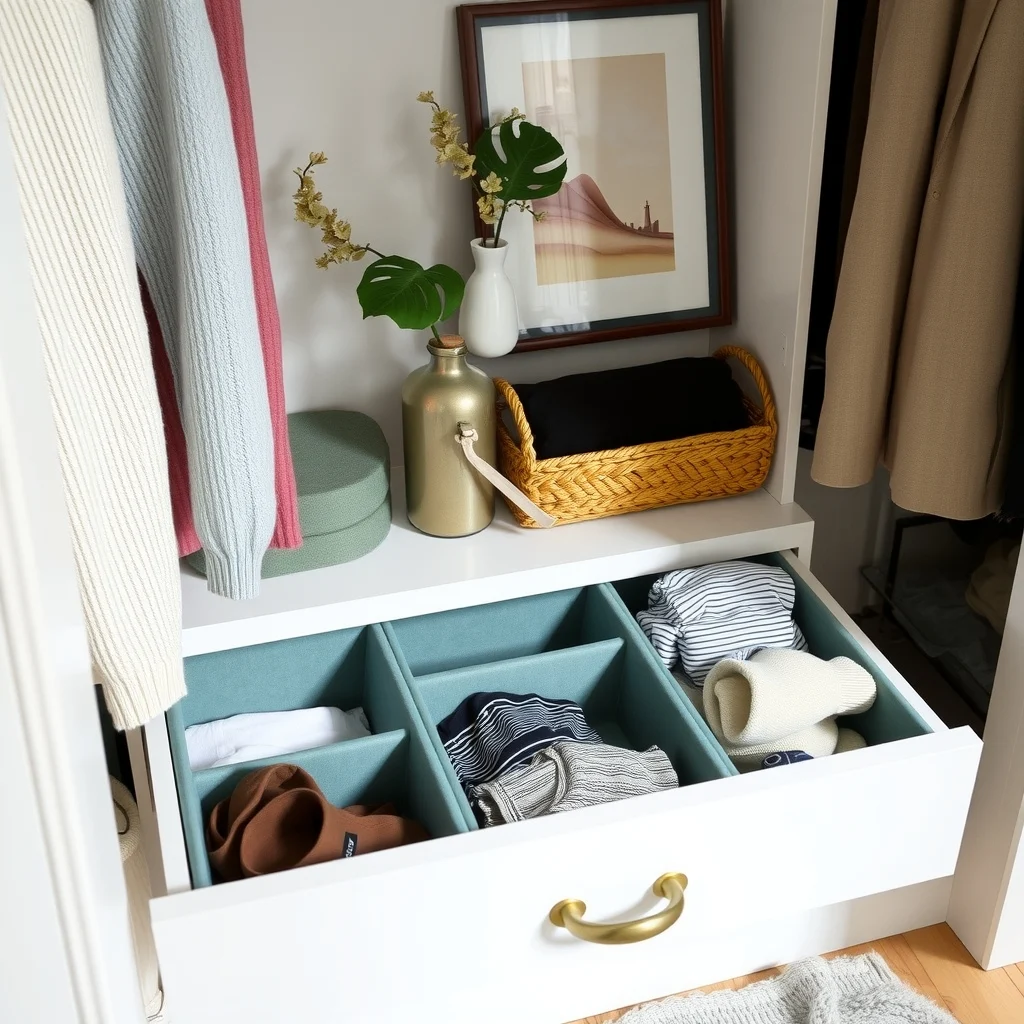
This image is by AI for inspiration only.
Drawer dividers made from soft velvet or felt create gentle compartments for underwear, socks, and thermal layers. The plush material protects delicate fabrics and adds a quiet, tactile element when you open the drawer. By arranging each type of garment in its own section, you avoid the frustration of rummaging through a mixed pile each morning. The dividers are lightweight and can be repositioned as your storage needs change. Keep in mind that the dividers take up a small amount of drawer space, which may reduce the overall volume for bulkier items.
6. Install a Light‑Weight Pegboard Panel on the Closet Door
This image is by AI for inspiration only.
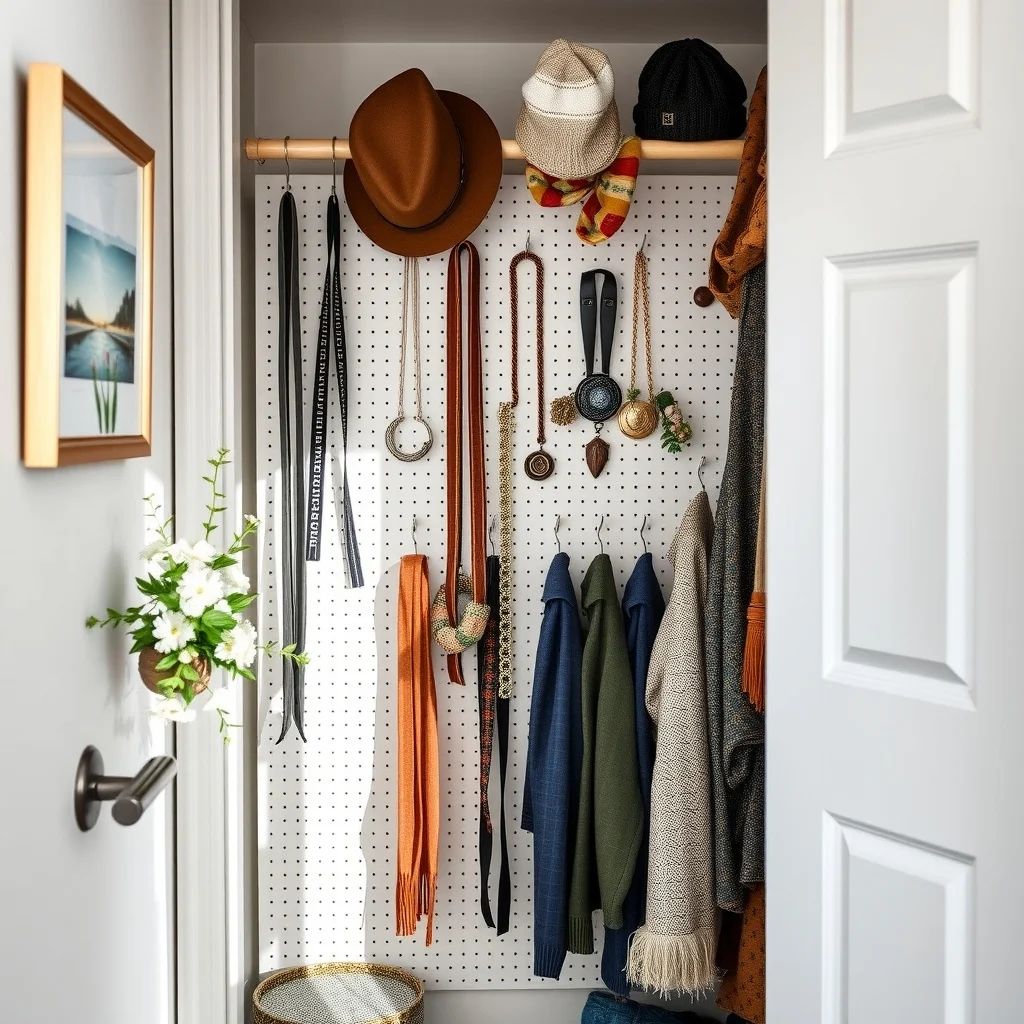
A thin pegboard adhered with removable adhesive hooks transforms the inside of the closet door into a display for belts, necklaces, and winter hats. The metal pegs hold items securely while the board’s grid pattern adds a modern touch. Because the board is lightweight, it does not strain the door, and the adhesive can be removed without damage when you move out. This visual storage keeps accessories visible and reduces the chance of misplacing them. However, the pegboard is best suited for lighter items; heavy winter scarves might pull the hooks out of the board over time.
7. Rotate Seasonal Items with a Portable Storage Box
This image is by AI for inspiration only.
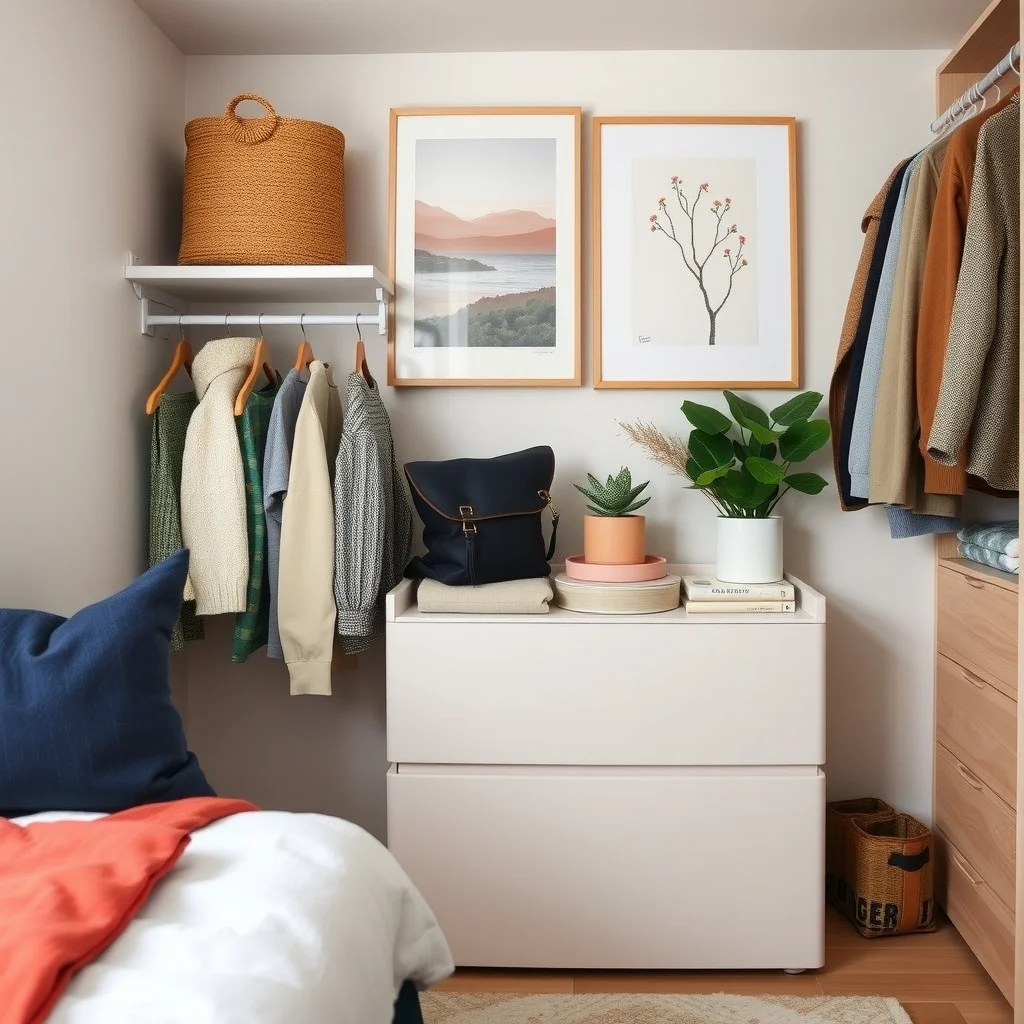
When space is at a premium, consider a stylish, stackable storage box that slides under the bed or sits on a spare shelf. Pack away summer clothing in the box, freeing up closet room for winter pieces. Choose a box with a fabric lid in a soft gray or muted teal; the color adds a calm accent while the fabric prevents dust from settling. The box’s handles make it easy to transport during the seasonal switch. The main compromise is that you must temporarily give up quick access to the out‑of‑season items, but the trade‑off is a clutter‑free winter closet.
FAQ
This image is by AI for inspiration only.
How can I hang a tension rod without damaging the walls?
Use a tension rod that expands by twisting; it presses against the interior sides of the closet without any screws. Make sure the rod’s ends have rubber pads to protect the wood or drywall.
What material is best for drawer dividers?
Velvet or felt works well because they are soft on fabrics and easy to slide into place. Both materials are lightweight and can be cut to fit any drawer size.
Can I use a pegboard on a painted closet door?
Yes, if you choose a removable adhesive that is safe for painted surfaces. Test a small area first to ensure the adhesive does not lift the paint.
How often should I rotate items in the storage box?
Switch the contents at the start of each season. This keeps your closet organized and prevents forgotten pieces from staying hidden for months.
Final Thoughts
This image is by AI for inspiration only.
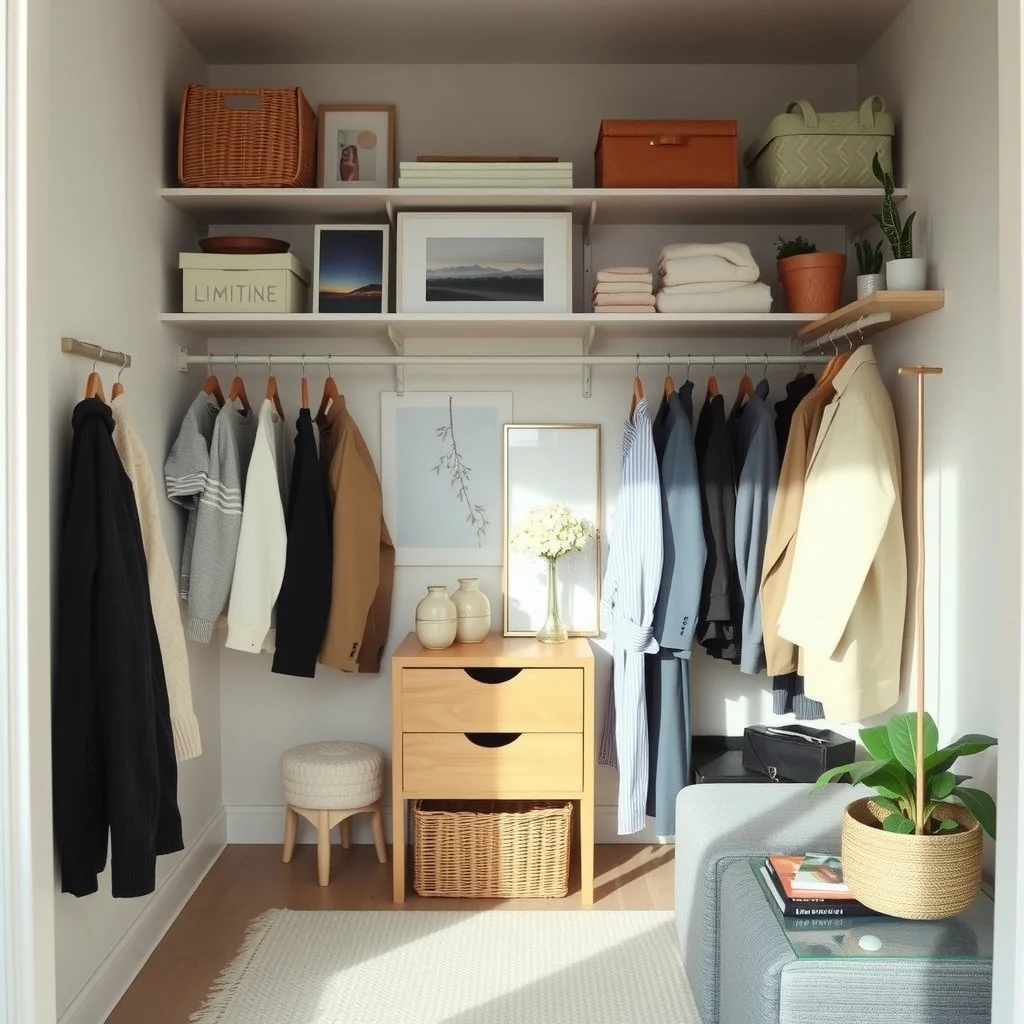
Even in a rental where permanent changes are off‑limits, a combination of portable shelves, tension rods, and clever accessories can transform a cramped closet into a winter‑ready haven. By thinking vertically, using clear containers, and keeping seasonal items separate, you maintain order without sacrificing style. Adjust each idea to fit your specific layout, and you’ll find that the limited space feels surprisingly generous throughout the cold months.