Small Living Room Toy Storage That Blends Into the Decor

When the kids leave a trail of building blocks, stuffed animals, and board games across a compact living area, the room can feel chaotic before you’ve even settled in. The challenge isn’t just finding a place to stash the toys; it’s doing so without sacrificing style, comfort, or the sense of spaciousness you’ve worked to create. Below are seven thoughtful approaches that let you hide the clutter while keeping the room visually cohesive, and a short FAQ to help you fine‑tune the details.
1. Built‑in Baskets Behind a Floating Shelf
This image is by AI for inspiration only.
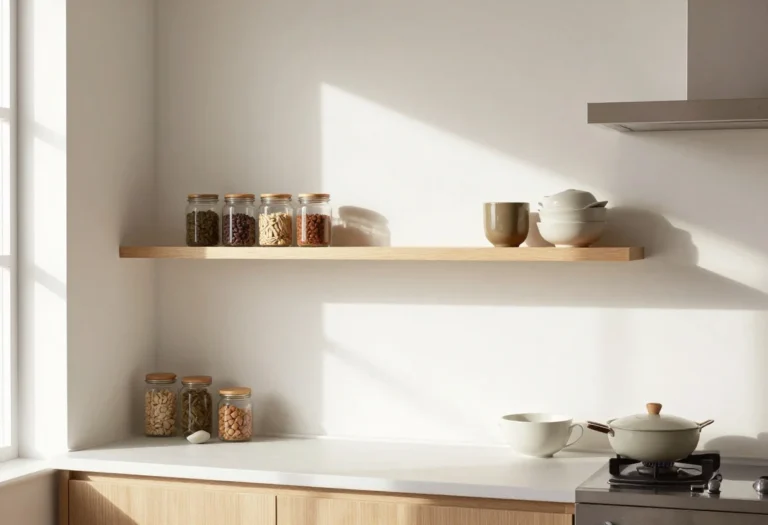
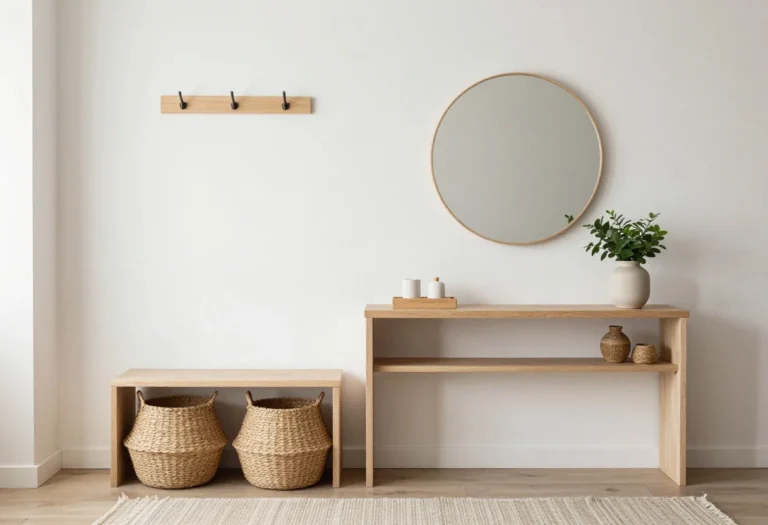
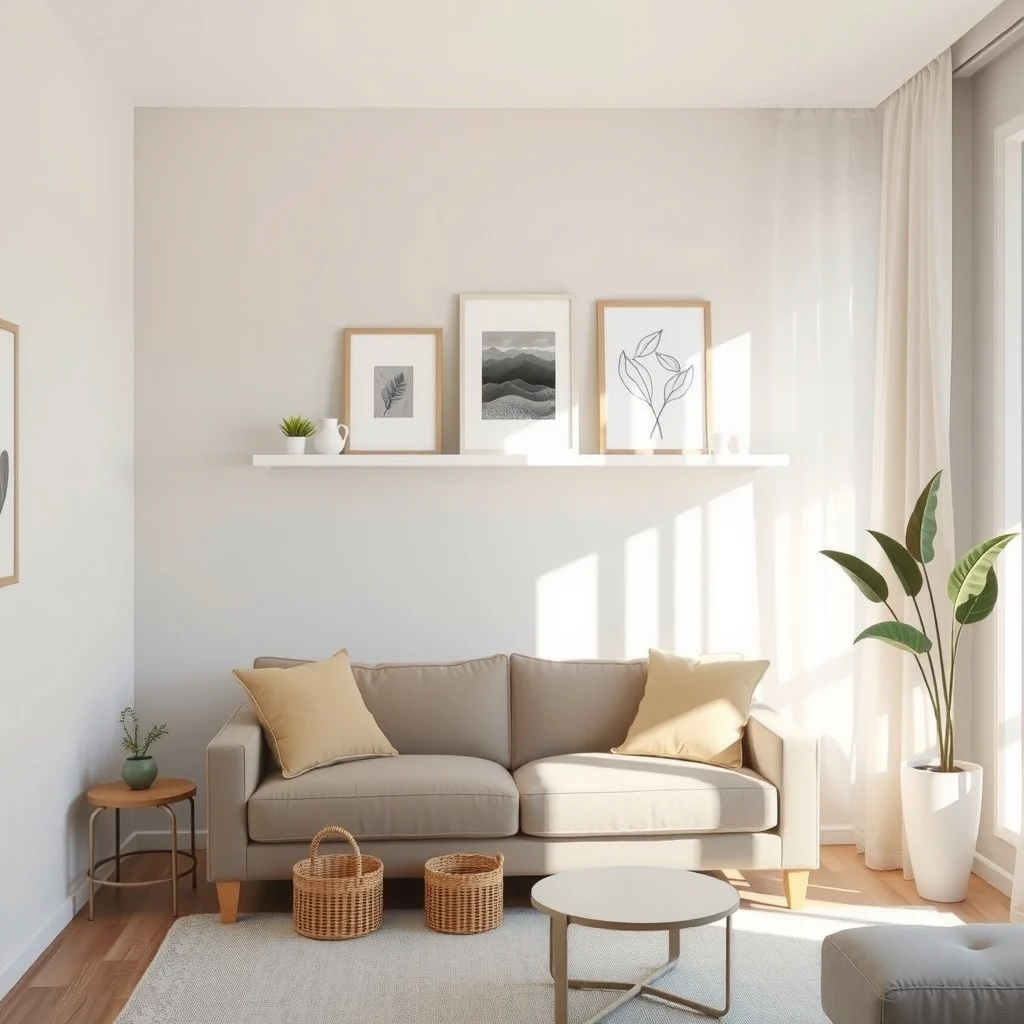
Imagine a sleek floating shelf that follows the length of your sofa wall, its underside lined with shallow woven baskets. The baskets sit flush against the wall, their natural rattan or seagrass texture echoing the soft linen of the sofa cushions. Because the shelf is mounted, the floor stays clear, which is essential in a small room where every square foot counts. You can slide the baskets in and out without moving heavy furniture, making clean‑up a quick, low‑effort task. The trade‑off is that the baskets need to be sized to the shelf depth; deeper toys may require an additional container or a different solution.
Choosing a finish that matches other wood tones—such as a walnut frame on a coffee table—helps the storage feel like an intentional part of the design rather than an afterthought. When the baskets are empty, the shelf can display a few decorative books or a modest plant, reinforcing the idea that it’s both functional and decorative.
2. A Low‑Profile Ottoman with Hidden Compartment
This image is by AI for inspiration only.
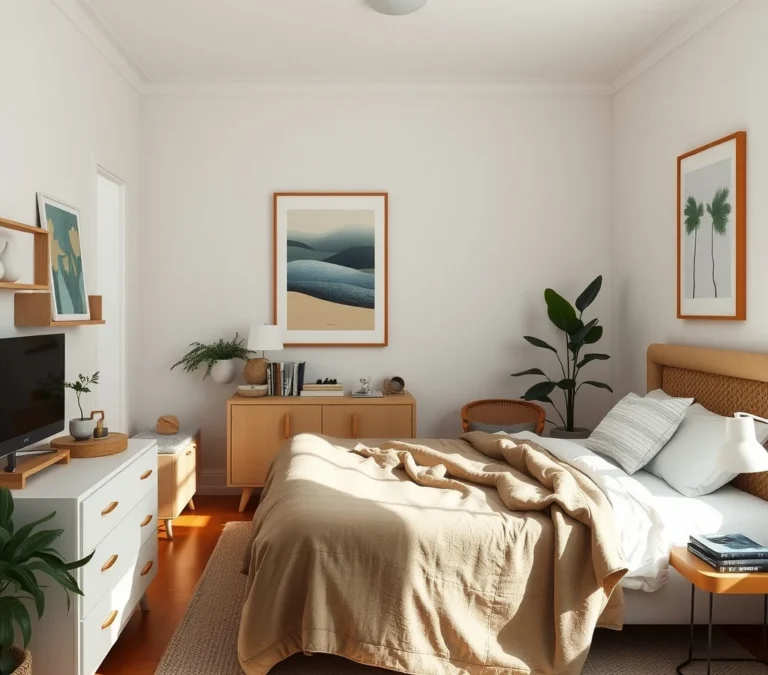
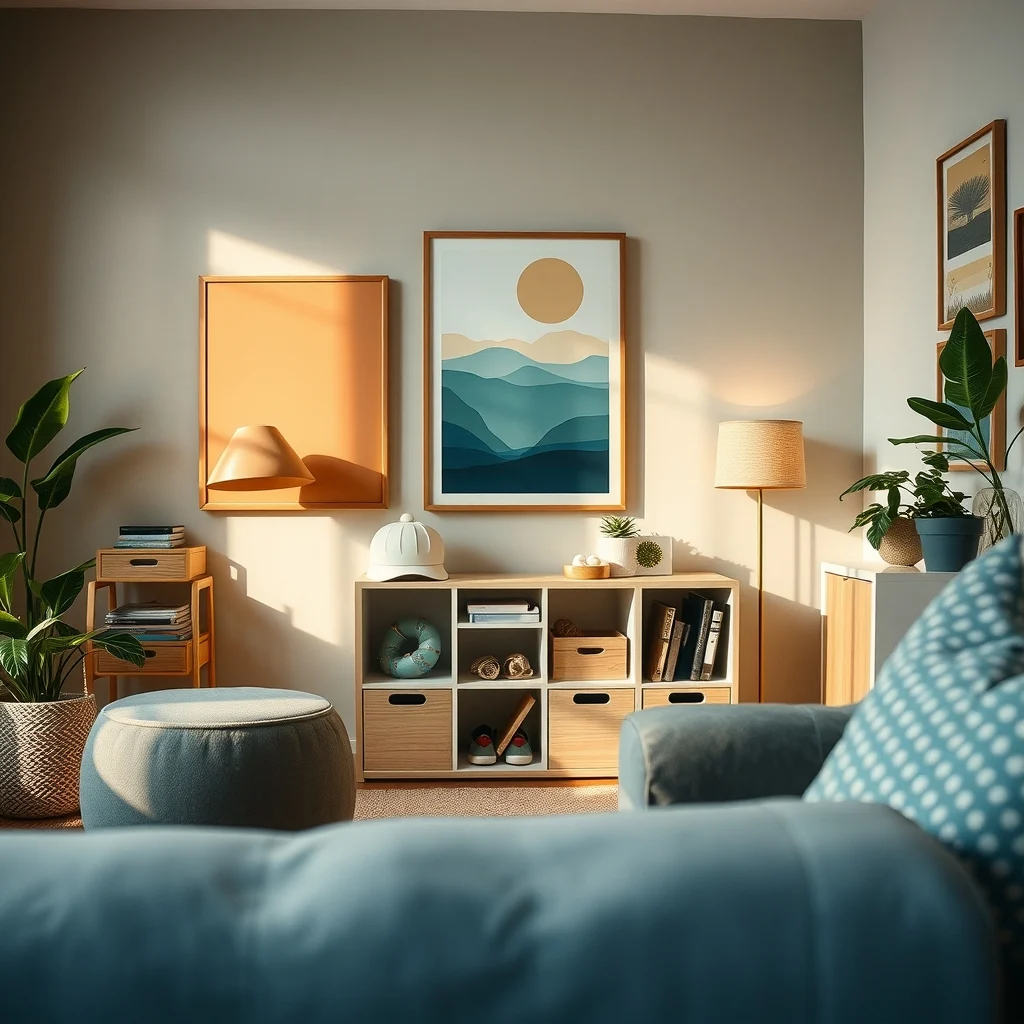
Ottomans that open like a chest are a classic answer to toy clutter, but the key to making them work in a tight living room is to keep the profile low and the upholstery neutral. A fabric in soft dove gray or warm sand blends with most wall colors, while a sturdy wooden frame underneath provides durability for daily use. When the children need a place to dump their puzzles, they simply lift the top; the interior compartment can hold several bins without adding visible bulk.
The benefit of this approach is twofold: the ottoman doubles as extra seating for guests and a footrest for adults, and its hidden storage is out of sight even when the room is arranged for a movie night. The downside is that the lid must be lifted, which can be a minor inconvenience for very young children; a small step stool or a low handle can mitigate this issue.
3. Custom‑Fit Closet Doors Turned Into Toy Panels
This image is by AI for inspiration only.
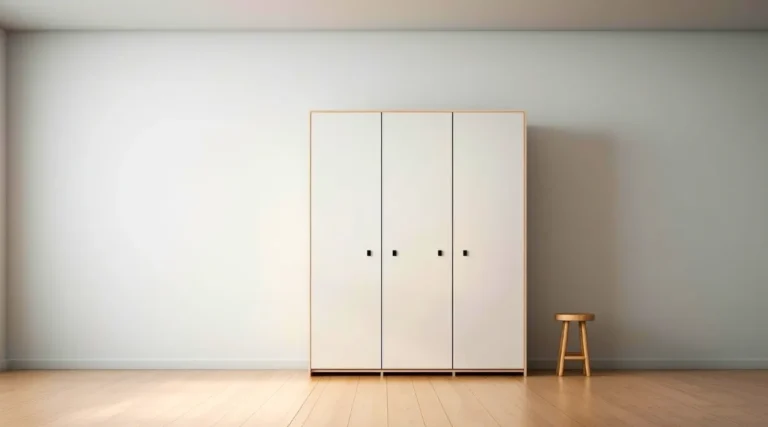
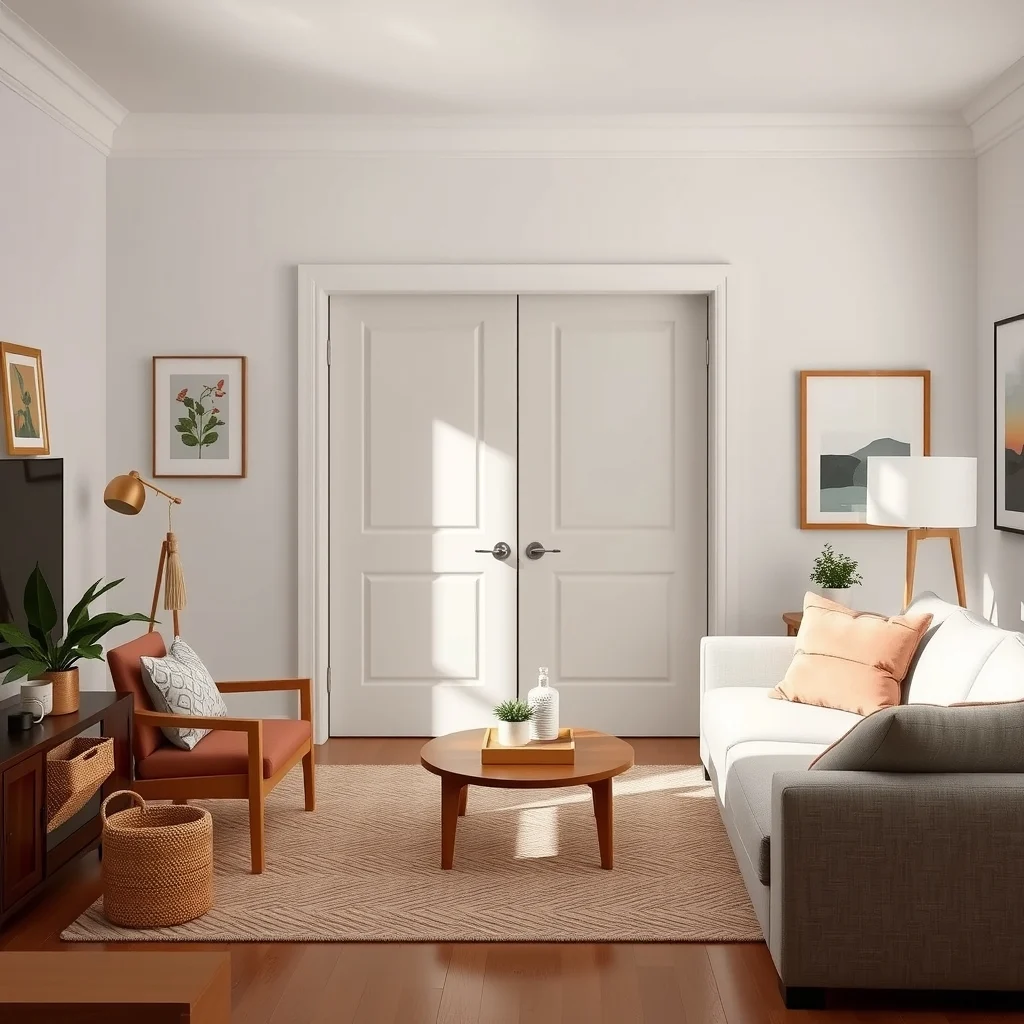
If your small living room shares a wall with a hallway closet, consider swapping the standard door for a panel that doubles as a storage surface. A pair of hinged doors painted the same hue as the surrounding trim can be fitted with shallow cubbies or pull‑out trays that slide out when the doors are opened. The doors remain closed during everyday use, preserving a clean line, but when playtime begins they become an accessible toy station.
This solution works best when the closet depth is at least twelve inches, allowing the trays to hold books, crayons, or small plush toys without protruding into the living space. The main consideration is the need for a reliable hinge system; a cheap hardware set may sag over time, so investing in a sturdy brass or steel hinge will keep the doors functional for years.
4. Wall‑Mounted Cube Shelves with Fabric Liners
This image is by AI for inspiration only.
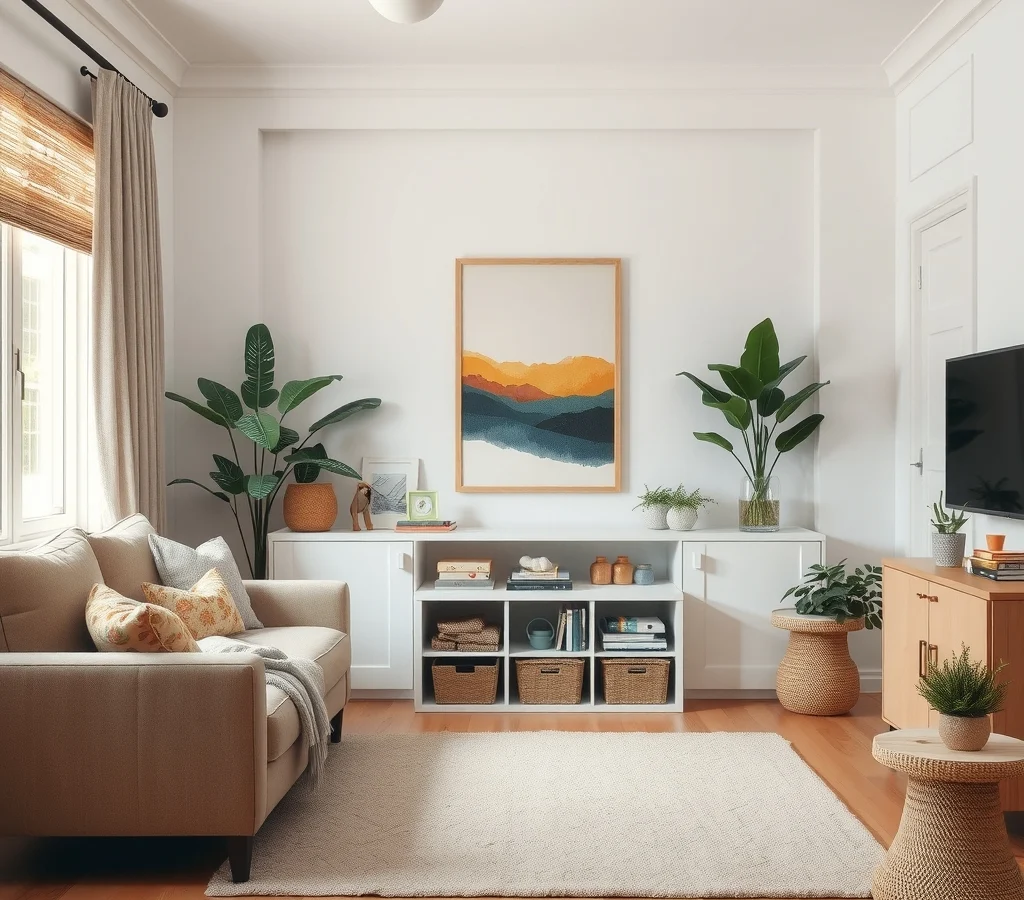
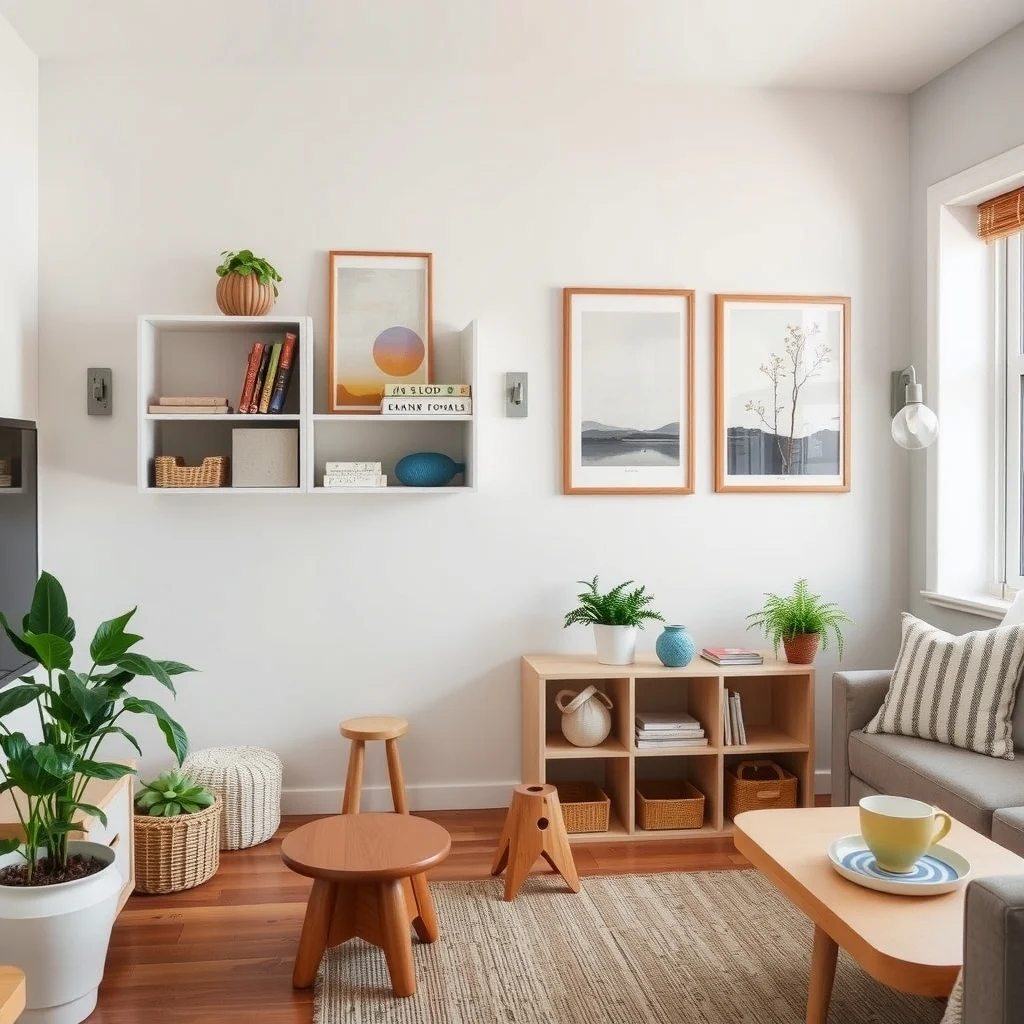
Cube shelves are a favorite among parents for their modular nature, and when they’re mounted directly on the wall they free up floor space that would otherwise be taken up by a freestanding unit. By selecting cubes that are three to four inches deep and covering the interior with a soft, washable fabric, you create a cozy nook for soft toys while keeping the exterior clean and uniform.
The visual rhythm of evenly spaced cubes can echo the geometry of a rug or a patterned throw, tying the storage into the room’s overall aesthetic. One limitation is that larger toys, such as a toddler’s wagon, won’t fit; these items will need an alternative solution, perhaps a low bench with a hidden compartment.
5. A Slim Media Console with Concealed Drawers
This image is by AI for inspiration only.
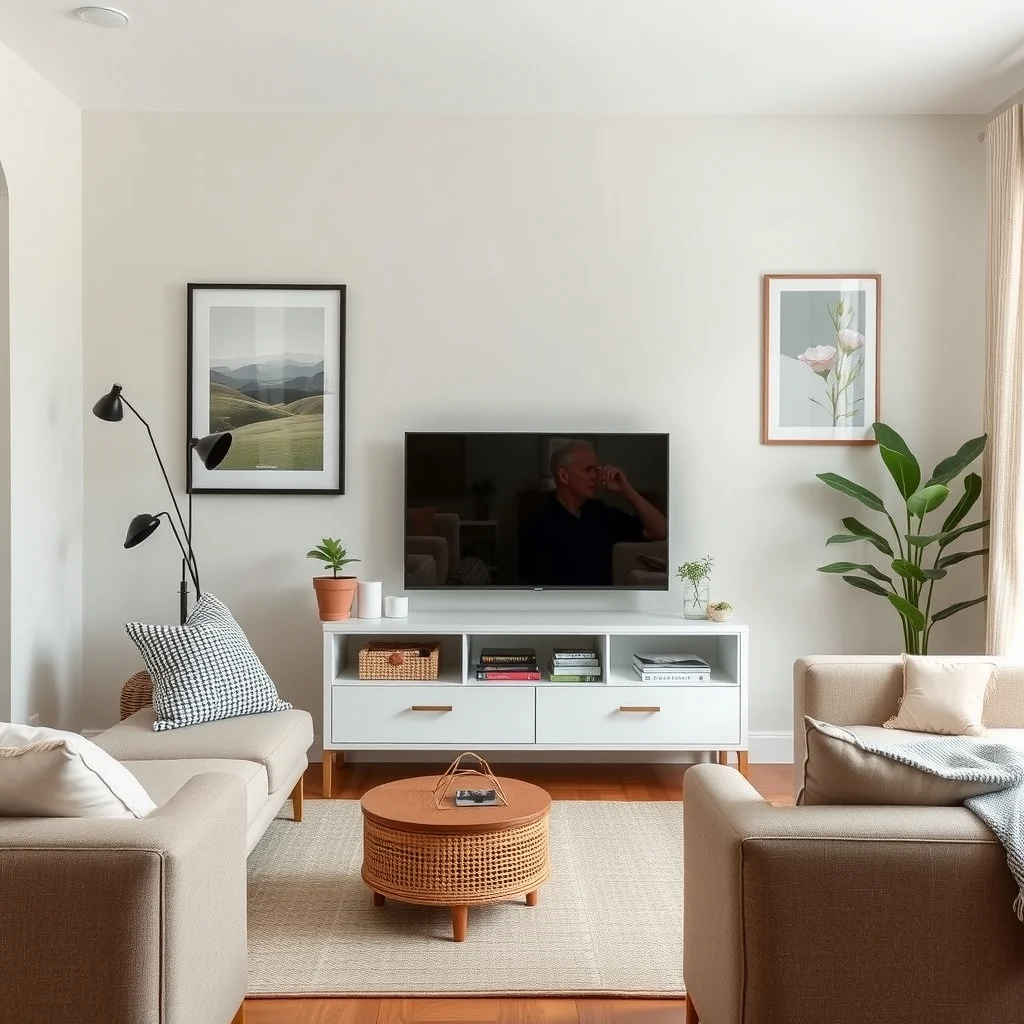
Many small living rooms already feature a media console for a television or sound system. Opt for a model with a narrow profile—no more than six inches deep—and incorporate a pair of concealed drawers that slide out from the front. The drawer fronts can be finished in the same matte lacquer as the console, making the storage invisible when closed.
Because the drawers are part of an existing piece of furniture, you avoid adding another bulkier element to the room. They work well for storing board games, puzzle pieces, or a handful of plush toys. The trade‑off is that the drawer capacity is limited; you’ll need to curate the toy selection or rotate items seasonally to prevent overflow.
6. Decorative Ladder Shelves with Bins
This image is by AI for inspiration only.
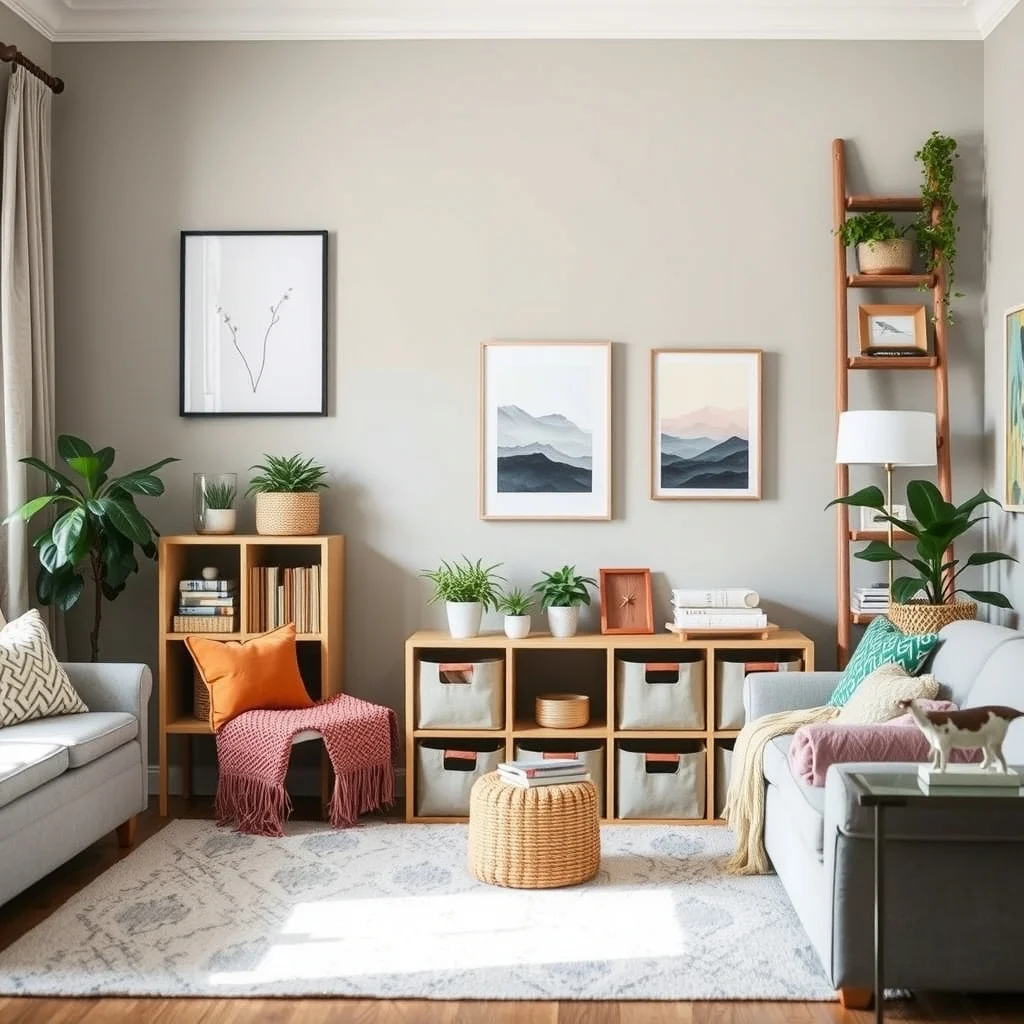
A leaning ladder shelf made from reclaimed pine or painted oak adds a touch of rustic charm while providing vertical storage that reaches toward the ceiling. The rungs act as natural dividers for fabric bins or wicker baskets, each assigned to a specific category of toys. By placing the ladder against a wall that already bears a bold accent color, the structure becomes a focal point rather than a hidden utility.
The open‑sided design encourages children to see what’s inside, which can reduce the impulse to scatter items across the floor. However, the open back means the bins are visible from the room’s opposite side; choosing bins in a muted tone that matches the wall helps the arrangement stay understated.
7. Integrated Window Seat with Storage Drawers
This image is by AI for inspiration only.
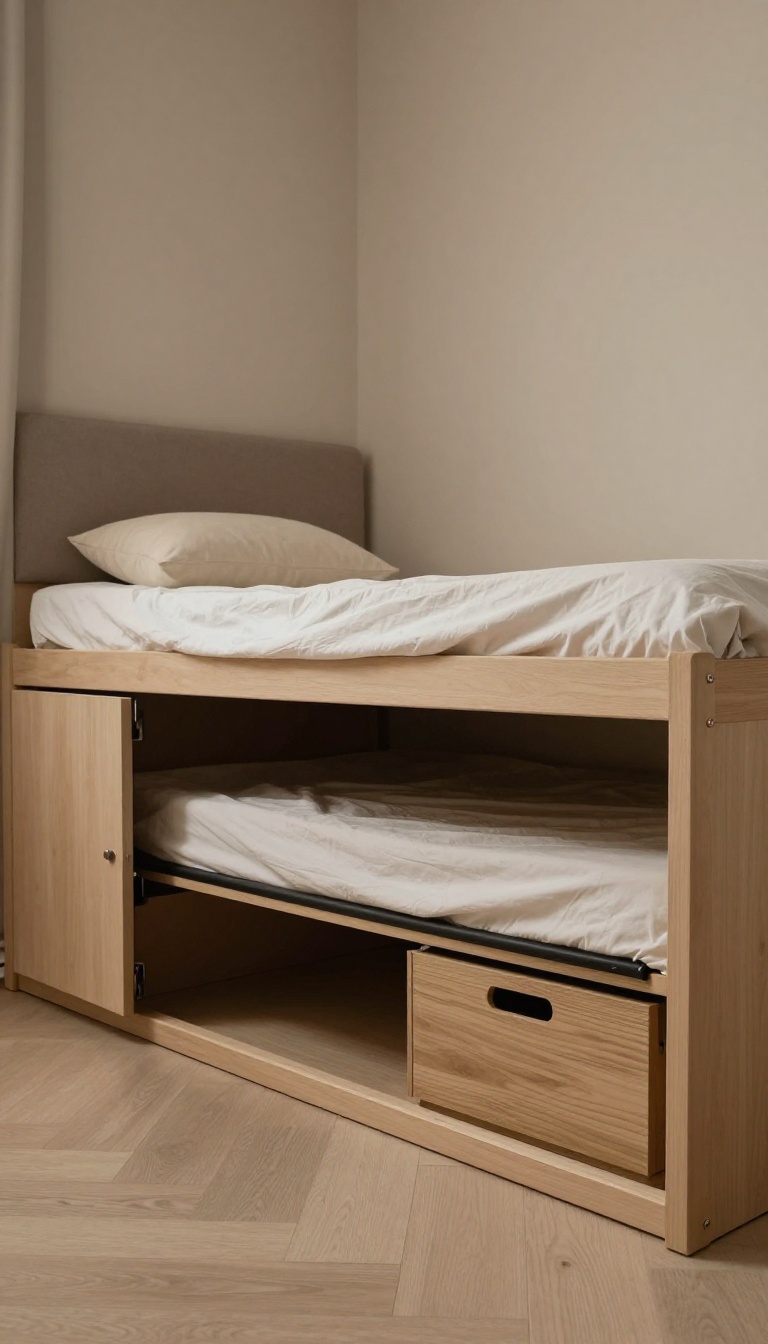
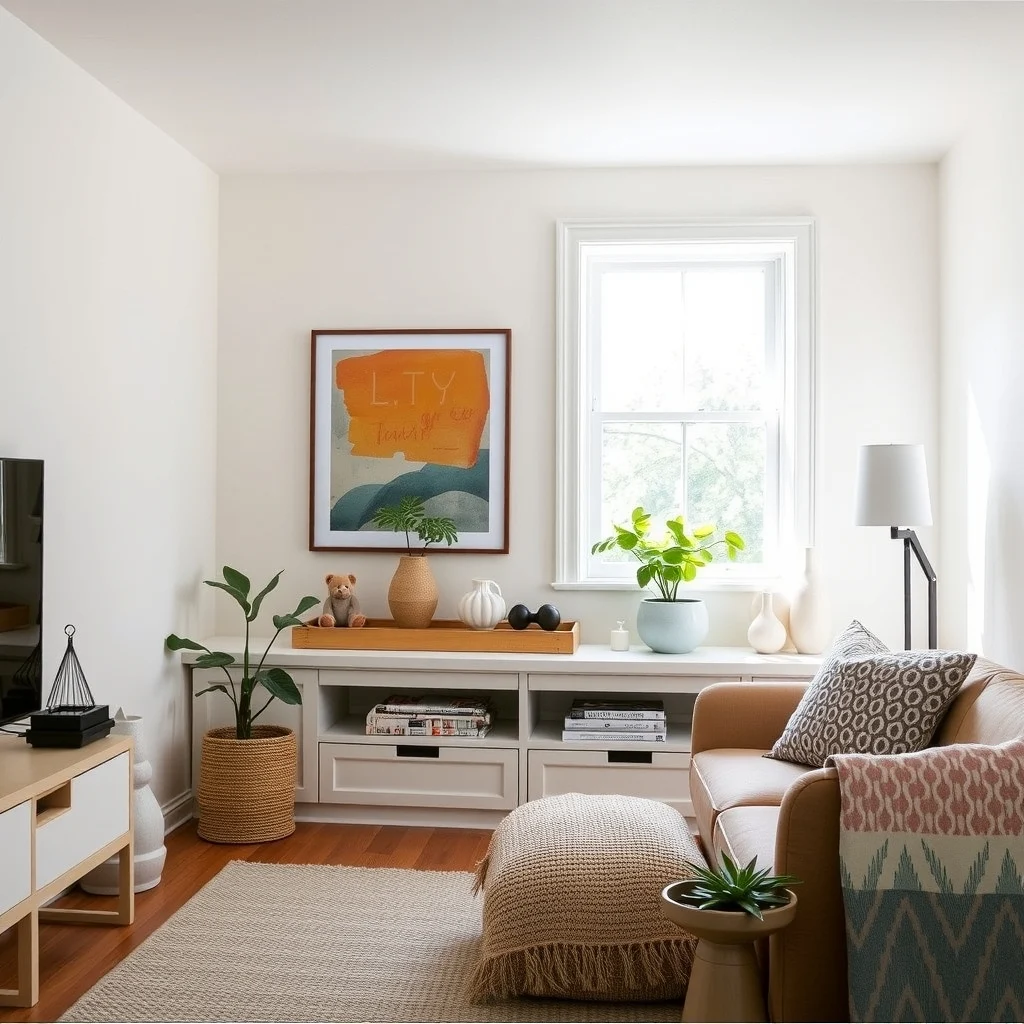
When a living room includes a modest window, a built‑in seat beneath the sill can serve as both a cozy reading nook and a discreet storage hub. By constructing the seat with a shallow drawer that slides out from underneath the cushion, you gain a hidden compartment that can accommodate a selection of soft toys or a stack of picture books. Upholstering the seat in a fabric that mirrors the curtains ties the whole window area together.
This approach maximizes under‑used space and adds a functional element that encourages quiet time. The main limitation is the need for a window that is low enough to accommodate the seat without obstructing natural light; if the sill is too high, a freestanding bench with similar storage may be a better fit.
FAQ
This image is by AI for inspiration only.
How can I keep the toy storage areas from looking too child‑focused?
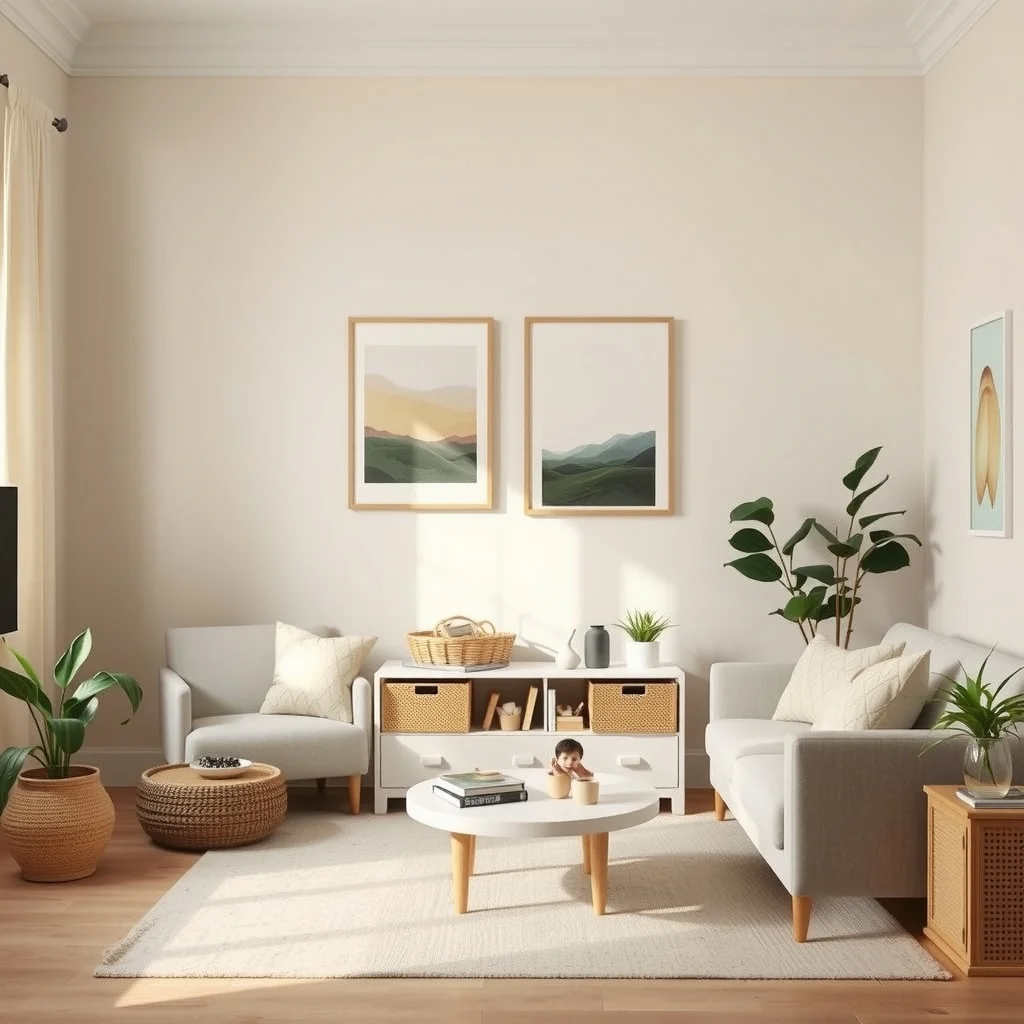
Choose storage pieces in neutral colors and materials that match the room’s existing palette, such as woven rattan, matte wood, or soft linen. By integrating the containers with the surrounding décor, they appear as intentional design elements rather than obvious kids’ furniture.
What is the best way to maintain woven baskets in a living room?
Woven baskets should be vacuumed lightly and spot‑cleaned with a damp cloth when dust accumulates. Avoid placing them in direct sunlight for prolonged periods, as UV exposure can cause fading of the natural fibers.
Can I combine multiple storage ideas without making the room feel crowded?
Yes, as long as each piece serves a distinct function and respects the room’s scale. Stick to a limited color scheme and keep the visual weight balanced—pair a low‑profile ottoman with a tall ladder shelf, for example, to maintain vertical and horizontal harmony.
Is it safe to let toddlers access low shelves and bins?
Low shelves should be secured to the wall with brackets to prevent tipping. Choose bins with rounded edges and avoid glass or metal containers that could become hazards if knocked over.
How do I decide which toys belong in each storage solution?
Group items by size and frequency of use. Soft toys and small plushies fit well in shallow baskets, while board games and puzzles are better stored in drawers or cubby compartments that keep pieces together.
Final Thoughts
This image is by AI for inspiration only.
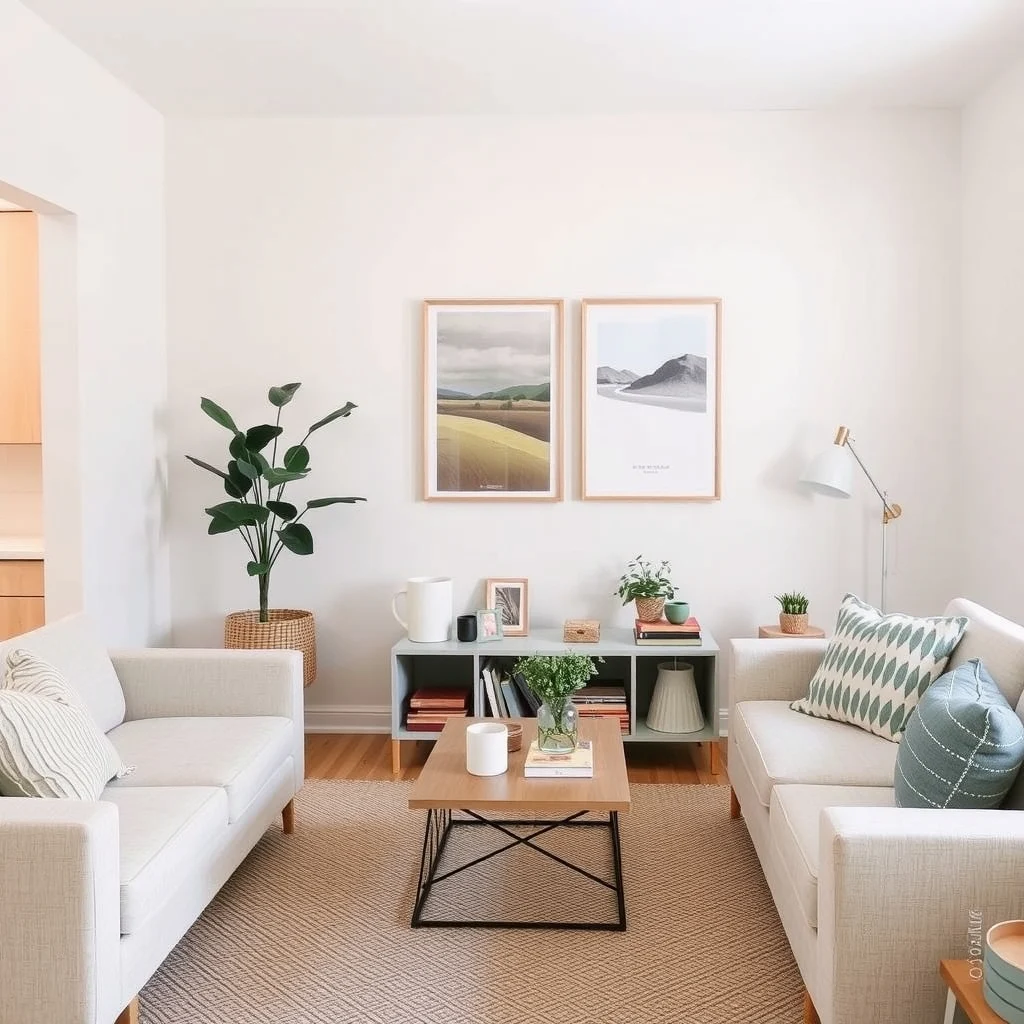
Blending toy storage into a small living room is less about hiding mess and more about weaving functionality into the fabric of the space. By selecting pieces that echo the room’s colors, textures, and lines, you create a harmonious environment where both adults and children feel at ease. Whether you opt for a floating shelf with hidden baskets, a multifunctional ottoman, or a custom closet panel, the goal remains the same: a tidy, inviting room that respects the limited footprint while still accommodating the joyful chaos of family life.