How to Create a Seasonal Clothing Zone in a Tiny Closet

When the wardrobe feels like a cramped hallway and winter coats are tangled with summer dresses, the frustration is immediate. A tiny closet can still accommodate a clear division between seasons, but it requires a bit of planning, a few smart storage choices, and an eye for the way light and texture interact in a confined space. Below you’ll find seven ideas that turn a modest closet into a functional, visually calm zone where each season has its own home.
1. Assess the Closet’s Core Shape and Flow
This image is by AI for inspiration only.
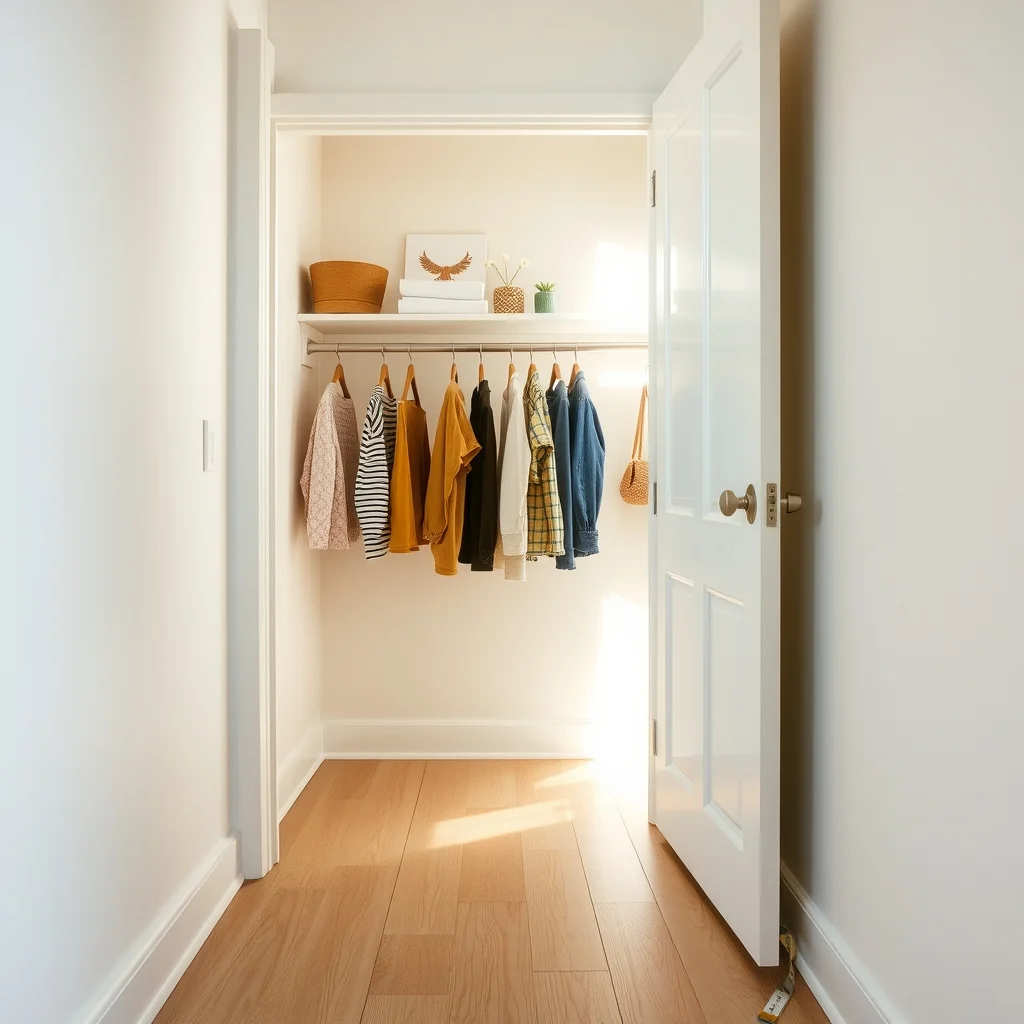
The first step is to understand the dimensions you are working with. A narrow reach‑in often has a single vertical wall, a floor shelf, and a hanging rod. Measuring the height, width, and depth helps you decide where to place the heavier items without sacrificing hanging space for everyday pieces. For instance, if the closet is taller than it is wide, a double‑tiered hanging system can free floor area for folded sweaters. Recognizing the natural flow—how you step in, where the door swings, where the light falls—prevents a layout that feels cramped. By aligning storage with the closet’s geometry, you create a logical path that guides you from spring tops to winter coats without back‑tracking.
2. Install a Adjustable Hanging Rod Divider
This image is by AI for inspiration only.
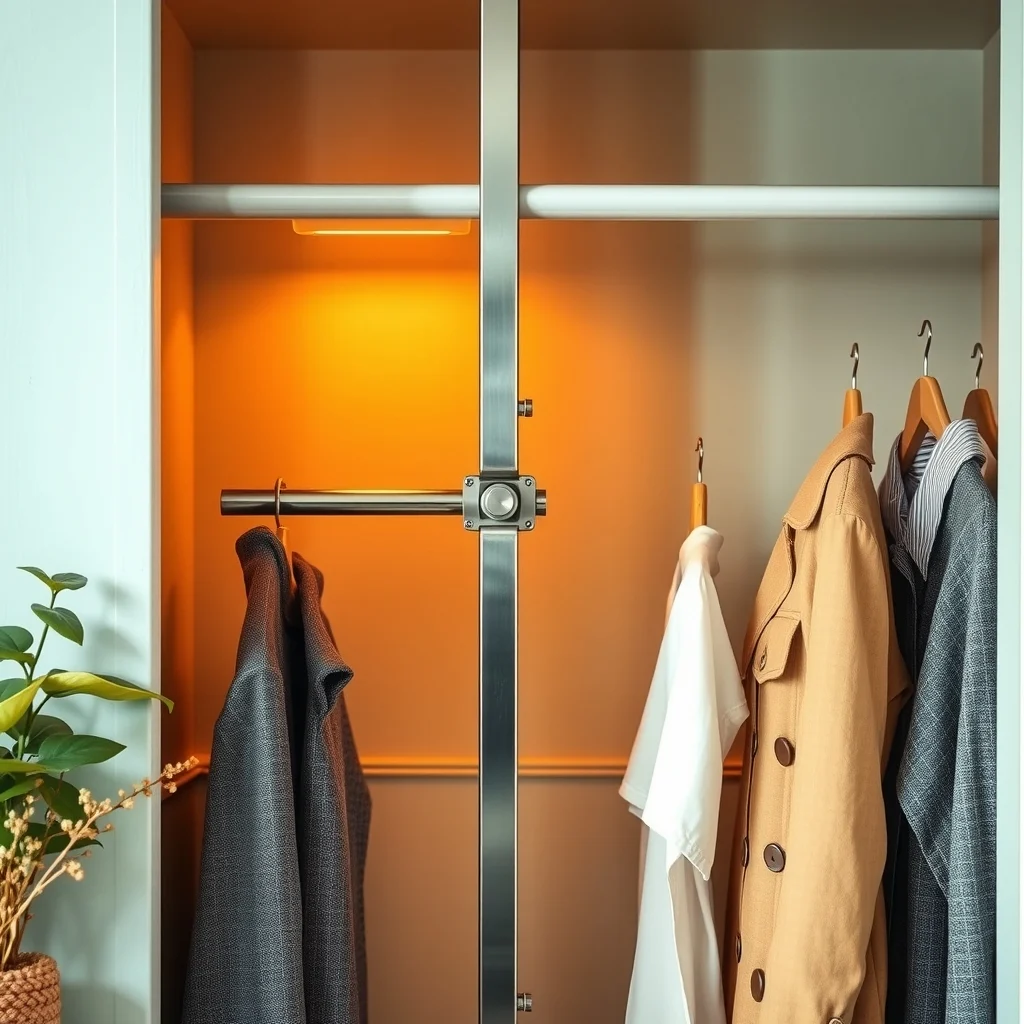
Instead of a permanent double‑rod, an adjustable divider slides up and down, allowing you to raise the lower rod for bulkier coats in winter and lower it when you need more room for lighter jackets in spring. The metal bracket typically mounts on the existing rod, so installation is quick and reversible. This flexibility means you can reconfigure the closet each season without drilling new holes or buying a second rod. The trade‑off is that the divider adds a small visual break; if you prefer a seamless look, a single rod with tiered hangers may be smoother, though it offers less vertical separation.
3. Use Clear Bins for Off‑Season Accessories
This image is by AI for inspiration only.
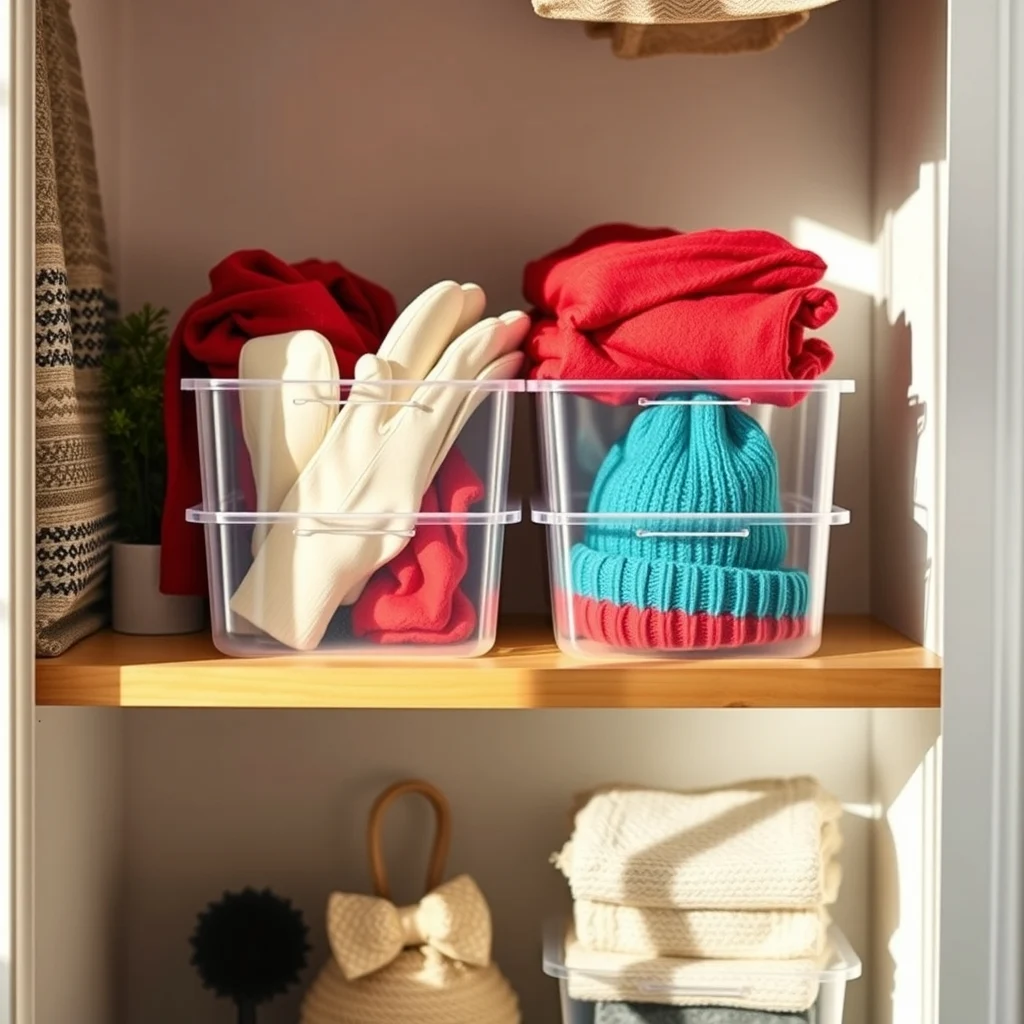
Transparent storage bins placed on the closet floor or on a shallow shelf give you instant visibility of scarves, hats, and gloves that are not in current use. Clear acrylic or sturdy canvas with a zip‑top protects delicate fabrics while allowing you to spot the right piece without rummaging. When the season changes, you simply rotate the bins, pulling the winter collection forward and tucking summer accessories away. The downside is that bins can occupy valuable floor space, so choosing low‑profile containers that sit just a few inches tall preserves walking room.
4. Add a Pull‑Out Shelf for Folded Layers
This image is by AI for inspiration only.
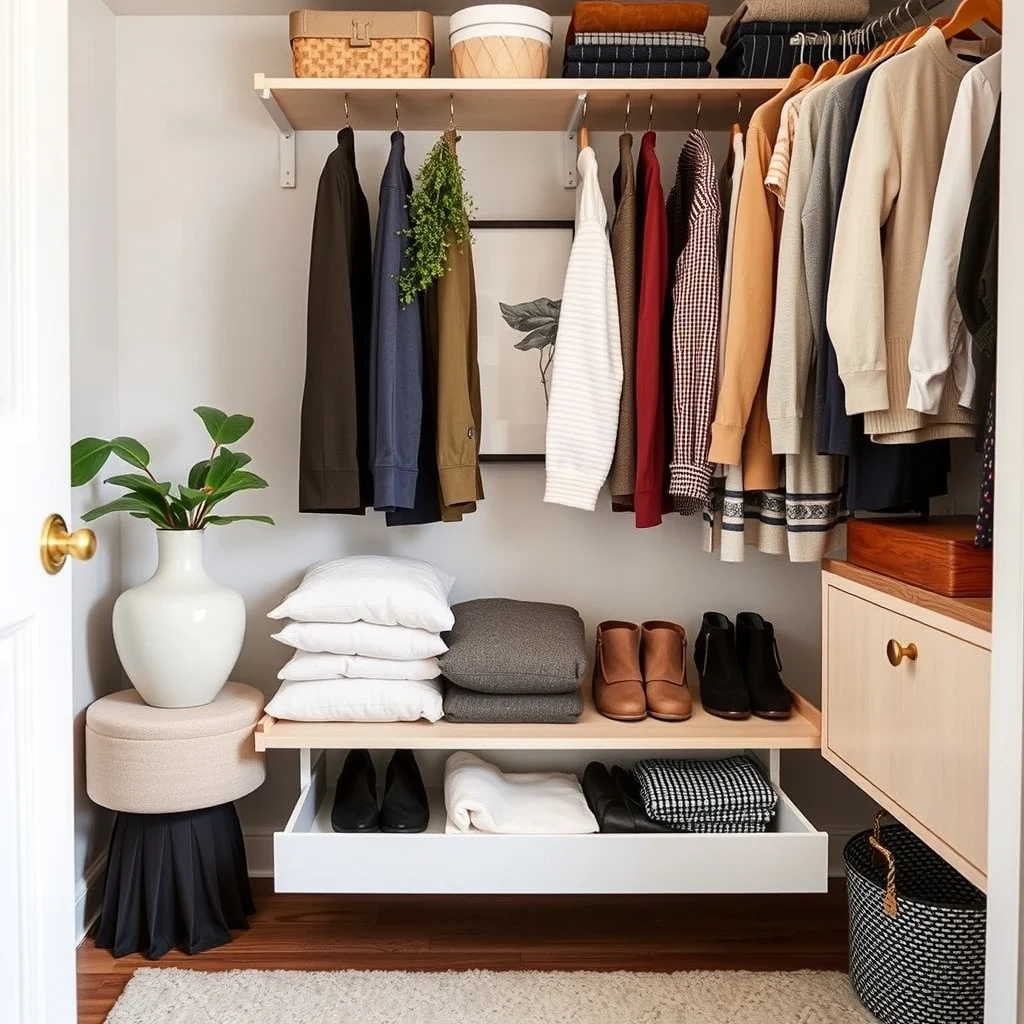
A shallow pull‑out shelf, sometimes called a drawer shelf, slides out from the bottom of the closet and creates a dedicated area for folded sweaters, leggings, or lightweight jackets. Because the shelf is hidden when not in use, the closet retains a clean silhouette. The sliding mechanism reduces the need to bend deep into the space, which is especially helpful in a low‑ceiling closet. Installing a shelf does require a small amount of hardware, and the weight capacity should be checked if you plan to store heavyweight knitwear; a sturdy wooden shelf will hold more than a thin wire version.
5. Incorporate a Small Mirror on the Interior Door
This image is by AI for inspiration only.
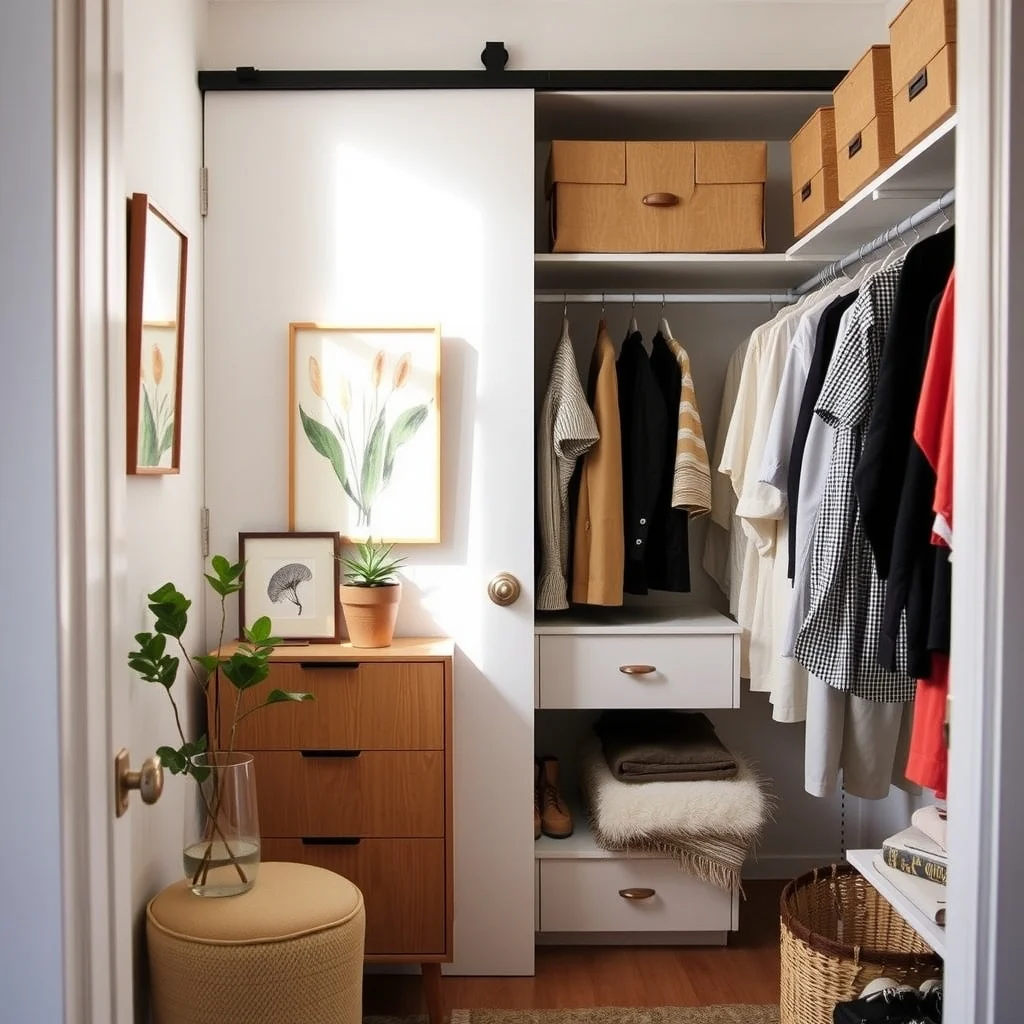
Mirrors are often reserved for bedroom walls, but a modest mirror affixed to the inside of a closet door adds depth and improves lighting. When the door is open, the reflective surface bounces natural or overhead light, making the space feel taller and helping you evaluate outfits more accurately. A frameless acrylic mirror is lightweight and easy to attach with adhesive strips, avoiding damage to the door. The only caution is to ensure the mirror is positioned away from the hanging rod to prevent accidental knocks.
6. Choose Seasonal Color Coding for Hangers
This image is by AI for inspiration only.
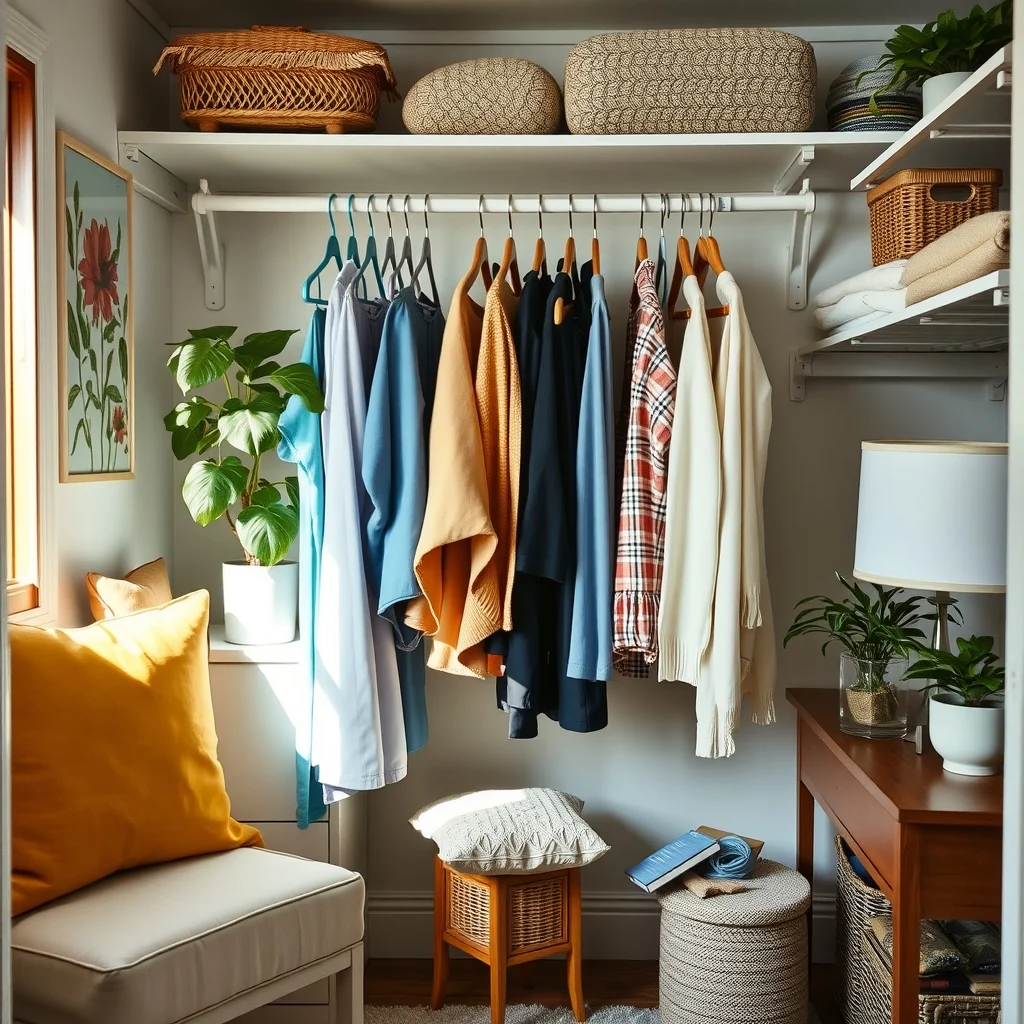
Assigning a distinct hanger color to each season—such as pastel blue for spring, amber for fall—creates a visual cue that speeds up the selection process. When you open the closet, the color blocks instantly tell you which section belongs to which time of year, reducing the mental load of searching. Wooden hangers for winter coats add a warm texture, while slim velvet hangers for summer dresses keep the line sleek. The main consideration is to keep the hanger palette simple; too many shades can become confusing rather than clarifying.
7. Maintain the Zone with a Seasonal Refresh Routine

This image is by AI for inspiration only.
At the close of each season, set aside an hour to evaluate what you have stored. Items that have not been worn for a full cycle may be ready for donation, while pieces that fit well can be rotated back into the active zone. Lightly vacuuming the closet floor, wiping down shelves with a damp cloth, and checking the integrity of hooks prevents dust buildup and wear. This routine ensures the space remains functional and pleasant, though it does require a regular commitment; skipping the refresh can quickly lead to a cluttered feeling even in a small closet.
FAQ
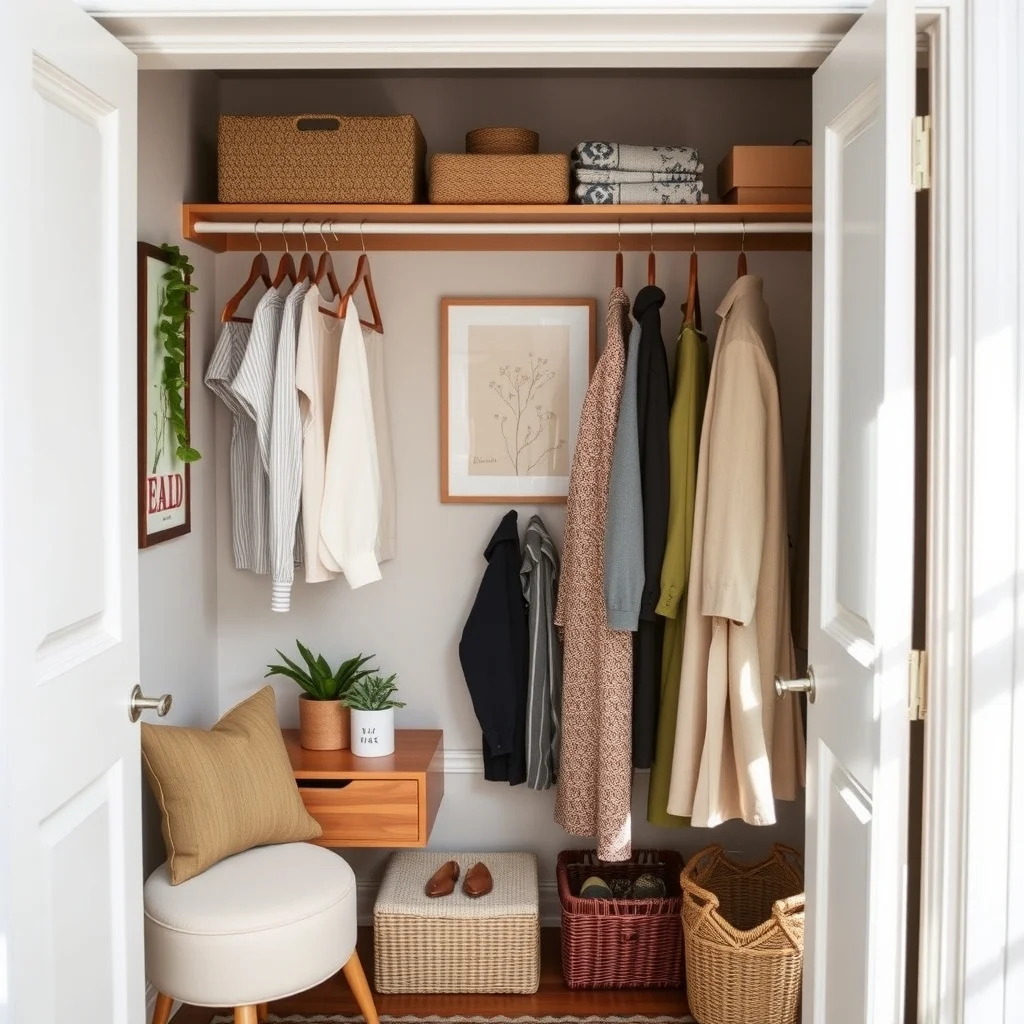
This image is by AI for inspiration only.
How can I maximize hanging space in a closet that’s only 3 feet wide?
Use a double‑tiered hanging system with one rod at the standard height and another lower rod for shorter items. This arrangement doubles the vertical capacity without expanding the footprint.
What type of storage bin is best for protecting delicate winter scarves?
A clear acrylic bin with a snug zip‑top keeps moisture out and allows you to see each scarf at a glance. The rigid walls protect against crushing, while the visibility eliminates the need to unpack each item.
Is it safe to attach a mirror to a closet door with adhesive strips?
Yes, provided the adhesive is rated for the weight of the mirror and the door surface is clean and smooth. Follow the manufacturer’s instructions and avoid placing the mirror where the door frequently contacts the frame.
Can I use fabric-covered hangers for heavy coats?
Fabric hangers are ideal for lightweight garments; for heavy coats, a sturdy wooden or metal hanger offers the necessary support. Mixing hanger types lets you match each garment’s weight while maintaining a cohesive look.
How often should I rotate seasonal clothing?
Rotate twice a year—once in early spring and once in early fall—so that the current season’s pieces are front and center. This timing aligns with typical weather changes and gives you a chance to assess any items that need repair before they reappear.
Final Thoughts
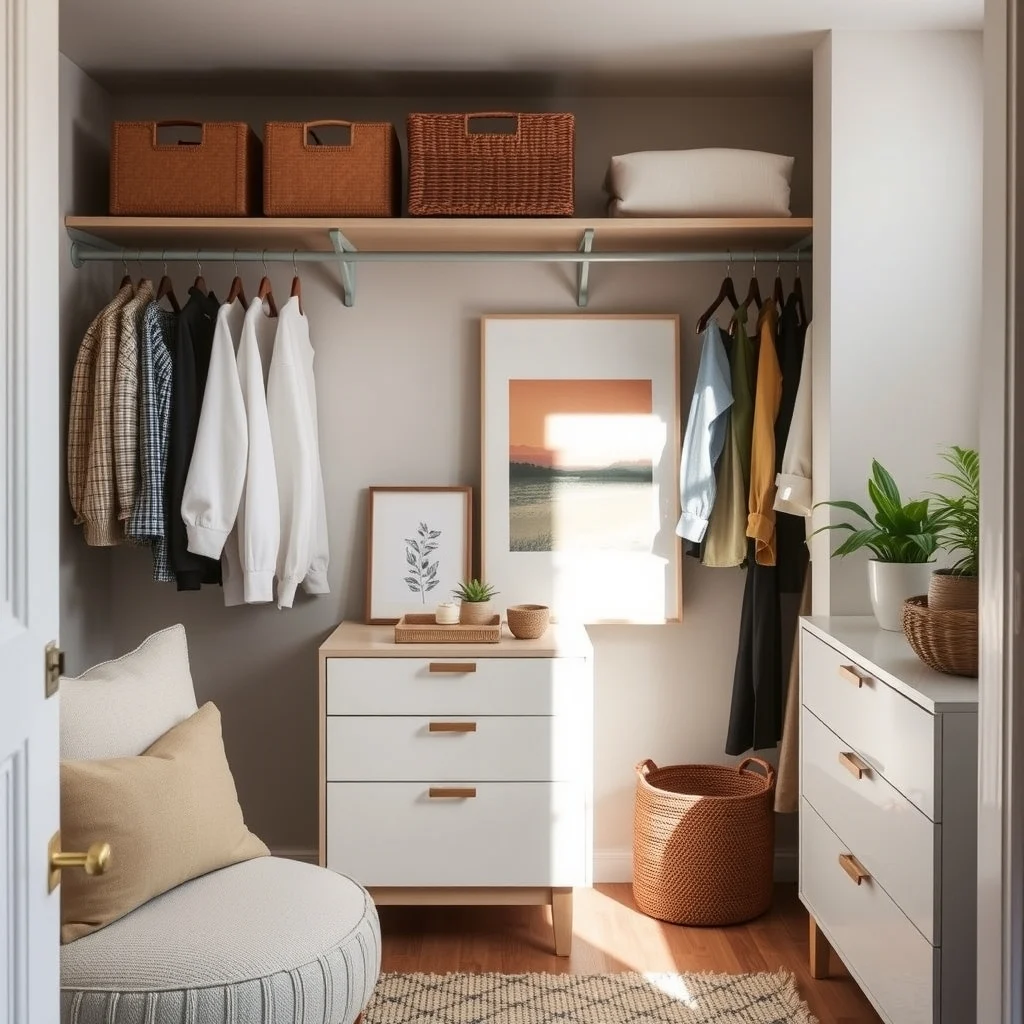
This image is by AI for inspiration only.
Even the most modest closet can become a well‑ordered seasonal zone with thoughtful division, adaptable hardware, and a habit of regular refreshes. By measuring the space, using clear visual cues, and selecting storage that respects both form and function, you turn a cramped area into a calm, efficient part of your daily routine. The effort you invest now pays off each time you slip on a perfectly paired outfit without hunting through a jumble of clothes.