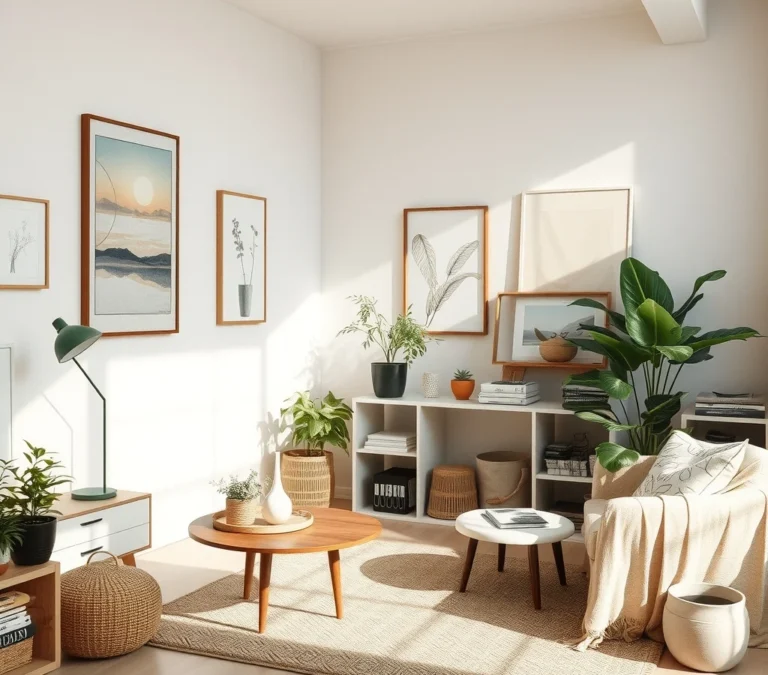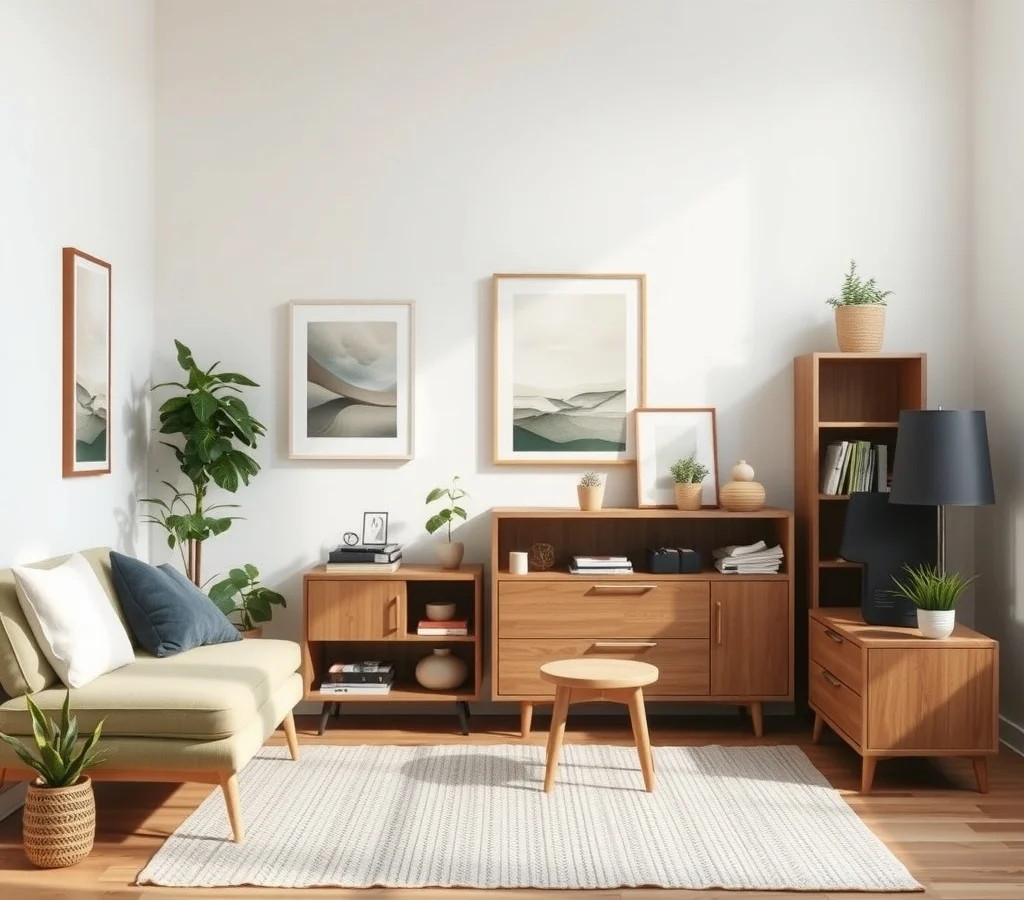
Small Space Storage Using Freestanding Furniture
Living in a compact apartment or a cozy studio often feels like a constant puzzle of where to put the things you need without sacrificing style. The challenge isn’t just about squeezing items into corners; it’s about choosing pieces that add visual interest while quietly handling the clutter. In this article you’ll discover seven ways freestanding furniture can become both storage solutions and design statements, each explained with practical details that fit real‑world homes.
1. Multi‑Tiered Bookcases as Hidden Wardrobes
This image is by AI for inspiration only.
© 2026 AI Illustrator — Inspiration Only
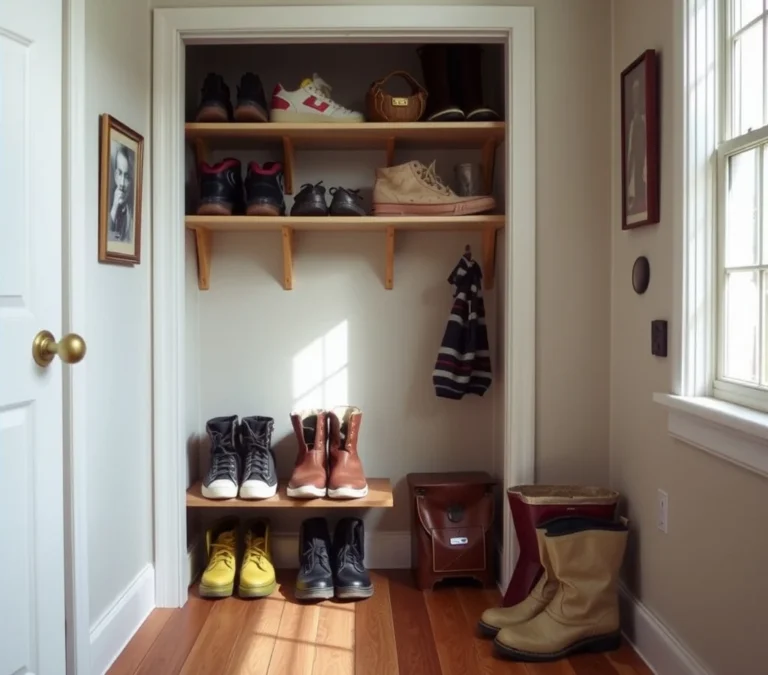
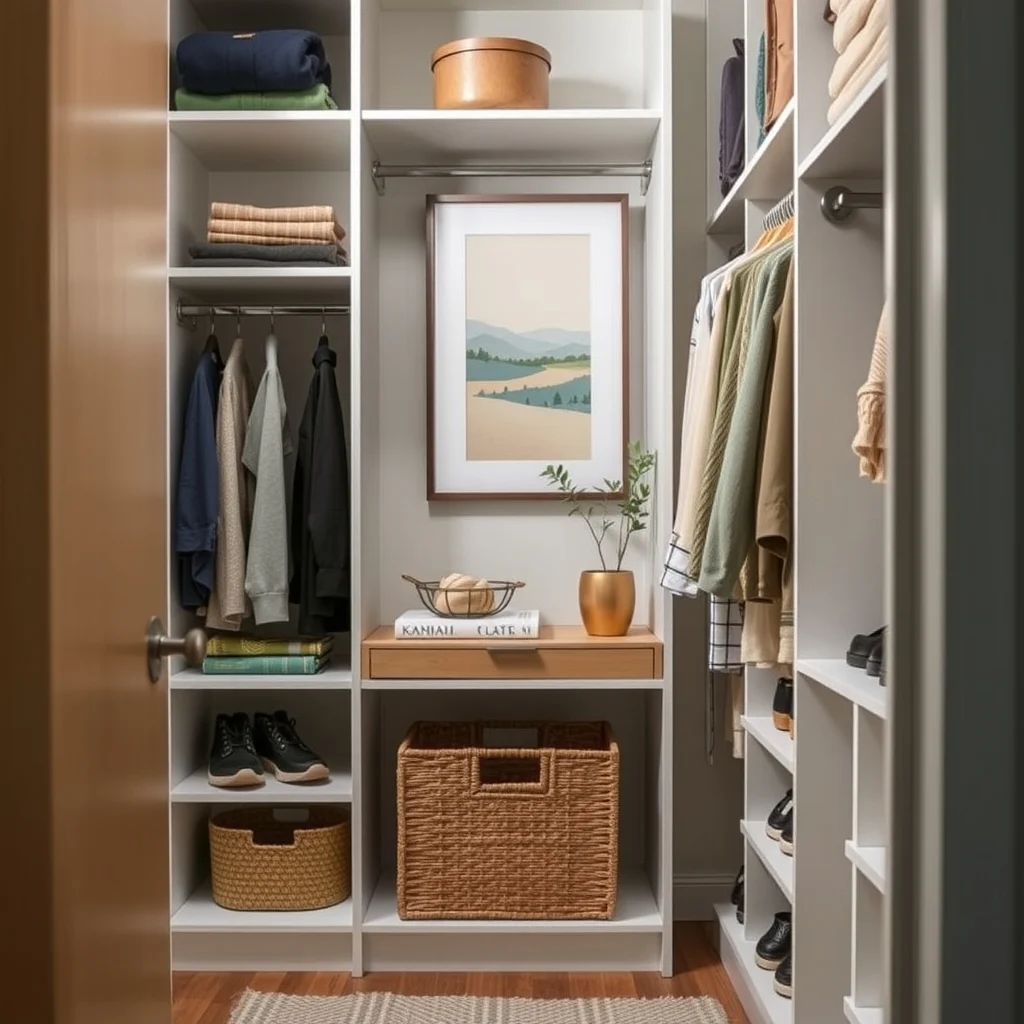
A tall, narrow bookcase with adjustable shelves can double as a wardrobe for folded garments, scarves, and shoes. By placing a woven basket on the bottom shelf and using the upper compartments for folded sweaters, you keep everyday items within reach but out of sight. The vertical orientation makes the piece feel less bulky, especially when the wood finish matches other trim in the room. Adding a soft fabric drawer liner helps protect delicate fabrics, and the open shelves allow air to circulate, reducing the risk of musty odors. The trade‑off is that you’ll need to be mindful of weight limits on the upper shelves, so heavier boots belong on the lower levels.
Love Your Home.
Enjoy a Little More Order.
Not sure how to decorate your space or organize your home? Discover practical digital guides, planners and ideas designed to make everyday living easier.
Your first purchase at Livana Studio
2. Storage Benches at the Entryway
This image is by AI for inspiration only.
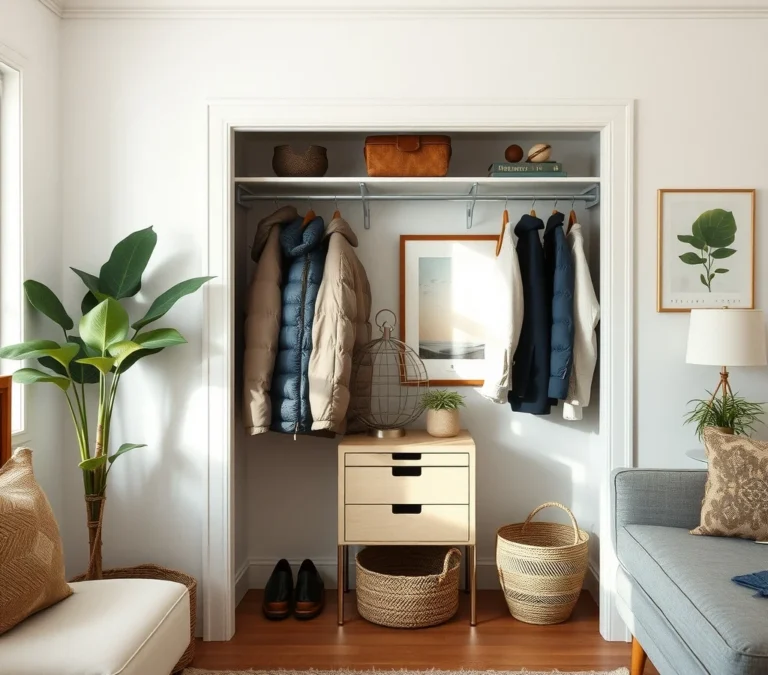
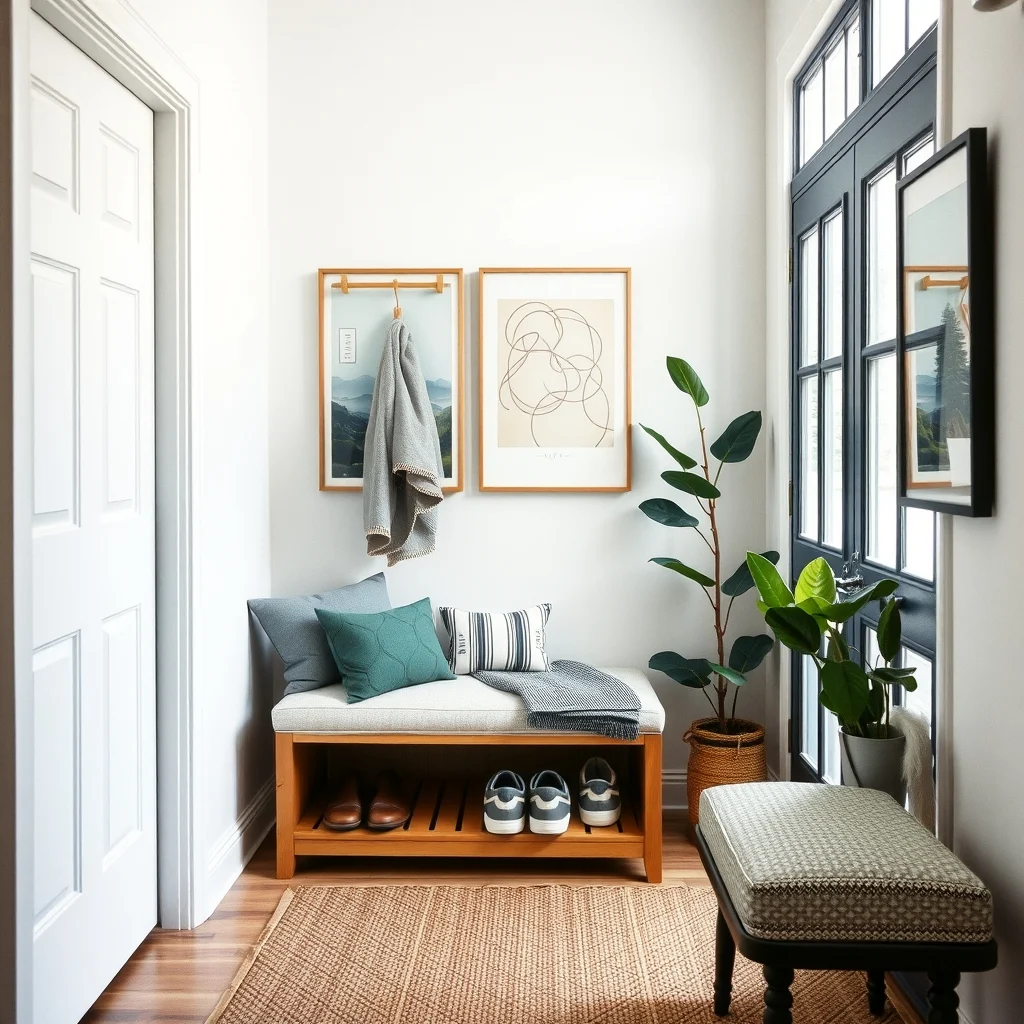
When the front door opens onto a limited hallway, a low bench with a hinged lid offers a place to sit while you slip on shoes and a concealed compartment for umbrellas, gloves, and seasonal accessories. Choose a bench upholstered in a durable, stain‑resistant fabric such as performance linen; the texture adds comfort, and the hidden storage keeps the space tidy. Position the bench against a wall painted in a warm greige to reflect natural light and create a welcoming transition from outdoors. One limitation is that the bench’s depth must be shallow enough not to obstruct traffic flow, so measure the passageway before committing.
3. Open‑Back Shelving Units as Kitchen Islands
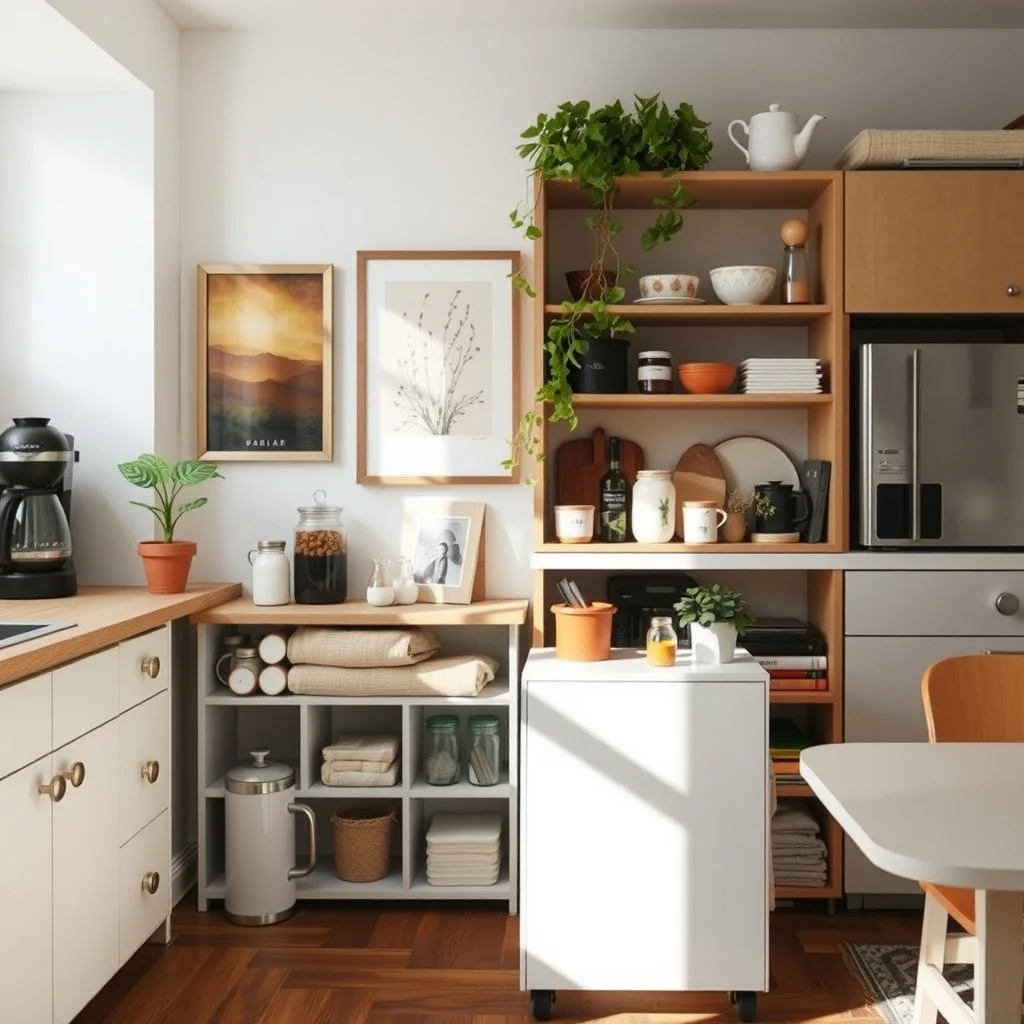
This image is by AI for inspiration only.
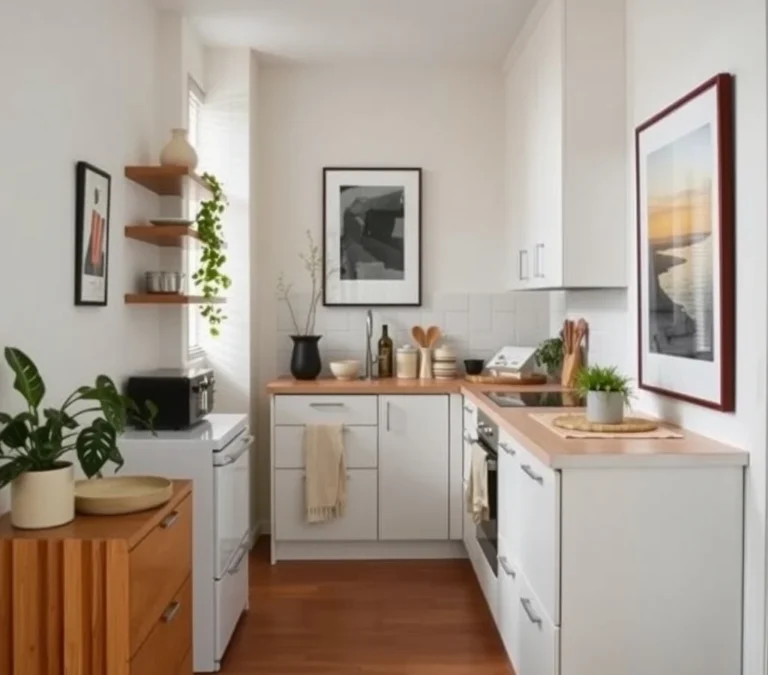
In a small kitchen, an open‑back shelving unit on wheels can serve as a mobile island that stores pantry jars, cutting boards, and even a small coffee maker. The exposed back allows the unit to blend with the kitchen’s backsplash, while the wheels let you reposition it for dinner prep or when entertaining guests. Opt for a unit finished in brushed brass metal to add a subtle sheen that catches the light without overwhelming the space. Because the shelves are open, you’ll want to keep items in uniform containers to maintain a tidy look; otherwise the visual clutter can become distracting.
4. Ladder‑Style Clothing Racks in the Bedroom
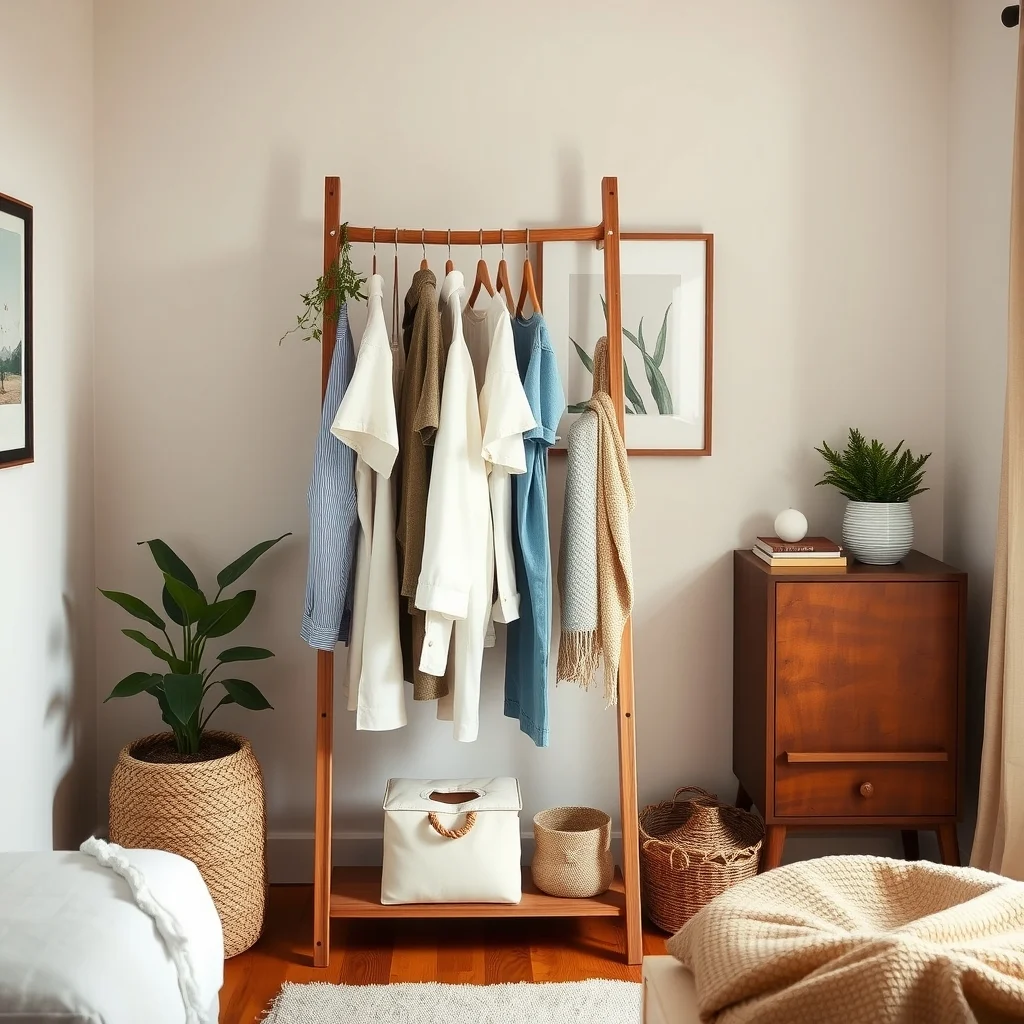
This image is by AI for inspiration only.
A freestanding ladder rack made from reclaimed oak provides a casual alternative to a traditional closet rod. Hang shirts, dresses, or light jackets on the rungs, and drape a woven throw across the top for a soft visual break. The ladder’s slim profile makes it suitable for corners, and the natural wood grain adds warmth that complements muted pastel walls. To prevent the rack from wobbling, place rubber feet on the lower legs, especially on hardwood floors. This solution works best for garments that don’t require hanging on a hanger, so you may still need a small chest of drawers for undergarments.
5. Stacking Cubes as Playful Storage in Living Areas
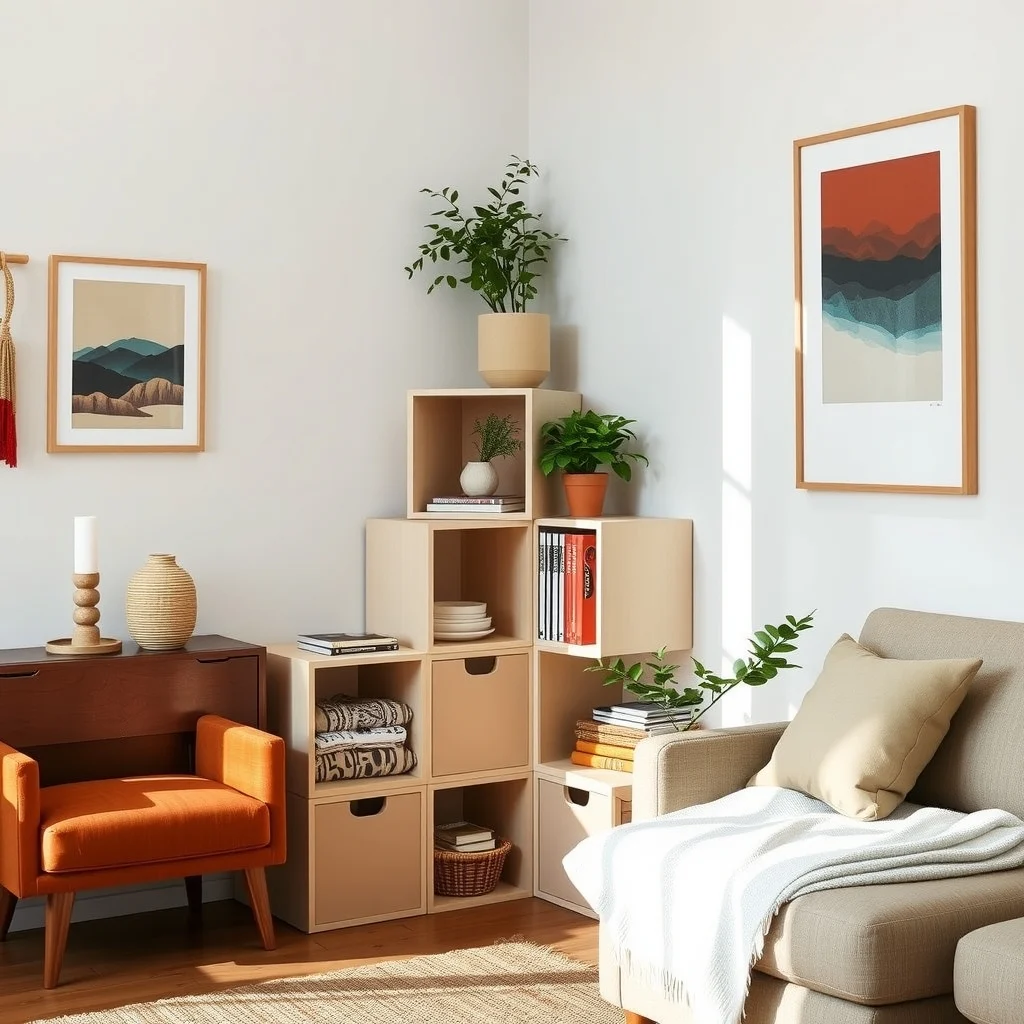
This image is by AI for inspiration only.
Modular cube storage, when arranged in a staggered pattern, creates a sculptural element that houses blankets, magazines, and board games. Selecting cubes with a matte ceramic finish in soft terracotta adds a hint of color without competing with decorative pillows or artwork. The open tops allow quick access, while the lower cubes can be fitted with fabric bins for items you’d rather keep out of sight. Because the cubes are freestanding, you can reconfigure them as your needs change, though the overall footprint may increase if you add too many units to a limited floor plan.
6. Console Tables with Built‑In Drawers for Home Offices
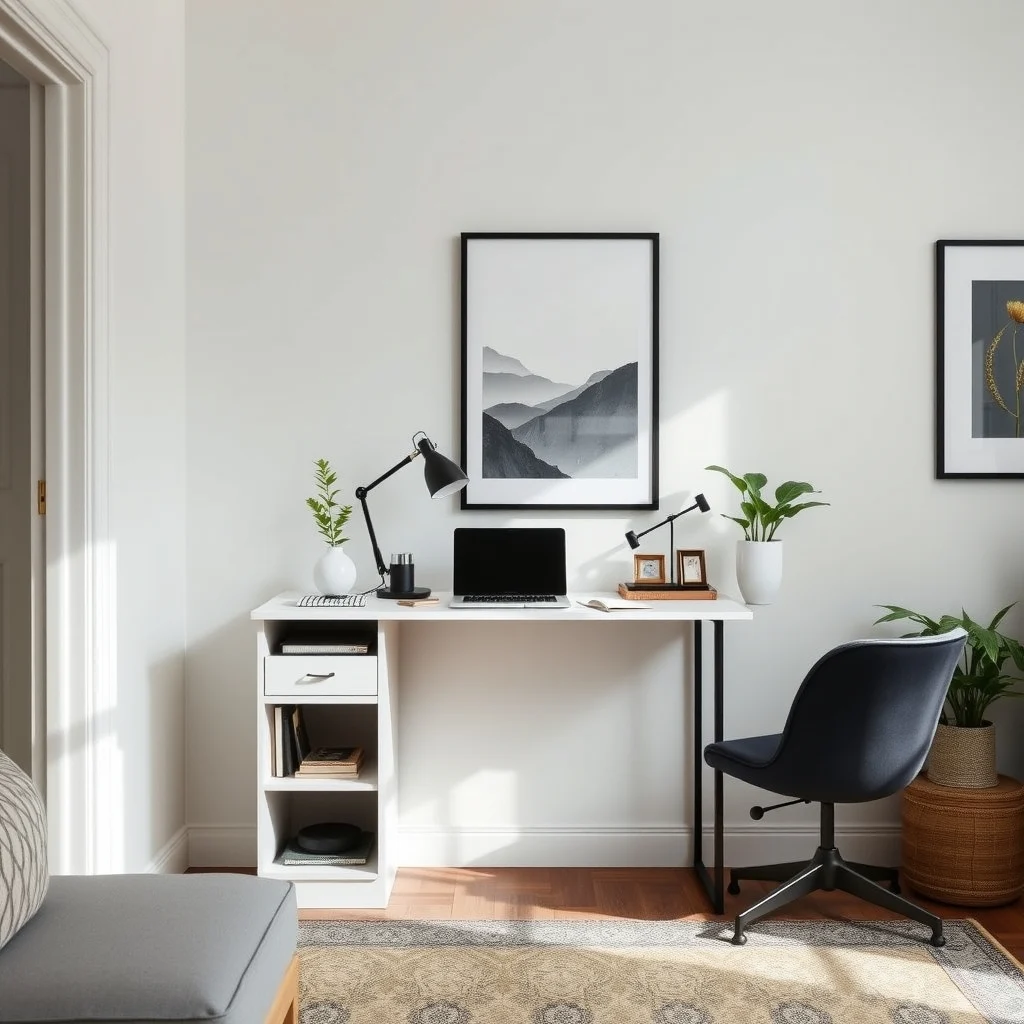
This image is by AI for inspiration only.
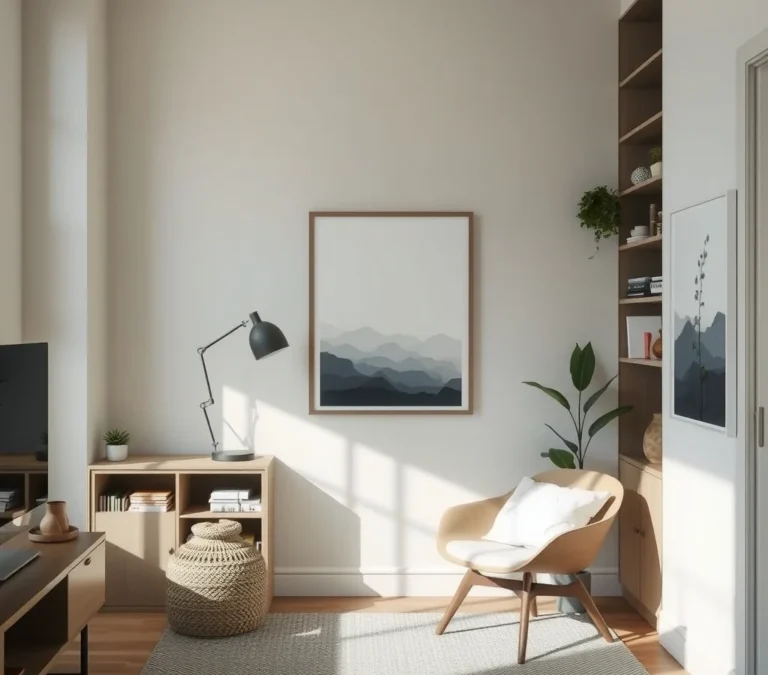
A narrow console table featuring a pair of shallow drawers can replace a bulky desk in a studio apartment. The tabletop provides space for a laptop, a small lamp, and a notepad, while the drawers conceal charging cords, stationery, and personal documents. Choosing a table with a walnut veneer adds depth that contrasts nicely with a light‑colored wall, and a slim metal leg keeps the visual weight low. Keep in mind that the drawer depth is limited, so larger office supplies may need an additional storage solution elsewhere.
7. Corner‑Facing Armchairs with Integrated Shelves
This image is by AI for inspiration only.
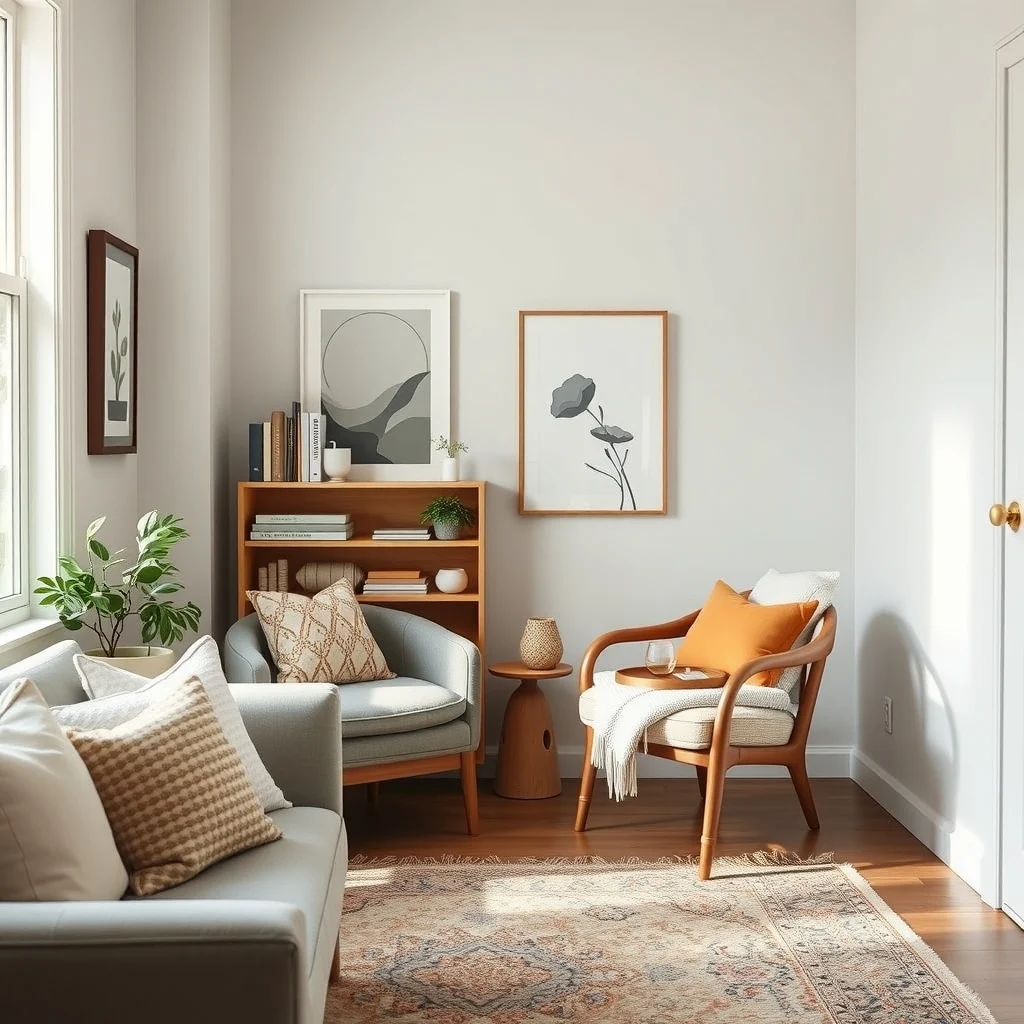
In a reading nook, an armchair that incorporates a built‑in shelf behind the backrest offers a place to store books, a small plant, and a decorative tray for tea. The chair’s curved silhouette fits snugly into a corner, freeing up central floor space for a rug or a coffee table. Upholster the seat in a soft, breathable fabric like cotton‑linen in a muted sage hue, which pairs well with natural wood accents. The integrated shelf can become a focal point, but it may limit the chair’s back height, so ensure the design suits your preferred sitting posture.
FAQ
This image is by AI for inspiration only.
How can I make freestanding furniture look cohesive in a small room?
Choose finishes and colors that echo existing elements such as wall paint, flooring, or textiles. When pieces share a common material—like oak or brushed metal—they create a visual thread that ties the room together.
Is it safe to put heavy items on top of freestanding shelves?
Only place heavy objects on shelves that are rated for the weight. Most freestanding units have a load limit printed by the manufacturer; exceeding it can cause warping or collapse.
Can I use freestanding storage in a rental without damaging walls?
Yes, because these pieces stand on the floor, they require no drilling or permanent fixtures. Use felt pads under legs to protect hardwood and avoid scratches.
What’s the best way to keep freestanding furniture from shifting on smooth floors?
Rubber or silicone feet provide grip and prevent sliding. If the furniture is particularly tall, anchoring it to the wall with removable brackets can add stability without leaving permanent marks.
Final Thoughts
This image is by AI for inspiration only.
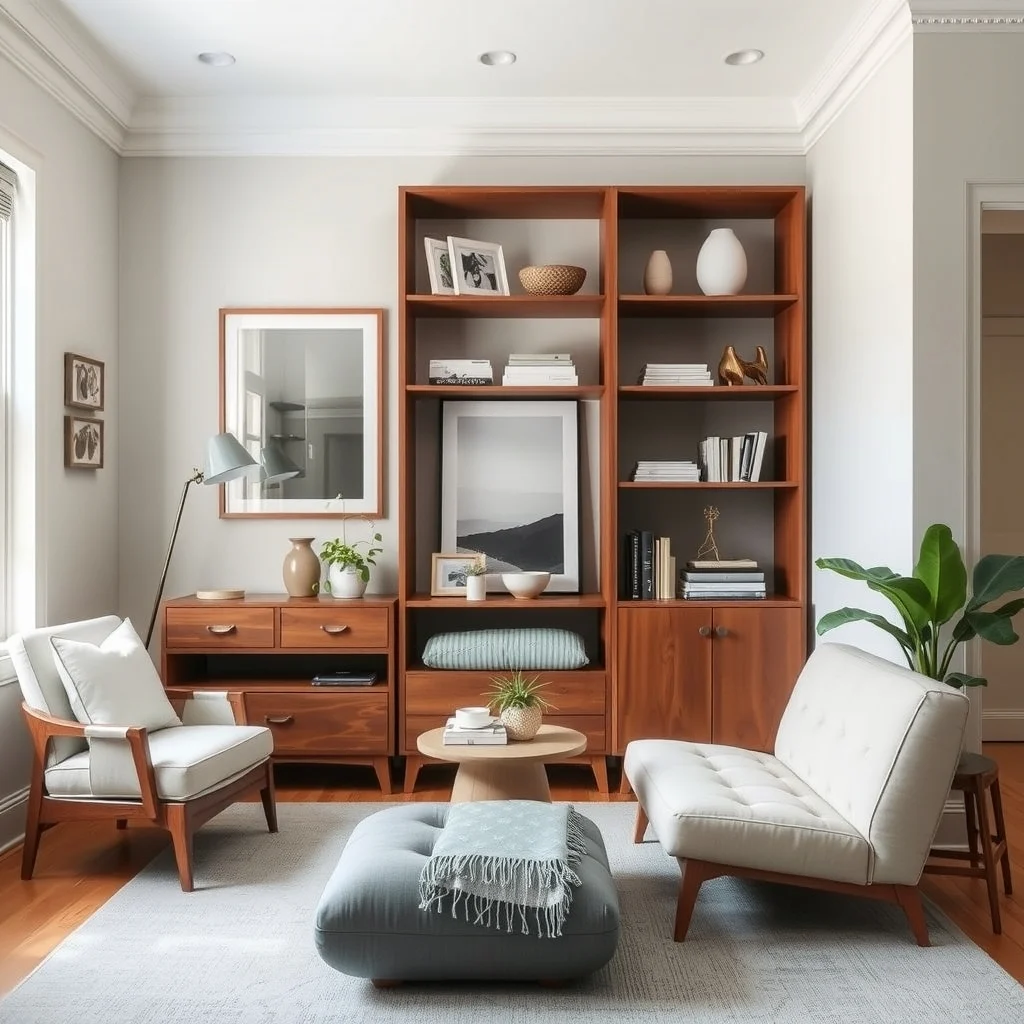
Freestanding furniture offers a flexible approach to storage that respects both the limited square footage of a small home and the desire for a curated aesthetic. By thinking vertically, choosing pieces with hidden compartments, and selecting finishes that harmonize with the surrounding décor, you can turn clutter into a design asset. Each of the seven ideas presented here can be mixed, matched, or adapted to suit your personal routine, ensuring that your space feels organized, welcoming, and unmistakably yours.