How to Keep Winter Accessories Organized by the Front Door
When the first frost settles on the windows, the hallway often becomes a temporary holding area for scarves, mittens, and hats. A cluttered entryway can make the first impression of your home feel rushed, yet a well‑planned storage solution can turn that space into a welcoming transition from cold outdoors to warm interiors. Below are seven approaches that blend practicality with style, allowing you to retrieve a favorite beanie without hunting through a pile of tangled wool.
1. A Bench with Built‑In Compartments

This image is by AI for inspiration only.
© 2026 AI Illustrator — Inspiration Only
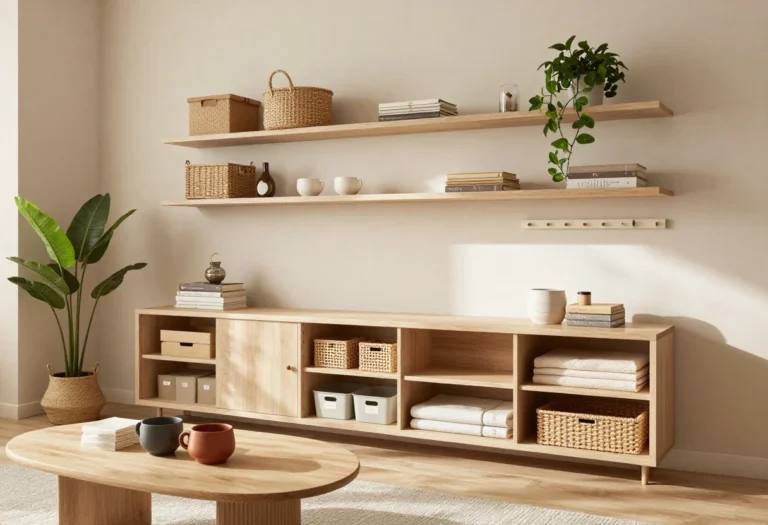
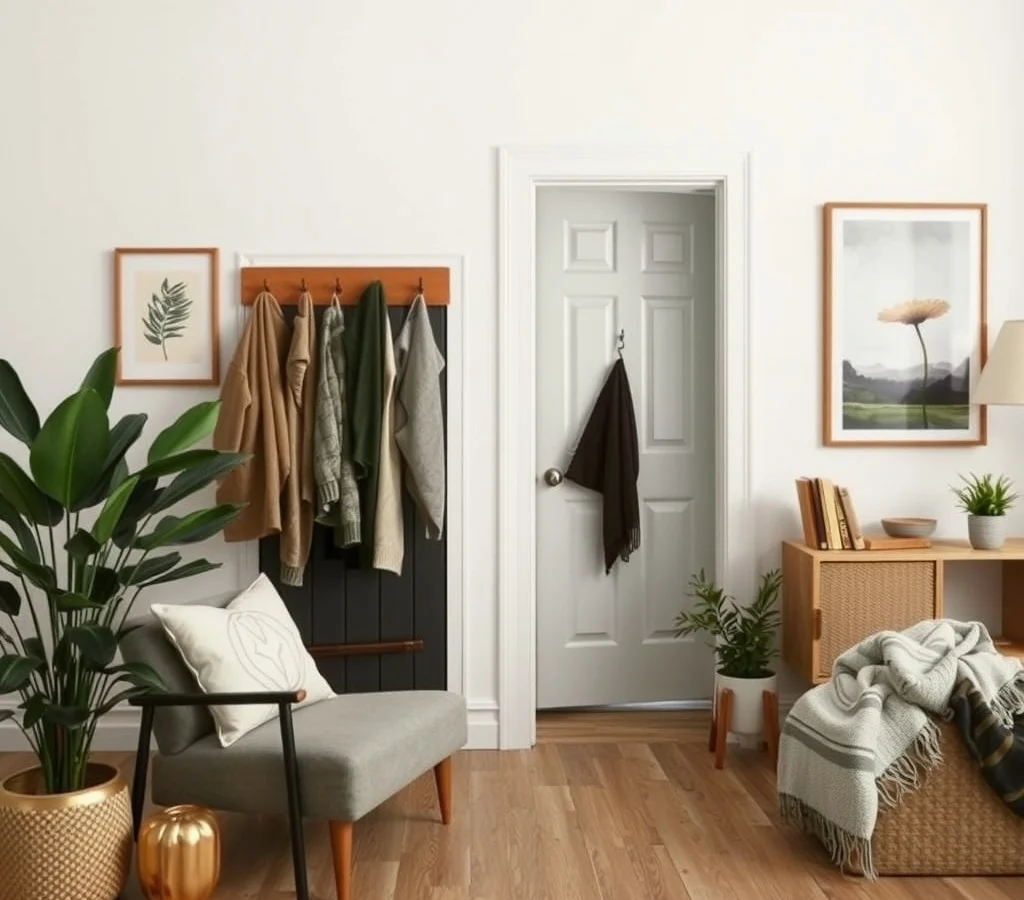
Choosing a low bench that incorporates a hidden compartment or a pair of drawers creates a dual‑purpose piece. When you step inside, you can sit to pull on boots while the interior storage holds gloves, ear warmers, and a spare pair of socks. Hardwood frames finished in a matte walnut or reclaimed pine add a tactile warmth that complements winter’s muted palette, while a cushioned seat in a soft linen in charcoal or deep navy invites lingering. The benefit of this arrangement is that every item has a defined home, reducing the chance of forgotten pieces. One trade‑off to consider is the footprint; a bench requires enough floor space to avoid crowding the doorway, so measure the clearance before purchasing.
Love Your Home.
Enjoy a Little More Order.
Not sure how to decorate your space or organize your home? Discover practical digital guides, planners and ideas designed to make everyday living easier.
Your first purchase at Livana Studio
2. Wall‑Mounted Rack with Integrated Shelf
This image is by AI for inspiration only.
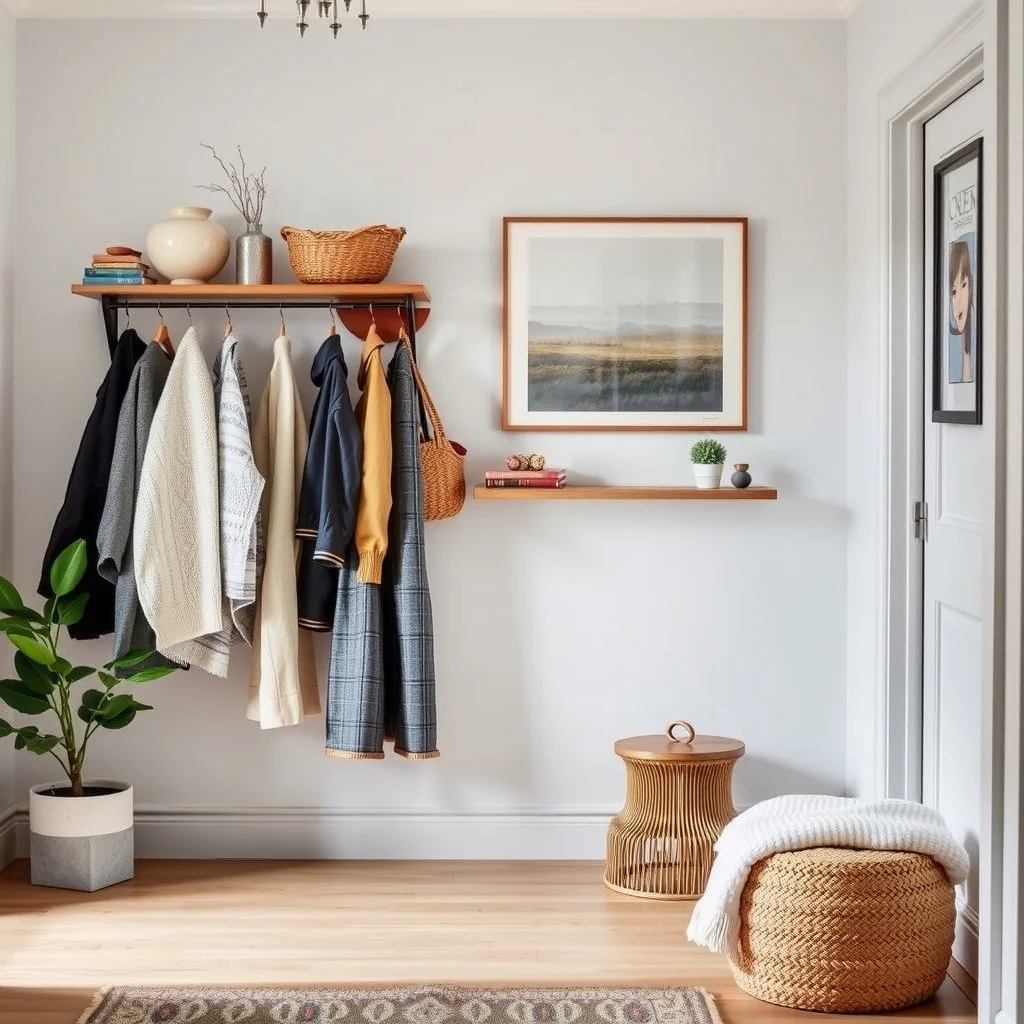
When floor space is at a premium, a wall‑mounted rack offers vertical storage without encroaching on the passage. Opt for a rack crafted from brushed steel or powder‑coated iron, paired with a modest shelf that can hold a decorative bowl for loose scarves. The hooks provide immediate access for coats, while the shelf adds a visual balance, allowing a small plant or a framed winter landscape to soften the metallic look. This solution works well in entryways with a clean wall and adequate height, but it does require sturdy anchoring into studs to support heavier coats. If the wall is painted a light gray, the dark metal becomes a subtle accent rather than a dominant feature.
3. Transparent Baskets on a Console Table
This image is by AI for inspiration only.
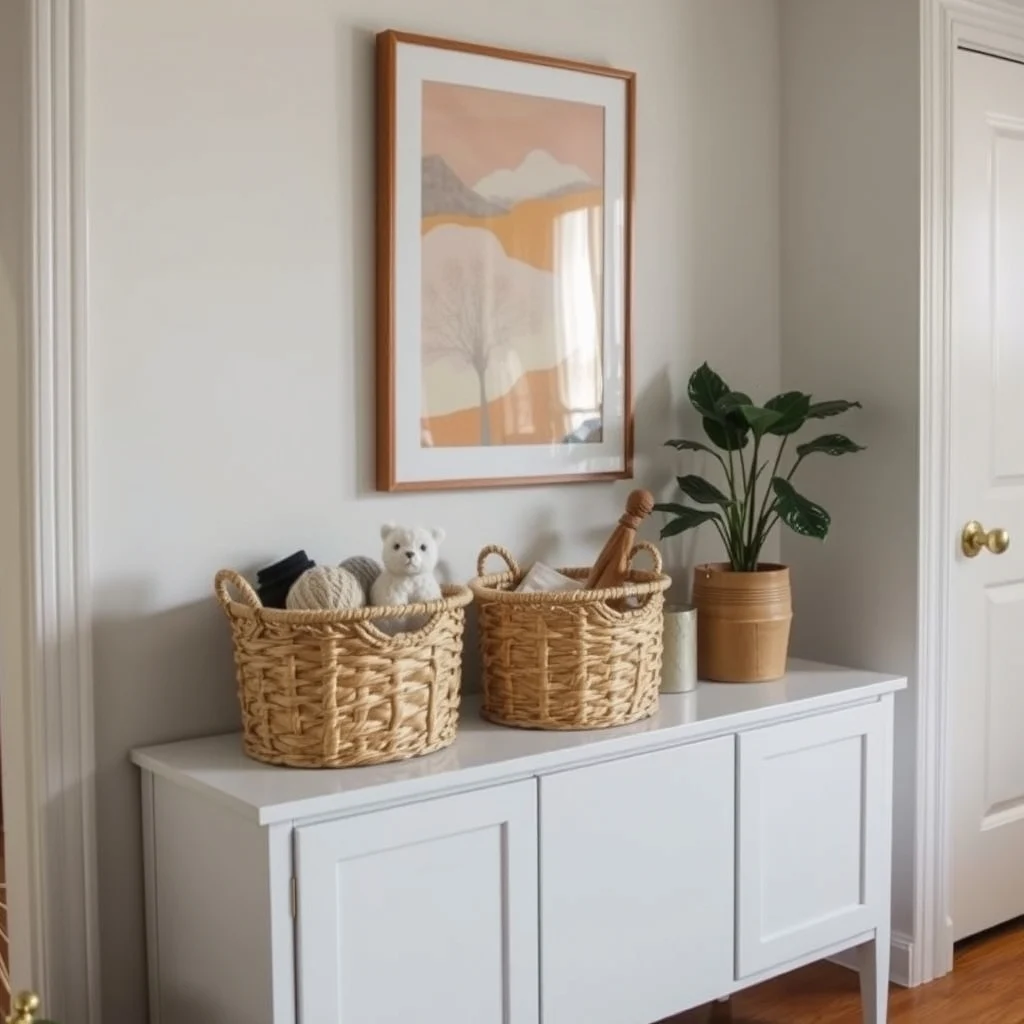
Clear acrylic or woven seagrass baskets placed on a narrow console table give you a quick visual inventory of what’s inside. Because the containers are see‑through, you can spot a missing mitten at a glance, and the uniform shape creates a tidy line that aligns with the table’s edge. Pair the baskets with a soft wool runner in a muted heather tone to add texture without overwhelming the space. The open design encourages you to keep the contents organized, yet it also means the baskets are exposed to dust; a quick wipe with a damp cloth each week maintains their appearance. This arrangement works best in foyers that already feature a console, allowing the baskets to act as an extension rather than a new piece.
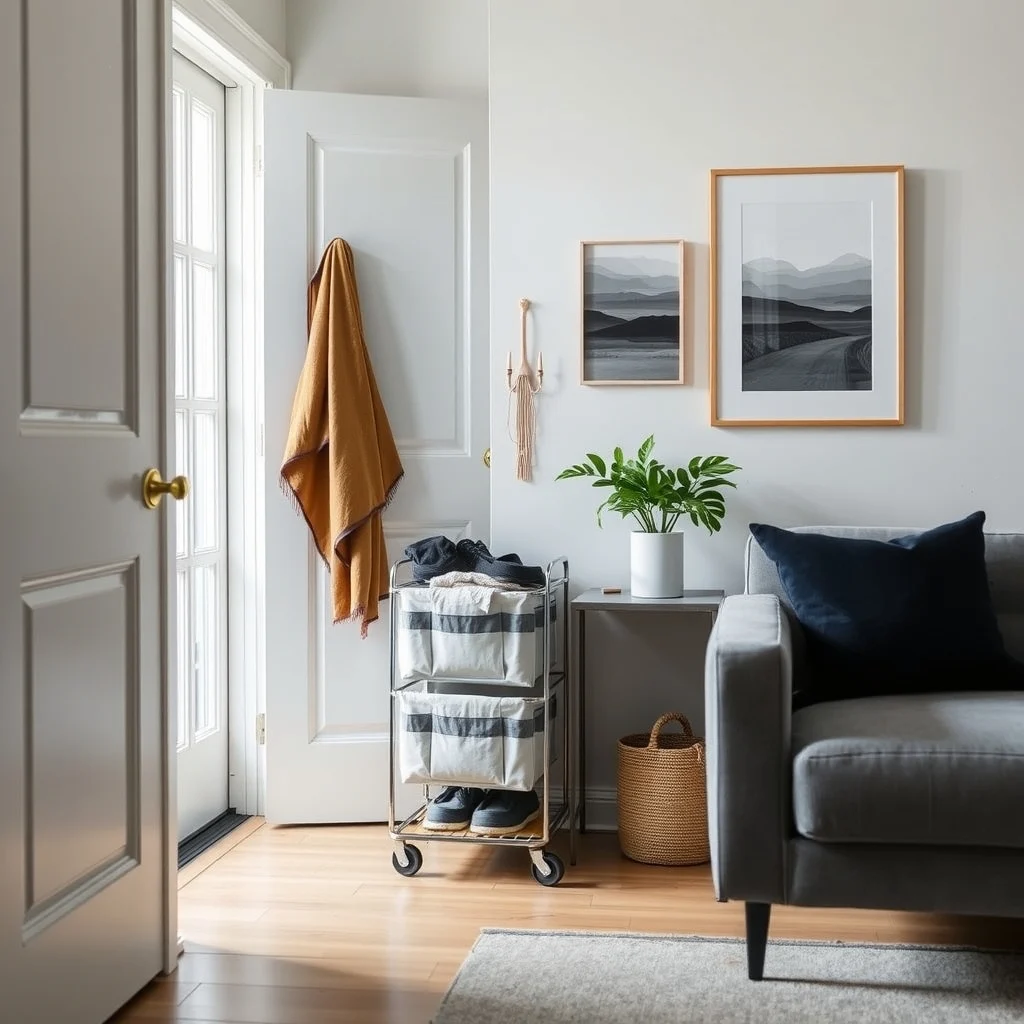
4. Rolling Organizer Tucked Behind the Door
This image is by AI for inspiration only.
A slim, rolling cart that slides into the gap between the door and the jamb offers a discreet storage nook. Many models feature multiple tiers with fabric pockets or metal bins, perfect for separating gloves, beanies, and hand warmers. The cart’s mobility lets you pull it out for a quick grab and slide it back to keep the doorway clear. Choose a cart with a neutral canvas in soft ivory or a muted sage to blend with winter décor, and consider one with a rubberized bottom to protect the floor from scratches. The main limitation is the width of the doorframe; very narrow openings may not accommodate a full‑size cart, so measure the clearance before ordering.
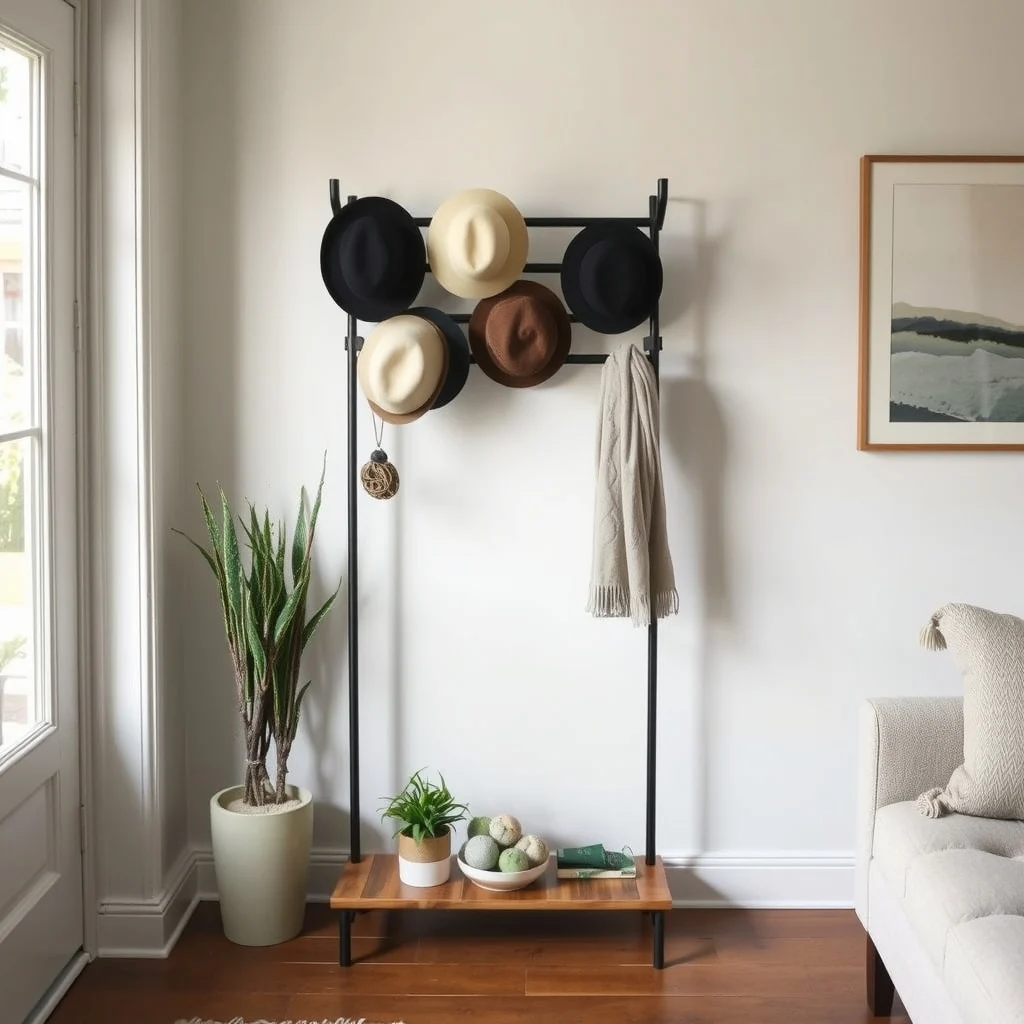
5. Multi‑Tiered Rack for Hats and Scarves
This image is by AI for inspiration only.
A free‑standing rack with several horizontal bars provides dedicated space for hats, while a lower shelf can hold coiled scarves. Materials such as reclaimed oak or blackened metal add an organic or industrial feel, respectively, allowing the piece to become a decorative statement as well as a functional one. The open bars keep each hat visible, preventing flattening, and the shelf’s gentle slope helps scarves retain their drape. This setup works especially well in entryways with high ceilings, where the vertical lines draw the eye upward. A potential drawback is the need for regular dusting; the open design can collect lint from wool items if not tended to.
6. Seasonal Drawer or Cabinet Near the Door

This image is by AI for inspiration only.
Installing a shallow drawer or a low cabinet directly beside the front door creates a concealed repository for winter accessories. Soft‑close drawer glides protect delicate gloves from snagging, while interior dividers can separate items by type. A cabinet with frosted glass doors offers a glimpse of the contents while shielding them from sunlight, which can cause fading in bright colors. Choosing a finish that matches existing trim—such as a warm cherry or a cool ash gray—maintains visual continuity. The primary consideration is the need for a power outlet if you plan to add interior lighting; otherwise, the piece remains purely storage.
7. Decorative Tray with Labeled Compartments

This image is by AI for inspiration only.
A large, flat tray made of ceramic, brushed metal, or lacquered wood can sit on a small side table near the entrance, providing shallow pockets for frequently used items like a favorite pair of mittens or a pocket‑sized hand‑warmer. Adding small chalkboard labels or engraved tags helps you remember where each item belongs, turning the tray into a mini‑station that encourages habit. The tray’s surface also offers a place to set a steaming mug of tea or a decorative candle, adding warmth to the entryway. The main limitation is the limited depth; bulkier items such as thick winter gloves may not fit comfortably, so reserve the tray for lighter accessories.
Frequently Asked Questions
This image is by AI for inspiration only.
How can I prevent my winter gloves from getting lost in the entryway?
Designate a single, clearly visible spot—such as a small basket or a hook—specifically for gloves. When every pair has a home, it’s easier to see when one is missing.
What material is best for a bench that will see heavy foot traffic?
Hardwoods like oak or maple with a durable finish resist scratches and dents. Pair the wood with a tightly woven fabric cushion that can be spot‑cleaned to maintain its appearance.
Can I use a wall‑mounted rack if I rent my home?
Yes, as long as you anchor the rack into studs or use removable adhesive hooks designed for heavier loads. This approach avoids permanent damage while still providing sturdy storage.
How often should I clean acrylic baskets?
A quick wipe with a damp microfiber cloth once a week keeps dust from settling. For stubborn smudges, a mild soap solution followed by a thorough rinse will restore clarity without scratching the surface.
Is it okay to store hats on metal hooks in a humid climate?
Metal hooks are fine, but consider a protective coating or a small silicone pad on the hook to prevent moisture from transferring to the hat’s brim, especially for wool pieces.
Final Thoughts

This image is by AI for inspiration only.
Organizing winter accessories by the front door does not require a complete overhaul; thoughtful placement and the right mix of storage types can make the space both functional and inviting. Whether you favor a built‑in bench, a sleek wall rack, or a portable rolling cart, each solution offers a way to keep scarves, gloves, and hats within easy reach while preserving the aesthetic flow of your entryway. By choosing materials and finishes that complement your home’s style, you create a harmonious transition from the chill outside to the comfort inside, and you’ll never waste a minute searching for that favorite beanie again.