How to Organize a Living Room Without a Media Console
Living rooms often become the default spot for televisions, gaming systems, and a jumble of cords, which can quickly dominate the space. When a media console is missing—whether because of budget constraints, a desire for a cleaner look, or limited wall space—finding a functional arrangement can feel like a puzzle. This article walks you through seven thoughtful ways to keep the room tidy, stylish, and comfortable without relying on a traditional media console. Each approach balances storage, visual harmony, and everyday usability, so you can tailor the solution to your own layout and lifestyle.
1. Define a Dedicated Media Zone with a Low Shelf System
This image is by AI for inspiration only.
© 2026 AI Illustrator — Inspiration Only
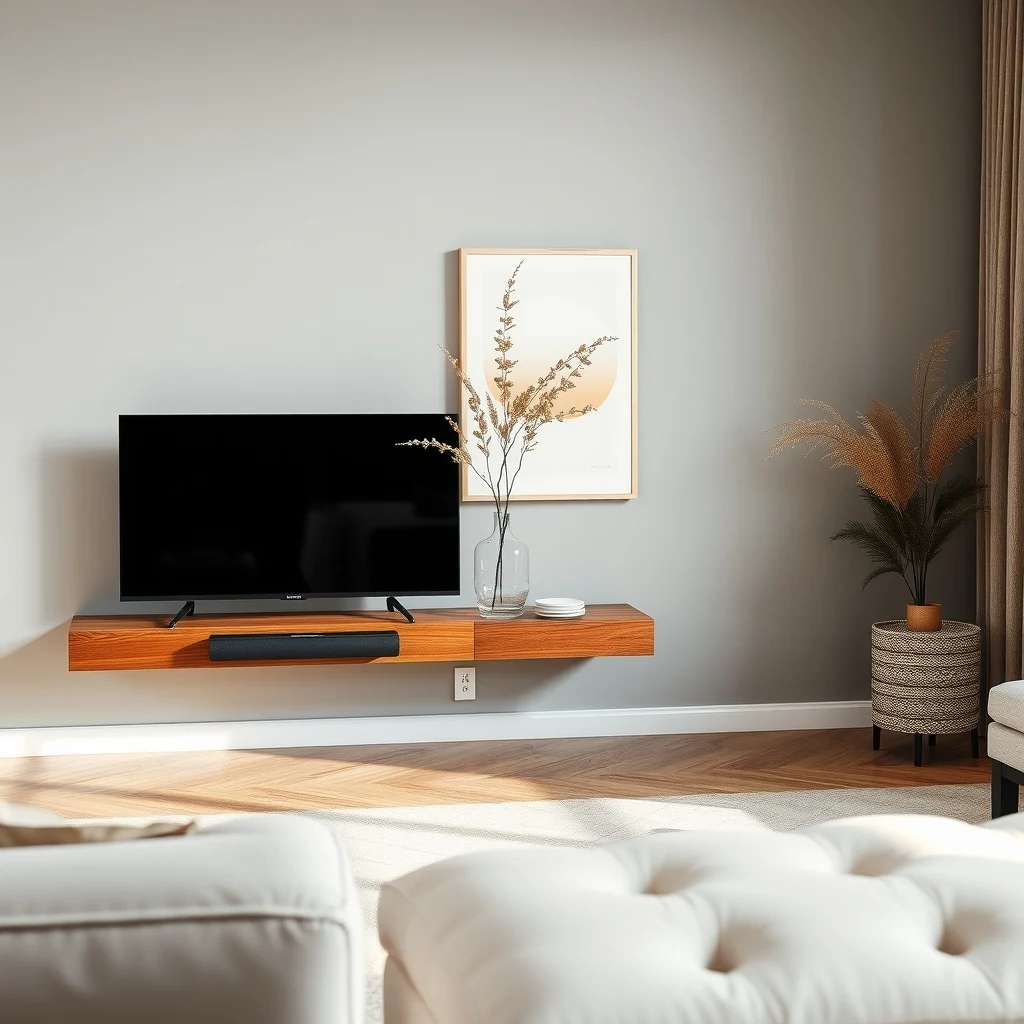
Instead of a bulky console, a low floating shelf or a pair of slim wall-mounted shelves can anchor the television while providing just enough surface for a soundbar and a few decorative items. By keeping the shelves close to the floor, the eye line stays level, which preserves a sense of openness. Choose a material that complements the existing flooring—light oak for a hardwood floor or a matte white finish for a contemporary look. The open design encourages you to be selective with what rests on the shelves, reducing the temptation to overload the area with books, magazines, or remote‑control accessories.
One practical trade‑off is that floating shelves offer limited concealed storage, so you’ll need additional solutions for cables and accessories. A simple cable box placed discreetly behind a decorative basket can hide power strips without breaking the clean line of the shelves. When the room is used for movie nights, the open layout also makes it easy to adjust speaker placement or add a portable projector.
2. Use a Multi‑Purpose Sideboard as a Media Hub
This image is by AI for inspiration only.
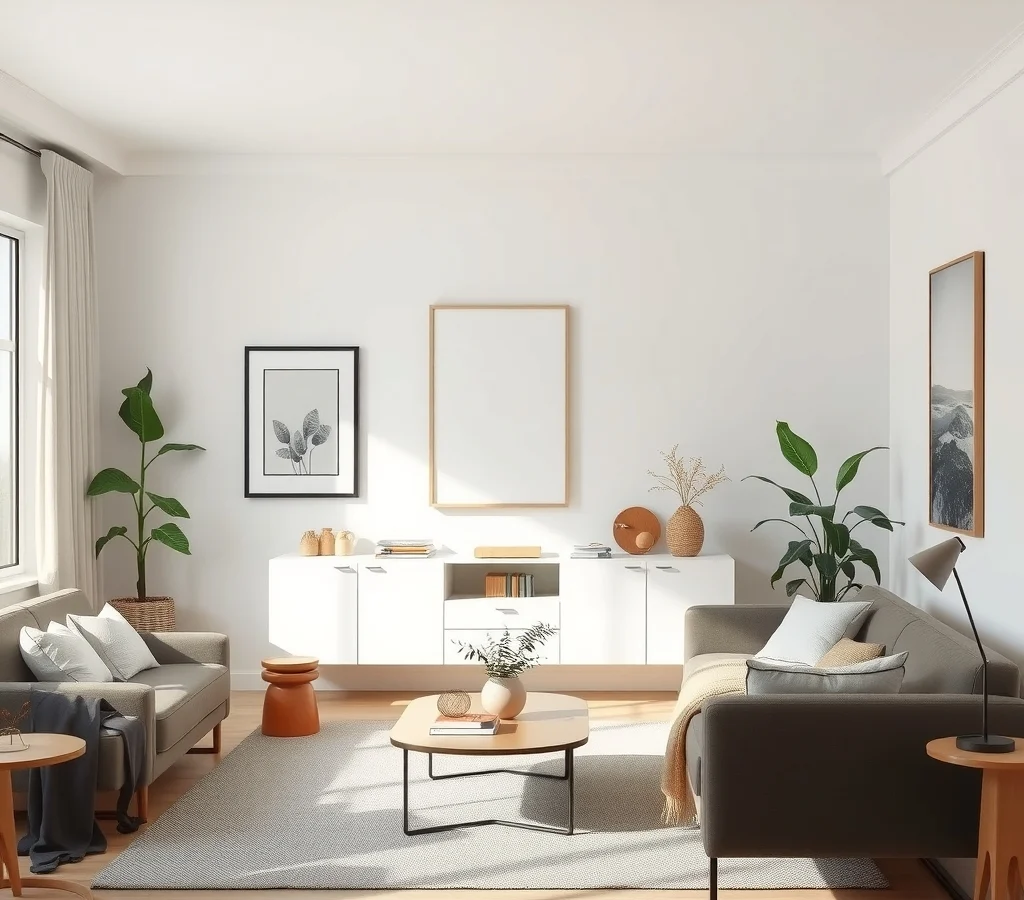
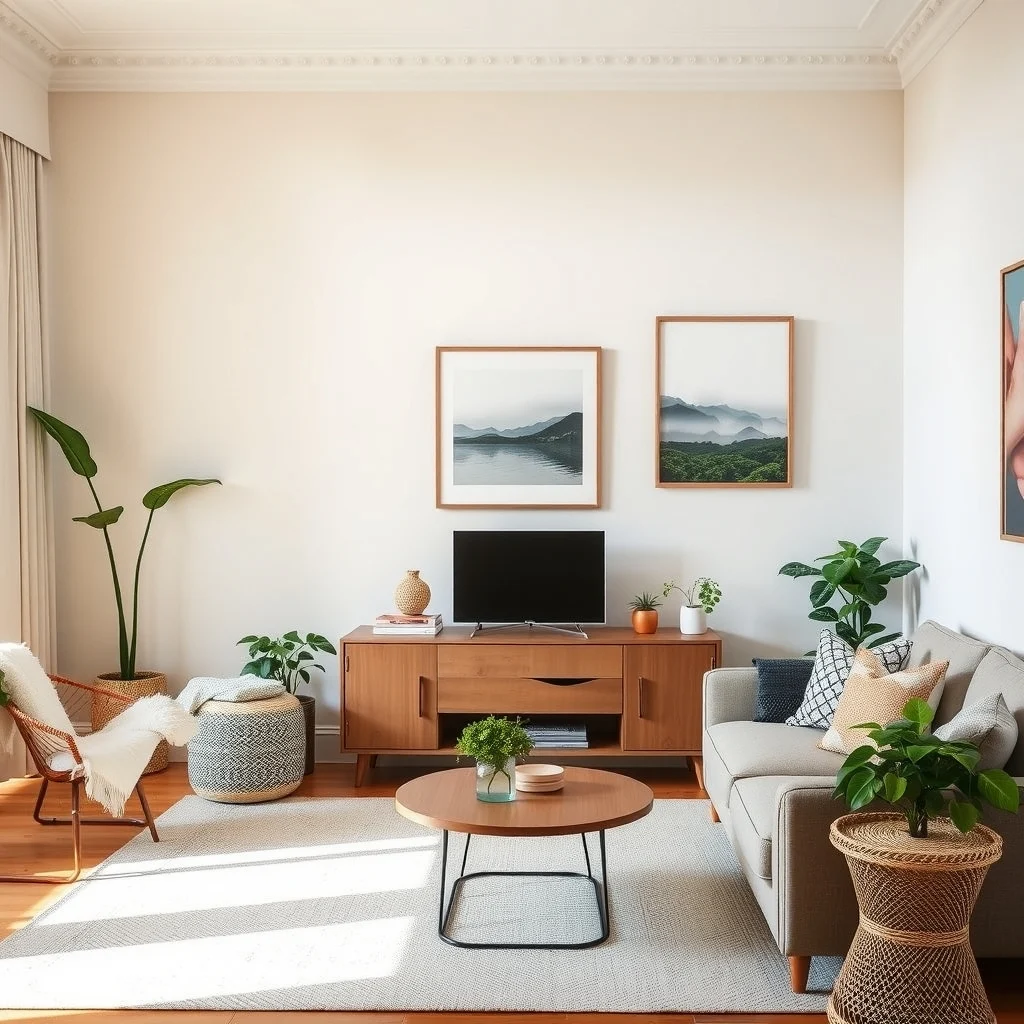
A sideboard originally intended for dining or entryway storage can double as a media hub when positioned against a wall opposite the seating area. The deeper drawer space accommodates gaming controllers, board games, and extra blankets, while the top surface provides a stable platform for the TV. Selecting a sideboard with a mix of solid doors and open panels allows you to hide clutter behind doors while still displaying a few curated objects, such as a small potted plant or a framed abstract print.
The main consideration with this approach is the height of the sideboard; it should not be so tall that it blocks sightlines to the television. A piece with a height around 30 inches works well for most sofa heights, ensuring that the screen remains comfortably viewable without straining the neck. If the sideboard’s finish clashes with the room’s palette, a fresh coat of chalk paint in a muted greige can blend it seamlessly with surrounding furniture.
3. Incorporate a Tall Bookcase for Vertical Storage
This image is by AI for inspiration only.
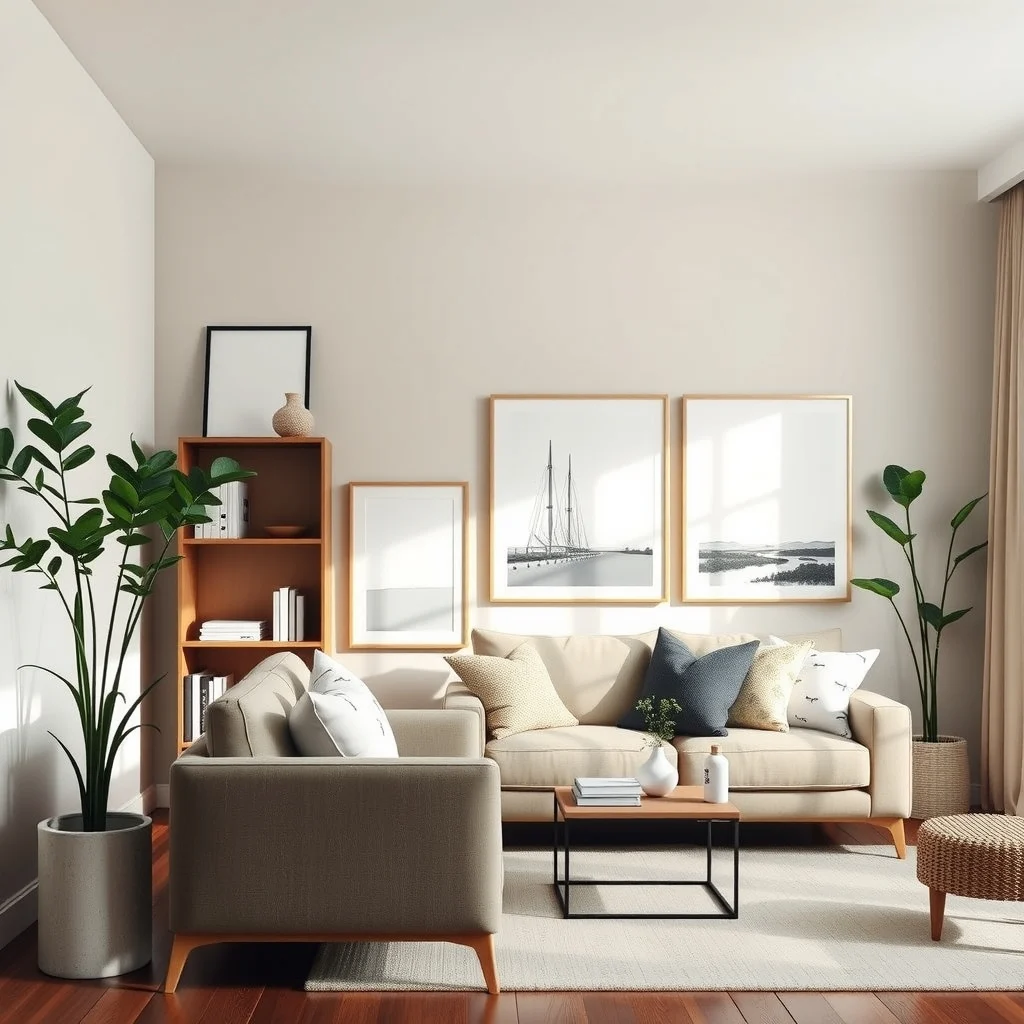
Vertical space often goes underused in living rooms, especially when floor space is at a premium. A tall bookcase placed beside the main seating area can serve as both a storage unit and a backdrop for the television. By aligning the TV with the middle shelves, you create a balanced composition where books, decorative bowls, and woven baskets fill the gaps above and below the screen. This layered look adds depth and invites the eye to wander, reducing the visual weight of the electronics.
Because a bookcase is open, dust can settle on displayed items more readily, so choosing shelves with a glass front or adding a soft, lint‑free cloth for regular cleaning helps maintain a polished appearance. Additionally, the height of the unit may require a sturdy anchoring system if you have children or pets, ensuring safety while preserving the sleek silhouette.
4. Deploy a Minimalist TV Stand with Hidden Compartments
This image is by AI for inspiration only.
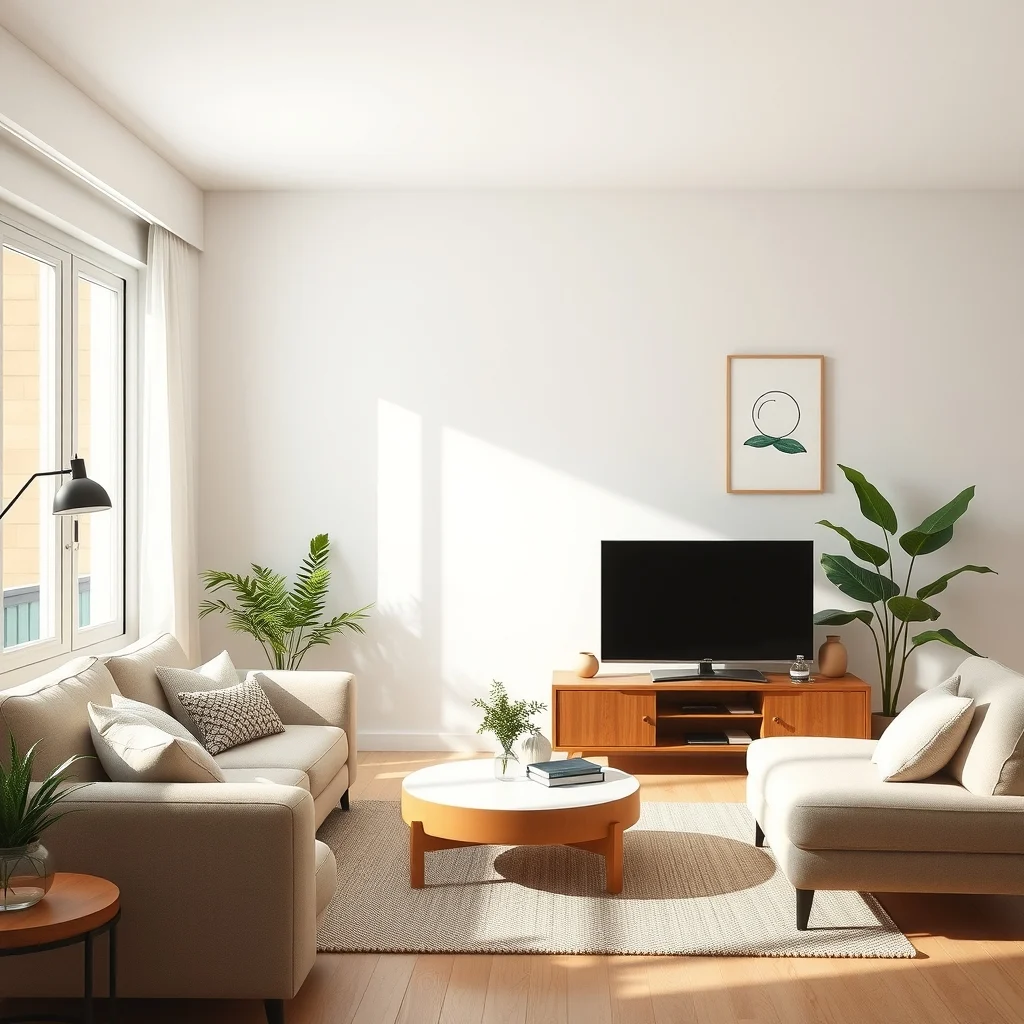
When you prefer a piece of furniture dedicated solely to the television, a minimalist TV stand with built‑in drawers or sliding doors offers a streamlined alternative to a full‑size console. Look for a design that incorporates a single central drawer for remote controls and a shallow compartment for cable management. A stand finished in brushed brass or matte black can act as a subtle accent, contrasting gently with softer sofa fabrics.
The limitation of this option lies in its storage capacity; a compact stand cannot hold a large media collection or extensive gaming accessories. To compensate, pair the stand with a nearby decorative basket or a small rolling cart that can be tucked out of sight when not needed. This combination keeps the floor uncluttered while still providing flexibility for occasional guests who might bring extra devices.
5. Create a Flexible Floor‑Level Media Cart
This image is by AI for inspiration only.
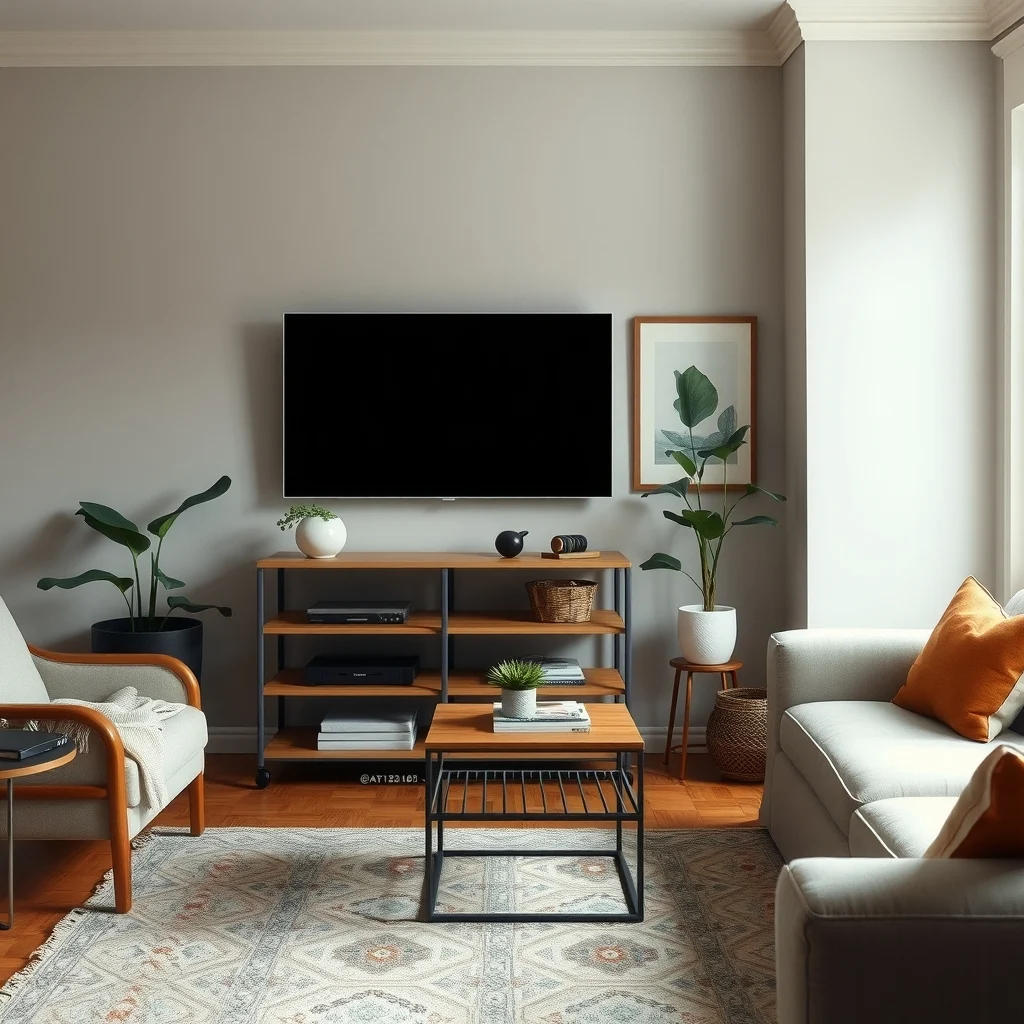
A mobile media cart on wheels offers the freedom to reposition the television and accompanying equipment as your needs change. Choose a cart with a sturdy metal frame and a wooden top that matches other furniture tones, such as walnut or reclaimed pine. The lower shelf can house speakers, a small media player, or a stack of favorite DVDs, while the top surface supports the TV at a comfortable viewing height.
The primary trade‑off with a cart is stability; moving the cart while the TV is on can cause wobble, so it’s best suited for rooms where the television is not frequently adjusted during use. Adding lockable caster wheels mitigates this concern, allowing you to secure the cart in place during movie nights. When you want to free up floor space, simply roll the cart to a corner and tuck the cords into a decorative fabric sleeve.
6. Utilize Wall‑Mounted Storage Cubes for a Modular Look
This image is by AI for inspiration only.
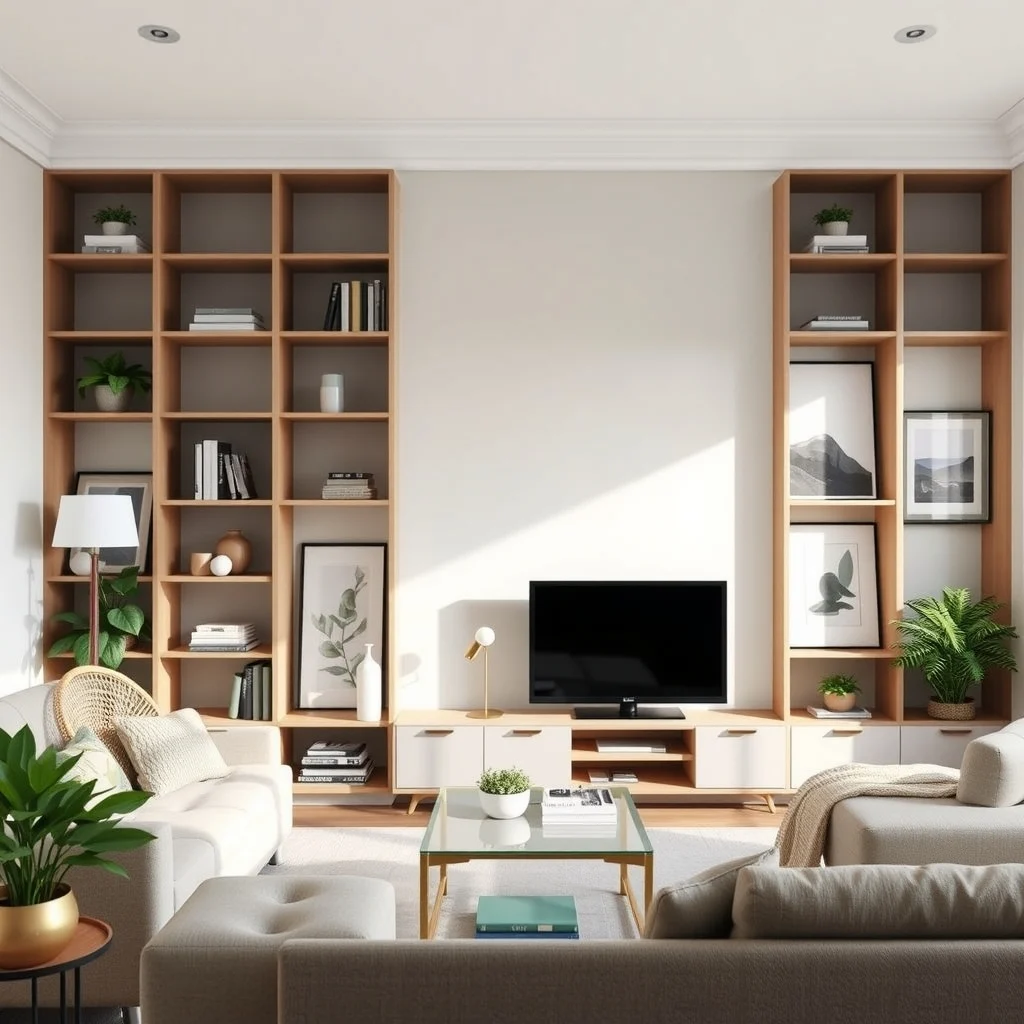
Modular storage cubes mounted directly on the wall create a customized media wall without the bulk of a console. Arrange the cubes in a staggered pattern, leaving a central space for the television, and use the surrounding cubes for books, board games, or decorative trays. The open front of each cube keeps the room feeling airy, while the uniform depth maintains a clean line.
One drawback of wall‑mounted cubes is the need for precise installation to ensure they bear the weight of items placed inside. Using sturdy anchors and checking the wall type—drywall versus plaster—helps avoid future issues. If you prefer a softer aesthetic, consider adding fabric bins or woven baskets inside the cubes to conceal clutter while still offering easy access.
7. Embrace a Minimalist Approach with a Simple Wall Mount
This image is by AI for inspiration only.
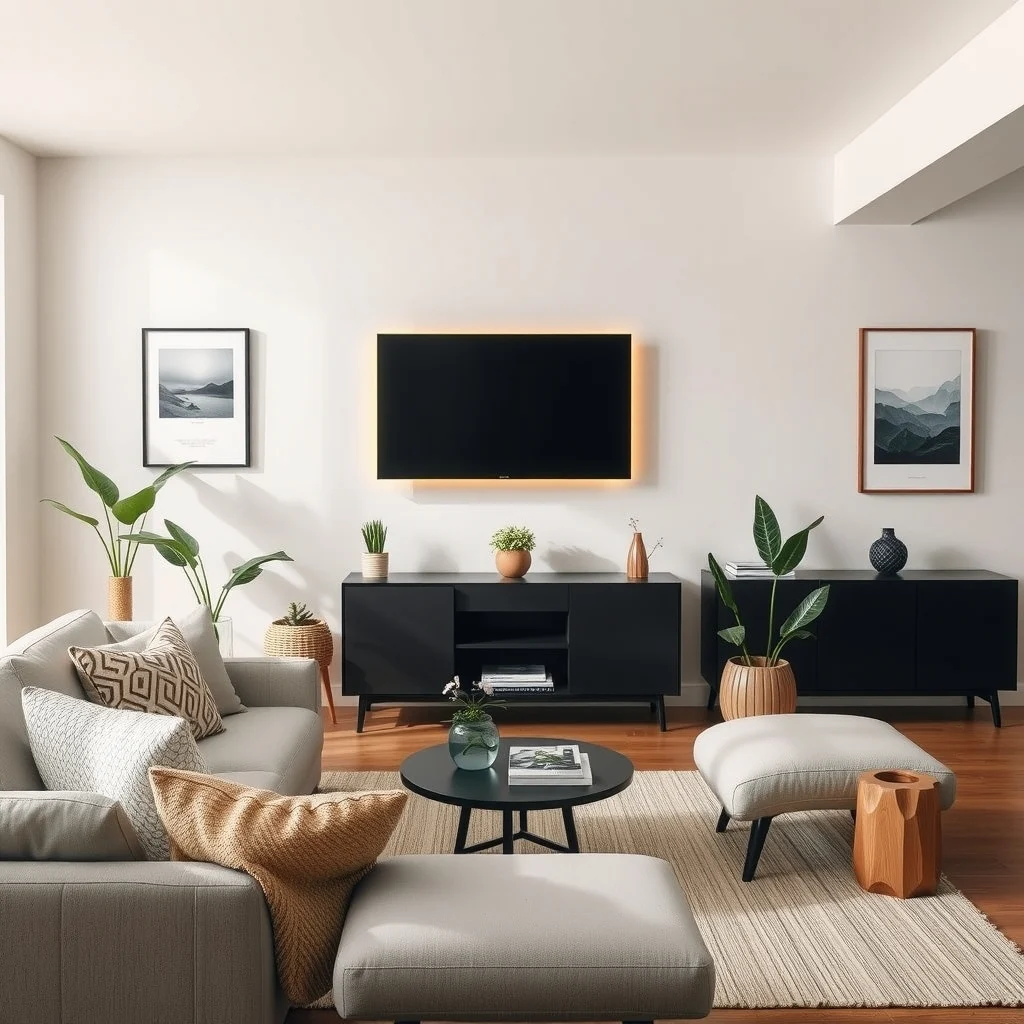
For the ultimate clean look, a fixed wall mount eliminates any furniture footprint, allowing the television to sit flush against the wall. Pair the mount with a slim, recessed LED strip that provides ambient lighting without adding a lamp or stand. The absence of a console encourages you to rely on built‑in storage solutions, such as a decorative ottoman with hidden compartments or a decorative tray on the coffee table for remote controls.
The main compromise here is the loss of surface area for displaying books or decorative objects. To offset this, you can introduce a low-profile coffee table with a drawer, giving you a place to keep everyday items out of sight. This strategy works especially well in small apartments where every square foot matters, and the visual simplicity can make the room feel larger.
FAQ
This image is by AI for inspiration only.
Can I hide TV cables without a console?
Yes, you can conceal cables using a decorative cable cover that matches the wall color or by routing them through a wall-mounted channel. A simple fabric cord concealer placed behind a decorative basket also keeps cords tidy while maintaining easy access for adjustments.
What type of lighting works best around a wall‑mounted TV?
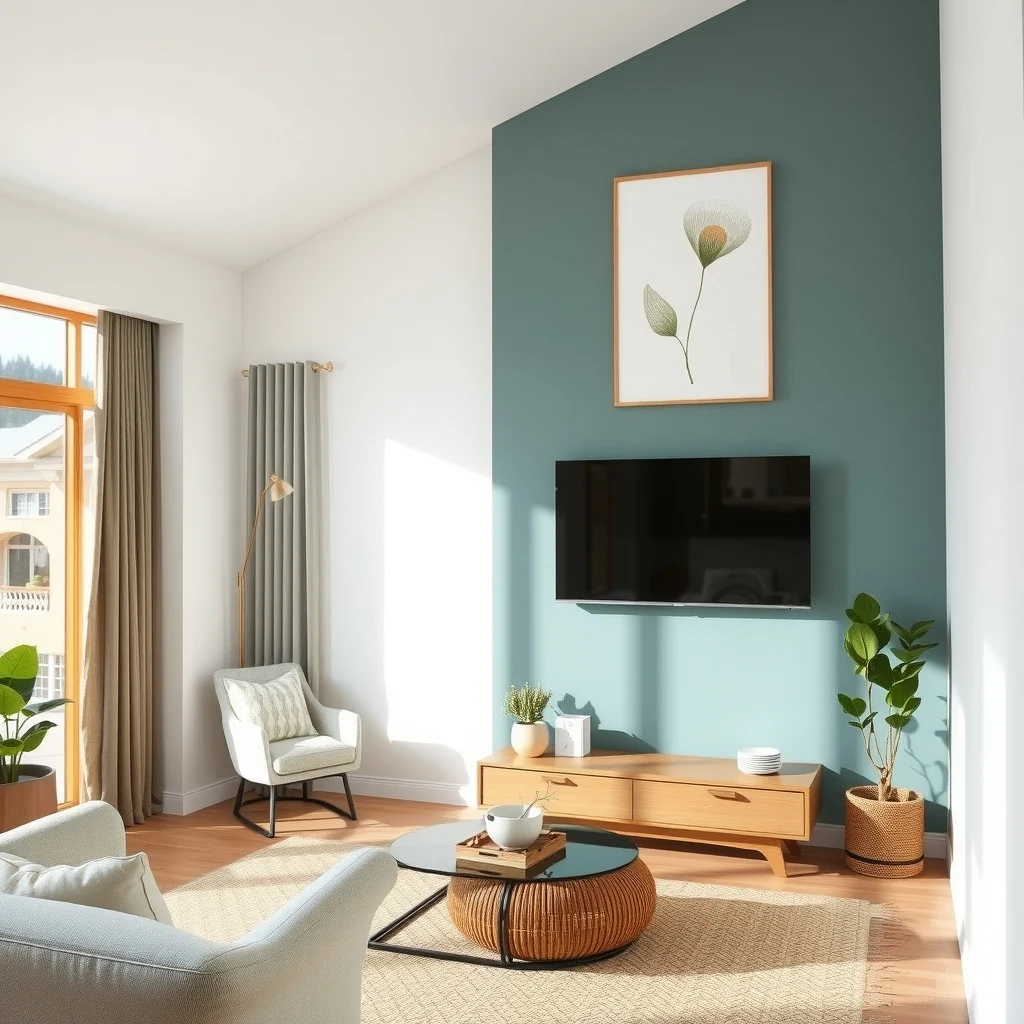
Soft, indirect lighting such as an LED strip placed behind the TV or a low-profile floor lamp positioned to the side reduces glare and creates a cozy atmosphere. The gentle illumination prevents eye strain during evening viewing without overwhelming the room.
Is a floating shelf strong enough to hold a large TV?
Floating shelves rated for the weight of your television can safely support it when properly anchored to wall studs. Choose a shelf with a reinforced back panel and use mounting hardware that matches the TV’s dimensions to ensure stability.
How can I keep the room looking balanced if I use a tall bookcase?
Balance a tall bookcase by pairing it with a low-profile sofa or a rug that anchors the seating area. Adding horizontal elements, such as a wide coffee table, breaks up the vertical line and creates visual harmony.
Do modular cubes work in a room with uneven walls?
Modular cubes can be installed on uneven walls by using adjustable mounting brackets that allow for slight variations in surface level. This flexibility ensures the cubes sit flush and remain secure despite minor wall imperfections.
Final Thoughts
This image is by AI for inspiration only.
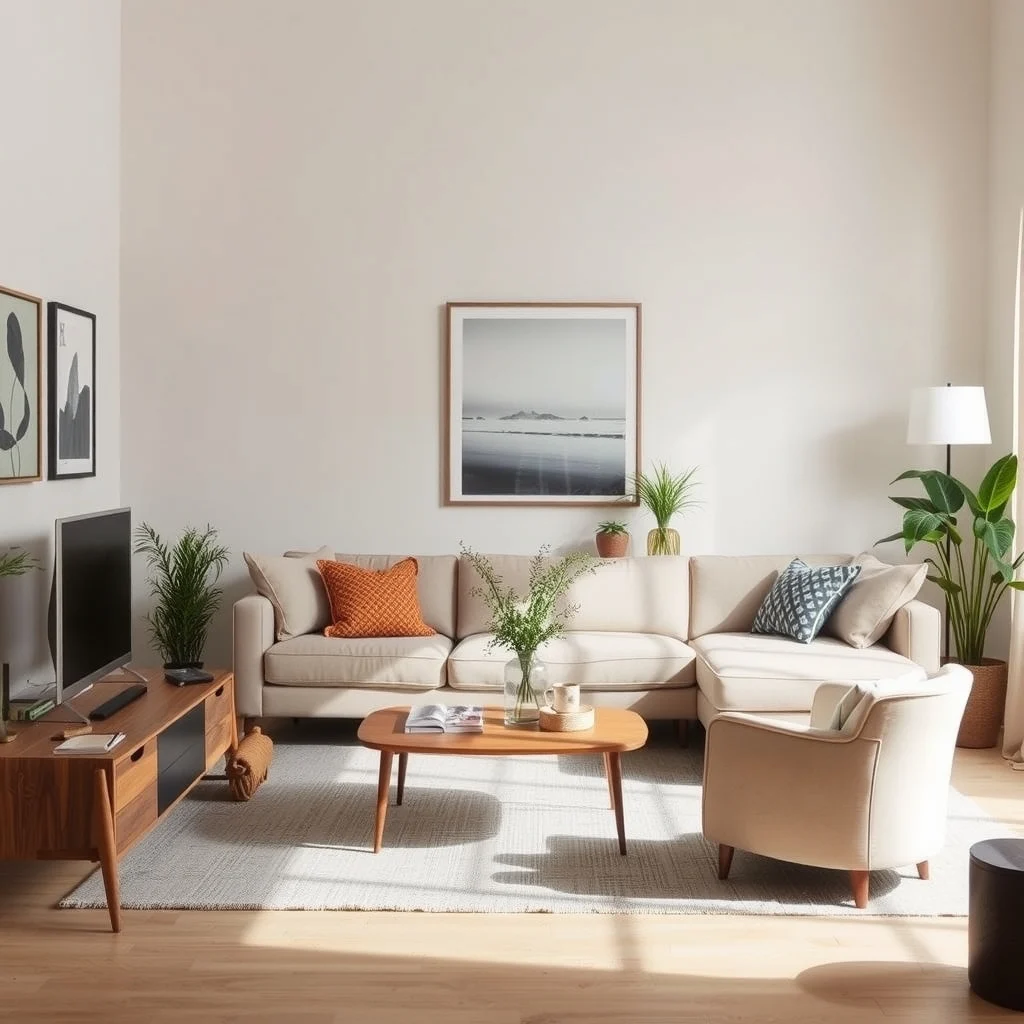
Organizing a living room without a media console invites creativity and a focus on purposeful design. By selecting furniture that doubles as storage, embracing vertical solutions, and paying attention to lighting and cable management, you can achieve a tidy, inviting space that feels both functional and refined. Each of the seven ideas presented offers a distinct pathway, and the best choice will depend on your room’s dimensions, your storage needs, and the aesthetic you wish to cultivate. Experiment with one or combine several approaches, and you’ll discover a living room that feels spacious, organized, and ready for any activity—from relaxed evenings to lively gatherings.