How to Store Toilet Paper in a Bathroom With No Built‑in Storage

When the bathroom feels cramped, the absence of a dedicated shelf or cabinet can turn a simple roll of toilet paper into a daily hassle. The solution isn’t always to remodel; clever placement, modest accessories, and a bit of design thinking can keep the essential within reach without crowding the space. Below are seven ideas that let you keep toilet paper handy, maintain a tidy aesthetic, and respect the limited footprint of a storage‑free bathroom.
1. Hang a Slim Wall‑Mounted Rack
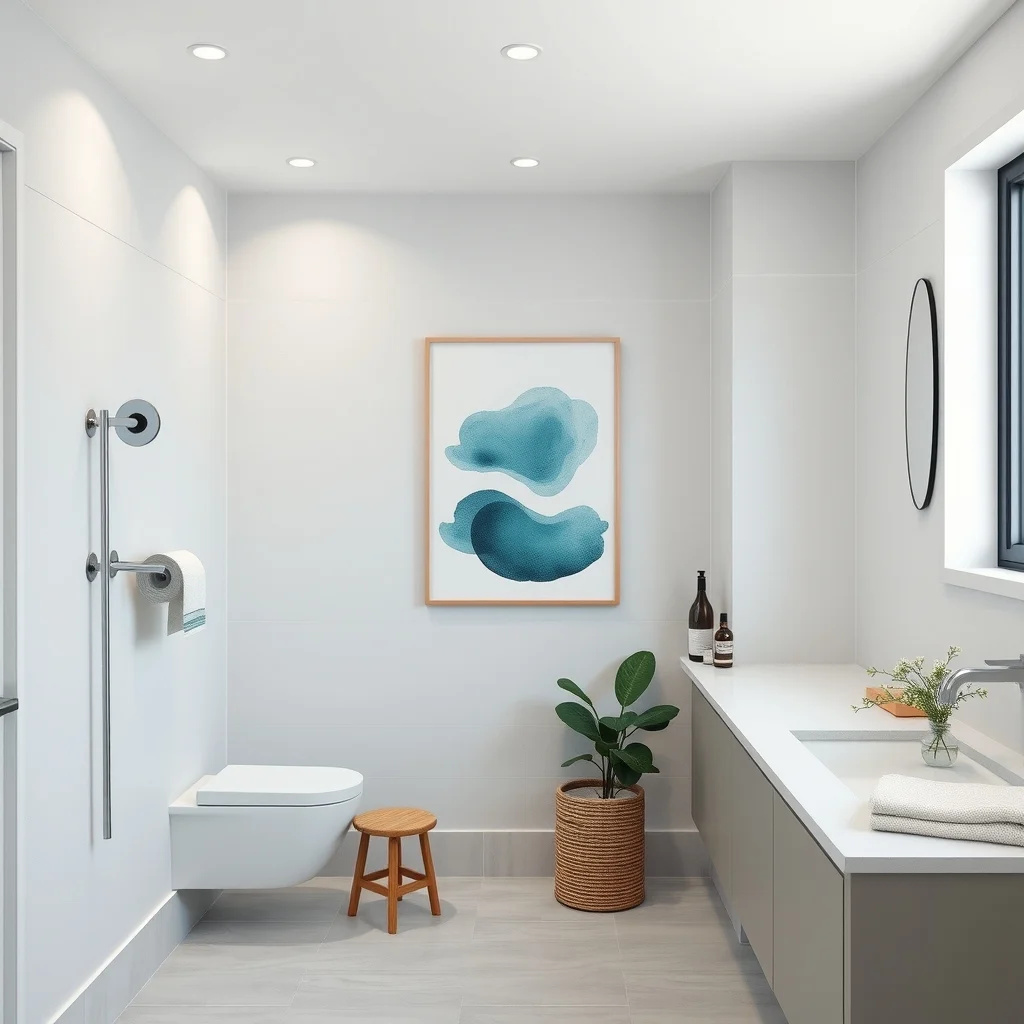
This image is by AI for inspiration only.
Choosing a narrow, wall‑mounted rack instantly frees floor space while providing a dedicated spot for a single roll or a small stack. A brushed‑nickel or matte black finish blends well with most fixtures, and the vertical orientation draws the eye upward, creating an illusion of height. Install the rack at a comfortable height—usually about 45 inches from the floor—so you can reach it without bending. Because the rack is thin, it won’t interfere with the visual flow of tile or painted walls. If the bathroom has a bold accent wall, a simple metal rack lets the color shine without competing for attention. The trade‑off is that you’re limited to one or two rolls, so a backup stash elsewhere in the home is still wise.
2. Repurpose a Decorative Ladder
This image is by AI for inspiration only.
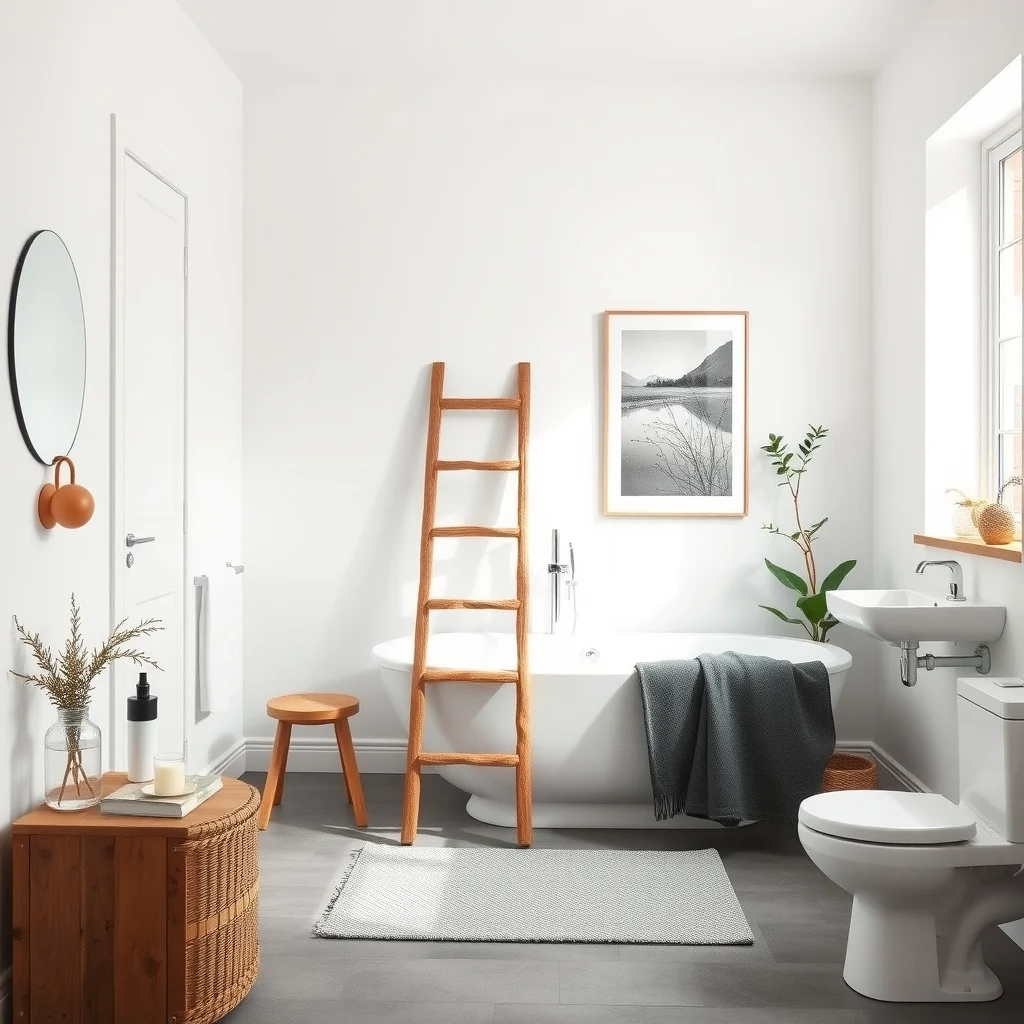
A compact wooden ladder, the kind often used for blankets, can double as an elegant toilet‑paper holder. Position the ladder against a free wall, leaning it just enough to stay stable without a wall‑mount. The rungs serve as natural shelves, allowing you to stack a few rolls while also displaying a small potted plant or a scented candle for a touch of personality. Light‑colored pine adds warmth to a crisp white bathroom, whereas a dark walnut ladder adds contrast in a monochrome scheme. This approach works best in bathrooms with at least a two‑foot width of clear wall; in tighter spaces, the ladder might dominate the visual field. Ensure the ladder’s legs are secured with non‑slip pads to avoid shifting on wet floors.
3. Use a Freestanding Corner Shelf
This image is by AI for inspiration only.
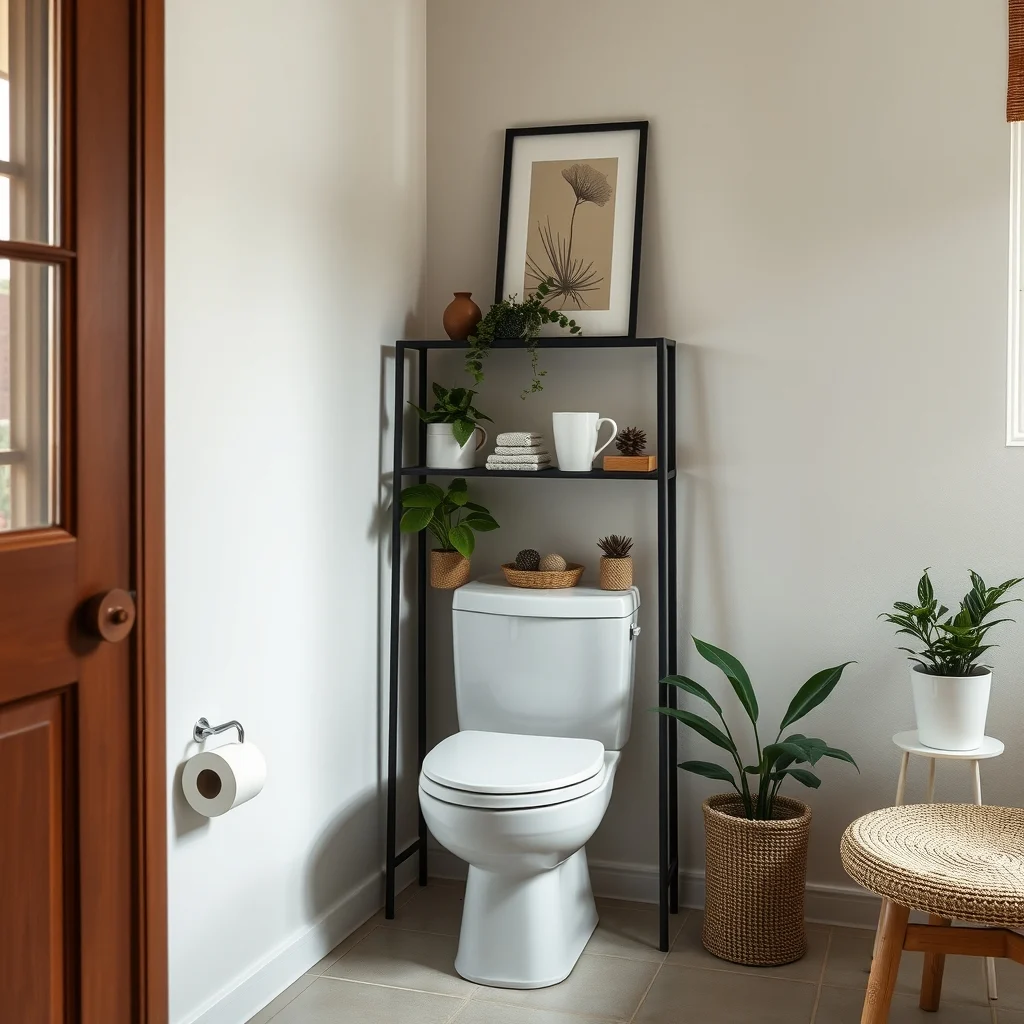
Corner shelves are designed to occupy the often‑ignored junction where two walls meet. A triangular, open‑frame shelf made of powder‑coated steel fits snugly into a corner, leaving the center of the room open. By placing a single roll on the top tier and a decorative towel on the lower level, you create a functional vignette that feels intentional rather than improvised. The open design prevents moisture from collecting, a useful feature in a humid bathroom. Choose a finish that mirrors other hardware—such as chrome faucet handles—to maintain visual cohesion. The main limitation is the need for at least a twelve‑inch radius from the corner; very narrow bathrooms may not accommodate the shelf without crowding adjacent fixtures.
4. Attach a Magnetic Dispenser Behind the Door
This image is by AI for inspiration only.
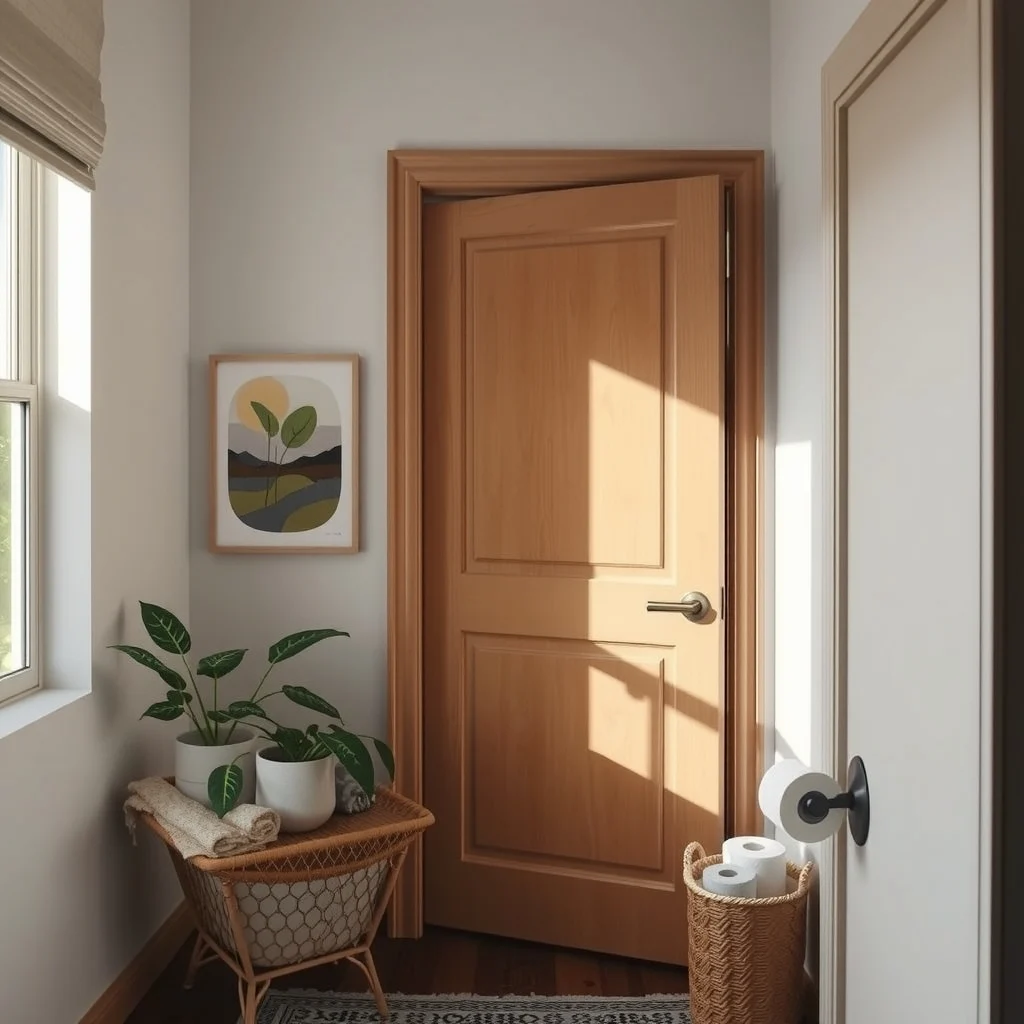
If the bathroom door is solid wood or metal, a magnetic toilet‑paper dispenser can cling to its surface without drilling. The dispenser slides onto a thin steel plate that adheres with strong adhesive, allowing you to keep a roll just behind the door where it’s out of the way yet easily reachable when the door is opened. This hidden placement works especially well in small powder‑room doors that swing inward, as the dispenser remains invisible from the room’s interior. A matte black or brushed brass finish can echo the door’s hardware, integrating the piece into the overall design. The downside is that magnetic strength can diminish over time, so periodic checks are advisable, and the solution depends on the door material being compatible with magnets.
5. Incorporate a Recessed Niche
This image is by AI for inspiration only.
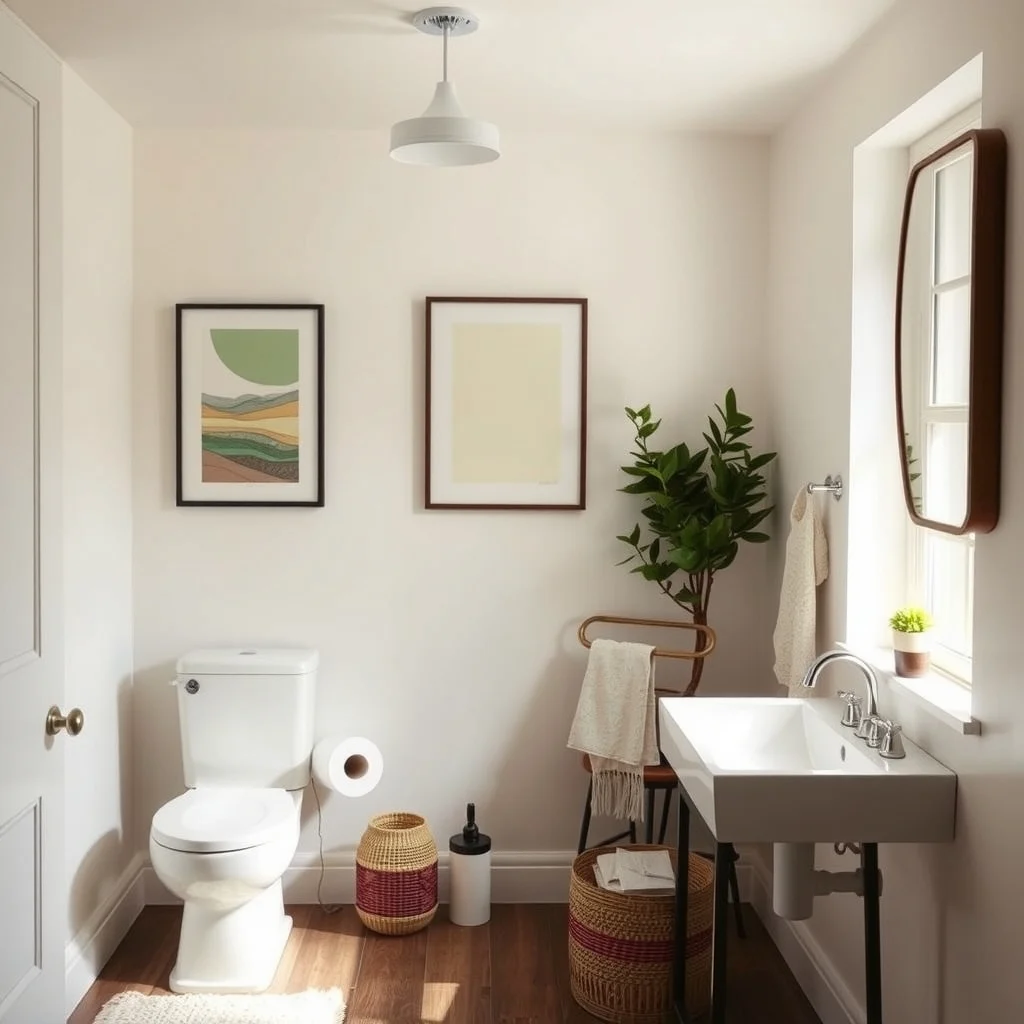
When a remodel is on the horizon, carving a shallow recess into an empty wall creates a built‑in niche that houses a roll discreetly. The niche can be finished with the same tile as the surrounding wall, making it appear as a seamless extension of the surface. Adding a thin strip of waterproof LED lighting inside the niche not only highlights the roll but also provides a soft glow that enhances the bathroom’s ambience. Because the niche is flush with the wall, it never interferes with traffic flow or cleaning routines. However, this option requires professional installation and may not be feasible for renters or those on a tight budget.
6. Choose a Stylish Freestanding Basket
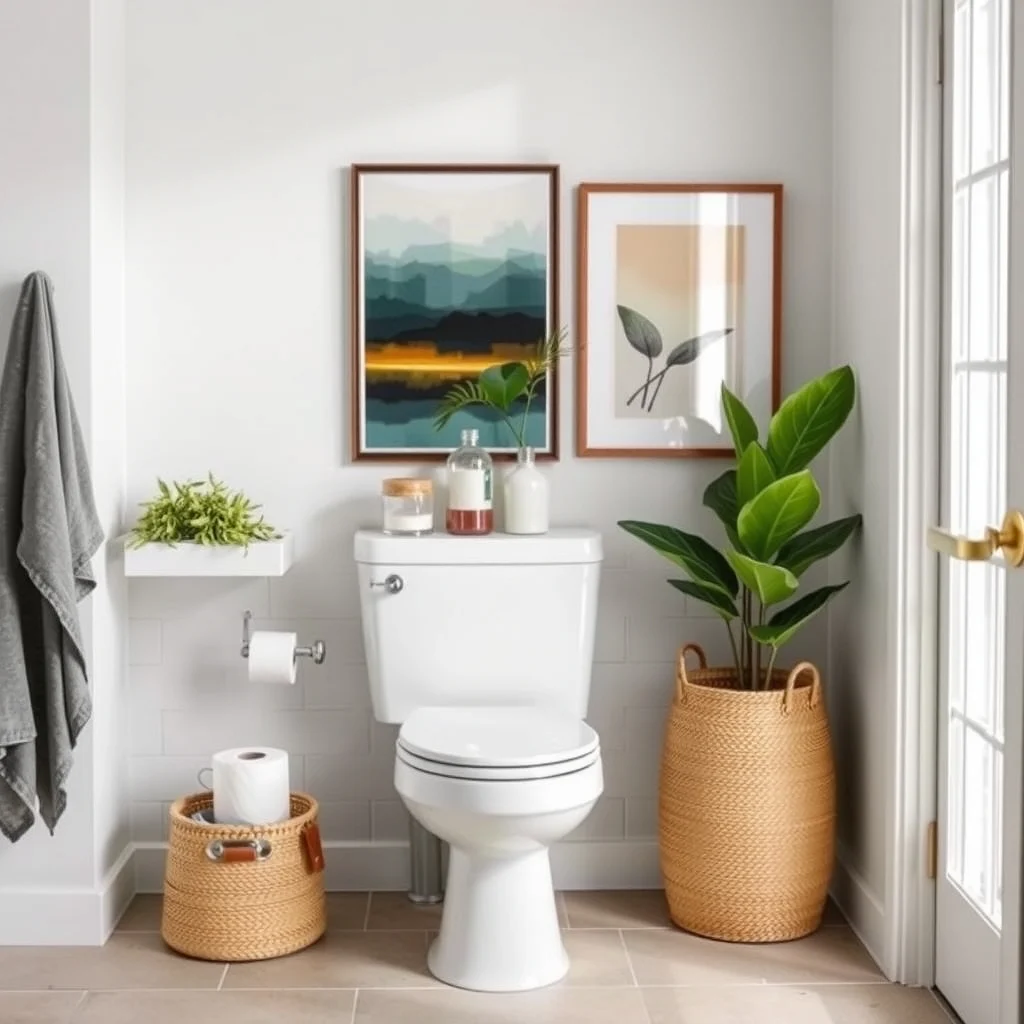
This image is by AI for inspiration only.
A woven basket made from seagrass or rattan can sit on the floor beside the vanity, offering a casual yet curated look. The natural texture softens the hard surfaces of tile and porcelain, while the open weave allows air to circulate, reducing the chance of moisture damage. Selecting a basket with a low profile—no taller than the base of the sink—keeps it from becoming a tripping hazard. Pair the basket with a matching set of hand towels for a coordinated feel. The primary consideration is that a floor basket occupies space that could otherwise be used for a footstool or decorative object, so it works best in bathrooms where the floor area is not already at a premium.
7. Install a Pull‑Down Shelf from the Ceiling
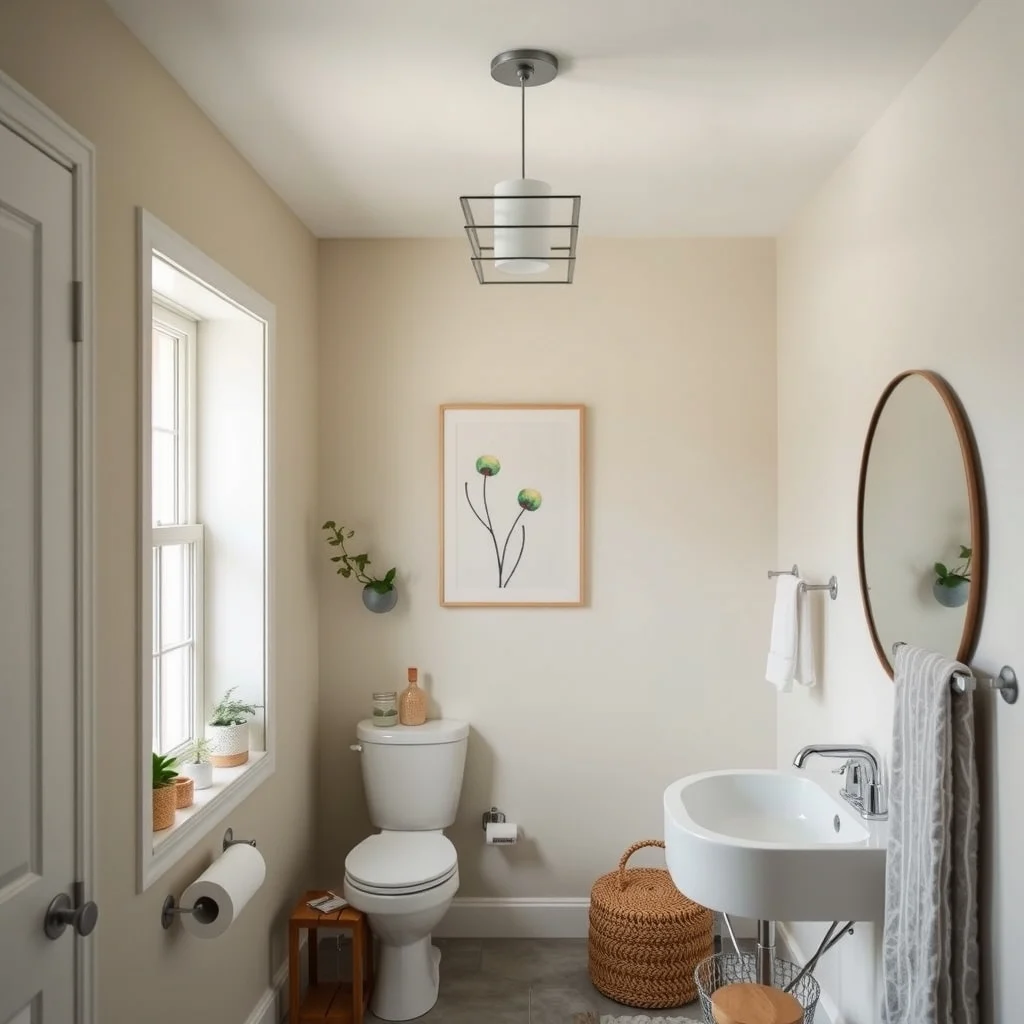
This image is by AI for inspiration only.
In bathrooms with high ceilings, a pull‑down shelf attached to a ceiling hook provides an unexpected storage solution. The shelf, often made of lightweight acrylic or tempered glass, folds down when needed and tucks away when not in use, keeping the roll out of sight yet within arm’s reach. This approach adds a contemporary touch, especially when the hardware finishes match existing pendant lighting. Because the shelf hangs from the ceiling, it does not compete with wall space, preserving room for artwork or mirrors. Installation requires a sturdy anchor and careful measurement to ensure the shelf clears the vanity when lowered. It may feel unconventional for traditional interiors, so consider the overall style before committing.
Frequently Asked Questions
This image is by AI for inspiration only.
Can I mount a toilet‑paper holder without drilling?
Yes, adhesive‑backed hooks, magnetic dispensers, and suction‑cup mounts allow you to attach a holder without damaging walls or doors. Choose a product rated for bathroom humidity to ensure it stays secure over time.
What material is best for a bathroom‑friendly holder?
Stainless steel, brushed nickel, and powder‑coated metal resist rust and are easy to wipe clean. If you prefer wood, look for sealed or teak options that can handle moisture without warping.
How many rolls should I keep in a small bathroom?
Keeping one roll within easy reach and a backup roll stored elsewhere usually suffices. Overloading a small shelf can make the space feel cluttered, so limit visible rolls to what you need for a day or two.
Is a freestanding basket safe on a wet floor?
A basket made from synthetic rattan or sealed natural fibers can sit on a wet floor without absorbing water, but place a small mat underneath to prevent slipping and to protect the basket’s base.
Do recessed niches require special waterproofing?
Yes, the niche should be tiled with the same waterproof membrane used on the surrounding walls, and any seams must be sealed with silicone to prevent water infiltration.
Final Thoughts
This image is by AI for inspiration only.
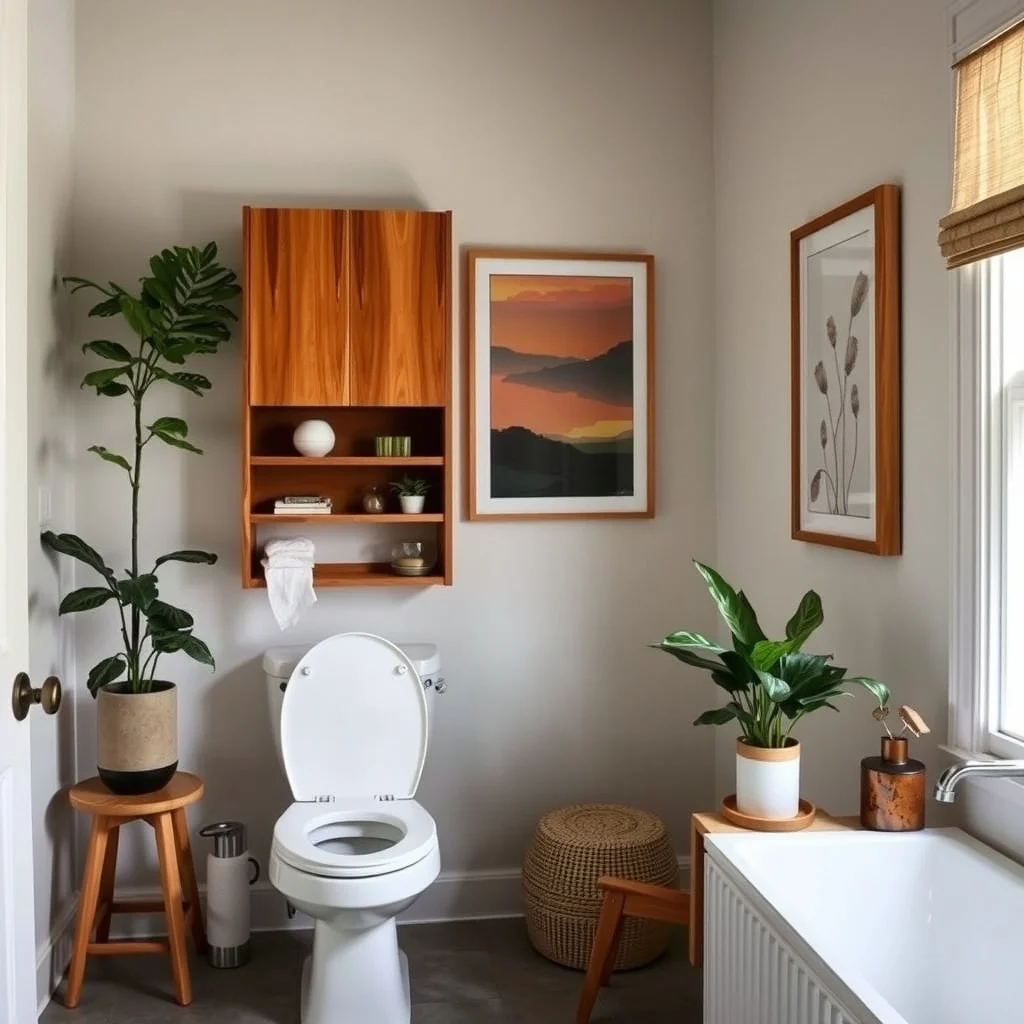
Even without a built‑in cabinet, a bathroom can hold toilet paper in a way that feels intentional rather than improvised. By selecting the right hardware, considering the room’s geometry, and matching finishes to existing fixtures, you turn a functional need into a subtle design element. Whether you opt for a sleek wall rack, a repurposed ladder, or a clever ceiling shelf, the goal remains the same: keep the essential accessible while preserving the calm, uncluttered atmosphere that makes a bathroom a place of refreshment.