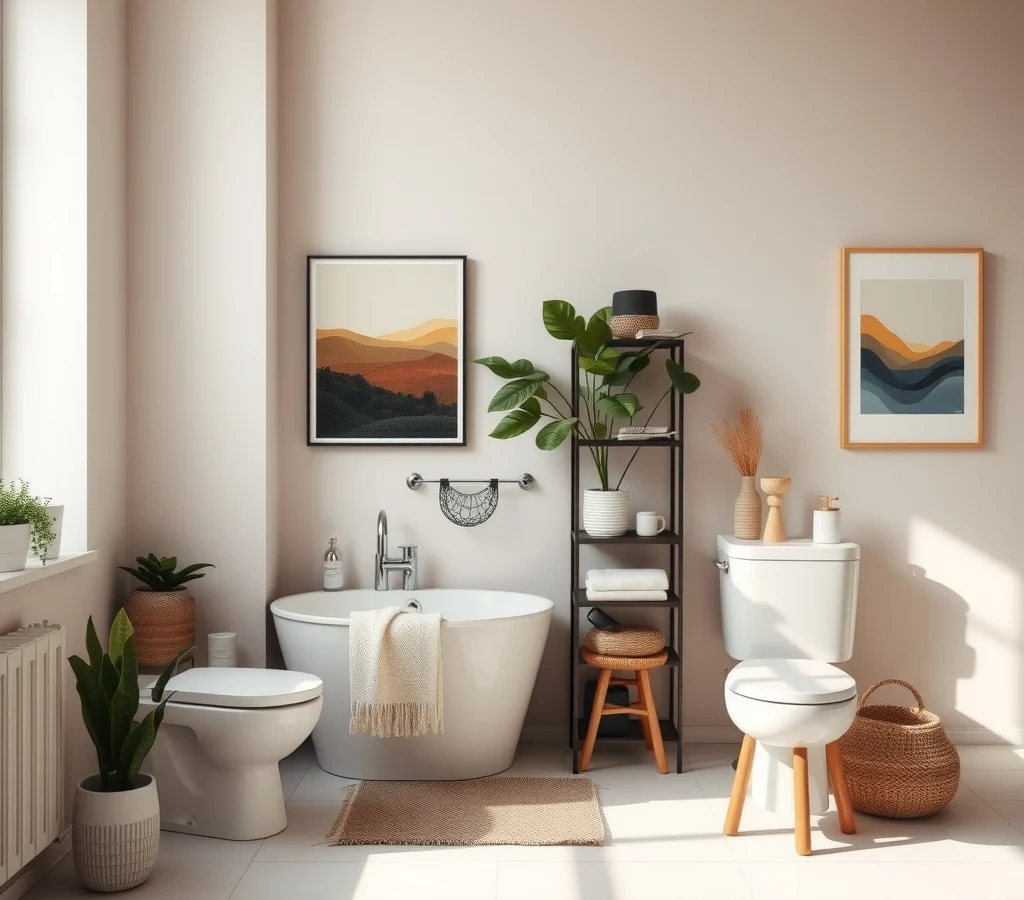
Smart Bathroom Organization for Shared Apartments With Limited Space

Living with roommates often means negotiating limited square footage and competing habits, especially in a bathroom that feels cramped from the start. A shared space can quickly become a hub of tangled towels, stray toiletries, and mismatched accessories if the layout isn’t thoughtfully arranged. This article walks you through seven practical strategies that respect both the modest dimensions of a typical apartment bathroom and the need for each occupant to feel comfortable and respected. You’ll discover how to make the most of vertical surfaces, create discreet storage zones, and keep daily routines smooth without sacrificing style.
1. Turn the Back of the Door into a Functional Shelf
This image is by AI for inspiration only.
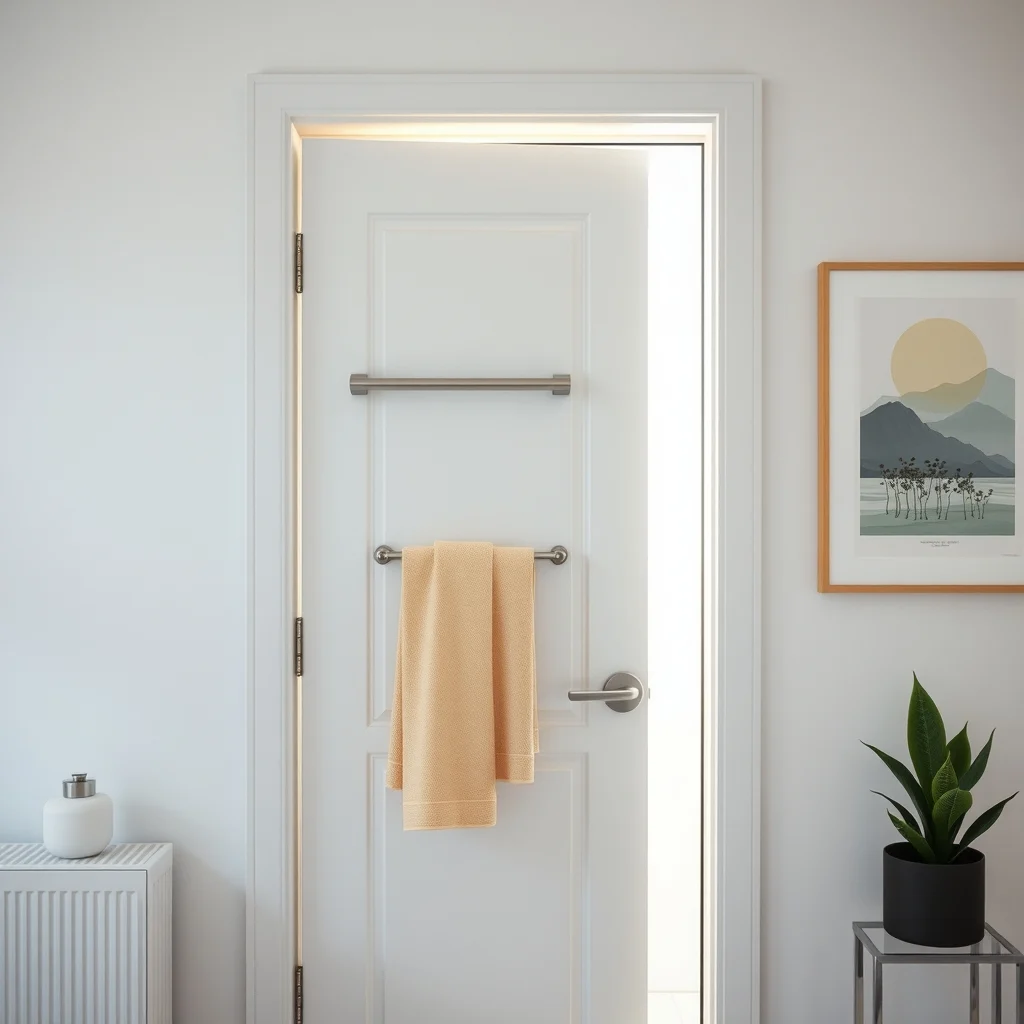
When you look at a bathroom door, the first impression is often a flat, unused surface. Adding an over‑door rack or a slim hanging organizer transforms that space into a convenient spot for lightweight items such as travel‑size shampoos, toothbrushes, or a small basket of everyday cosmetics. The metal or wood finish of the rack can echo the fixtures in the room, tying the new element into the existing aesthetic. Because the rack hangs without drilling, it works well in rental situations where permanent modifications are discouraged. The trade‑off is a slight reduction in door swing clearance, so choose a design that stays clear of the hinge side. Once installed, each roommate can claim a specific tier, reducing the chance of accidental mix‑ups.
2. Use a Narrow Ladder Shelf for Tiered Storage
This image is by AI for inspiration only.
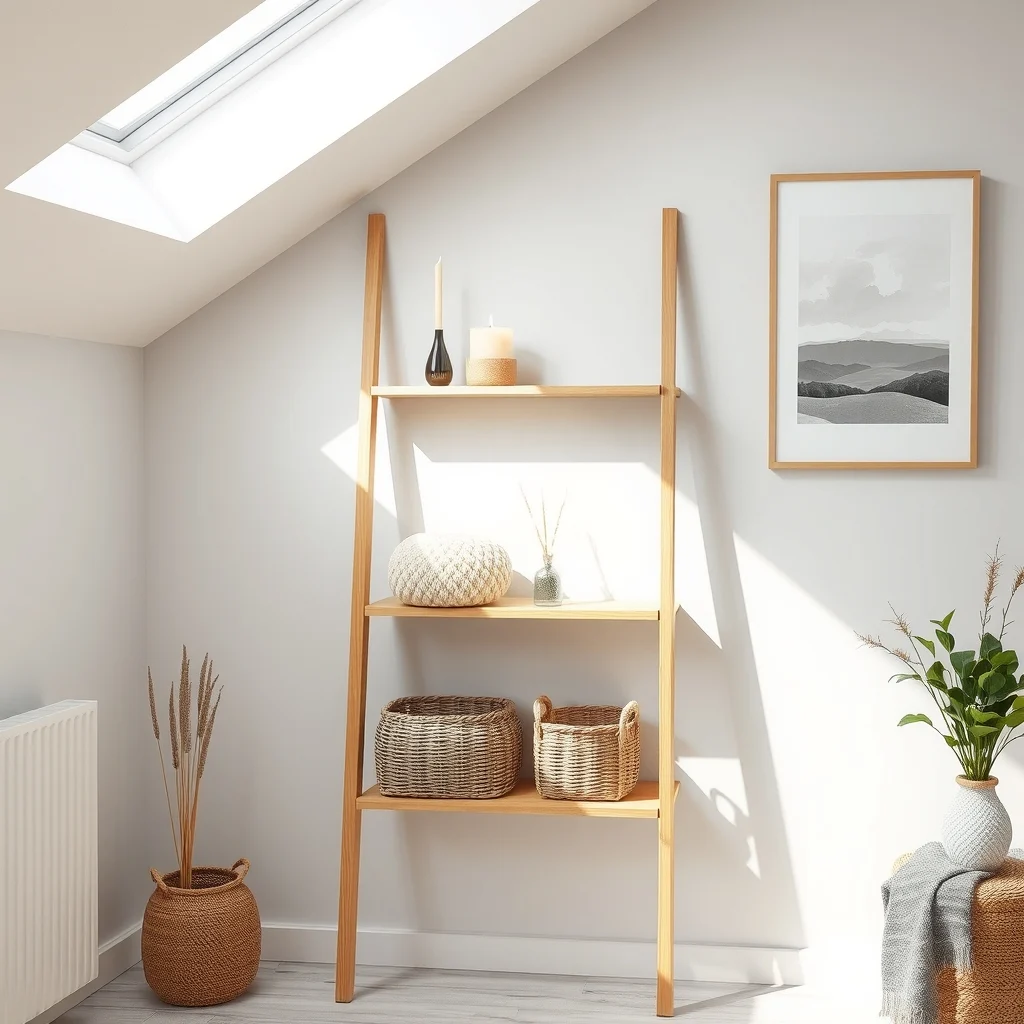
A ladder‑style shelf that leans against the wall provides multiple shallow levels without consuming floor space. The open design allows air to circulate, which is essential for preventing mold on damp items like loofahs or razors. Selecting a shelf in a matte black metal or a warm walnut finish can complement the bathroom’s existing hardware while adding a hint of texture. The narrow depth—typically around six inches—means the piece fits between the vanity and the bathtub, turning a narrow gap into a usable zone. One limitation is that the top tier may be harder to reach for shorter users, so place the most frequently accessed products on the lower shelves.
3. Install a Floating Vanity Shelf Above the Sink
This image is by AI for inspiration only.
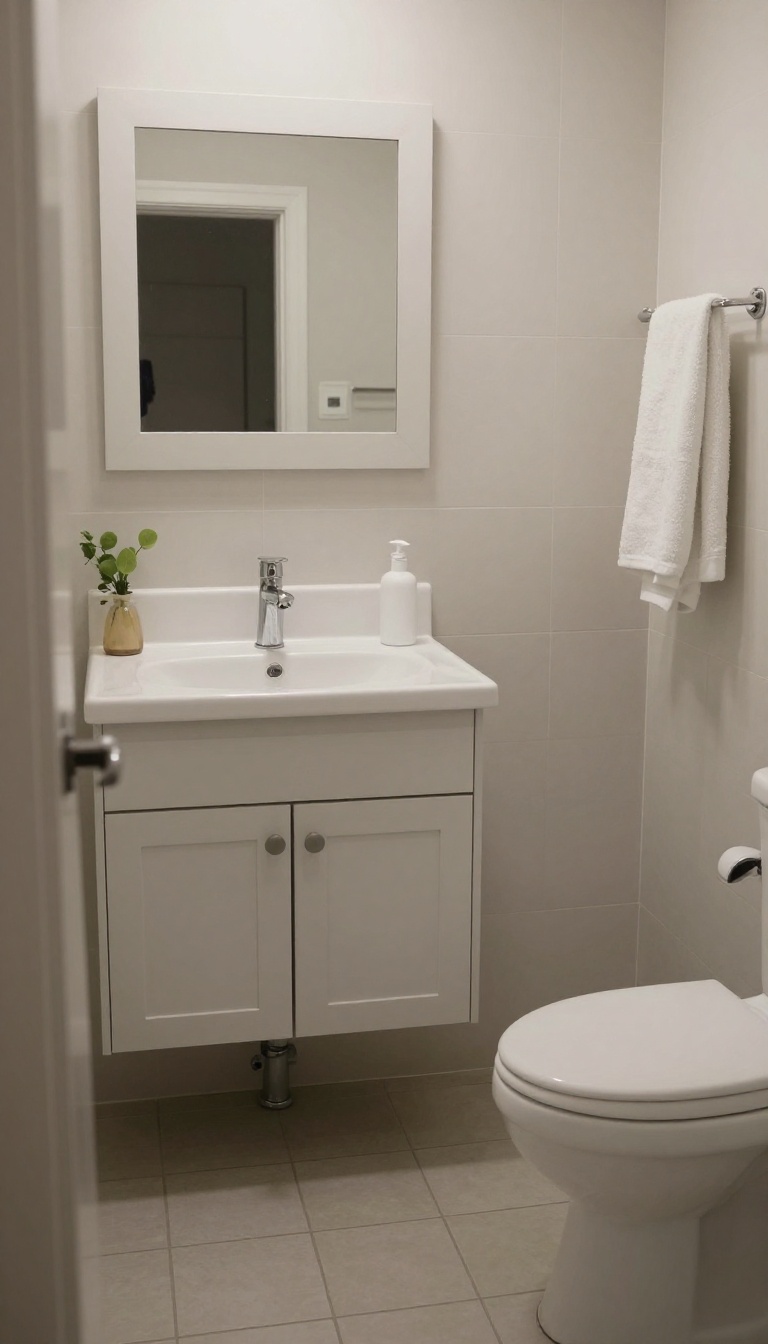
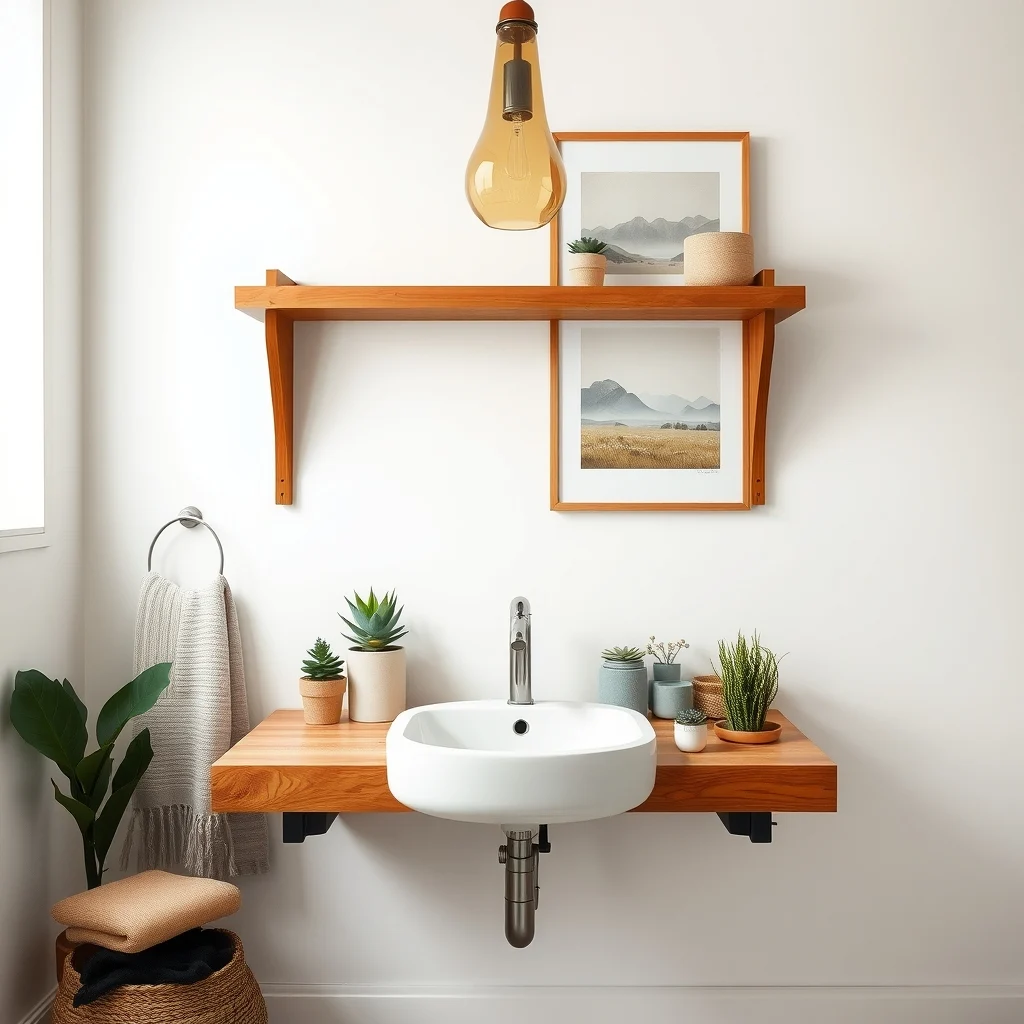
Above the sink, the wall often remains bare except for a mirror. Adding a floating shelf made of reclaimed oak or a simple painted plank offers a discreet platform for daily essentials like a bar of soap, a decorative jar of cotton balls, or a small plant that thrives on humidity. Because the shelf is anchored to studs, it can bear more weight than a typical adhesive hook, allowing you to store slightly heavier items such as a glass perfume bottle. The visual line of the floating shelf draws the eye upward, creating an illusion of additional height in a low‑ceiling bathroom. However, be mindful of the mirror’s placement; the shelf should not interfere with the reflective surface or create glare from overhead lighting.
4. Choose Stackable Clear Bins for Under‑Vanity Organization
This image is by AI for inspiration only.
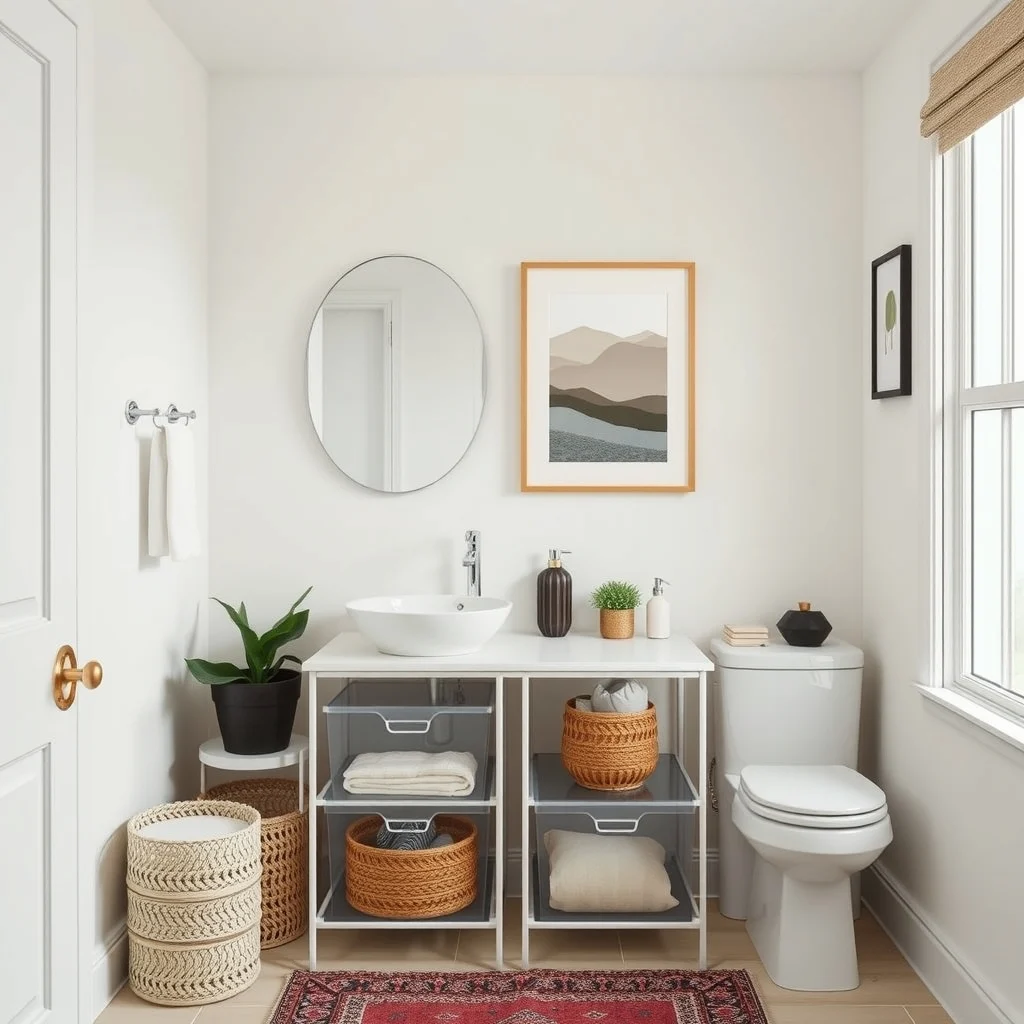
The space beneath a vanity is often overlooked, yet it can accommodate a set of clear, stackable bins that separate personal items without consuming extra room. Clear acrylic allows each roommate to quickly identify their own toiletries, reducing the temptation to rummage through a mixed drawer. By using bins with slightly different heights, you can create a tiered system that keeps taller bottles on the bottom and smaller accessories on top, making the most of vertical space. A subtle benefit is that the bins can be lifted out for cleaning, keeping the area under the vanity free of dust and water residue. The downside is that acrylic can show water spots, so a quick wipe after each use keeps the look polished.
5. Add a Magnetic Strip for Metal Grooming Tools
This image is by AI for inspiration only.
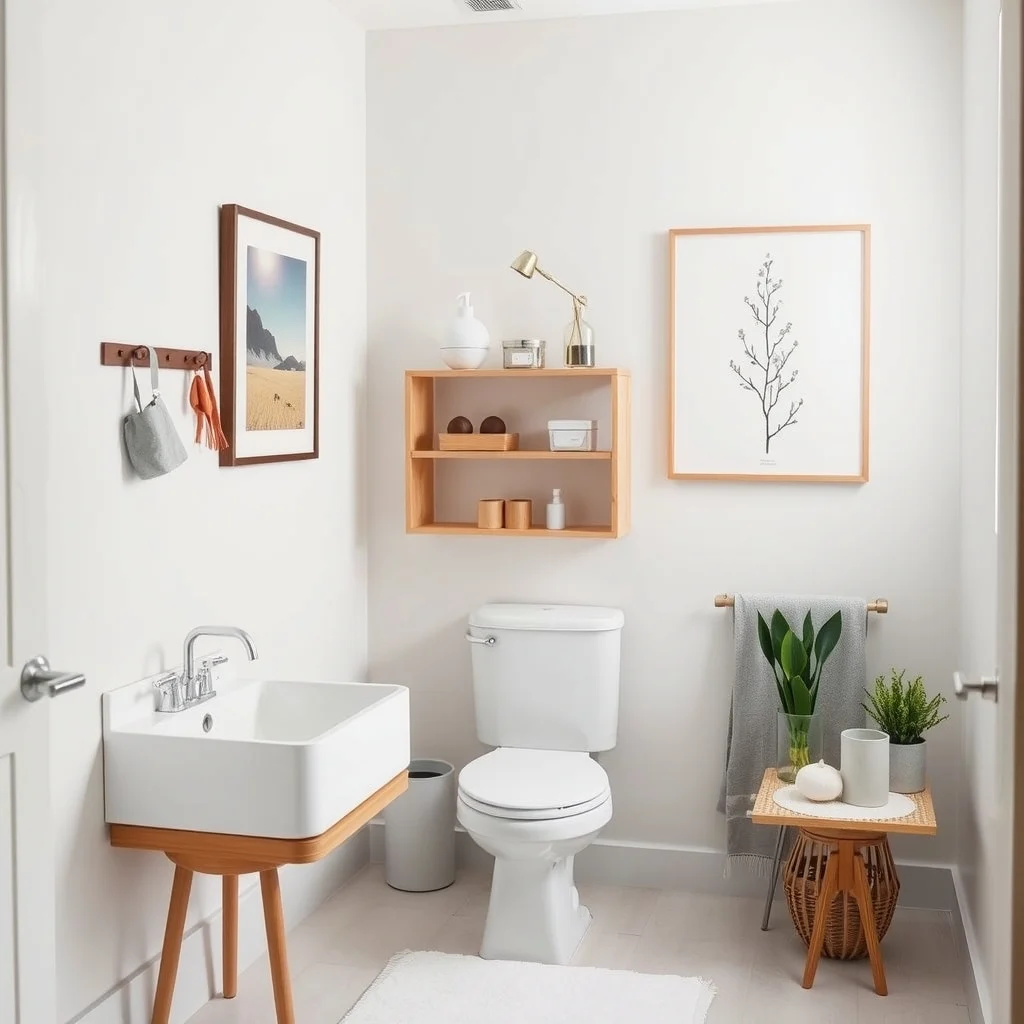
Small metal items—such as tweezers, nail clippers, or a compact pair of scissors—often disappear into drawers or become a hazard on a countertop. Installing a thin magnetic strip on the side wall of the vanity creates a sleek, invisible holder that keeps these tools orderly and within easy reach. Opt for a strip finished in brushed nickel to echo the faucet and towel bar hardware, reinforcing a cohesive design language. The magnetic solution eliminates the need for a separate container, preserving precious countertop real estate. One consideration is that the strip only works for ferrous items; plastic or wooden tools will still need an alternative storage method.
6. Incorporate a Pull‑Out Laundry Hamper Behind the Door
This image is by AI for inspiration only.
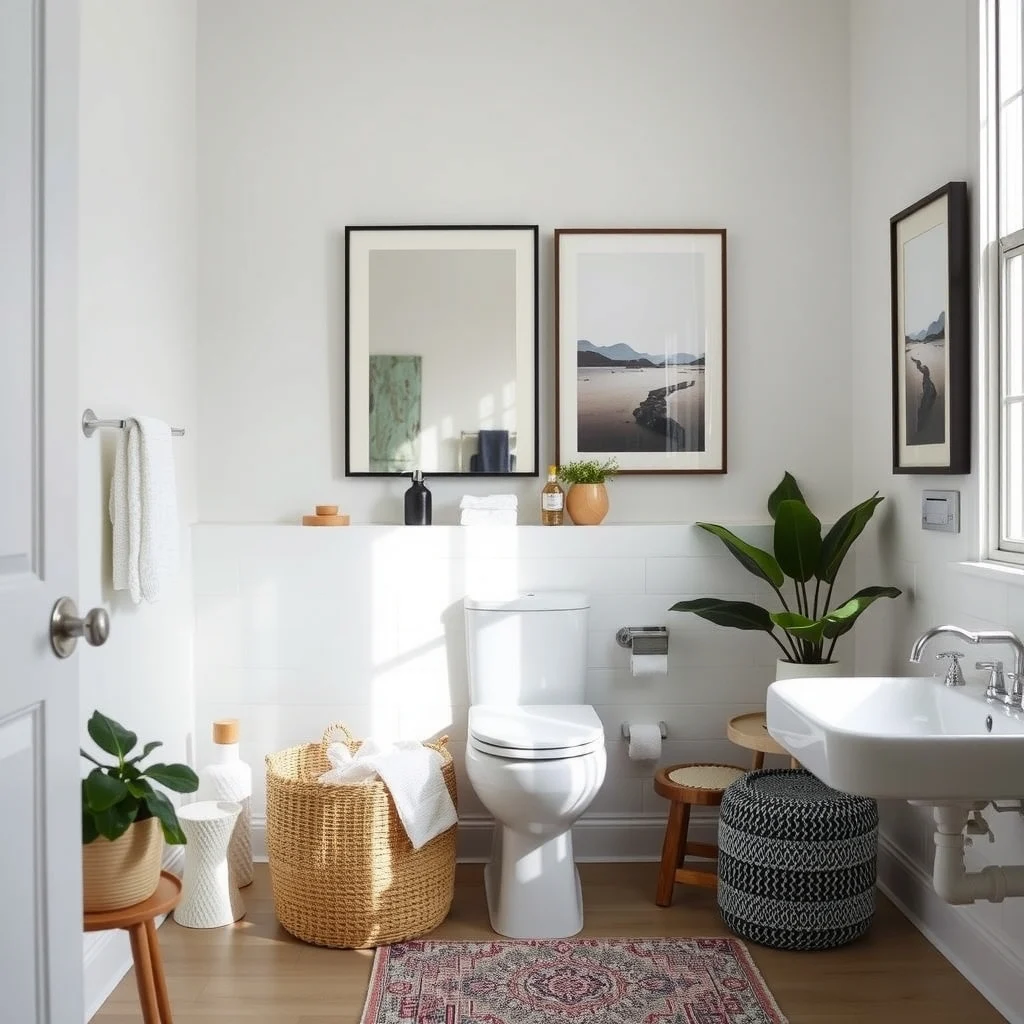
In a shared bathroom, laundry can become a point of contention if each person’s dirty towels are left scattered. A slim, pull‑out hamper that slides into the space behind the bathroom door offers a discreet repository that stays out of sight until needed. The hamper can be crafted from woven canvas in a neutral hue that blends with the wall color, or from a waterproof plastic with a simple handle for easy removal. Because the hamper hangs vertically, it does not encroach on the floor, preserving the limited walking area. The only drawback is the need for a small clearance gap between the door and the wall; if the bathroom is extremely tight, a freestanding basket may be a better fit.
7. Use a Dual‑Purpose Towel Bar with Built‑In Shelf
This image is by AI for inspiration only.
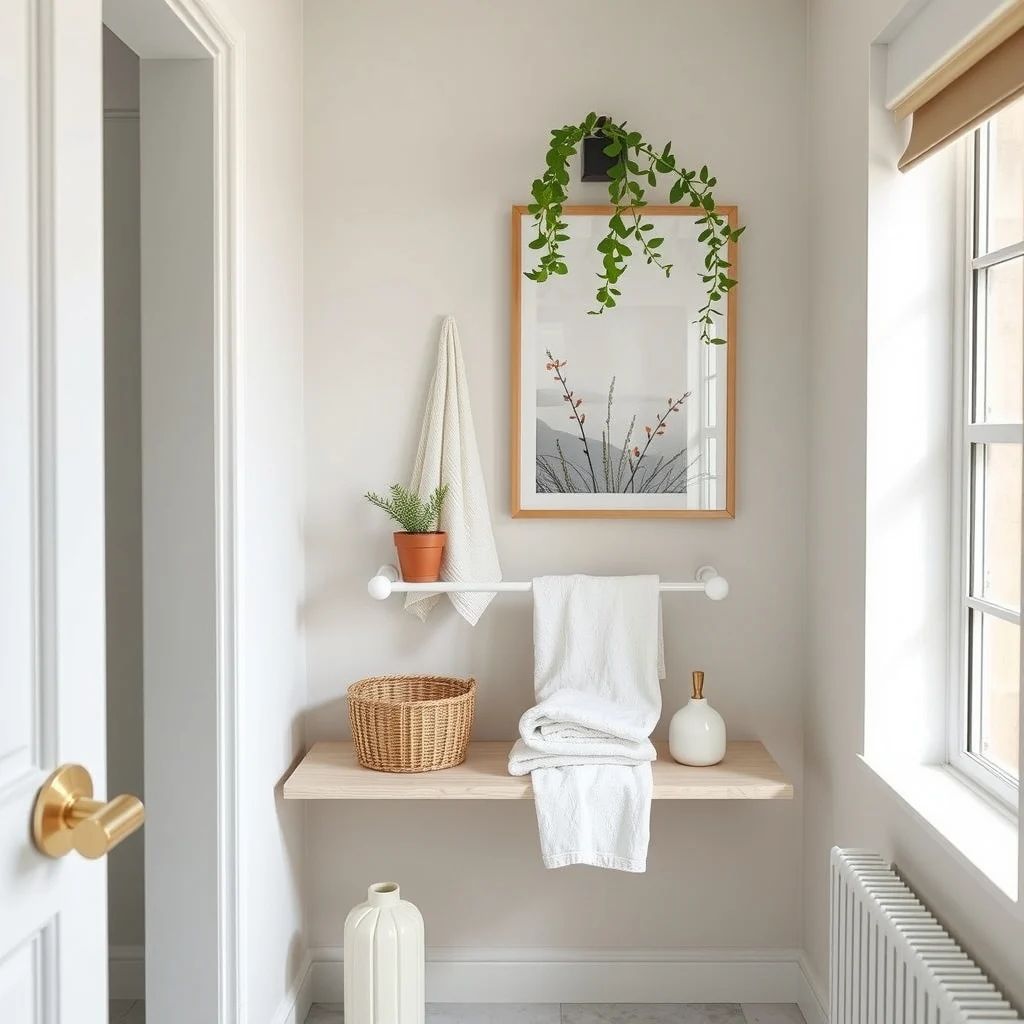
Traditional towel bars occupy wall space without offering additional storage. A dual‑purpose bar that incorporates a shallow shelf beneath the hanging rod provides a place to lay out freshly laundered towels, store a small basket of washcloths, or display a decorative soap dish. Selecting a bar in a finish that matches the showerhead—such as oil‑rubbed bronze or polished chrome—creates visual harmony. The shelf’s depth is modest, so it does not protrude far enough to interfere with movement around the sink. When not in use, the shelf can be cleared, allowing the bar to function solely as a towel holder. The primary limitation is that the combined unit may be heavier than a standard bar, requiring secure anchoring into studs.
Frequently Asked Questions
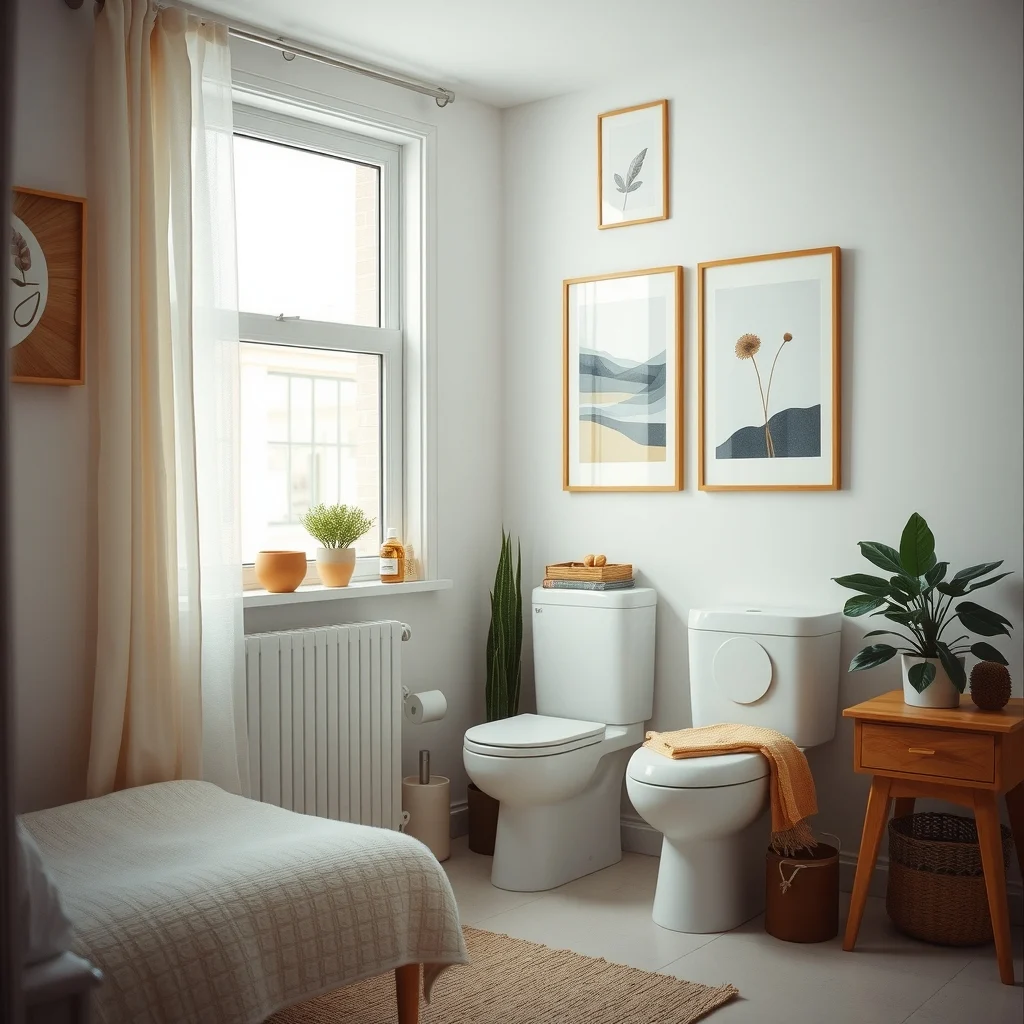
This image is by AI for inspiration only.
How can I keep my toiletries from getting mixed up with my roommate’s?
Labeling each item with a simple sticker or using separate clear bins for personal products creates visual boundaries that reduce accidental swapping.
What’s the best way to prevent mold on bathroom storage shelves?
Choose shelves with open backs or slatted designs that allow air to flow, and wipe down surfaces regularly to keep moisture from lingering.
Can I install wall-mounted storage without drilling into tiles?
Adhesive hooks designed for bathroom tiles can hold lightweight organizers, but for heavier shelves it’s safer to use a drill with a tile bit or seek professional help.
Is it okay to use scented candles for a pleasant bathroom aroma?
Scented candles work well when placed on a heat‑resistant tray away from flammable items; always extinguish them before leaving the room.
How often should I reorganize the shared bathroom to keep it functional?
A quick tidy‑up once a month helps catch clutter before it builds up, while a deeper re‑arrangement every few months ensures the system still meets each roommate’s needs.
Final Thoughts
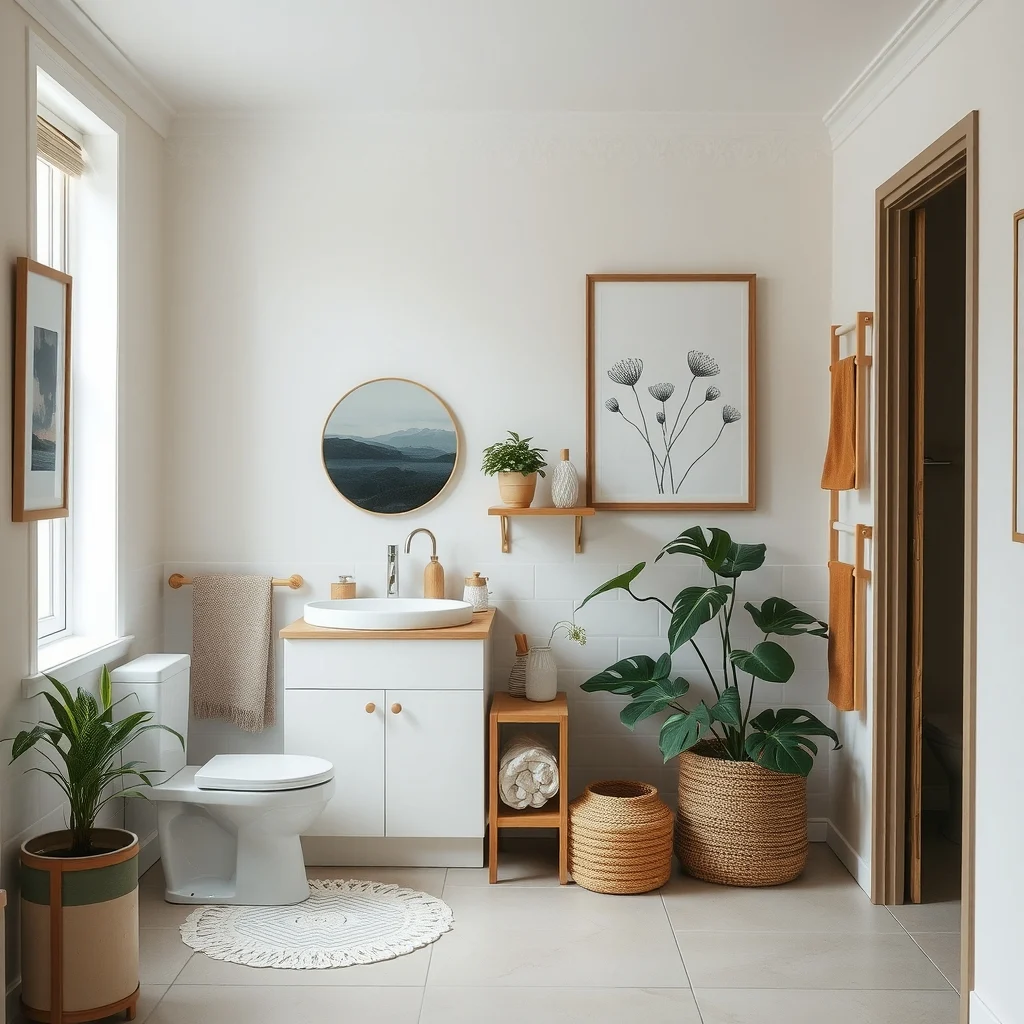
This image is by AI for inspiration only.
Organizing a bathroom that serves multiple people in a compact apartment is less about adding more furniture and more about rethinking how the existing space can serve several habits at once. By turning doors, walls, and under‑vanity areas into purposeful storage zones, you create a sense of order that respects both the limited square footage and the individuality of each roommate. Small, thoughtful adjustments—like magnetic strips or dual‑purpose towel bars—can make daily routines smoother without compromising style. With a bit of planning and the right accessories, a shared bathroom can feel tidy, welcoming, and functional for everyone who steps inside.