Best Ways to Organize Food in a Tiny Apartment Kitchen

Living in a compact apartment often means the kitchen feels like a constant puzzle of countertops, cabinets, and open shelves. When every inch is contested, the way you store food can either add to the chaos or become a quiet, functional backdrop to daily cooking. Below are seven thoughtful approaches that turn limited space into a tidy, inviting area without sacrificing style or practicality.
1. Embrace Vertical Storage with Open Shelving
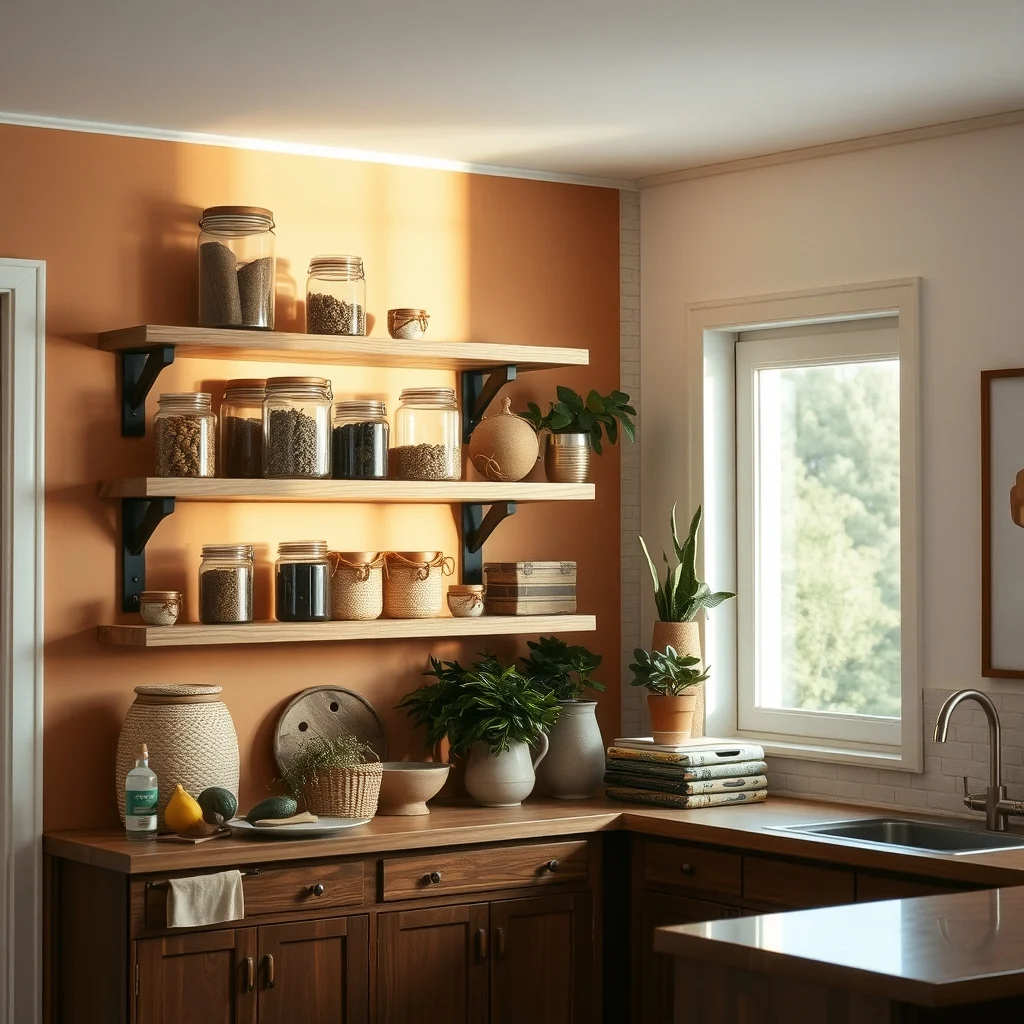
This image is by AI for inspiration only.
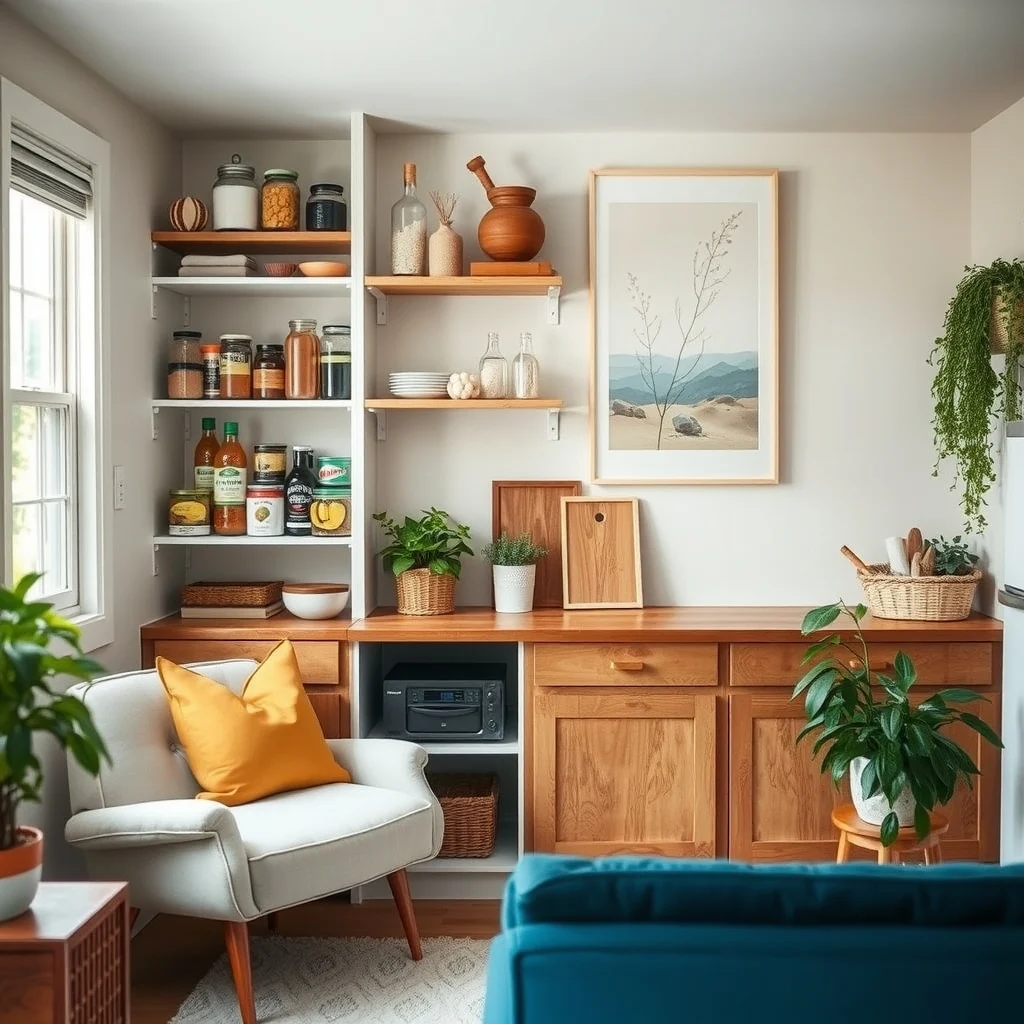
Instead of letting wall space sit empty, install a narrow row of open shelves made from reclaimed wood or brushed metal. By stacking jars, spice containers, and small baskets upward, you free up lower cabinets for larger appliances. The visual lightness of open shelving also makes the kitchen feel taller, especially when the shelves are painted a soft, muted shade that reflects natural light. One thing to watch is dust; glass jars with tight‑fitting lids help keep pantry staples clean, and a weekly wipe‑down keeps the display looking fresh.
2. Use Clear, Stackable Containers for Dry Goods
This image is by AI for inspiration only.
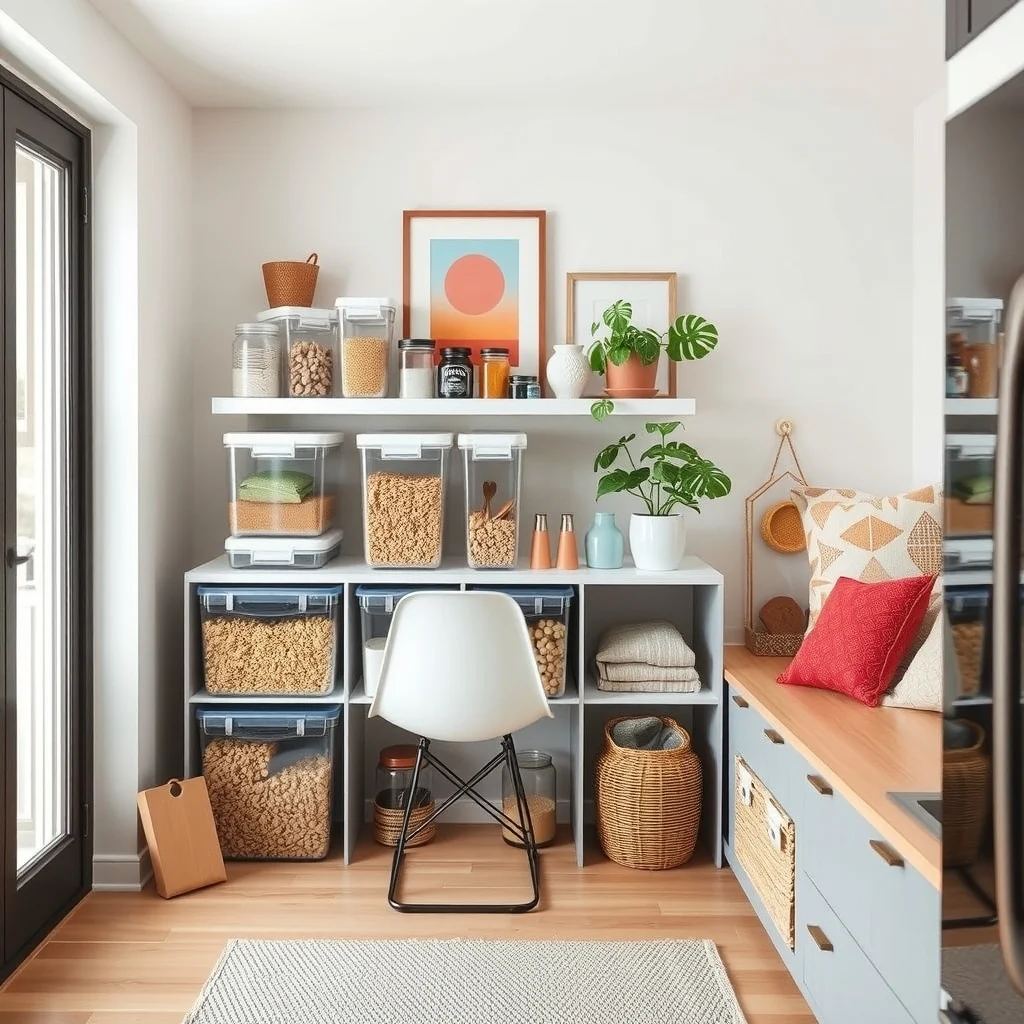
Clear, rectangular containers that nest inside each other create a uniform look while letting you see exactly what’s inside without opening lids. When you line up cereal, lentils, and flour in a single column, the visual clutter disappears and you can pull the bottom piece out without disturbing the rest. The trade‑off is that clear plastic can yellow over time, so opting for BPA‑free acrylic or glass gives a longer‑lasting aesthetic. Pair the containers with a slim, magnetic spice rack on the side of the fridge to keep the most used seasonings within arm’s reach.
3. Install a Pull‑Out Pantry Between Appliances
This image is by AI for inspiration only.
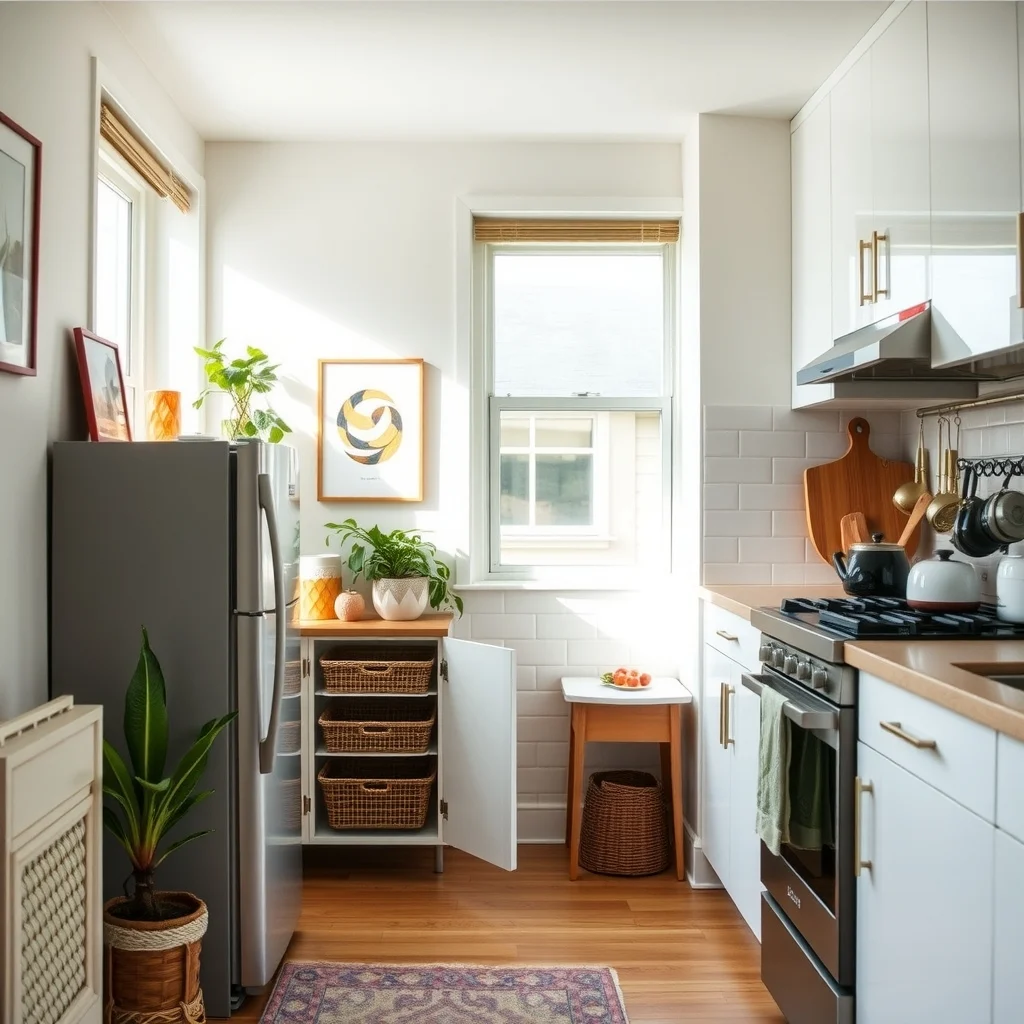
Many tiny kitchens have a narrow gap between the refrigerator and a wall or between the stove and a cabinet. A custom pull‑out pantry, fitted with shallow drawers or sliding baskets, turns that dead space into a hidden storage corridor. Because the unit slides out, you can see every item without bending down, which is especially helpful when the ceiling is low. The main consideration is the depth of the pantry; a 6‑inch width works well for canned goods and snack packs but may not accommodate larger bottles, so reserve the lower cabinets for bulk items.
4. Repurpose a Kitchen Island on Wheels
This image is by AI for inspiration only.
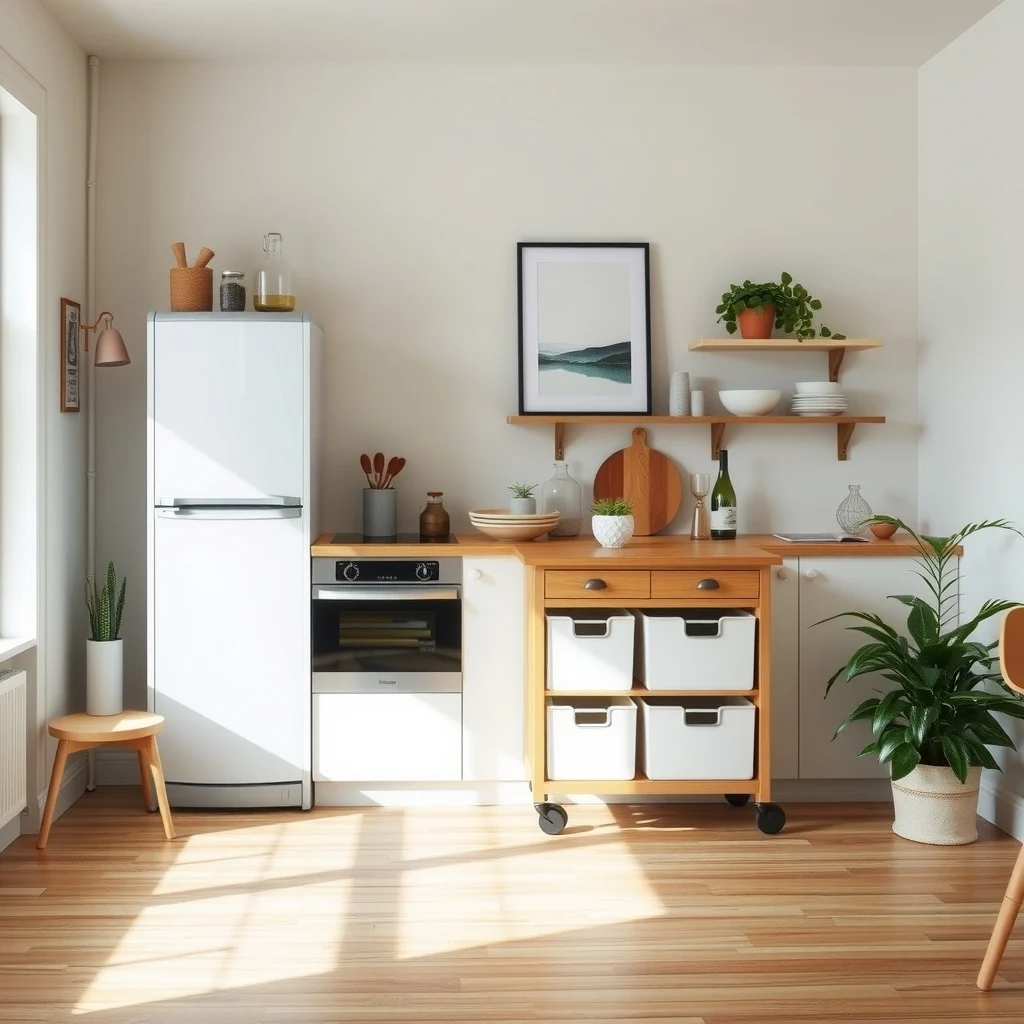
A compact island on casters can serve as a prep surface by day and a mobile storage hub by night. Choose a sturdy base of oak or painted pine, then add a series of shallow drawers and a few open cubbies on the top. When you need extra counter space for chopping, simply roll the island into place; when the kitchen feels crowded, push it against a wall and tuck a decorative basket inside for fruit or bread. Mobility adds flexibility, yet the wheels must lock securely to prevent the island from shifting while you’re using the stove.
5. Hang a Fold‑Down Cutting Board Over the Sink
This image is by AI for inspiration only.
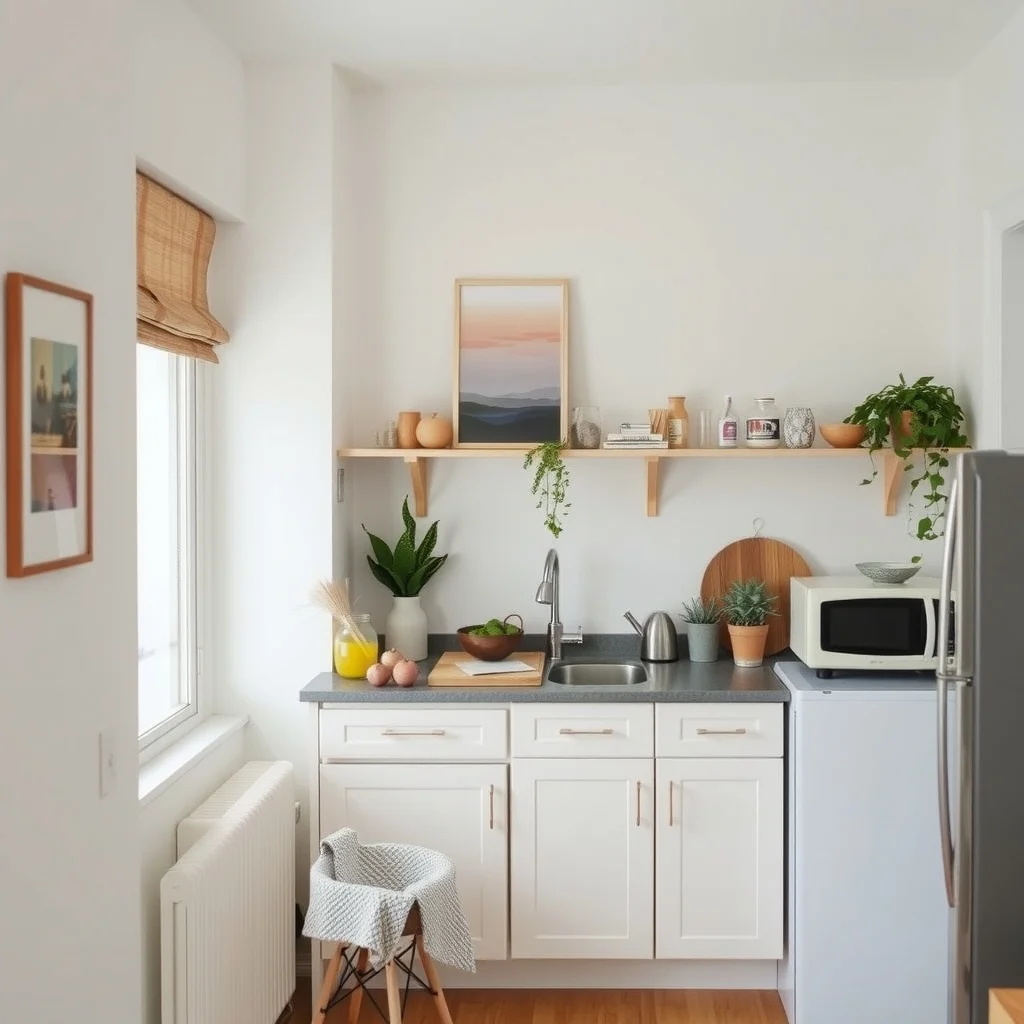
In many small kitchens, the sink dominates the work triangle, leaving little room for a separate chopping area. A fold‑down cutting board that pivots from the wall above the sink creates an extra surface that disappears when not in use. When you fold it down, the board aligns with the countertop, and the backsplash remains protected from splashes. The board’s material—bamboo for a warm look or stainless steel for a sleek feel—should match the kitchen’s overall palette. Keep a small drawer beneath the board for knives and a few essential tools, remembering that the board’s weight limits the size of items you can safely rest on it.
6. Choose Multi‑Purpose Appliances with Built‑In Storage
This image is by AI for inspiration only.
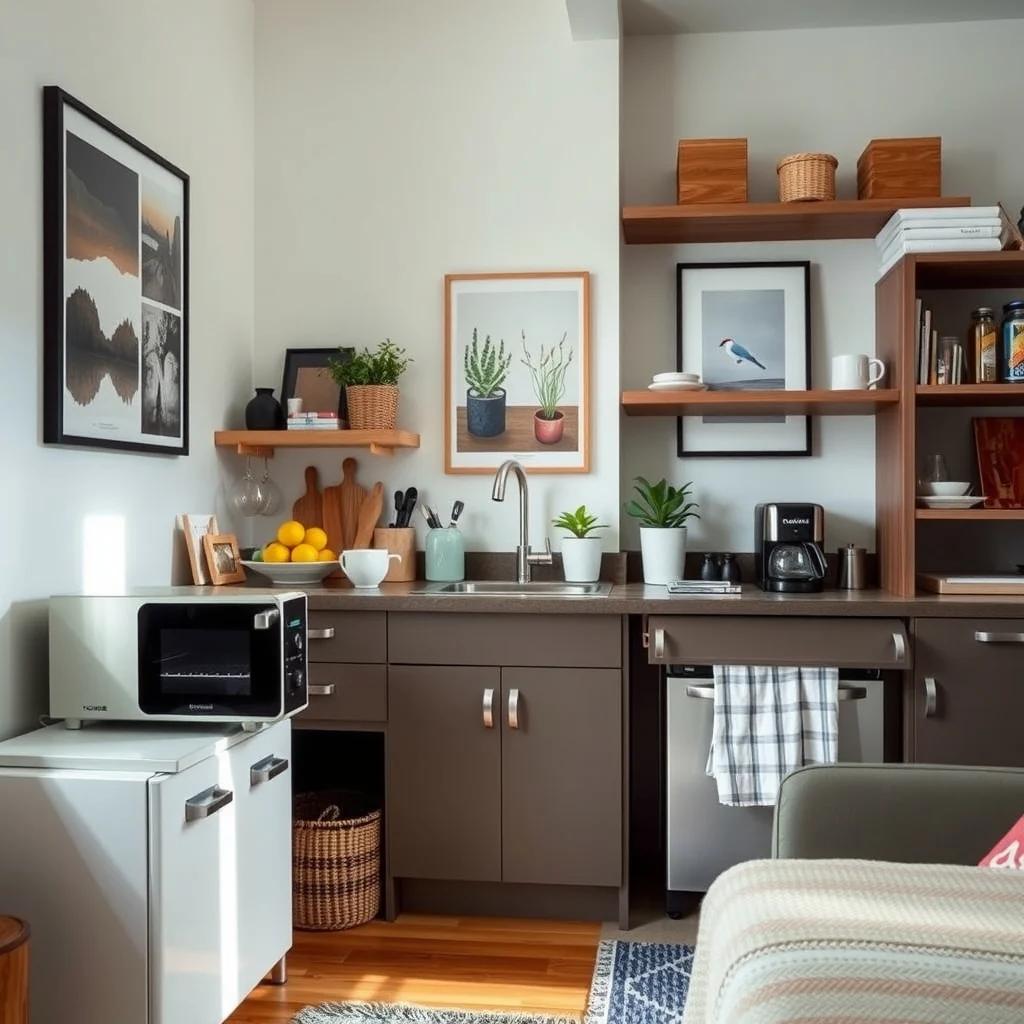
When space is at a premium, every appliance should earn its square footage. A toaster oven that includes a removable crumb tray doubles as a small drawer for baking sheets, while a coffee maker with a built‑in mug rack frees up cabinet doors. These dual‑function pieces reduce the need for separate storage solutions and keep the countertop looking intentional. The downside is that built‑in features can limit the appliance’s capacity, so assess your daily volume before committing to a compact model.
7. Integrate a Hidden Trash and Recycling System
This image is by AI for inspiration only.
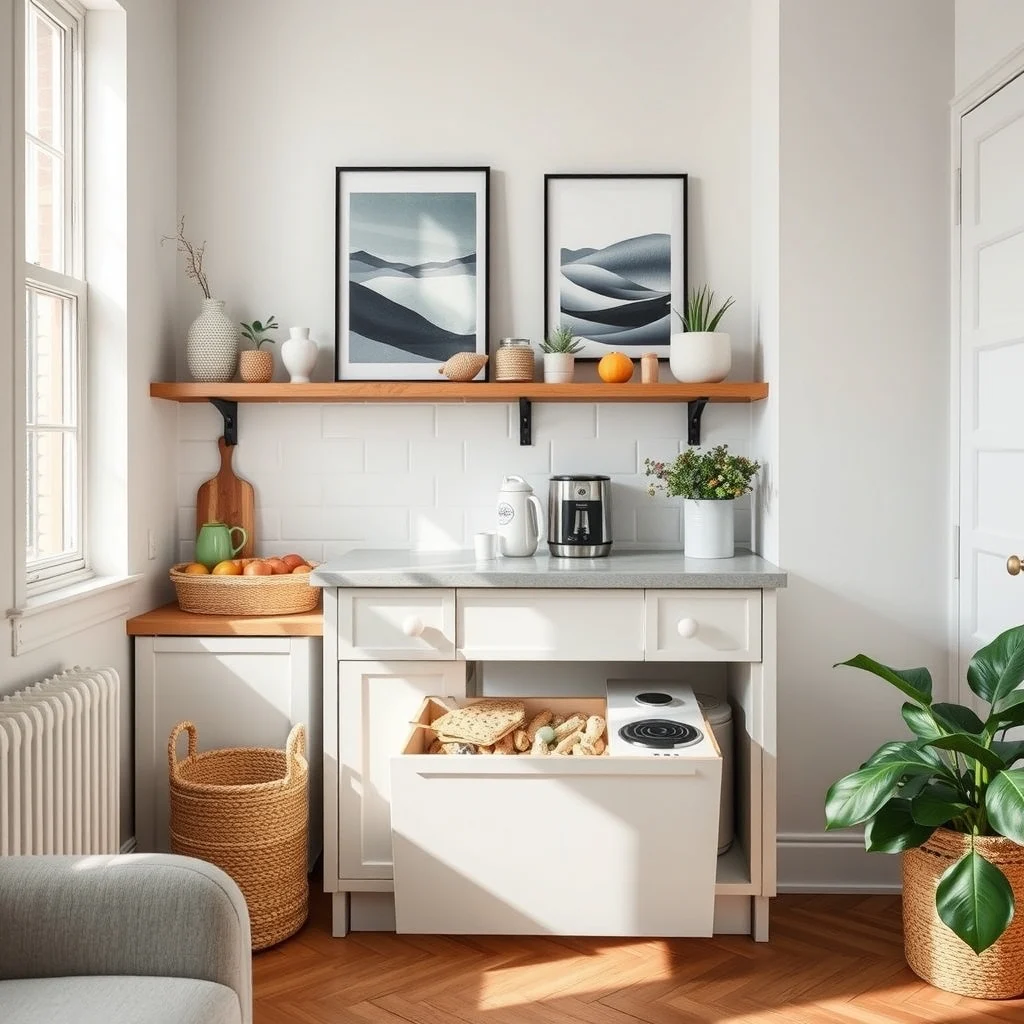
Visible bins can quickly dominate a tiny kitchen’s aesthetic. By installing a pull‑out trash and recycling drawer beneath a countertop, you conceal waste while maintaining easy access. The drawer’s front can be fitted with a slim, stainless‑steel panel that blends with the surrounding cabinetry, preserving a clean line. When the drawer is full, a simple pull‑out motion brings the bins to the kitchen’s edge for emptying. Remember to choose liners that are sturdy enough for heavier items, and allocate a small, ventilated space nearby to avoid odors.
FAQ
This image is by AI for inspiration only.
How can I keep my pantry items fresh in open shelves?
Use airtight containers for items that are prone to moisture, and store herbs in a glass jar with a damp paper towel to maintain humidity.
What’s the best material for a movable kitchen island?
A lightweight hardwood like maple offers durability and a warm appearance while keeping the island easy to reposition.
Can I install a pull‑out pantry myself?
Yes, if you have basic carpentry tools; however, ensure the unit is securely anchored to the wall studs to support the weight of stocked items.
Is it safe to keep a magnetic spice rack on the fridge?
It is safe as long as the magnets are strong enough to hold the weight of the jars and the fridge surface is clean and dry.
How often should I declutter my tiny kitchen?
Review your pantry every three months, discarding expired goods and consolidating items you rarely use to maintain an efficient layout.
Final Thoughts
This image is by AI for inspiration only.
Organizing food in a tiny apartment kitchen is less about adding more storage and more about rethinking how each element works within the limited space. By turning walls into vertical shelves, choosing clear containers, and selecting appliances that double as storage, you create a kitchen that feels orderly and inviting. Remember that every solution carries a compromise—whether it’s the depth of a pull‑out pantry or the capacity of a multi‑purpose appliance—so balance your priorities with the daily rhythm of your cooking. With these strategies, even the smallest kitchen can become a well‑orchestrated stage for delicious meals.