How to Create a Functional Winter Coat Drop Zone in a Narrow Hallway

Winter mornings bring a rush of scarves, gloves, and heavy coats that need a quick place to rest before they’re hung up. In a hallway that feels more like a passage than a room, finding room for that daily influx can seem impossible. Below are seven practical steps that turn a slim corridor into a tidy drop zone, protect the floor, and add a touch of style without crowding the space.
1. Choose a Slim, Tall Storage Unit

This image is by AI for inspiration only.
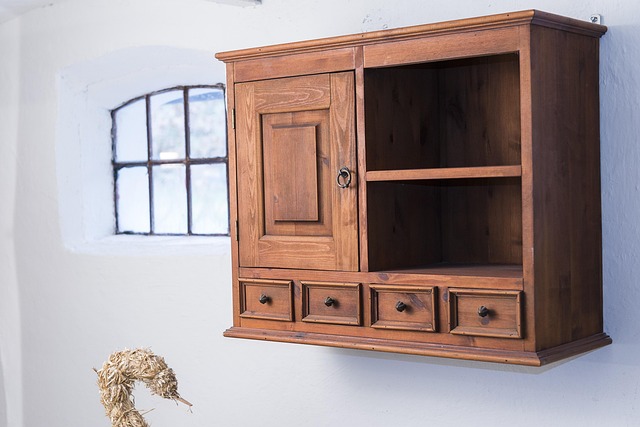
Vertical storage is the most efficient way to use a narrow hallway. Look for a cabinet or wardrobe that is no wider than 12‑14 inches and stands between four and five feet tall, leaving at least a foot of clearance for comfortable walking. Light‑finished wood such as natural oak, painted pine, or a matte white veneer blends with most interior palettes while providing enough strength for winter outerwear.
Inside the unit, arrange a mix of open shelves and a couple of hanging rods. Open shelves accommodate bulky jackets and sweaters, while a rod set at 60‑inch height holds longer coats without dragging. A solid back panel protects the wall from scuffs when you lean against the unit, and a recessed handle keeps the façade sleek.
2. Add a Low, Textured Bench for Quick Seating

This image is by AI for inspiration only.
A bench placed against the wall offers a stable perch for slipping on shoes or adjusting a scarf. Choose a seat that is 16‑18 inches high and no deeper than the wall allows, with a frame that matches the storage unit—either a simple pine slat or a brushed‑metal base.
Upholster the bench with a durable fabric such as boucle or a tightly woven linen in a muted hue. These textiles resist moisture and hide the occasional splash from damp coats. An open‑back design keeps the visual line clean, while the bench’s low profile prevents it from obstructing the hallway’s flow.
3. Install a Narrow Wall‑Mounted Coat Rack

This image is by AI for inspiration only.
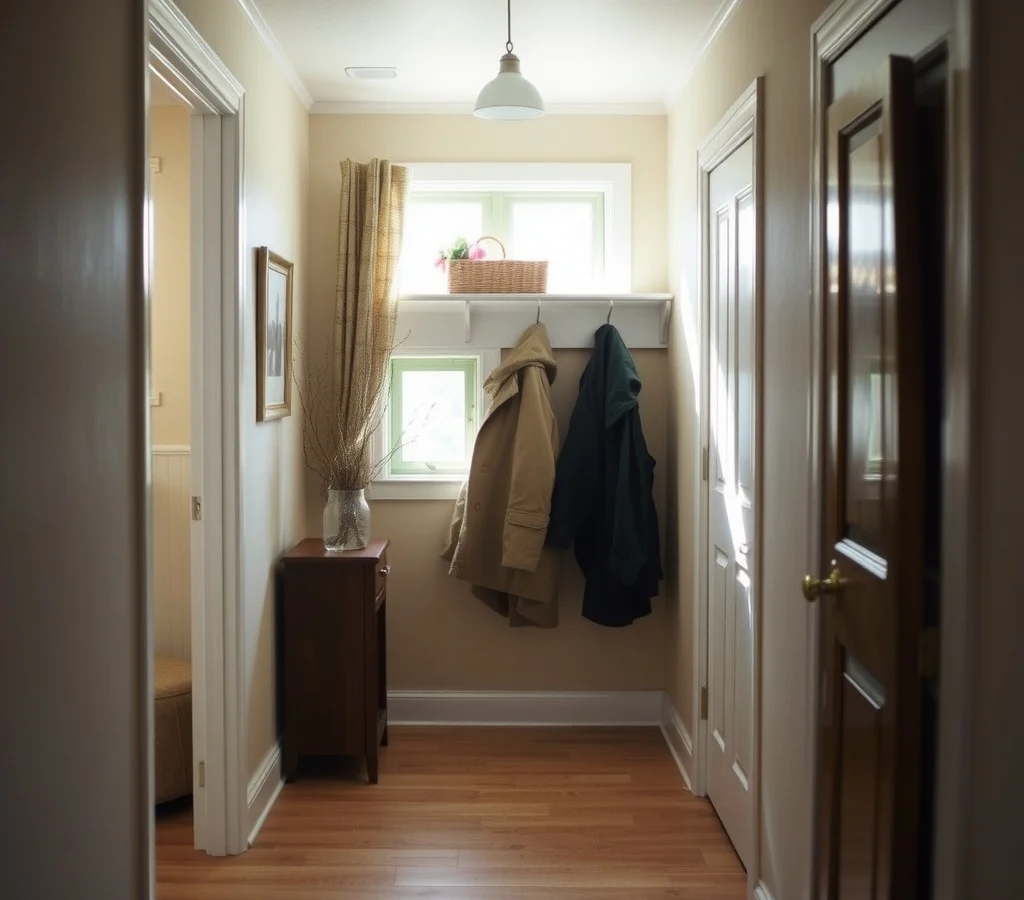
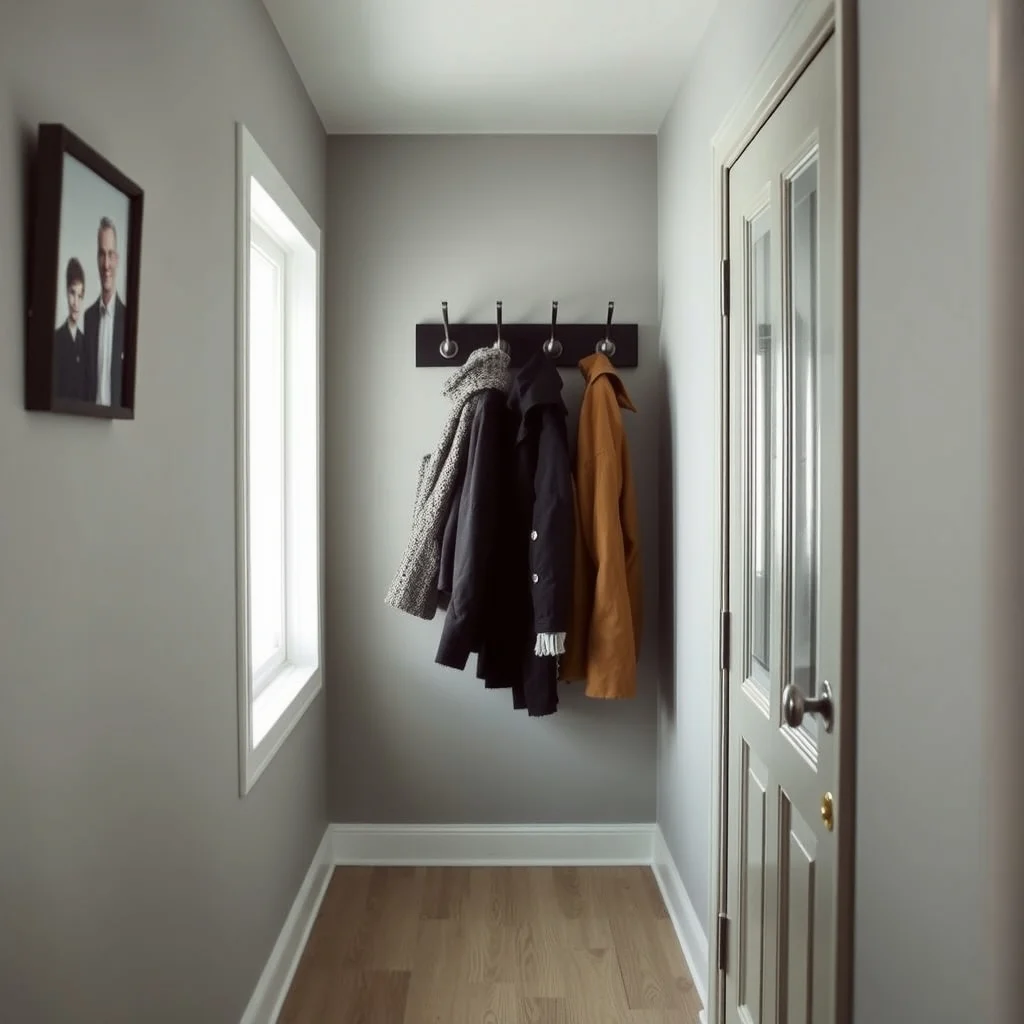
A wall‑mounted rack frees up floor space while providing a dedicated spot for coats. Select a rack that is six inches wide or less, with a series of curved or straight hooks that follow the hallway’s line. Finishes like brushed brass, oil‑rubbed bronze, or matte black add subtle interest without overwhelming the narrow walls.
Mount the rack at roughly 60 inches from the floor so it accommodates adult coats and children’s jackets alike. Position it near the bench so guests can hang items as they sit. Adding a small decorative tray beside the rack gives a place for keys, gloves, or a phone, keeping those items from disappearing in the shuffle.
4. Use a Decorative Floor Runner to Define the Zone
This image is by AI for inspiration only.
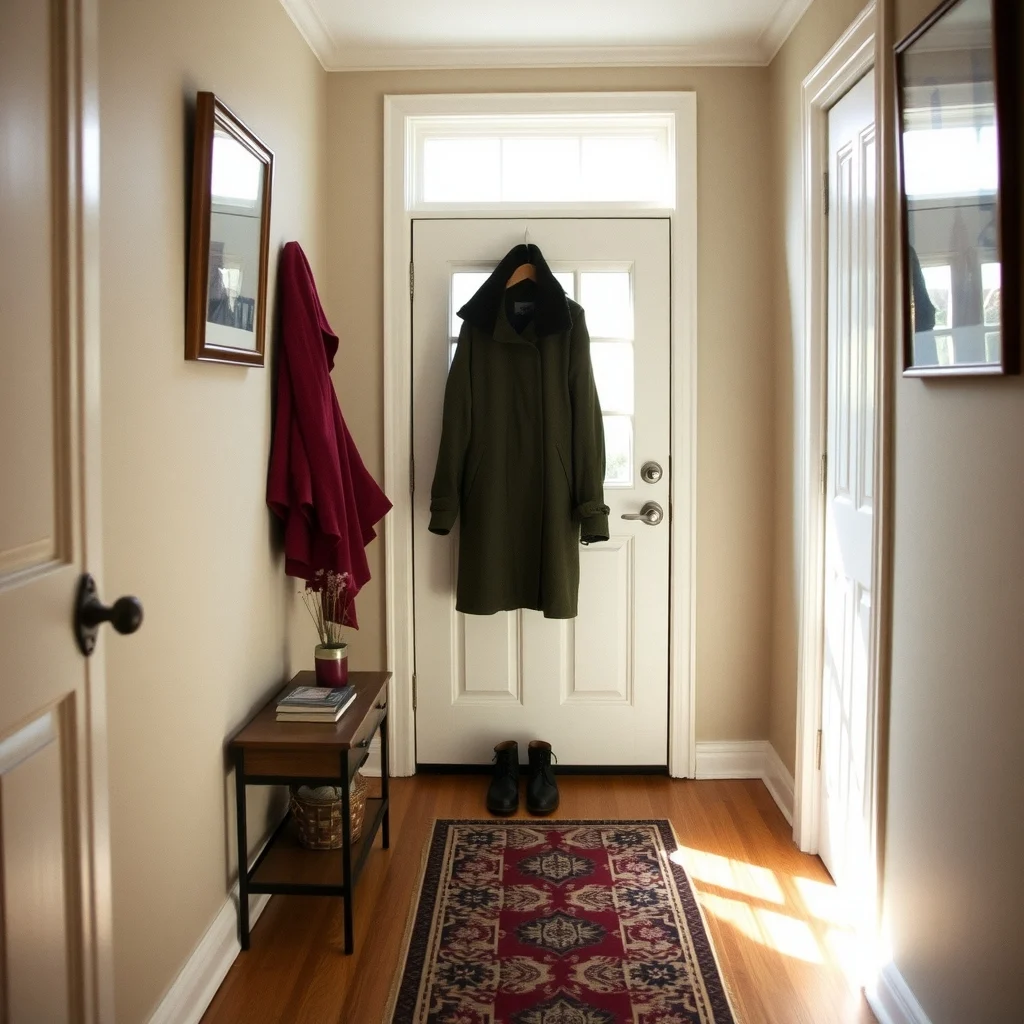
A runner protects the floor from wet soles and creates a visual boundary for the drop zone. Choose a runner that is 12‑14 inches wide, allowing a coat to be placed without covering the entire hallway width. Low‑pile, flat‑woven wool in muted greys, deep navy, or soft terracotta hides footprints and adds texture.
Lay the runner so it runs the full length of the storage unit and bench, anchoring the zone and guiding traffic. Because the runner is narrow, it does not compete with the hallway’s proportions, yet it signals where coats and accessories belong.
5. Incorporate Soft Lighting for Evening Arrivals

This image is by AI for inspiration only.
A wall sconce with a frosted glass shade provides a gentle glow that highlights the coat rack without creating harsh shadows. Choose a fixture that draws power from an existing outlet, or opt for a battery‑powered LED sconce with a warm 2700‑3000 K color temperature if wiring is limited.
Mount the light near the bench at eye level so it illuminates the area where guests sit and hang their coats. Soft lighting makes it easier to locate hooks and helps prevent misplacing items, while also adding a calm ambience that counters the briskness of winter mornings.
6. Add a Small Mirror to Check Appearances
This image is by AI for inspiration only.
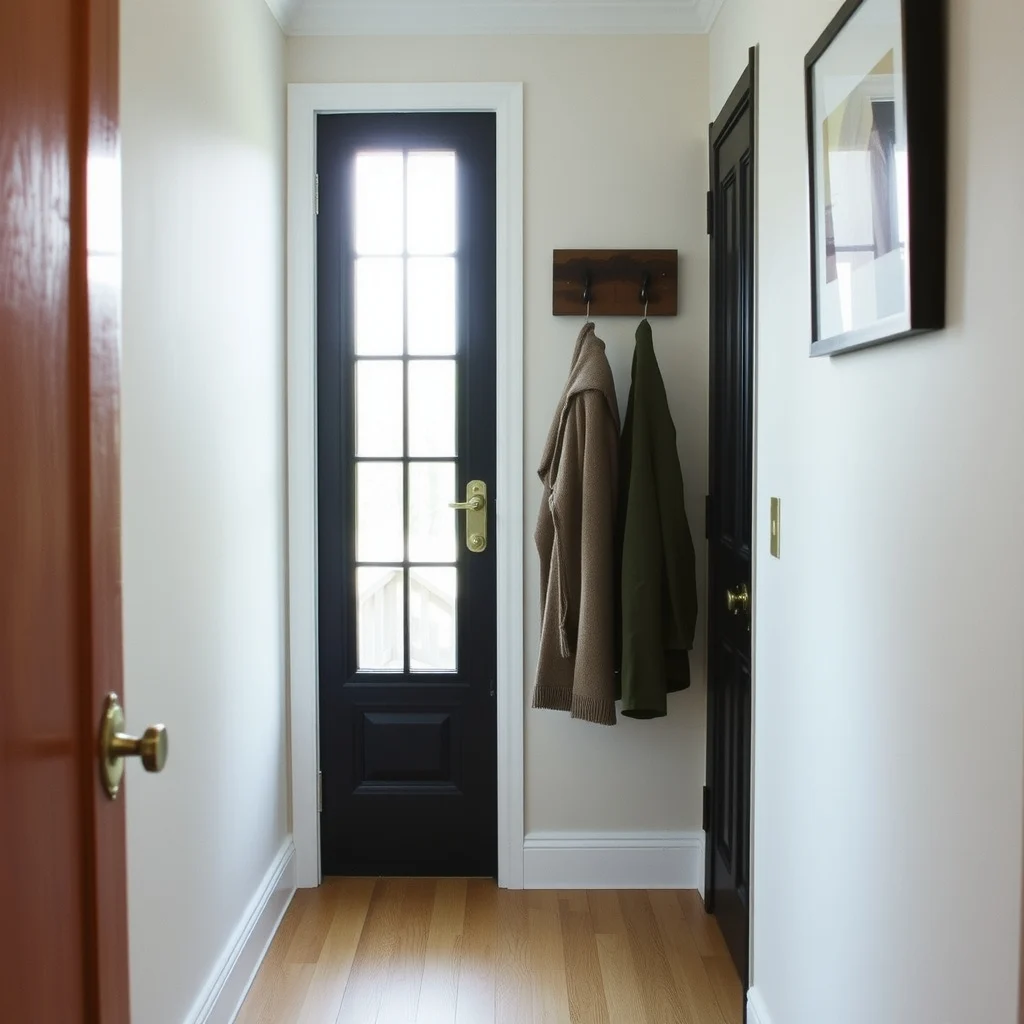
A narrow, vertical mirror gives a quick final glance before stepping out. Frames in reclaimed wood, brushed metal, or simple black lacquer complement the other finishes in the hallway and can reflect natural light from a nearby window, making the space feel larger.
Position the mirror opposite the coat rack so you can see your outfit while reaching for a hook. Keep the width to eight inches or less to maintain scale, and consider a frameless glass panel if you prefer an ultra‑slim look.
7. Keep a Dedicated Bin for Wet Items and Accessories
This image is by AI for inspiration only.
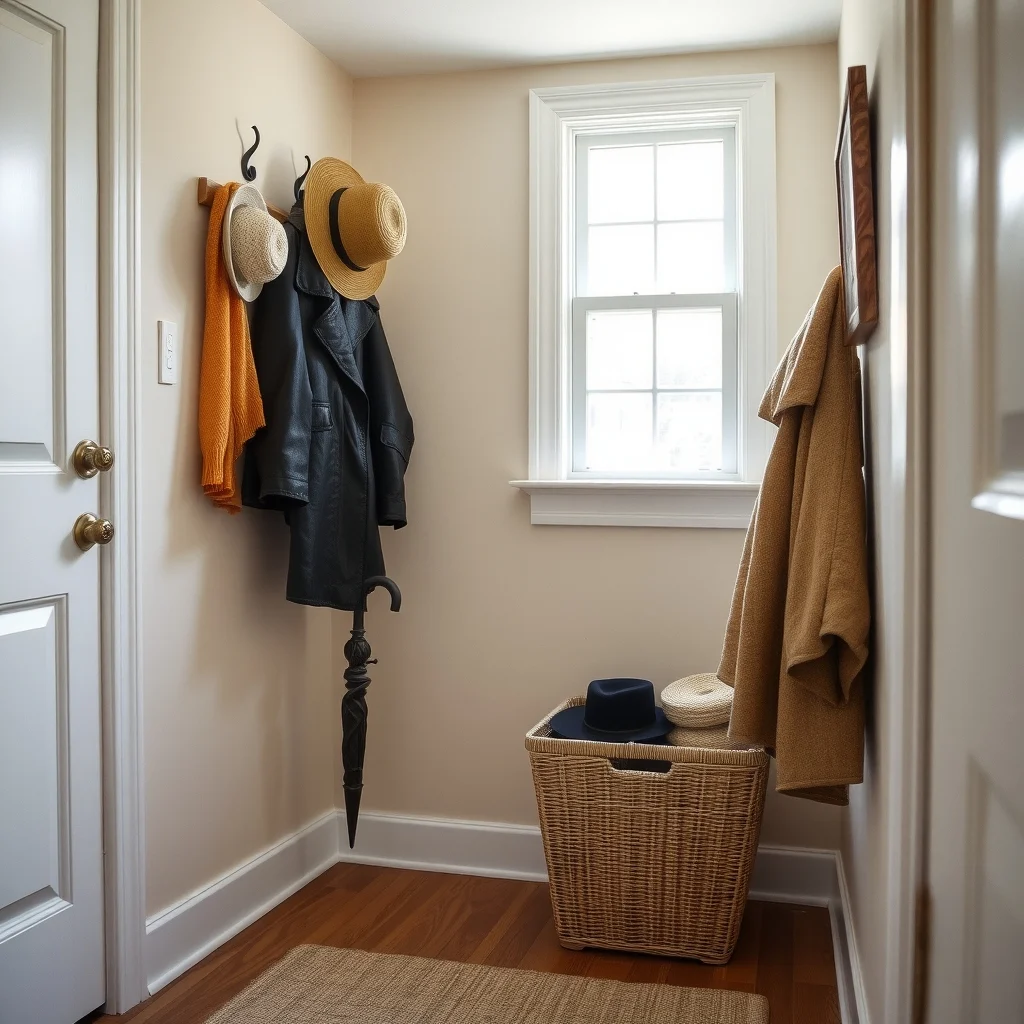
Winter weather brings damp gloves, umbrellas, and snow‑covered hats that need a place to dry. A slim, open‑top bin made of wicker, powder‑coated metal, or woven seagrass fits neatly beneath the bench or beside the storage unit.
Line the bin with a washable canvas liner to catch moisture and make cleaning simple. By containing wet items, the bin protects both the runner and the wall from water damage and keeps the hallway looking orderly even on the snowiest days.
Frequently Asked Questions
This image is by AI for inspiration only.
How wide can a coat rack be without blocking a narrow hallway?
A coat rack should be six inches wide or less to keep the passage clear. This width allows enough space for hooks while preserving a comfortable walking path.
What material is best for a bench that will see a lot of winter wear?
Upholstery in tightly woven linen or boucle resists moisture and stains, making it suitable for frequent contact with damp coats and boots.
Can I install a wall sconce myself in a hallway?
If the hallway already has an accessible electrical box, a DIY installation is possible with basic tools. For new wiring or if you feel unsure, hiring a qualified electrician ensures safety and code compliance.
Is a runner necessary if I already have a rug in the hallway?
A runner adds a defined pathway that protects the floor directly where coats are placed. If your existing rug covers the entire hallway, a runner may be redundant; otherwise, it helps keep the space tidy.
How often should I clean the storage unit to prevent dust buildup?
Wipe down the interior and exterior of the storage unit monthly with a soft cloth. If you store heavily soiled coats, a weekly quick dusting helps keep the area fresh.
Final Thoughts
This image is by AI for inspiration only.
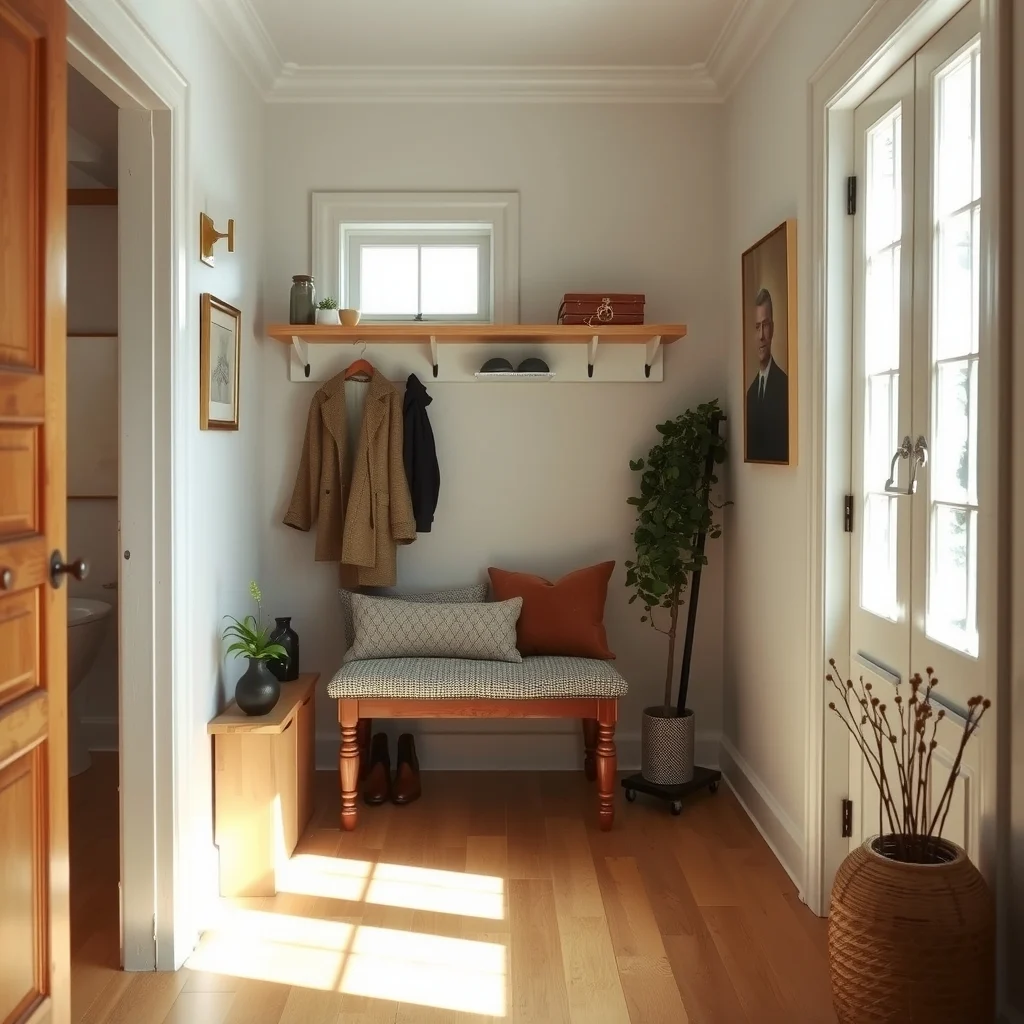
Designing a winter coat drop zone in a narrow hallway is less about adding more furniture and more about thoughtful placement, scale, and texture. By choosing vertical storage, a low bench, a slim rack, and complementary accessories such as a runner, lighting, mirror, and moisture bin, you create a functional pocket that welcomes guests and keeps daily clutter at bay. The result is a hallway that feels organized, warm, and ready for the season’s demands without sacrificing style or space.