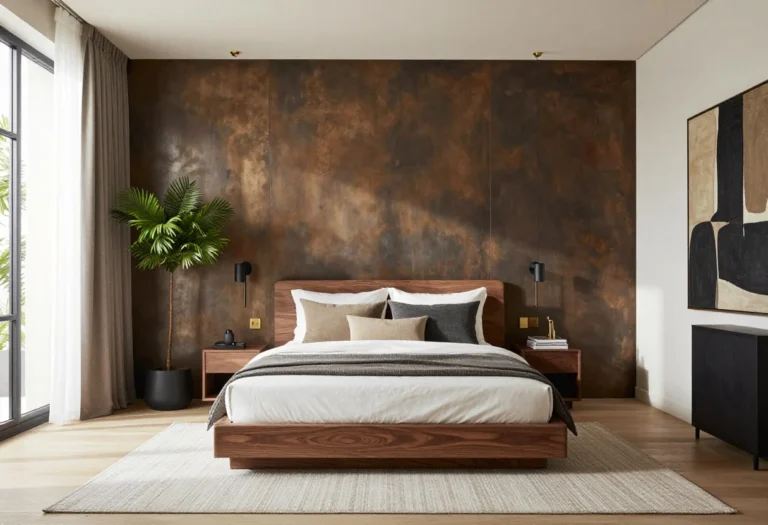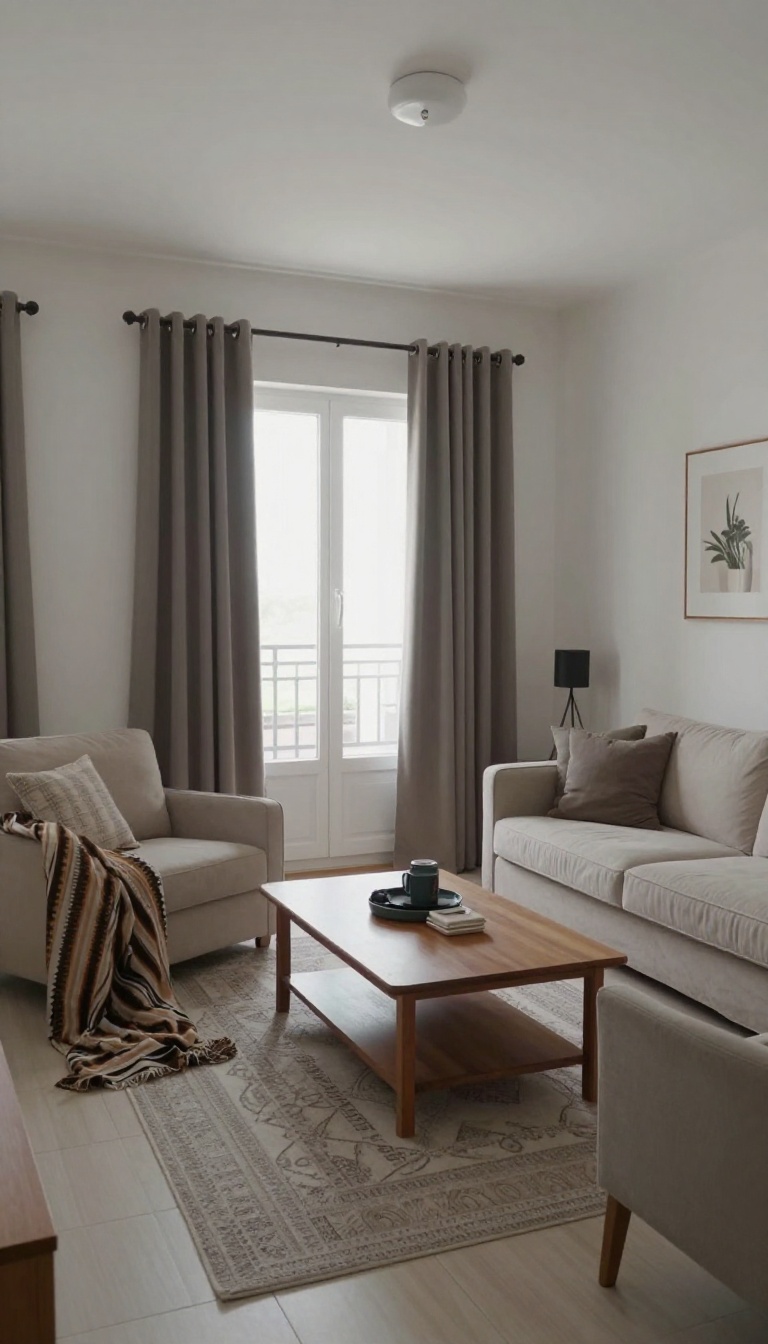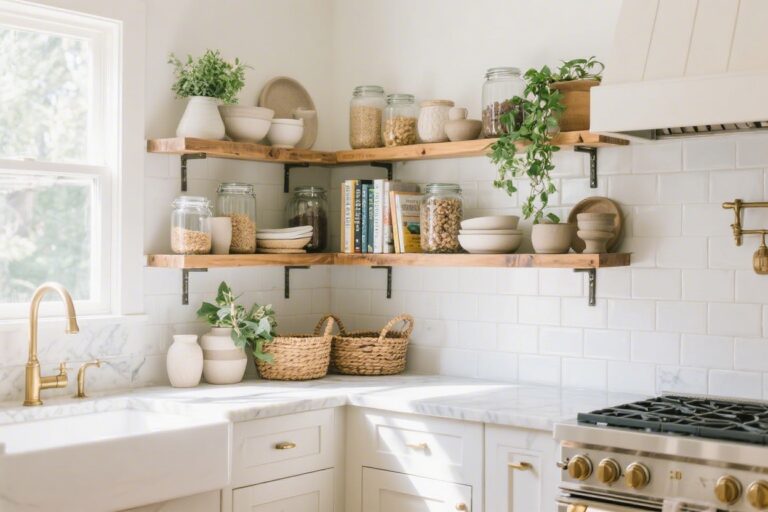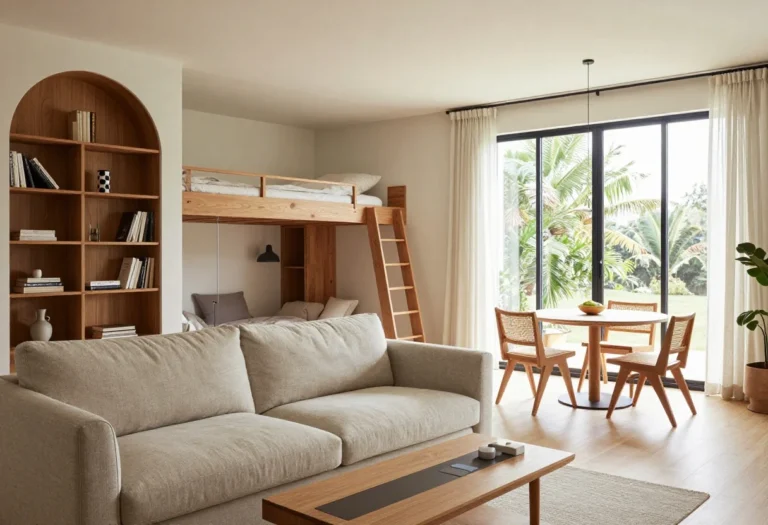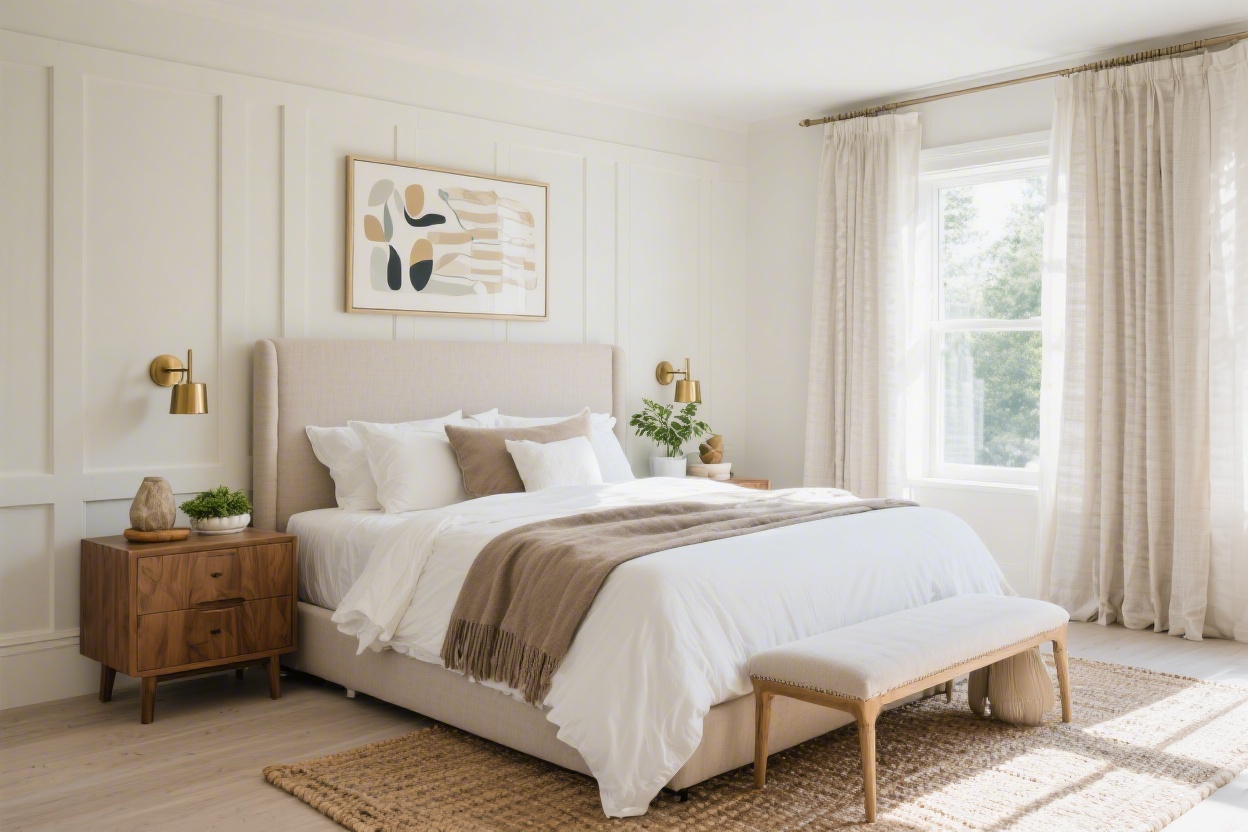
13 Transitional Bedroom Ideas for a Balanced, Stylish Look You’ll Love

Ready to make your bedroom feel calm, chic, and insanely put-together without going full-on modern or super traditional? That sweet spot in between is called transitional style, and it’s basically the wardrobe capsule of decor: timeless, layered, and easy to live with. Below are 13 vibe-boosting ideas that blend classic character with modern polish—no renovation or furniture meltdown required.
1. Start With A Calm, Classic Base
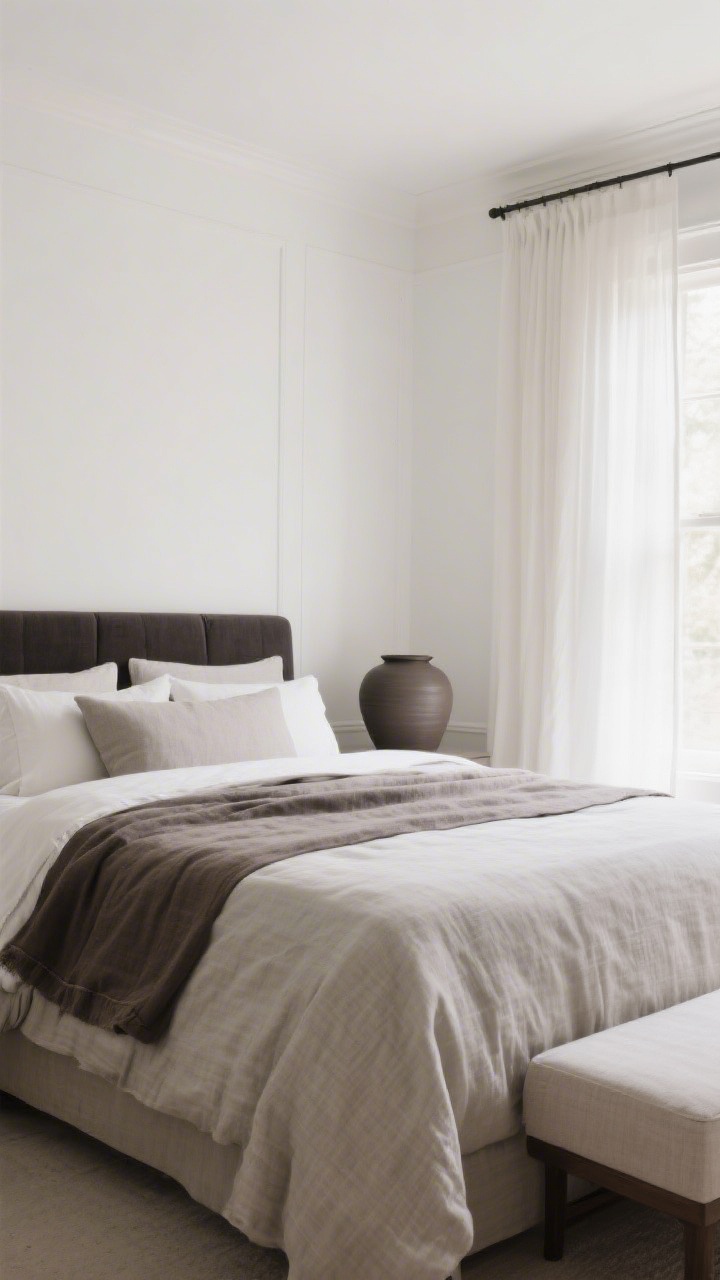
This image is by AI for inspiration only.
Transitional bedrooms thrive on serenity, so begin with a base that’s calm and cohesive. Think soft whites, greiges, mushrooms, taupes, and warm charcoals. This quiet backdrop lets textures and shapes do the talking.
Why it works
- Neutral paint makes your room feel larger and more collected.
- It’s the easiest way to mix styles without visual chaos.
- You can switch accents seasonally without repainting. Win.
Pro tip: Sample paints on two walls and look at them morning and night—light changes everything. Try warm whites (e.g., Swiss Coffee or White Dove) if your room gets cooler light.
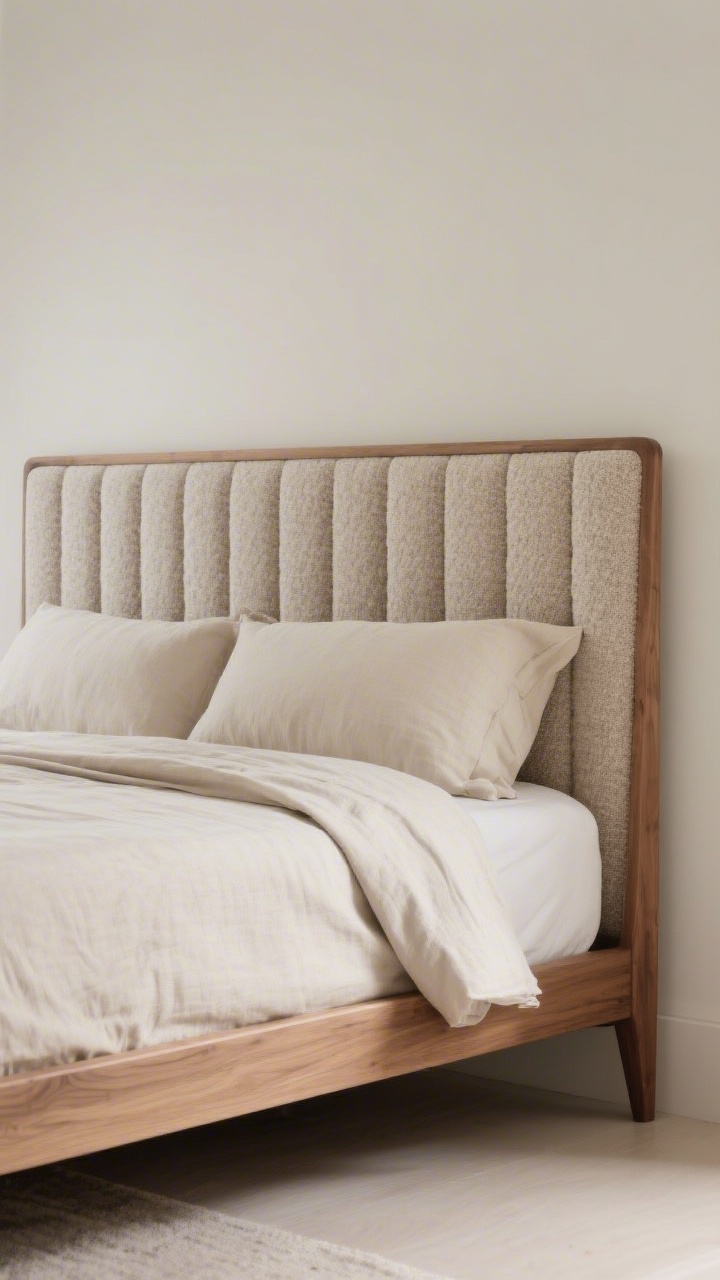
2. Choose A Bed That Marries Curves And Clean Lines
This image is by AI for inspiration only.
The bed is the VIP. Go for a silhouette that blends traditional and modern: a channel-tufted or wingback upholstered headboard with straight, simple rails. Or pick a classic wood bed with a streamlined profile—no ornate carvings, no hard-core minimalism.
- Fabric ideas: Linen, performance velvet, or textured bouclé.
- Wood tones: Mid-walnut, light oak, or a matte black stain.
- Scale check: Headboard should sit 6–10 inches above your pillows for a balanced look.
Pro tip: If your ceiling is low, choose a lower headboard with vertical channeling to subtly elongate the room.
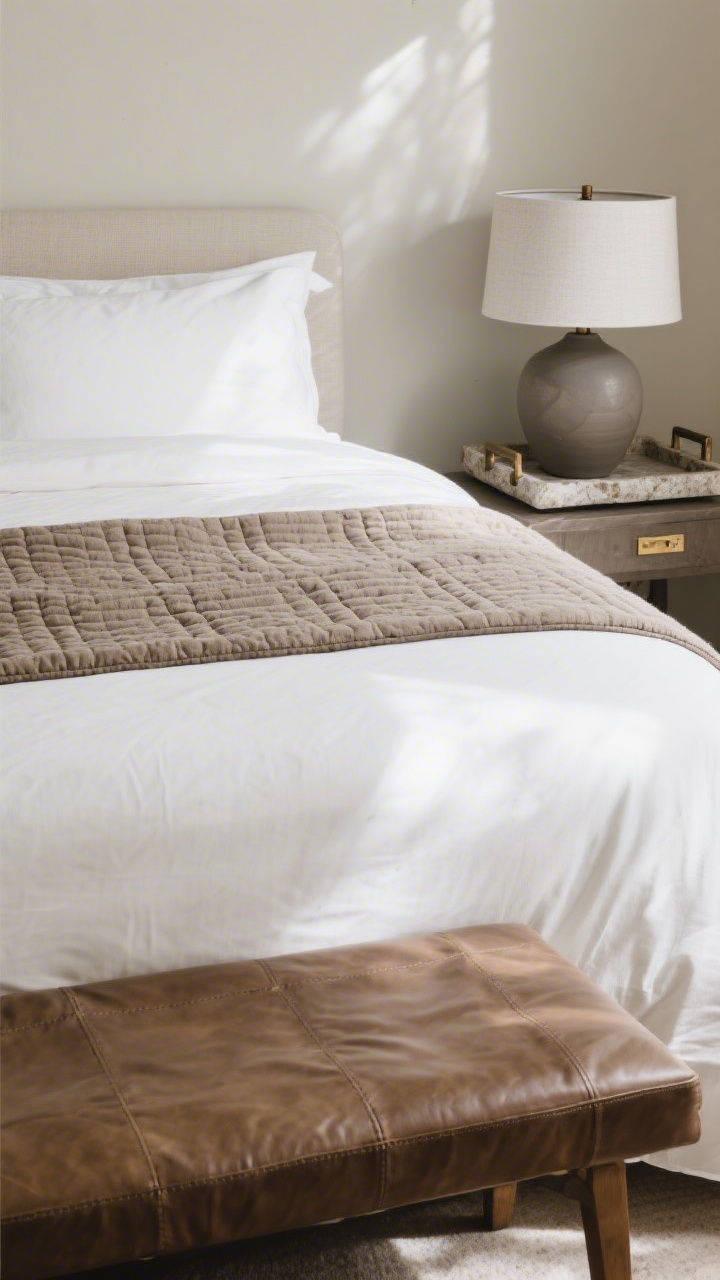
3. Layer Textures Like A Pro
This image is by AI for inspiration only.
Transitional style is all about inviting contrast—especially in texture. Smooth wood next to nubby linen, soft mohair near cool metal. You’ll get depth without visual noise.
- Bedding layers: Crisp percale sheets + quilt + oversized duvet.
- Accent textiles: Leather bench, woven baskets, bouclé pillow trio.
- Hard surfaces: Matte ceramic lamp, brushed brass hardware, stone tray.
Pro tip: Keep your palette tight—3 or 4 colors max—and ramp up texture to add interest. It reads luxe, not loud.
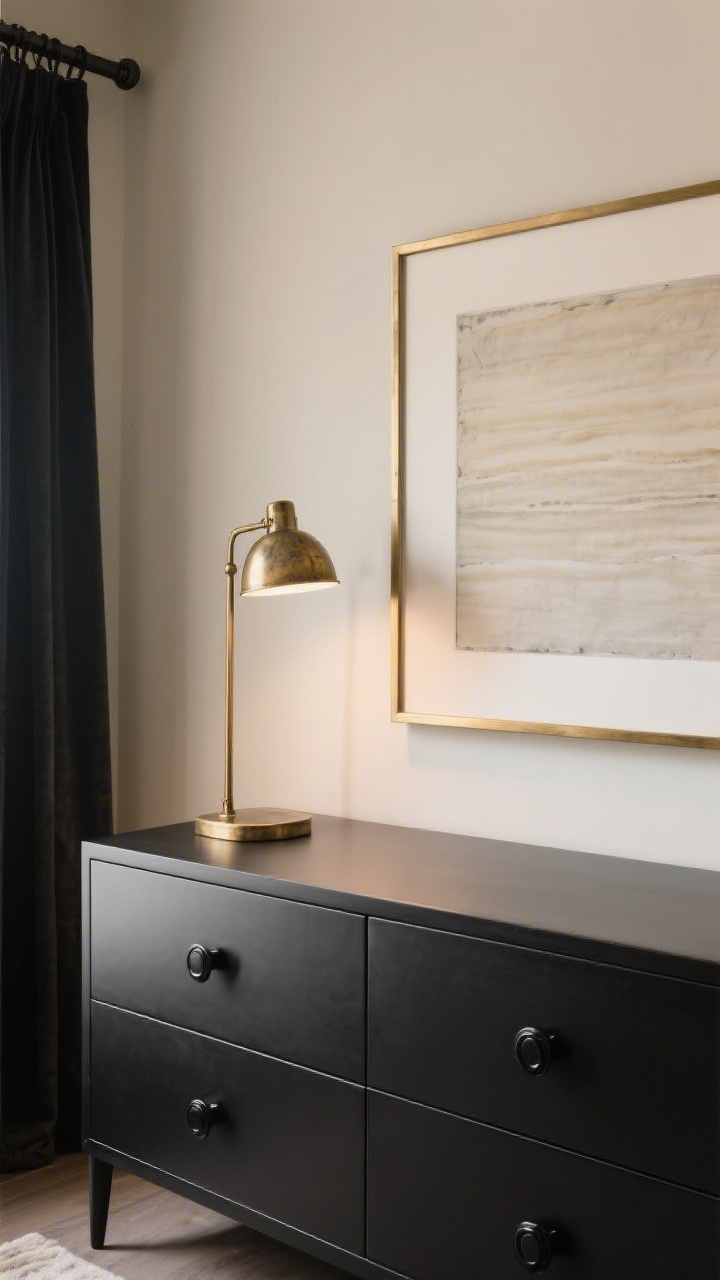
4. Mix Metals (But Be Strategic)
This image is by AI for inspiration only.
You can absolutely mix metals in a transitional bedroom—just do it with intention. Pick one dominant metal and one accent. For example: matte black hardware with aged brass lighting. Chef’s kiss.
- Dominant metal should show up on 60–70% of your hardware/fixtures.
- Accent metal pops on lamps, frames, or a curtain rod.
- Avoid mixing more than two in a small space—unless chaos is your brand.
Pro tip: Brushed finishes are more forgiving than polished. Fingerprints? Never heard of her.
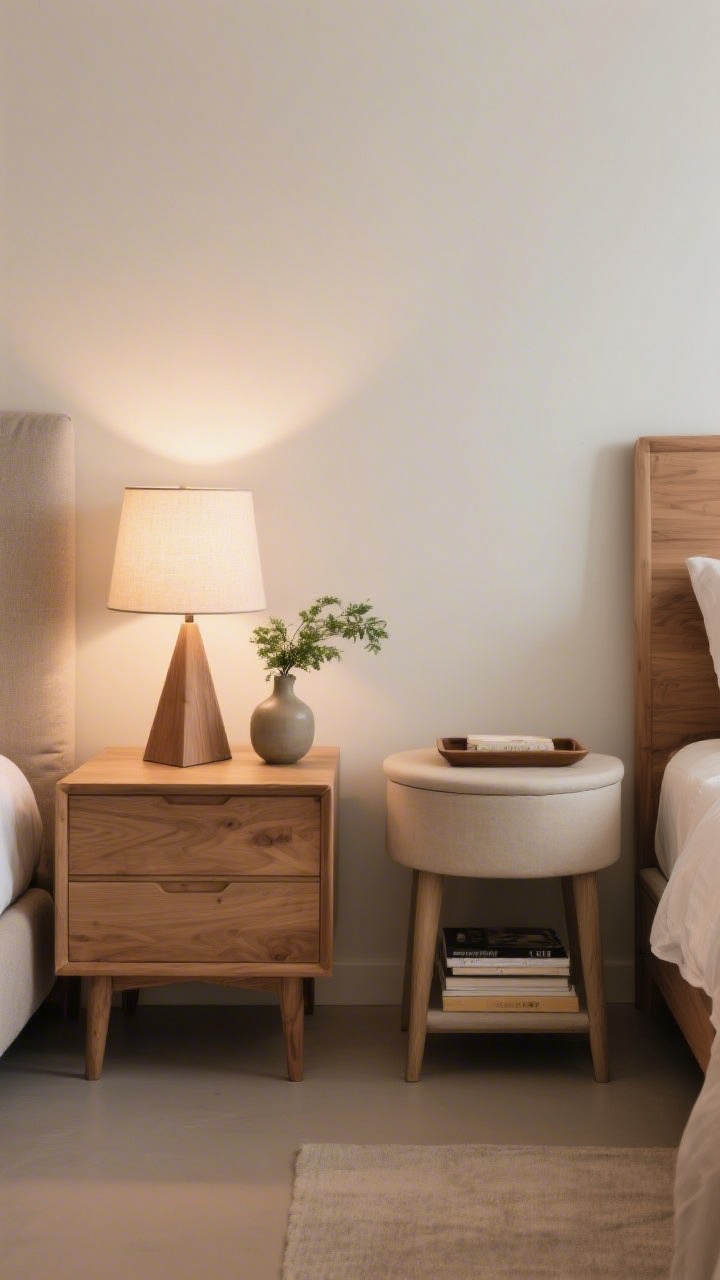
5. Curate Nightstands That Actually Work
This image is by AI for inspiration only.
Nightstands shouldn’t be twin clutter zones. Choose pieces that echo your bed’s vibe—if the bed’s upholstered, try wood nightstands with clean faces; if the bed’s wood, go softer with fabric or rounded silhouettes.
- Height rule: Top should be level with or slightly below the mattress.
- Storage: One drawer = minimalists; two drawers = normal humans.
- Balance: Matching nightstands keep things calm; mismatched can work if materials relate.
Pro tip: Style with a triangle of heights: a lamp (tall), a small vase (medium), and a low tray or book stack (low). Easy symmetry.
6. Go Big On Lighting Layers
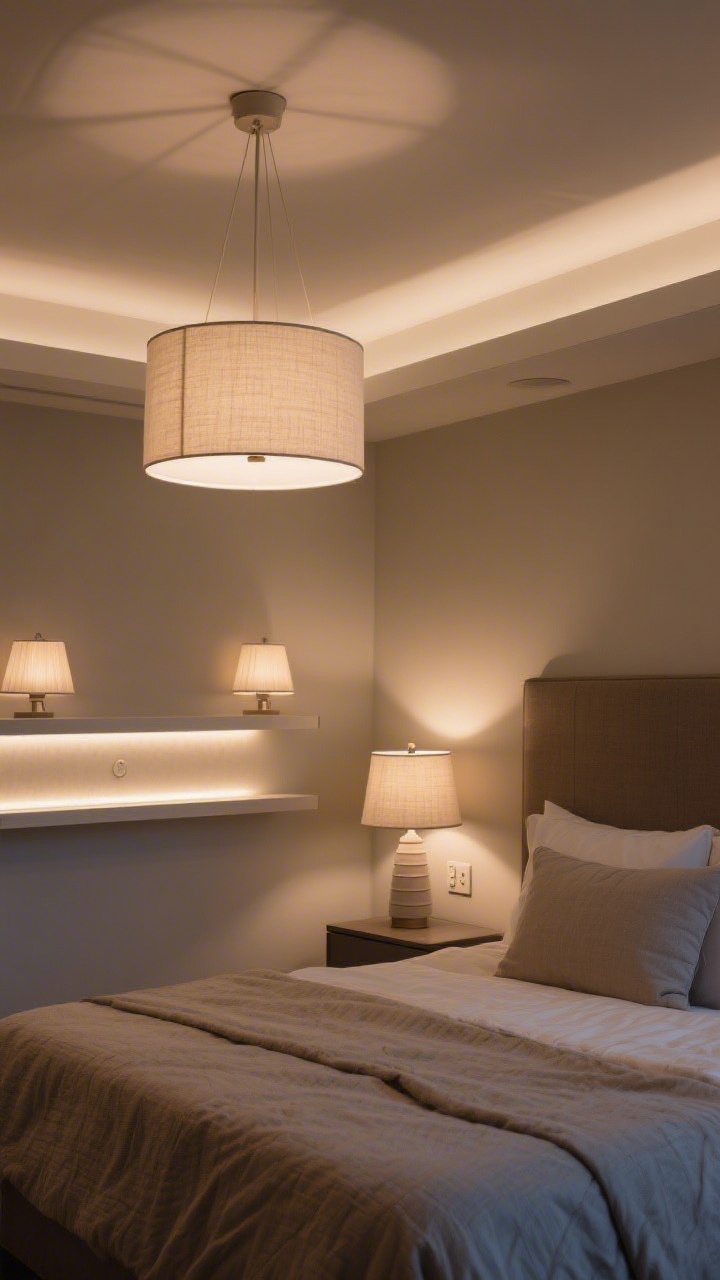
This image is by AI for inspiration only.
Lighting transforms everything. You want a triple threat: ambient, task, and accent. Translation: overhead + bedside lamps + a soft glow from a sconce or picture light.
- Overhead: Linen drum or minimal chandelier—nothing overly glam or industrial.
- Bedside: Lamps with tapered shades or clean sconces with fabric diffusers.
- Accent: LED strip under a floating shelf or inside a bookcase for a subtle glow.
Pro tip: Use warm bulbs (2700–3000K) and add dimmers. It’s like an instant mood board for real life.
7. Choose Art That Feels Collected (Not Random)
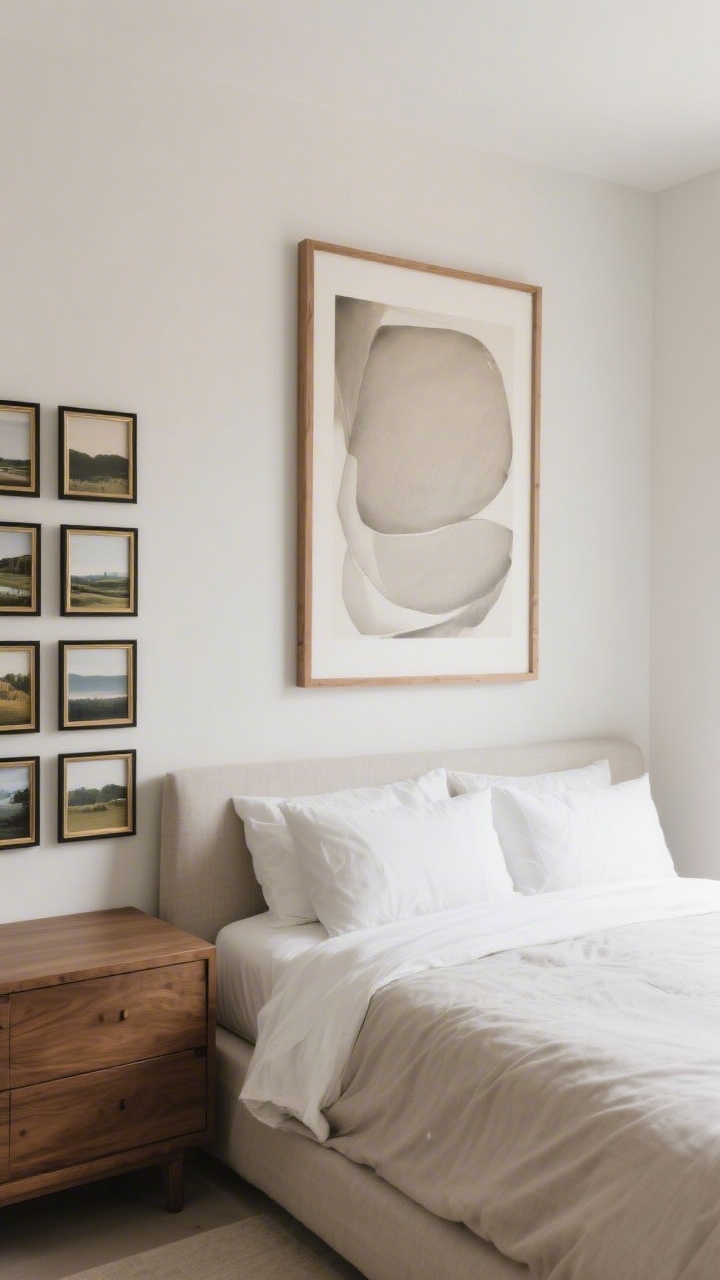
This image is by AI for inspiration only.
Art in a transitional bedroom should feel intentional, quiet, and layered with meaning. Think tonal abstracts, landscapes, soft photography, or one amazing vintage piece with character.
- One large piece above the bed keeps it clean; a small grid over a dresser looks refined.
- Use simple frames—black, natural wood, or thin brass—to unify a mix of styles.
- Leave breathing room. Wall space is not the enemy.
Pro tip: If commitment scares you, start with an oversized fabric wall hanging or framed textile. It’s texture and art in one go.
8. Nail The Rug (It’s Your Quiet Hero)
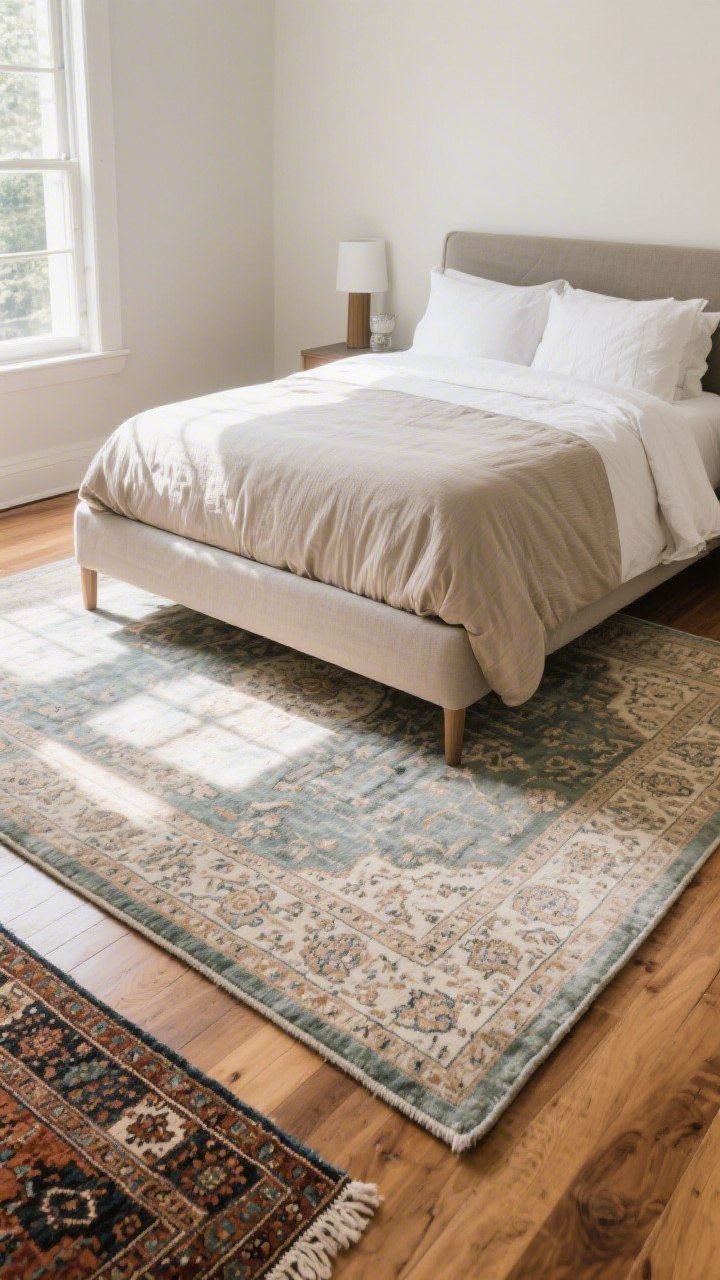
This image is by AI for inspiration only.
A too-small rug is the fastest way to make a room feel off. For a queen bed, aim for 8×10. For a king, go 9×12. The rug should extend at least 18–24 inches beyond the sides.
- Pattern ideas: Subtle Persian, tonal stripe, or solid wool with texture.
- Color rule: Pull a mid-tone from your bedding or curtains to anchor the space.
- Layer a sheepskin or small vintage kilim at the foot if you want extra depth.
Pro tip: If you have wall-to-wall carpet, layer a flatweave rug on top to define the bed zone. Yes, rug-on-carpet is a thing—and it looks great.
9. Dress Your Windows With Soft Structure
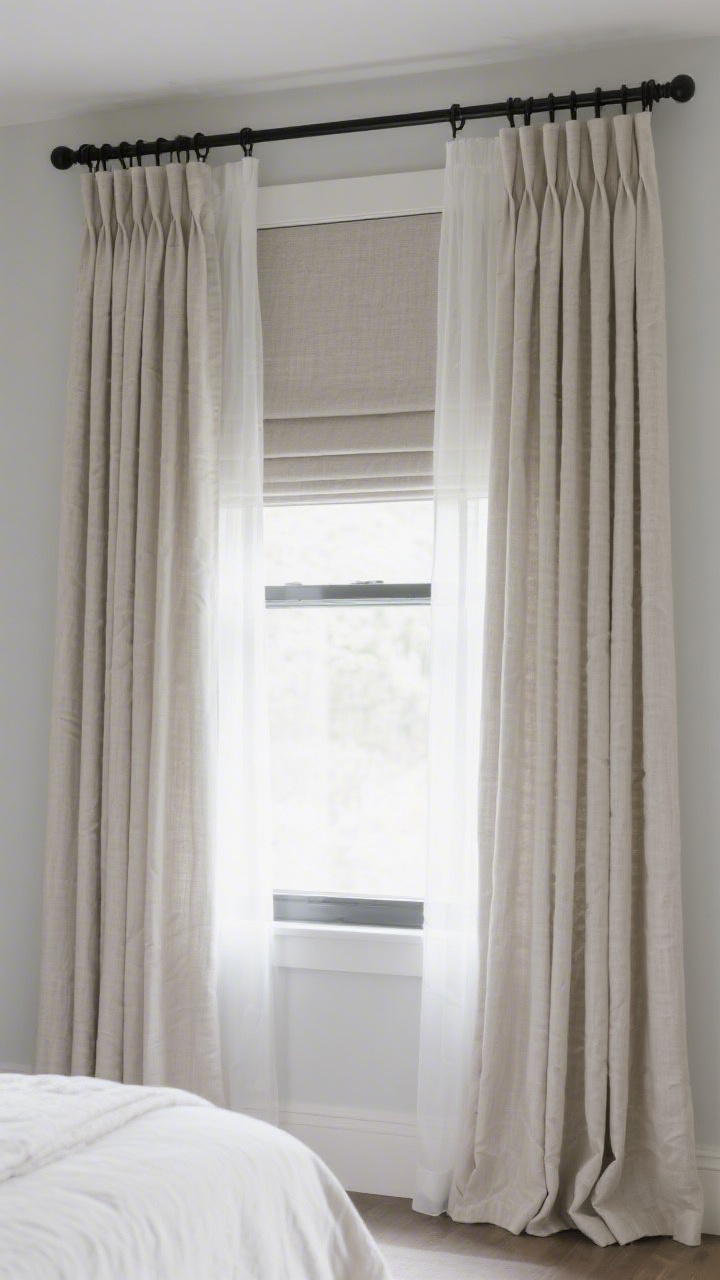
This image is by AI for inspiration only.
Window treatments can make or break the transitional vibe. Choose tailored drapery with gentle pleats or clean Roman shades. Nothing too fussy, nothing too stark.
- Hang curtains high and wide: 6–10 inches above the frame, and extend 8–12 inches on each side.
- Stick to lined linen, cotton, or a textured weave in a solid or faint stripe.
- Blackout lining for sleep, sheer layer for softness. Double rods are your friend.
Pro tip: Match your curtain rod finish to your accent metal for subtle cohesion. FYI, matte black is basically the little black dress of rods.
10. Blend Casegoods With Contrast
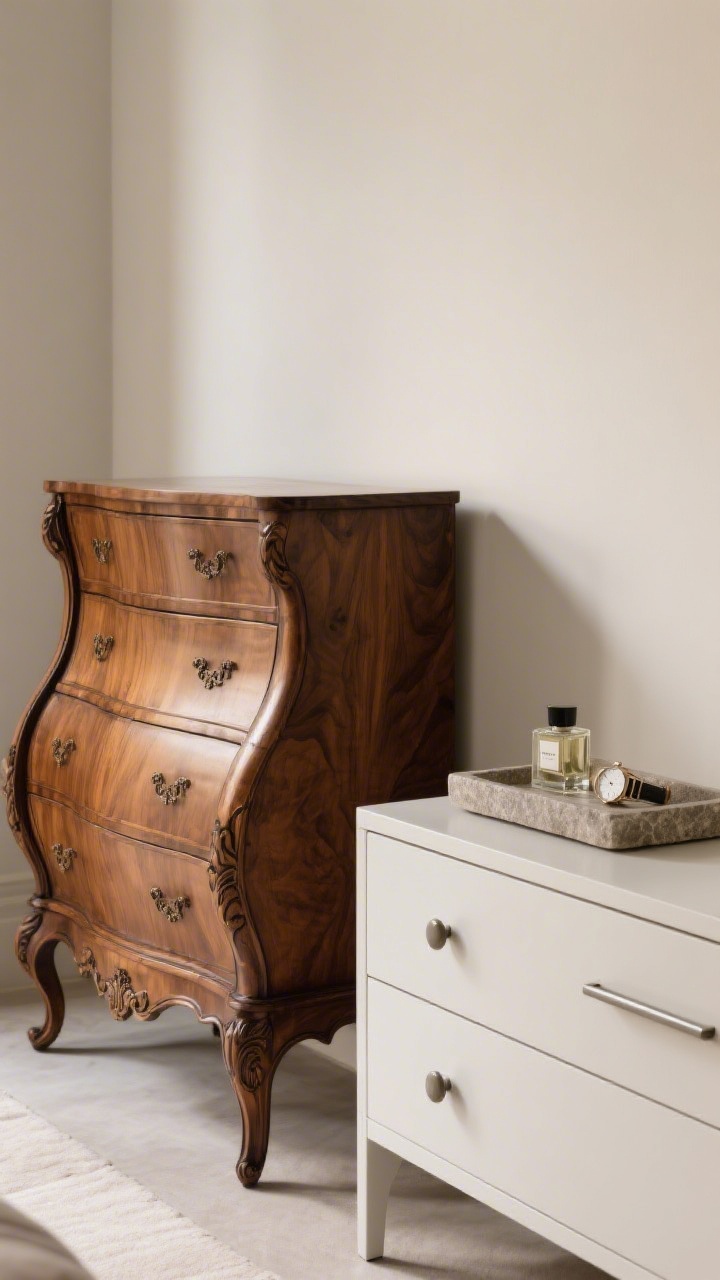
This image is by AI for inspiration only.
Casegoods (dressers, chests, benches) keep things grounded. Mix one classic piece—like a serpentine-front dresser—with cleaner silhouettes elsewhere. The contrast is where the magic happens.
- Choose one statement wood tone, then complement with a contrasting or painted piece.
- Keep hardware simple: knobs on the ornate piece, pulls on the modern one.
- Top with a stone or wood tray to corral perfume, watches, and the random lip balm horde.
Pro tip: Swap dated knobs for aged brass or matte black. Easiest makeover on earth.
11. Style The Bed Like A Boutique Hotel (But Comfier)
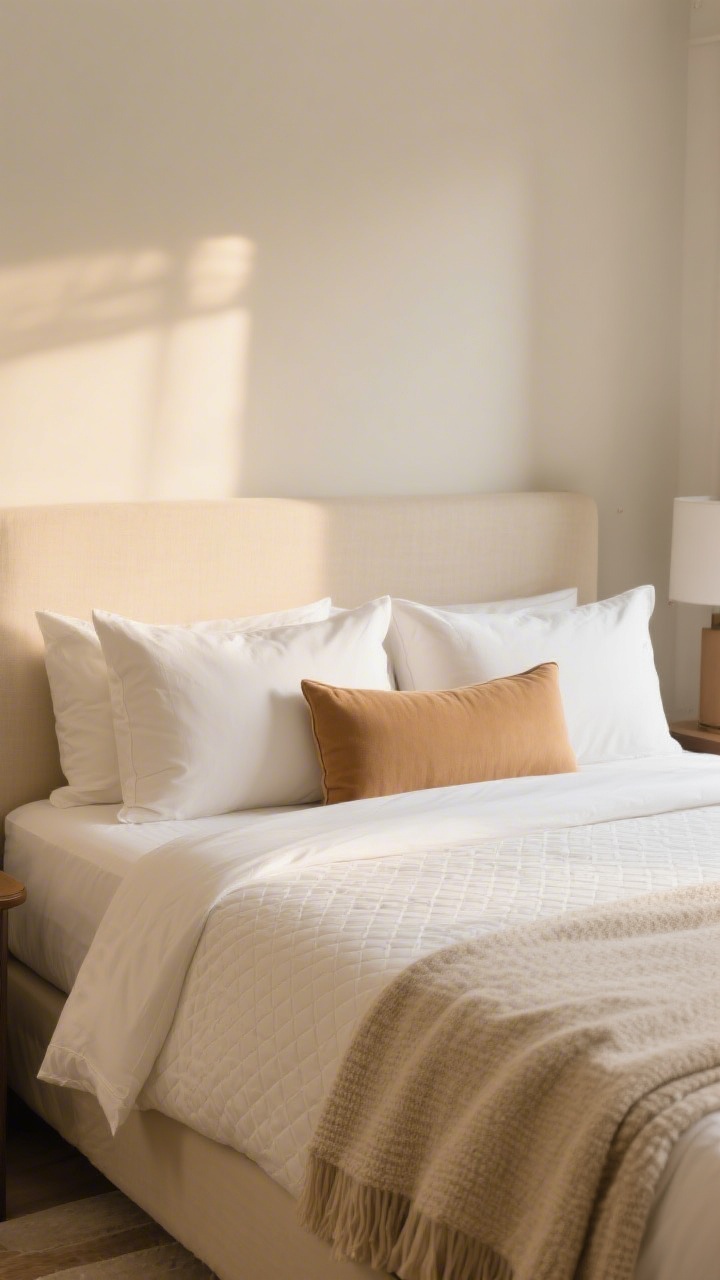
This image is by AI for inspiration only.
Yes, the hotel look is doable at home—without stiff vibes. Aim for plush and restrained: two sleeping pillows, two euros, one lumbar. Add a quilt or matelassé under a duvet for that layered finish.
- Sheets: Crisp percale if you run hot; sateen for a little sheen.
- Color story: Whites and creams with one accent tone—moss, slate, or camel.
- Throw: A textured blanket at the foot says “I have my life together.”
Pro tip: Steam the duvet and pillow shams. Takes five minutes. Looks like a magazine.
12. Add Organic Elements For Warmth
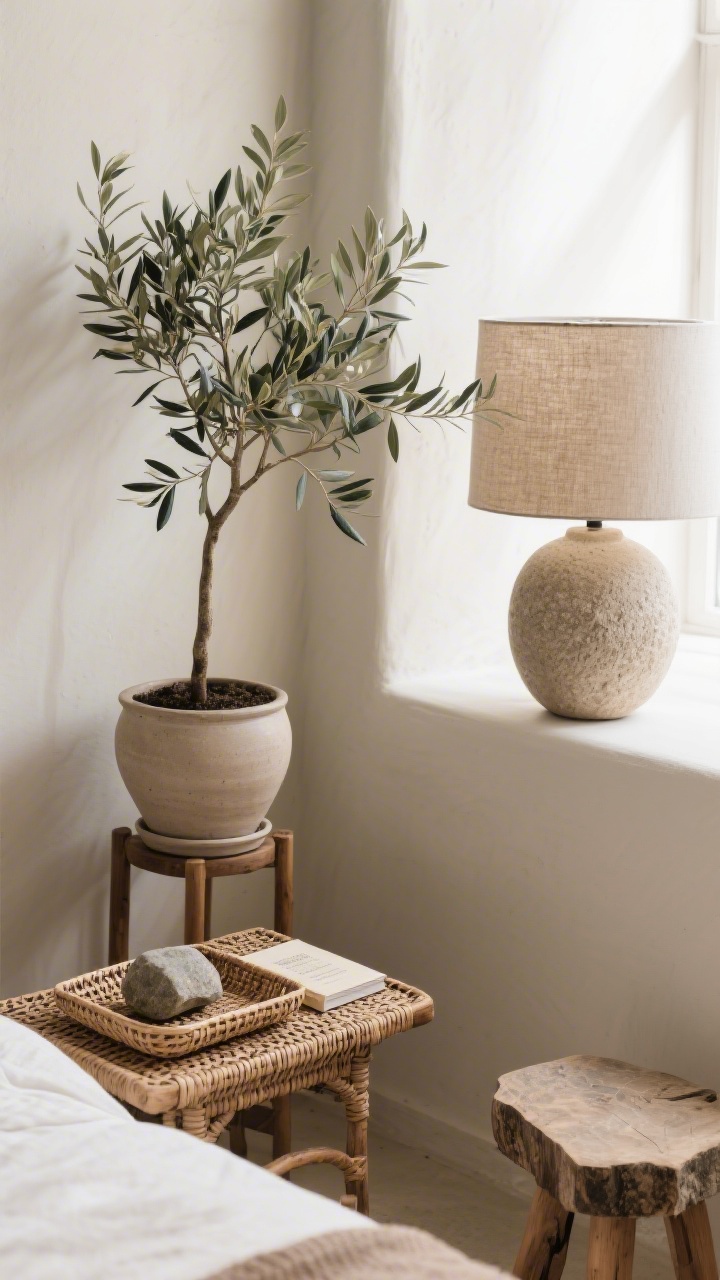
This image is by AI for inspiration only.
To keep transitional from feeling too polished, weave in natural textures. Bring in a live plant, a woven tray, raw-edge wood, or stone objects. Nature calms everything down—science and vibes agree.
- One tall plant (olive, ficus, rubber) in a neutral pot = instant height and softness.
- Wicker or rattan adds texture without fighting your palette.
- Stone or ceramic lamps bring subtle, grounding heft.
Pro tip: Use a plant stand to vary height and avoid the “plant on the floor” sadness. Also, pick low-maintenance varieties if you’re a serial plant neglecter. IMO, ZZ plants are unkillable.
13. Edit Ruthlessly And Personalize Thoughtfully
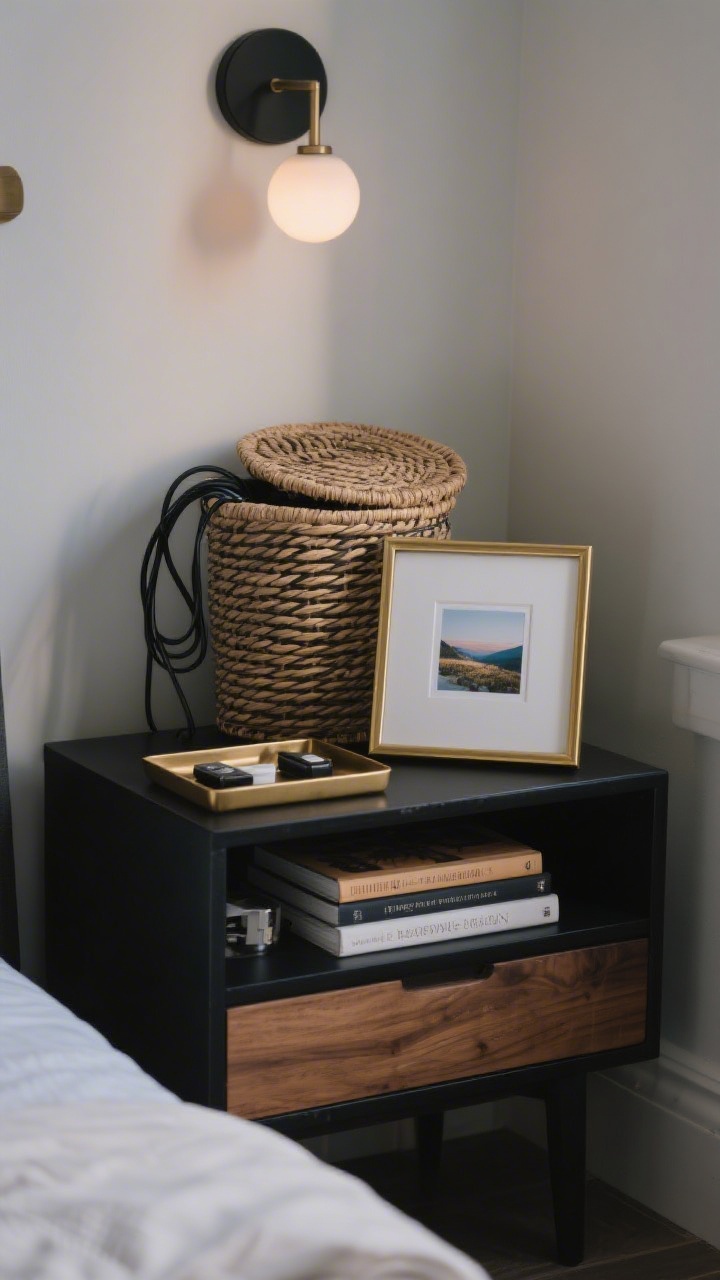
This image is by AI for inspiration only.
Transitional bedrooms look effortless because they’re curated. No clutter piles, no 16 throw pillows in clashing prints. Keep what you love and let everything else go.
- Limit decor to a few meaningful pieces: a travel photo, a favorite book stack, a ceramic dish from a local maker.
- Hide the chaos: lidded baskets for cords and tech, trays for nightstand bits.
- Repeat finishes 2–3 times around the room for cohesion.
Pro tip: Do a five-minute nightly reset. Clear surfaces, fluff pillows, fold the throw. Your future self will want to high-five you.
Bonus Styling Cheats (Because I Like You)
- Odd numbers look best: style in 3s and 5s.
- Vary heights in every vignette—tall lamp, medium vase, low tray.
- Every area should have at least one soft thing and one structured thing. Balance is the secret sauce.
Final Thought: Transitional style isn’t about rules; it’s about restraint and rhythm. Mix classic bones with modern lines, keep textures rich, and let your personality peek through. Do that, and your bedroom will feel calm, collected, and totally you—no design degree required.
Image Credits:All images are used for informational or inspiration purposes only. Some images used in this post are sourced from royalty-free websites like Pixabay or created using Canva Pro. If you are the copyright owner of any image used here and would like it removed or credited, please contact me.