The Washing Machine Hack That Finally Got Rid of That Musty Smell (Tested & Approved!)

This morning, I was doing that thing where you gather laundry from every corner of your apartment — bedroom floor, bathroom hooks, random chair pile (because apparently chairs exist only for clothes).
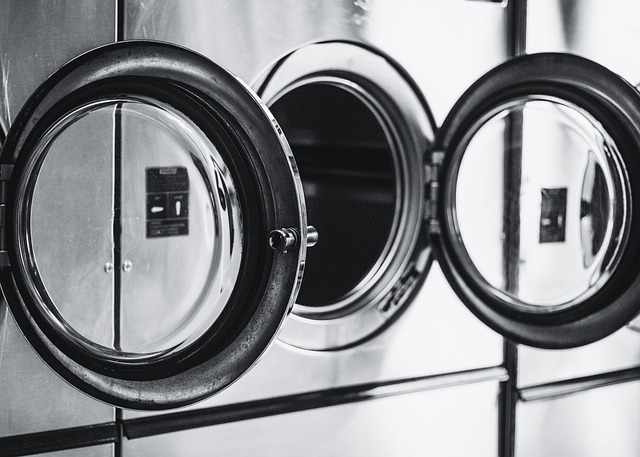
This image is by AI for inspiration only.
image by pixabay
I lugged it all over to my semi-old washing machine, opened the door… and boom.
Quick 20-Second Quiz 🏡
What’s the biggest decorating problem in your space right now?
The smell.
Not just a faint “hmm, that’s a little damp” smell. No. My washing machine straight-up smelled like sewage.
I actually stood there for a second, laundry basket in hand, wondering if my landlord was going to tell me I had to move out because my washer was now a biohazard.
Step One: TikTok Panic Research
Naturally, I did what any rational adult does when faced with an appliance crisis: opened TikTok and Pinterest.
Because if there’s one place that knows how to turn mold and mildew removal into a five-step aesthetic hack with pastel captions, it’s TikTok.
After an hour of scrolling (and accidentally saving three unrelated recipes I’ll never make), I pieced together a plan. I was not about to call a professional or spend $$$ on a repair. Nope — this was a DIY-or-die situation.
Why Does My Washing Machine Smell Bad?
Before I dive into what worked, let’s talk about why washers smell like swamp water in the first place. Spoiler: it’s not because you’re bad at laundry.
The main culprits are usually:
Mold + mildew – They love warm, damp environments (aka, your washer drum).
Lint buildup – Yep, washing machines have lint traps too. Who knew?
Detergent residue – Using too much detergent can actually leave behind gunk that smells worse than gym socks.
Drainage issues – Sometimes water isn’t leaving the machine completely, which creates that “rotting” smell.
Once I understood what was going on, the fixes suddenly made a lot more sense.
The Hacks That Actually Worked
Clean the Lint Trap (Yes, Your Washer Has One)
I had never even considered that my washing machine had a lint filter — like, that’s a dryer thing, right? Wrong.
It’s usually hidden near the drum or behind a small cover. I pulled mine out, and I kid you not, it looked like the inside of a vacuum bag. No wonder it smelled funky.
How I cleaned it:
Unplugged the machine (because safety first).
Yanked out the filter and scraped off the buildup.
Gave it a scrub with warm soapy water.
Instantly less gross.
Deep-Clean the Door Seal
If you have a front loader like me, that rubber ring around the door is basically a mold playground. It traps water in those little folds.
I took a microfiber cloth and ran it along the seal… and immediately regretted how long I’d been ignoring it. Let’s just say the cloth did not come out clean.
Pro tip: Leave your washer door open after every cycle. I used to think that looked messy, but now I’m religious about it. No trapped water = less smell.
Run a Self-Clean Cycle (aka the “Reset Button”)
Most modern washers have a self-clean button. Mine had been sitting there like some mysterious, unused spaceship control.
I ran it with a Tide Washing Machine Cleaner Tablet, and wow — the smell improvement was immediate. It was like a spa day for my washer.
It takes a while (plan for an hour or so), but it’s worth every minute.
Try a Natural Hack: Vinegar + Baking Soda
After TikTok convinced me my washer needed a kombucha cleanse, I poured in one cup of vinegar, let it sit, then followed up with half a cup of baking soda on a hot cycle.
The fizzing action? Weirdly satisfying. And it left the drum smelling fresh instead of chemical-y.
Optional bonus: Add a few drops of essential oil (lavender or lemon work best) so your machine smells like a spa instead of a science experiment.
Switch to a Cleaner Detergent
Here’s something I learned the hard way: those neon-blue detergents with heavy perfumes? They leave residue that clogs up the washer and makes smells worse.
Now I use an eco-friendly detergent (this one on Amazon is my go-to) that doesn’t leave behind that sticky film. My clothes smell fresher, and my washer doesn’t protest anymore.
Top-Loader vs. Front-Loader: What I Learned
I tested these tricks on my old top-loader at my parents’ house too, and here’s the difference:
Top-loaders often hide gunk under the agitator (that big piece in the middle). If you can remove it, do it. Mine had lint, hair, and who-knows-what living underneath.
Front-loaders need extra love on the gasket (door seal) and detergent tray. Mold loves hiding there.
Natural Deodorizer Hacks I Swear By
Because sometimes you just don’t feel like running a full cleaning cycle.
Coffee grounds: Put dry grounds in a little dish inside the washer overnight. Smells = absorbed.
Baking soda overnight soak: Sprinkle directly into the drum, let sit, then run a rinse cycle.
Essential oils: A few drops on a washcloth tossed in during a rinse cycle = instant freshness.
How to Prevent the Smell From Coming Back
Once I finally got rid of the swamp stench, I realized prevention is 90% of the battle. Here’s what I do now:
Leave the washer door open after every load (yes, even if it looks messy).
Wipe down the seal and drum once a week with a microfiber cloth.
Run a vinegar rinse every couple of months.
Stick to HE (high-efficiency) detergent — it foams less and leaves less residue.
Clean the lint filter regularly (set a reminder if you’re forgetful like me).
Final Thoughts: Goodbye, Gross Laundry Smell
There’s nothing more discouraging than pulling out “clean” laundry that smells like it’s been camping in a swamp.
But with just a little maintenance (and a few surprisingly satisfying hacks), your washer can smell as fresh as your laundry.
I’m honestly mad at myself for not doing this sooner — but hey, at least now I can pass the hacks on to you.
So next time your washer smells like a wet dog and a sewer had a baby, don’t panic. Try the lint trap, the vinegar-baking soda duo, or just hit that self-clean cycle.
Your laundry (and your nose) will thank you.
Now excuse me while I pretend I have my life together and fold the mountain of clean clothes currently sitting on my couch.
Image Credits:All images are used for informational or inspiration purposes only. Some images used in this post are sourced from royalty-free websites like Pixabay or created using Canva Pro. If you are the copyright owner of any image used here and would like it removed or credited, please contact me.